2027 How Employers Are Changing Hiring Criteria for Human Resources Graduates in the AI Era

Co-Founder and Chief Data Scientist
Many prospective human resources students realize early that earning a degree alone no longer guarantees a competitive edge in today's AI-driven job market. A 2024 study by the World Economic Forum found that 75% of employers now prioritize candidates with skills in data analysis, digital literacy, and AI comprehension alongside traditional domain knowledge. This shift reflects how automation and artificial intelligence have redefined key workplace competencies, raising the stakes for graduates entering the profession.
Employers increasingly seek candidates who can navigate AI tools, interpret data insights, and adapt to rapid technological changes, making transferable skills as critical as human resources expertise. This article examines how hiring criteria for human resources graduates are evolving, explores the growing importance of AI literacy and adaptable skills, and offers strategies students can use to stay competitive in the AI era.
Key Things to Know About the Changing Hiring Criteria for Human Resources Graduates in the AI Era
- Employers prioritize HR graduates' ability to leverage AI tools for data-driven decision-making, shifting expectations toward technical fluency beyond traditional interpersonal skills.
- AI literacy, including familiarity with automation and analytics platforms, now directly influences hiring outcomes; a 2024 SHRM survey shows 68% of HR leaders value these competencies as essential.
- Transferable skills like strategic thinking and ethical judgment enhance employability by compensating for AI's limitations in nuanced human factors and complex labor relations.
- Key Things to Know About the Changing Hiring Criteria for Human Resources Graduates in the AI Era Key Things to Know About the Changing Hiring Criteria for Human Resources Graduates in the AI Era
- How Is AI Changing What Employers Look for in Human Resources Graduates? How Is AI Changing What Employers Look for in Human Resources Graduates?
- Which AI Skills Are Employers Expecting Human Resources Graduates to Have? AI Skills
- Which Human Skills Are Employers Looking for in Human Resources Graduates? Human Skills
- How Are AI Tools Changing Daily Work in Human Resources Careers? AI Workplace Tools
- How Are Employers Evaluating Human Resources Candidates Beyond Academic Credentials? Hiring Criteria
- How Are Human Resources Degree Programs Adapting to AI? AI Curriculum
- Which Industries Are Changing Hiring Expectations Most for Human Resources Graduates? AI and Industry Expectations
- How Is AI Changing Career Growth for Human Resources Professionals? AI and Career Growth
- How Should Human Resources Students Prepare for AI-Driven Hiring? Career Preparation
- How Should Students Choose a Human Resources Program for the AI Era? How Should Students Choose a Human Resources Program for the AI Era?
How Is AI Changing What Employers Look for in Human Resources Graduates?
Employers are increasingly prioritizing human resources graduates who can collaborate effectively with AI technologies rather than merely executing routine tasks automated by these systems. As of 2024, over 60% of companies have embraced AI tools in recruitment, onboarding, and employee engagement, reshaping hiring benchmarks. In practice, this means candidates need to demonstrate not just familiarity with AI-driven platforms but also the ability to interpret complex workforce data and translate those insights into strategic actions. For example, HR professionals who can analyze AI-generated retention patterns and recommend nuanced interventions provide tangible value that goes beyond tech know-how alone, reflecting a more sophisticated blending of traditional HR expertise and digital literacy.
This shift in hiring priorities demands that graduates build hybrid skill sets incorporating data analysis, technical fluency with AI-powered HR systems, and crucial interpersonal qualities such as ethical judgment and emotional intelligence. Surveys from leading organizations in 2024 highlight that data-driven decision-making and oversight of AI outputs to prevent bias have become top criteria for employers. Despite growing automation, human judgment remains indispensable to ensure fair and effective workforce management. For those exploring advanced training options, pursuing an online masters degree can offer targeted opportunities to develop these interdisciplinary competencies, equipping candidates to meet evolving human resources hiring criteria in the AI era while fostering adaptability in a rapidly transforming field.
Which AI Skills Are Employers Expecting Human Resources Graduates to Have?
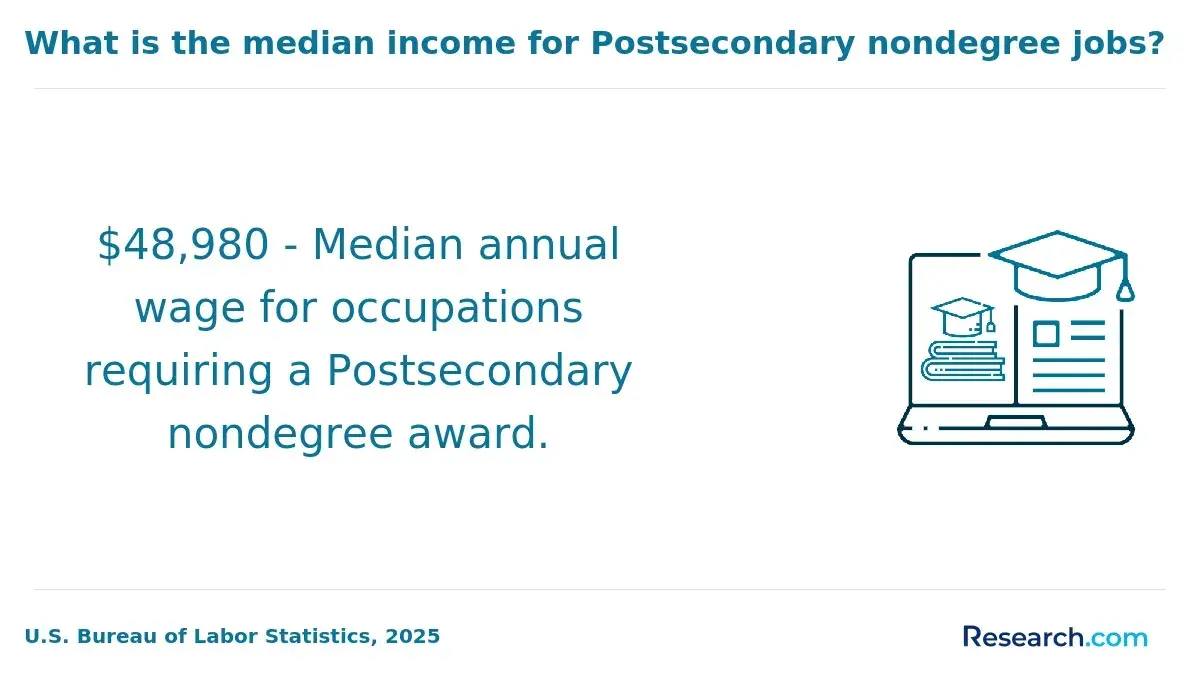
AI integration is reshaping workplace expectations, pushing employers to seek human resources graduates who bring more than traditional HR expertise. The emphasis now lies on practical AI competencies that enhance decision-making and streamline workforce management. Candidates who can blend AI skills with foundational HR knowledge demonstrate added value by improving predictive hiring, reducing bias, and optimizing operational workflows. This shift reflects a broader labor market trend, as reported by the U.S. Bureau of Labor Statistics, where wage gains favor those equipped with AI-related capabilities. Below are key AI skills employers increasingly expect human resources graduates to possess.
- Data Literacy and Analytics: Employers want graduates who can interpret large datasets using AI-powered tools to predict hiring trends, retention risks, and workforce needs. This skill enables HR professionals to move beyond intuition and make strategic, evidence-based decisions. Students should seek coursework and hands-on experience with data visualization and analytics platforms specific to talent management.
- AI-Driven Automation Proficiency: Familiarity with AI platforms that automate repetitive HR tasks-such as resume screening and interview scheduling-is essential. Graduates able to implement and manage these tools improve efficiency and free time for strategic initiatives. Learning to navigate popular HR automation software before entering the workforce can provide a competitive edge.
- Ethical AI Deployment: Understanding and addressing AI bias and data privacy in HR processes safeguards fairness and compliance. Employers expect HR professionals to critically assess AI models' outputs and champion ethical standards. Preparation involves studying ethical frameworks, legal regulations, and real-world scenarios involving AI misuse or bias mitigation.
- Machine Learning Awareness: A functional grasp of machine learning principles relevant to talent management allows graduates to interpret AI recommendations and customize solutions. This skill supports continuous improvement in talent acquisition and engagement strategies. Introductory training in machine learning concepts applied to HR can prepare students to collaborate effectively with data scientists or AI vendors.
- Strategic AI Integration: Employers value candidates who can align AI capabilities with broader organizational goals, enhancing workforce planning and employee development. This requires an analytical mindset and experience translating AI insights into actionable HR policies. Case studies or project-based learning focusing on AI applications within HR functions help build this competency.
Proactively cultivating these essential artificial intelligence competencies for HR professionals can distinguish graduates in a hiring landscape that increasingly rewards technical proficiency paired with human-centric judgment. Recent data reveal that such an integrated skill set supports better hiring outcomes and fosters more dynamic workplace environments. For students considering how to prepare themselves, exploring related fields like criminal justice majors can sometimes offer complementary perspectives on ethics and data use that enrich their HR expertise.
Which Human Skills Are Employers Looking for in Human Resources Graduates?
As artificial intelligence increasingly automates routine processes in human resources, the demand shifts toward skills that AI cannot replicate. Employers now seek graduates who can complement technology with nuanced understanding and interpersonal finesse. AI handles transactional work efficiently, but human professionals remain essential for managing emotional dynamics, interpreting complex issues, and adapting to unpredictable environments. This evolving landscape means that human resources graduates must cultivate capabilities that leverage AI rather than compete with it. The following five skills highlight where students should focus their development.
- Emotional Intelligence: Recognizing and managing emotions is a core competency that AI lacks. Employers expect graduates to use emotional insight to resolve conflicts, build inclusive cultures, and support employee well-being. Prospective professionals can improve this skill through experiential learning, mentoring, and training in diversity and inclusion.
- Critical Thinking and Problem Solving: Analytical ability to evaluate data within ethical and organizational contexts remains irreplaceable. Graduates must interpret AI-generated insights and align them with real-world workplace variables. Coursework in organizational behavior and ethics alongside case-based exercises strengthens this skill.
- Advanced Communication: Effective messaging tailored to diverse audiences and delivered across virtual platforms is essential. The rise of remote and hybrid work demands graduates develop clarity, empathy, and adaptability in communication, which can be honed through presentations, digital collaboration tools, and feedback practice.
- Adaptability and Lifelong Learning: Rapid tech evolution requires ongoing skill refreshment and an openness to new methodologies. Graduates prepared to pivot and continuously upskill will thrive by viewing AI as an augmenting partner. Professional development workshops and self-directed learning play key roles here.
- Cultural Competency: Navigating workplace diversity with sensitivity and respect empowers human resources professionals to foster engagement and equity. Understanding varied backgrounds and perspectives enhances strategy and compliance efforts, and can be developed through intercultural education and immersive experiences.
A graduate recently shared how her first role involved mediating a conflict that AI flagged as a potential productivity issue. While algorithms identified behavioral patterns, only her emotional intelligence and cultural understanding uncovered underlying personal struggles between team members. Initially unsure how to balance data-driven recommendations with empathetic judgement, she sought advice from a mentor and applied active listening techniques. Her ability to blend critical thinking with compassionate communication defused tension and led to a tailored resolution that improved team cohesion. This experience underscored how uniquely human skills remain vital amidst growing AI integration.
How Are AI Tools Changing Daily Work in Human Resources Careers?
Artificial intelligence is radically altering daily workflows in human resources by automating repetitive tasks like resume screening and interview scheduling. Recent data from the National Bureau of Economic Research shows that over 65% of HR departments in mid-to-large organizations have incorporated AI-driven tools, resulting in significant productivity gains. These technologies process large volumes of applicant data rapidly, enabling faster and less subjective hiring decisions, with some firms reporting up to a 40% reduction in time-to-fill vacancies. By delegating routine communication to AI-powered chatbots, HR professionals can devote more attention to strategic functions such as employee engagement and organizational development.
However, this shift demands that HR practitioners transition from purely administrative roles toward those emphasizing analysis, ethical judgment, and oversight of AI outputs. For instance, while an automated system might flag candidates based on keyword matches, HR staff must critically evaluate these recommendations to avoid biases and ensure compliance with data privacy regulations. The increasing reliance on AI also necessitates a higher level of digital literacy, combining expertise in workforce analytics with an understanding of AI ethics and governance. According to the U.S. Bureau of Labor Statistics, this technological integration is redefining essential skills for HR graduates, who must now balance interpersonal acumen with technological fluency to remain effective collaborators with AI systems.
How Are Employers Evaluating Human Resources Candidates Beyond Academic Credentials?
Employers are shifting their evaluation of human resources candidates well beyond academic transcripts to emphasize tangible skills and real-world experience. Practical exposure to AI-driven HR technologies, internships, and project portfolios offers concrete evidence of a candidate's readiness to handle increasingly complex workforce analytics and digital tools. According to a 2024 report by the Society for Human Resource Management, 76% of employers now prioritize such hands-on expertise, underscoring the importance of developing AI literacy alongside traditional competencies. For instance, a candidate who can demonstrate proficiency in using workforce data analytics software to optimize talent management will generally be rated more favorably than one relying solely on academic credentials.
Alongside technical skills, employers seek adaptability, communication, and teamwork capabilities as critical components of a prospective hire's profile. A 2024 LinkedIn Workplace Learning report revealed that 69% of hiring managers value adaptability highly, particularly because HR professionals must navigate rapidly evolving digital environments and collaborate effectively across functions. This holistic approach to hiring reflects wider recognition that soft skills are essential to applying AI tools ethically and strategically. Candidates demonstrating problem-solving ability and emotional intelligence-both central to managing AI-driven biases and privacy concerns-gain an advantage in competitive applicant pools.
These trends highlight why holistic evaluation criteria are becoming the norm in AI-driven hiring processes for human resources candidates. Evidence of continuous learning, such as pursuing certifications or relevant degrees like a UX design online degree, signals commitment to staying current with technological change. The National Association of Colleges and Employers shows that 58% of recruiters prefer candidates actively engaged in professional development. Early-career HR professionals who strategically build portfolios showcasing AI integration, practical projects, and interpersonal skills will be better positioned to thrive in a job market that demands more than just academic qualifications.
How Are Human Resources Degree Programs Adapting to AI?
Human resources degree programs are increasingly integrating AI-related content to equip graduates with the technical competencies demanded by today's employers. Recent data from the National Center for Education Statistics reveals that nearly half of HR bachelor's and master's programs in the U.S. have added AI and data analytics modules within the past two years. This evolution reflects a shift from purely theoretical instruction toward applied skills involving applicant tracking systems, predictive workforce analytics, and automated feedback mechanisms. One practical example is a program that partners with organizations to provide students hands-on experience using AI-driven recruitment platforms, allowing them to interpret algorithmic outputs critically rather than operate tools blindly.
At the same time, programs strive to maintain core human resources principles by blending these new technologies with training in ethical AI use, data privacy, and interpersonal skills. Faculty often caution against an overemphasis on automation at the expense of conflict resolution or organizational culture management-competencies still vital for effective HR practice. Curricular updates frequently feature interdisciplinary coursework and collaboration with industry experts to ensure graduates can navigate workforce demands dynamically. Moreover, experiential learning, such as simulations or internships centered on AI applications, supports coding technical fluency among students without sacrificing the nuanced judgment required for strategic decision-making.
Workforce data from the Society for Human Resource Management highlights a persistent gap: over 60% of new HR hires lack adequate digital literacy concerning AI platforms. Institutions address this by embedding AI content in core courses rather than elective options, aligning academics with employer expectations. Emphasizing lifelong learning and ethical awareness, human resources programs are evolving not simply to produce operators of AI tools but adaptable professionals capable of balancing technological insight with human-centered judgment in a complex labor market.
Which Industries Are Changing Hiring Expectations Most for Human Resources Graduates?
The speed at which artificial intelligence reshapes hiring criteria varies considerably across industries due to differences in regulatory complexity, technological integration, and workforce dynamics. This uneven pace creates distinct expectations for human resources graduates, who must align their skillsets with the specific demands of each sector. For example, a recent graduate comparing HR roles in manufacturing versus finance may find that while both prioritize AI fluency, the latter demands deeper compliance knowledge and data-driven risk management abilities. Understanding these sector-specific variances helps candidates strategically target their professional development. Below are five industries where AI-driven transformation is most rapidly redefining hiring standards for human resources professionals.
- Technology: Companies in this sector now expect HR professionals to possess advanced AI literacy to manage automated recruitment platforms and analyze workforce metrics. McKinsey's 2024 findings reveal that nearly three-quarters of tech employers prioritize candidates who can leverage predictive analytics for talent decisions, underscoring the demand for data-savvy HR graduates.
- Healthcare: The integration of AI tools for scheduling, regulatory compliance, and credential verification is reshaping healthcare HR functions. Graduates must combine standard HR competencies with familiarity in healthcare-specific AI applications, as emphasized by recent National Institutes of Health research pointing to a growing need for hybrid expertise in clinical workforce management.
- Finance: Financial institutions increasingly rely on AI for risk assessment and fraud detection within staffing processes, alongside diversity and inclusion analytics. According to a 2024 Deloitte report, HR hires are expected to use AI-enabled insights to navigate tight regulatory frameworks effectively, making regulatory tech fluency a key differentiator.
- Manufacturing: As automation accelerates, manufacturing firms seek HR professionals skilled in balancing AI-driven workforce planning with human-centered upskilling initiatives. International Federation of Robotics data highlights an emerging requirement for HR to manage transitions involving both technological tools and employee development.
- Retail: The retail sector leverages AI for employee scheduling, performance evaluation, and turnover prediction. Graduates entering this field should understand how to interpret data from AI platforms to optimize staffing and enhance employee engagement amid fluctuating consumer demands.
One recent graduate faced a dilemma when deciding between HR positions in healthcare and technology. Although initially drawn to healthcare's mission-driven environment, they noticed healthcare employers increasingly sought candidates fluent in AI-enabled compliance platforms-a skill they had yet to master. Conversely, tech firms emphasized advanced data analytics and AI recruitment tools, aligning better with the graduate's coursework and internship experience. After weighing the urgency of adapting skills and the nature of each sector's adoption curve, the graduate opted for a technology company, finding relief in its clear path for AI skill development and strong emphasis on predictive workforce planning. This choice highlighted how varying AI impacts across industries influence HR career trajectories and skill prioritization.
How Is AI Changing Career Growth for Human Resources Professionals?
The pace at which industries adopt artificial intelligence varies significantly, influencing how hiring expectations evolve for human resources graduates. Sectors with rapid AI integration demand HR professionals who combine technical fluency with strategic insight to manage workforce transformations effectively. Other industries adopt AI more cautiously or focus on specific operational improvements, resulting in more gradual shifts in HR competencies. Understanding these disparities can help early-career HR professionals prioritize skill development and tailor their career paths. Below are five industries where hiring expectations are shifting most dramatically in response to AI and related technologies.
- Technology: This industry leads in AI adoption, expecting HR graduates to be proficient in AI-driven analytics and talent management platforms. HR roles increasingly require skills in interpreting predictive workforce data to support innovation and retain top tech talent amid fierce competition.
- Healthcare: AI enhances patient care and administrative efficiency, pushing HR to recruit professionals versed in data privacy and ethical AI oversight. The sector demands HR specialists who can navigate regulatory complexities while managing AI-augmented talent acquisition and ongoing staff development.
- Financial Services: Automation in compliance and risk assessment requires HR professionals familiar with AI-powered decision-support tools. Employers look for graduates able to blend analytical acumen with ethical judgment to uphold transparency and fairness in hiring and workforce management.
- Manufacturing: AI-driven automation reshapes job roles, making HR expertise in change management and upskilling critical. Graduates must understand how to implement AI-enabled training programs and facilitate transitions for displaced workers in increasingly digital environments.
- Retail: Integrating AI for customer analytics and inventory management amplifies the need for HR professionals who excel in data-driven recruitment and workforce planning. HR leaders in retail must balance efficiency with employee engagement to sustain service quality in fast-evolving market conditions.
The transformation of hiring criteria across these industries highlights the growing importance of AI competencies for career development for HR professionals in the AI era. Students and recent graduates pursuing an online masters in human services can leverage this insight to align their education with emerging employer expectations and position themselves for competitive advantages in these rapidly evolving fields.
How Should Human Resources Students Prepare for AI-Driven Hiring?
Preparing for AI-driven hiring requires more than earning a human resources degree; it demands an integrated skill set combining technical know-how, AI literacy, and interpersonal sensitivity. With over 60% of companies incorporating AI into recruitment as of 2024, students must move beyond traditional HR knowledge. For instance, understanding how to interpret outputs from applicant tracking systems or AI-powered screening tools enables candidates to add strategic value rather than operate as passive users. Below are actionable strategies for human resources students preparing for an AI-influenced job market.
- Build Data Literacy: Grasping data analysis fundamentals allows students to evaluate applicant tracking system reports and identify trends. This competency bridges the gap between raw AI outputs and informed hiring decisions, fostering more accurate candidate assessments before graduation.
- Gain Hands-On Experience: Participating in internships or projects involving AI recruitment tools provides authentic exposure to evolving technologies. Real-world scenarios support skill refinement and demonstrate to employers a proactive engagement with AI-driven hiring practices.
- Develop Bias Awareness: AI can unintentionally perpetuate biases in recruitment algorithms. Learning to detect and mitigate these biases is crucial for ethical hiring, helping students ensure fairness and compliance in increasingly automated processes.
- Enhance Human-Centered Skills: Emotional intelligence and communication remain vital despite automation. These skills allow future HR professionals to contextualize AI recommendations, maintain candidate rapport, and address issues AI cannot resolve alone.
- Stay Informed on Trends: Regularly consulting accredited sources and reports, such as those from SHRM or the U.S. Bureau of Labor Statistics, helps students anticipate changes in employer expectations and workforce demands. Leveraging resources like best online colleges with weekly start dates can provide flexible education pathways tailored to these needs.
How Should Students Choose a Human Resources Program for the AI Era?
Selecting a human resources program today demands more than evaluating reputation or cost; it requires careful assessment of how well the curriculum equips students for the AI-driven transformations in the workplace. The 2024 reports from the National Center for Education Statistics and the Society for Human Resource Management emphasize that programs integrating AI literacy and workforce analytics are increasingly valued by employers. For example, a student interning at an HR department using AI-driven talent acquisition software gains irreplaceable practical experience, positioning them ahead of peers who only studied theory. Students must critically compare program offerings to ensure readiness for evolving roles. Key evaluation factors include:
- Curriculum Integration of AI: Programs should offer courses on AI applications in HR, such as talent analytics and automation ethics, reflecting the growing employer demand highlighted in 2024 educational data.
- Hands-On Experience Opportunities: Internships or partnerships with companies using AI tools create practical skills beyond classroom learning, essential for real-world adaptability.
- Balance of Technical and Soft Skills: As the U.S. Department of Labor notes, critical thinking and emotional intelligence remain vital alongside AI proficiency; programs must cultivate both.
- Continuous Curriculum Updates: Institutions regularly revising coursework based on employer feedback ensure graduates stay current amid rapidly changing AI technologies.
- Accreditation and Industry Recognition: Accreditation from recognized bodies and endorsements from HR industry leaders indicate program quality and market relevance.
References
- How AI is changing the skills that employers want https://www.gradlinkuk.com/news-uk&news=how-ai-is-changing-the-skills-that-that-employers-want
- AI in HR: How is Artificial Intelligence transforming human resources? https://www.imd.org/blog/digital-transformation/ai-in-hr/
- The Complete Guide to AI in HR: From Hiring to Retention https://www.lyzr.ai/blog/ai-in-hr/
- Think AI Will Replace HR? Think Again. https://www.villanova.edu/university/professional-studies/about/news-events/2025/0404.html
- AI for HR: Complete Guide to People Operations (2026) https://www.startbrain.ai/blog/ai-for-hr-complete-guide
- Human Resources in the Age of AI — What's Changing & How an HR Degree Can Help https://www.umassglobal.edu/blog-news/human-resources-age-ai-whats-changing-hr-degree-can-help
- 5 Essential Automation and Artificial Intelligence Skills for HR Professionals https://www.alliedonesource.com/5-essential-automation-and-artificial-intelligence-skills-for-hr-professionals
- The End of HR As We Know It? AI Is Starting To Change Everything. https://joshbersin.com/2025/04/is-the-hr-profession-as-we-know-it-doomed-in-a-strange-way-yes/
- Beyond Credentials: How Skills-Based Hiring Drives Organizational Performance and Social Equity https://www.innovativehumancapital.com/article/beyond-credentials-how-skills-based-hiring-drives-organizational-performance-and-social-equity
- Artificial Intelligence for HR | Certificate Program https://www.aihr.com/courses/artificial-intelligence-for-hr-certification/
Other Things You Should Know About Human Resources
Employers often face tension between valuing AI-related skills and core human resources knowledge. While AI proficiency can streamline HR processes, hiring managers still prioritize candidates with solid understanding of labor laws, employee relations, and organizational behavior. Graduates who can demonstrate how AI tools enhance-not replace-these foundational skills have a competitive edge. Candidates should prioritize mastering basic HR competencies first and then contextualize AI applications within those frameworks to meet employer expectations.
Employers increasingly value hands-on experience using AI-enabled tools over generic certifications. While certifications can signal theoretical knowledge, practical proficiency often correlates better with job performance, especially given the fast evolution of AI technologies. Graduates should aim for internships or project work where they actively use AI systems in HR scenarios, as this tangible experience better prepares them for real workplace challenges and raises their hiring appeal.
Yes, AI integration can raise workload expectations due to accelerated workflows and data-driven decision-making. Employers may expect new hires to quickly adapt to AI-powered systems that automate routine tasks but also demand analytical review and strategic insight. This means HR graduates often need to manage higher volumes of work with precision and speed, which can increase job complexity. Prioritizing time management and continuous learning is essential to balance these demands effectively.
Given the pace of AI adoption, employer criteria can shift unpredictably, making it difficult to target specific skills perfectly. Graduates should focus on cultivating adaptable problem-solving abilities and a mindset oriented toward continuous upskilling, rather than mastering any single technology. Employers value HR professionals who can anticipate change and integrate new AI tools thoughtfully into evolving business needs. Emphasizing this versatility serves graduates better than committing solely to current AI trends.