2027 Human Resources Career Outcomes by Degree Level Report: Pay, Employment, and Advancement Patterns

Co-Founder and Chief Data Scientist
Deciding whether to pursue an associate, bachelor's, or graduate degree in human resources poses a complex dilemma with significant career consequences. Recent 2024 data from the National Association of Colleges and Employers reveals that HR professionals with graduate degrees experience notably higher employment rates and faster advancement than those with only undergraduate credentials. This disparity reflects employer preferences for deeper expertise in talent management and strategic organizational development, shaping not just initial job placement but long-term career mobility.
For students balancing work, family, or military commitments, understanding these nuanced pay and promotion patterns by degree level is critical. This article analyzes comprehensive data on human resources career outcomes by degree level, providing clear insight into pay differentials, employment prospects, and advancement opportunities to inform educated educational decisions.
Key Things to Know About Human Resources Career Outcomes by Degree Level
- Associate degrees often lead to entry-level roles with limited advancement; this tradeoff suits those seeking quicker labor-market entry but may restrict mid- and senior-level management access in Human Resources.
- Employers increasingly prefer master's credentials for strategic HR roles, reflecting a workforce trend prioritizing analytical and leadership competencies beyond basic employment verification.
- Certificate programs offer timing and cost advantages, but limited credential stacking opportunities mean slower salary growth and fewer promotion chances compared to bachelor's or graduate degrees.
- Key Things to Know About Human Resources Career Outcomes by Degree Level Key Things to Know About Human Resources Career Outcomes by Degree Level
- What Career Outcomes Can Students Expect From Each Human Resources Degree Level? Career Outcomes by Degree
- How Much Do Human Resources Graduates Earn by Degree Level? Salary by Degree Level
- Which Human Resources Degree Level Offers the Strongest Employment Prospects? Best Degrees for Employment
- What Entry-Level Jobs Can You Get With a Human Resources Degree? Entry-Level Career Opportunities
- How Do Human Resources Degree Levels Affect Career Advancement and Promotion Opportunities? Career Growth by Degree
- Is a Human Resources Degree Worth It Based on Salary, Employment, and ROI? Salary, ROI, and Value
- How Do Associate, Bachelor's, Master's, and Doctoral Human Resources Degrees Compare? Comparing Degree Levels
- Which Industries and Employers Hire Human Resources Graduates by Degree Level? Which Industries and Employers Hire Human Resources Graduates by Degree Level?
- What Skills, Credentials, and Experience Improve Human Resources Career Outcomes? What Skills, Credentials, and Experience Improve Human Resources Career Outcomes?
- Which Human Resources Degree Level Is Best for Your Career Goals? Choosing the Right Degree
What Career Outcomes Can Students Expect From Each Human Resources Degree Level?
Choosing the appropriate human resources degree level significantly shapes employment access and advancement potential, with clear tradeoffs in specialization and leadership readiness. For instance, certificate and associate pathways typically enable faster workforce entry as HR assistants or payroll clerks, but these roles often come with limited upward mobility unless supplemented by further education or substantial experience. In contrast, bachelor's degrees serve as a baseline credential for most specialist positions, with nearly 75% of HR job postings now requiring this level, reflecting employer expectations for proficiency in areas like employment law and organizational behavior. Transfer students and working professionals must weigh the time investment of completing a bachelor's program against the broader role readiness and mid-level supervisory opportunities it unlocks within human resources degree employment and advancement patterns.
Advancing beyond specialist roles generally necessitates graduate-level education, as master's degrees in human resource management correlate strongly with eligibility for senior certifications such as SHRM-SCP and SPHR, and open doors to director-level positions emphasizing strategic leadership and organizational impact. Doctoral credentials, while less common, position individuals for research-intensive or academic careers, influencing advancement ceilings in specialized organizational development but requiring significant time and resource commitments. Employers increasingly prioritize experiential learning components found in graduate programs, including internships and project-based placements, underscoring the importance of practical exposure alongside academic credentials.
Prospective students should consider these factors carefully, as aligning degree-level choices with professional goals and prior credits can optimize career trajectories in this field, especially for adult learners and military-affiliated students navigating pathway transfer options within human resources degree employment and advancement patterns. Those exploring which field to enter or pivot toward can benefit from reviewing comprehensive data on college majors to inform their decisions.
How Much Do Human Resources Graduates Earn by Degree Level?
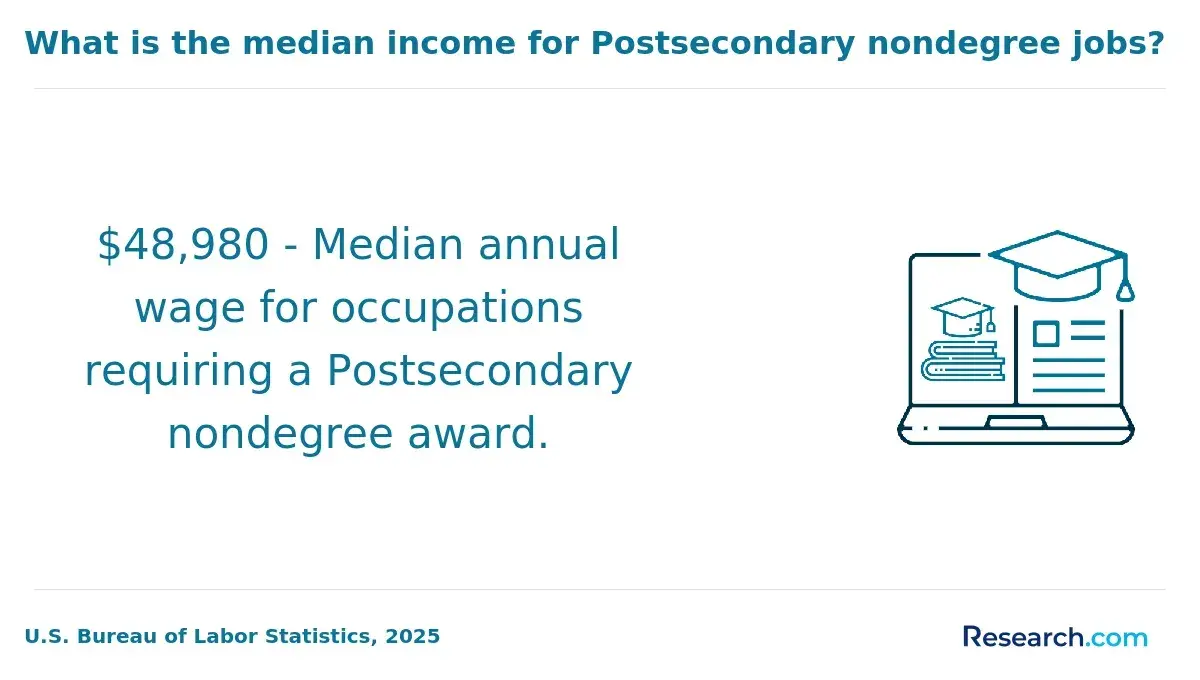
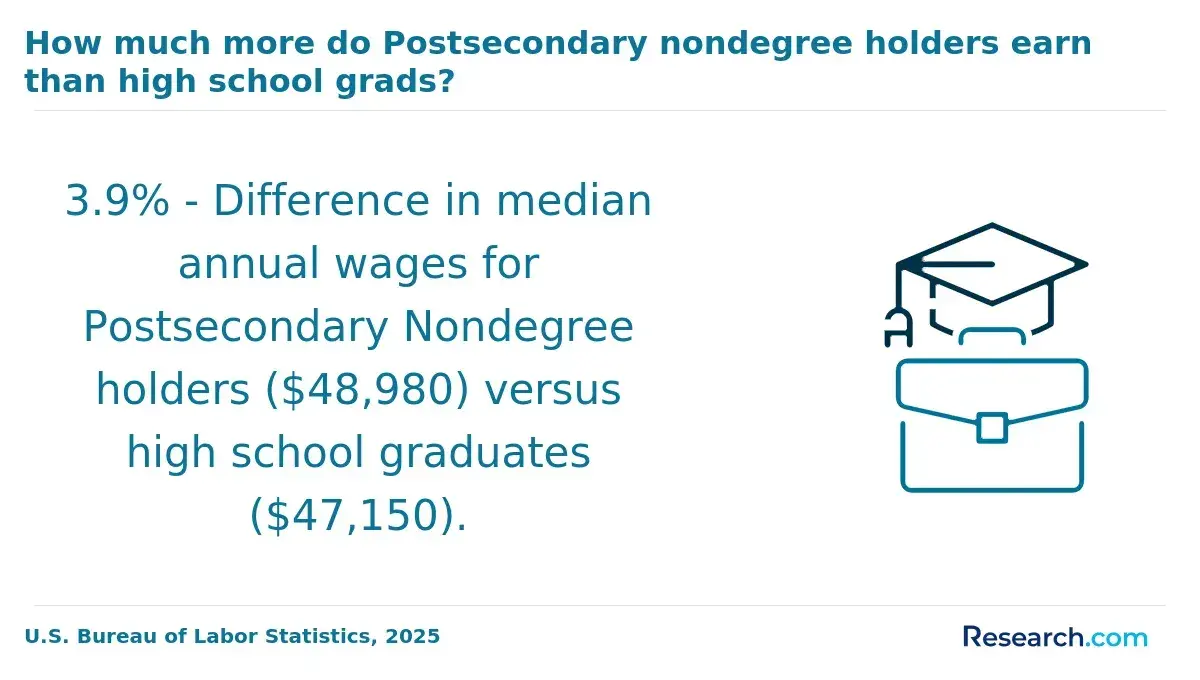
Human resources graduates' earnings are closely tied to their credential levels but must be understood in context with employer demands, role complexity, and regional market conditions. For example, while certificates and associate degrees often lead to entry-level positions earning around $45,000 to $55,000 annually, these roles tend to have limited strategic responsibility and lower long-term growth potential. Moving to a bachelor's degree typically corresponds with salaries near $65,000 to $75,000, reflecting access to more analytical, generalist roles that require broader knowledge and adaptability. Yet, the decision to pursue further education should consider that advancing to master's level raises median salaries to roughly $85,000 to over $100,000, often reserved for managerial or specialized HR functions; however, this comes with increased time, cost, and in some cases, additional program prerequisites such as licensing or specific field experience.
Employment stability also varies by degree, with bachelor's and graduate degree holders generally facing lower unemployment rates due to enhanced eligibility for diverse functions and quicker adaptation to shifting workforce needs. Geographic location and industry specialization further influence pay, as metropolitan areas or sectors like technology and healthcare typically offer premium wages, which may outweigh nominal degree-based differences in some cases. Adult learners and working professionals should weigh the opportunity costs of returning for advanced degrees against gains in role seniority or job security, especially since many entry-level positions grant valuable on-the-job experience transferable toward later degree completion or lateral moves within organizations. Transfer credits, program duration, and employer hiring preferences heavily affect how much value a higher degree ultimately contributes to an individual's career trajectory.
One human resources student shared that after reviewing local job openings and discussing with recruiters, they hesitated before committing to a master's degree. Although posted salaries suggested a substantial boost over bachelor's level roles, the student noticed many organizations prioritized relevant work experience and certifications over the degree alone. This led them to focus initially on gaining practical HR operations experience while slowly accumulating credits toward graduate study, balancing financial constraints with the uncertain timeline for tangible salary increase. Their experience highlights how pay differences at each education level intersect with real hiring practices and personal circumstances in career planning.
Which Human Resources Degree Level Offers the Strongest Employment Prospects?
Holding a bachelor's degree in human resources generally offers the most balanced employment prospects, combining broader job access with lower unemployment risk-around 2 percentage points less than associate or certificate holders according to the U.S. Bureau of Labor Statistics 2024 data. Employers frequently treat the bachelor's credential as the baseline for professional roles involving recruitment, compliance, and talent management, whereas certificates and associate degrees mainly lead to entry-level positions with limited upward mobility. This dynamic means individuals with lower-level credentials may enter the workforce sooner but face tighter ceilings without further education or relevant experience.
Master's degrees cater to those targeting specialized or leadership roles, often commanding higher salaries and more stable positions in larger markets where advanced skills in organizational development or consulting are prized. However, the time and cost investment coupled with the need for prior HR experience can delay immediate employment benefits, making the decision to pursue graduate education contingent on long-term career planning rather than quick workforce entry. For doctoral and professional certifications, opportunities narrow but become more targeted toward academia, research, or executive leadership, limiting relevance for the majority of practitioners while offering significant advantages in niche domains.
Regional labor market variations and employer preferences for candidates with technology skills or internships further shape outcomes, emphasizing the importance of aligning degree choices with both local demand and career objectives. Students weighing whether to start work promptly, transfer credits toward a bachelor's, or invest in advanced qualifications should consider that lower degrees may facilitate immediate access but restrict progression, while higher degrees expand possibilities at the cost of delayed earnings. Ultimately, degree-level decisions reflect trade-offs between speed of entry and eligibility for higher responsibility positions within the evolving human resources landscape.
What Entry-Level Jobs Can You Get With a Human Resources Degree?
Entry-level human resources job opportunities differ substantially depending on the degree level attained, with bachelor's degree holders typically positioned for wider selection and stronger employer interest compared to those holding associate degrees or certificates. Many employers now expect candidates to demonstrate both foundational HR knowledge and practical skills like communication and data literacy; since nearly 70% of entry-level roles require a bachelor's degree or equivalent experience, students lacking such credentials often face limited access without supplementary internships or related fieldwork. For example, candidates with documented practicum experience reported by the U.S. Bureau of Labor Statistics in 2024 have approximately 30% higher chances of successful hiring, revealing a significant advantage for those who invest in applied learning alongside their degree. Certifications such as SHRM-CP or PHR, while not mandatory, may serve as meaningful differentiators-particularly for those without extensive work history-signaling professional commitment to hiring managers focused on reliability and baseline proficiency.
Typical starting positions with a human resources degree often emphasize administrative support and recruitment coordination, but interpreting these roles as long-term career entry points requires caution: some advertised "entry-level" jobs in large metropolitan firms inadvertently demand mid-level experience, underscoring the need for strategic application and continual skill development beyond the degree. Geographic location and employer size also shape opportunities, with larger organizations frequently offering structured onboarding and remote work options that can enhance job stability and skill acquisition.
Students considering further specialization or graduate-level study should weigh how early roles build transferable competencies or support advancement, often balancing immediate employment with preparation for future career mobility. Those exploring flexible education pathways may find value in programs like a master of social work online to complement human resources expertise and expand interdisciplinary appeal.
How Do Human Resources Degree Levels Affect Career Advancement and Promotion Opportunities?
Degree level plays a critical role in shaping eligibility and timing for advancement within human resources careers, with higher credentials often translating into earlier access to leadership roles. For example, employers tend to prioritize candidates holding master's or doctoral degrees for strategic management and organizational development positions, due to the specialized skills and decision-making acumen such programs cultivate. Although a bachelor's degree is generally the baseline for supervisory roles, data from the U.S. Bureau of Labor Statistics in 2024 shows professionals with master's degrees have a 30% higher likelihood of receiving promotions into managerial positions within five years. However, this advantage is not absolute; some employers weigh certifications like SHRM-CP or PHR heavily, especially when paired with relevant experience, which can partially offset the absence of graduate-level study.
Timing also factors into career mobility: bachelor's degree holders often face slower promotion tracks, needing supplementary credentials or extended work experience to compete effectively, whereas graduate degree holders typically transition sooner to roles with more responsibility. This creates a tradeoff for adult learners or transfer students weighing the investment in additional education against their current job tenure and career goals. For working professionals, programs offering transfer credits or targeted coursework in areas such as employment law may improve leadership readiness without a full degree. The intersection of degree attainment with certification requirements and employer preferences often dictates internal mobility, making the decision to pursue advanced study highly dependent on specific workplace contexts and long-term professional trajectories.
One recent human resources graduate noted feeling uncertain about whether pursuing a master's degree was necessary after years in a recruiter role. While her employer valued her certifications and experience, she hesitated applying for a director role, aware that competitors with advanced degrees were also in the mix. Opting to enroll in a master's program with transferable credits eased her concerns about the time commitment and aligned with coursework directly relevant to her desired leadership duties. She found this path balanced ambition with practical realities, ultimately boosting her confidence when seeking promotion and navigating organizational expectations for senior roles.
Is a Human Resources Degree Worth It Based on Salary, Employment, and ROI?
Salary outcomes and employment stability differ notably by degree level in human resources, making the decision to pursue further education heavily context-dependent. For example, professionals with a bachelor's degree generally command higher salaries and greater access to mid-to-senior HR roles than those with associate degrees or only certifications; however, this often comes at the cost of increased debt and longer time-to-completion. For working adults or transfer students, the opportunity cost of extended study and accumulated loans can offset potential salary gains, especially in regions where HR demand or wage premiums are modest. Employment growth projections are steady, but the practical advantage hinges on the ability to progress within organizational structures that prioritize bachelor's credentials for strategic or specialized roles.
Return on investment for human resources degrees must be evaluated against factors such as credit transfer policies, part-time options, and available financial aid, which influence completion timelines and debt burdens. Entry-level positions may remain accessible through shorter programs or certifications, supplemented by relevant experience, yet these paths offer limited upward mobility compared to bachelor-level or advanced credentials. Navigating these realities requires balancing immediate employment with long-term career goals, considering that higher degrees commonly feature in job descriptions tied to compensation, labor relations, or compliance responsibilities. Career-focused learners may also explore related fields with overlapping skill sets, such as a project management degree, to enhance versatility and employment outcomes in evolving labor markets.
How Do Associate, Bachelor's, Master's, and Doctoral Human Resources Degrees Compare?
Employers increasingly differentiate candidates in human resources roles based on degree level, with clear distinctions in job scope and career flexibility. An associate degree often limits graduates to entry-level operational roles such as HR assistants, where hands-on experience is critical but upward mobility is generally constrained. For those balancing cost and time, associate programs offer quicker entry into the workforce, but the tradeoff is lower wage ceilings and less influence in strategic decision-making. Many students view an associate as a stepping stone, leveraging credit transfer agreements to pursue bachelor's degrees, which remain the most common qualification for roles requiring broader specialization and managerial potential.
Bachelor's degrees enable access to more specialized positions like HR generalists or recruiters and support leadership readiness; data from the College Scorecard highlights significantly higher employment rates for bachelor's holders compared to associates. However, advancing beyond supervisory roles often necessitates further education. Master's programs focus on strategic, analytical, and organizational skills aligned with evolving business needs, justifying the increased investment and debt for those targeting director-level or compensation specialist positions. Licensing is less typical, but supplemental certifications such as SHRM-SCP enhance competitiveness. In contrast, doctoral degrees, while rare and time-intensive, steer professionals toward academia, research, or executive consulting, representing a niche career path with substantial opportunity costs and limited direct labor market demand.
The decision to pursue advanced human resources education depends on career intentions and practical considerations about employment stability and the return on educational time. Students aiming to enter or stabilize in mid-level HR roles may find bachelor's credentials sufficient, while those seeking to influence organizational strategy or access top-tier leadership often benefit from a master's degree. Doctoral studies cater mainly to those focused on scholarly expertise or high-level consultancy, where direct workforce engagement is secondary. Recognizing these distinctions can help prospective students align their degree choices with realistic job market outcomes and personal circumstances, avoiding unnecessary time or financial commitments that may not translate into proportional career advantages.
Which Industries and Employers Hire Human Resources Graduates by Degree Level?
Employer demand for human resources graduates varies markedly by degree level, shaping distinct pathways and expectations across industries. For example, associate degree holders typically fit into entry-level roles in sectors like retail and hospitality, where the focus is on operational HR tasks such as payroll and record keeping. These positions often serve as foundational experiences but may limit upward mobility without further education or specialization. Bachelor's degree graduates, by contrast, frequently access mid-level roles within larger employers including healthcare systems, government agencies, manufacturing, and financial services, where competencies in data analytics and employment law-highlighted in 65% of relevant job postings in 2024 labor market analyses-are increasingly critical.
Master's degree holders tend to be recruited for leadership or specialist roles in consulting, technology, and academia, where strategic workforce planning and change management are prioritized. The premium placed on these advanced skills is evident, as nearly 40% of senior HR management positions now prefer or require a master's credential, indicating a significant gatekeeper effect at higher tiers of the profession. Doctoral graduates are rare but valued in research, academic, and high-level policy roles found primarily in universities and multinational firms, where expertise in theory and applied research distinguishes candidates. Prospective students should weigh these educational tiers against their career goals and employer expectations-whether prioritizing early entry with an associate degree or targeting specialized leadership through graduate studies-while considering that certification and technical licenses often complement but do not replace formal qualifications.
What Skills, Credentials, and Experience Improve Human Resources Career Outcomes?
Human Resources candidates who strategically combine technical proficiency with applied experience tend to improve their employment prospects and career mobility more than those relying solely on academic credentials. For instance, familiarity with HR information systems and data analytics is increasingly a prerequisite for roles beyond entry level, especially for master's degree holders targeting specialized functions or leadership positions. Certifications like the Professional in Human Resources (PHR) or SHRM-CP often provide tangible differentiation at the bachelor's degree level, helping candidates overcome screening barriers and readying them for earlier promotional opportunities. However, the practical tradeoff involves balancing time and cost investing in certifications versus gaining hands-on experience that showcases skills relevant to employer demands.
Effective integration of internships and apprenticeships offers a critical advantage in actual job placement speed, underscoring the importance of experiential learning in conjunction with traditional study. Candidates with exposure to regulated industries or military backgrounds leverage transferable discipline and leadership traits valued in HR management pipelines, illustrating a pathway where diverse experiences complement formal credentials. For adult learners, transfer students, and working professionals, assembling a portfolio that demonstrates both soft skills-such as emotional intelligence and strategic communication-and technical capabilities directly influences advancement potential and readiness for complex roles. Those exploring education options might find value in considering online schools that accept low GPA to build credentials while managing competing priorities. This nuanced approach to human resources skills and certification requirements clarifies how targeted credentials and applicable experience jointly affect labor market outcomes.
Degree completers navigating credential advancement strategies should recognize that elevation from undergraduate to graduate-level programs correlates not only with higher pay but also with increased expectations around data-driven decision-making and leadership versatility. Employers prioritize candidates who can marry interpersonal competencies with analytical insight, reflecting the evolving technical and regulatory complexities in HR roles. Progression within the field demands careful alignment of educational attainment with accumulation of certified knowledge and verified work experience, ensuring that decisions about each step forward reflect operational realities and long-term employability rather than credential acquisition alone.
Which Human Resources Degree Level Is Best for Your Career Goals?
Selecting the appropriate human resources degree level significantly influences employment access, advancement potential, and salary outcomes. Associate degrees and certificates may expedite entry into HR support roles but often restrict progression to management or specialized fields. Conversely, bachelor's degrees serve as the gateway for generalist positions, with data from the National Center for Education Statistics showing roughly 72% of graduates secure employment within a year. For professionals aiming at leadership or specialized domains-such as labor relations or HR analytics-master's degrees enhance eligibility and typically yield 15-20% higher median earnings growth over five years according to College Scorecard, though these benefits come with higher costs and longer completion times. This reflects critical tradeoffs in opportunity cost and long-term mobility.
Employers increasingly demand certifications like SHRM-CP or PHR, which generally require at least a bachelor's degree, complicating the credentialing landscape for adult learners balancing work and study. Part-time and accelerated pathways can support working professionals and military-affiliated students navigating credit transfer strategies and financial constraints. The human resources degree salary comparison by credential level highlights that advancing education may be essential for framed roles involving strategic responsibilities, while some entry-level positions remain accessible at lower credential levels. Choosing a degree path also affects eligibility for leadership roles and specialization depth, factors that prospective students should weigh against immediate workforce entry needs.
Working adults and transfer students must also consider the broader context of opportunity cost and program accessibility when deciding how far to continue their human resources education. For example, exploring options like online electrical engineering degrees for veterans illustrates how flexible, career-aligned programs support mobility, a principle equally relevant to HR studies. Ultimately, the strategic balance between short-term employability and long-term advancement shapes the practical value of each credential level within the evolving human resources job market.
References
- HR Graduate Career Profile, HR Careers | GRB https://www.grb.uk.com/industry-profiles/hr/
- A Guide To Human Resource Jobs: Career Overview https://scionstaffing.com/a-guide-to-human-resource-jobs-career-overview/
- HR Careers Guide | Higherin https://higherin.com/career-guides/hr-recruitment
- Degrees for Human Resources: A Guide to Starting or Switching Your Career https://www.aihr.com/blog/degrees-for-human-resources/
- Is an HR Degree Worth It? - Human Resources Degrees https://www.humanresourcesmba.net/faq/is-a-bachelors-degree-in-human-resources-worth-it/
- The Future of HR Careers: What Students Should Know https://hrcertification.com/blog/future-hr-careers-students-biid1000163
- Southwestern College - Professional Studies https://ps.sckans.edu/news/view/178/
- Create Your Goal — What HR Job is Right for Me? | Human Resources https://dpglearn.co.uk/blog/human-resources/create-your-goal-what-hr-job-is-right-for-me/
- The 5 Best HR Qualifications in 2026 | Human Resources https://www.icslearn.co.uk/blog/human-resources/the-5-best-hr-qualifications/
- HR: the 10 qualities needed to succeed in human resources - EMLV Business School Paris https://www.emlv.fr/en/hr-the-10-qualities-needed-to-succeed-in-human-resources/
Other Things You Should Know About Human Resources
Longer programs, such as master's degrees, often lead to higher-level roles but require significant time and financial investment that can delay workforce reentry or advancement. For working adults balancing employment, bachelor's degrees typically offer a solid mix of relevant skills and quicker completion. Prioritizing a program that incorporates practical experience or internships may yield better long-term outcomes than selecting solely on degree length, especially if immediate career progression or salary gains are a priority.
Specialized programs focusing on areas like labor relations, compensation, or talent management may narrow job opportunities but increase expertise and differentiate candidates for niche roles. Conversely, generalist degrees provide broader flexibility for various entry points but can require additional on-the-job learning to compete for leadership roles demanding deep functional knowledge. Students should align specialization choices with their targeted industry and advancement trajectory, recognizing that specialization often accelerates progression in certain HR sectors.
Employers increasingly emphasize hands-on experience alongside academic credentials. Bachelor's holders with internships or relevant work history may outperform master's graduates lacking practice. Advanced degrees without demonstrable application to real-world HR challenges risk being viewed as overly theoretical. Prospective students should prioritize programs integrating experiential learning or cooperative education components to enhance employability and reflect employer demand for immediately applicable skills.
Master's and doctoral programs in human resources often require substantial research, complex projects, and balancing coursework with existing job duties, which can increase stress and extend completion time. Those managing full-time work or personal obligations might find bachelor's programs more manageable and strategically sound. Carefully assessing personal capacity and program demands is crucial to avoid burnout, making realistic planning essential for sustainable career advancement.