2027 Human Resources Salary Trends Report: Are Wages Keeping Up With Tuition and Inflation?

Co-Founder and Chief Data Scientist
Consider a prospective human resources student weighing the rising cost of tuition against the potential salary after graduation. With college expenses climbing steadily, understanding whether a degree's financial return offsets these costs is crucial. Inflation further complicates this calculation by eroding purchasing power, making nominal salary increases less meaningful. This scenario highlights the importance of looking beyond initial wages to evaluate long-term financial benefits.
Salary growth, tuition, and inflation rarely move in tandem, demanding a nuanced assessment of earning potential over time. Simply comparing starting salaries to education expenses overlooks how these factors interact and shape affordability.
This article examines human resources salary trends, tuition costs, inflation, and return on investment to provide clearer insight into the long-term value of the degree. It explores the economic forces influencing whether pursuing human resources studies remains a worthwhile financial decision.
Key Things to Know About Human Resources Salary Trends
- Graduate wages in human resources have grown roughly 3% annually since 2022, trailing average tuition hikes near 5%, suggesting net erosion in real earnings potential post-degree.
- Inflation-adjusted salary growth stagnates without professional certification or specialization, underscoring credentialing's pivotal role in offsetting upfront education and living cost increases.
- Long-term earning potential heavily depends on industry sector and geographic location, with tech and finance sectors paying up to 20% more than nonprofits, influencing strategic career and education choices.
- What Is the Current Salary Outlook for Human Resources Graduates? Salary Outlook
- Are Human Resources Salaries Keeping Up With Inflation? Inflation Impact
- How Do Tuition Costs Compare With Human Resources Salary Growth? Tuition vs Salary
- Does a Human Resources Degree Deliver a Positive Return on Investment? Degree ROI
- Which Industries Offer the Highest Salaries for Human Resources Graduates? Which Industries Offer the Highest Salaries for Human Resources Graduates?
- Which States and Cities Offer the Highest Pay for Human Resources Professionals? Which States and Cities Offer the Highest Pay for Human Resources Professionals?
- How Do Human Resources Salaries Grow Throughout a Career? Career Growth
- How Do Human Resources Salaries Compare With Similar Degrees? Salary Comparison
- How Is Employer Demand Affecting Human Resources Salary Trends? Employer Demand
- How Can Students Maximize Their Lifetime Earnings With a Human Resources Degree? Maximizing Earnings
What Is the Current Salary Outlook for Human Resources Graduates?
Human resources graduate salary trends in 2024 reveal a moderate but steady climb in earnings that some may find insufficient when weighed against rising educational expenses. Median annual wages for human resources specialists stand near $67,490, with entry-level positions typically starting around $50,000.
However, real differences emerge depending on specialization, certifications, and geographic location-two graduates with identical degrees might diverge significantly in pay if one pursues a generalist role while the other targets compliance or talent acquisition in a high-demand urban market. Such distinctions underline the necessity of evaluating income prospects beyond the baseline, considering how expertise and strategic career choices affect overall compensation trajectories.
Comparing human resources entry-level wages highlights how initial salary figures, often cited by data from sources like the National Association of Colleges and Employers, can mask longer-term growth. This impact is evident when a recent graduate with internships and professional credentials commands starting pay closer to $55,000 or $60,000, versus a bare minimum hire.
Yet, salary increases remain only somewhat ahead of inflation, as reflected in the Consumer Price Index, which tempers immediate financial returns and complicates the return on investment for degree seekers.
Still, the field's expanding roles in HR technology and evolving workforce management promise broader advancement opportunities for those who commit to ongoing development, making it essential to view the salary outlook as a dynamic picture shaped by continuous skill acquisition and shifting labor market needs.
For prospective students scrutinizing the value of advanced study amid these financial pressures, exploring programs with reduced tuition or accelerated timelines can be critical; for instance, those investigating the easiest online master's might mitigate debt burdens while positioning themselves competitively.
While salaries have risen about 4% in 2024 according to the Society for Human Resource Management, this gain does not fully offset tuition inflation. Consequently, individuals must balance salary data with projected job demand and career longevity, understanding that initial salary is only one component in a complex equation involving educational costs, economic conditions, and career strategy.
Are Human Resources Salaries Keeping Up With Inflation?
Salary growth in human resources often lags behind inflation, which means nominal wage increases might not reflect true gains in purchasing power. Recent findings from the U.S. Bureau of Labor Statistics indicate that while median wages for human resources specialists and managers rose by about 3.0% annually, inflation tracked by the Consumer Price Index averaged roughly 4.5% over the past two years.
Consider a recent graduate who landed an entry-level human resources position with a 3% salary bump; despite this pay raise, they may still find their ability to cover rising housing, healthcare, and education costs diminished. This illustrates the distinction between nominal salary growth and real wage growth, a critical factor when evaluating the financial viability of a human resources career path.
Several factors influence whether human resources salaries keep pace with inflation. Compensation structures in many industries, especially in traditional public and private sectors, tend to increase wages steadily but not explosively, often falling behind inflation spikes.
Additionally, the rising tuition fees for degrees and certifications required to enter or advance in human resources compound financial pressures, as education costs escalate faster than wage increases. Yet, variability exists: specialized roles in technology or healthcare often see wages outpacing inflation due to demand for talent.
Prospective human resources students should weigh these dynamics carefully, examining sector-specific trends and investing in credentials that align with stronger real wage growth, which can be informed by exploring top online colleges offering relevant programs.
Understanding how human resources salary growth versus inflation rates impact long-term earnings requires attention to these nuanced realities. Even as nominal salaries rise, many in human resources face eroding purchasing power, which can affect lifestyle and debt repayment ability after educational investments.
Sound decision-making entails analyzing how inflation affects HR graduate wages within targeted industries and roles, ensuring that the cost of education is justified by realistic potential for inflation-adjusted wage gains.
How Do Tuition Costs Compare With Human Resources Salary Growth?
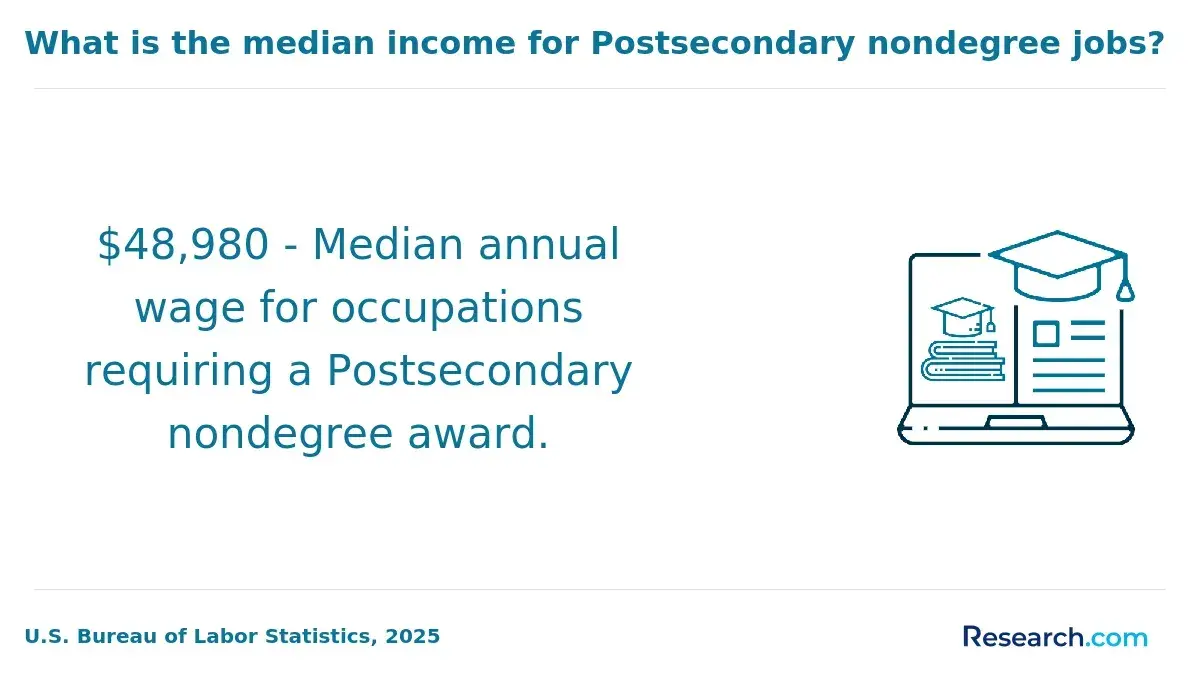
Examining tuition costs alongside salary growth reveals a nuanced financial picture for those pursuing a human resources degree. Data from the National Center for Education Statistics shows that average tuition for in-state students at public four-year colleges has risen by about 4% annually, hitting over $11,000 in 2024, while private institutions exceed $35,000.
Comparatively, early-career human resources specialists earn median salaries between $52,000 and $58,000, growing roughly 3% per year according to the U.S. Bureau of Labor Statistics, with mid-career wages averaging $75,000 to $85,000 and annual increases near 3.5%. This disparity suggests tuition inflation outpaces income growth, complicating the return on investment for many students and emphasizing the importance of considering both costs and earnings together rather than in isolation.
For example, a student financing tuition through loans may find that the increasing tuition rate extends the repayment horizon well beyond their initial salary gains, constraining financial flexibility in early working years. In contrast, a peer benefiting from in-state tuition or scholarships might experience a more balanced cost-to-earnings scenario, easing debt burdens and improving financial resilience.
Factors such as geographic location, institution type, scholarship availability, and evolving labor market conditions all influence how tuition compares with salary growth in human resources. Ultimately, weighing these variables helps prospective students assess the real-world affordability and long-term value of their degree investment amid shifting economic pressures.
One human resources graduate recalled hesitating over enrollment after learning that tuition had increased nearly 5% since they began their application process. Balancing a part-time job and loan offers, they carefully budgeted their expenses, recognizing that salary growth would likely not immediately offset mounting costs.
Months into their first position, this graduate found relief in steady salary increases but remained cautious about taking on additional debt for advanced credentials, underscoring how rising tuition costs directly affect personal decisions and financial stress throughout early career stages.
Does a Human Resources Degree Deliver a Positive Return on Investment?
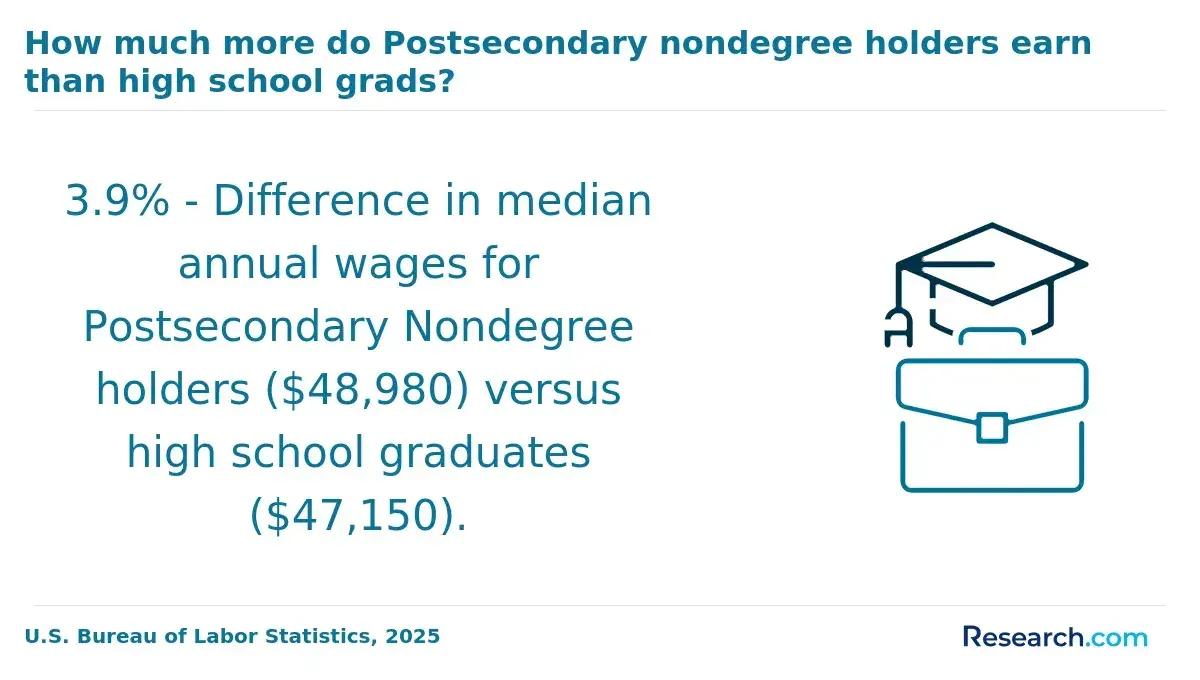
Return on investment for a human resources degree involves a careful assessment of tuition costs, inflation, and future earnings rather than focusing solely on starting salaries. According to 2024 data from the National Center for Education Statistics and the Bureau of Labor Statistics, individuals holding a bachelor's degree in human resources earn notably higher median annual wages compared to those with a high school diploma.
However, the gap takes years to fully compensate for the upfront educational expenses, especially when students use loans to finance their studies. For example, a graduate paying rising tuition rates might find it takes five to seven years before salary gains outweigh college debt and related costs, highlighting the importance of long-term career planning over immediate financial returns.
Several factors determine whether a human resources degree delivers a positive return on investment. Steady but moderate wage growth in the field means breaking even on education costs demands patience and strategic career decisions, including gaining certifications or specialized skills.
The expected faster-than-average job growth in human resources can improve job stability and gradual salary increases, yet economic fluctuations and rising living expenses also influence outcomes. Ultimately, while the degree often justifies its cost over time, individual experiences vary, and sustaining professional development is critical to maximizing financial and career benefits amid evolving market conditions.
Which Industries Offer the Highest Salaries for Human Resources Graduates?
Salary potential for human resources graduates varies significantly across industries, driven by factors such as sector growth, regulatory complexity, and talent competition. Industries with robust economic performance and specialized workforce demands tend to offer the strongest compensation packages. For graduates evaluating the long-term value of their degree, recognizing where salaries align with industry challenges and skill requirements is critical.
Real-world scenarios highlight that HR professionals in these top-paying sectors often leverage advanced compliance knowledge and strategic talent management skills to unlock premium wages. Here are the primary industries leading in human resources graduate salary by industry, based on recent data from the U.S. Bureau of Labor Statistics and other reliable 2024 sources.
- Technology Sector: Technology companies, especially in innovation centers like Silicon Valley, offer some of the highest salaries for human resources roles. This is due to intense competition for skilled workers and the need for expertise in talent acquisition and retention strategies. HR managers with strong data analytics skills and knowledge of tech industry trends command above-average pay.
- Healthcare Industry: Large healthcare networks and hospital systems require human resources professionals capable of managing complex staffing, regulatory compliance, and employee wellness initiatives. Given the sector's rapid growth and critical service nature, HR wages here often outpace inflation with steady rises each year.
- Financial Services: Banking and insurance sectors demand HR specialists knowledgeable in high-stakes compliance and risk management environments. Compensation packages commonly include bonuses and incentives, rewarding skilled practitioners who navigate stringent regulatory frameworks effectively.
- Professional Services: Management consulting and related firms employ HR experts to design workforce strategies and improve organizational structures. Salaries reflect the high level of advisory knowledge and client-facing experience required in these roles.
- Renewable Energy and Biotechnology: Emerging industries like renewable energy and biotech are increasingly competitive in attracting talent, leading to rising human resources salaries. While not yet at the level of established sectors, these fields offer growing opportunities for specialized HR roles tied to innovation and sustainability.
For prospective students and career changers aiming to identify the highest paying industries for human resources professionals, exploring diverse paths helps align financial goals with sector-specific demands. For example, those considering flexible and focused education pathways might also investigate accelerated options, such as programs found in a reputable paralegal school, offering insight into complementary legal and compliance education valuable for high-paying human resources roles.
Which States and Cities Offer the Highest Pay for Human Resources Professionals?
Geographic location plays a critical role in shaping the earning potential for human resources professionals, often reflecting broader economic, industrial, and living cost factors. While some states and metro areas lead with the highest wages, these nominal salaries don't always translate to greater financial security once expenses like tuition debt, housing, and inflation are factored in.
New graduates aiming to maximize career growth and real income must consider both salary figures and local economic dynamics in their decision-making. The following locations are generally recognized for offering top pay in human resources roles as of 2024 according to the U.S. Bureau of Labor Statistics and recent industry surveys.
- California: States like California dominate pay scales due to a dense network of technology firms and corporate headquarters that demand advanced human resources expertise. Senior roles often exceed $90,000 annually, but elevated tuition fees and high housing costs make net gains more modest, particularly for entry-level professionals.
- New York City: The financial and service sectors drive competitive salaries in New York City, where human resources specialists frequently earn well above the national average. However, steep living expenses and inflation pressures on rent somewhat counterbalance the higher salaries, requiring careful financial planning.
- Massachusetts: Boston's concentration of biotech, finance, and education institutions supports robust HR wages. The area's higher education costs and real estate prices call for weighing immediate salary benefits against long-term cost burdens.
- Washington State: Seattle's tech-dominated economy produces some of the top-paying human resources positions in the country. The tradeoff involves balancing substantial nominal wages against rising housing costs and overall living expenses that dampen discretionary income.
- San Francisco Bay Area: Reflecting its innovation economy, this metro area offers median HR salaries 20-30% above the national level, with many specialized jobs exceeding six figures. High tuition and inflation-adjusted living costs in this region mean that rapid job placement after graduation is crucial to capitalizing on these salaries.
- Austin, Texas: Emerging markets like Austin provide somewhat lower salaries but offset this with a lower cost of living and expanding opportunities in tech and HR analytics. This combination can lead to stronger real income growth, especially attractive for graduates seeking affordability and quality of life.
- Denver, Colorado: Denver's growing economy and relatively affordable housing make it a competitive market for human resources professionals. Although wages are modest compared to coastal hubs, the balance of salary and expenses may yield better net earnings over time for early-career workers.
How Do Human Resources Salaries Grow Throughout a Career?
Salaries in human resources tend to steadily rise as professionals accumulate experience and choose specialized or leadership paths. Entry-level roles such as human resources assistants typically start with median salaries near $45,000 to $55,000 annually.
Within five to ten years, human resources generalists or recruiters often see wages increase to roughly $65,000 to $80,000, reflecting growing expertise. Advancement to senior roles, including managers or specialists focused on compensation or employee relations, commonly earns between $90,000 and $110,000, underscoring the premium placed on strategic knowledge and proven impact, according to the Society for Human Resource Management's 2024 Compensation Survey.
Consider two graduates who begin with identical human resources degrees but pursue different professional development. One gains certifications like the SHRM-CP and targets leadership roles in larger metropolitan companies, while the other remains in generalist positions without additional credentials.
Over a decade, the first can move into director or vice president levels, potentially earning $130,000 to $180,000 or more, while the second might plateau closer to mid-level salaries. Data from the U.S. Bureau of Labor Statistics and WorldatWork's 2024 Total Rewards Survey highlight that ongoing education, specialized expertise, and organizational influence are the main drivers of sustained salary growth rather than tenure alone.
One human resources graduate recalls feeling uncertain about pursuing certification after several years in a mid-sized firm. Faced with rising tuition and competing financial obligations, they hesitated but ultimately invested in the SHRM-CP credential.
This decision opened doors to a specialized compensation analyst role, significantly improving salary and job satisfaction. The experience illustrated that strategic choices about professional development often differentiate long-term earning outcomes, even for those starting with the same academic background.
How Do Human Resources Salaries Compare With Similar Degrees?
Comparing human resources salaries with those from related degrees reveals nuanced tradeoffs influenced by specialization, industry demand, and role focus. The median annual salary for human resources graduates is around $65,000, reflecting a solid but modest earning potential compared to some adjacent fields.
Prospective students and career changers must weigh these figures alongside the long-term costs of education and job market trends. Below is a breakdown highlighting how human resources salary outcomes contrast with similar degrees based on recent data from reputable sources such as the U.S. Bureau of Labor Statistics and the National Association of Colleges and Employers.
- Business Administration: Graduates with this degree often enter management and strategic roles, with median salaries typically ranging from $70,000 to $80,000. The broader business curriculum provides versatility, opening doors to higher-paying positions in corporate finance, marketing, and consulting, which generally outpace human resources earnings.
- Organizational Psychology: Specializing in workplace behavior and development, these graduates frequently start near $75,000. Their focus on analytics and employee optimization justifies a premium, especially in industries prioritizing talent management and organizational effectiveness.
- Labor Relations: Professionals typically earn around $68,000, benefiting from expertise in union negotiations and compliance. This niche skill set commands higher pay in sectors with active labor unions, reflecting the specialized nature and bargaining leverage of this role.
- Human Resources: With a median salary near $65,000, human resources roles remain competitive within corporate and nonprofit sectors. However, steady wage growth may lag behind technically oriented or management-centric disciplines, underscoring the need for strategic career moves or additional qualifications to maximize earnings.
Given these dynamics, students considering a human resources degree should also explore degrees for work from home jobs that can supplement or broaden their skillsets, potentially enhancing long-term earning power in a shifting employment landscape.
How Is Employer Demand Affecting Human Resources Salary Trends?
Employer demand significantly influences human resources salary trends by shaping competition for qualified candidates and affecting organizational hiring strategies. According to the U.S. Bureau of Labor Statistics 2024 data, growing needs in talent acquisition, diversity initiatives, and employee development steadily increase demand for HR specialists and managers, contributing to wage growth.
However, this wage growth varies by region and industry due to differences in economic conditions and organizational budgets. For example, an HR professional with strong skills in labor law and data analytics may see faster salary increases than peers without these specializations, as employers prioritize these competencies to meet evolving workplace demands.
Human Resources employer demand trends reveal that companies facing talent shortages often offer higher compensation and enhanced benefits to attract and retain skilled professionals. This heightened competition directly impacts salary offers, especially for candidates with relevant certifications and technical expertise.
Still, rising tuition costs and inflation offset some of these gains, influencing the return on investment for those pursuing HR degrees. Individuals exploring programs, including those interested in online spanish degree options, should weigh these factors carefully when planning their education path.
Overall, employer demand drives wage growth but is only one factor among experience, specialization, and broader economic trends that determine salaries.
Strategic career planning and upskilling in areas prioritized by employers remain essential for maximizing earning potential in this field. The Society for Human Resource Management (SHRM) reports that while some sectors experience consistent salary increases, disparities persist that recent graduates and career changers must consider when assessing long-term value.
How Can Students Maximize Their Lifetime Earnings With a Human Resources Degree?
Maximizing lifetime earnings with a human resources degree requires strategic choices beyond simply earning the credential. Advanced education, targeted industry experience, and skill development drive notable income growth over a career.
For example, a graduate opting for an MBA with an HR focus and gaining experience in technology or finance sectors can expect higher salaries than peers in generalist roles. Realistically, students should align their efforts with market demands and geographic considerations. Below are key strategies proven to enhance lifetime earnings according to the U.S. Bureau of Labor Statistics and research from the Society for Human Resource Management.
- Advanced Credentials: Obtaining professional certifications like PHR or SPHR signals expertise and commitment, which employers reward with higher pay and leadership opportunities.
- Graduate Degrees: Completing a master's degree, particularly an MBA with an HR concentration, opens doors to senior management roles that significantly boost salary trajectories.
- Industry Focus: Specializing in sectors such as technology, finance, healthcare, or pharmaceuticals often leads to premium compensation due to strategic HR demands.
- Geographic Positioning: Targeting metropolitan areas with large corporate headquarters offers access to more lucrative HR roles compared to smaller markets.
- Continuous Skill Development: Staying current with HR analytics, AI applications, and digital talent systems differentiates candidates and supports steady salary increases.
- Networking and Professional Growth: Actively building industry connections can unlock promotion paths and niche roles beyond routine HR functions.
References
- METHODS FOR ASSESSING INVESTMENTS IN HUMAN RESOURCES https://ojs.ikm.mk/index.php/kij/article/view/7102
- Which Human Resources job pays the most? https://www.jarsolutions.co.uk/blog/2023/04/which-human-resources-job-pays-the-most
- The price of college is rising faster than wages for people with degrees | USAFacts https://usafacts.org/articles/is-college-worth-it-the-price-of-college-is-rising-faster-than-wages-for-people-with-degrees/
- Guide to Measuring the ROI of HR Programs | McLean &... https://hr.mcleanco.com/research/ss/guide-to-measuring-the-roi-of-hr-programs
- Degrees for Human Resources: A Guide to Starting or Switching Your Career https://www.aihr.com/blog/degrees-for-human-resources/
- HR Career Path: A Complete Guide to Growth in HR https://www.oakwoodinternational.com/blog/hr-career-path
- HR Salary Guide 2026 | Ashdown Group https://www.ashdowngroup.com/salary-guide/humanresources
- Where Does HR Receive the Highest Salary? - Namely https://namely.com/blog/where-does-hr-receive-the-highest-salary/
- Salary Guide for Future HR Managers https://www.allbusinessschools.com/human-resources/salary/
- Job Market Trends 2026 - Generations Recruitment https://generationsrecruitment.com/job-market-trends-2026/
Other Things You Should Know About Human Resources
Graduates face a tradeoff between entering the workforce quickly for immediate income and pursuing certifications or advanced specializations that may delay earning but enhance long-term salary growth. Prioritizing certifications in emerging areas like HR analytics or diversity and inclusion can position professionals for higher-paying roles and leadership tracks.
However, this path requires upfront time and sometimes additional costs, so graduates need to weigh if their current financial situation allows for this investment without undue hardship.
Many HR roles have seen increasing workload complexity without proportionate salary growth, leading to dissatisfaction. This mismatch can undermine the perceived value of raises or nominal wage improvements, especially as inflation erodes purchasing power. Prospective HR workers should consider employer culture and role scope critically, as a higher salary may come with unsustainable expectations that impact work-life balance and long-term career satisfaction.
Programs with strong employer networks often provide internships and job placements that can accelerate earning potential post-graduation, offsetting higher tuition costs. Those choosing lower-cost programs may save money initially but may face longer job searches or lower starting salaries without these connections.
When evaluating, students should prioritize programs offering robust experiential learning and recruiter access, as these elements materially influence employment outcomes and salary trajectories.
Wage growth in HR typically lags inflation in early career stages, which means new graduates may experience stagnant or declining real income for several years. Students should recognize this and avoid overextending financially on tuition, as immediate returns may not cover debt service or opportunity costs. A pragmatic approach is to research mid-career wage trends and ensure the degree aligns with roles demonstrating consistent real salary gains over time rather than short-term promises.