
2027 Different Types of Information Technology Degrees and Their Salaries

Co-Founder and Chief Data Scientist
Choosing an information technology degree is a practical career decision: how quickly do you want to enter the workforce, what kind of technical work do you want to do, and how much education are you willing to finance? IT programs can lead to support, networking, software, cybersecurity, data, cloud, management, and research roles, but each degree level serves a different purpose.
The right path depends on your current experience, target job, schedule, budget, and whether you need a broad credential or a focused specialization. This guide explains the main types of information technology degrees, common concentrations, completion timelines, accelerated and online options, typical costs, job outcomes, salary expectations, and the factors that should guide your final choice.
Key Points About Different Types of Information Technology Degrees and Their Salaries
- Associate degrees in information technology typically lead to entry-level positions such as help desk technician or network support, with average salaries around $45,000 annually, making them a cost-effective option for quick workforce entry.
- Bachelor's degrees in information technology open doors to higher-paying roles like systems analyst or software developer, where median salaries often exceed $75,000 per year, reflecting stronger career advancement and employer demand.
- Master's degree holders in information technology frequently occupy leadership or specialized technical roles, with salaries averaging over $100,000 annually, demonstrating significant long-term growth potential in competitive sectors like cybersecurity and data science.
What Are the Different Types of Information Technology Degrees Available?
Information technology degrees range from short certificates to research-focused doctorates. The best option depends on whether you want fast entry into a technical role, a broad foundation for long-term growth, advanced leadership preparation, or specialized research training.
| Credential | Best for | Typical focus |
| Certificate in Information Technology | Students or working professionals who need targeted skills quickly | Cybersecurity, cloud computing, software development, networking, or another specific technology area |
| Associate Degree in Information Technology | Learners seeking an entry-level IT role or a lower-cost transfer path | Network administration, computer hardware, basic programming, operating systems, web design, and support fundamentals |
| Bachelor's Degree in Information Technology | Students aiming for professional IT roles with stronger advancement potential | Database management, systems analysis, software development, cybersecurity, IT project management, data analytics, and business applications |
| Master's Degree in Information Technology | Professionals pursuing specialization, management, or senior technical roles | IT strategy, cybersecurity, data science, cloud systems, research, leadership, and advanced problem-solving |
| Doctoral Degree in Information Technology | Students interested in research, academia, advanced consulting, or technology innovation | Original research, theory development, advanced computing systems, and dissertation-based inquiry |
How to choose among degree levels
- Choose a certificate if you already have a degree or experience and need a specific marketable skill, such as cloud administration or cybersecurity fundamentals.
- Choose an associate degree if you want a quicker and often more affordable route into help desk, support, or junior networking roles, or if you plan to transfer into a bachelor's program later.
- Choose a bachelor's degree if you want the broadest access to professional IT jobs and a credential many employers expect for analyst, developer, administrator, and security roles.
- Choose a master's degree if you are targeting senior technical work, IT management, cybersecurity leadership, data-focused roles, or a career pivot from another field. Students who want an intensive graduate route may compare year long masters programs with traditional options.
- Choose a doctorate if your goals involve university teaching, applied research, high-level consulting, or developing new knowledge in the field.
What Specializations Are Available in Information Technology Degrees?
Specializations help turn a general IT degree into a clearer career pathway. They matter because employers often hire for specific capabilities: securing systems, analyzing data, managing networks, building applications, leading technology teams, or managing regulated information systems.
Before choosing a concentration, review the program's required courses, labs, software tools, capstone projects, internship options, and certification alignment. A specialization should match both the work you want to do every day and the job postings you plan to pursue.
| Specialization | What you study | Common career paths |
| Cybersecurity | Risk assessment, ethical hacking, security protocols, incident response, and system defense | Cybersecurity analyst, information security manager, incident response specialist |
| Data Analytics | Data mining, predictive modeling, statistical methods, databases, and data visualization | Data analyst, business intelligence analyst, data scientist |
| Network Administration | Network configuration, server management, troubleshooting, routing, and network security | Network administrator, network engineer, systems analyst |
| Software Development | Programming, application design, testing, software engineering, web development, and maintenance | Software developer, application engineer, web developer |
| Information Technology Management | Project management, budgeting, strategic planning, team leadership, and business-technology alignment | IT manager, project coordinator, chief information officer (CIO) |
| Health Information Management | Health informatics, electronic health records, privacy laws, healthcare data systems, and compliance | Health information manager, clinical data analyst |
Common mistakes when choosing a specialization
- Choosing only by salary: Higher-paying fields can also require stronger math, programming, security, or infrastructure skills. Match the work to your strengths.
- Ignoring hands-on practice: IT employers value proof of ability. Look for labs, projects, simulations, internships, and portfolio-building assignments.
- Overlooking local and remote job markets: Some specializations have more opportunities in certain regions, while others are widely available through remote work.
- Assuming a concentration is enough: Certifications, projects, internships, and work experience can be important complements to the degree.
Students comparing lower-commitment academic paths can also review resources such as what is the easiest 2 year degree to get? to understand accessible entry points before committing to a longer program.
How Long Does It Take to Complete Each Type of Information Technology Degree?
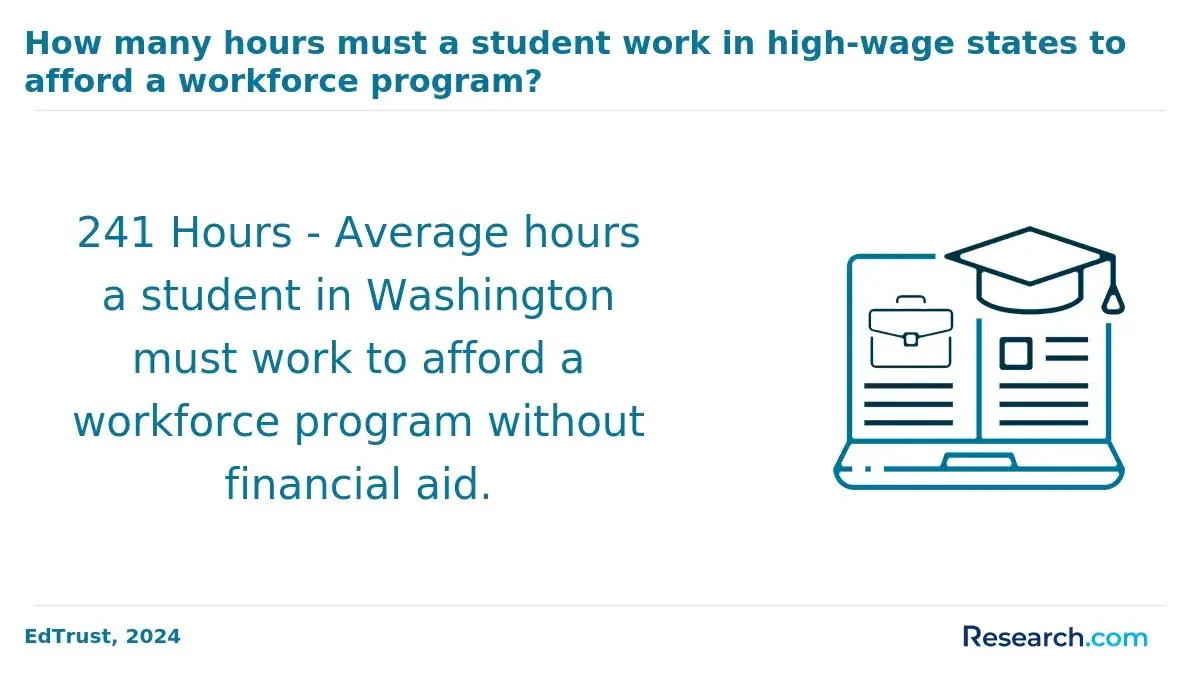
Program length affects cost, opportunity cost, and how soon you can qualify for new roles. Information technology degrees can take anywhere from a short certificate period to several years of graduate research, depending on the credential, enrollment status, transfer credits, and program format.
| Degree type | Typical completion time | What can change the timeline |
| Associate Degree in Information Technology | Generally completed within two years of full-time study | Transfer credits, accelerated terms, online formats, part-time enrollment, and course availability |
| Bachelor's Degree in Information Technology | Typically requiring four years of full-time study | Prior college credit, transfer policies, summer enrollment, accelerated tracks, and part-time scheduling |
| Master's Degree in Information Technology | Usually takes one to two years after the bachelor's degree | Full-time or part-time study, online delivery, accelerated options, and prerequisite requirements |
| Doctorate in Information Technology | Often ranges from three to six years beyond the master's level | Research scope, dissertation progress, faculty approval, part-time status, and program structure |
Planning your timeline realistically
Full-time students usually move faster, but many IT learners work while enrolled. If you are balancing employment, caregiving, or military service, part-time study may be more sustainable even if it extends your graduation date. Also check whether required courses are offered every term; a single missed prerequisite can delay progress.
Students with prior credits should request a formal transfer evaluation before enrolling. The number of accepted credits can significantly affect both time to completion and total cost.
Yes. Accelerated information technology degree programs are designed for students who can handle a faster pace and want to finish sooner than a traditional schedule allows. They commonly use condensed 7 to 8 week courses instead of the usual 15 weeks, year-round enrollment, summer sessions, transfer credit, and credit for some professional certifications.
Some universities also offer integrated bachelor's-to-master's tracks. These programs may allow selected graduate courses to count toward both degrees, making it possible to finish in about 4 to 5 years instead of 6 to 7.
Who benefits most from an accelerated IT program?
- Motivated students with strong time management: The pace is intense, and assignments, labs, and exams arrive quickly.
- Working professionals with prior experience: Existing IT knowledge can make compressed courses more manageable.
- Transfer students: Prior college credits can shorten the path substantially if the school accepts them.
- Career changers with clear goals: A focused plan makes it easier to choose the right concentration and avoid unnecessary courses.
What to watch before enrolling
The main trade-off is workload. Accelerated students may carry heavy course loads, sometimes exceeding 15 credits per term, while meeting short deadlines. Applicants may also need junior standing, a minimum GPA around 3.0 to 3.25, and completed foundational IT courses before admission.
Financially, accelerated programs can reduce the number of terms paid for, but they are not automatically cheaper. Compare total tuition, fees, transfer-credit policies, textbook and software expenses, and whether the schedule still allows you to work.
Graduates who complete these programs can move quickly into IT fields such as cybersecurity or data management, where median salaries range from approximately $86,000 to over $120,000 annually. Those figures should be treated as role- and market-dependent rather than guaranteed outcomes.
- : "At first, the pace felt overwhelming, almost like trying to sip from a firehose. The schedule was compressed, expectations were high, and balancing full-time work with classes required discipline. Staying organized, using faculty support, and working with peers made the workload manageable. It was not easy, but finishing early gave my career a faster start and made the effort worthwhile."
Online information technology degrees can be as credible as campus-based degrees when they come from accredited institutions with rigorous curricula, qualified faculty, meaningful technical labs, and strong student support. Employers increasingly focus on what matters most: accreditation, school reputation, relevant experience, technical skills, projects, and certifications.
Traditional programs may appeal to students who want face-to-face labs, campus recruiting, direct faculty interaction, and a structured weekly routine. Online programs may be better for working adults, military students, parents, and learners who need geographic flexibility.
| Factor | Online IT degree | Traditional IT degree |
| Credibility | Strong when the institution is accredited and the program has robust technical requirements | Strong when the institution has recognized academic quality and industry connections |
| Learning experience | Often uses virtual labs, discussion platforms, recorded lectures, and remote projects | Often includes in-person labs, scheduled classes, and direct campus engagement |
| Flexibility | Usually better for students balancing work, family, or location constraints | Usually better for students who prefer fixed schedules and in-person accountability |
| Employer evaluation | Depends heavily on accreditation, skills, projects, and experience | Depends heavily on accreditation, reputation, skills, projects, and experience |
A study by the Babson Survey Research Group found that 77% of academic leaders believe outcomes for online education equal or exceed those of in-person instruction. Employer acceptance has also changed: more than 70% of organizations reported hiring applicants with online degrees within the past year, and 96% of graduates from online programs said their education provided a positive return on investment for employment opportunities.
How to verify quality before enrolling online
- Confirm institutional accreditation and, when relevant, programmatic recognition.
- Review whether the curriculum includes labs, coding, security simulations, networking practice, capstones, or portfolio projects.
- Ask how online students access tutoring, advising, career services, library resources, and technical support.
- Check whether the diploma or transcript distinguishes online delivery, if that matters to you.
- Compare graduate outcomes carefully, but avoid programs that imply a degree alone guarantees a specific job or salary.
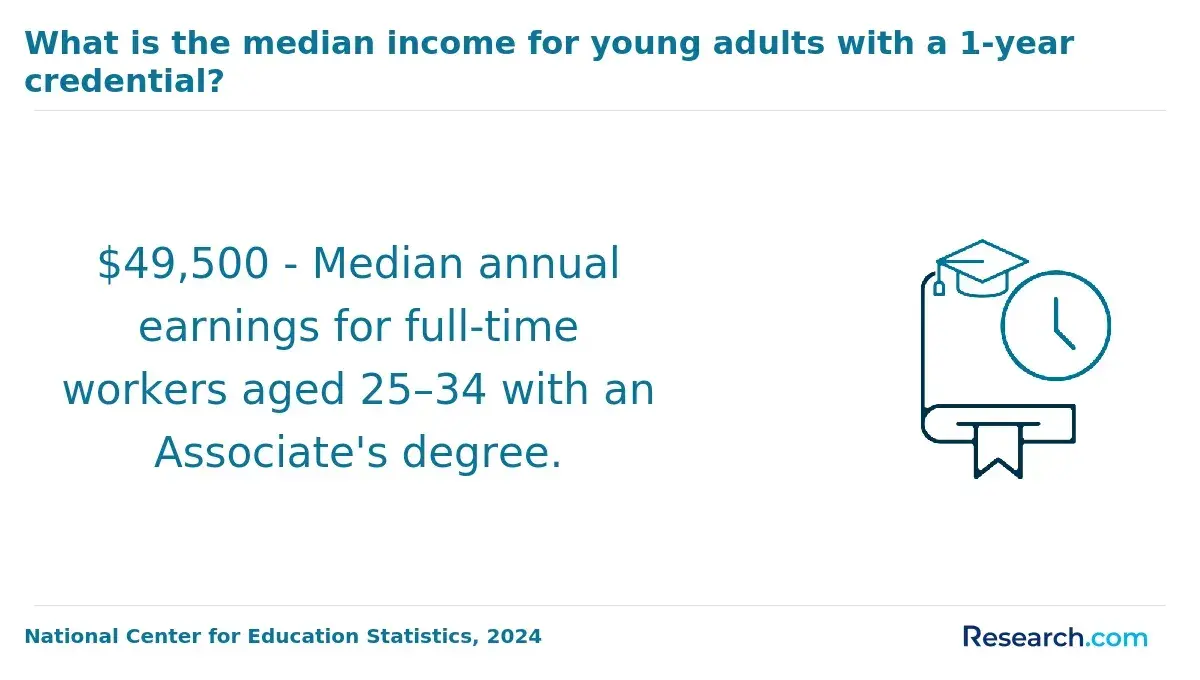
Information technology program costs vary widely by credential level, institution type, residency status, delivery format, transfer credits, and fees. Tuition is only one part of the budget; students should also account for books, hardware, software, certification exam fees, lab fees, transportation, and lost work time.
| Program type | Typical cost information | Cost considerations |
| Information Technology Certificate or Vocational Program | Generally average around $11,508 for tuition but can reach up to $32,340 for longer, more comprehensive courses | Shorter certificates may cost less; employer tuition reimbursement and federal grants may help eligible students |
| Associate Degree in Information Technology | Average total tuition is approximately $17,115; community colleges often charge between $3,840 and $5,000 per year for in-district residents | Public community colleges are often the lowest-cost option; Pell Grants and state-specific scholarships may reduce out-of-pocket costs |
| Bachelor's Degree in Information Technology | Public in-state programs average about $11,610 annually, while private institutions charge over $43,000 per year; total cost can range from $40,000 to $173,400 | Online programs, transfer credits, public universities, grants, and scholarships can lower total cost |
| Master's in Information Technology | Commonly have total tuition around $35,639, with some charging over $1,000 per credit | Assistantships, employer tuition support, and federal loans may help graduate students finance the degree |
| Doctorate in Information Technology | Doctoral tuition averages about $66,612 total or roughly $1,010 per credit | Research or teaching assistantships can reduce out-of-pocket costs for some doctoral candidates |
How to compare programs beyond sticker price
- Calculate total program cost: Include tuition, fees, books, technology requirements, certifications, and living expenses if applicable.
- Ask about transfer credit: Accepted credits can reduce both cost and time to completion.
- Compare net price, not advertised tuition: Grants, scholarships, employer aid, and assistantships can change the real cost.
- Consider opportunity cost: A lower-cost program that takes much longer may delay earnings; a faster program may require reducing work hours.
- Review refund and withdrawal policies: This matters especially in accelerated or online formats.
- : "It was not just about the sticker price. Planning early, applying for scholarships, working part time, and using employer tuition assistance made the degree manageable. Budgeting for books and technology fees helped me avoid surprises and stay focused on finishing."
The jobs available to information technology graduates depend on degree level, specialization, experience, certifications, portfolio quality, and local employer needs. Higher degrees may qualify graduates for more advanced or specialized work, but experience and demonstrable skills remain critical in IT hiring.
| Degree type | Common roles | Typical responsibilities |
| Associate Degree in Information Technology | IT technician, help desk technician, computer network support specialist | Troubleshoot hardware and software issues, support users, maintain basic systems, assist with network infrastructure |
| Bachelor's Degree in Information Technology | Software developer, network administrator, systems analyst, web developer, database administrator | Build applications, manage networks, analyze systems, develop websites, support databases, and improve security practices |
| Master's Degree in Information Technology | IT director, cloud architect, systems security manager, big data engineer, data scientist | Lead IT strategy, manage teams, design cloud environments, oversee security, and analyze large data sets |
| Doctoral Degree in Information Technology | Computer and information research scientist, academic researcher, advanced technology consultant | Conduct research, develop new technologies, publish findings, teach, and solve complex computing problems |
How to improve employability while earning the degree
- Complete internships, co-ops, or part-time IT work when possible.
- Build a portfolio with projects that show practical skills, such as dashboards, scripts, applications, network diagrams, or security labs.
- Earn relevant certifications if they align with your target role.
- Use career services for resume reviews, interview preparation, and employer connections.
- Choose electives that match job postings in your preferred field.
Information technology salaries often rise with degree level, but the degree is only one factor. Role, industry, location, certifications, portfolio strength, years of experience, security clearance, leadership responsibility, and technical specialization can all influence pay.
| Degree type | Typical salary information stated | What it usually reflects |
| Associate Degree in Information Technology | Average starting salary is around $50,000 per year | Entry-level roles such as computer support specialist or help desk technician |
| Bachelor's Degree in Information Technology or Computer Science | Starting salaries near $85,000 annually | Professional roles such as systems analyst, network engineer, developer, or administrator |
| Master's Degree in Information Technology | Salaries range from $110,000 to $155,000 depending on expertise | Specialized or managerial roles such as IT project manager or cybersecurity specialist |
| Doctoral Degree (PhD) in Information Technology | Often earn above $130,000 annually | Research, academia, consulting, or senior niche expertise |
Students should treat salary figures as planning benchmarks, not promises. An associate graduate with strong certifications and experience may out-earn a higher-degree graduate in a lower-paying region or role. Likewise, a master's degree may have the greatest payoff when it is paired with leadership experience or a high-demand specialization such as cybersecurity, cloud architecture, or data-focused work.
Salary factors to evaluate before choosing a degree
- Target role: Support, development, cybersecurity, cloud, data, and management roles have different pay ranges.
- Location: High-demand metro areas may offer higher salaries but also higher living costs.
- Experience: Internships, military technical work, freelance projects, and prior IT roles can affect starting pay.
- Certifications: Some roles value specific vendor or security credentials alongside the degree.
- Industry: Finance, healthcare, government, education, consulting, and technology companies may compensate differently.
Yes. Demand for information technology degree holders remains strong because organizations rely on secure systems, cloud infrastructure, data analytics, software platforms, and emerging technologies. The need is especially visible in areas such as artificial intelligence, cloud computing, data analytics, and cybersecurity.
The U.S. Bureau of Labor Statistics projects approximately 317,700 new openings in computer and information technology roles annually. These openings reflect both new job creation and replacement needs, including retirements. Job posting data from platforms like CompTIA and Indeed also confirm more than a 20% year-over-year rise in IT-related job listings, pointing to continued momentum through 2025.
Where demand is strongest
- Cybersecurity: Organizations need workers who can prevent, detect, and respond to threats.
- Cloud computing: Employers need professionals who can migrate, secure, and manage cloud systems.
- Data analytics: Companies use data to improve operations, forecasting, customer experience, and decision-making.
- Artificial intelligence: Demand is growing for workers who understand AI systems, implementation, governance, and related infrastructure.
- Software and systems roles: Businesses continue to need people who can build, maintain, and improve digital tools.
Regional demand and pay can differ sharply. Tech hubs such as the San Francisco Bay Area tend to offer higher salaries and more opportunities, especially in AI and software engineering. Remote work has also expanded access to quality roles for candidates outside traditional technology centers, although competition for remote positions can be strong.
Overall, information technology graduates enter a favorable labor market, but outcomes depend on preparation. Students who combine a relevant degree with projects, internships, certifications, and current technical skills are usually better positioned than those who rely on the credential alone.
The best information technology degree is the one that fits your career target, budget, timeline, learning style, and current experience. A longer degree can open more doors, but it also costs more and takes more time. A shorter credential can help you move quickly, but it may limit advancement unless you add experience, certifications, or further education later.
Key factors to compare
- Career goals: Start with job postings for roles you actually want. Entry-level support roles may accept an associate degree or certificate, while many analyst, developer, administrator, and security roles prefer or require a bachelor's degree. Leadership, research, and advanced technical roles may favor a master's or doctorate.
- Specialization and curriculum: Review the courses, tools, labs, and capstone requirements. A cybersecurity program should include applied security practice; a data analytics path should include data tools and modeling; a management path should include budgeting, strategy, and project leadership.
- Time commitment: Associate programs generally take two years, bachelor's programs four years, master's programs an additional one to two years, and doctorates often require several more years. Choose a pace you can sustain.
- Cost and financial aid: Compare total cost, not just tuition. Look for scholarships, grants, employer tuition support, transfer credit, assistantships, and loan obligations.
- Learning format and flexibility: Online, hybrid, and in-person programs can all be credible. The right format depends on your schedule, need for structure, access to labs, and preference for interaction.
- Accreditation and reputation: Choose accredited institutions. Programmatic recognition, such as ABET where relevant, can strengthen confidence that the curriculum meets recognized standards.
- Hands-on learning: Prioritize programs with labs, projects, internships, simulations, or applied capstones. IT is a skills-based field, and employers often want evidence of what you can do.
- Career support: Ask about internship placement, employer partnerships, resume help, interview coaching, alumni networks, and job outcome reporting.
A practical decision framework
| If your priority is... | Consider... |
| Entering the workforce quickly | A certificate or associate degree with strong hands-on training |
| Maximizing long-term career flexibility | A bachelor's degree in information technology with a marketable specialization |
| Moving into management or advanced specialization | A master's degree in information technology |
| Pursuing research, academia, or advanced consulting | A doctoral degree in information technology |
| Studying while working | An accredited online or hybrid program with flexible scheduling |
| Reducing cost | Community college transfer pathways, public universities, grants, scholarships, and employer tuition assistance |
What Information Technology Graduates Say About Their Degree and Salary
- : "Finishing my cybersecurity degree was a game-changer. The program gave me technical skills, but it also taught me how to think clearly and solve problems under pressure. The hands-on labs and real-world scenarios helped prepare me for the challenges I face now, and the degree opened the door to a stable career protecting important data. — Mari"
- : "After completing my software development degree, I landed a role at a leading tech company. The curriculum emphasized collaboration and agile methods, which helped me adapt to a fast-moving work environment. The degree gave me a foundation I still build on as I learn new languages, frameworks, and project workflows. — Devonte"
- : "My information systems degree helped me turn an interest in technology into leadership opportunities in IT management. The program connected technical knowledge with business strategy and communication, which helped me work across technical teams and executives. It also shaped how I mentor newer IT professionals. — Anika"
Other Things You Should Know About Information Technology Degree Programs & Salaries
In 2027, a bachelor's degree in IT generally leads to higher average salaries compared to IT certifications alone. However, certifications can complement degrees, boosting earning potential, especially for specialized roles. The combined approach can be more effective for career advancement.
In 2027, most bachelor's degrees in Information Technology require between 120 to 130 credit hours. This typically includes core IT courses, electives, and general education. Specific credit distribution may vary by institution and specialization within the IT field.
- Online Degree vs. Traditional: Which is The Right Choice? | YourDegree https://www.yourdegree.com/blog/online-degree-vs-traditional/
- Top five career opportunities for computer science and information technology graduates https://gbs.edu.mt/blog/top-five-career-opportunities-for-computer-science-and-information-technology-graduates/
- IT Degree Salary: How Much Do IT Managers and Other Professions Make? - Bay Atlantic University - Washington, D.C. https://bau.edu/blog/it-degree-salary/
- What Can You Actually Do With a Degree in Information Technology? https://www.ucumberlands.edu/blog/what-you-can-do-with-an-information-technology-degree
- Online vs Traditional Degrees: Similarities and Differences https://www.aiu.edu/blog/online-vs-traditional-degrees/
- Field of degree: Computer and information technology https://www.bls.gov/ooh/field-of-degree/computer-and-information/computer-and-information-technology-field-of-degree.htm
- The Top 10 Most In-demand Tech Careers for 2025 | LSE Executive Education https://www.lse.ac.uk/study-at-lse/executive-education/insights/articles/the-top-10-most-in-demand-tech-careers-for-2025
- IT Specializations - Cybersecurity, Network Administration & More https://www.onlineengineeringprograms.com/faq/information-technology-specializations
- What Can You Do With an Information Technology Degree? Jobs & Salary [Updated for 2019] https://potomac.edu/what-can-you-do-with-an-information-technology-degree/
- Study Information Technology & Systems, why & how to study https://www.thecompleteuniversityguide.co.uk/subject-guide/information-technology-and-systems


