2027 Information Technology Degree vs. Certificate: Which Should You Choose?

Co-Founder and Chief Data Scientist
Today's students and professionals face important decisions when choosing between earning a degree or a certificate in information technology. Both paths can significantly advance a career, but they differ in cost, duration, depth of study, and career outcomes. Degrees typically provide broader knowledge, while certificates focus on specific skills and faster entry into the workforce.
About 82% of IT managers value both degrees and certifications, yet each serves unique career goals. Understanding the distinctions in curriculum, time commitment, and job prospects can help learners select an option that fits their lifestyle and ambitions. This article compares key differences to guide informed decisions in IT education.
Key Points About Information Technology Degree vs. Certificate Programs
- Degree programs provide comprehensive skill development and theory, often leading to higher salary potential with a median of $88,240 annually for IT professionals.
- Certificate programs focus on specific technologies or skills, enabling faster entry into the workforce and flexibility for career changers or upskillers.
- Degrees typically require 2-4 years, offering broader career growth, while certificates take months and serve well for targeted, immediate role enhancements.
What Are the Differences Between Information Technology Degree and Certificate Programs?
Although both information technology degree programs and certificate courses can open doors to rewarding careers, they differ significantly in various aspects. Recognizing these differences allows students to select the best educational path based on their personal goals and time constraints.
The following points highlight the primary distinctions between information technology degrees and certificate programs:
- Depth of Learning: Degree programs offer comprehensive knowledge covering broad IT concepts, theories, and practical skills, ideal for individuals seeking a thorough understanding. Certificates tend to focus on specific skills or technologies, suiting those looking to quickly gain targeted expertise.
- Time Commitment: Degrees usually require several years of study, appealing to those who can invest longer periods in education. Certificates are shorter and more intensive, fitting learners who want to enter the workforce swiftly or update skills rapidly.
- Career Advancement: A degree often provides a stronger foundation for long-term professional growth and leadership roles. Certificates may assist with immediate employment needs or specialization but typically have limited impact on upward mobility.
- Cost and Flexibility: Certificate programs generally cost less and offer flexible scheduling options, which benefits working professionals or those with other commitments. Degree programs usually require higher investment and a more rigid class schedule.
How Long Does It Take to Complete a Information Technology Degree vs. a Certificate Program?
Completion time is one of the most important factors students consider when choosing between an information technology degree vs. certificate program. Understanding the typical duration and pacing options can help students select the best path to meet their career goals and time constraints.
- Typical Duration: Completing an information technology degree usually takes significantly longer than an IT certificate program duration. A bachelor's degree often requires about four years of full-time study, while associate degrees generally take two years. In contrast, certificate programs can be completed in as little as five weeks, with most taking between two to six months. Advanced degrees like master's or Ph.D. add another two to six years beyond undergraduate studies.
- Flexibility: Degree programs commonly follow structured semester schedules but increasingly offer part-time options that can extend completion time. Certificate programs tend to be more flexible, often allowing students to study at their own pace, either part-time or full-time, and frequently online. This flexibility can be a major benefit for working professionals or those seeking faster entry into the workforce.
- Factors Affecting Timeline: Several elements influence how long either path takes, including program structure (accelerated or evening classes), prior experience that may grant credit transfers, and course load (full-time versus part-time status). These variables can reduce information technology degree completion time or certificate program duration and tailor the educational experience to individual needs.
For those seeking a faster route to employment or specialized skills, many look into 6-month certificate programs that pay well online. Certificates offer a clear time advantage while degrees provide broader knowledge and are required for advanced positions in the IT field.
Can You Complete a Information Technology Degree or Certificate Entirely Online?
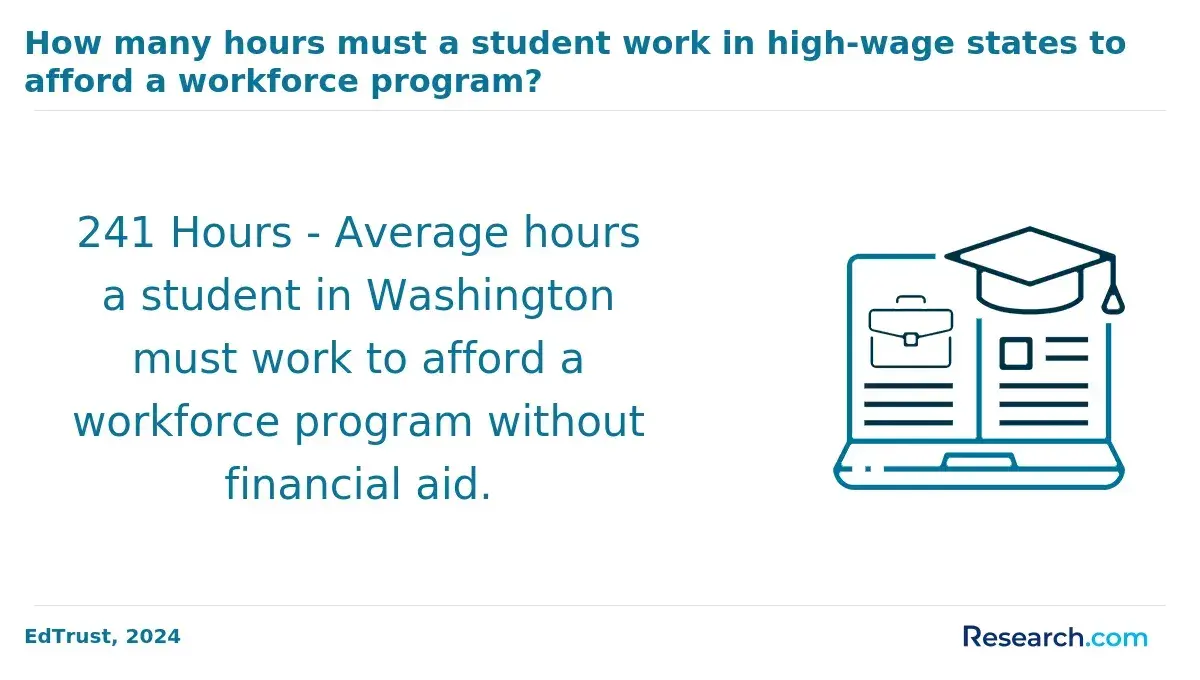
The rapid growth of online education has made it possible for students across the United States to pursue both information technology degrees and certificates entirely online. Many accredited universities, such as Arizona State University, Capella University, and North Carolina Central University, offer fully online bachelor of science in information technology programs, enabling students to complete all coursework remotely.
Similarly, numerous colleges provide online IT certificate programs, which are often shorter and more focused, catering to professionals seeking quick skill development or career advancement. While some programs may include hybrid options requiring limited campus visits, fully online information technology degree programs and certificate options are widely accessible today.
When choosing between an online degree or certificate, it's important to consider factors like hands-on training through virtual labs, interactive simulations, or real-world capstone projects, as well as internships or practicum experiences that schools may facilitate remotely.
Additionally, if your career goal involves IT licensure or specialized certifications, confirm that the online program meets these requirements. Whether pursuing a degree or certificate, selecting an online format that aligns with your need for flexibility and practical experience is essential.
For guidance on degree options, see what is the fastest and easiest bachelor's degree to get. Many often ask, can you earn an IT certificate online? The answer is yes-online certificate programs are designed for efficient skill development while supporting professional objectives.
Admission requirements play a crucial role when deciding between an information technology (IT) degree and a certificate program, as they influence how quickly you can start your studies and the background knowledge expected. Understanding these prerequisites can help you select the educational path that aligns best with your goals and experience.
Below is a side-by-side comparison of the typical admission requirements for IT degree and certificate programs in the United States.
Admission Requirements for Information Technology Degree Programs
- Educational Background: Most IT bachelor's degree programs require a high school diploma or equivalent, such as a GED.
- Transcripts: Applicants generally must submit official transcripts from previous schools or colleges to verify their educational history and sometimes to transfer credits.
- Minimum GPA: Many programs expect a minimum high school GPA, often between 2.75 and 3.0, or a minimum GPA in prior college coursework.
- Prerequisite Courses: Some degree programs require completion of courses such as pre-calculus or foundational IT subjects before enrollment.
- Standardized Tests: Most IT degree programs do not require SAT or ACT scores for admission.
- Additional Materials: Applicants might need to provide a government-issued photo ID and occasionally must demonstrate readiness through IT certifications or relevant work experience, especially for master's degrees.
Admission Requirements for Information Technology Certificate Programs
- Educational Background: Certificate programs typically require only a high school diploma or GED, making them more accessible to a wider range of students.
- Transcripts: Some certificate programs may request transcripts, but requirements are generally less strict compared to degree programs.
- Work Experience: In rare cases, relevant IT work experience may be preferred or required, but this is less common than for degrees.
- Interest in IT: Many certificate programs only require applicants to show a genuine interest in IT without formal prerequisites.
- Standardized Tests: Standardized test scores are almost never required for admission to IT certificate programs, reflecting more flexible entry criteria.
Comparing information technology degree admission requirements in the United States with IT certificate program entry criteria for 2025 reveals important differences in accessibility and academic expectations.
Depending on your professional timeline, you might also explore accelerated study options such as the shortest online masters degree programs, which could further influence your decision.
Knowing the number of credits required for an information technology program helps students manage their time and academic planning effectively. It provides insight into the depth and duration of study needed for different educational paths.
Here is a comparison of credit expectations for information technology degree and certificate programs:
- Information Technology Degree: Typically requires between 120 and 180 credits, depending on the institution's system. Degrees often include general education, major-specific courses, and upper-division credits, making for a comprehensive curriculum.
- Information Technology Certificate: Usually demands between 12 to 30 credits focused on essential IT skills. These programs are more concise, emphasizing foundational topics like networking and cybersecurity without general education requirements.
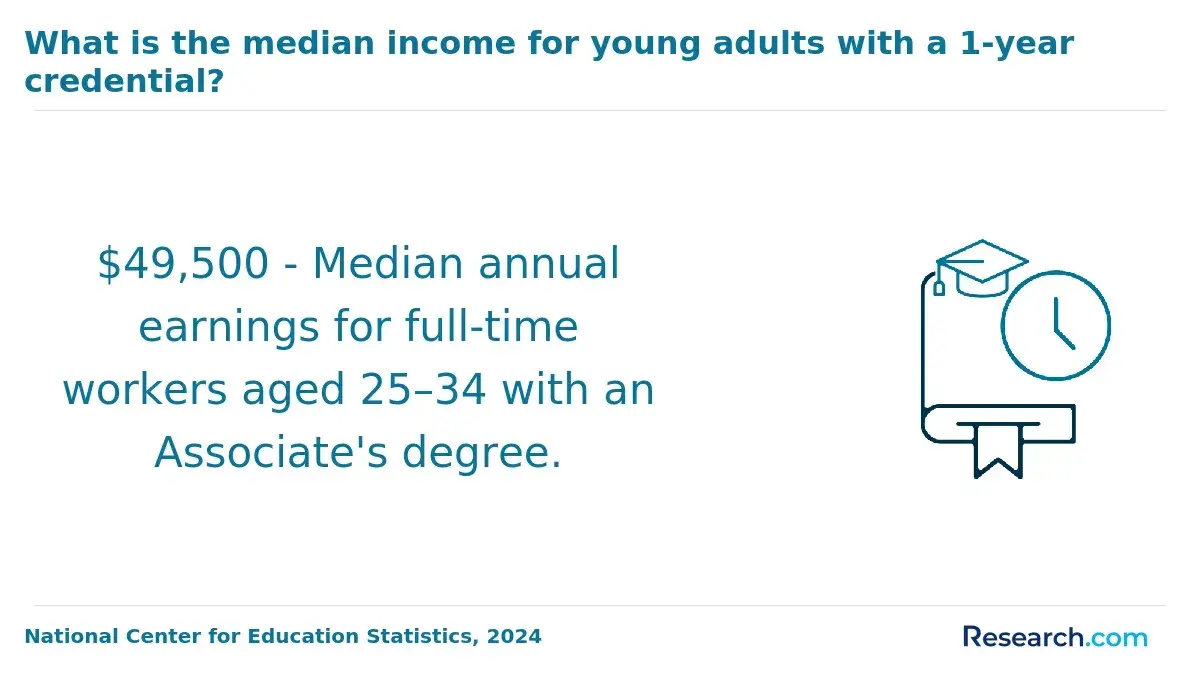
Tuition costs are a crucial consideration when choosing between an information technology degree and a certificate, as they directly impact your financial commitment and return on investment. Comparing average tuition ranges can help prospective students balance education expenses with career ambitions.
The overview below contrasts typical costs associated with IT degree versus certificate programs across U.S. institutions.
Average Tuition for Information Technology Degree Programs
- Community College Tuition: The average cost of an IT degree at public community colleges is approximately $3,840 per year, offering the most affordable pathway to a degree.
- Public Four-Year Colleges: Bachelor's degree programs in IT at public universities generally cost around $9,970 annually, though expenses vary by residency and state.
- Private Four-Year Colleges: Private institutions charge much higher tuition, averaging about $34,740 per year for a bachelor's in IT.
- Graduate Degree Costs: Master's level IT degrees at public universities often range from $792 to $1,930 per credit, with yearly totals typically between $10,000 and $24,000 depending on enrollment and residency.
- Additional Fees: Many schools add mandatory technology, activity, and service fees that can add several hundred to over a thousand dollars annually.
Average Tuition for Information Technology Certificate Programs
- Public College Certificates: Tuition fees for IT certificate programs offered by public colleges generally range from $900 to $3,500 total, influenced by program length and location.
- Trade and Technical Schools: Comprehensive certificate programs through trade schools can cost around $11,000, especially for accelerated career tracks.
- Online Certificate Options: Online IT certificate program tuition commonly falls between $1,000 and $5,000, varying by institution and program duration.
- Bootcamp Costs: Intensive coding and IT bootcamps that provide certificates average approximately $13,400 for several weeks to months of training.
- Program Length and Cost: Certificate program tuition fees correlate strongly with duration, with shorter certificates typically costing less than year-long professional certifications.
Understanding the average cost of IT degree in the United States alongside Information Technology certificate program tuition fees can guide students in making informed decisions aligned with financial resources and career timelines.
For those researching programs, consulting the best non profit accredited online university options can also provide valuable insights into cost-effective education choices.
It is possible to transfer certificate credits toward an information technology degree, but this depends largely on institutional policies. Some universities, like Purdue Global and Western Governors University, accept credits from relevant industry certifications or certificate courses if they are current and align with the degree curriculum.
Accreditation status and the similarity of coursework between the certificate and the degree program are also important factors. However, other schools may limit or exclude certificate credits, especially for graduate-level degrees. Ultimately, transferring credits hinges on how well the certificate program fits with the chosen degree's requirements and institutional acceptance policies.
Students should pay attention to transfer limits, which often restrict the number of certificate credits that can count toward a degree. Grade minimums usually apply, with many schools requiring a C or higher for transfer eligibility. It's crucial to contact the admissions or registrar office at the target institution before enrolling to confirm transfer policies. Checking for articulation agreements and staying updated on policy changes can prevent surprises later. Verifying these details ahead of time ensures that students make informed decisions and get the most value from their coursework.
Information technology certificate programs are not accredited in the same manner as degree programs. Degree programs, such as associate's or bachelor's degrees in information technology, receive accreditation from recognized academic bodies that assess curriculum quality, faculty credentials, and institutional standards. In contrast, certificate programs are typically validated by industry groups or vendors, like CompTIA, Cisco, or Google, which focus on specific technical skills rather than broad academic criteria.
Although some colleges offer accredited certificate courses, the certificates themselves mainly hold industry recognition rather than academic accreditation. This distinction highlights the different purposes and validation methods between degree and certificate pathways.
Accreditation is important because it guarantees educational quality, supports credit transfer between institutions, and often influences eligibility for federal financial aid. For certificate programs, employer recognition and alignment with current industry standards are critical factors.
Students should verify that degree programs are accredited by well-established agencies, such as regional commissions, and that certificates come from reputable, up-to-date industry authorities. Checking if employers value the credential in the chosen field is also essential. Before enrolling, students should always confirm accreditation through recognized accrediting organizations to ensure their education meets trusted quality benchmarks.
Both an information technology degree and an IT certificate can create career opportunities, but they typically prepare graduates for different levels and types of positions. Understanding how each credential aligns with various job roles can help you make an informed decision.
Below is a comparison of career paths often associated with each qualification.
Jobs You Can Get with a Information Technology Degree
- Systems analyst: Evaluates and improves IT systems to meet organizational needs, often working closely with management.
- Network administrator: Manages and maintains an organization's computer networks, ensuring smooth and secure connectivity.
- IT project manager: Oversees IT projects from planning to execution, coordinating teams and resources.
- Database administrator: Responsible for organizing and securing data storage systems within a company.
- Cybersecurity analyst: Protects networks and systems from cyber threats by monitoring and responding to security incidents.
- IT manager: Leads IT departments, managing strategic initiatives and supervising technical staff.
Jobs You Can Get with a Information Technology Certificate
- Technical support specialist: Provides hands-on assistance to users experiencing technical issues with hardware or software.
- Help desk technician: Acts as the first point of contact for IT support, troubleshooting common problems.
- Junior network technician: Assists with the installation and maintenance of network hardware and software.
- Entry-level cybersecurity technician: Supports cybersecurity efforts by implementing basic protective measures and monitoring alerts.
- Computer user support specialist: Helps end-users operate and resolve issues with computer systems, often in business environments.
Salary potential often varies significantly between information technology certificate holders and degree graduates. Understanding these differences can help guide your educational and career decisions.
Here is a side-by-side comparison of the average starting salary for IT certificate holders versus entry-level salary for information technology degree graduates, along with key factors influencing these figures.
- Typical Salary Range for Certificate Holders: The average starting salary for IT certificate holders in the United States typically ranges from $55,000 to $70,000 per year. Entry-level roles like help desk technician or junior network administrator usually offer salaries around $55,000 to $65,000, while specialized certifications in cloud computing or cybersecurity can command starting pay exceeding $90,000.
- Typical Salary Range for Degree Graduates: Entry-level salary for information technology degree graduates generally falls between $62,000 and $85,000 annually, with higher-paying roles such as business analyst, application developer, or data network engineer offering $80,000 to $120,000, especially in high-demand markets in 2025.
- Influencing Factors: Industry specialization, job function, and location notably impact starting salaries. Urban tech hubs and emerging fields like cybersecurity and cloud computing offer premium pay, while internships and combined qualifications enhance earning potential.
- Career Outlook: Degree holders often enjoy greater upward mobility and access to diverse roles, whereas certificate holders can enter the workforce more quickly and achieve competitive salaries through specialization and experience.
- Educational Investment: For students seeking cost-effective degree options, exploring an online bachelor degree cheap program can provide a valuable pathway to enhance salary prospects.
Here's What Graduates of Information Technology Programs Say About Their Degree or Certificate
- Lawrence: "Pursuing the information technology certificate was a game-changer for me because it offered a fast-paced learning experience that fit perfectly into my busy schedule. While a degree can be more comprehensive and costly-often averaging thousands more in tuition-the certificate gave me practical skills quickly, allowing me to enter the workforce sooner. For anyone weighing their options, I'd say consider how soon you want to start applying your skills and how much time you can dedicate."
- Yitzchok: "Choosing the information technology degree program was a reflective decision grounded in long-term career goals. Although the degree demands a significant time and financial investment-often costing upwards of $20,000-it provides a deeper theoretical foundation and greater networking opportunities that opened doors for advanced roles. The learning experience is more extended but rewarding, especially if you value a broad perspective over quick skill acquisition."
- Cameron: "Having completed both certificate and degree programs in information technology, I recognize that balancing pace, depth, and cost is key. The certificate offered rapid entry-level skills at a lower cost, while the degree expanded my expertise and career prospects, albeit at a higher tuition and longer schedule. Ultimately, combining both allowed me flexible career growth tailored to my needs. If you can, assess your professional goals and budget before choosing-this hybrid approach worked best for me."
Other Things You Should Know About Information Technology Degrees
In 2027, internships for IT degree holders often offer broader opportunities due to comprehensive curricula that cover various IT fields. Certificate holders may find internships suited to specific skill sets but might encounter more limited options. Degree programs' emphasis on theory and practice tends to appeal more to employers seeking interns.
For enrolling in an IT degree, a high school diploma and standardized test scores are typically required. Certificate programs often require a high school diploma but may not need standardized test scores, making them more accessible for individuals seeking quicker access to the IT field.
An IT degree typically requires around 120 credit hours, while a certificate program usually demands between 12 and 30 credit hours in 2027. This reflects the more comprehensive scope and depth of a degree program compared to a shorter, focused certificate course.
- IT Certifications vs. Degrees https://wcc.ca/blog/it-certifications-vs-degrees/
- Information Technology and Management: Transfer Program (B.A.C.) https://www.iit.edu/academics/programs/information-technology-and-management-transfer-program-bac
- Information Sciences and Technology, Certificate https://ist.psu.edu/degree-programs/undergraduate/undergraduate-certificate-information-sciences-and-technology
- Certificate Programs: Programs, Costs, Duration & Are They Worth It? - University of the Potomac https://potomac.edu/certificates-programs-costs-duration-are-they-worth-it/
- Online Certificate Programs Vs. College Degrees https://www.washingtontech.edu/online-certificate-programs-vs-college-degrees/
- How Much Does Information Technology School Cost? | CBT Technology Institute https://www.cbt.edu/blog/how-much-does-information-technology-school-cost/
- IT Degree Salary: How Much Do IT Managers and Other Professions Make? - Bay Atlantic University - Washington, D.C. https://bau.edu/blog/it-degree-salary/
- IT Certifications vs. Degree: What’s the Difference? - Per Scholas https://perscholas.org/news/it-certifications-vs-degree-whats-the-difference/
- Benefits of Having an IT Degree and Certification https://www.cambridgehealth.edu/information-technology/it-degree/benefits-of-having-an-it-degree-and-certification/
- IT certification vs. certificate: What's the difference? https://www.zdnet.com/education/computers-tech/information-technology-certification-vs-certificate/