2027 Software Development Degree Completion Rates by Format: Online, Hybrid, and Campus Programs Compared

Co-Founder and Chief Data Scientist
Completion rates vary significantly across these formats, reflecting differences in support systems, engagement, and flexibility. Understanding these variations helps clarify real-world tradeoffs and long-term career implications. This article compares online, hybrid, and campus completion rates, explores factors influencing student success, and offers insights to guide prospective students toward the format best aligned with their goals.
Key Things to Know About Software Development Degree Completion Rates by Format
- Completion rates for online software development degrees average around 55%, reflecting challenges in self-motivation and time management, which may lead to extended program duration or dropout risk.
- Hybrid formats show up to 20% higher completion than purely online, indicating that periodic in-person engagement improves accountability and practical skill acquisition essential for career readiness.
- Campus-based programs maintain the highest completion rates, near 75%; immersive environments support peer collaboration and consistent access to resources, crucial for mastering complex coding projects.
- Key Things to Know About Software Development Degree Completion Rates by Format Key Things to Know About Software Development Degree Completion Rates by Format
- How Do Completion Rates Compare Across Online, Hybrid, and Campus Software Development Programs? Completion Rate Comparison
- What Factors Have the Greatest Impact on Software Development Degree Completion? Degree Completion Factors
- Which Software Development Degree Format Is Hardest to Complete? Completion Difficulty
- How Does Each Software Development Learning Format Affect Student Success? How Does Each Software Development Learning Format Affect Student Success?
- How Does Enrollment Status Affect Software Development Completion Rates? How Does Enrollment Status Affect Software Development Completion Rates?
- Can Transfer Credits Improve Software Development Degree Completion? Transfer Credits
- What Student Support Services Improve Software Development Completion Rates? Student Support Services
- How Do Software Development Completion Rates Affect Career Outcomes? Impact on Career Outcomes
- How Should Students Choose the Best Software Development Learning Format? Choosing the Best Format
- What Are the Long-Term Pros and Cons of Each Software Development Learning Format? Learning Format Pros & Cons
How Do Completion Rates Compare Across Online, Hybrid, and Campus Software Development Programs?
Completion rates for software development degree programs serve more as reflections of student demographics and life circumstances than as direct indicators of program quality. Variations in rates often mirror who enrolls in each format-campus, online, or hybrid-and their unique challenges rather than inherent differences in teaching effectiveness. For instance, students juggling full-time jobs or family care may opt for online learning and face obstacles that impact persistence, affecting completion outcomes independently of instructional rigor.
Differences in completion rates across online, hybrid, and campus programs commonly arise from factors like work commitments, enrollment intensity, and access to support services. Campus-based students typically benefit from structured schedules and immediate resource availability, contributing to higher graduation figures. Hybrid learners gain some flexibility while still engaging in person, often resulting in moderate completion rates. Fully online students leverage convenience but contend with less direct support and competing priorities, which can lower percent completions. Success hinges as much on individual circumstances and motivation as on format, demonstrating that no single delivery method guarantees completion.
When comparing software development degree completion rates by learning format, prospective students should integrate these statistics with personal preferences, available study time, and career ambitions. Those who require flexible scheduling due to external responsibilities may find hybrid or online options advantageous, though they should plan for self-discipline and seek robust academic support. Meanwhile, students able to commit to campus attendance might benefit from a more immersive environment that has historically yielded higher completion. Exploring the range of certificates I can get online can also complement degree pathways, offering alternative validations aligned with professional goals.
What Factors Have the Greatest Impact on Software Development Degree Completion?
Completing a software development degree hinges on a complex mix of personal circumstances, academic preparedness, and program characteristics rather than motivation alone. Students encountering the same coursework can have very different outcomes depending on external supports and their learning environment. Recognizing that degree completion rates vary widely by format, it becomes clear that several intertwined factors consistently influence whether students persist and graduate. Here are the primary factors impacting software development degree completion:
- Student Engagement and Social Integration: Active involvement with peers and instructors significantly boosts retention, especially in campus and hybrid formats. Students who immerse themselves in collaborative projects and study groups benefit from accountability and support, which is often less accessible in fully online programs. Strengthening engagement can involve seeking out community-building opportunities or participating in live discussions.
- Access to Academic Support Services: Ready availability of tutoring, mentoring, and technical assistance is crucial, particularly for students facing challenging programming concepts. Campuses typically provide more immediate access to these resources, whereas online students must proactively navigate virtual offerings. Leveraging tutoring centers or academic advising early can reduce the risk of falling behind.
- Financial Stability and Affordability: Financial stress is a pervasive barrier linked to higher dropout rates, regardless of learning format. Research shows students with consistent financial hardship are twice as likely to discontinue their studies. Careful budgeting, applying for aid, or choosing programs aligned with an affordable master degree can mitigate these risks.
- Prior Academic Preparation in Core Disciplines: Strong foundations in mathematics and introductory programming correlate with higher completion rates in rigorous software development tracks. Students lacking this background may struggle unless they actively pursue supplementary coursework or remediation before or during the program. Early assessment of readiness helps tailor study plans accordingly.
- Time Management and Personal Commitments: Balancing study with work, family, or other responsibilities heavily impacts persistence, especially for online learners who often juggle multiple roles. Developing disciplined schedules and setting realistic goals are vital strategies to prevent burnout and ensure steady progress.
- Program Delivery Format and Structure: Completion rates vary by format with campus students generally achieving higher persistence due to immersive environments and structured routines, while online students face engagement and support challenges. Hybrid formats offer a middle ground, blending flexibility with interaction, which can better suit students seeking both independence and connection.
- Institutional Culture and Supportive Environment: Programs fostering an inclusive culture and clear communication channels tend to retain more students. Feeling a sense of belonging and having transparent pathways to graduation can motivate persistence, highlighting the importance of institutional commitment beyond curriculum design.
Which Software Development Degree Format Is Hardest to Complete?
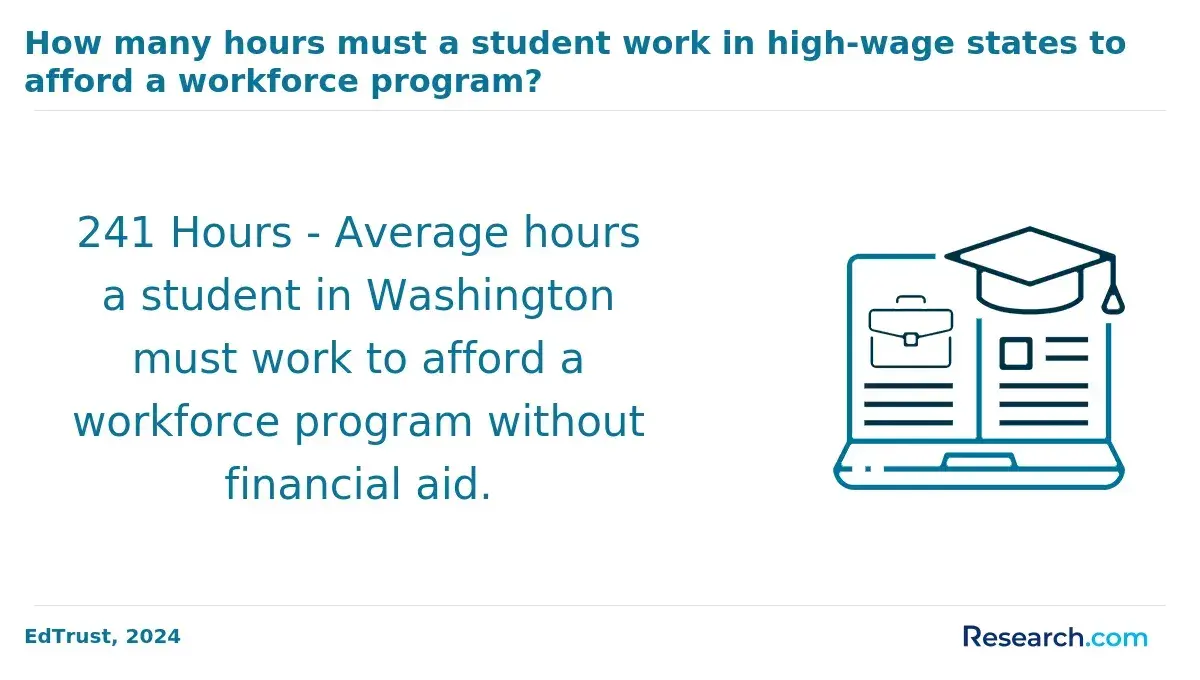
Data from the National Center for Education Statistics in 2024 reveals clear disparities in completion rates among software development degree formats. Fully online programs often report completion rates as low as 40% to 55%, whereas campus-based programs typically range between 65% and 80%. Hybrid formats fall somewhere in the middle but do not consistently match the persistence of traditional in-person learning. This suggests that the structured environment and direct engagement available on campus support student retention in ways online models struggle to replicate. Yet, these numbers don't operate in isolation; external factors such as work-life balance and personal motivation heavily influence outcomes across all formats.
While online formats pose unique challenges related to isolation and self-discipline, campus-based programs demand time and presence commitments that can be prohibitive for many, especially working adults. Hybrid options offer flexibility but sometimes lack the consistent accountability that fosters persistence. Consider a student juggling a full-time job and family: enrolling in a campus program might improve completion odds but could introduce stress from commuting and rigid schedules. Conversely, an online program may reduce those logistical barriers but increase the risk of disengagement. Ultimately, individual circumstances often dictate which format proves most sustainable, rather than an inherent difficulty tied solely to the delivery method.
A recent graduate recalls initially choosing an online software development degree for its flexibility amid a demanding job. Early on, the convenience felt invaluable, but months into the program, they struggled with motivation without regular in-person interaction and peer support. Deadlines blurred as work pressures mounted, and imposter syndrome grew. A mid-course decision to incorporate more campus-based workshops helped re-anchor their commitment, highlighting that blended approaches sometimes offer critical lifelines not captured in raw completion statistics. Their experience underscores the nuance behind the data: challenges are often situational, and overcoming them requires adapting learning choices to personal realities rather than assuming one format is universally harder to finish.
How Does Each Software Development Learning Format Affect Student Success?
Success in a software development program hinges less on the chosen delivery format itself and more on how well that format fits a student's individual learning style, available time, and personal obligations. Flexibility, access to resources, and interaction opportunities vary widely between online, hybrid, and campus settings, shaping engagement and persistence. For example, a working parent might find online learning more feasible, while a recent high school graduate could thrive in the structured campus environment. Below are key factors affecting completion rates and outcomes across these formats based on recent data from the National Center for Education Statistics and related research.
- Structured environment boosts consistency: Campus programs promote regular attendance and direct faculty interaction, which significantly improve accountability and help maintain momentum. Students who benefit from routine and immediate feedback are more likely to finish their degree on time in this setting.
- Balance of flexibility and engagement in hybrid formats: Hybrid programs allow learners to combine face-to-face mentoring with remote coursework, often achieving completion rates close to campus programs. This format suits those who need some schedule flexibility but still require periodic in-person support to stay motivated and clarify challenging concepts.
- Academic isolation risks in fully online learning: Despite offering accessibility for non-traditional or remote students, online-only programs can lead to feelings of disconnection and reduced accountability. Students who lack strong self-regulation or external support may struggle, contributing to somewhat lower completion rates compared to hybrid or campus options.
- Institutional support systems' influence: Programs with robust virtual tutoring, mentorship, and collaboration tools significantly mitigate online students' risk of falling behind. Those who access these resources tend to perform better, highlighting the necessity of proactive institutional investment irrespective of delivery mode.
- Personal responsibilities and time management: Online learning's flexibility benefits students balancing work or family, but managing distractions and avoiding procrastination is critical. Conversely, campus formats may challenge students with external obligations who cannot attend consistently, impacting their academic persistence.
- Peer community and networking opportunities: Campus and hybrid formats offer richer social interactions, fostering peer learning and professional connections. These relationships can enhance motivation and open career pathways, which are less accessible in fully online settings unless intentionally cultivated.
- Completion rate trends reflect format tradeoffs: According to 2024 data, campus programs typically show the highest completion rates, followed closely by hybrid, with fully online programs lagging slightly due to engagement and self-regulation challenges. Understanding these patterns helps students weigh practical tradeoffs alongside their unique circumstances.
How Does Enrollment Status Affect Software Development Completion Rates?
Enrollment status remains one of the most critical yet nuanced factors shaping completion rates in software development programs, and understanding its real effects goes beyond simply tallying courses taken. Full-time versus part-time attendance influences more than speed-it interacts deeply with personal circumstances, program format, and support systems. For prospective students weighing online versus campus software development program completion rates, grasping how enrollment status aligns with their life realities is key to making a sustainable educational plan. Consider these primary ways enrollment status affects degree completion outcomes:
- Time Availability and Focus: Full-time students typically have more dedicated hours for study, allowing rapid progress and greater momentum. Those able to immerse fully benefit from continuous engagement, while part-time students often juggle work or family, which may slow their pace and disrupt focus.
- Institutional Support Access: Campus full-time students usually enjoy immediate access to faculty, peers, and structured scheduling, which strengthens persistence. Part-time learners, especially online, may lack direct institutional touchpoints, requiring greater self-discipline to stay on track.
- Program Delivery Format Interaction: Enrollment status effects vary by format. For example, hybrid full-time students average about mid-60% completion, balancing in-person and online demands, whereas online full-time rates can range from 55% to 65%, influenced by self-motivation levels and reduced peer interaction.
- External Commitments Impact: Part-time students face challenges integrating coursework with job responsibilities or family care. This is particularly relevant in software development where curricula remain intense, so flexibility trades off with longer completion times and higher attrition risk.
- Social Isolation and Peer Networks: Online part-time learners may feel isolated without regular cohort connection, negatively affecting persistence. Engaged social bonds in campus or hybrid settings can mitigate this risk for full-time enrollees.
- Completion Statistics Highlight: Recent educational research indicates campus full-time students exceed 70% completion, while part-time completions generally cluster between 40%-50%-a stark contrast illustrating how enrollment pace shapes outcomes in real-world terms.
- Practical Strategy for Prospective Students: Selecting between full-time or part-time enrollment should involve honest assessment of personal resources and motivation. Some may thrive by leveraging flexible online MFT programs that allow part-time paths but must implement strategic planning to maintain progress and avoid attrition.
Can Transfer Credits Improve Software Development Degree Completion?
Transfer credits can play a crucial role in improving the likelihood of completing a software development degree, but their impact varies significantly based on how well those credits align with program requirements. For students with previous college coursework, military training, or professional certifications, transfer credits often reduce redundant classes and can shorten time to graduation. However, the actual acceleration depends on whether the receiving institution accepts those credits toward core degree requirements rather than just electives.
Consider a student returning to complete a software development degree after earning technical certificates and completing some relevant courses at a community college. If the university recognizes most of these credits, the student might save an entire semester or more, allowing faster entry into the workforce. Conversely, if credit articulation is weak, they may still face a near-full course load, negating much of the expected advantage. This misalignment or partial credit acceptance can even extend the program length due to additional prerequisite courses.
Institutions with stringent or fixed curricula-often seen in traditional campus programs-may offer limited flexibility in accepting transfer credits, which can restrict the benefit for transfer students. In contrast, online and hybrid programs frequently adopt more adaptable policies designed to accommodate varied learning backgrounds, which correlates with higher completion rates among transfer students. In fact, data from the National Student Clearinghouse Research Center (2024) shows that learners utilizing transfer credits graduate up to 30% faster, especially in flexible program formats.
Prospective students should not assume transfer credits guarantee a shorter path to graduation. A practical approach involves securing an official credit evaluation from the institution early on and comparing how many credits remain to complete the degree against their planned enrollment pace. Scrutinizing transfer policies and course equivalencies provides clarity on realistic timelines and helps avoid surprises that could disrupt momentum.
Ultimately, while transfer credits frequently help reduce time and expense, they are only one component among many influencing degree completion. Factors such as course difficulty, personal commitments, and institutional support also profoundly shape outcomes in software development education.
What Student Support Services Improve Software Development Completion Rates?
Student support services directly impact persistence and graduation rates in software development programs, particularly when comparing online, hybrid, and campus formats. According to recent findings from the National Center for Education Statistics, students who receive systematic academic advising and mental health support are significantly more likely to complete their degrees. The effectiveness of these services varies depending on the learning environment, with some supports addressing unique challenges faced by remote students. Here are several key services that have been linked to improved completion outcomes.
- Proactive academic advising: Continuous, structured guidance helps students navigate complex curricula and adjust to academic challenges, especially crucial in online programs where casual faculty interactions are limited. Data shows online students with regular advising complete their degrees at a 20% higher rate within four years.
- Targeted tutoring and technical help: On-demand support focused on programming languages and software tools reduces course frustration and dropout risk. Hybrid students benefit from a flexible blend of in-person and virtual tutoring that accommodates diverse schedules.
- Mental health resources: Access to counseling and wellness services counters burnout and stress common in intense tech fields. These resources provide critical resilience for students balancing demanding workloads and personal obligations.
- Peer mentoring and community engagement: Programs encouraging student interaction foster belonging and accountability. While campus students leverage physical spaces, online cohorts can replicate this through moderated virtual communities that enhance motivation and reduce isolation.
- Clear academic pathways: Transparent curriculum roadmaps and milestone tracking minimize confusion and keep students focused. This support is vital across all formats but particularly important for those learning remotely without immediate access to academic peers or staff.
A graduate who completed an online software development degree recalls how a combination of these services made the difference. Early hesitations about managing coursework alongside a full-time job created moments of doubt. However, regular check-ins with advisors helped recalibrate their study schedule, while flexible tutoring sessions targeted technical hurdles just when needed. The availability of a virtual peer forum became an unexpected source of encouragement, especially during late-night coding sessions. This pragmatic mix of supports not only kept the graduate on track but also provided a sense of community that felt absent from the remote format initially.
How Do Software Development Completion Rates Affect Career Outcomes?
Completion rates in software development programs play a decisive role in shaping career outcomes, impacting employability, earnings potential, and professional growth. Recent 2024 data show that students who complete their bachelor's degree in software development-regardless of delivery format-have significantly better chances of securing competitive tech roles and commanding higher starting salaries. However, differences in completion rates across campus, hybrid, and online formats create distinct advantages and challenges that influence long-term career trajectories. Below are key ways that successfully finishing a software development degree affects career prospects.
- Higher employability and entry-level opportunities: Graduating with a completed software development degree signals to employers a foundational level of technical competence and commitment, which greatly improves job prospects compared to non-completers. According to recent workforce analyses, bachelor's degree holders in technology fields have employment rates at least 20% higher within the first year post-graduation. Persistence through program completion tends to benefit students who thrive under consistent academic and practical engagement. This credential often serves as a baseline requirement for most software developer roles, making completion critical for accessing entry-level positions.
- Increased earning potential and promotion pathways: Completing the degree correlates strongly with higher starting salaries and accelerated promotion chances, partly because employers view degree completion as evidence of problem-solving skills and resilience. Research shows that graduates with completed degrees can earn 15-30% more than those without, especially in software development. Students focused on long-term upward mobility gain particular advantage from finishing their degrees. Degree completion thus remains a key factor in negotiating salary and advanced responsibilities.
- Access to graduate education and specialization opportunities: Graduates who complete their software development degrees are more likely to pursue advanced degrees or certifications, which further improve competitiveness in specialized areas such as cybersecurity or artificial intelligence. Enrollees who successfully complete their bachelor's have a 25% higher likelihood of enrolling in graduate programs according to national educational statistics. This progression is often essential for students aiming at research or leadership roles in technology industries.
- Format-specific completion impacts on career timeline: Campus programs generally yield higher completion rates, offering more direct mentorship and networking critical for early internships and job placements. Hybrid programs balance flexibility with some in-person engagement, producing moderate completion success, while online students face more barriers to completion-potentially delaying workforce entry or limiting immediate competitiveness. For example, a student juggling full-time work may opt for hybrid delivery to maintain progress without sacrificing professional opportunities.
- Enduring career outcomes beyond format differences: While completion rates vary across program types, graduates from any format who finish their degrees tend to show comparable long-term career outcomes. The quality of learning engagement and practical experience, such as internships or project work, plays an equal or greater role than format alone in sustaining career growth. This insight aligns with broader findings that underscore the importance of aligning program demands with individual learning styles and life circumstances for maximizing success.
Prospective students considering programs should also explore fields related to or complementary with software development, such as the forensic psychology major, to broaden interdisciplinary career paths and options.
How Should Students Choose the Best Software Development Learning Format?
Selecting the best software development learning format hinges on aligning educational delivery with personal and situational realities. Recent 2024 data from the U.S. Department of Education shows that campus formats generally yield higher degree completion rates, but this advantage depends on student circumstances. For example, a working parent juggling childcare might find online or hybrid options more sustainable, even if completion rates tend to be lower without strong support systems. Below are key factors prospective students should assess when choosing a format.
- Time Management and Self-Discipline: Online programs demand high self-motivation and independent work habits since direct supervision is limited. Students confident in scheduling and prioritizing tasks often thrive here, while those needing external structure may excel in campus or hybrid models.
- Work and Family Commitments: Balancing full-time jobs or caregiving responsibilities favors flexible learning, making online or hybrid formats attractive. Campus-based programs provide robust engagement but may be impractical for those unable to attend regularly.
- Quality of Academic Support: Hybrid and campus formats usually offer more immediate faculty access and peer interaction, supporting retention and completion. Online students risk dropping out without adequate advising and community-building initiatives.
- Learning Environment Preferences: Some thrive on face-to-face collaboration and hands-on labs available on campus, while others prefer the autonomy and convenience of remote learning. Hybrid formats offer a middle ground but require adaptability to both settings.
- Prior Academic Preparation: Students with strong foundational skills and prior experience in self-directed learning are better positioned to succeed online, whereas those needing frequent guidance benefit from campus interactions.
- Long-Term Career Integration: Employers value demonstrated technical skills and real-world projects, which often align with formats offering internships and lab work, more common in campus or hybrid settings.
- Financial and Technological Resources: Reliable internet access and a quiet workspace are essential for online learning; lacking these can hinder progress and satisfaction.
Understanding these factors can help align students' choices with their educational and career goals. The average degree completion rates vary widely by format and individual traits, reinforcing that no single learning style suits everyone. For students concerned about balancing earning potential with education, considering data like the paralegal salary associate's degree trends may provide additional practical insight into how education format impacts job readiness and income prospects.
What Are the Long-Term Pros and Cons of Each Software Development Learning Format?
Completion rates and career outcomes in software development programs vary significantly by learning format, shaping long-term success. Evidence from the National Center for Education Statistics 2024 data reveals that campus programs consistently yield higher graduation rates due to immersive environments and direct faculty engagement. However, accessibility and flexibility remain major challenges for some students. Below are key factors to consider when choosing between online, hybrid, and campus formats:
- Completion Rate Stability: Campus programs show higher long-term completion, often surpassing 70%, while fully online completion rates tend to lag near 50%. Hybrid programs offer moderate completion around 60%, blending support and flexibility for self-motivated learners.
- Flexibility versus Structure: Online formats excel in accommodating work and family commitments with asynchronous learning, but require strong self-discipline. Campus settings provide rigid schedules and structured environments, favoring students who thrive on routine and direct accountability.
- Networking and Mentorship Opportunities: Campus learners benefit from informal mentoring and peer collaboration, which contribute to career advancement. Hybrid models can partially replicate this, while online students often face isolation, impacting long-term professional support.
- Access to Hands-On Learning: Practical coding labs and real-time feedback are integral in campus and hybrid programs, enhancing skill mastery. Fully online degrees may limit these experiences, potentially affecting job readiness.
- Geographic and Financial Constraints: Online programs reduce relocation costs and commuting time, critical for working adults. Campus attendance may incur additional expenses and logistics that not all students can accommodate.
- Suitability for Different Learner Profiles: Non-traditional students and those balancing multiple responsibilities often find online or hybrid formats more manageable, whereas recent high school graduates may benefit more from campus immersion.
- Long-Term Career Impact: Graduates from campus programs frequently report stronger alumni networks and employer recognition. However, increasing acceptance of online credentials is beginning to narrow this gap, underlining the importance of demonstrated skills over format alone.
References
- Scaling Up College Completion Efforts for Student Success (SUCCESS) | MDRC https://www.mdrc.org/work/projects/scaling-college-completion-efforts-student-success-success
- 10 Key Factors to Ensure Software Project Success https://www.seamgen.com/blog/key-factors-software-project-success
- Software Engineering Degree Career Outcomes: Jobs, Salaries & Growth https://hakia.com/degrees/software-engineering/career-outcomes/
- Software Engineer Degree: Pros, Cons & Alternatives https://arc.dev/talent-blog/software-engineer-degree/
- What is student success? 6 improvement tips https://www.salesforce.com/eu/education/student-success-software/what-is-student-success/
- 5 Software Development Success Factors - Intersog https://intersog.com/blog/development/software-development-success-factors/
- How to Deal With the Difficulties of Programming https://betterprogramming.pub/how-to-deal-with-the-difficulties-of-programming-4258887922f9
- The Traditional vs Practical Approach of Learning Programming https://javascript.plainenglish.io/the-traditional-vs-practical-approach-of-learning-programming-f696043e3c17
- What Is a Software Developer? | Skills and Career Paths https://www.computerscience.org/careers/software-developer/
- Study Part-time | Dev Academy https://devacademy.co.nz/courses/fullstack-webdevelopment/part-time
Other Things You Should Know About Software Development
While online programs offer greater schedule flexibility, this can paradoxically reduce completion consistency because students often struggle with self-discipline amid competing life commitments. In contrast, campus programs provide more structured environments that help enforce regular study habits and direct access to peers and faculty, which reinforces persistence. For students who lack strong time-management skills, choosing campus or hybrid formats-with some in-person engagement-often increases the likelihood of completing the degree due to built-in accountability and social support systems.
Hybrid programs require regular attendance and active participation in team-based projects that simulate real-world software development environments, demanding more consistent effort and communication. This structure can help maintain motivation and improve completion rates by anchoring students in a community and clearer deadlines. Conversely, fully online programs, while flexible, often rely heavily on individual work, which may cause delays or dropouts if students miss peer interaction or collaborative deadlines. Prospective students should weigh their comfort with remote teamwork when choosing between these formats.
Employers in software development often regard campus degrees as signals of rigorous training and interpersonal skills due to in-person labs and group work, which can motivate students to complete such programs more confidently and with greater commitment. Although online degrees are gaining acceptance, the traditional campus format still holds a slight advantage in competitive job markets, influencing student persistence. Therefore, students prioritizing employer perceptions and traditional networks may benefit from on-campus programs that align better with prevalent industry expectations.
Full-time workers generally benefit more from hybrid programs than fully online ones because hybrid formats provide scheduled, partial in-person engagement that fosters accountability without sacrificing all flexibility. Purely online programs can tempt overextension and procrastination, leading to unfinished coursework. However, if a student has a proven track record of self-motivation and a stable work schedule, fully online programs can offer efficient pacing. For those balancing unpredictable job demands, hybrid programs offer a practical compromise that improves completion prospects by blending structure with flexibility.