2027 Software Development ROI by Institution Type: Public vs Private vs Nonprofit Online Programs

Co-Founder and Chief Data Scientist
Choosing between public, private, and nonprofit online programs in software development can pivot a student's entire financial and professional future. Consider a working adult comparing two similarly rated programs: one publicly funded with lower tuition but higher dropout rates, another private with robust career services but triple the debt risk.
According to a 2024 report from the National Center for Education Statistics, nonprofit online programs showed a 12% higher median graduation rate than public counterparts, suggesting better completion outcomes but often at a steeper cost. Understanding these differences shapes not only immediate affordability but also long-term career resilience.
This article dissects how institutional type influences software development ROI, evaluating cost, completion, support, and workforce outcomes to guide informed enrollment decisions.
Key Things to Know About Software Development ROI by Institution Type
- Public online programs generally offer lower tuition, reducing upfront cost and student debt, but variable graduation rates, around 55% nationally, suggest a tradeoff in completion risk that directly impacts ROI realization.
- Private online institutions often provide stronger employer networks and brand recognition, enhancing career advancement potential; however, higher debt burdens require assessing whether improved job placement justifies these costs.
- Nonprofit online providers typically balance flexible schedules and learner support, critical for working adults, yet slower program pacing can delay workforce entry, affecting total investment recovery time despite affordability benefits.
- Key Things to Know About Software Development ROI by Institution Type Key Things to Know About Software Development ROI by Institution Type
- What Does ROI Mean for a Software Development Program and How Is It Measured? Understanding Software Development Program ROI
- How Do Public, Private, and Nonprofit Online Software Development Programs Differ in Overall Value? Value by Institution Type
- How Do Tuition Costs Affect the ROI of a Software Development Program Across Institution Types? Tuition Costs and ROI
- How Do Graduation Rates Influence Software Development Program ROI? Graduation Rates Impact ROI
- What Role Do Career Outcomes Play in the ROI of a Software Development Degree? Career Outcomes and ROI
- How Does Student Debt Impact the Long-Term ROI of a Software Development Program? Debt vs. Long-Term ROI
- How Do Flexibility and Adult Learner Support Affect Software Development Program Value? Flexibility and Program Value
- How Do Accreditation and Institutional Reputation Influence Software Development ROI? Accreditation and Reputation
- How Does Time-to-Degree Affect the ROI of Public, Private, and Nonprofit Software Development Programs? Time-to-Degree
- How Can You Choose the Best Software Development Program Based on Your ROI Goals? Choosing Programs by ROI
What Does ROI Mean for a Software Development Program and How Is It Measured?
Assessing return on investment for a software development program requires moving beyond sticker price and considering factors like graduation rates, time-to-degree, and debt accumulation. For example, a public online institution may offer lower tuition but have more varied completion rates, which can extend a student's time in the program and increase indirect costs such as lost earnings.
Private nonprofit programs, despite higher upfront costs, often deliver stronger learner support and higher completion rates, which can lower opportunity costs and potentially accelerate entry into the workforce. Measuring ROI for online software development education thus involves balancing direct expenses with these qualitative outcomes to understand the true cost and timeframe necessary to realize career benefits.
Students' individual circumstances heavily influence how they should weigh these tradeoffs. Someone with full-time employment may prioritize shorter time-to-degree to minimize income disruption, while a transfer student might focus on program reputation and curriculum relevance to enhance long-term employability. Debt burden remains critical, especially as carrying large loans may outweigh marginal salary increases.
Furthermore, employment outcomes depend not only on cost but on practical skill development and employer connections, making programs with project-based learning and industry ties valuable despite higher tuition. Prospective learners seeking accurate comparisons can also explore resources like online certifications to supplement or pivot alongside degree investments, adding flexibility to career planning.
How Do Public, Private, and Nonprofit Online Software Development Programs Differ in Overall Value?
Value differences among public, private, and nonprofit online software development programs hinge largely on tuition costs, student debt, and the types of support offered rather than uniform measures of quality. Despite private institutions often touting more personalized instruction and career services, a 2024 National Center for Education Statistics report reveals public programs maintain comparable graduation rates and student satisfaction, frequently at a lower price point.
Public programs tend to offer better affordability due to state funding and often result in significantly lower student debt burdens, enhancing financial stability immediately after completion—an essential factor for working adults or career changers balancing expenses. Conversely, private and nonprofit providers may offer niche accreditations and closer employer connections, which could be consequential for students targeting specialized tech roles but may impose higher tuition and less flexible pacing.
Graduation outcomes play a crucial role in determining return on investment, with public graduates typically facing lower debt, a dynamic supported by 2024 data from the Institute for College Access and Success. Flexibility is another consideration: public institutions often provide multiple scheduling options that appeal to professionals managing work and family demands, whereas nonprofit programs might require adherence to stricter academic timelines.
Employer surveys highlight that while brand recognition matters, demonstrated skills and portfolios frequently outweigh institutional prestige in hiring decisions within software development fields. Thus, the optimal choice balances cost, flexibility, and support against an individual's career goals and financial tolerance rather than defaulting to perceived prestige.
A software developer who assessed all three institution types described hesitating over paying more at a private program for its reputed network and support but worried about the accompanying debt. They appreciated the nonprofit's targeted career counseling but found the rigid schedule incompatible with their full-time job.
Ultimately, they enrolled in a public university's online program after confirming the regional accreditation and noting affordable tuition with solid advising support. This decision minimized financial risk while offering necessary flexibility, reflecting a deliberate tradeoff rather than a simple preference, which eased concerns about long-term debt and exit opportunities in a competitive job market.
How Do Tuition Costs Affect the ROI of a Software Development Program Across Institution Types?
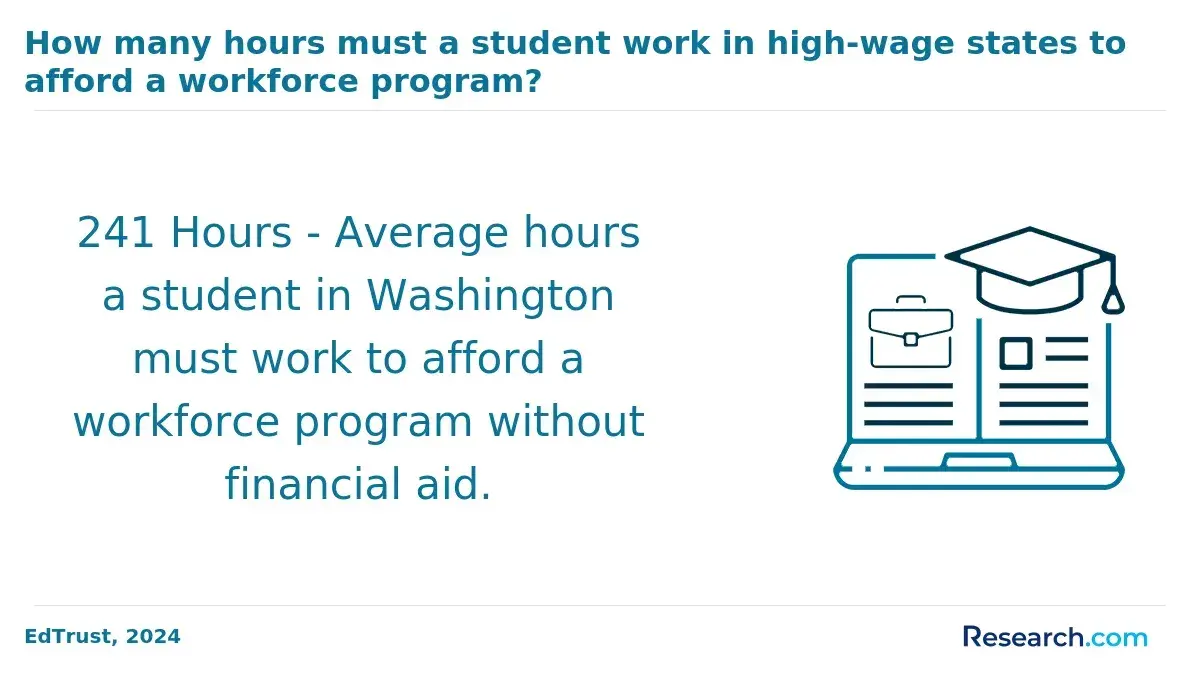
Lower tuition at public online institutions frequently results in reduced student debt, which can meaningfully improve the return on investment (ROI) for many software development learners. According to 2024 data from the National Center for Education Statistics, public programs often charge less than half the tuition of comparable private schools, easing financial burdens during early career stages.
However, this cost advantage does not guarantee better outcomes; programs with minimal learner support or lower completion rates may lengthen time-to-degree and offset savings with additional indirect costs, such as lost wages or extended loan interest accrual.
Private online programs tend to come with higher sticker prices and heavier average debt loads but sometimes provide added value through specialized curriculum or career services that can accelerate employment in competitive tech sectors. For working adults weighing these options, the decision extends beyond tuition to include factors like program flexibility and job placement quality.
Nonprofit providers frequently sit between public and private tuition, reinvesting in services that may boost graduation rates and career readiness, though their price points and support effectiveness vary widely. Choosing a program, therefore, involves balancing upfront cost, financial aid, debt implications, and realistic assessments of completion likelihood and market credibility.
Ultimately, paying a premium does not inherently yield higher ROI unless it translates to meaningful employment advantages or quicker credential attainment. Adult learners must consider how factors such as financial aid policies, graduation probabilities, and program pacing influence net costs and long-term earnings potential.
Reliance on sticker price alone overlooks these critical nuances; a slightly more expensive program with robust career connections and flexible scheduling might outperform a cheaper option that delays graduation or increases borrower risk.
How Do Graduation Rates Influence Software Development Program ROI?
Graduation rates play a pivotal role in assessing the return on investment for software development programs by reflecting institutional effectiveness and student success more broadly. Public online programs typically report around a 55% six-year completion rate, while private nonprofit institutions average closer to 65%, a gap largely driven by differences in academic support and program flexibility.
For many working adults balancing jobs and family, longer time-to-degree significantly increases both tuition and opportunity costs-factors that impact debt levels and overall financial outcomes. Programs with stronger retention strategies offset often higher sticker prices by enabling more timely degree completion, which can better align with workforce demands and employer expectations.
However, graduation rates alone are an incomplete metric for determining ROI. Variations in student demographics, enrollment intensity, and institutional mission influence outcomes and should be weighed alongside graduation data. Public institutions, which tend to enroll more part-time and diverse learners, face different persistence challenges compared to nonprofits that may have more full-time students with fewer external demands.
Cost-conscious students should consider these nuances carefully, understanding that while graduation rates and software development program return on investment are connected, effective student support services and flexible pacing critically mediate this relationship.
Prospective students evaluating online credentials should also examine career support and debt implications within the broader context of program outcomes. Understanding these factors alongside graduation metrics helps clarify true value, especially for those exploring online doctoral programs in leadership or advanced pathways that intersect with software development careers.
Ultimately, good graduation rates suggest institutional stability but must be interpreted with respect to persistence challenges, time-to-degree, and evolving job market realities.
What Role Do Career Outcomes Play in the ROI of a Software Development Degree?
The return on investment for a software development degree heavily depends on the realistic career outcomes tied to the type of institution. Public institutions often align their programs closely with regional labor market demands, aiding working professionals looking to secure stable roles within local tech ecosystems. Private online providers may show stronger placement in specialized or high-demand niches by leveraging partnerships with industry leaders, but these benefits can come with higher tuition and loan burdens, influencing net ROI.
Nonprofit programs tend to prioritize accessibility and scheduling flexibility, appealing to diverse learners, though their job placement consistency varies more significantly, requiring students to weigh affordability against potential employment risks. The National Center for Education Statistics reported in 2024 that around 82% of online software development graduates found jobs within six months, a critical metric for cost-conscious students assessing whether the program's outcomes justify costs and time investment.
Effectively, career outcomes intersect with tuition costs, time-to-degree, and student debt to shape the financial and professional value derived from these programs. Employment rates alone do not tell the full story; programs that integrate project-based work, certification pathways, and employer networks tend to enhance long-term career resilience and mobility.
For example, a graduate who leverages internships or portfolio-building within a program's curriculum might access promotion opportunities unavailable to peers from less connected institutions. Thus, practical career preparation and recognized skills acquisition often weigh as heavily as institutional prestige or initial employment figures in evaluating ROI.
One graduate from a nonprofit online software development program described initial uncertainty about the degree's tangible career value beyond diploma completion. Despite moderate placement rates at graduation, the graduate found that employer recognition of the credential grew over time, especially as hands-on projects translated directly into workplace contributions.
This individual cautiously navigated a job shift where technical skills acquired online led to broader responsibilities and internal promotions, illustrating how career outcomes unfold progressively and inform ROI perceptions beyond immediate post-graduation employment statistics.
How Does Student Debt Impact the Long-Term ROI of a Software Development Program?
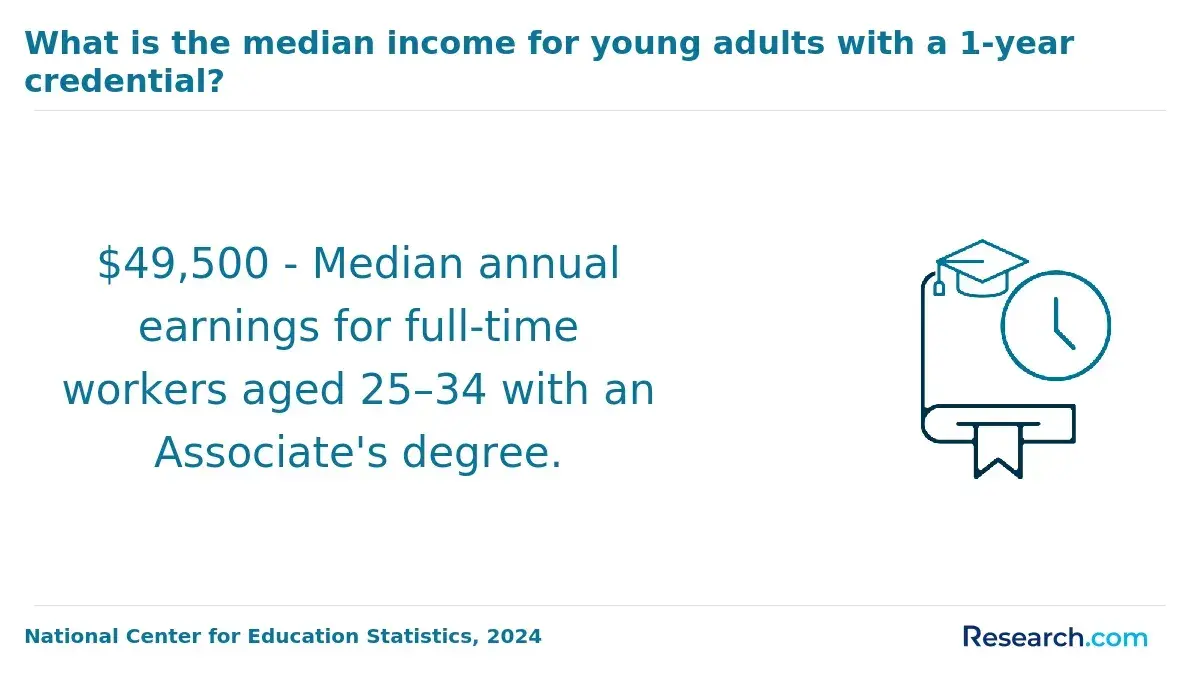
Student debt levels critically shape the long-term financial return on investment (ROI) of a software development program by influencing repayment obligations that extend beyond graduation. For instance, graduates from public online programs typically incur lower debt, averaging around $25,000, compared to $37,000 at private nonprofit institutions, which affects their flexibility in managing loan repayments while pursuing career growth.
However, a lower debt load does not automatically guarantee higher ROI if the program's curriculum and employer connections fail to support strong job placement and salary progression. Students must weigh borrowing against expected career outcomes rather than assume cost alone dictates value in software development education.
Decision-makers, especially adult learners and career changers, should consider how debt interacts with completion rates and educational quality since non-completion leads to debt without credential leverage, severely undermining ROI. The higher default rates seen among nonprofit online program borrowers underscore the risk of disproportionate debt relative to earnings.
Responsible borrowing aligned with relevant labor market outcomes and program rigor, as found in some masters in human resources and comparable sectors, can preserve or enhance the long-term financial effects of student loans in software development education. Ultimately, evaluating debt against tangible career advancement opportunities and institutional support is essential for understanding the real-world impact of educational investments.
How Do Flexibility and Adult Learner Support Affect Software Development Program Value?
Program flexibility and specialized adult learner support significantly affect the return on investment for software development education, especially among working adults balancing competing responsibilities. For example, asynchronous course formats and part-time enrollment options, which research from the National Center for Education Statistics in 2024 shows improve retention by about 15%, allow students to progress without sacrificing income or caregiving duties.
Yet, public institutions often prioritize low-cost modular courses at the expense of personalized advising and career networking, creating a tradeoff where affordability may come with less guidance to quickly translate skills into employment.
Meanwhile, private and nonprofit programs tend to offer more comprehensive supports, including dedicated advisors familiar with adult learning needs, employer connections, and accommodations for military or working students. These services can accelerate job placement and enhance skill relevancy but frequently come with higher tuition and may not always lead to faster degree completion if time constraints or financial pressures persist.
Nonprofits often balance flexible scheduling with moderate pricing and emphasize transfer credits and prior learning assessments, which can shorten time-to-degree and reduce total costs; however, prospective students must critically assess how these factors align with employer recognition and career outcomes to avoid overpaying for marginal gains in support or prestige.
Ultimately, measuring program value requires adults to weigh convenience, institutional resources, and career services against their own financial limits and professional timelines. Those prioritizing cost control may accept fewer personalized services and longer completion times, whereas others may invest in robust adult learner support to enhance practical application and job market connections despite increased expenses.
Understanding how these elements interact in different institutional contexts is essential for making informed choices that deliver meaningful, sustainable career returns over time.
How Do Accreditation and Institutional Reputation Influence Software Development ROI?
Accreditation and institutional reputation directly shape the practical return on investment of software development programs, particularly for cost-conscious adult learners weighing credit transfer options, debt burdens, and career prospects. Graduates from regionally accredited institutions have a statistically significant advantage, with a 15% higher likelihood of employment within six months according to the National Center for Education Statistics.
This reflects employer tendencies to prioritize credentials recognized for rigorous standards and reliable skill validation, which can influence hiring decisions and salary negotiations. For example, a professional switching careers may find credits from a publicly funded, regionally accredited university more widely accepted by employers and graduate programs than those from a lesser-known private or nonprofit institution with specialized or national accreditation.
Public online programs typically benefit from established regional accreditation, often linked to stronger credit transfer pathways and lowered risk of excess student debt compared to certain private or nonprofit schools that may focus on programmatic accreditation. However, private programs with industry-specific accreditation can offer specialized curricula aligned with immediate employer needs, though their reputations vary considerably, affecting networking and long-term career opportunities.
Nonprofit online institutions may offer affordable tuition and mission-driven support, yet newer programs risk limited recognition outside specific sectors. Students should carefully evaluate how accreditation status intersects with institutional reputation, graduation rates, and measured career services to assess realistic ROI-beyond brand prestige alone-to ensure their investment facilitates both employability and further education options.
How Does Time-to-Degree Affect the ROI of Public, Private, and Nonprofit Software Development Programs?
Time-to-degree directly shapes the financial and career returns from public, private, and nonprofit online software development programs by influencing exposure to tuition fees, opportunity costs, and graduation delays.
For example, public institutions often serve working adults with longer part-time enrollment options, extending completion times to 4.5-6 years, which raises total costs through prolonged tuition payments and forgone income despite typically offering lower per-credit tuition. This tradeoff can reduce net ROI for students balancing jobs and family, illustrating the complex interaction between flexibility and financial outcome.
Private programs tend to emphasize accelerated completion and full-time enrollment, often resulting in quicker graduations and higher persistence rates above 60%. The faster time-to-degree here can enhance ROI by reducing both educational expense and the period before workforce reentry or advancement, but this model can limit flexibility for those with external responsibilities and increase the risk of dropout.
Nonprofit institutions frequently adopt a middle ground, combining moderate timelines with favorable transfer credit policies, which have been linked to up to 15% higher completion rates. Such policies can shorten degree timelines and lower debt burdens, critical factors for adult learners aiming to optimize the time-to-degree impact on software development program ROI.
Students comparing public, private, and nonprofit pathways must weigh institutional scheduling flexibility, accelerated or competency-based options, and transfer availability to align with their career timelines and financial constraints. These considerations become particularly important given employer expectations for timely completion and up-to-date skills.
For comprehensive comparisons of program attributes and outcomes, prospects may explore resources like the online graphic design degree listings, which provide insights applicable to evaluating software development time-to-completion benchmarks.
How Can You Choose the Best Software Development Program Based on Your ROI Goals?
Maximizing ROI when selecting a software development program depends less on institution type and more on how individual priorities align with program attributes. Public online programs often offer the lowest total cost of attendance, especially for in-state students, which can reduce debt and accelerate entry into the workforce due to average graduation rates 8-10% higher than private nonprofits, according to National Center for Education Statistics 2024 data.
However, private nonprofit programs leverage strong reputations and financial aid packages, appealing to students valuing brand recognition despite typically higher debt levels that can exceed public counterparts by 20%, as reported by the Education Data Initiative.
Nonprofit online schools provide a compromise with competitive pricing and flexible pacing, critical for working adults balancing employment and family obligations. Time-to-degree is essential since prolonging enrollment can diminish ROI through lost earnings and tuition accrual. Accreditation and employer recognition also vary, influencing how hiring managers evaluate credentials.
Practically, students weighing how to choose the best software development program for ROI must consider how tuition, debt outcomes, graduation rates, and career placement align with their professional timelines and financial contexts.
Career changers and working professionals should assess programs not only by cost but by support services and scheduling flexibility to maintain income streams while studying. For those exploring alternative educational pathways, resources such as photography degree online for veterans illustrate the diversity of online learning tailored for specific needs, emphasizing the broader trend toward learner-centered, outcome-focused education options that inform software development program ROI by institution type.
References
- How to Calculate the ROI of Your College Degree - The College Funding Coach https://www.thecollegefundingcoach.org/how-to-calculate-the-roi-of-your-college-degree/
- Online degrees roi | DegreeMath https://degreemath.com/guides/online-degrees-roi
- How to Measure Software Development ROI https://www.valudio.com/blog/how-to-calculate-the-roi-of-custom-software-projects
- Flexible Programs Assist Adult Learners to Thrive - The EvoLLLution https://evolllution.com/opinions/flexible-programs-assist-adult-learners-to-thrive
- How Does Student Debt Affect the Economy? https://www.pgpf.org/article/how-does-student-debt-affect-the-economy/
- The Long-Term Effects of Student Loans | ACE Blog https://ace.edu/blog/the-long-term-effects-of-student-loans/
- ROI of AI in Software Development: The Business Case Your CFO Will Actually Believe https://www.hdwebsoft.com/blog/roi-of-ai-in-software-development
Other Things You Should Know About Software Development ROI by Institution Type
The quantity and quality of hands-on projects often vary significantly between public, private, and nonprofit online programs. Private institutions may emphasize portfolio-building with capstone projects designed in partnership with industry, which can enhance job readiness but might come at a higher cost. Public programs tend to offer more standardized practical experiences with less individual mentoring due to larger cohort sizes, potentially limiting personalized skill development. Prospective students should prioritize programs with robust, real-world coding assignments and collaborative projects that mimic workplace environments, as this practical exposure materially affects employability and ROI beyond just theoretical knowledge.
Yes, employer networks influence long-term employment opportunities and salary growth. Private schools frequently leverage exclusive corporate partnerships that facilitate internships and direct hiring pipelines, which can accelerate ROI. Nonprofit and public institutions may offer broader alumni networks but often less targeted industry engagement. For career changers or those entering competitive local markets, selecting programs with active employer engagement and clear pathways to tech internships can be more beneficial than simply choosing based on cost, as these relationships translate to better job placement rates and earlier returns on investment.
Time flexibility is essential for working adults but can come at the expense of structured guidance and peer interaction found in cohort-based programs. Public and nonprofit online programs often provide asynchronous courses allowing for self-paced completion, which suits learners balancing jobs but may reduce accountability and slow progress. Private institutions frequently offer more synchronous, scheduled interactions fostering stronger skill reinforcement and networking, potentially leading to higher immediate ROI despite less flexible pacing. Students whose primary goal is rapid career transition should consider structured programs, while those needing balance might accept a longer timeline in exchange for flexibility.
Curriculum depth, especially in advanced software development topics like cloud computing, cybersecurity, or AI integration, varies widely. Private institutions often update curricula frequently to reflect emerging technologies, providing graduates a strategic advantage in fast-evolving markets. Public programs typically prioritize foundational and broad technical skills but may lag in advanced specialization. Students targeting roles in cutting-edge fields or aiming for leadership positions should weigh curricula that balance core competencies with specialized modules, as this alignment can lead to prolonged career growth and a stronger ROI over time.