2027 Software Development Affordability by State: Where Students Pay the Most and Least

Co-Founder and Chief Data Scientist
Choosing between two software development programs often comes down to more than just tuition figures. A student comparing a $7,000 in-state option with a $20,000 out-of-state program might overlook that state-level living costs or hidden fees could erase apparent savings. According to a 2024 report from the National Center for Education Statistics, average tuition disparities across states have widened by 15% since 2019, reflecting divergent funding policies and local economies.
This trend forces students to weigh long-term financial obligations against immediate affordability, complicating decisions on where to enroll without compromising quality or debt levels. This article examines software development affordability by state, revealing where students face the highest and lowest total costs to help guide financially informed enrollment choices.
Key Things to Know About Software Development Affordability by State
- States with the lowest in-state tuition often have higher living costs, offsetting savings; prospective students must balance total expense against local job markets for software development roles.
- Out-of-state tuition premiums exceed 50% in many regions, discouraging cross-state enrollment and affecting workforce mobility patterns, reinforcing employer preference for graduates familiar with regional tech ecosystems.
- Recent 2024 data shows increasing financial aid gaps in mid-tier states, delaying degree completion for software development students and raising long-term debt risks, emphasizing timing and access as critical affordability factors.
- Key Things to Know About Software Development Affordability by State Key Things to Know About Software Development Affordability by State
- Which States Have the Most Affordable Software Development Degree Programs? Most Affordable State Programs
- Which States Have the Highest Software Development Degree Costs? Highest State Tuition Costs
- How Much Does a Software Development Degree Cost by State? Degree Costs by State
- Why Does Software Development Affordability Vary So Much Between States? State Affordability Variations
- How Do In-State and Out-of-State Tuition Rates Affect Software Development Affordability? In-State vs. Out-of-State Rates
- How Does the Cost of Living Impact Overall Software Development Affordability by State? Living Costs and Affordability
- Which States Offer the Best Value for a Software Development Degree? Best Value State Degrees
- What Financial Aid and Scholarship Opportunities Can Reduce Software Development Costs? What Financial Aid and Scholarship Opportunities Can Reduce Software Development Costs?
- Are Online Software Development Degree Programs More Affordable Than On-Campus Options? Are Online Software Development Degree Programs More Affordable Than On-Campus Options?
- Is a Software Development Degree Worth the Cost Based on Career Outcomes and ROI? Degree ROI and Outcomes
Which States Have the Most Affordable Software Development Degree Programs?
States with the most affordable software development degree programs by state typically leverage a combination of targeted public funding, policies favoring in-state tuition discounts, and an established network of public institutions that create meaningful pricing competition. For example, in states like Wyoming and Mississippi, where average annual in-state tuition can be less than half the national average, the ability to qualify for in-state tuition significantly impacts overall cost and debt burden.
However, the affordability advantage can diminish for non-residents, underscoring the importance of understanding residency rules and long-term enrollment plans before committing. This dynamic affects decisions about whether to pursue education locally or consider out-of-state or online alternatives, as the interplay between tuition rates and living costs shapes the real financial tradeoffs students face.
The availability of robust financial aid and scholarship programs also separates the top states for low-cost software development education from others with similar tuition lists but less institutional support. States with strong need-based aid systems and grants for STEM fields reduce students' net price substantially, enabling more learners to complete degrees without excessive loan burdens.
Moreover, regional cost-of-living differences often compound affordability; lower expenses for housing and transportation, common in many Midwest and Southern states, expand the value of tuition savings and affect enrollment patterns. For budget-conscious students, analyzing these factors-including how degree pricing may interact with opportunities for flexible formats such as online learning-is critical for aligning educational investments with career goals and avoiding costly unexpected expenses.
This analysis aligns with trends across related fields, such as the growing demand for affordable pathways found in AI online degree offerings, reflecting a broader movement toward accessible tech education.
Which States Have the Highest Software Development Degree Costs?
States with the highest software development degree costs reflect complex dynamics involving public funding reductions, local economic conditions, and institutional resource allocation. In places like California and New York, tuition fees at public universities routinely exceed $15,000 annually for in-state students, with private institutions charging considerably more, often doubling those figures.
These elevated costs stem in part from diminished state appropriations that force schools to transfer expenses onto students, combined with high living costs that raise total attendance outlays beyond $35,000 per year. Students must carefully weigh whether the advantages of proximity to robust tech sectors and advanced campus resources justify the heavier financial burden and potential debt accumulation, especially when more affordable alternatives exist in states with stronger community college pathways and state subsidies.
Geographic pricing disparities also influence decisions about enrollment modality and residency status, as many students confront the dilemma of paying out-of-state rates versus relocating and establishing in-state residency. States with fewer transfer-friendly or hybrid learning options may inadvertently push budget-conscious learners toward less costly programs elsewhere or online alternatives.
In comparison, states like Texas and North Carolina, where public funding remains comparatively stable and extensive, maintain lower overall costs for software development degrees, allowing students to limit debt while still accessing quality education. These cost structures not only affect immediate affordability but also have long-term implications for career timing and financial flexibility, as debt levels can shape post-graduation choices.
One recent graduate shared how the expense differences influenced their path: after researching tuition and living costs in both Massachusetts and Texas, they hesitated over the Massachusetts programs despite their prestige. The out-of-state tuition plus high housing prices exceeded initial estimates, pushing them to consider online courses and community college transfers instead.
Although attracted by local industry connections in Massachusetts, the growing financial strain questioned the practical return on investment. This student's experience underscores how nuanced cost considerations extend beyond sticker price, often involving lifestyle adjustments and strategic compromises to balance education quality with financial realities.
How Much Does a Software Development Degree Cost by State?
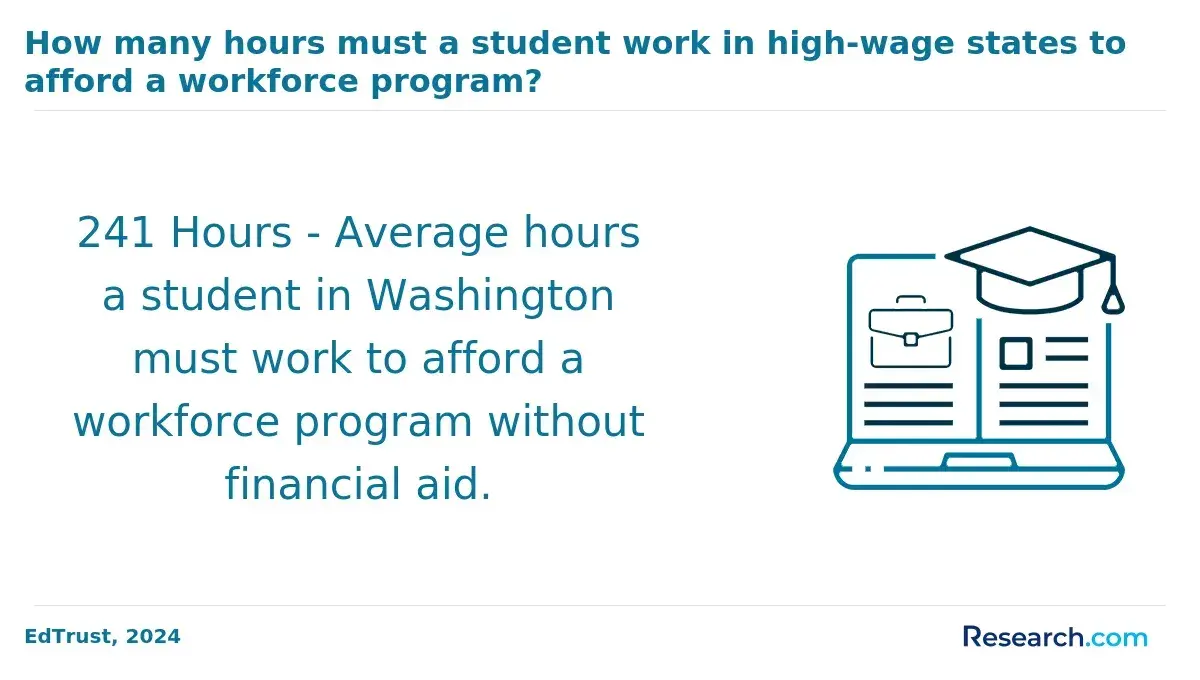
State-level tuition policies and living expenses create substantial financial disparities for students pursuing a Software Development degree, directly influencing educational accessibility and debt burden. For instance, in-state tuition at public universities in states like Wyoming or New Mexico can be less than $6,000 annually, while states such as Massachusetts or Vermont often exceed $15,000, according to 2024 data from the National Center for Education Statistics.
This gap becomes critical when factoring in out-of-state fees, which may double or triple costs, presenting a significant barrier for students who consider relocating or enrolling remotely without qualifying for residency. Beyond sticker price, living costs in tech-centric urban areas such as California or Washington add layers of expense that often outweigh tuition differences.
Students weighing options in these high-cost states must assess tradeoffs between program reputation, networking access, and overall affordability, especially since private institutions frequently surpass $30,000 annually regardless of location. Furthermore, state-specific STEM financial aid programs and tuition reciprocity agreements can alter net costs but require early planning to maximize benefits, affecting whether students incur substantial loans or opt for community colleges or online pathways.
Why Does Software Development Affordability Vary So Much Between States?
Variations in software development degree cost differences by state primarily stem from divergent state funding priorities and institutional frameworks that directly shape tuition rates and financial aid. States like Wyoming and New Mexico, which commit substantial public resources to subsidizing higher education, generally offer lower in-state tuition, easing access for local students.
In contrast, states such as Illinois and New Hampshire with less public investment see higher fees, compelling prospective enrollees to weigh the tradeoffs between in-state public options and private institutions that often charge flat, elevated rates regardless of residency. These disparities influence enrollment behaviors, as students from higher-cost states might seek out-of-state or online alternatives to mitigate expenses, especially given rising living costs in housing-constrained markets like California or New York.
State residency policies and interstate tuition agreements further complicate affordability by determining who qualifies for subsidized rates, with some regions broadening eligibility to capture a wider student base. Alongside this, the uneven geographic distribution of state and federal financial aid affects net costs, often reinforcing affordability gaps rooted in local economic conditions.
This nuanced landscape means budget-conscious students and families must consider not only sticker prices but also local cost of living and institutional mixes-factors that shape practical access to quality software development education. For those comparing pathways, resources such as analyses of the cheapest CSWE-accredited online MSW programs highlight the growing role of online models in offering cost-effective alternatives amid these regional funding disparities.
How Do In-State and Out-of-State Tuition Rates Affect Software Development Affordability?
Residency-based tuition differences significantly influence the total cost and feasibility of pursuing a software development degree, particularly when comparing public institutions across states. With average in-state tuition around $11,000 annually versus nearly $27,000 for out-of-state students, as reported by the National Center for Education Statistics in 2024, these gaps often determine which programs are accessible without excessive debt.
Students must weigh not only upfront tuition but also longer-term financial considerations, including the likelihood of qualifying for residency reclassification, the constraints of regional reciprocity agreements, and the availability of aid that may or may not offset these costs. Online programs offering uniform tuition rates disrupt traditional residency-based structures but often require tradeoffs in networking and hands-on resources important for job placement and skill development.
State funding priorities underpin significant regional disparities in tuition pricing, making affordability relative to geographic origin a critical factor for enrollment decisions. For example, a student willing to relocate might consider states with more generous in-state rates or reciprocal tuition agreements to mitigate the out-of-state premium. However, the additional expenses of relocation, housing, and commuting, especially in metropolitan tech hubs, can erode these savings, emphasizing the necessity of holistic financial planning.
Moreover, while private institutions avoid residency distinctions, their cost levels frequently align with or exceed out-of-state public tuition, complicating choices for budget-conscious learners seeking quality software development credentials. One recent graduate shared how shifting residency status dramatically changed her financial outlook during her software development studies. Initially paying out-of-state rates at a public university, she navigated complex residency requirements and documentation to establish in-state classification by her second year.
This transition cut her tuition nearly in half, easing her student loan burden but requiring months of bureaucratic persistence and careful timing to align with academic enrollment periods. Reflecting on the process, she viewed the extra effort as essential, though stressful and uncertain, underscoring how residency rules can be as much a strategic consideration as any academic decision when managing the cost of higher education.
How Does the Cost of Living Impact Overall Software Development Affordability by State?
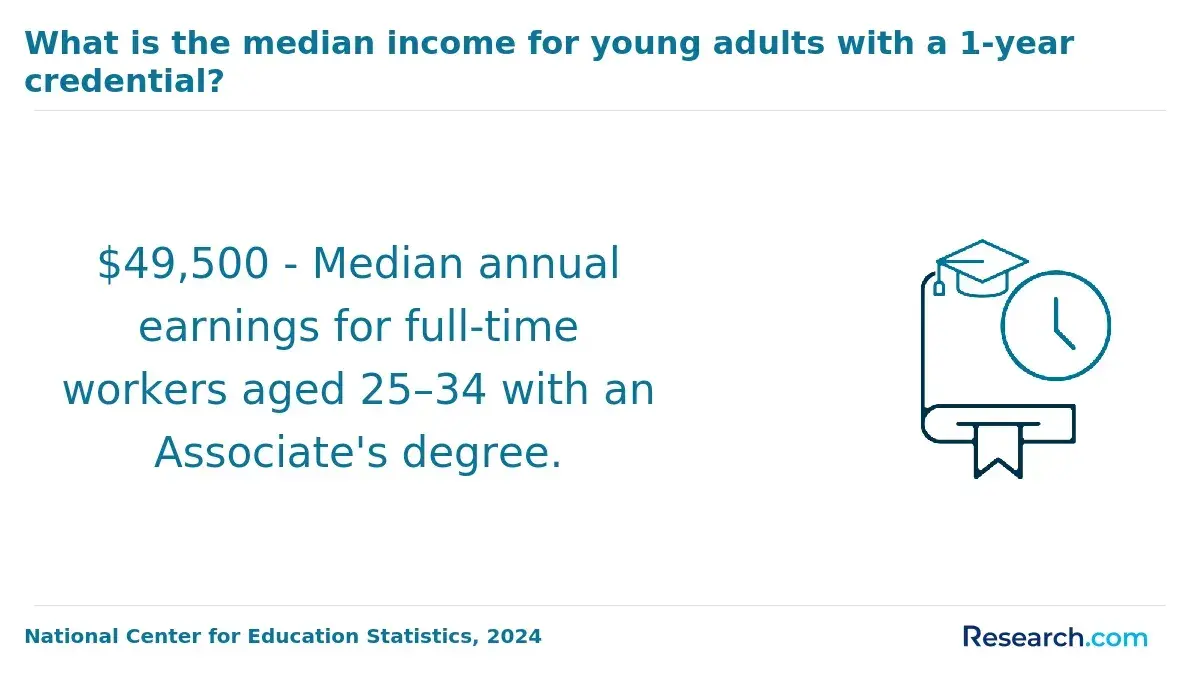
Cost-of-living differences create a significant practical divide in how affordable a software development degree truly is across states, beyond the face value of tuition fees. For instance, while tuition might be similar between two states, students in California or New York face roughly 50% higher living expenses in housing, transportation, and daily essentials compared to places like Ohio or Indiana due to the cost-of-living adjustments for software development students.
This dynamic often forces students in higher COL states to take on additional loans or work more hours, affecting academic focus and long-term financial health. Housing costs stand out as the single largest factor impacting student budgets, where markets in Massachusetts or Washington can double rental costs relative to less expensive states. Transportation expenses also vary widely; urban areas with robust public transit can reduce commuting costs, whereas rural or car-dependent locales impose added financial strain through fuel and vehicle maintenance.
These real cost considerations influence student decisions not only about where to enroll but also whether to pursue on-campus programs or alternatives like online options, such as an accelerated construction management degree online that might mitigate some living costs. Additional regional variability in food and healthcare prices further complicates budgeting, with healthcare alone fluctuating by up to 30%, directly affecting out-of-pocket expenses for many students.
Utilities and internet fees, though less volatile, add measurable financial weight over time. Students and families assessing software development tuition costs by state must therefore evaluate these layers to avoid underestimating total expenses or inflating assumptions about affordability based solely on institutional tuition figures.
Which States Offer the Best Value for a Software Development Degree?
Evaluating the value of a software development degree across states requires more than identifying the lowest tuition. For example, a student considering North Carolina will find in-state tuition near $9,000 at public universities, which is affordable relative to national figures, but must also weigh that against a 58% graduation rate and strong tech sector demand in cities like Raleigh. These factors contribute to a more meaningful return on investment than simply attending a low-cost school with poor completion or employment outcomes.
Meanwhile, Texas offers slightly higher tuition, around $10,800, but benefits students through moderate living costs and an above-average growth rate in software development jobs, which supports income prospects after graduation. Florida presents another compelling case where an average tuition around $6,400 is accompanied by solid student retention and targeted financial aid programs for STEM fields, making it attractive for financially cautious students.
However, states like California and New York demonstrate that high tuition and living expenses can overshadow the advantages of larger tech markets, reducing net earnings for many graduates. Conversely, some Midwestern states offer low tuition below these levels but may lack robust local job markets in tech, which can limit practical opportunities and wage growth despite initial savings on education costs.
Ultimately, students must consider residency-based tuition policies, financial aid availability, program completion rates, and regional employment outlooks when deciding where to pursue a software development degree. For instance, relocating to lower-tuition states can yield savings if the local economy supports relevant jobs, but attending as an out-of-state student without financial aid often results in higher costs that negate any apparent affordability advantage.
What Financial Aid and Scholarship Opportunities Can Reduce Software Development Costs?
The affordability of a software development degree is heavily shaped by the interplay of federal aid, state grants, and institutional scholarships, each governed by distinct eligibility and renewal criteria that can complicate financial planning. For example, the Pell Grant, received by about 30% of undergraduates with awards averaging $4,400 annually according to the National Center for Education Statistics (2024), remains a pivotal but partial source of need-based support.
Students in states with generous aid programs like New York or California may substantially reduce net costs, yet those in regions without robust funding face greater financial hurdles, often forcing difficult tradeoffs between in-state affordability and out-of-state tuition reciprocity benefits. Institutional scholarships often prioritize merit, which may skew assistance away from average achievers with financial need, underscoring the importance of understanding a college's awarding policies before enrollment.
Employer-sponsored tuition benefits offer additional pathways but vary widely by sector and employment status, frequently benefiting part-time or working students rather than full-time enrollees. Strategic navigation of aid stacking policies and timely applications for aid that requires residency proof or enrollment thresholds are essential to optimize support.
Prospective students must weigh these realities carefully when comparing programs across states, as the combined effect of federal, state, and institutional resources critically influences both upfront affordability and the long-term debt burden associated with earning a software development degree.
Are Online Software Development Degree Programs More Affordable Than On-Campus Options?
Online software development degree affordability in the United States varies significantly when comparing online versus on-campus options, with cost differences shaped by tuition models, residency regulations, and fees that are not always transparent. While online programs often reduce or waive campus fees and offer lower per-credit charges, students must weigh these tuition savings against technology expenses and the absence of certain financial aid tied exclusively to traditional full-time, in-person enrollment.
For example, a student in a high-cost urban state might find an online program more accessible financially, but they should also consider whether their chosen institution charges out-of-state rates or imposes additional online service fees that narrow expected savings. Cost comparison of online versus on-campus software development programs by state reveals that geographic location heavily influences the total price of attendance beyond base tuition, particularly due to added living expenses such as housing, meals, and commuting for campus-based learners.
Conversely, online students often benefit from flexible scheduling that can maintain employment and offset opportunity costs, though this advantage depends on individual work-study balance and program design. Institutions with evolving financial aid policies are beginning to broaden eligibility for online learners, but discrepancies remain, so applicants need to assess aid availability rigorously alongside tuition when deciding where and how to pursue a software development degree.
Prospective students should also consider extended program outcomes, including employer expectations for hands-on experience, which may drive decisions about on-campus presence despite cost differentials. Those researching pathways may find data on affordability and program rankings helpful, with some resources highlighting best-value options such as online master's in finance programs, which can provide comparative insights on managing educational expenses effectively in related fields.
Is a Software Development Degree Worth the Cost Based on Career Outcomes and ROI?
The value of a software development degree strongly depends on the geographic and institutional context in which it is earned. For example, graduates from community colleges in states like Wyoming or New Mexico often face significantly lower tuition burdens compared to those attending private institutions in California or New York, where average annual costs can exceed $40,000. This disparity affects student debt levels and repayment timelines, with higher debt often offsetting the advantage of larger median salaries in expensive regions.
Prospective students should therefore weigh the likelihood of timely degree completion and local market demand before committing to costly programs, since states with robust tech sectors like Massachusetts and Washington tend to yield earlier payoffs through median starting salaries above $75,000. Career outcomes for software development graduates in the US also hinge on non-financial factors such as internship accessibility and employer networks, which can amplify earning potential beyond base education costs.
When evaluating software development degree return on investment by state, it is critical to consider opportunity costs, program quality, and alignment with long-term career goals rather than tuition alone. For those exploring advanced credentials, pathways like pursuing an accredited online master's degree in human resource management or other certifications may yield higher returns but require additional investment and strategic planning.
In practice, budget-conscious learners must balance upfront expenses with realistic local employment prospects, recognizing that ROI varies widely across regions and institutions. States with lower completion rates and fewer tech employers may prolong payback periods, while higher completion rates correlate with improved early-career earnings. Thus, informed decisions should integrate regional economic conditions and debt management strategies, emphasizing data-driven comparisons over generalized assumptions.
References
- Best Countries for Software Engineers https://www.wearedevelopers.com/en/magazine/267/best-countries-for-software-engineers
- How Much Does Software Development Cost: 2025 Breakdown https://www.cleveroad.com/blog/software-development-cost/
- Software Development Statistics for 2026: Key Facts & Trends https://www.itransition.com/software-development/statistics
- Cheapest Online IT Degree Programs: Top Low-Cost and Tuition-Free Options | University of the People | https://www.uopeople.edu/blog/online-schools-for-cheap-it-degree-programs/
- Software Development Cost in 2026 | IWIS https://iwis.io/en/blog/software-development-cost-2026/
- Software Development Cost in United States - Nectarbits Solution https://nectarbits.ca/blog/software-development-cost-in-united-states-2/
- Guide to Software Development Costs | I-Finity https://www.i-finity.co.uk/articles/software-development-costs-guide
- Best Value Software Engineering Degree Programs 2026 https://hakia.com/degrees/software-engineering/best-value-programs/
- Cost of Nearshore Software Development in 2026 â Full Breakdown https://www.hauerpower.com/en/insights-posts/cost-of-nearshore-software-development-2026
- Importance of Cost of Living | Goldwater Institute https://www.goldwaterinstitute.org/cost-of-living/
Other Things You Should Know About Software Development
Program length and format can significantly influence total expenses beyond tuition rates alone. States with accelerated or intensive programs may have higher per-credit costs but reduce overall time to completion, which minimizes living expenses and opportunity costs. Conversely, traditional longer programs might lower annual tuition but extend the duration of income disruption for students. When comparing affordability, students must weigh whether a shorter, more demanding curriculum better suits their financial and personal situations versus a longer program that may feel less intense but accumulates more indirect costs.
Graduates from states with robust tech industries often benefit from better employment opportunities and higher salaries, partially offsetting higher educational costs. In contrast, states with limited local demand may offer cheaper tuition but pose difficulties in job placement, requiring graduates to relocate or accept lower wages. Students should prioritize programs in states where employers value specific local credentials or where internship and networking opportunities align with their career goals, as these factors materially impact long-term return on investment.
In-state public institutions usually provide the most straightforward route to affordability due to reduced tuition and residency benefits. However, private or out-of-state programs can sometimes justify their premium through specialized curricula, stronger industry ties, or higher graduation rates that improve job placement. Cost-conscious students must critically assess whether these qualitative factors improve employability enough to outweigh the tuition differential and possible relocation expenses, especially if they lack substantial scholarships or financial aid from private schools.
The presence and quality of academic and career support can change the real cost-benefit ratio of software development education. Programs in states that invest in tutoring, mentoring, job placement, and employer partnerships increase graduates' chances of timely completion and stable employment, justifying higher sticker prices. Conversely, affordable programs lacking such support may lead to longer study durations, repeated courses, or difficulty securing relevant positions, ultimately increasing time and money spent. Prioritizing these services is crucial in choosing a state where the overall educational investment yields practical career returns.