2027 Software Development Student Debt Report: Borrowing, Monthly Payments, and Repayment Risk

Co-Founder and Chief Data Scientist
Software development programs often involve varied educational formats, from intensive coding bootcamps to multi-year degree tracks, each influencing borrowing behavior differently.
The discipline's rapid evolution heightens the need for ongoing skills acquisition, sometimes driving students toward additional certifications or graduate study that impact cumulative debt. Internship expectations and project-based coursework also affect time to workforce entry, shaping repayment timelines.
In 2024, data from the National Center for Education Statistics show that 40% of software development graduates carry debt exceeding $30,000, revealing risk concentrations tied to program length and institutional type. The age distribution of borrowers suggests expanding access for mid-career changers, signaling shifts in workforce composition and educational demand.
Key Things to Know About Software Development Student Debt
- High debt levels in software development programs often lead to repayment periods exceeding ten years, creating long-term financial burdens that influence career flexibility and risk tolerance.
- Employers increasingly value demonstrable coding skills over formal credentials, suggesting that debt-financed degrees may not guarantee proportional wage gains or improved employment stability.
- Rising tuition costs paired with extensive course requirements delay entry into the workforce, heightening upfront financial strain and impacting students' ability to manage monthly debt payments on time.
- Key Things to Know About Software Development Student Debt Key Things to Know About Software Development Student Debt
- How Much Student Loan Debt Do Software Development Graduates Typically Have at Graduation? Average Studen Loan Debt
- What Factors Have the Biggest Impact on Software Development Student Loan Debt? Student Debt Key Factors
- What Is the Average Monthly Student Loan Payment for Software Development Graduates? Average Monthly Payment
- How Do Repayment Rates Compare Between Public and Private Institutions? Public vs. Private Institution Repayment Rates
- Do Online Software Development Graduates Have Different Repayment Outcomes Than Campus-Based Students? Online vs. On-Campus Student Loan Repayment
- Which Industries Provide the Best Financial Return Relative to Borrowing Costs? Industries Providing the Best ROI
- Does Student Debt Affect Which Jobs Software Development Graduates Accept? Jobs Affected by Student Debt
- What Factors Increase Student Loan Repayment Risk for Software Development Graduates? Loan Repayment Risk Factors
- How Can Software Development Students Reduce Student Loan Debt While Earning Their Degree? Tips to Reduce Student Debt
- How Should Prospective Students Evaluate Borrowing Risk Before Enrolling? Evaluating Student Debt Risk
How Much Student Loan Debt Do Software Development Graduates Typically Have at Graduation?
Data from recent higher education reports indicate that software development graduates typically carry student loan debt ranging from approximately $25,000 to $40,000 at graduation, though individual circumstances can cause this range to widen. These averages reflect combined borrowing for associate degrees, bachelor's programs, and shorter credential routes like coding bootcamps.
Such levels are somewhat moderate compared to other technical fields but still represent a substantial financial commitment given the variability in program length and intensity. Understanding software development graduate student loan debt amounts requires consideration not just of tuition but also living expenses and the pace at which programs allow completion.
Variation in borrowing primarily stems from institutional and geographic factors. Graduates from private colleges often face higher tuition rates, driving greater loan balances, while public institutions tend to reduce borrowing needs due to lower sticker prices. Additionally, out-of-state tuition premiums escalate debt for students who attend public universities outside their home state.
Financial aid availability, including scholarships and grants, also influences total borrowing; students enrolled full time may have access to different aid packages compared to part-time peers who might extend their study duration and increase cumulative costs. Some opt for accelerated credentials like an associate degree in 6 months online, which can alter borrowing patterns by shortening exposure to tuition and living expenses.
From a financial planning perspective, these debt levels require careful management as repayment burden and career choices intertwine. Software development entry-level salaries vary regionally, which helps determine the feasibility of standard versus income-driven repayment plans.
Persistent debt can affect long-term financial stability, influencing decisions around job location, further education, or alternative credentialing routes. Recognizing that the initial loan amount does not account for accrued interest or deferred payments underscores the importance of borrowing judiciously and aligning debt with realistic earnings projections within competitive tech labor markets.
What Factors Have the Biggest Impact on Software Development Student Loan Debt?
Student loan debt levels among software development students emerge from a complex interplay between institutional pricing systems and individual financial circumstances. Instead of attributing borrowing solely to tuition sticker prices, it is critical to examine how financial aid structures, enrollment choices, and demographic factors amplify or moderate debt burdens.
This nuanced view reveals why debt varies so significantly even within the same field of study, reflecting deeper systemic dynamics that influence borrowing patterns and long-term repayment risk.
- Institution Type and Tuition Pricing: Private and for-profit institutions usually charge significantly higher tuition than public colleges, driving up borrowing levels for software development students attending these schools. This pricing disparity compels greater reliance on loans, particularly when financial aid does not adequately offset the gap, leading to debt burdens that can exceed those of students enrolled in public institutions by over 20%. Institutional pricing thus sets a baseline borrowing threshold that interacts closely with aid availability and program length.
- Program Length and Curriculum Format: Traditional four-year bachelor's programs typically result in higher debt due to prolonged tuition costs and living expenses. Conversely, shorter certificate programs or bootcamps reduce upfront costs but may offer less financial aid and uncertain income gains, influencing overall debt differently. Enrollment patterns balancing full-time versus part-time study further shape borrowing by altering how long students remain financially dependent, with extended programs often increasing total debt accumulation.
- Financial Aid Access and Composition: The mix of non-loan financial support plays a pivotal role in shaping borrowing levels. Students with limited access to such aid face heavier loan dependence and longer repayment horizons. The geographic and institutional variability in aid availability means that identical tuition can result in drastically different debt outcomes based on individual financial aid packages and socio-economic backgrounds.
- Student Financial Behavior and Socioeconomic Factors: Borrowing decisions are profoundly influenced by students' financial literacy, family resources, and socio-economic status. Underrepresented minorities and first-generation students frequently carry higher average debt due to fewer opportunities for family-funded education and scholarships. These factors compound institutional and programmatic costs, translating into increased risk exposure and repayment challenges over time.
- Regional Employment Markets and Repayment Potential: The strength of local technology job markets impacts not only debt levels but also borrowers' capacity to repay student loans. Graduates entering competitive tech hubs are more likely to secure higher salaries, mitigating loan repayment burdens despite potentially higher initial debt. Conversely, students in regions with limited software development job prospects confront greater default risks, reinforcing how geographic employment context intersects with borrowing dynamics.
According to the National Center for Education Statistics, nearly 65% of computer and information science graduates from 2023 carried student loan debt averaging $29,000, illustrating how intertwined tuition, program design, and financial behavior collectively shape borrowing outcomes for software development students.
For prospective students seeking alternatives to cost-intensive degree paths, exploring options like the cheapest online EdD programs linked to broader affordability trends may also provide practical insights into how institutional pricing and aid impact borrowing choices.
What Is the Average Monthly Student Loan Payment for Software Development Graduates?
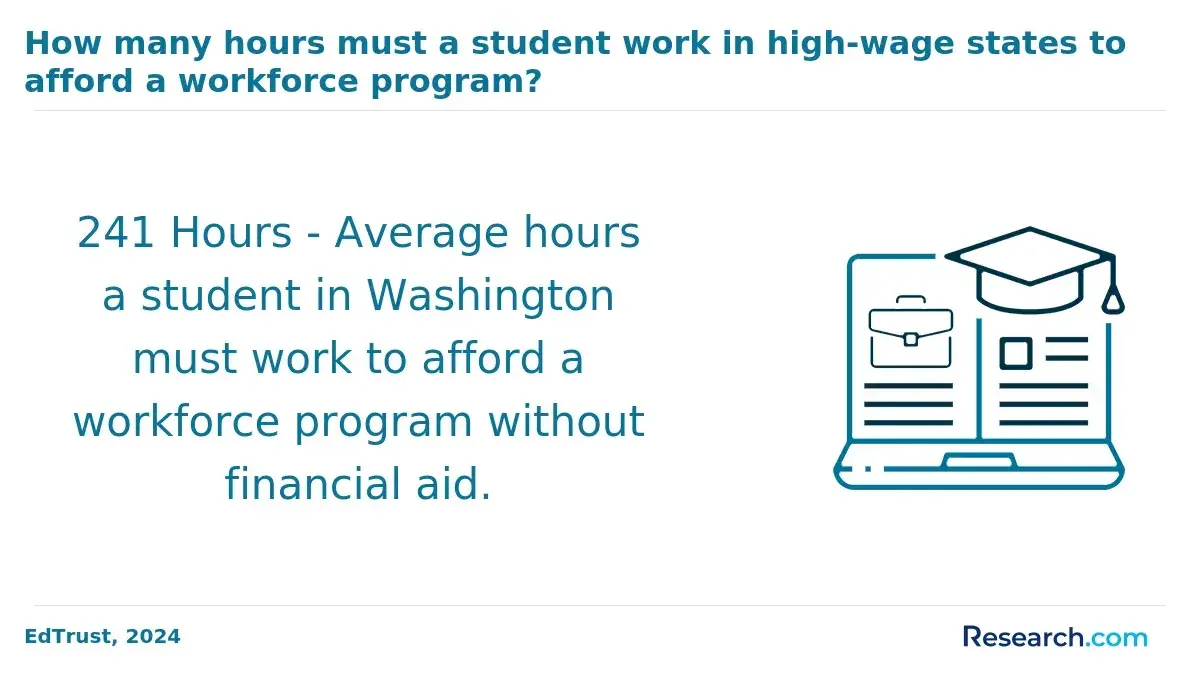
Recent data from the U.S. Department of Education and Federal Reserve reports indicate that graduates from software development degree programs typically face monthly student loan payments ranging from approximately $300 to $450. This range reflects median loan balances and repayment terms commonly seen among bachelor's degree holders entering tech roles.
While this provides a baseline, actual payments vary based on multiple factors including the program cost, length of study, and additional expenses like certification or software access. These figures underscore the moderate debt burden often associated with software development education when weighed against current industry salary norms.
Key variables shaping monthly payment amounts include the initial loan balance and the repayment strategy selected. Graduates using income-driven repayment (IDR) plans often experience lower monthly obligations, sometimes under $300, as payments adjust to earnings typically between $60,000 and $85,000 early in their careers.
However, these plans can prolong repayment duration and increase total interest accrued. In contrast, standard 10-year repayment schedules demand higher monthly sums near the upper end of the typical range but enable quicker principal reduction and lower interest costs. Variations in post-graduation salary, employment stability, and loan interest rates further contribute to the diversity of payment experiences among software development graduates.
One recent graduate recalled how the timing of applying to programs under rolling admissions introduced unexpected uncertainty. Balancing work and study commitments, they hesitated before submitting applications, concerned about missing financial aid deadlines and potential impacts on loan amount.
They described feeling relief upon eventually securing a spot but noted the admission timeline affected their preparation pace and initial borrowing decisions, which in turn influenced the structure and size of their loan repayment plan.
How Do Repayment Rates Compare Between Public and Private Institutions?
Data from the 2024 U.S. Department of Education's College Scorecard reveals that graduates from public universities with software development degrees tend to maintain higher student loan repayment rates within three years of entering repayment compared to those from private institutions.
Specifically, about 60% of public institution graduates remain current on their loans, whereas repayment rates for private institution alumni hover closer to 52%. This gap reflects broader financial dynamics and structural differences between these educational sectors rather than simply the institution's public or private status.
The variation in repayment rates stems largely from differences in tuition costs and borrowing levels; public universities typically offer more affordable programs, resulting in lower average debt burdens for students. Conversely, graduates from private institutions frequently carry heavier debt loads, which can elevate repayment challenges, especially when paired with comparable or only slightly higher earnings after graduation.
Geographic factors, demographic profiles, and state-supported employment initiatives also play substantial roles by influencing income trajectories and job placement success in technology fields. These contextual elements shape borrowers' capacity to manage monthly payments and affect overall loan performance beyond raw institutional reputations or rankings.
Understanding these repayment trends is vital for assessing the long-term financial impact of investing in software development education. Graduates with more manageable debt relative to income experience less repayment stress and better financial mobility, which can influence career flexibility and life choices after college.
Meanwhile, elevated repayment risk among higher-debt groups may contribute to delayed wealth accumulation and heighten scrutiny of program value and institutional accountability within the student loan ecosystem. As a result, nuanced evaluation of program cost, expected earnings, and repayment behavior is critical for prospective students navigating their educational financing decisions.
Do Online Software Development Graduates Have Different Repayment Outcomes Than Campus-Based Students?
Recent data from the U.S. Department of Education's College Scorecard reveals notable differences in student loan repayment rates between public and private institution graduates within software development programs. Specifically, the 3-year cohort default rate for public university graduates is around 9%, compared to approximately 12% for private institution graduates.
These figures reflect broader repayment trends, indicating that those emerging from public institutions generally demonstrate steadier repayment behavior despite comparable borrowing levels. This disparity aligns with observed variations in employment outcomes and income trajectories, which influence loan servicing capacity over time.
Several structural factors help explain why repayment rates diverge across these sectors. Public institutions typically have lower tuition rates, resulting in reduced initial debt burdens and more manageable monthly repayments for their graduates. Although private institutions sometimes offer enhanced career support or networking opportunities, their higher tuition often leads to greater borrowing, which combined with slightly lower average starting salaries, can strain repayment ability.
Furthermore, private for-profit schools enrolling online software development learners tend to face increased repayment challenges due to heavier debt loads and limited employer perception, which undermines salary negotiation leverage and long-term job stability. These dynamics impact how financial aid distribution, institutional prestige, and post-graduation earnings intersect in shaping repayment risk.
The broader implications involve more than immediate default statistics. Repayment stress linked to higher debt limits financial mobility post-graduation, affecting major life decisions and economic resilience for software development alumni. Perceptions of institutional and program value increasingly hinge on transparent repayment performance as accountability pressures mount across higher education.
Which Industries Provide the Best Financial Return Relative to Borrowing Costs?
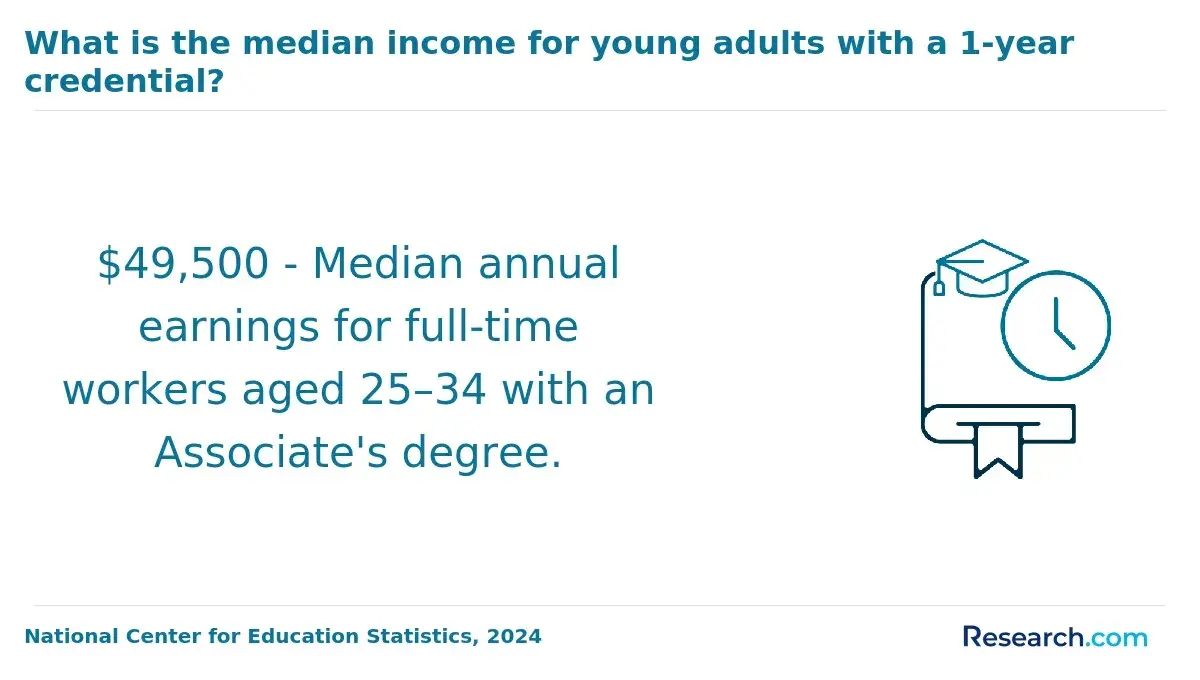
Financial returns after completing a software development degree vary significantly by sector, reflecting more than just entry-level salaries. The true return on investment hinges on how income growth interacts with borrowing burdens, factoring in industry-specific demand, career advancement speed, and typical debt loads.
Analysis of 2024 data from authoritative sources such as the U.S. Bureau of Labor Statistics indicates that sectors supporting rapid wage progression and stable employment can enable borrowers to manage debt more effectively.
- Software Publishing: This industry offers some of the highest starting salaries for software developers, often near $85,000, paired with strong demand for advanced technical skills. The relatively robust wage growth and competitive hiring landscape mean graduates can allocate a manageable 10-15% of their income toward student loan repayment, mitigating long-term financial strain despite average debt levels around $30,000.
- Information Services: Employers in this sector frequently demand expertise in cloud computing and AI, which supports consistent salary increases and opportunities for rapid career progression. This dynamic helps borrowers offset their educational costs sooner compared to sectors with flatter salary curves.
- Computer Systems Design: Known for steady demand and contract-based hiring, this industry provides moderate-to-high earnings and benefits such as tuition assistance, which can reduce effective debt burdens and speed up repayment timelines. Students can also explore AI degree program options to broaden their understanding in this field.
- Government IT Services: Despite lower starting salaries, often 20-30% below private tech counterparts, this sector offers more stable employment and benefits, although slower salary growth may extend repayment durations and increase cumulative interest costs.
- Education Technology: Typically characterized by modest initial wages and similar borrowing levels as higher-paying sectors, this field poses greater repayment challenges due to slower income growth, which can lead to prolonged debt servicing periods without additional loan relief measures.
The interplay of industry earnings trajectories and borrowing levels critically shapes repayment outcomes. For example, software developers in software publishing generally see lower default rates due to higher income-to-debt ratios, while those in sectors with suppressed wage growth face elevated risks of delinquency. Borrowers should weigh these industry-specific ROI differences carefully when evaluating the financial implications of their software development education choices.
Does Student Debt Affect Which Jobs Software Development Graduates Accept?
Student debt levels critically shape which jobs software development graduates choose soon after completing their degrees, with financial obligations often outweighing professional interest. According to the 2024 National Postsecondary Student Aid Study, about 68% of graduates with loans report that their debt load influenced their initial employment decisions.
Graduates facing significant repayment demands tend to prioritize roles offering higher salaries or more immediate stability, frequently favoring established technology firms or sectors with predictable income streams over startups or public interest positions that might better align with their long-term development goals but offer lower pay.
This inclination reflects a pragmatic response to debt-to-income ratios, where monthly repayments absorbing upwards of 15% of income trigger acceptance of jobs with reliable cash flow despite narrower alignment with personal aspirations or skill expansion.
Behavioral and structural factors differentiate graduates burdened by substantial debt from those with minimal or no loans, influencing industry selection and geographic mobility. High-debt cohorts often show reduced flexibility in relocating to lower-cost or emerging tech hubs due to tight monthly payment commitments, limiting their career advancement potential and constraining exploration of diverse roles.
Conversely, those with lighter debt may accept lower initial salaries or less predictable employment forms, such as contract work, to gain varied experience crucial for upward trajectory. Employer-sponsored loan repayment assistance emerges as a differential factor but remains unevenly distributed, leaving many graduates evaluating trade-offs between immediate financial solvency and strategic career positioning.
These dynamics highlight how repayment pressures mold not just job choice but the broader labor market behavior among early-career software development professionals.
One graduate recounted grappling with the timing constraints of rolling admissions for a competitive software development master's program while managing looming loan payments. Hesitant to accept a lower-paying job prematurely, they delayed employment in hopes of admission but faced growing financial stress as the process extended beyond initial expectations.
When acceptance finally came, the graduate had to quickly reassess offers against repayment demands, illustrating how uncertainty in educational and financial timing can intensify the pressure to prioritize salary over ideal job fit in early career decisions.
What Factors Increase Student Loan Repayment Risk for Software Development Graduates?
Student loan repayment risk for software development graduates arises from a complex interplay of borrowing behaviors, income stability, and labor market realities rather than a single isolated factor. This risk intensifies when high debt levels coincide with volatile or delayed income streams, constraining graduates' ability to meet fixed loan obligations.
In this context, repayment challenges reflect both the debt burden incurred during education and the variability in job placement and earning trajectories post-graduation.
- High Debt-to-Income Ratios: Graduates who accumulate substantial debt relative to their starting salary face amplified repayment pressures. According to the U.S. Department of Education's 2024 data, about 38% of technology and computing degree holders carry debt-to-income ratios above recommended thresholds, signaling greater vulnerability to default or delayed repayment schedules.
- Employment and Regional Labor Market Variability: While software development generally offers solid employment prospects, geographic disparities and market saturation influence stability. Graduates located in regions with fewer tech employers or oversupplied job markets may encounter delayed hiring or underemployment, reducing steady income flows critical for consistent loan payments.
- Fixed Monthly Payment Burdens and Disposable Income Constraints: The interaction of rigid monthly loan payments with living costs and other financial commitments can overwhelm many graduates. Fixed repayment terms that do not adjust for income fluctuations disproportionately impact those experiencing variable wages or early-career financial instability.
- Program Quality and Reputation: Non-traditional or accelerated software development programs with limited market recognition tend to yield graduates who face more competitive job markets and lower initial compensation. This scenario undermines reliable income growth pathways, increasing the risk of prolonged debt repayment challenges.
Analysis of these factors underscores the importance for students to carefully weigh borrowing levels and program choice alongside realistic career expectations.
For those seeking alternate or supplemental credentialing routes, exploring certifications for jobs can inform decisions concerning manageable debt and targeted workforce entry strategies. Understanding how program format, economic conditions, and income variability intersect is essential for any software development student or graduate navigating long-term repayment risk.
How Can Software Development Students Reduce Student Loan Debt While Earning Their Degree?
Reducing student loan debt while earning a software development degree requires deliberate academic planning and financial strategy. It involves more than just cutting expenses; students must strategically combine institutional aid, enrollment choices, and work opportunities to lower borrowing needs.
Effective use of available resources, alongside thoughtful program selection and pacing, can substantially decrease total debt and improve post-graduation financial outcomes.
- Begin at Community Colleges or In-State Public Universities: Starting at these institutions lowers tuition costs per credit hour significantly. Many students leverage transfer agreements to complete foundational coursework affordably before entering a four-year program, reducing overall borrowing by thousands.
- Integrate Paid Internships or Apprenticeships: Engaging in paid practical experiences provides income and valuable industry exposure. According to the 2024 National Association of Colleges and Employers survey, internships can boost starting salaries by 10% to 15%, easing loan repayment pressures while simultaneously enhancing employability.
- Prioritize Need-Based Scholarships and Employer Tuition Assistance: Many tech companies offer tuition support programs, which can significantly offset expenses during the degree. Identifying and securing these resources early in the academic journey helps minimize reliance on federal or private loans.
- Utilize Tax-Advantaged Savings and Federal Repayment Plans: Strategies like 529 savings accounts paired with federal income-driven repayment options after graduation reduce the long-term financial burden. These approaches increase flexibility and decrease monthly payment strain once in the workforce.
- Choose Programs with Strong Job Placement and Salary Outcomes: Programs tied closely to local tech industries usually produce higher employment rates and faster repayment timelines. Reviewing graduate debt-to-income ratios aids in selecting cost-effective and outcomes-focused pathways.
- Plan Enrollment Pace Strategically: Part-time study combined with work allows students to earn while learning, balancing debt accumulation with immediate earnings. However, stretched timelines may increase ancillary costs, so this tradeoff needs careful evaluation.
- Leverage Resources Beyond Tuition: Using campus-based financial advising, career services, and employer partnerships ensures students optimize every available advantage to reduce borrowing.
Students focused on reducing student loan debt during software development degree programs should consider these strategies as interconnected rather than isolated steps. Proactive financial planning paired with academic efficiency reduces borrowing and aligns educational costs with long-term affordability.
For those exploring advanced degrees, resources on topics like online MFA creative writing illustrate principles of cost-conscious degree pursuit applicable across disciplines.
How Should Prospective Students Evaluate Borrowing Risk Before Enrolling?
Evaluating borrowing risk prior to enrolling in a software development degree is crucial for understanding the long-term financial impact of this investment. Prospective students must balance total debt against projected post-graduation earnings to determine if taking on loans is financially viable.
The 2024 U.S. Department of Education report shows the average student loan debt for computer and information science graduates is about $32,000, with median starting salaries near $65,000, illustrating a baseline for repayment capacity assessment.
- Total Cost Estimation: Beyond tuition, include fees and living expenses to calculate the full borrowing amount. This comprehensive view prevents underestimating debt burden and better informs repayment planning.
- Projected Earnings Analysis: Comparing expected starting salaries and regional job markets helps gauge if income will sustainably cover monthly loan payments, reducing default risk.
- Repayment Terms and Interest Rates: Understanding loan conditions reveals actual cost over time and cash flow implications during critical early career stages, which affect financial stability.
- Program Duration Impact: Longer study periods increase total borrowing and delay entry into the workforce, potentially raising financial exposure and debt servicing challenges.
- Career Support and Placement Rates: Evaluating a program's effectiveness in securing relevant employment enhances confidence in income prospects and debt repayment feasibility.
References
- Student Loan Repayment Options | Sallie Mae https://www.salliemae.com/student-loans/manage-your-private-student-loan/understand-student-loan-payments/explore-loan-repayment-options/
- Mastering Technical Debt in Software Development https://devdynamics.ai/blog/mastering-technical-debt-causes-implications-solutions/
- Examining Graduate Lending: Access vs Private Lending https://www.accesslex.org/tools-and-resources/examining-graduate-lending-access-vs-private-lending
- Student Loan Debt Is a Key Influencer in U.S. Worker Decisions to Accept and Stay in Jobs | MissionSquare Research Institute https://research.missionsq.org/posts/news/student-loan-debt-is-a-key-influencer-in-us-worker-decisions-to-accept-and-stay-in-jobs
- Paying for a Computer Science Degree | Scholarships, Grants, Loans https://www.computerscience.org/resources/how-to-pay-for-a-degree/
- What is the typical debt load for graduates of four-year public universities - APLU https://www.aplu.org/our-work/4-policy-and-advocacy/publicuvalues/student-debt/
Other Things You Should Know About Software Development Student Debt
Certificate programs often come with lower upfront costs and shorter time commitments than full degree programs, which can reduce total borrowing and ease repayment pressure. However, many employers still prioritize candidates with bachelor's degrees for mid-level roles, which may limit certificate holders to entry-level positions with lower salaries. Borrowers weighing this tradeoff should prioritize program outcomes data-especially job placement rates and salary progression-to understand whether the shorter, cheaper credential will realistically support manageable repayments or if investing in a degree could mitigate long-term debt risk through better earning potential.
Part-time study or programs stretched over longer periods generally increase total borrowing through added tuition and living expenses over time. Importantly, longer completion times can delay entry into full-time employment at competitive salaries, exacerbating repayment challenges. Prospective and current students should carefully assess whether the flexibility of part-time study justifies the increased debt burden and slower income growth, as accelerated completion often correlates with better long-term financial outcomes in this field.
In software development, rapid technological change means graduates often need ongoing learning beyond their initial degree, potentially requiring additional courses or certifications. This ongoing investment can strain budgets already committed to student loan repayment. Borrowers should incorporate expected future education costs into their repayment planning and consider programs that blend foundational skills with adaptable learning paths, reducing the need for costly supplementary training and thus minimizing cumulative debt risk.
While aggressive repayment can reduce overall interest costs and debt duration, it may limit financial flexibility needed for critical investments like relocation or specialized training that enhance earning potential. Graduates with stable, high-paying jobs should prioritize faster payoff, but those navigating early-career volatility or skill-building opportunities might benefit from income-driven or flexible repayment plans. Balancing repayment speed with strategic financial resilience is key to managing risk and supporting long-term career growth in this fast-evolving sector.