2027 Fastest Online Electrical Engineering Degree Programs You Can Finish in Under 2 Years

Co-Founder and Chief Data Scientist
If you want an electrical engineering credential quickly, the key question is not simply “Which program is fastest?” It is whether the program is accredited, rigorous enough for your career goals, realistic for your schedule, and affordable after transfer credits and financial aid are considered. A degree marketed as accelerated can save time, but only if you already meet prerequisites, can handle compressed technical coursework, and understand how employers or licensing pathways may evaluate the credential.
Online options have expanded for students who cannot pause work or relocate for a campus program. Recent data reveals that 38% of students pursuing online electrical engineering degrees seek accelerated paths to meet workforce demands efficiently. Some online programs make completion in under two years possible through transfer credits, year-round terms, shorter sessions, and heavy course loads. Others use “accelerated” language but still require a longer timeline once prerequisites, labs, sequencing, and credit limits are counted.
This guide explains what makes an online electrical engineering program fast, what formats can support completion in under two years, what admissions requirements to expect, how transfer credits affect timing, how employers may view accelerated online degrees, and how to compare cost, technology requirements, and career outcomes before enrolling.
Key Benefits of Online Electrical Engineering Degree Programs You Can Finish in Under 2 Years
- Accelerated programs enable students to enter the electrical engineering workforce up to 50% faster, meeting the 7% job growth projected by the U.S. Bureau of Labor Statistics through 2031.
- Online degrees reduce costs by eliminating commuting and enabling part-time work; studies show students save an average of 30% on tuition and related expenses.
- Flexible scheduling supports working adults, with 65% of online electrical engineering students citing balance between career and education as a key benefit.
What Features Make an Online Electrical Engineering Program Accelerated?
An accelerated online electrical engineering program shortens the path to graduation by changing how courses are scheduled, how credits are applied, or how quickly prepared students can progress. The best fast programs do not remove core engineering content; they reorganize delivery so students can complete required work in a tighter timeframe. Recent data shows nearly 35% of students in accelerated STEM online programs finish their degrees in two years or less, which suggests that fast completion is possible when the program structure and the student’s preparation align.
The strongest accelerated programs usually combine several of the following features:
- Compressed course terms: Instead of sixteen-week semesters, courses may run in six- or eight-week sessions. This can help students finish more courses in a calendar year, but each class moves quickly and leaves less room to recover from missed assignments.
- Higher credit loads: Some programs allow students to take more credits per term or stack back-to-back sessions. This can reduce the number of terms required, but it is demanding in electrical engineering because math, physics, labs, programming, and circuit analysis often require sustained practice.
- Flexible, asynchronous coursework: Recorded lectures, online discussions, and deadline-based assignments let students study around work and family obligations. Flexibility helps, but it does not mean the program is easier; students still need consistent weekly study blocks.
- Year-round scheduling: Programs that offer courses in fall, spring, and summer can reduce downtime. This matters because missing one prerequisite course can delay later classes in a sequenced engineering curriculum.
- Transfer-friendly policies: The fastest path often depends on how many general education, calculus, physics, and introductory engineering credits the school accepts before enrollment.
Students comparing accelerated engineering options may also look at adjacent technical pathways, such as online AI degree programs, because these programs may use similar online delivery models and flexible pacing. However, electrical engineering has its own lab, accreditation, and prerequisite considerations, so program speed should never be judged by format alone.
What Are the Online Electrical Engineering Degree Formats You Can Finish in Under 2 Years?
The online format determines how quickly you can move through the degree. A program may advertise online delivery, but completion in under two years usually requires transfer credits, full-time enrollment, continuous terms, or prior technical preparation. In many cases, the format is as important as the school name.
- Accelerated term-based programs: These programs divide the academic year into shorter sessions or mini-terms. Students can complete more courses annually, but the workload is concentrated and deadlines arrive quickly.
- Competency-based education (CBE): CBE programs let students progress by proving mastery instead of spending a fixed number of weeks in each course. This format can benefit students with strong prior knowledge, but it is less common in engineering programs that require sequenced technical content and lab verification.
- Full-time intensive tracks: These tracks require continuous enrollment and heavy course loads. They are best for students who can make school their primary commitment or who have work schedules flexible enough to support extensive weekly study.
- Year-round enrollment models: Programs with few long breaks allow students to keep accumulating credits throughout the year. This is especially useful when required courses are offered only during specific sessions.
Such accelerated online electrical engineering programs under 2 years can reduce time-to-degree by 25% or more compared to traditional pathways. The trade-off is intensity: students may have less time for internships, tutoring, work travel, or family disruptions. Before choosing a fast format, ask whether the program publishes course rotation schedules, whether labs are fully online or require in-person components, and whether your transfer credits will apply to major requirements or only electives.
| Format | Best for | Main caution |
| Compressed terms | Students who can handle frequent deadlines and focused study periods | Falling behind in one week can affect the entire course |
| Competency-based education | Students with strong prior technical knowledge | May not fit all engineering accreditation or lab requirements |
| Full-time intensive track | Students prioritizing rapid completion over schedule flexibility | Workload may be difficult with full-time employment |
| Year-round enrollment | Students who want steady progress with minimal breaks | Burnout risk is higher without planned rest periods |
When evaluating affordability across online degrees, students sometimes compare unrelated fields such as the most affordable online counseling degree options. That can provide a general cost benchmark, but engineering programs may carry different technology, lab, software, and accreditation-related expenses.
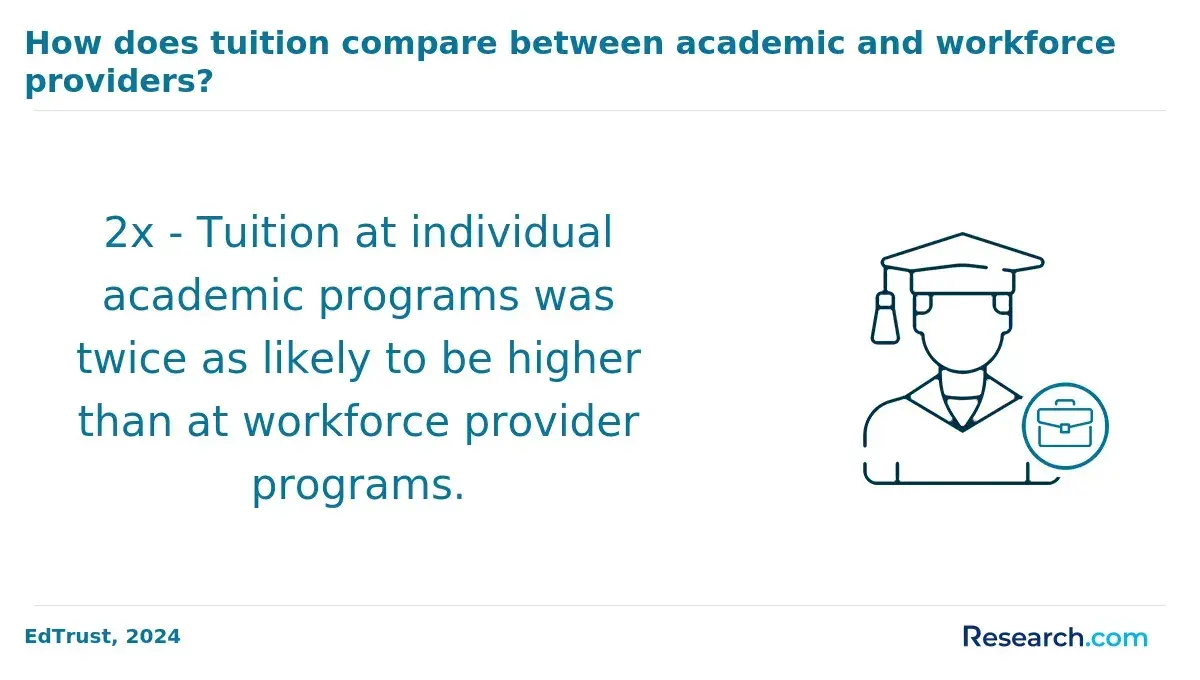
What Are the Admission Requirements for Accelerated Online Electrical Engineering Degrees?
Accelerated online electrical engineering programs often expect applicants to arrive academically ready. Because the timeline is compressed, there is less room to complete missing prerequisites after admission. The stronger your foundation in math, science, and technical problem-solving, the more realistic an under-two-year plan becomes.
- Minimum GPA thresholds: Most programs expect a GPA ranging from 2.75 to 3.5. A higher GPA requirement is common when the program is selective or when students enter advanced coursework quickly.
- Prior coursework: Applicants typically need completed coursework in calculus, physics, and basic electrical engineering principles. These prerequisites help determine whether students can begin major courses immediately instead of spending early terms catching up.
- Relevant work experience: Engineering, electronics, manufacturing, military technical training, or related experience may strengthen an application. In some cases, practical experience can support placement decisions, though it may not replace required academic credits.
- Placement tests or assessments: Programs may use math, quantitative reasoning, or technical assessments to confirm readiness for accelerated study.
- Readiness for intensive study: Students should be prepared for at least 20+ hours per week of focused study. Some weeks may require more time when labs, exams, coding assignments, or design projects overlap.
Applicants should request a degree plan before enrolling. A fast admission decision is not the same as a fast graduation path. Ask the school to identify which requirements you have already met, which courses must be taken in sequence, and whether any required classes are offered only once per year.
Students researching accelerated online electrical engineering degree admission requirements may also compare how other online graduate and undergraduate programs structure prerequisites and costs. For example, reviewing affordable online psychology master’s programs can help illustrate how admission standards and tuition models vary by discipline, even though engineering has distinct technical and accreditation demands.
Breakdown of Private Fully Online Nonprofit Schools

How Many Transfer Credits Do Fast Online Electrical Engineering Programs Accept?
Transfer credit is often the difference between a fast plan and a standard-length plan. On average, online undergraduate programs grant transfer credits for approximately 60% of students, helping reduce the time required to graduate. In electrical engineering, however, not all credits carry equal value. General education credits may transfer more easily than upper-level engineering courses, which departments often review carefully for rigor, lab content, and course outcomes.
- Maximum transfer limits: Many programs allow students to transfer between 30 and 60 semester hours, generally amounting to 50% to 75% of the total credits needed for graduation, depending on institutional policies.
- Accreditation and relevance: Transfer credits usually must come from accredited colleges and match the receiving program’s curriculum. Math, science, and introductory engineering courses are especially important for students trying to enter an accelerated plan.
- Evaluation process: Schools may review transcripts, course descriptions, syllabi, lab requirements, exam scores, and credit hours. Technical courses often require departmental approval rather than a basic registrar review.
- Impact on degree duration: A substantial transfer award can shorten the program and reduce tuition. In some cases, it can make completion in under two years realistic.
Before applying, gather official transcripts, syllabi for technical courses, catalog descriptions, and documentation for any prior learning or exam-based credit. Ask whether transfer credits apply to major requirements, prerequisites, general education, or electives. A large transfer total is less useful if many credits do not count toward the electrical engineering degree plan.
When I spoke with a professional who earned his electrical engineering degree online in less than two years, he emphasized the importance of careful preparation. “Gathering all previous course documents and waiting through the evaluation period was nerve-wracking,” he shared. “But in the end, transferring 45 credits cut my study time dramatically.” He also said he was initially unsure whether specialized technical courses would be accepted, but the detailed review process recognized most of his prior learning and made accelerated completion possible.
How Many Classes Do You Take at Once in a Fast Online Electrical Engineering Program?
In a fast online electrical engineering program, course load depends on term length, prerequisite sequencing, transfer credits, and how much time the student can realistically study each week. Recent data shows that around 65% of students in fast-paced STEM programs enroll in three or more courses each term. That may be manageable in some formats, but three compressed engineering courses can feel very different from three traditional-length general education courses.
- Course sequencing: Electrical engineering courses build on one another. Calculus, physics, circuits, electronics, signals, digital systems, and design courses may need to be completed in a specific order. Even motivated students cannot always take every course at once.
- Term length: Accelerated programs often use five- to eight-week terms rather than traditional 15-week semesters. Short terms can help students focus on fewer classes at a time, but the weekly workload is more intense.
- Pacing models: Self-paced or modular formats may let students adjust course loads, while cohort-based programs may require a fixed schedule. Flexibility is useful, but engineering deadlines, labs, and team projects can still limit how much students can accelerate.
A practical approach is to separate course load from total time commitment. Two difficult engineering courses in a compressed session may require more attention than a larger number of less technical courses. Students working full time should ask advisors for a sample weekly schedule, not just a list of credits. They should also ask what happens if they need to slow down for one term, because a rigid sequence can delay graduation if a required course is missed.
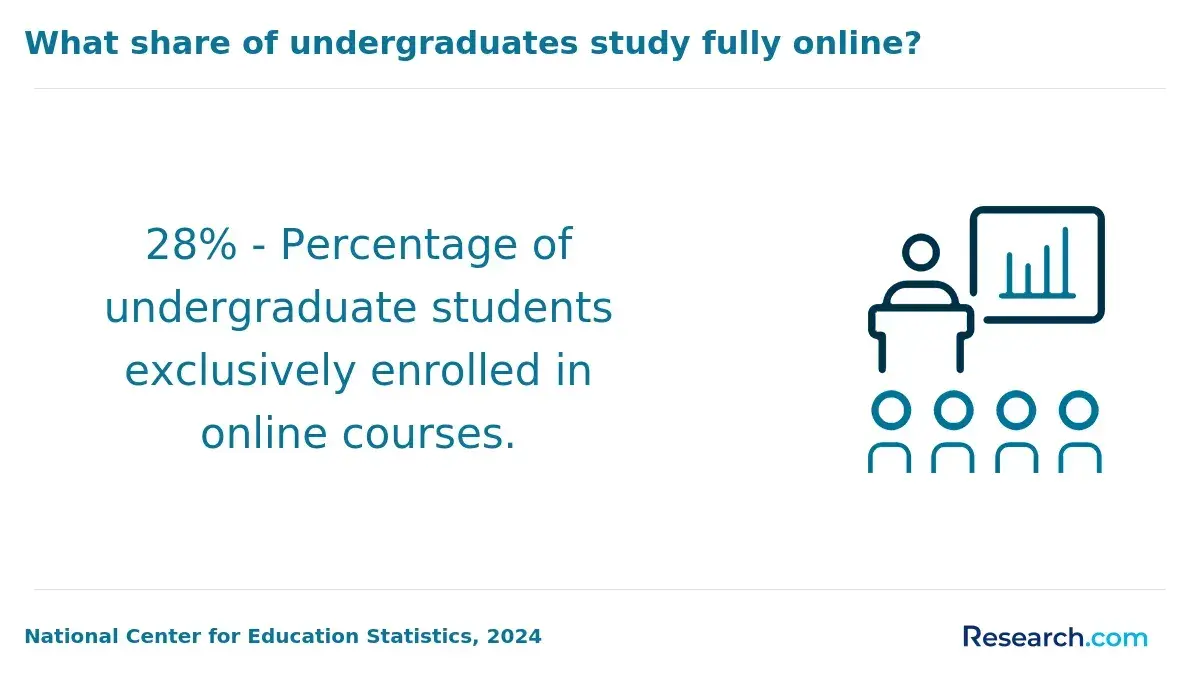
Do Employers Respect Accelerated Online Electrical Engineering Degrees?
Employers are less concerned with whether a degree was completed quickly and more concerned with whether it came from a credible institution, covered the right technical content, and produced graduates who can solve engineering problems. In fact, a 2023 survey by the National Association of Colleges and Employers found that about 70% of employers hold a neutral to favorable opinion of online engineering degrees if they meet recognized standards.
- Accreditation: Accreditation from reputable organizations like ABET can matter significantly in engineering. It signals that the curriculum, faculty qualifications, assessment methods, and student outcomes have been reviewed against recognized standards. Students interested in licensure should verify requirements with the relevant state board or licensing authority before enrolling.
- Relevance of skills: Employers want evidence that graduates understand circuits, electronics, controls, signal processing, embedded systems, testing, documentation, and other role-specific competencies. A fast program must still teach the fundamentals.
- Demonstrated experience: Internships, co-ops, military technical experience, lab projects, capstone work, portfolios, and related employment can help employers evaluate practical ability, especially when the degree was earned online.
- Program rigor: A shortened timeline should not mean reduced expectations. Employers may look at project depth, lab quality, faculty credentials, and whether the program includes meaningful design and analysis work.
Students can strengthen employer confidence by choosing an accredited program when applicable, saving examples of technical work, completing projects that align with target jobs, and being ready to explain how online labs, simulations, or hands-on requirements were completed. The degree format matters less when the graduate can clearly demonstrate engineering judgment and technical competence.
How Much Does a Fast Online Electrical Engineering Degree Cost?
The cost of a fast online electrical engineering degree depends on tuition, transfer credits, required fees, software, lab requirements, and how long you remain enrolled. A shorter program can reduce total living and opportunity costs, but accelerated enrollment may increase the amount due per term because students take more credits at once.
- Per-credit tuition: Tuition is typically the largest expense. Rates can vary widely, generally falling between $400 and $1,200 per credit hour depending on the institution's type and residency status.
- Total program cost: The overall price usually ranges from $15,000 to $50,000 for degrees completed in less than two years. The final amount depends heavily on accepted transfer credits and the number of remaining credits required.
- Additional fees: Technology, lab, application, proctoring, graduation, or course-specific fees can add hundreds to a few thousand dollars. Students should ask for a full fee schedule, not just the advertised tuition rate.
- Cost-saving opportunities: Transfer credits, employer tuition reimbursement, military or workforce benefits, scholarships, and faster completion can reduce net cost. Students should also compare payment timing, because accelerated programs may require larger payments over a shorter period.
| Cost factor | Why it matters | Question to ask before enrolling |
| Transfer credits | Can reduce both time and tuition | How many credits apply directly to my degree plan? |
| Fees | May not be included in advertised tuition | What technology, lab, and course fees are required? |
| Course load | Affects payment schedule and work flexibility | What will I owe each term if I attend full time? |
| Employer support | Can lower out-of-pocket cost | Does the program meet my employer’s reimbursement rules? |
When discussing how much a fast online electrical engineering degree costs, a recent graduate shared that the condensed pace was demanding while working full time but financially useful overall. By transferring credits from community college classes and using employer tuition assistance, she reduced both time enrolled and out-of-pocket expenses. “Cutting down the program length meant fewer semesters paying for tuition and living expenses,” she said. For her, the accelerated route was difficult but financially advantageous because it helped her return to stronger workforce momentum sooner.
What Jobs Can You Get With a Fast Online Electrical Engineering Degree?
A fast online electrical engineering degree can support several technical career paths, but the exact jobs available depend on degree level, accreditation, prior experience, internships, location, and employer requirements. The BLS projects a 7% growth in electrical engineering employment from 2022 to 2032, indicating solid demand for graduates in this field.
- Electrical engineering technician: Electrical engineering technicians help design, test, troubleshoot, and manufacture electrical equipment. They need analytical ability, comfort with diagnostic tools, and strong documentation skills. The median annual salary is about $67,550.
- Electronics engineer: Electronics engineers develop and improve electronic systems used in telecommunications, automotive, aerospace, consumer products, and related industries. The role may involve prototype testing, system integration, and hardware-software coordination, with salaries around $108,000 per year.
- Control systems engineer: Control systems engineers design and maintain systems that regulate dynamic processes. Their work supports automation, manufacturing, energy systems, robotics, and process efficiency.
- Field service engineer: Field service engineers install, maintain, and troubleshoot electronic or electrical systems on site. The role combines technical problem-solving with communication, customer support, and travel or fieldwork responsibilities.
Students should read job postings before choosing electives. If target roles mention embedded systems, power systems, RF, automation, controls, or hardware testing, choose projects and courses that build evidence in those areas. Graduates of accelerated programs may improve their competitiveness by maintaining a portfolio of lab reports, design projects, code, simulations, and capstone work.
Many students compare accelerated online bachelor degree programs when looking for fast pathways into technical careers. For electrical engineering specifically, the best option is the one that matches your intended job market, not simply the one with the shortest advertised timeline.
What Technology Is Required for Accelerated Online Electrical Engineering Programs?
Accelerated online electrical engineering programs rely heavily on technology because students must move through lectures, assignments, labs, simulations, group work, and exams quickly. According to EDUCAUSE's 2023 report, 87% of successful online learners stressed that reliable technology is vital for avoiding disruptions. In a compressed program, a laptop failure, unstable internet connection, or software incompatibility can quickly become an academic problem.
- Reliable high-speed internet: Students need stable access for lectures, uploads, exams, software tools, discussion boards, virtual office hours, and collaboration. A backup plan, such as access to another connection, can be useful during outages.
- Learning management systems (LMS): The LMS is where students track deadlines, submit work, review grades, complete quizzes, and access course materials. In accelerated programs, checking it daily is often necessary.
- Video conferencing tools: Live sessions, office hours, group projects, presentations, and virtual labs may require video conferencing. Students should test audio, camera, screen sharing, and file-sharing tools before courses begin.
- Productivity software: Word processing, spreadsheets, presentation tools, file storage, and PDF annotation software help students manage reports, calculations, documentation, and team deliverables.
- Engineering-specific applications: Programs may require software for circuit design, simulation, programming, data analysis, modeling, or technical drawing. Students should confirm hardware specifications before buying a computer.
Before enrollment, ask for the program’s current technology checklist. Confirm whether required engineering software is included in tuition, available through student licenses, or paid separately. Also ask whether exams require proctoring software, whether labs use mailed kits or virtual simulations, and whether your computer meets processing and memory requirements. Students comparing different online college programs should remember that engineering technology needs are often more demanding than those of less software-intensive majors.
How Do You Choose the Fastest Online Electrical Engineering Degree Program?
To choose the fastest online electrical engineering degree program, start with fit, not speed. The right program is the one that lets you graduate quickly without weakening accreditation, technical depth, affordability, or career value. A program that looks fast on a website may take longer if your credits do not transfer, prerequisites are missing, or required courses are not offered every term.
- Program length and curriculum: Look for compressed terms, year-round schedules, and a clear path to completion in under two years. Then verify that the curriculum still covers core areas such as circuits, digital systems, and signal processing.
- Accreditation: Confirm whether the program holds accreditation from recognized bodies such as ABET. This can affect employer confidence, graduate study options, and licensure-related pathways.
- Cost: Compare total estimated cost, not just tuition per credit. Include transfer credits, fees, software, lab costs, financial aid, and employer reimbursement.
- Career outcomes: Review graduate employment information, employer connections, capstone opportunities, internship access, and alumni outcomes when available. Strong career support can improve the return on a fast degree.
| Decision step | What to verify |
| Request a transfer review | How many credits apply to your specific degree requirements |
| Check course sequencing | Whether prerequisites or limited course offerings could delay graduation |
| Confirm accreditation | Whether the credential meets employer, graduate school, or licensure-related expectations |
| Calculate total cost | Tuition, fees, software, labs, and the payment schedule for accelerated enrollment |
| Assess workload honestly | Whether you can sustain the required study hours without risking failure or burnout |
A strong final test is to ask an advisor for a written graduation plan based on your transcripts. If the school cannot show exactly how you would finish quickly, treat the advertised timeline as an estimate rather than a promise.
What Graduates Say About Their Fastest Online Electrical Engineering Degree Programs
- : "Finding an accelerated online electrical engineering program was a game-changer for me. I enrolled because I wanted to advance quickly without sacrificing quality, and the cost was surprisingly manageable-around $25,000 for the full course. Completing it in under two years opened doors to several high-paying roles in the tech industry that I never thought possible. Josh"
- : "I chose a fast online electrical engineering degree mainly due to time constraints and the financial benefits; the total cost was about $22,000, considerably less than traditional programs. Taking this path allowed me to balance work and study effectively and gave me a solid foundation to pivot my career towards more specialized engineering projects. Reflecting back, it was a strategic investment in my professional growth. Arnold"
- : "The accelerated online electrical engineering program I completed in less than two years cost roughly $27,000, which was a worthwhile expense for the career impact it had. The streamlined structure kept me engaged and focused, and soon after graduation, I landed a role leading innovative design projects. This experience truly validated my decision to pursue a faster degree route without compromising on quality. Hubert"
Other Things You Should Know About Electrical Engineering Degrees
Students typically need a reliable computer, high-speed internet access, and up-to-date software for 2027 fast online electrical engineering degree programs. Specific courses might require additional software, such as MATLAB or CAD tools, to complete assignments effectively.
To ensure the fast online electrical engineering degree in 2027 is accredited, verify the program's accreditation through recognized agencies like ABET. Check the university's official website for accreditation details and cross-reference with the U.S. Department of Education’s database to ensure legitimacy.
Prerequisites for enrolling in a fast online electrical engineering degree program in 2027 typically include a high school diploma or equivalent, proficiency in math and science courses, and sometimes prerequisite coursework in basic engineering principles. Check specific school requirements for details.
References
- Electrical and Electronic Engineering (Top-up) (Online) BEng Tech (Hons) https://www.tees.ac.uk/undergraduate_courses/engineering_&_construction/beng_tech_(hons)_electrical_and_electronic_engineering_(top-up)_(online).cfm
- Accelerated Bachelor’s to Master’s in Electrical and Computer Engineering | Georgia Southern https://www.georgiasouthern.edu/degrees/accelerated-bachelor-to-master-electrical-engineering
- Electrical Engineering Jobs, Employment | Freelancer https://www.freelancer.com/jobs/electrical-engineering
- 7 Online Bachelor's in Electrical Engineering with Career-Ready Capstone Projects - Practical Training Without Campus Time https://www.euroeducation.net/articles/7-online-bachelors-in-electrical-engineering-with-career-ready-capstone-projects-practical-training-without-campus-time.htm
- Online electrical engineering degree, Internet, USA, programs, England, energy, Canada, jobs, CV https://www.dayjob.com/online-electrical-engineering-degree-1083/
- Online - Bachelor Science Electrical Engineering - EIT :Engineering Institute of Technology https://www.eit.edu.au/courses/online-bachelor-of-science-electrical-engineering/
- Do employers take online degrees seriously? https://people.howstuffworks.com/do-employers-take-online-degrees-seriously.htm
- Fast Track https://www.uab.edu/engineering/ece/undergraduate/fast-track
- 10 Fastest Online Electrical Engineering Degrees 2026 https://bestaccreditedcolleges.org/degrees/accelerated-degrees-online-electrical-engineering.html
- Fastest Online Engineering Degree Programs - Educating Engineers https://educatingengineers.com/degrees/fastest-online-engineering-degree-programs/