
2027 Best LPN Programs in Arizona – Accredited Online LPN Programs

Co-Founder and Chief Data Scientist
Choosing an LPN program in Arizona is not just about finding classes online. Practical nursing is a licensed healthcare role, so the program you choose must prepare you for hands-on patient care, clinical rotations, and the NCLEX-PN licensure exam. The right program can help you enter nursing faster; the wrong one can delay licensure, increase costs, or leave you with credits that do not transfer.
This guide is for Arizona students comparing online, hybrid, and campus-based practical nursing options. It explains what “online LPN program” really means, how clinical training works, what admissions and licensure requirements to expect, how costs compare, and how to evaluate accredited options. It also covers advancement routes such as the best LPN to RN programs for students who plan to move from practical nursing into registered nursing later.
According to the U.S. Bureau of Labor Statistics (BLS), employment of licensed practical nurses is projected to grow by three percent through 2034. For students who want a direct path into patient care, LPN training can be a practical entry point into Arizona’s healthcare workforce.
Online LPN Degree in Arizona Table of Contents
- Can you get a degree completely online?
- Will employers take my online degree seriously?
- Are online degrees recognized all over the world?
- Online vs. Traditional LPN Degree/Program in Arizona
- How much does an online LPN Degree/Program in Arizona cost?
- What are the requirements for an online LPN Degree/Program in Arizona?
- Courses to Expect in Online LPN Degree/Program in Arizona
- Practical Clinical Experience in Online LPN Programs for 2027
- How to Transition from LPN to a Registered Nurse (RN) in Arizona
- Things to Look for in an Online LPN Degree/Program in Arizona
- What financial aid options can help finance your LPN education in Arizona?
- Can specializing in geriatric care boost an LPN’s career prospects?
- What allied healthcare career options can complement an LPN qualification?
- Can LPN Experience Propel a Transition into Military Nursing?
- How Can I Meet the Licensing Requirements for LPNs in Arizona?
- What Are the Continuing Education and License Renewal Requirements for LPNs in Arizona?
- How can I transition from LPN to a Nurse Practitioner in Arizona?
- How are emerging healthcare technologies integrated in online LPN programs in Arizona?
- How Can LPNs Transition to Nurse Midwifery Roles in Arizona?
- What are the job placement rates for online LPN programs in Arizona?
- 2027 Best Online LPN Programs
- What career advancement opportunities are available for LPNs in Arizona?
- What career paths are available for LPNs who wish to pursue further education?
- What are the advantages of choosing an LPN program with flexible entry requirements?
Quick Answer: Can You Become an LPN Online in Arizona?
You can complete some LPN coursework online in Arizona, but you should not expect a practical nursing program to be 100% online. LPN education requires in-person labs, skills checks, and supervised clinical rotations because students must learn direct patient care. A legitimate online LPN program is usually hybrid: theory courses may be delivered online, while clinical requirements are completed at approved healthcare sites.
The most important decision is not whether the program is online. It is whether the program is approved for practical nursing preparation, provides required clinical experience, supports NCLEX-PN readiness, and meets Arizona licensure expectations.
| Question | Short Answer | Why It Matters |
| Can an Arizona LPN program be fully online? | Usually no for the entire program. | Clinical training and skills practice must be completed in person. |
| Do employers accept online LPN coursework? | Yes, when the school is properly accredited and the graduate is licensed. | Employers focus heavily on licensure, clinical competence, and NCLEX-PN eligibility. |
| How long does an LPN program take? | Many programs take around 12 months, with some accelerated options. | Program pace affects cost, workload, and how quickly you can apply for licensure. |
| What exam is required? | The NCLEX-PN. | Passing the exam is required for practical nurse licensure. |
Can you get a degree completely online?
Many college degrees can be completed fully online, including associate, bachelor’s, master’s, and doctoral programs. Nursing is different because clinical competence cannot be measured through online coursework alone. Students may study topics such as anatomy, nursing theory, pharmacology, and care planning online, but they still need supervised practice in labs and healthcare facilities.
This distinction matters for Arizona LPN students. If a school advertises an entirely online LPN pathway with no clinical or in-person skills expectations, investigate carefully before enrolling. For advanced nursing and healthcare leadership goals, fully online options may be more common, such as a nurse administrator MSN degree online, but entry-level practical nursing requires hands-on training.
Will employers take my online degree seriously?
Many employers do consider online education credible when the credential comes from an accredited institution and leads to the proper license. External commentary on whether employers take online degrees seriously generally points to the same conclusion: school quality, accreditation, skills, and job readiness matter more than the delivery format alone.
For LPN hiring, the strongest proof of readiness is usually licensure. Employers will look at whether you completed an approved practical nursing program, passed the NCLEX-PN, cleared required background checks, and can safely perform patient care tasks. Online coursework will not hurt you if the program is legitimate and clinically rigorous.
Are online degrees recognized all over the world?
Online degrees can be recognized outside the United States when they are awarded by accredited institutions, but recognition depends on the country, employer, licensing authority, and profession. General acceptance of online education continues to grow; the global online university education market is projected to reach US$152.52bn by 2026, with approximately 73.8 million online learners worldwide in 2024 (Coursmos, 2024). Resources discussing whether online degrees are respected emphasize the importance of accreditation and institutional credibility.
For nursing, international recognition is more complex than degree recognition. Nursing is regulated, so an Arizona LPN credential may not automatically authorize practice in another state or country. If you plan to relocate, check the destination licensing board before you enroll.

Online vs. Traditional LPN Degree/Program in Arizona
Online and traditional LPN programs can lead to the same professional goal: eligibility to pursue practical nurse licensure. The difference is how classroom learning is delivered. In both formats, students should expect nursing labs, clinical rotations, skills assessments, and preparation for the National Council Licensure Examination for practical nurses.
| Factor | Online or Hybrid LPN Program | Traditional Campus LPN Program | Best Fit |
| Schedule | May offer online lectures, asynchronous assignments, or fewer campus trips. | Usually follows a fixed classroom and lab schedule. | Online/hybrid may fit working adults; campus may fit students who prefer structure. |
| Clinical training | Still completed in person at approved sites. | Completed in person at assigned clinical locations. | Both require reliable transportation and schedule flexibility. |
| Learning style | Requires self-direction, technology comfort, and strong time management. | Provides more face-to-face contact with instructors and classmates. | Choose based on how you learn best, not only convenience. |
| Pace | Some programs may offer accelerated scheduling. | Often follows a cohort calendar. | Faster programs can be useful, but workload may be intense. |
| Cost | May reduce commuting or housing costs, though tuition can be similar. | May include more campus-based fees and travel costs. | Compare total cost, not tuition alone. |
Is an online degree cheaper?
Online nursing programs in Arizona may cost less, about the same, or more than campus programs depending on the school. Potential savings often come from reduced commuting, fewer relocation costs, transfer credits, and accelerated completion. However, LPN students should also budget for uniforms, background checks, testing fees, immunizations, clinical travel, books, supplies, and licensure costs.
Is an online degree as good as a regular degree?
An online or hybrid LPN program can be as academically sound as a campus program when it is accredited, approved for practical nursing preparation, and provides sufficient hands-on clinical training. The delivery format is less important than NCLEX-PN preparation, faculty support, clinical quality, student outcomes, and licensure eligibility.
Differences between LPN and LVN Programs
The difference between an LVN and an LPN is mainly terminology. California and Texas use “Licensed Vocational Nurse,” while most other states use “Licensed Practical Nurse.” The duties are generally similar: both provide basic nursing care and work under the supervision of registered nurses, physicians, or other authorized healthcare professionals.
How much does an online LPN Degree/Program in Arizona cost?
The cost of an Arizona LPN program depends on the institution, residency status, fees, credit requirements, and clinical-related expenses. Public community colleges often charge different tuition rates for in-state and out-of-state students. Private institutions may use a different tuition structure. For example, Grand Canyon University lists an estimated average cost for an online nursing program of $17,800.
When comparing programs, calculate the full cost of attendance rather than relying only on tuition per credit. A program with lower tuition may still become expensive if it requires long commutes, repeated fees, or nontransferable credits.
| Cost Category | What to Check Before Enrolling |
| Tuition and fees | Ask for the total estimated program cost, including course fees and nursing program fees. |
| Books and supplies | Confirm textbook, equipment, skills kit, and uniform requirements. |
| Clinical expenses | Budget for transportation, parking, health screenings, immunizations, and background checks. |
| Testing and licensure | Ask which exam preparation, application, and testing fees are included or separate. |
| Transfer policy | Find out whether prior credits reduce your required courses or total cost. |
Is an online LPN degree worth it?
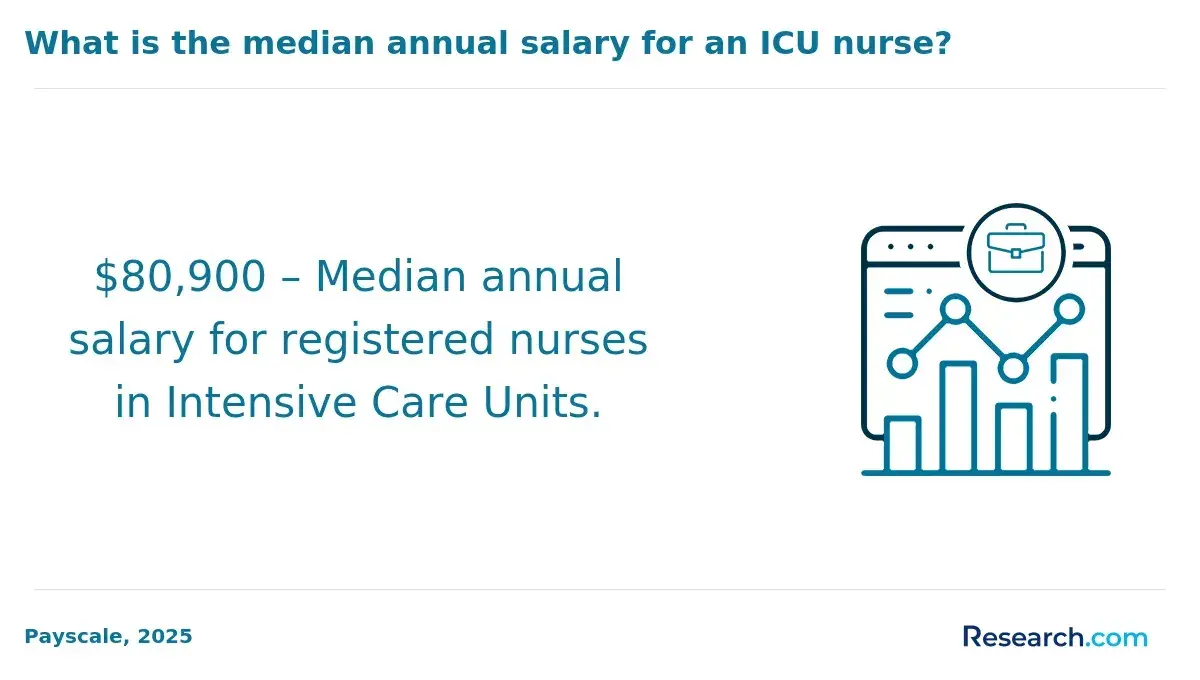
An online or hybrid LPN program may be worth it if it leads to licensure eligibility, fits your schedule, and has a total cost you can reasonably repay. In the United States, the median salary of an LPN is $63,540 (BLS, 2025). Salary outcomes vary by employer, experience, location, shift, and specialty, so students should treat earnings data as a planning benchmark rather than a guarantee.
What are the requirements for an online LPN Degree/Program in Arizona?
Arizona LPN programs usually combine academic admission standards, health and background requirements, technology expectations, and state licensure steps. Requirements vary by school, so students should verify details directly with the admissions office and the Arizona State Board of Nursing before committing to a program.
Admission Requirements
- High school diploma or equivalent. Most programs require proof of high school completion or a GED before admission.
- Prerequisite coursework. Applicants may need prior courses in biology, anatomy, physiology, math, English, or related healthcare subjects. Some students also explore broader healthcare management courses if they plan to move into leadership later.
- Background check and drug screening. Because students enter clinical settings, schools and healthcare partners commonly require criminal background checks, fingerprinting, drug screening, immunization records, and health documentation.
- Entrance testing or minimum GPA. Some programs use admission exams, prerequisite grades, or competitive ranking systems.
Skills Students Need Before Starting
- Communication. LPN students must learn to communicate clearly with patients, families, instructors, nurses, and other healthcare staff.
- Time management. Hybrid learning requires careful planning because online assignments and in-person clinical hours can overlap.
- Critical thinking. Practical nurses need to recognize changes in patient condition, follow care plans, and respond appropriately.
- Problem solving. Students should be prepared to manage competing priorities, patient needs, and clinical expectations.
- Adaptability. Healthcare changes quickly, and LPNs may later use their experience to pursue broader roles, including a career in healthcare management.
Technology Requirements for Online Learning
- Computer or laptop. Students need a reliable device that supports the school’s learning platform, testing tools, and required software.
- High-speed internet. A stable connection is necessary for lectures, assignments, exams, discussions, and simulations.
- Software access. Programs may require word processing tools, video conferencing, testing browsers, electronic health record simulations, or nursing software.
- Email and communication tools. Students should check school messages frequently and be comfortable contacting faculty online.
Licensure Application Requirements for LPNs in Arizona
- Complete an approved practical nursing program. Students should choose a nursing program accepted by Arizona for LPN licensure preparation. Some online LPN programs in Arizona can be completed within one to two years of full-time coursework.
- Apply to the Arizona State Board of Nursing. Graduates must submit the required application materials, including official transcripts and supporting documents.
- Pass the NCLEX-PN. Practical nurses must pass the NCLEX-PN, which assesses entry-level nursing competence and safe practice.
- Complete background requirements. Applicants may need a fingerprint-based criminal background check as part of the licensure process.
License Reciprocity for LPN in Arizona
- Gather proof of active licensure. LPNs from non-compact states may need to provide evidence of a current license and official nursing program transcripts.
- Submit an endorsement application. Applicants typically complete licensure by endorsement through the Arizona State Board of Nursing and pay the required fees.
- Complete background review. A criminal background check may be required before endorsement is granted.
Courses to Expect in Online LPN Degree/Program in Arizona
Arizona LPN programs focus on practical nursing skills, patient safety, basic assessment, medication administration, and care across the lifespan. Course names vary by school, but many programs include the following subjects.
- Anatomy and Physiology. Students study body systems, organs, tissues, and how normal body function supports health.
- Medical-Surgical Nursing. This course introduces care for adult patients with common medical and surgical conditions, including infection control, assessment, and basic interventions.
- Pharmacology. Students learn drug classifications, dosage calculations, medication safety, side effects, and administration principles.
- Nursing Fundamentals. This course develops essential nursing skills such as communication, hygiene care, vital signs, documentation, mobility support, and patient-centered care.
- Maternal and Child Health Nursing. Students learn basic care concepts related to pregnancy, postpartum care, newborns, children, growth, development, and family-centered nursing.
Practical Clinical Experience in Online LPN Programs for 2027
Clinical experience is the part of LPN training that cannot be replaced by online coursework. Students must practice nursing skills with real patients or in supervised clinical environments so they can demonstrate safe, ethical, and competent care.
Why clinical training matters
Clinical rotations connect classroom learning to patient care. Under supervision, students practice communication, infection control, medication procedures, assessment, documentation, and prioritization. These experiences typically occur in settings such as hospitals, clinics, skilled nursing facilities, rehabilitation centers, and long-term care facilities.
How clinical placement usually works
Many online or hybrid LPN programs arrange clinical experiences through healthcare partners. Programs typically require between 500 to 700 hours of clinical experience, which may be completed at approved facilities near a student’s location when the school has appropriate agreements in place. Students should never assume they can choose any nearby facility; clinical sites must meet program and regulatory requirements.
How to balance online coursework and clinical hours
Online coursework may offer flexibility, but clinical schedules are often fixed. Students should plan for daytime, evening, weekend, or rotating clinical requirements, depending on the program. Before enrolling, ask whether clinical placements are guaranteed, how far students may need to travel, and what happens if a clinical site becomes unavailable.
Students moving from medical assisting into practical nursing should pay close attention to clinical requirements. A MA to LPN bridge program online may recognize prior healthcare experience, but it still must ensure that students meet practical nursing competencies.
How to Transition from LPN to a Registered Nurse (RN) in Arizona
Many Arizona LPNs use practical nursing as a first step toward becoming a registered nurse. The RN path can expand scope of practice, employment settings, leadership opportunities, and long-term advancement options. Students can review a broader step-by-step overview of how to become a registered nurse in Arizona, but the typical LPN-to-RN route includes the steps below.
- Compare LPN-to-RN bridge programs. Bridge programs build on prior LPN training and may reduce the time needed to complete an RN pathway. These accelerated programs typically take 18-24 months to complete.
- Finish prerequisites. Schools may require biology, chemistry, anatomy, physiology, math, English, or other general education courses before admission.
- Earn an ADN or BSN. Arizona RN candidates generally complete either an Associate Degree in Nursing or a Bachelor of Science in Nursing. ADN programs may be faster, while BSN programs can support broader advancement goals.
- Pass the NCLEX-RN. Graduates must pass the RN licensure exam after completing the approved nursing program.
- Meet Arizona Board requirements. Applicants must submit required documents, complete background checks, and follow Arizona State Board of Nursing instructions.
Things to Look for in an Online LPN Degree/Program in Arizona
The best LPN program for you is the one that is legitimate, affordable, clinically accessible, and aligned with your schedule and career goals. Do not choose based on the word “online” alone.
| Selection Factor | Questions to Ask | Why It Matters |
| Approval and accreditation | Is the program approved for practical nursing preparation in Arizona? Is the institution accredited? | Licensure eligibility and employer confidence depend on program legitimacy. |
| Clinical placement | Where are clinical sites located? Are placements arranged by the school? | Clinical access can determine whether you can actually complete the program. |
| NCLEX-PN preparation | What support is provided for exam readiness? | Graduation alone is not enough; licensure requires passing the NCLEX-PN. |
| Program length | Are there 12-month options or a 6 month LPN program online? | Shorter programs may be appealing, but accelerated pacing can be demanding. |
| Learning format | Are courses synchronous, asynchronous, hybrid, or campus-based? | The format should match your work schedule and learning habits. |
| Support services | Does the school provide tutoring, advising, clinical coordination, and career services? | Support can affect persistence, graduation, and exam preparation. |
| Future education | Will credits transfer into RN or BSN programs? | Transferability matters if you plan to pursue advanced pathways such as accelerated nurse practitioner programs later. |
Common mistakes to avoid
- Choosing a program before checking approval. Accreditation and state approval should be verified before you pay application or enrollment fees.
- Assuming online means no campus visits. LPN programs usually require in-person labs, clinical rotations, or skills demonstrations.
- Looking only at tuition. Books, uniforms, background checks, health requirements, transportation, and exam fees can change the real cost.
- Ignoring clinical distance. A program may be affordable but impractical if clinical sites are too far away or scheduled during work hours.
- Relying only on rankings. Rankings can help you start a list, but you still need to verify licensure eligibility, outcomes, and fit.
- Assuming credits will transfer. Ask for transfer policies in writing if you plan to become an RN or pursue graduate nursing education later.
What financial aid options can help finance your LPN education in Arizona?
Students may be able to reduce LPN education costs through federal aid, state aid, scholarships, employer tuition support, payment plans, workforce grants, and school-based assistance. Eligibility depends on the institution, program type, enrollment status, financial need, academic record, and citizenship or residency rules.
Start by asking each school’s financial aid office whether the LPN program qualifies for federal student aid and which scholarships are available for nursing students. Students comparing healthcare entry points may also review the best medical assistant programs in Arizona to understand how different healthcare training pathways compare in cost, time, and career flexibility.
Can specializing in geriatric care boost an LPN’s career prospects?
Geriatric care can be a strong specialization for LPNs because practical nurses often work with older adults in long-term care, rehabilitation, home health, assisted living, and skilled nursing settings. Additional training in dementia care, mobility support, chronic disease management, fall prevention, wound care, and medication safety can make an LPN more competitive for roles serving aging patients.
Students interested in this population can explore how gerontology credentials and experience affect broader gerontology salary and career pathways. Specialization does not guarantee higher pay, but it can improve job fit and help nurses develop expertise in a high-need area of care.
What allied healthcare career options can complement an LPN qualification?
LPN experience can support movement into related healthcare roles, especially for nurses who want to combine clinical knowledge with administration, patient education, wellness, or specialty services. Possible directions include medical office leadership, care coordination support, long-term care administration, nutrition-related patient education, wound care support, and home health coordination.
Some LPNs also explore adjacent credentials to broaden their work options. For example, learning how to become a nutritionist in Arizona may interest nurses who want to focus on prevention, wellness, and patient lifestyle education while building on their healthcare background.
Can LPN Experience Propel a Transition into Military Nursing?
LPN experience can be useful for students considering military healthcare roles, but military nursing pathways have additional requirements. Candidates may need to meet service-specific standards related to education, licensing, physical fitness, age, citizenship, medical clearance, and training obligations.
Before pursuing this route, review requirements carefully, including practical details such as the military nurse age limit. Military nursing can provide structured training and exposure to high-pressure healthcare environments, but it is also a service commitment that should be evaluated carefully.
How Can I Meet the Licensing Requirements for LPNs in Arizona?
To practice as an LPN in Arizona, you must complete an accepted practical nursing education pathway, meet clinical and program requirements, pass the NCLEX-PN, and submit the required licensure materials. Applicants should also expect background screening and documentation requirements.
Because licensing rules can change, students should rely on the Arizona State Board of Nursing for official instructions. For a more detailed overview of documents, steps, and state expectations, review Arizona nursing license requirements.
What Are the Continuing Education and License Renewal Requirements for LPNs in Arizona?
Licensed practical nurses must keep their credentials current after entering practice. Renewal requirements may include maintaining active practice records, completing continuing education, meeting board deadlines, and following any updated state regulations.
Always verify current renewal rules directly with the Arizona Board of Nursing. Students and practicing nurses can also use this guide to how to become a certified LPN in Arizona for a broader view of the LPN pathway from training through licensure.
How can I transition from LPN to a Nurse Practitioner in Arizona?
An LPN cannot usually move directly into nurse practitioner practice without first becoming an RN and completing advanced nursing education. The typical route is LPN to RN, then RN to BSN if needed, then graduate-level nurse practitioner preparation and certification.
This pathway requires time and planning, but it can lead to advanced diagnostic, treatment, and patient management responsibilities. For a detailed route map, review how to become a nurse practitioner in Arizona.
How are emerging healthcare technologies integrated in online LPN programs in Arizona?
Online and hybrid LPN programs increasingly use technology to support learning, but technology should supplement clinical training rather than replace it. Students may encounter virtual simulations, electronic health record practice, telehealth concepts, online skills demonstrations, adaptive testing tools, and digital case studies.
These tools help students practice decision-making before entering clinical sites, but strong programs still require supervised hands-on training. Students comparing technology-supported nursing education can also review the best nursing schools in Arizona to understand broader nursing education options in the state.
How Can LPNs Transition to Nurse Midwifery Roles in Arizona?
Nurse midwifery is an advanced nursing specialty, so LPNs must complete multiple steps before qualifying. The typical progression includes becoming an RN, earning advanced nursing education, completing specialized maternal health and midwifery clinical training, and meeting certification and licensure requirements.
This route is best for LPNs who are committed to long-term nursing education and maternal health. Students can review nurse midwife education requirements in Arizona for a clearer explanation of the academic and clinical milestones.
What are the job placement rates for online LPN programs in Arizona?
Job placement rates can help you evaluate program outcomes, but only if the school clearly explains how the rate is calculated. Ask whether the rate includes only graduates who responded to a survey, whether jobs must be nursing-related, and how soon after graduation employment is measured.
Strong programs often provide career advising, resume support, employer connections, interview preparation, and clinical relationships with local healthcare facilities. For additional program comparisons, consult the best online nursing programs in Arizona.
2027 Best Online LPN Programs in Arizona
The following Arizona practical nursing options were identified using available program information such as program length, credits or units required, cost per credit, and accreditation information. Students should confirm current tuition, admissions requirements, clinical locations, approval status, and NCLEX-PN eligibility directly with each institution before applying.
Maricopa Community Colleges
The Fast Track Practical Nursing program at Maricopa Community Colleges prepares students for practical nursing responsibilities in acute care, extended care, and intermediate care environments. The program emphasizes practical nursing theory, clinical skills, and the professional values expected in patient care.
- Program Length: 1 year
- Tracks/concentrations: Practical Nursing
- Cost per Credit: $97
- Required Credits to Graduate: 22
- Accreditation: Accreditation Commission for Education in Nursing
Pima Community College
The Fast Track Practical Nursing program at Pima Community College combines nursing instruction with applied clinical preparation. Graduates are expected to communicate effectively with patients and families while delivering ethical, compassionate, and patient-centered care.
- Program Length: 1 year
- Tracks/concentrations: Practical Nursing
- Cost per Credit: $92
- Required Credits to Graduate: 38
- Accreditation: Higher Learning Commission
Arizona Western College
The certificate in practical nursing program at Arizona Western College is designed for students seeking entry-level practical nursing preparation. The curriculum introduces nursing principles, hands-on skills, and the care expectations needed across healthcare settings.
- Program Length: 1 year
- Tracks/concentrations: Practical Nursing
- Cost per Credit: $94
- Required Credits to Graduate: 45
- Accreditation: Accreditation Commission for Education in Nursing
Smith Chason School of Nursing
The Practical Nursing program at Smith Chason School of Nursing focuses on applied learning and practical training. Students develop the hands-on skills needed to enter the workforce and provide patient care as practical nurses.
- Program Length: 1 year
- Tracks/concentrations: Practical Nursing
- Cost per Credit: $94
- Required Credits to Graduate: 45
- Accreditation: Accreditation Commission for Education in Nursing
Cochise College
The Practical Nursing program at Cochise College prepares students to care for patients across age groups and cultural backgrounds. The program emphasizes communication, critical thinking, problem solving, and practical nursing skills.
- Program Length: 1 year
- Tracks/concentrations: Practical Nursing
- Cost per Credit: $93
- Required Credits to Graduate: 32
- Accreditation: Accreditation Commission for Education in Nursing
What career advancement opportunities are available for LPNs in Arizona?
LPN licensure can lead directly to bedside care roles, but it can also serve as a foundation for advancement. The best path depends on whether you want broader clinical authority, specialty expertise, leadership responsibilities, or a nonclinical healthcare role.
| Advancement Path | What It Involves | Best For |
| LPN to RN | Complete an ADN or BSN pathway and pass the NCLEX-RN. | LPNs who want a broader scope of practice and more nursing career options. |
| Specialty certifications | Pursue training in areas such as IV therapy, gerontology, wound care, or long-term care. | LPNs who want to deepen skills without immediately earning another degree. |
| RN to BSN or MSN | After becoming an RN, continue into bachelor’s or master’s nursing education. | Nurses interested in leadership, education, advanced practice, or specialized roles. |
| Healthcare administration | Move toward operations, staffing, compliance, patient services, or management. | LPNs who prefer systems and leadership over direct bedside care. |
| Education and training | Use clinical experience to support future practical nursing students or healthcare staff. | Experienced LPNs who enjoy mentoring and teaching. |
What career paths are available for LPNs who wish to pursue further education?
LPNs who want more responsibility can continue into registered nursing, bachelor’s-level nursing, graduate nursing, healthcare management, public health, or specialty practice areas. Some eventually pursue advanced practice after completing the required RN and graduate nursing steps. Students comparing advanced options may explore the best nurse practitioner programs in Arizona.
Further education can improve career mobility, but it also requires time, tuition, and careful planning. Before enrolling in the next program, ask whether your LPN credits transfer, whether the program fits your work schedule, and whether the credential supports the role you actually want.
What are the advantages of choosing an LPN program with flexible entry requirements?
Flexible entry requirements can help career changers, adult learners, and students with uneven academic histories start nursing training sooner. Some applicants look for the easiest LPN program to get into, but easier admission should not be confused with better value. A program still needs strong clinical training, licensure alignment, and student support.
- Faster start dates. Less restrictive admissions may help students begin sooner instead of waiting through long application cycles.
- Fewer prerequisites. Some programs require fewer pre-nursing courses, which can reduce the time needed before nursing coursework begins.
- More access for adult learners. Flexible programs may better serve students returning to school after years in the workforce.
- Better fit for career changers. Students entering healthcare from another field may benefit from a more accessible admissions process.
- Potential schedule flexibility. Some programs offer evening, weekend, part-time, or hybrid options for students balancing work and family obligations.
- Need for careful quality checks. Flexible admissions are helpful only when the program remains academically rigorous and licensure-focused.
Best Online LPN Programs in Arizona: How to Make the Final Choice
The best online LPN program in Arizona is not necessarily the fastest or cheapest. It is the program that helps you qualify for licensure, complete clinical requirements, prepare for the NCLEX-PN, manage total costs, and build a realistic nursing career plan.
Before enrolling, contact each school and ask for current information on tuition, fees, clinical placement, accreditation, state approval, graduation outcomes, NCLEX-PN preparation, job placement reporting, transfer credits, and support services. Keep written records of answers, especially for licensure eligibility and clinical placement commitments.
Key Insights
- Online LPN programs are usually hybrid. You may complete theory courses online, but practical nursing requires in-person labs and supervised clinical care.
- Licensure eligibility is the main priority. Choose a program that prepares you for the NCLEX-PN and meets Arizona practical nursing requirements.
- Accreditation and approval matter more than convenience. A flexible schedule is useful only if the credential is recognized and leads to the next step you need.
- Total cost includes more than tuition. Clinical travel, uniforms, supplies, testing, background checks, and licensure fees can affect affordability.
- Clinical placement can make or break the program. Ask where clinicals occur, who arranges them, and how scheduling works before you enroll.
- LPN training can be a career entry point or a bridge. Many students later move into RN, BSN, MSN, nurse practitioner, midwifery, gerontology, education, or healthcare administration pathways.
- Do not rely on rankings alone. Use rankings as a starting point, then verify approval, outcomes, support, cost, and fit directly with each school.
Related Articles for Nearby States
- 2027 Best LPN Programs in New Mexico – Accredited Online LPN Programs
- 2027 Best LPN Programs in Nevada – Accredited Online LPN Programs
- 2027 Best LPN Programs in Utah – Accredited Online LPN Programs
- 2027 Best LPN Programs in Colorado – Accredited Online LPN Programs
- 2027 Best LPN Programs in Oklahoma – Accredited Online LPN Programs
- 2027 Best LPN Programs in Kansas – Accredited Online LPN Programs
- 2027 Best LPN Programs in Wyoming – Accredited Online LPN Programs
- 2027 Best LPN Programs in Idaho – Accredited Online LPN Programs
- 2027 Best LPN Programs in Montana – Accredited Online LPN Programs
- 2027 Best LPN Programs in Nebraska – Accredited Online LPN Programs
References:
- American Nurses Association. (N.D.). How to Become a Licensed Practical Nurse? Retrieved from: https://www.nursingworld.org/resources/individual/how-to-become-a-licensed-practical-nurse/
- Arizona State Board of Nursing. (N.D.). RN/LPN Licensure by Endorsement FAQs. Retrieved from: https://www.azbn.gov/licenses-and-certifications/rn-lpn-endorsement-faq
- NCCU Online. (2025). Types of Nurses and Their Salaries. https://online.nccu.edu
- NurseJournal. (2025). The Top 20 Highest-Paying Nursing Specialties. https://nursejournal.org/articles/best-nursing-specialities-for-the-future/
- U.S. Bureau of Labor Statistics. (2025). Occupational Outlook Handbook: Registered Nurses. https://www.bls.gov/ooh/healthcare/registered-nurses.htm
Other Things You Should Know About LPN Programs in Arizona
When choosing an online LPN program in Arizona for 2027, consider accreditation status, clinical requirements, NCLEX-PN pass rates, and faculty qualifications. Ensure the program provides adequate support for online learning, such as technology resources and student services. Analyzing these factors helps you select a reputable and effective program for your education and career goals.
Arizona LPN programs include supervised clinical practice in approved health care settings, with required hours set by the school and aligned to Arizona State Board of Nursing standards. Programs must combine classroom instruction and hands-on clinical training before graduates can sit for the NCLEX-PN licensure exam.
Admission to an online LPN program in Arizona typically requires a high school diploma or GED, a minimum GPA (usually around 2.5), and completion of prerequisite courses such as biology and anatomy. Additional requirements may include passing a background check, providing proof of immunizations, and CPR certification.
Financial aid options for online LPN programs in Arizona in 2027 include federal Pell Grants, state scholarships, and school-based aid. Prospective students should contact their program’s financial aid office for application deadlines and specific eligibility criteria.
Yes, prerequisites for online LPN programs in Arizona in 2027 may include a high school diploma or GED, completion of specific coursework such as biology or math, and a minimum GPA requirement. Additionally, some programs might require a background check or health screening.
Online LPN programs offer similar curricula and clinical experiences as traditional programs. The main differences lie in the delivery method, with online programs providing greater flexibility and often being more cost-effective. Both types of programs prepare students to take the NCLEX-PN and become licensed practical nurses.


