2027 Weekly Start Online Degrees vs Self-Paced Accelerated Electrical Engineering Degree Programs

Co-Founder and Chief Data Scientist
Many prospective students struggle to choose between weekly start online degrees and self-paced accelerated Electrical Engineering degree programs. As of 2023, 45% of online engineering students reported challenges in balancing flexible schedules with academic rigor. This gap often leads to delays or lower completion rates.
Understanding the differences in course structure, pacing, and support systems can clarify which format best suits individual learning styles and career goals. This article examines these program types in detail, offering vital insights to help students select the most effective path to complete an Electrical Engineering degree efficiently and successfully.
Key Benefits of Weekly Start Online Degrees vs Self-Paced Accelerated Electrical Engineering Degree Programs
- Weekly start online degrees offer continuous enrollment, enhancing flexibility by letting students begin courses anytime, which reduces wait times and helps maintain consistent study momentum.
- Self-paced accelerated electrical engineering programs often lower overall tuition costs by shortening program length, enabling students to enter the workforce faster and save on living expenses.
- Both formats support improved student success rates: weekly starts foster steady progress, while self-paced models accommodate diverse learning speeds crucial for mastering complex electrical engineering concepts.
How are weekly start online degrees and self-paced accelerated electrical engineering programs structured?
Choosing between weekly start online degree programs and self-paced accelerated electrical engineering programs requires understanding how each is structured, as this impacts time management, pacing, and learning style. These differences help students determine which format best fits their schedules and goals. Below is a comparison outlining key structural elements for each approach.
Weekly Start Online Degrees
- Course Pacing: Students begin courses at the start of any week, following a structured schedule that spans 5 to 8 weeks per course.
- Term Length: Consistent and fixed terms ensure predictable timelines similar to traditional semesters.
- Assignment Schedules: Assignments and assessments are set weekly or bi-weekly, promoting steady progress.
- Time Commitment: Students can expect to dedicate 8 to 12 hours weekly, balancing lectures, readings, and activities, typical of weekly start online electrical engineering degrees.
Self-Paced Accelerated Degrees
- Course Pacing: Students progress individually, with no fixed start dates or deadlines, allowing completion at their own speed.
- Term Length: Length varies widely based on mastery, often allowing completion in half the traditional time.
- Assessment Methods: Assignments and exams are completed after mastering topics, offering flexibility in focus.
- Time Commitment: Weekly hours fluctuate significantly, commonly ranging from 10 to 20 hours, depending on the learner's pace and course load in self-paced accelerated electrical engineering programs.
Both formats serve diverse student needs differently, accommodating preferences for predictable pacing or greater flexibility. For those exploring advanced degrees, it's helpful to also consider options like an MBA degree online, which may offer alternative flexible learning models suited to career goals.
Are weekly start online electrical engineering programs easier to get into vs self-paced accelerated programs?
Admissions ease is a key consideration for students choosing between weekly start online and self-paced accelerated electrical engineering programs, as it impacts the likelihood of acceptance and readiness for program demands. Recent data shows that rolling-start programs average acceptance rates near 65%, somewhat higher than the 55% typical of fixed-date accelerated tracks. This trend reflects differences in their admissions criteria and program structure.
Here are some important distinctions to consider when evaluating weekly start online electrical engineering admission requirements versus ease of getting into self paced accelerated engineering programs:
- GPA Expectations: Both formats often require a minimum 3.0 GPA, maintaining competitive standards. However, accelerated programs may expect consistently stronger academic records due to their rigorous pacing.
- Prerequisite Coursework: Accelerated tracks typically emphasize completed prerequisites and technical foundation to ensure quick progress. Weekly start programs may allow more flexibility in prerequisites to attract a broader applicant base.
- Standardized Testing: While GRE and similar tests are less commonly required overall, accelerated programs still request them more frequently to assess readiness, unlike weekly start formats.
- Holistic Admissions Factors: Weekly start programs generally offer greater leniency on work experience and personal statements, accommodating diverse backgrounds more readily than accelerated options.
Prospective students balancing academic goals and admissions competitiveness may also explore related options, such as the best online CACREP counseling programs, for complementary skill development alongside engineering studies.
How long does a weekly start online degree take to complete vs a self-paced accelerated electrical engineering degree?
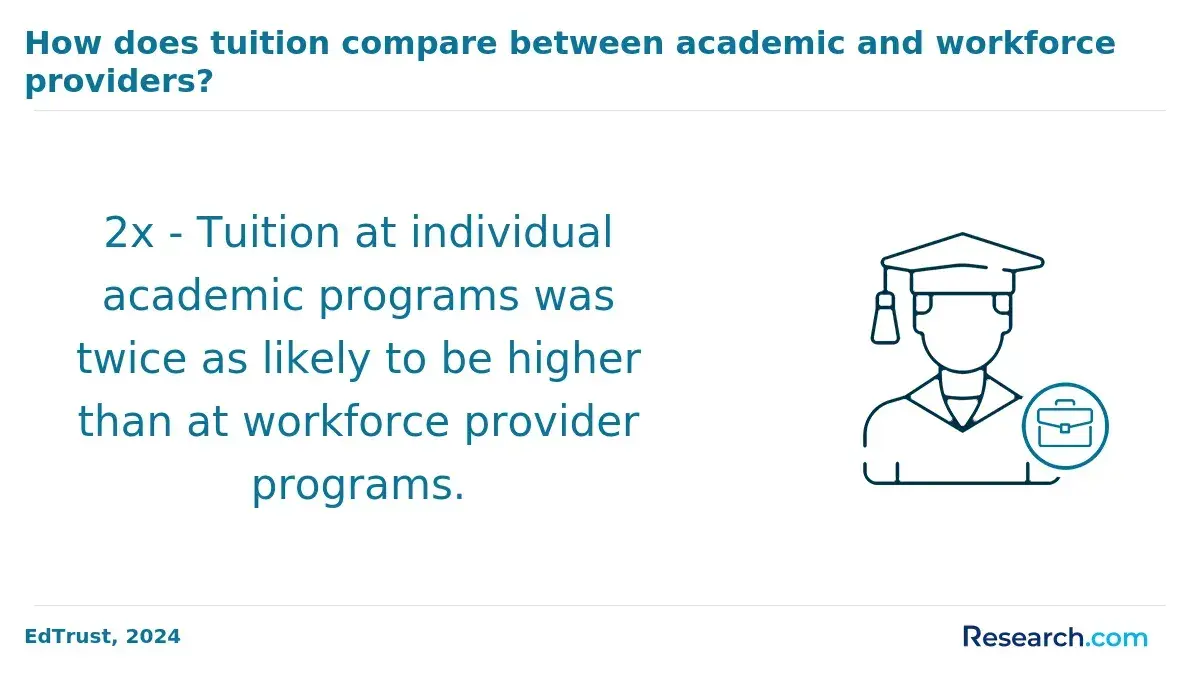
Timing plays a critical role for students balancing education, financial resources, and career objectives. Research from the National Center for Education Statistics reveals that nearly 40% of online learners prioritize programs that offer more rapid completion options. With this growing demand, it is important to compare how long weekly start online degrees take relative to self-paced accelerated electrical engineering programs.
- Term Length: Weekly start programs operate on fixed-term schedules, often spanning two to four years for a bachelor's degree, limiting how fast students can progress. Self-paced accelerated electrical engineering degrees provide an opportunity to complete coursework faster, sometimes within 18 months to two years, depending on initiative and credit transfers.
- Pacing Control: Fixed pacing defines weekly start courses, requiring students to follow preset deadlines. In contrast, self-paced programs grant students the freedom to speed up or slow down based on personal commitments, favoring those with strong motivation and time management skills.
- Credit Load: Weekly formats typically restrict the number of credits per term to maintain uniform progress. Accelerated programs often allow heavier credit loads, enabling more rapid accumulation of required credits to shorten time to graduation.
- Transfer Credits: Both program types accept transfer credits, but self-paced students can strategically apply these to bypass certain courses, further accelerating completion.
- Enrollment Flexibility: Weekly start options offer frequent enrollment periods but require adherence to term start dates. Self-paced learners can enroll and begin immediately, providing greater scheduling freedom throughout their studies.
A professional who completed a self-paced accelerated electrical engineering degree shared that juggling work, deadlines, and study required discipline beyond traditional programs. He recalled, "The freedom to set my own pace was empowering but also intimidating-I had to stay highly organized to avoid falling behind."
He emphasized that the ability to leverage previous experience and transfer credits was key to finishing early. Despite occasional stress, the flexibility allowed him to align education with career advancements that would have been difficult in a fixed-schedule format.
Flexibility is essential for students managing work, family, and other responsibilities while pursuing higher education. Weekly start online degree programs enable students to enroll frequently, typically every week, following a set schedule with defined deadlines. In contrast, self-paced accelerated electrical engineering programs allow learners to control their progress and timing extensively. Below is a comparison of these two formats focusing on their flexibility aspects.
- Scheduling Control: Weekly start programs enforce a fixed timetable with deadlines and structured pacing determined by the institution. Self-paced electrical engineering programs grant students greater autonomy, letting them arrange study times according to personal availability.
- Pacing Speed: Weekly start formats maintain a consistent and steady learning rhythm for all participants. Self-paced options accommodate rapid advancement or slower progress, depending on the student's needs and commitments.
- Start Dates: Weekly start degrees provide multiple, often weekly, enrollment opportunities, facilitating timely entry. Self-paced programs allow continuous enrollment at any time without waiting for formal start windows.
- Assignment Deadlines: Weekly start courses require adherence to scheduled deadlines to keep pace with the cohort. In self-paced programs, deadlines may be flexible or absent, promoting personalized time management.
- Instructor Interaction: Weekly start students usually experience regular communication and engagement with instructors and peers. Self-paced learners might have fewer scheduled interactions, potentially reducing opportunities for direct support.
- Ability to Pause or Accelerate: Self-paced formats are designed for flexibility, letting students pause or quicken their studies as life demands. Weekly start programs generally expect consistent progress aligned with preset timelines.
How difficult a degree feels can significantly influence a student's choice between self-paced accelerated formats and weekly start online programs. This perception impacts motivation and persistence, which are critical for success in demanding fields like electrical engineering. Comparing these two delivery styles reveals key differences in workload, structure, and support.
- Workload Intensity: Self-paced accelerated programs often condense the curriculum into shorter durations, increasing the amount of material students must absorb rapidly. Weekly start programs distribute assignments and lessons more evenly over time, reducing pressure to master complex topics instantly.
- Pacing Expectations: Students in self-paced formats control their own schedules but face tight deadlines to maintain acceleration, requiring strong time management. Weekly start courses follow predefined timelines with regular checkpoints, offering clear guidance that helps prevent last-minute cramming.
- Self-Discipline Required: Accelerated self-paced learners need high motivation and organization to keep pace without external prompts. Those in weekly start programs benefit from consistent reminders and structured pacing, which supports steady progress and accountability.
- Assessment Structure: Self-paced programs may involve large, cumulative exams or projects to demonstrate mastery quickly, demanding intense focus for short periods. Weekly start programs use frequent quizzes and assignments, promoting incremental learning and providing ongoing feedback opportunities.
- Instructor Interaction: Weekly start courses typically offer more frequent communication with instructors, easing questions and clarifications. Self-paced students might experience limited access to instructors, which can increase the challenge when tackling difficult concepts independently.
When I spoke with a graduate of a weekly start online electrical engineering program, she reflected on her experience with a tone of cautious optimism. "The regular schedule was a lifesaver," she said, emphasizing how having clear deadlines helped her maintain focus despite juggling work and family. She admitted the technical content was challenging but found that instructor feedback and peer discussions made the material less overwhelming.
Unlike some friends in self-paced tracks who struggled with isolation and pacing, she appreciated the structured environment that "kept me accountable and connected." Although it wasn't easy, she described the experience as manageable, rewarding, and ultimately well-suited to her learning needs.
Grading methods significantly influence how students manage workload, handle academic pressure, and track their progress in electrical engineering programs. These differences become especially apparent when comparing weekly start online formats with self-paced accelerated options. Below is a detailed comparison of key grading factors between these two program styles.
- Assessment Frequency: Weekly start programs typically schedule assessments such as quizzes and assignments on a weekly or biweekly basis, creating a steady rhythm. In contrast, self-paced accelerated programs use milestone-based evaluations, grouping tasks into larger projects with flexible deadlines to match individual pacing.
- Mastery Requirements: Weekly start formats emphasize continuous, incremental demonstration of mastery throughout the course, supporting consistent learning progress. Self-paced accelerated programs focus on periodic, comprehensive mastery at key checkpoints instead, allowing learners to advance at their own rate.
- Feedback Timing: Students in weekly start programs usually receive grades within one to two weeks after submission, providing timely insights to guide improvement. Feedback in self-paced accelerated programs can vary widely and sometimes takes several weeks due to instructor scheduling and varied submission times.
- Grading Flexibility: The weekly start model follows a fixed grading schedule tied to the course calendar, encouraging steady pacing and regular engagement. Meanwhile, self-paced accelerated options offer adaptable deadlines, which afford flexibility but require strong self-discipline to avoid last-minute workload spikes.
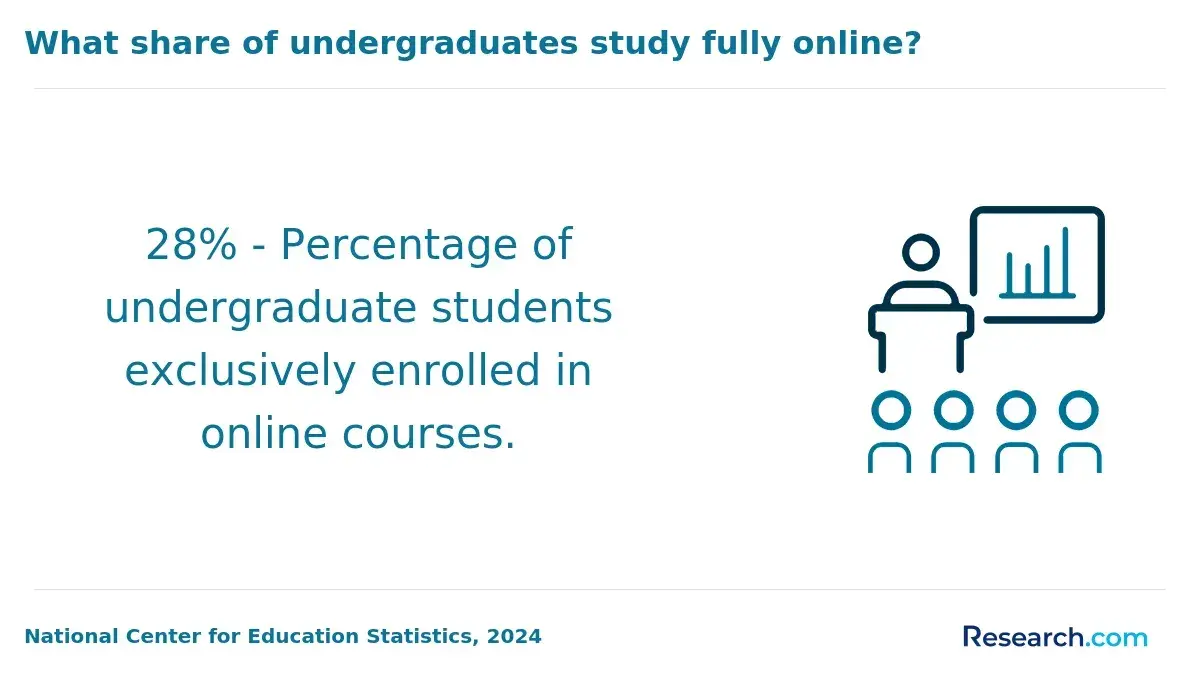
Tuition models play a major role in determining the overall affordability and financial planning for students pursuing online degree programs. Understanding these models helps students anticipate costs and manage their budget effectively before committing to a program.
- Pricing Structure: Weekly start programs usually charge tuition per credit hour or term, creating consistent and predictable expenses tied to a set schedule. Self-paced accelerated programs often base tuition on the total program length or credit load, offering flexibility but potentially higher upfront costs.
- Time-to-Completion: Term-based programs may take longer to finish since they follow fixed schedules, while accelerated formats allow students to finish faster by pacing themselves, which can reduce total enrollment time.
- Cost Predictability: Weekly start formats provide steady, foreseeable costs aligned with semesters, whereas accelerated options might lead to variable expenses depending on how quickly students progress.
- Course Intensity: Accelerated programs generally demand a heavier workload within shorter periods, requiring greater time and financial commitment per term compared to weekly start models.
- Additional Fees: Both formats might include extra charges for specialized courses, technology, or assessments, which can add to the overall expense.
- Transfer Credits and Prior Learning: Policies vary, but many programs offer opportunities to apply transfer credits or prior learning assessments, which can lower total tuition in either format.
Instructor support and academic guidance are vital for online degree students, especially in technical fields like electrical engineering, where complex concepts require clear explanations and timely feedback. Such support helps students stay motivated and successfully manage course requirements. Below is a comparison of instructor support between weekly start online electrical engineering degrees and self-paced accelerated programs.
- Instructor Availability: Weekly start programs generally offer more consistent instructor availability through scheduled office hours and frequent check-ins, while self-paced accelerated electrical engineering student help primarily relies on email communication with limited direct access.
- Response Times: Weekly start courses tend to have faster response times, often within 24 to 48 hours, enabling quicker resolution of questions and feedback on assignments. In contrast, self-paced formats may involve slower responses due to flexible deadlines and instructor workload.
- Structured Interaction: Students in weekly start programs benefit from a structured schedule promoting regular interaction, including group discussions and live sessions. Self-paced learners experience fewer structured opportunities, making independent study essential.
- Live Communication Opportunities: Scheduled live sessions or real-time discussion boards are common in weekly start formats, fostering direct engagement. Such live communication is rare in self-paced accelerated electrical engineering formats.
- Academic Advising: Proactive academic advising is more prevalent in weekly start degrees, with planned check-ins to support degree progress. Self-paced programs offer less frequent advising, often only upon request.
- Student Independence: Self-paced accelerated students must demonstrate high self-motivation and effective time management due to minimal instructor involvement, while weekly start students receive more guidance to stay on track.
Students exploring options for online degrees might also consider specialized fields such as a doctorate in organizational leadership for advanced career paths beyond engineering.
Employer perception of online degree programs plays a crucial role in shaping career outcomes for graduates. Employers often assess program formats as indicators of skills and readiness, which can influence hiring decisions and professional growth. Understanding these perceptions helps prospective students choose programs that align with workforce expectations.
- Perceived Rigor: Weekly start online electrical engineering degrees often signal a structured learning environment, reassuring employers about consistent knowledge acquisition. In contrast, some employers may doubt the rigor of self-paced accelerated electrical engineering degrees employer perception due to variable pacing among students.
- Completion Timelines: Accelerated programs highlight a candidate's ability to learn efficiently and meet tight goals, appealing to employers valuing speed and motivation. Weekly start formats demonstrate steady progress aligned with traditional academic calendars.
- Time Management Skills: Regular deadlines in weekly start programs suggest strong discipline and ability to manage time effectively, qualities sought by many employers. Self-paced learners may showcase exceptional self-discipline but must prove consistent performance without scheduled checkpoints.
- Adaptability: Self-paced accelerated degrees emphasize flexibility and independent problem-solving, traits that can indicate adaptability in dynamic work settings. Weekly start degrees may emphasize adapting within collaborative, structured teams instead.
- Collaboration Experience: Students in weekly start programs often engage in group projects and synchronous sessions, which can demonstrate teamwork and communication skills important to employers. Self-paced formats usually provide fewer opportunities for real-time interaction.
- Workforce Alignment: Employers frequently prefer candidates from weekly start online electrical engineering degrees because they mirror traditional work schedules and team dynamics. However, demonstrated project work, internships, and certifications generally weigh more heavily than format alone for hiring decisions.
For students seeking cost-efficient options, exploring affordable EDD programs can offer insights into online program structures and financial considerations while navigating choices in electrical engineering education.
Understanding salary differences between weekly start online programs and self-paced accelerated electrical engineering degrees is important for prospective students. A 2023 workforce survey showed that graduates with accelerated credentials reported a median starting salary approximately 5% higher than those from standard online cohorts, emphasizing the financial implications of program choice. This difference highlights how program format can influence earnings potential and career timing.
- Employer Perception: Weekly start online electrical engineering degree salary outcomes may benefit from employers viewing these programs as more traditional and structured, potentially increasing confidence in the consistency of the curriculum.
- Time-to-Completion: Self-paced accelerated programs allow students to finish degrees faster, leading to earlier entry into the workforce and quicker career advancement opportunities compared to weekly start formats.
- Skills and Competencies: Both formats focus on core electrical engineering skills, but self-paced accelerated electrical engineering degree earnings often reflect the self-discipline and problem-solving abilities developed by students managing their own pace.
- Career Advancement: Graduates from accelerated programs might gain a salary edge by leveraging early completion to access promotions or specialized roles sooner than their weekly start counterparts.
- Return on Investment: Reduced tuition burden and shorter study periods for self-paced accelerated students can contribute to higher overall financial gains despite similar curriculum content across programs.
Students interested in online education may also explore options such as the easiest associate degree to get to complement or accelerate their career paths, depending on their long-term goals.
What Graduates Say About Their Weekly Start Online Degrees vs Self-Paced Accelerated Electrical Engineering Degrees
- Sydney: "I chose the weekly start online electrical engineering degree because I needed a structured schedule that kept me motivated and on track. Although the average cost was higher than some self-paced programs, I managed the tuition by taking advantage of employer reimbursement and budgeting carefully. Since graduating, I've landed a lead engineer role at a top tech firm, and the steady pacing helped me build strong foundational skills. The investment truly paid off."
- Atlas: "Opting for the self-paced accelerated electrical engineering degree was a game-changer for me. I wanted to finish quickly and reduce the overall time and financial burden; by finishing faster, I substantially cut down on living expenses. The flexibility allowed me to work full-time while studying, which made managing costs feasible. Now, I'm applying my advanced skills as a systems designer, and I appreciate how this program aligned with my professional growth goals."
- Fiona: "The weekly start online electrical engineering program appealed to me because it offered regular engagement with instructors and peers, which boosted my learning experience. Despite the higher average tuition compared to some accelerated options, I approached the cost as an investment in my future and secured a student loan with manageable repayment terms. Today, my role in project management at a renewable energy company is a testament to how this degree elevated my career prospects and confidence."
Other Things You Should Know About Electrical Engineering Degrees
Both weekly start online and self-paced accelerated electrical engineering programs typically require reliable internet access and a modern computer capable of running specialized software for circuit simulation and programming. In weekly start formats, students may need to participate in scheduled live sessions or meet synchronous deadlines, which demands stable connectivity at specific times. Self-paced programs often allow asynchronous access but require compatible devices to complete hands-on labs and assignments independently.
Most accredited electrical engineering programs accept transfer credits only from regionally accredited colleges, and many cap transfer at 50% of the degree, while some schools allow up to 75% for upper-division study. ABET-accredited programs often require most core engineering courses to be completed at the granting institution.
- CBE: Competency-Based Education | East Texas A&M https://www.etamu.edu/cbe/
- The Fastest Online Engineering Degrees: How to Get Your Engineering Degree Fast https://careerkarma.com/blog/fastest-online-engineering-degree/
- What Is An Accelerated Degree Program? https://thebestschools.org/resources/what-is-an-accelerated-program/
- Can You Actually Earn an Engineering Degree Online? How It Works and What It Costs https://money.com/online-engineering-degrees/
- Online Electrical Engineering Degrees - BSEE, MSEE https://www.onlineengineeringprograms.com/electrical
- Is Electrical Engineering Hard? - Delta Wye Electric https://deltawye.com/how-difficult-is-electrical-engineering/
- 2025's Fastest Online Master’s Degrees & Accelerated Programs https://www.onlinemastersdegrees.org/features/fastest-online-masters-degrees/
- Electrical and Computer Engineering https://constructor.university/programs/undergraduate-education/electrical-computer-engineering