2027 Arcadia University for Working Adults: Flexible Schedules, Transfer Credits, and Online Format

Co-Founder and Chief Data Scientist
Balancing a full-time job and family while pursuing a degree is a tightrope act. Working adults often struggle to find programs that accommodate irregular schedules without sacrificing academic rigor or progress. Nearly 40% of adult learners at Arcadia University utilize transfer credits, highlighting a critical strategy for accelerating degree completion and reducing redundancy in coursework. Such flexibility can mean the difference between finishing a degree or dropping out due to time constraints.
This article evaluates how Arcadia University's flexible scheduling, generous transfer credit policies, and online learning format align with the realities of working adults. It aims to help prospective students assess whether these features realistically support their educational goals amid competing responsibilities.
Key Points About Arcadia University's Flexible Schedules, Transfer Credits, and Online Learning for Working Adults
- Arcadia University's online courses align with fall and spring terms, allowing working adults to schedule classes around job and family demands without sacrificing program progression.
- Transfer admissions are moderately selective with CLEP and AP credits accepted, but lack of recognition for life experience or dual credit limits acceleration of degree completion through prior nontraditional learning.
- Admission standards require a college-preparatory background and competency proof, including TOEFL for international candidates, maintaining academic rigor essential for workforce relevance despite flexible enrollment.
Is Arcadia University a good fit for working adults?
Arcadia University's flexible scheduling, online format, and transfer credit policies make it a reasonable choice for working adults managing employment and family duties. These features reduce barriers that often prevent adults from starting or finishing degrees. Its tailored support services also help non-traditional students navigate academic and personal challenges, which is crucial given that many online students at Arcadia balance their studies with full-time jobs.
The student experience varies depending on individual circumstances. For instance, those in demanding day jobs or with limited technological skills may find pacing and digital requirements challenging. In contrast, students with prior college credits or adaptable work schedules might accelerate progress. A recent report showed over 60% of Arcadia's online enrollees maintain employment during their studies, highlighting the need for strong time management and institutional flexibility to achieve timely graduation.
Compared to peer institutions, Arcadia offers competitive support but does not drastically exceed standard flexibility or affordability available elsewhere. Its 64% graduation rate suggests that while the structure supports persistence, significant dropout risks remain for adults juggling multiple responsibilities. Prospective students should weigh these factors and consider how the financial investment aligns with their career objectives and life constraints before committing.
How flexible are Arcadia University's online class schedules?
Arcadia University online class schedule flexibility centers on accommodating working adults managing jobs, family, or other commitments. The program blends traditional 16-week semesters with accelerated 5- and 8-week terms, allowing students to select pacing that fits their availability. Approximately 78% of courses are offered asynchronously, and multiple start dates provide additional timing options. This design supports students needing autonomy in scheduling but requires discipline to balance faster-paced courses alongside professional or personal responsibilities.
Scheduling flexibility varies by program demands. Degrees involving internships, clinical experience, or synchronous group projects limit how flexible students can be, since some live participation is mandatory. For instance, a working parent pursuing a healthcare degree may find online coursework manageable but must arrange work hours around required clinical hours. These program-specific obligations mean students must realistically assess their capacity to meet time-sensitive elements beyond just coursework.
Compared with typical models at similar institutions, Arcadia's approach ranks above average due to its combination of asynchronous delivery and multiple entry points. Many colleges rely more heavily on fixed semester schedules, reducing adaptability for employed learners. However, the lack of fully open admissions and prerequisites means flexibility coexists with academic rigor and structured requirements, which can constrain putative freedom.
Ultimately, Arcadia's flexible scheduling options fit many working adults, but success depends on students strategizing around both offered options and program-specific constraints. For those who can commit to an accelerated format and handle cohort interactions, it offers real-world schedule control not always found elsewhere. Those seeking intensive but adaptable pathways may also consider exploring one-year master's programs online for comparison.
How long does it take working adults to finish a degree at Arcadia University?
Working adults enrolled in online programs at Arcadia University typically take about 4.5 years to complete their degree, according to a notable 2024 study of adult online learners at the institution. This timeline reflects a balance between accelerated course options and the realities of part-time enrollment, work, family, and other life commitments. While Arcadia offers 6-week and 8-week courses designed to shorten completion times compared to traditional 15-week semesters, faster progress depends heavily on students' ability to maintain continuous enrollment through these intensive terms.
The average graduation timeline for Arcadia University adult learners varies widely due to factors such as transfer credits, prior work experience, degree requirements, and personal circumstances. Transfer credits can significantly reduce the time and cost required, especially for working adults who bring relevant prior learning. However, the university does not offer fully self-paced or unlimited acceleration models, meaning students must follow scheduled courses, which can limit flexibility. Balancing professional responsibilities while adhering to these paced offerings requires realistic planning and persistence.
Compared with similar colleges and universities catering to working adults, Arcadia's time-to-degree is generally in line with broader trends in distance education. Many institutions report similar multi-year timelines for part-time adult learners. For those weighing options, this means Arcadia provides a realistic option for earning a degree without leaving employment, but it is not designed for rapid completion. Employers increasingly focus on credentials earned alongside demonstrated skills and experience, so students should leverage transfer credits and accelerated courses strategically to align academic progress with career goals.
Consider a working parent pursuing a bachelor's while maintaining part-time employment. Using Arcadia's accelerated terms, they might complete courses more frequently within a year, but they must manage course intensity and enrollment schedules carefully. This pace enables steady progress but requires a tradeoff between flexibility and structure. For working adults aiming to pursue some of the most lucrative degrees, understanding these timelines and institutional policies upfront is crucial for aligning academic pursuits with professional and personal realities.
Transfer credits provide a tangible advantage for working adults juggling employment, family, and education. Earning credits before enrolling reduces the coursework load, enabling a more manageable schedule. This is crucial for students who cannot dedicate full-time hours to study. A 2024 report from the National Student Clearinghouse found that 63% of working adult students with transfer-eligible credits graduate faster, highlighting the strategic value of credit recognition.
Efficient use of transfer credits can bridge time constraints and financial concerns effectively. Below are key ways transfer credits accelerate degree completion at Arcadia University.
- Fewer Remaining Degree Requirements: Transferring credits cuts down the total courses needed to graduate. This allows students to bypass introductory or general studies classes, focusing efforts on major-specific work and reducing semesters required. It's critical for working adults to confirm which credits align with their program to avoid extended study periods.
- Reduced Course Load Per Term: With credits already on record, students can take fewer classes at once. This limits stress and supports steady progress without compromising work or family duties. Strategically transferring applicable courses enables manageable term-by-term workloads.
- Time Savings Through Semester Reduction: Accumulating transfer credits often shortens the number of semesters to degree completion. Fewer semesters mean minimized tuition costs and a faster transition to career or advancement opportunities. Careful planning ensures transferred credits count toward core degree milestones.
- Cost Efficiency and Debt Minimization: By reducing the number of required courses, transfer credits can lower overall tuition expenses. For adults mindful of finances, this advantage lessens debt accumulation and financial strain during studies. Assessing transfer policies for credit limits is key to maximizing this benefit.
- Admission Flexibility for Working Adults: Arcadia's acceptance of AP and CLEP exam credits allows prospective students to convert prior learning into degree progress before full enrollment. This flexibility accelerates entry and credit accumulation, reducing time on campus and balancing other life priorities.
- Mitigation of Course Repetition: Transferring eligible credits prevents retaking similar classes, which wastes time for learners with prior academic experience. This prevents redundancy, ensuring coursework remains relevant and efficient for degree goals.
- Alignment with Career and Academic Goals: Thoughtful credit transfer ensures that accepted courses support specific major or minor requirements. Proper alignment prevents wasted credits and supports timely graduation that meets professional expectations. Adult learners must evaluate transfer applicability closely to avoid delays.
One Arcadia University student shared how transferring 45 credits from a community college allowed her to reduce her planned five-year degree path to three and a half years. Balancing a full-time job and parenting, she initially hesitated about managing course demands. However, with transferred credits covering foundational courses, she focused on specialized classes and graduated faster than peers starting from scratch. She reflected that careful credit evaluation upfront avoided surprises with major requirements, providing relief amid busy professional and family schedules.
Arcadia University acknowledges standardized examinations like CLEP and advanced placement (AP) credits as valid forms of prior learning assessment for academic credit. However, credit for professional certifications, military training, portfolio reviews, or formal Prior Learning Assessment (PLA) processes is not granted, which means work experience alone does not automatically translate into course credit. This distinction is crucial for working adults who often rely on their accumulated skills to reduce time to degree completion.
Eligibility for receiving credit through prior learning at Arcadia University depends heavily on institutional policies and how well the learning aligns with specific course outcomes. Documentation and assessment requirements can vary across degree programs, requiring precise alignment with academic standards rather than general professional competencies. For example, an adult learner with significant management experience cannot expect this to substitute credit unless it is supported by CLEP exam results or AP credits relevant to their program.
The approach at Arcadia University contrasts with many peer institutions that have broadened their PLA offerings. According to a 2024 report by the Council for Adult and Experiential Learning, nearly 73% of adult-serving universities have expanded their PLA options to help students shorten degree timelines. Arcadia's conservative stance may limit opportunities for adult learners to leverage work experience, making it necessary for students to carefully assess whether alternative credit routes can substantially reduce the cost and duration of their studies compared to other schools.
For working adults balancing career and education, understanding these limitations is key. CLEP remains the primary path to gain credit for prior learning at Arcadia University. Prospective students might also explore options like 6 week online courses with certificates to accelerate certain competencies, but should not expect professional experience alone to be recognized. This reality shapes the decision-making process regarding enrollment and degree planning, particularly for those seeking flexibility through transfer credits or prior learning recognition.
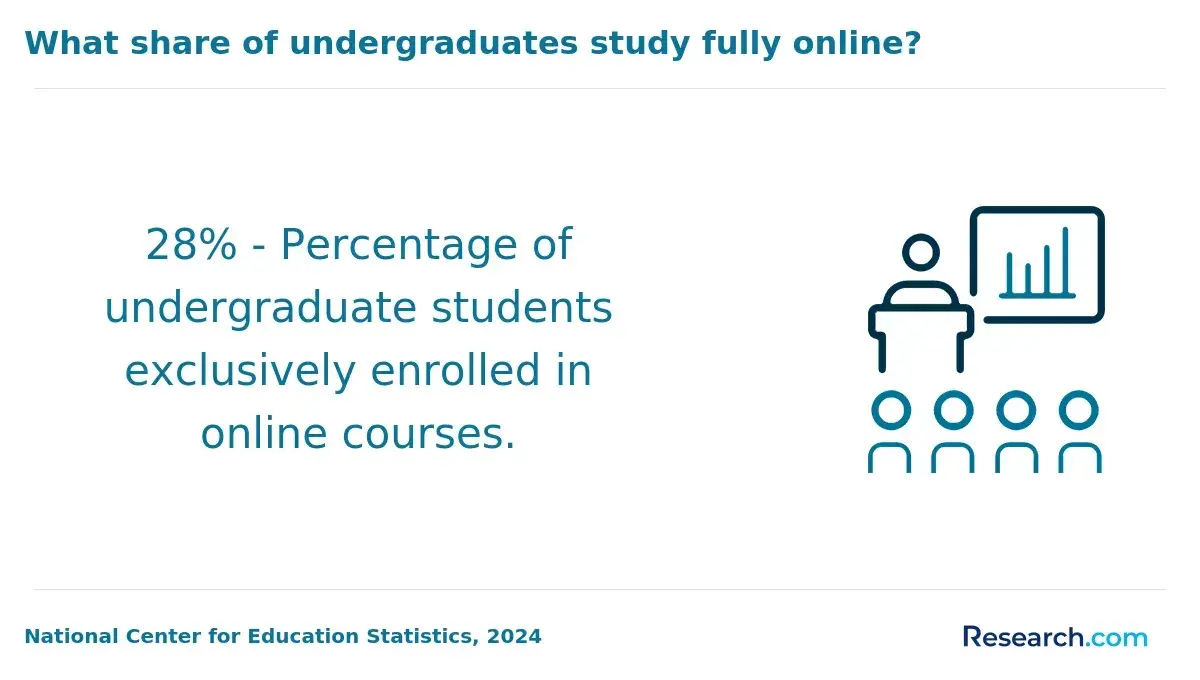
Technology and online learning skills form the backbone of success for working adults at Arcadia University. Reliable hardware and strong digital literacy are essential, but these alone do not guarantee smooth navigation through online programs. Balancing complex schedules at work and home requires disciplined time management and proactive troubleshooting abilities. A recent study notes that 37.4% of working adult students are enrolled exclusively online, illustrating that institutions must prioritize accessible technology and learner support to prevent disengagement.
For example, a nurse attending evening classes must not only have stable internet and a webcam but also master assignment submissions and synchronous communication tools to keep pace with coursework amid unpredictable shifts. Here are key technology requirements and learning skills critical for success.
- Reliable Hardware and Internet Access: Working adults need a computer with updated software plus stable broadband to avoid interruptions during lectures and exams. Investment in quality peripherals like a webcam and microphone ensures participation in live sessions. Regular maintenance routines help reduce technical failures that could threaten timely submissions and attendance.
- Digital Literacy Proficiency: Knowing how to navigate Arcadia University's Blackboard LMS is fundamental. Students improve this skill by exploring platform features early, attending orientation modules, and seeking technical support. Mastery here prevents delays caused by submission errors and enhances interaction with course content.
- Self-Regulated Time Management: Managing time independently becomes crucial without in-person class structure. Working adults benefit from creating study schedules that fit their alternating work hours and family obligations, ensuring steady progress toward assignments and exams.
- Effective Communication Skills: Online engagement relies on clear, timely exchanges with instructors and peers. Developing concise emailing and discussion board participation habits reduces misunderstandings and fosters academic support networks.
- Proactive Troubleshooting Capability: Immediate response to technology glitches prevents cascading delays. Learning basic troubleshooting steps or knowing when to access help can mean the difference between falling behind and maintaining pace.
- Adaptability to Multimedia Resources: Familiarity with streaming lectures, downloadable files, and interactive tools allows efficient consumption of varied academic materials. This skill supports flexible learning, accommodating working adults' irregular schedules.
- Personal Accountability and Motivation: Online success depends on an inner drive to complete tasks without external supervision. Building this mindset aids working adults in balancing distractions and sustaining focus throughout their program.
A recent Arcadia University graduate recalls how shifting from a paper-based workflow to digital-only coursework initially created a steep learning curve. "At first, juggling night shifts as a social worker with online classes felt overwhelming," she shared. "I hesitated before using Blackboard's video conferencing because I worried about internet glitches. But after relying on campus tech orientation and setting up a dedicated study corner with a new headset and laptop, I found I could participate confidently. That small tech investment and practicing LMS features on weekends made a tangible difference. It wasn't just about having the tools but learning how to integrate them smoothly with my unpredictable schedule."
Affordability is a critical concern for working adults considering further education while managing employment and household expenses. Balancing tuition, fees, and living costs requires access to flexible and cost-effective programs. Arcadia University presents a total cost of attendance around $61,240, but actual expenses vary widely based on course load and financial aid. Working adults must assess how flexible education options and transfer credit policies impact their out-of-pocket costs.
The following points outline key factors shaping the affordability of earning affordable online degrees for working adults at Arcadia University.
- Per-Credit Tuition Model: Arcadia charges tuition per credit for online learning, allowing students to tailor their course load around work schedules. This flexibility lets adults reduce semester costs by enrolling part-time during demanding periods, which aids in managing cash flow and time.
- Financial Aid Availability: Nearly 100% of students at Arcadia receive financial aid aligned with FAFSA, including grants and subsidized loans. These options significantly decrease direct expenses for adult learners, making distance education more attainable despite initial sticker prices.
- Limited Institutional Scholarships Transparency: Public data offers little detail on Arcadia's scholarships or employer tuition reimbursements. Given that nationwide about 59% of working adults rely on employer assistance, confirming these benefits beforehand is crucial to avoid unforeseen financial burdens.
- Transfer Credit Acceptance: Leveraging prior college credits can cut degree completion time and costs substantially. Studies show online learners often save 15-20% through transfer credit policies and online course formats, which directly lowers total educational expenses.
- Flexible Scheduling Benefits: The ability to customize semesters supports steady progress without sacrificing employment. This balance is practical for adults sustaining full-time or part-time roles, reducing the risk of lost income while studying.
- Cost-Effective Pennsylvania Options: For residents seeking cost-effective flexible education options in Pennsylvania at Arcadia University, the mix of online offerings and transfer policies improves access to higher education without relocating or quitting work.
- Application Fee Considerations: Prospective students should note some institutions waive application fees, reducing upfront cost barriers. Research on free application online colleges may identify alternatives that further ease budget constraints when applying to online programs.
Balancing higher education with ongoing employment, family responsibilities, and personal commitments presents significant challenges for working adults at Arcadia University. Time constraints shrink available study hours, often forcing adult learners to choose between competing priorities. These pressures can erode motivation and create obstacles to consistent academic engagement.
For example, a working parent juggling night classes and childcare may struggle to meet deadlines without strong time management strategies. Working adults must also navigate transitioning back into academic routines after years away, which can slow progress despite flexible scheduling options. Below are key challenges encountered while pursuing degrees within Arcadia's flexible and online formats.
- Isolation in Online Settings: Many adult learners experience a sense of disconnection from peers in virtual formats. This reduces informal academic collaboration and peer support, which are crucial for motivation and resilience. Establishing scheduled virtual study groups can help mitigate this.
- Time Management Conflicts: Managing simultaneous work and study responsibilities often leads to missed deadlines or rushed assignments. Prioritizing task planning with calendar tools helps maintain steady progress under these pressures.
- Reacclimating to Academic Rigor: Returning students face a learning curve in rebuilding study habits and adjusting to new technologies. Incremental pacing of coursework and seeking academic coaching can ease this transition.
- Balancing Work and Study Challenges at Arcadia University: Job demands might conflict with live or synchronous components, forcing difficult scheduling decisions. Employers' growing recognition of flexible learning formats may enable negotiated work schedules.
- Transfer Credit Limitations: While transfer policies shorten degree timelines, they do not eliminate the cognitive and emotional adjustments required for new course material. Understanding degree requirements upfront reduces redundant work.
- Motivational Pressures: The need for self-directed learning demands high intrinsic motivation, which can fluctuate amid non-academic life stressors. Setting clear personal milestones supports sustained commitment.
- Family Responsibilities Impact: Caregiving obligations siphon time and energy away from studies, risking academic delays. Engaging family in planning and seeking institutional support resources strengthens learners' stability.
National data show that 61% of adult learners report feeling disconnected from classmates in digital formats, underscoring the commonality of isolation issues and their downstream effect on persistence and completion rates. Prospective students should assess their ability to manage these challenges realistically before enrolling. Working adults exploring the best online colleges with weekly start dates like Arcadia University must weigh how their support systems and self-discipline align with the demands of this learning model.
Working adults must evaluate online schools based on more than reputation. Practical aspects like tuition cost, credit transfer policies, and scheduling flexibility often matter more for balancing education with job and family commitments. A realistic comparison should address how outcomes align with personal and financial goals. For instance, a nurse returning to school may benefit significantly from transfer credits and flexible counseling services to avoid program delays.
Consider these key factors when comparing Arcadia University with similar online institutions.
- Return on Investment Realities: Arcadia's median alumni salary of $58,336 and an earnings-to-debt ratio of 2.16x indicate moderate financial returns relative to its $61,240 total cost. Working adults should assess whether expected post-graduation earnings justify the investment, especially when other online programs may offer better ROI or lower debt burdens.
- Structured Support for Adult Learners: Arcadia provides dedicated success advisors and career counseling tailored to the unique challenges of balancing work and study. This support network helps reduce dropout risk and improves academic progress. Prospective students should evaluate whether these services align with their learning style and career transition needs.
- Flexible Scheduling and Coursework: The university's online format accommodates variable work hours, important for those with unpredictable job shifts. Flexibility in course pacing can prevent conflicts between education and employment but may extend time to degree, a tradeoff adult learners need to consider based on their urgency to graduate.
- Transfer Credit Acceptance Efficiency: Arcadia ranks in the top 30% nationally for transfer credit acceptance among online schools, which aids in shortening time-to-degree and avoiding redundant courses. Adults with prior college experience can significantly benefit if they verify how many credits their previous coursework will count toward their desired program.
- Tuition Competitiveness and Financial Aid: Although Arcadia offers solid support, some peer institutions charge lower tuition or provide more substantial aid packages. Working adults should carefully compare net costs and funding options, as even modest tuition differences can impact affordability over multiple semesters.
- Graduation and Retention Outcomes: Some competing online schools report higher graduation rates or retention among working adult cohorts, which can reflect program design and student engagement. Prospective students might weigh these data alongside support resources and schedule flexibility to estimate their likelihood of completing the degree on time.
- Alignment with Career Path Demands: Employers increasingly value practical skills and timely credentials. Arcadia's offering includes support to navigate career transitions, but adults must critically assess whether the programs align with the specific workforce demands they face, especially in fields requiring state licensure or continuing education.
Arcadia University's online format and flexible scheduling cater specifically to working adults needing to balance education with existing commitments. This setup enables skill development or career shifts without requiring physical presence, which can accelerate entry or advancement in industries open to remote credentials. For example, a mid-career professional seeking to transition into Health and Medical Administrative Services could complete a relevant degree while maintaining employment, leveraging Arcadia's online resources to gain applicable knowledge without time lost to commuting or rigid class times.
The practical value of an Arcadia degree varies notably across industries and specific career goals. The median salary for graduates differs widely by program, with Health and Medical Administrative Services graduates earning $38,830 and Psychology graduates around $22,531. Employer expectations and licensure requirements in fields like healthcare or business influence how the degree is perceived. Career services and networking help, though employer recognition can be uneven; business-related disciplines such as International Business, offering a median salary near $44,105, tend to hold stronger marketplace relevance than some liberal arts options. Awareness of this variability is crucial for candidates weighing financial and professional returns on investment.
Compared to other online colleges, Arcadia offers competitive career support including virtual career fairs and access to corporate partnerships, which can be decisive for gaining meaningful employment. However, national data shows about 73% of fully online graduates find employment or further education within six months, indicating a competitive environment for online credentials. Prospective students must judge if Arcadia's offerings-flexible learning, credit transfer policies, tailored career services-match their industry's hiring standards and personal ambitions. Those in sectors demanding in-person licensure or highly recognized programs might find alternatives more aligned with long-term career progression.
In practical terms, an individual targeting a career in administrative healthcare might benefit from Arcadia's focused programs and flexible format, while someone aiming for advanced scientific research may encounter limitations in both earning potential and employer perception. Evaluating Arcadia University's degree relevance against specific career trajectories and local employer demands ensures a deliberate choice, rather than assuming flexibility alone satisfies professional objectives or financial return expectations.
What Graduates Say About Arcadia University's Flexible Schedules, Transfer Credits, and Online Learning for Working Adults
- Genesis: "Balancing a full-time job while pursuing my degree at Arcadia University required careful planning, especially with the flexible scheduling options they offered. I appreciated how the transfer credit evaluation process was thorough but transparent, allowing me to strategically decide which credits to move over and where to maintain a manageable course load. Although I could have accelerated my graduation by pushing more transfer credits, I chose a steadier pace that fit my work commitments - this approach helped me avoid burnout and stay focused, ultimately resulting in a promotion shortly after I graduated."
- Precious: "My experience with Arcadia University's online learning format was integral to completing my degree while juggling family responsibilities. The transfer credit process was a bit daunting at first; I had to gather transcripts and correspond frequently with advisors to ensure everything transferred correctly. However, the flexibility of course offerings allowed me to adjust my schedule each term, making it possible to extend my graduation timeline when work demanded extra hours. After finishing, I found that employers valued my ability to navigate these complexities, which gave me confidence in pursuing leadership roles."
- Samira: "When I enrolled at Arcadia University, my priority was to expedite degree completion by maximizing transfer credits, but the scheduling constraints sometimes made it tricky to fit required courses in the terms I planned. The online courses offered much-needed flexibility, but coordinating with the transfer credit evaluation meant I had to stay organized and often communicate proactively to avoid delays. Even though my graduation took a bit longer than anticipated due to some course availability challenges, the skills I developed managing this process directly impacted my career growth and ability to take on project management positions."
Other Things You Should Know About Arcadia University Degrees
In 2027, students need a reliable internet connection, a computer with at least 8GB RAM, and an updated operating system to access Arcadia University's online courses. Arcadia also recommends using Chrome or Firefox browsers for optimal performance in their virtual learning environment.
Many Arcadia University online courses are delivered asynchronously, so working adults can complete readings, discussions, and assignments on a flexible schedule. Some programs still include live sessions, practicum hours, or fixed deadlines, so students should check each course syllabus before enrolling.
Arcadia University provides various support services for working adults, including online academic advising, career counseling, and technical support to assist with digital learning platforms. Additionally, there are writing and tutoring services available to ensure students succeed in their coursework.
- Transfer Equivalency Tool https://arcadia-transfer-equiv.com/transfer-equivalency-home.html
- Credit for Prior Learning https://www.commonwealthu.edu/academics/workforce-development/credit-for-prior-learning
- Manage Complex Academic Scheduling and Hybrid Programs with Ease https://blog.teamup.com/manage-complex-academic-scheduling-and-hybrid-programs-with-ease/
- What kind of laptop should I purchase? https://hub.acadiau.ca/TDClient/KB/ArticleDet
- Arcadia University Launches Online Bachelor of Arts in Business Administration Degree Completion Program https://www.prnewswire.com/news-releases/arcadia-university-launches-online-bachelor-of-arts-in-business-administration-degree-completion-program-302590151.html
- Everything You Wanted to Know About Degree Completion Programs for Adults https://explore.neumann.edu/everything-you-wanted-to-know-about-degree-completion-programs-for-adults
- What Are The Technical Requirements For eConcordia Courses? https://help.econcordia.com/hc/en-us/articles/8003395463963-What-Are-The-Technical-Requirements-For-eConcordia-Courses
- Arcadia University Transfer Credit https://www.straighterline.com/colleges/arcadia-university/
- Arcadia College https://www.arcadia.qld.edu.au/
- Library Reference Desk https://arcadia.libcal.com/