2027 Auburn University at Montgomery Tuition for Online Degrees: Cost Per Credit, Fees, and Total Price

Co-Founder and Chief Data Scientist
Rising tuition costs increasingly shape students' decisions about online degree programs. For those considering Auburn University at Montgomery, knowing the detailed cost per credit and associated fees is crucial before committing. A 2024 survey found that average tuition for online undergraduate programs nationwide has grown by 5% annually, outpacing inflation. This trend signals potential financial strain if students do not carefully evaluate the true expenses beyond sticker prices.
Understanding Auburn University at Montgomery's tuition structure, mandatory fees, and total costs allows prospective students to weigh investment against expected outcomes. This article breaks down the pricing components and offers context to help clarify whether attending Auburn University at Montgomery online fits the financial and career realities of today's learners.
Key Points About the Cost of Attending Online Programs at Auburn University at Montgomery
- The total tuition cost for completing an online program at Auburn University at Montgomery is $31,154, representing a significant financial commitment that must be balanced against projected income in chosen fields.
- Graduates earn 1.78 times their debt amount, indicating a moderate return that advises caution in borrowing and highlights the need for strategic debt management.
- Almost all students (99%) receive financial aid, with undergraduate aid averaging $8,071, which substantially reduces net costs and affects long-term debt sustainability.
How much is the tuition for online programs at Auburn University at Montgomery?
The tuition for online programs at Auburn University at Montgomery averages $9,436 for base tuition and fees, excluding books, room, and board. This figure is well below the total in-state on-campus cost of attendance, which includes housing and other expenses totaling $21,873. The broader annual cost, accounting for all typical needs, approaches $31,154. Such distinctions matter when budgeting for an online degree.
Online tuition cost at Auburn University at Montgomery remains competitive compared to the national average of $12,000 to $15,000 for online undergraduate programs. However, these rates vary by program, and students must consider what is covered. AUM's base tuition incorporates mandatory fees but leaves out various ancillary expenses, which can add up over time. This makes understanding the full cost structure essential before enrollment.
Research indicates over 60% of online students juggle work and study, underscoring the practical need for affordable and transparent pricing. For example, a working adult pursuing an AUM online degree may find the balance between tuition costs and flexible course scheduling critical. Students seeking cost-effective options may also explore 6 week courses that can reduce time to completion and total expenses.
Auburn University at Montgomery online degree pricing reflects trade-offs between initial affordability and the eventual outcomes tied to program quality and labor market relevance. Prospective students should evaluate these costs against career prospects and debt potential, ensuring their investment aligns with long-term financial and occupational goals.
How does online tuition at Auburn University at Montgomery compare to on-site program costs?
Online tuition costs at Auburn University at Montgomery generally total about $31,154, with an additional tuition fee of $9,436. On-campus tuition tends to have a similar base price, but students face extra expenses such as facility or lab fees that are often waived for online learners. This means cost differences arise primarily from these variable fees linked to delivery mode.
A comparison of Auburn University at Montgomery online and on-site program expenses shows that online students may pay distinct technology or distance learning fees not typically charged on campus. Nationwide data from the National Center for Education Statistics reveals online programs charge around 15% more in ancillary fees compared to traditional ones, a factor which narrows the anticipated savings for virtual students.
For example, a working professional opting for an online degree may save on commuting and campus housing yet must budget for technology fees. Given employer emphasis on skills over delivery format, such an investment makes practical sense if career goals align. Prospective students must weigh these nuanced cost structures when assessing the total price and value of their degree.
Those investigating what online college gives the most financial aid might also consider how these fees affect net costs. Understanding the online tuition costs at Auburn University at Montgomery vs on-campus fees is essential to making an informed decision that balances practical realities with desired educational outcomes.
How does enrollment status affect the cost of attendance at Auburn University at Montgomery?
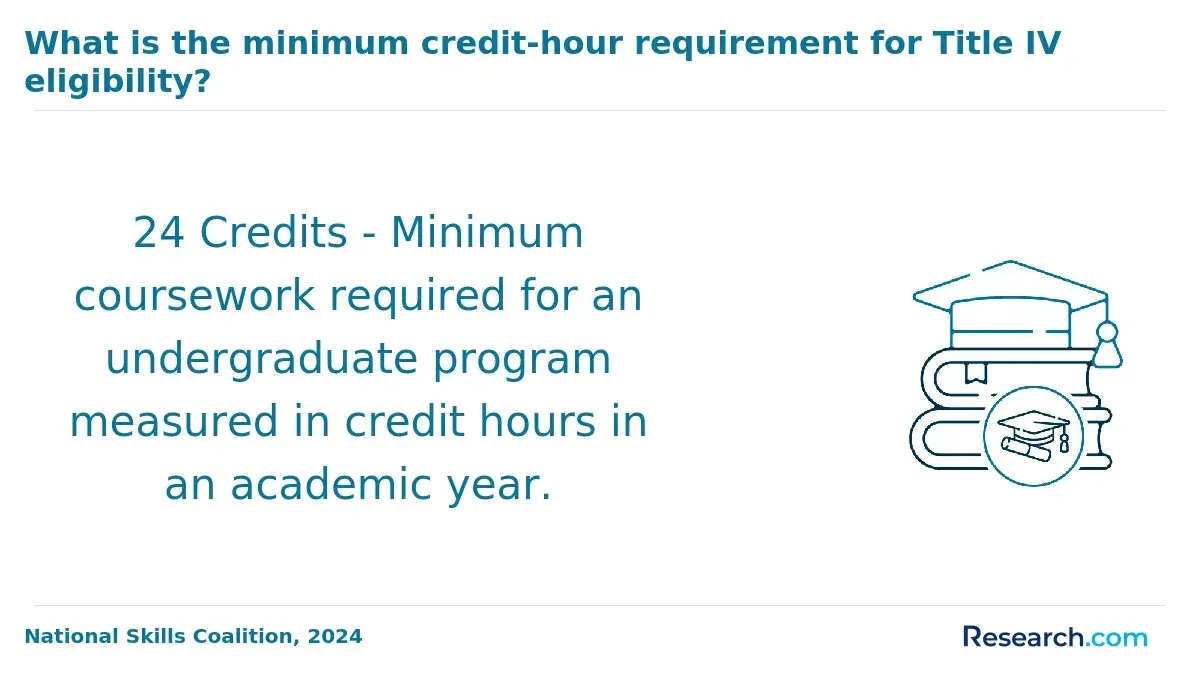
Enrollment status at Auburn University at Montgomery directly impacts total educational expenses, especially in tuition cost and study duration. Full-time students face a tuition charge of $31,154, which includes $9,436 in tuition fees. Part-time students pay per credit, creating variable expenses but often extending the time spent in school.
Although Auburn University at Montgomery maintains a consistent payment schedule for full- and part-time students, the cumulative costs differ. Part-time study can lengthen degree completion, increasing overall tuition and fees paid over time. A student balancing work and school part-time may save short-term but risk higher long-term expenses due to prolonged enrollment.
National data shows part-time students often pay higher per-credit costs and encounter more financial hurdles than full-timers. According to a recent 2024 research, less than 40% of part-time students complete their degrees within six years, contributing to increased financial strain and lost workforce earnings compared to full-timers.
This means full-time enrollment at Auburn University at Montgomery offers predictable costs and quicker graduation, benefiting students aiming to minimize total expenses and time investment. Part-time status offers flexibility but can result in greater long-term financial and career impacts due to delayed degree completion and cumulative costs.
What is the application fee for undergraduate and graduate programs at Auburn University at Montgomery?
Application fees for Auburn University at Montgomery's online programs create an initial financial hurdle, costing $25 for undergraduate and $30 for graduate applicants. This upfront, nonrefundable expense can accumulate quickly for those applying to multiple programs, impacting candidates who already face economic challenges.
Additional expenses may include program-specific documentation fees or testing costs required by certain departments. Prospective students must factor these into their admission budgets. Considering that 41% of applicants nationwide encounter financial barriers during admissions, these seemingly small fees can discourage qualified but economically disadvantaged candidates from pursuing degrees online at Auburn University at Montgomery.
The university maintains a solid regional reputation for accessible education and workforce alignment, making these application fees part of a broader investment in skill development. However, applicants should weigh these costs against potential outcomes, such as employability in relevant fields, to ensure value beyond initial payments. Practical decision-making involves evaluating Auburn University at Montgomery's program relevance alongside admission expenses and possible financial aid.
How much will you spend on books and supplies at Auburn University at Montgomery?
Students pursuing online degrees at Auburn University at Montgomery should plan on spending about $1,500 for books and supplies. This estimate reflects typical needs for textbooks, digital content, and essential materials, but costs vary significantly across programs. STEM students, for instance, often face higher expenses due to specialized software and lab equipment requirements.
Unlike some humanities or social sciences degrees that rely on fewer costly resources, technical fields demand investment in up-to-date tools. With textbook prices rising more than 88% over the last two decades nationally, this growth adds a notable dimension to the total cost of education and impacts budget planning for many students, especially those balancing work and study.
Budgeting for supplies means anticipating fluctuating costs related to course demands and material choice. Purchasing used books, accessing digital versions, or renting materials can reduce expenses without sacrificing academic quality. Additionally, connecting with instructors about recommended resources early can clarify needs and avoid unnecessary spending.
Exploring campus or online library resources, joining student groups that circulate materials, or relying on open educational resources also help contain costs. Being proactive in sourcing affordable materials supports better financial management while maintaining necessary academic standards.
One Auburn University at Montgomery online graduate recalled feeling uncertain about material costs during enrollment. "I initially underestimated how often I'd need specific software licenses for my courses," she said. "After consulting with instructors and fellow students, I found rental options and shared resources that eased the financial pressure. It was a relief to avoid overspending while still having everything required to succeed."
What out-of-pocket expenses should Auburn University at Montgomery online students prepare for?
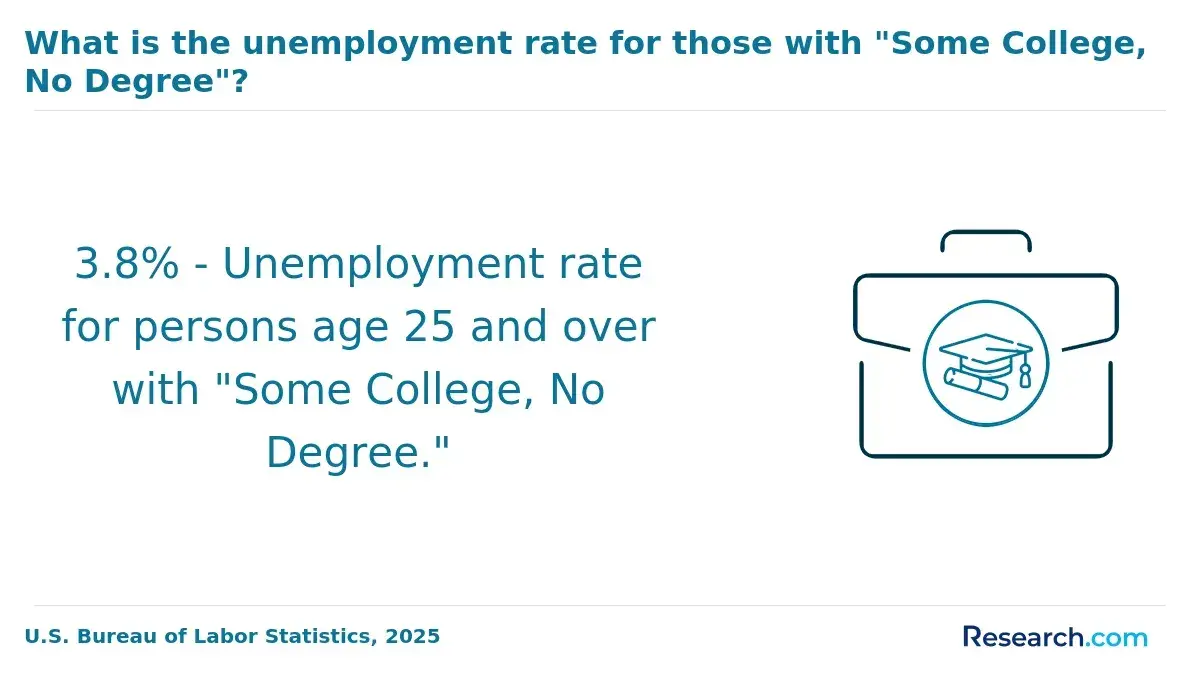
Beyond tuition, books, and basic school supplies, Auburn University at Montgomery online students face distinct out-of-pocket expenses critical to successful course completion. These costs reflect necessary investments in technology and connectivity that ensure access to coursework and timely participation. For example, a working adult balancing a full-time job and family might find a reliable internet connection and suitable computing equipment essential but costly, impacting their budget beyond tuition fees. Such expenses influence both affordability and academic performance, especially for programs requiring specialized software or consistent online engagement.
The main out-of-pocket expenses to prepare for include:
- Reliable High-Speed Internet: Essential for streaming lectures, downloading materials, and participating in live discussions, monthly internet costs range from $50 to $100 depending on location and service quality.
- Computer or Laptop: A device capable of running academic software and handling coursework is necessary. Mid-range computers suitable for this purpose start around $600.
- Software Subscriptions: Students may need to subscribe to programs like Microsoft Office or specialized applications relevant to their field, adding $70 to $150 annually.
According to the National Center for Education Statistics, 37% of online students identify technology costs as a major barrier to completing their education. This confirms how these expenses shift financial burdens compared to on-site learners. On-campus students often use university computer labs and receive software licenses, reducing personal spending. Online students at Auburn University at Montgomery, however, must bear a heavier load securing their own equipment and connectivity, which is essential to meeting academic deadlines and maintaining employability in technology-driven fields.
What institutional factors drive the overall price of an Auburn University at Montgomery online degree?
Several institutional factors determine the overall price of an online degree at Auburn University at Montgomery beyond the stated $31,154 total tuition. Understanding these factors clarifies why costs are structured as they are and helps students assess value relative to their goals.
Below are five key drivers that shape the Auburn University at Montgomery online tuition structure.
- Staffing Levels: Auburn University at Montgomery employs 798 staff members, including 365 faculty split between 260 full-time and 105 part-time positions. Such a substantial workforce enables diverse course offerings and personalized academic support but increases operational expenses reflected in tuition costs.
- Enrollment Size: Serving 5,189 students creates a moderate scale that balances individualized attention with administrative efficiencies. This enrollment level influences overhead costs and tuition pricing through economies of scale or the lack thereof.
- Admission Selectivity: Admission at AUM is noncompetitive, emphasizing accessibility rather than exclusivity. This approach limits tuition premiums typically justified by higher selectivity or institutional prestige but supports serving a wider demographic, including working adults and transfer students.
- Regional Focus and Reputation: The university's localized emphasis and practical approach to education tend to keep tuition aligned with regional market realities rather than inflated by national or global prestige factors.
- Rising Online Demand and Technological Investment: National online student demand increased 15% recently, pushing institutions to invest more in technology and student services. These necessary enhancements raise costs but also improve the quality of virtual learning environments, affecting tuition rates.
Prospective students evaluating Auburn University at Montgomery online degree costs should weigh these factors carefully. For example, a working adult prioritizing flexible scheduling and practical coursework might find the pricing appropriate given the noncompetitive admissions and focused support. To explore additional accessible pathways, students may consider recommendations for easiest online degrees that match their goals.
How can you lower the cost of attendance at Auburn University at Montgomery?
Online degrees represent a significant financial commitment, often accompanied by rising higher education costs in the US. However, students pursuing an online degree at Auburn University at Montgomery can lower their cost of attendance through multiple targeted strategies.
The following list outlines practical options to reduce expenses while managing degree timelines and career readiness.
- Utilize Transfer Agreements: Auburn University at Montgomery partners with the Alabama Community College System, allowing students to transfer credits earned at community colleges. This option particularly benefits students who begin their education at lower-cost institutions and seek to avoid repeating general education courses at AUM, ultimately lowering overall tuition.
- Leverage Military Benefits: Military-affiliated students should explore programs like the Post-9/11 GI Bill and the Yellow Ribbon Program. These benefits can cover substantial tuition costs and fees, although eligibility and coverage vary, so early consultation with AUM's veteran services is advisable to maximize advantages.
- Explore Employer Tuition Reimbursement: Regional employers often offer tuition reimbursement agreements that online students can use. This approach works best for those currently employed and should be considered as part of employment negotiations or career development plans to offset tuition expenses effectively.
- Earn Alternative Credit: CLEP exams and portfolio assessments offer alternative credit opportunities to validate prior learning. Students with relevant experience or prior knowledge can bypass select courses, reducing both credit hours and tuition. This acceleration can decrease cumulative student debt and time spent enrolled.
- Research Scholarships and Grants: Auburn University at Montgomery online students should investigate scholarship and grant options specifically available for their cohort. These awards vary in criteria but can provide direct tuition reduction or cover fees, making them critical financial resources to pursue early in the enrollment process.
According to data from the National Center for Education Statistics, over 40% of undergraduate students enrolled exclusively online reported lower overall education costs compared to traditional settings. This often results from reduced fees and flexible schedules but requires balancing with employer perceptions and networking limitations tied to online degrees.
Prospective students considering how to reduce Auburn University at Montgomery online tuition should also examine these factors. Opportunities like online colleges free application policies may contribute to further reducing upfront expenses in the admission phase.
How can transfer credits reduce the overall cost of a degree at Auburn University at Montgomery?
Transfer credits at Auburn University at Montgomery typically include coursework from accredited institutions and accepted standardized exams such as CLEP, DSST, and Dantes. They also evaluate professional and experiential learning, reflecting a practical approach that can substantially lower time and tuition costs for online students.
Students must submit official transcripts and test scores for evaluation before enrolling in any term. Careful credit transfer can reduce required courses, cutting tuition expenses and accelerating degree completion. For example, a working professional with prior credits and certifications could finish a degree faster, avoiding the cost of retaking similar foundational classes.
A 2024 National Center for Education Statistics report noted nearly 45% of undergraduates use credit transfer or prior learning assessments, underscoring the widespread impact on managing student debt and speeding workforce entry. This trend highlights how strategic credit acceptance uniquely benefits cost-conscious online learners at Auburn University at Montgomery.
However, credit transfer outcomes vary based on the accreditation of prior institutions and the relevance of credits. Individual evaluation policies can lead to different credit acceptance, so students must confirm details to assess potential savings accurately.
One graduate recalled hesitating to apply previously earned credits but found that submitting CLEP exam results and past college transcripts cut her online program by nearly a semester. That reduction eased financial pressure and allowed her to complete the degree while continuing full-time work, making the investment more manageable than initially feared.
How many online students receive financial aid at Auburn University at Montgomery?
Nearly 99% of online students receive financial aid at Auburn University at Montgomery, illustrating strong institutional support for managing education costs. The average undergraduate aid amount is $8,071, which can notably reduce tuition expenses. For example, a student balancing work and study might rely heavily on these funds to maintain enrollment without accruing excessive debt. Online students benefit from a range of scholarships and grants designed to ease financial burdens.
Below are prominent financial aid programs available to these learners.
- AUM Foundation Scholarships: Awarded based on academic merit and community involvement, these scholarships can cover partial to full tuition costs, encouraging high achievement.
- Merit-Based Awards: Focused on academic performance, these awards help attract and retain motivated students, typically covering significant portions of tuition fees.
- Need-Based Grants: Designed for students demonstrating financial need, these grants provide essential support that can range from partial tuition assistance to full remission.
- Military and Veterans Benefits: Offered to eligible service members and veterans, these programs often cover full tuition and fees, recognizing their service and easing access to education.
- Departmental Scholarships: Available through specific academic departments, these scholarships support students excelling in particular fields, with coverage varying widely depending on department resources.
Financial assistance rates for Auburn University at Montgomery online learners reflect the institution's commitment to accessibility, yet prospective students should still anticipate budgeting for additional costs. With over 60% of undergraduates nationwide graduating with debt averaging $30,000 according to a recent National Center for Education Statistics study, maximizing aid remains pivotal.
For those seeking advanced credentials, exploring doctoral programs online no dissertation options may present alternative pathways that reduce financial and time burdens associated with traditional doctoral routes.
What Graduates Say About the Cost of Studying at Auburn University at Montgomery
- Mason: "Studying the online MBA program at Auburn University at Montgomery allowed me to balance a full-time job while advancing my education without the hassle of commuting or housing costs. Although there were some unexpected fees related to the digital platform, I found the overall tuition to be more manageable than traditional programs. In the long run, the degree did help me secure a promotion and salary increase, which made the investment worthwhile from a practical career standpoint."
- Armando: "Enrolling in Auburn University at Montgomery's online computer science program was a strategic decision driven by flexibility and cost efficiency. The sticker price seemed steep initially, especially considering the additional technology fees, but avoiding the overhead of living near campus saved me considerably. Reflecting on my current role in software development, the program's convenience and industry-relevant curriculum genuinely accelerated my workforce entry and offset the expenses."
- Tyrone: "Choosing Auburn University at Montgomery's online degree came down to accessibility and timing rather than just tuition rates. Managing costs alongside my family's needs was tricky since some hidden expenses around digital materials caught me off guard. Nonetheless, the degree provided solid credentials that opened doors, although the financial payoff felt gradual rather than immediate, making it a cautious but ultimately valuable investment in my professional path."
Other Things You Should Know About Auburn University at Montgomery Degrees
Yes, besides tuition, online students at Auburn University at Montgomery face mandatory fees such as technology and course access fees that are typically charged per credit hour. These fees may seem modest individually but accumulate across semesters, meaning students should factor them into their total education budget. Ignoring these fees can result in unexpected costs that affect affordability, so prospective students should request a detailed fee breakdown early in their planning process.
Prospective online students at Auburn University at Montgomery should check with their employers to see if they offer tuition reimbursement programs that could offset costs. Additionally, understanding relevant tax benefits for educational expenses may further reduce the financial burden, making education more affordable.
Online programs at Auburn University at Montgomery are designed with flexibility but can require a substantial time investment per course, impacting working professionals' capacity to maintain full-time employment. This tradeoff means the real "cost" includes lost income potential or increased stress, not just tuition paid. For many, the recommendation is to map out their work and study balance carefully, choosing a manageable pace that avoids burnout while securing degree benefits aligned with career advancement.
References
- Auburn University at Montgomery Tuition and Financial Aid https://www.prepscholar.com/sat/s/colleges/Auburn-University-at-Montgomery-tuition-financial-aid
- Auburn University at Montgomery | Meadow Net Price Calculator https://app.meadowfi.com/aum
- Auburn University at Montgomery https://www.mymajors.com/college/al/auburn-university-at-montgomery/tuition/
- Auburn University at Montgomery ROI & Earnings https://collegeroi.org/roi/college/auburn-university-at-montgomery/
- Auburn University at Montgomery - Cost & Financial Aid https://www.meetyourclass.com/aum/cost
- Auburn University at Montgomery https://alabamatransfers.com/universities/aum
- Auburn University raising tuition 3% for 2024-25 school year: How much more students will pay https://www.al.com/news/2023/08/auburn-university-raising-tuition-3-for-2024-25-school-year-how-much-more-students-will-pay.html
- Auburn University of Montgomery Online MHA Program https://www.mhaonline.com/school-profiles/aum-mha
- Undergraduate Transfer Credit Policy https://auburnpub.cfmnetwork.com/B.aspx
- Auburn University Board of Trustees raises tuition 3% for 2025-26 school year | Alabama Reflector https://alabamareflector.com/2024/09/06/auburn-university-board-of-trustees-raises-tuition-3-for-2025-26-school-year/