2027 Is Johns Hopkins University's Online MS in Environmental Sciences and Policy - Environmental Justice and Equity Worth It? What Students Should Know

Co-Founder and Chief Data Scientist
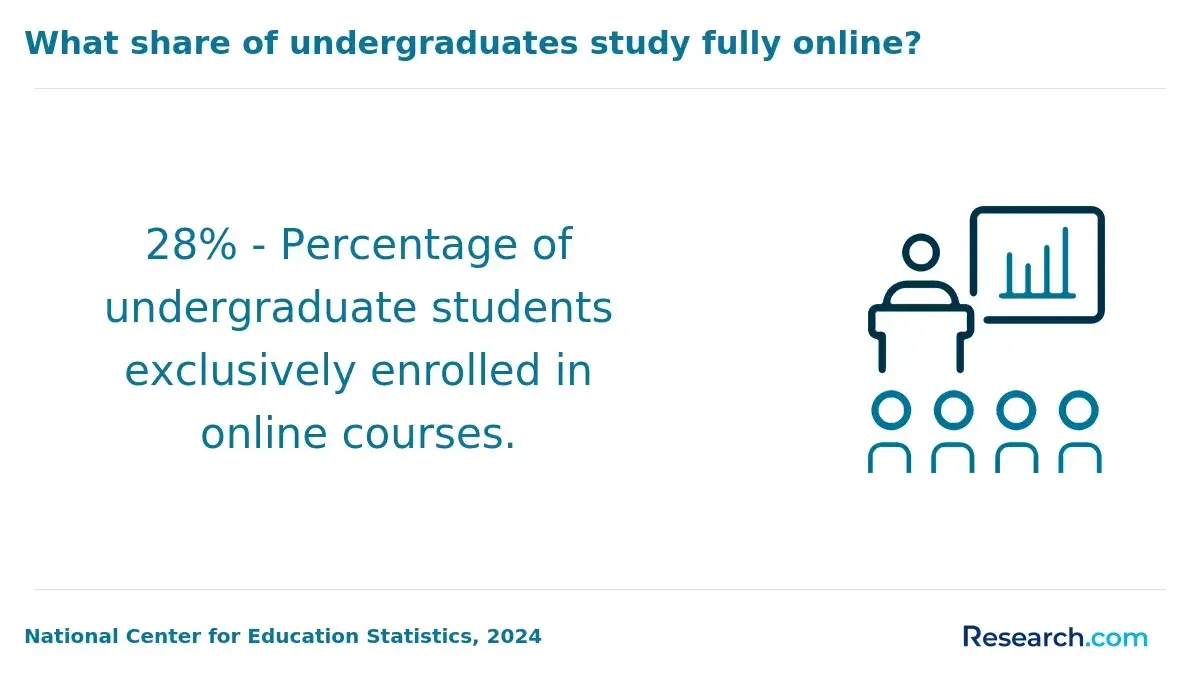
Choosing an online MS in Environmental Sciences and Policy - Environmental Justice and Equity program demands weighing access, curriculum relevance, and career outcomes. With online graduate enrollment rising by over 7% according to the National Center for Education Statistics, students face a growing array of virtual options but must discern which deliver practical skills for advancing environmental justice careers.
For those targeting policy influence or community advocacy, program alignment with real-world applications and recognized credentials is critical. This article evaluates whether the Johns Hopkins University offering meets these criteria and helps prospective students determine its fit with their academic goals and professional ambitions.
Key Points About Johns Hopkins University's Online MS in Environmental Sciences and Policy - Environmental Justice and Equity Program
- Johns Hopkins University's online MS in Environmental Sciences and Policy - Environmental Justice and Equity has an acceptance rate of 8%, indicating a competitive admission process that may limit access for some applicants.
- The program's total tuition is $80,778, presenting a significant financial investment balanced by a median alumni salary of $87,555 and an earnings to debt ratio of 8.54x, suggesting strong post-graduate financial outcomes.
- Alumni often secure roles in environmental and policy sectors focused on justice and equity, reflecting the university's influence and employer recognition in these specialized fields.
What makes Johns Hopkins University's online MS in Environmental Sciences and Policy - Environmental Justice and Equity program stand out?
The online MS in Environmental Sciences and Policy - Environmental Justice and Equity at Johns Hopkins University distinguishes itself through a focused integration of social justice with environmental science, a distinction that aligns well with employers seeking candidates who understand both policy and community impacts.
For professionals balancing work and study, its fully online format offers crucial flexibility without sacrificing rigor, easing ongoing career commitments while maintaining academic intensity. This balance can determine whether students manage to complete the degree on time, which remains a key metric for hiring managers evaluating graduate reliability.
Unlike more generalized environmental degrees, this program emphasizes applied learning via case studies and policy analysis rooted in equity frameworks-a practical advantage for graduates aiming at roles in public policy or nonprofit advocacy.
The program's connection to extensive faculty expertise and institutional research resources, supported by a faculty of 1646 and a 95% average graduation rate, enhances credibility with employers who prioritize advanced analytical skills and experiential knowledge. These factors make it a compelling option for students whose career goals specifically require navigating the intersection of environmental challenges and social justice rather than purely scientific or technical approaches.
Is it difficult to get admitted to Johns Hopkins University's online MS in Environmental Sciences and Policy - Environmental Justice and Equity program?
Admission to a master's program in environmental sciences and policy with a focus on environmental justice is often competitive due to the growing demand for expertise in addressing systemic environmental disparities. Most programs expect strong academic backgrounds and relevant experience, but they generally do not filter applicants as stringently as Johns Hopkins University's specialized offering.
The online MS in Environmental Sciences and Policy - Environmental Justice and Equity at Johns Hopkins accepts only about 8% of applicants, admitting 2,943 out of nearly 39,000 annually. This level of selectivity surpasses typical graduate programs in this field, reflecting a high bar for academic achievement and relevant credentials amid a nationwide applicant pool. As a result, securing admission requires not only meeting rigorous academic standards but also distinguishing oneself among thousands of competitive candidates.
Standardized test scores for admitted students at Johns Hopkins tend to be near the top of the percentile range, with SAT verbal scores between 750 and 780, math scores from 780 to 800, and ACT composites of 34 to 36 illustrating the caliber of applicants even at the undergraduate level. Graduate admissions place additional emphasis on prior coursework, research, and professional experience, which collectively heighten the program's entry difficulty.
Reflecting on my application cycle, I remember submitting my materials just before the deadline while juggling a full-time job. The months-long wait for a decision was palpable, fueling uncertainty about whether my academic record and professional background would be enough. When the acceptance finally came, it felt like a rare achievement because competing with tens of thousands of applicants made the odds feel daunting throughout the process.
How does the curriculum of Johns Hopkins University's online MS in Environmental Sciences and Policy - Environmental Justice and Equity program stay aligned with current industry trends?
Curriculum alignment with industry standards is essential for programs like Johns Hopkins University's online MS in Environmental Sciences and Policy - Environmental Justice and Equity, given the evolving demands around equity-focused environmental solutions. Graduates often face job roles requiring not just technical competence but also the capacity to navigate regulatory and social complexities, where theoretical knowledge alone is insufficient.
Choosing a program that integrates practical skills with an understanding of systemic inequities-particularly in environmental justice-can differentiate candidates in a competitive job market. The following factors illustrate how this program aligns with current trends in the United States.
- Interdisciplinary Focus: The curriculum blends scientific analysis, policy formulation, and social justice principles to address multifaceted environmental challenges. This reflects employer expectations for graduates capable of integrating diverse perspectives in environmental risk assessment and equity-driven policy development.
- Practical Application: Incorporating real-world case studies and applied projects ensures students develop hands-on skills in data interpretation and community engagement. Such experience is vital for roles involving complex stakeholder collaboration and advocacy, reinforcing the program's relevance to a workforce prioritizing actionable solutions over purely theoretical understanding.
- Environmental Justice Emphasis: A strong focus on disparities in environmental health and access equips graduates to respond to systemic inequities, an area increasingly prioritized in U.S. environmental policy frameworks. Mastery of this content aligns with current employer values emphasizing equity as part of sustainability initiatives.
The program's responsiveness to key trends in environmental sciences and policy-including the emphasis on environmental justice and equity program current trends in the United States-positions graduates to meet evolving sector priorities. Prospective students should weigh the benefits of this alignment against factors such as program cost and format flexibility, considering alternatives including cheap online colleges that accept FAFSA when budgeting for graduate education.
How much does Johns Hopkins University's online MS in Environmental Sciences and Policy - Environmental Justice and Equity program cost?
Tuition for the Johns Hopkins University online MS in Environmental Sciences and Policy - Environmental Justice and Equity program stands at $63,340 annually, excluding an additional $1,367 for books and supplies. When factoring in fees, housing, and living expenses, the overall cost approaches $80,778 per year. This high tuition level reflects the program's comprehensive curriculum and institutional prestige but represents a significant financial commitment that students must weigh against expected career benefits.
Unlike some institutions offering reduced rates or flat tuition for online learners, Johns Hopkins does not differentiate tuition based on enrollment mode or residency, applying these costs equally to on-campus and online students. Students eligible for financial aid can offset a portion of these costs; roughly 67% of undergraduates at Johns Hopkins receive aid averaging over $54,000, indicating institutional willingness to support access.
While direct graduate-specific financial aid data is limited, corporate tuition reimbursement programs and grants may further reduce net expenses, especially for professionals already employed in environmental or policy sectors. Prospective students should consider these funding avenues strategically to calibrate the out-of-pocket investment required by this program.
Compared to national averages, the cost of an MS in Environmental Sciences and Policy at Johns Hopkins is notably higher than many other programs, which often have more variable tuition scales depending on state residency or online delivery. This premium can be justified by specialized faculty expertise and networking opportunities but may not align with every student's budget or career trajectory.
Those evaluating how much Johns Hopkins University online environmental justice and equity tuition fees impact their financial planning should also review labor market data for environmental sciences roles. For students assessing whether to invest in this degree, consulting resources like highest-paying bachelor degrees can offer broader context on how educational costs compare to income prospects across environmental and policy disciplines.
What are the admission requirements for Johns Hopkins University's online MS in Environmental Sciences and Policy - Environmental Justice and Equity program?
Applicants to Johns Hopkins University's online MS in Environmental Sciences and Policy - Environmental Justice and Equity must navigate a selective admission process that prioritizes academic preparedness and language proficiency. This framework limits accessibility for candidates without strong secondary or equivalent academic records but ensures those admitted possess foundational skills necessary for the program's rigorous content.
Understanding specific requirements can clarify the tradeoffs involved in applying, especially for transfer students or nontraditional candidates. Below is a breakdown of the key admissions criteria relevant to prospective enrollees.
- Academic Background: Completion of high school or GED is mandatory, with official transcripts and a recommendation to have finished college-preparatory coursework to reinforce academic readiness.
- Standardized Testing: While the program does not require entrance exams, competitive SAT or ACT scores are commonly present among admitted students, reflecting the university's selective standards.
- Language Proficiency: International applicants must submit TOEFL scores to verify English language skills necessary to engage with advanced material effectively.
- Letters of Recommendation: Strong endorsements are required, signaling applicants' potential for graduate-level work and professional competence.
- Credit Transfer Policies: Transfer students can apply credits toward the degree but only for fall term entry, with particular limitations set by institutional guidelines on acceptable coursework and minimum grades.
What is the ROI of attending Johns Hopkins University's online MS in Environmental Sciences and Policy - Environmental Justice and Equity program?
Evaluating the return on investment for Johns Hopkins University's online MS in Environmental Sciences and Policy - Environmental Justice and Equity program requires balancing its high cost against consistent post-graduation earnings. With an annual cost near $80,778, this program aligns closely with the total expenses estimated for on-campus students, reflecting significant financial commitment upfront.
However, graduates report a median starting salary of $87,555, which remains stable a decade into their careers, indicating the program supports sustained income rather than a short-term boost. This earnings stability contrasts with the median student debt of $10,250, yielding an earnings-to-debt ratio above 8x, a relatively healthy indicator in environmental science fields.
For prospective students, securing scholarships or grants can notably improve this ROI by reducing initial debt burden. Yet, the value proposition also depends heavily on one's network access and ability to connect with prominent agencies and government institutions focused on environmental justice, where higher salaries and leadership roles are more attainable.
Longitudinal industry data suggests comparable graduates experience notable salary growth within five to ten years, underscoring the importance of considering long-term career trajectories alongside immediate financial outlay. The tradeoff between substantial upfront cost and career sustainability means candidates must realistically assess personal financial circumstances and job market positioning before committing.
Is there a high student satisfaction for Johns Hopkins University's online MS in Environmental Sciences and Policy - Environmental Justice and Equity program?
Student satisfaction with Johns Hopkins University's online MS in Environmental Sciences and Policy - Environmental Justice and Equity largely hinges on how well the program balances academic challenge with supportive infrastructure. Many remote learners benefit from the university's extensive faculty access and active online student organizations, which help replicate some of the community dynamics found on campus. This engagement can be crucial in offsetting the isolation that often accompanies graduate-level distance learning.
The program's demanding curriculum requires solid time management, but its flexible schedule supports students juggling professional and personal commitments. While the intensity may deter those seeking a less rigorous pace, those aiming to integrate deep subject expertise with practical policy application often find value here. The availability of mentoring and collaborative peer networks plays a significant role in sustaining motivation.
One student reflected on their experience balancing a full-time job and family responsibilities while enrolled remotely. They shared that the ability to connect directly with instructors and participate in student-led groups helped them maintain a sense of belonging and academic focus. Although initially hesitant about the workload, they felt relief knowing support mechanisms were in place, which ultimately shaped their satisfaction and successful completion of the program.
How does Johns Hopkins University help online MS in Environmental Sciences and Policy - Environmental Justice and Equity graduates secure employment?
Schools significantly influence graduates' employment outcomes, especially in specialized fields like environmental justice. For students completing an online MS in Environmental Sciences and Policy - Environmental Justice and Equity, leveraging institutional connections can be decisive amid competitive hiring landscapes.
Research shows 70% of environmental science graduates secure jobs through university-facilitated networks, highlighting the critical role of structured career support in this space. Given this backdrop, Johns Hopkins University's targeted resources aim to bridge academic preparation and workforce entry. Below are key ways the institution assists graduates in translating their credentials into employment opportunities:
- Virtual Career Events: The university organizes industry-specific career fairs and workshops focused on environmental policy roles, providing students with direct access to employers and practical skills in resume writing and interviewing tailored to this sector.
- Dedicated Job Portals: Johns Hopkins offers curated online job platforms listing positions that explicitly seek candidates with expertise in environmental justice and equity, streamlining the application process for relevant roles.
- Alumni Mentorship: An extensive global alumni network facilitates mentorship programs connecting current students with experienced graduates, enabling advice on sector challenges and leveraging insider referrals that can fast-track job placement.
The employment opportunities for graduates of Johns Hopkins University's online environmental justice program reflect an approach that fuses academic rigor with active career services, positioning students to navigate the evolving environmental sector more effectively. Students weighing this option might also compare it to other affordable online masters programs to evaluate both educational and economic investment returns, with resources like affordable online masters guiding comparisons.
What are the career outcomes for recent graduates of Johns Hopkins University's online MS in Environmental Sciences and Policy - Environmental Justice and Equity?
Graduates from Johns Hopkins University's online MS in Environmental Sciences and Policy - Environmental Justice and Equity face a labor market where interdisciplinary skills are vital but salary gains may initially lag behind fields like economics. Employers often prioritize candidates who not only understand environmental science but can also navigate policy frameworks and community dynamics, particularly when addressing disparities in environmental burdens.
The career outcomes illustrate a practical tradeoff: starting salaries align more with public health and interdisciplinary degrees, but mastery of equity-driven policy analysis enables growth into strategic and leadership roles over time. Here are some career paths that recent graduates commonly pursue:
- Environmental Policy Analyst: These professionals evaluate and interpret regulations to shape fair and effective environmental policies. Salaries usually fall within a moderate range as analysts often work in government or nonprofit sectors focused on equity and sustainability.
- Environmental Justice Coordinator: This role centers on fostering community involvement and advocacy to ensure marginalized voices influence environmental decisions. Pay varies but typically reflects nonprofit or public agency budgets.
- Sustainability Consultant: Consultants design and implement sustainable initiatives tailored to social equity goals, often engaging with private firms or nonprofits. Earnings can fluctuate based on sector and project scope.
- Researcher in Environmental Justice: Researchers generate data and insights that support policy development and community programs, frequently employed by academia or think tanks with salaries depending on institution and funding.
Prospective students weighing this program should consider how the job opportunities in environmental justice and equity from Johns Hopkins University MS program balance meaningful impact with entry-level compensation. Given the financial implications, exploring options among online schools no application fee might be a practical aspect in managing upfront educational costs.
How do I know if Johns Hopkins University's online MS in Environmental Sciences and Policy - Environmental Justice and Equity program is the right fit for my goals?
Whether Johns Hopkins University online MS Environmental Justice program fit for your career hinges on how well the program's specialized focus aligns with your specific academic and professional objectives. This decision is less about the institution's prestige and more about whether the curriculum content, faculty insight, delivery mode, and career outcomes match your anticipated trajectory in environmental sciences and policy.
For example, if your goal centers on addressing systemic environmental inequities in urban communities, the program's emphasis on environmental justice might provide direct applicability; conversely, if your interests lean toward broader ecological modeling or climate science without an equity lens, other options might suit you better.
Several interconnected factors shape the value of this MS in Environmental Sciences and Policy - Environmental Justice and Equity, including but not limited to these aspects:
- Curriculum Focus: Evaluate whether the program's deep dive into environmental justice and equity matches your learning goals and intended sector. The specificity can offer strong niche expertise but may limit broader environmental science competencies.
- Faculty Expertise and Research Opportunities: Investigate the academic and practical backgrounds of instructors, looking for those with active engagement in environmental justice issues. Access to relevant research projects enhances mentorship and real-world skill application.
- Flexibility and Delivery Format: Assess if the online structure accommodates your work-life balance without sacrificing meaningful interaction with faculty and peers, which is often critical for networking and professional growth.
- Career Support and Alumni Outcomes: Consider evidence of graduate placement in roles you aim for and the robustness of career services, including internships, mentoring, and sector networking-key for translating education into employment.
- Cost Versus Potential ROI: Weigh tuition and fees relative to expected salary improvements and job market demand in environmental justice fields, particularly as this affects long-term economic viability.
Determining whether this degree fits your career path also involves understanding varying program models; for example, some students might benefit from a competency-based degree approach favoring demonstrated skills over seat time, which impacts timelines and costs differently. This analytical framework helps clarify if the program's structure aligns with your professional goals, financial considerations, and desired expertise within the environmental sciences.
What Graduates Say About Johns Hopkins University's Online MS in Environmental Sciences and Policy - Environmental Justice and Equity Program
- Paisley: "Studying at Johns Hopkins University gave me a strong analytical foundation, but what truly stood out was the program's focus on environmental justice in policy frameworks. After graduating with the MS in Environmental Sciences and Policy - Environmental Justice and Equity, I came to terms with how employers in the field weigh hands-on experience and specialized internships more than licensure, which pushed me to actively seek out projects to build my portfolio. The flexibility of the program allowed me to pivot into consulting work faster than I expected, though I quickly realized that advancing in some roles without professional certification requires extra effort in networking and skill demonstration."
- Maribel: "The MS in Environmental Sciences and Policy - Environmental Justice and Equity program at Johns Hopkins University was rigorous, and balancing coursework with a full-time job was challenging. Post-graduation, I encountered the reality that salary growth in environmental justice roles can be limited unless you pursue licensure or additional certifications, which wasn't originally clear to me. Still, the program's emphasis on equity issues opened doors to positions with nonprofits focused on community advocacy, where the theoretical knowledge translated well, even if advancement came with strategic lateral moves rather than quick promotions."
- Liliana: "What I appreciated most about Johns Hopkins University's program was how it combined science with policy through the lens of equity, preparing me to engage with complex environmental challenges thoughtfully. After completing the MS in Environmental Sciences and Policy - Environmental Justice and Equity, I found that the job market prioritized candidates with practical environmental justice portfolios and documented field experience over just academic credentials. Remote work options, which the program accommodated, were crucial for me in maintaining a balance while entering the workforce; however, certain competitive roles still favored candidates with more traditional certification paths."
Other Things You Should Know About Degrees
The workload is substantial, reflecting the rigorous standards of Johns Hopkins University. Students should anticipate balancing intensive coursework that requires critical analysis of environmental justice issues alongside policy evaluation. Compared to similar online programs, the combination of scientific, social, and policy-driven content leads to a diverse but challenging learning experience. Prospective students with full-time jobs should carefully consider their capacity to commit 15-20 hours weekly to keep pace effectively.
The online delivery offers flexibility but limits spontaneous in-person interaction, which can be crucial for networking in the environmental justice sector. Faculty at Johns Hopkins University are accessible through scheduled virtual office hours and discussion forums, yet the depth of engagement may not fully replicate on-campus experiences. Students prioritizing collaborative, hands-on projects may find this format less satisfying, potentially impacting the depth of professional connections formed during the program. Those who are self-motivated and proactive tend to extract greater value from the online platform.
This program integrates policy analysis and environmental sciences with an emphasis on equity, which can benefit advocacy careers but leans heavily toward policy frameworks and systemic solutions. For students whose focus is on grassroots mobilization and community organizing without a policy or scientific research angle, the curriculum may feel less directly applicable. Those primarily interested in activism might consider if a more practice-oriented program would better support their goals, though the Johns Hopkins degree can still add valuable policy literacy that is increasingly important in advocacy work.
References
- M.A. in Environment, Development, and Peace https://upeace.org/environment-development-and-peace/
- How Environmental Sciences Shape Public Policy Careers in Sustainability and Governance https://gradblogs.zu.ac.ae/blog/how-environmental-sciences-shape-public-policy-careers-in-sustainability-and-governance
- Master of Science in Environmental Sciences and Policy https://www.ceu.edu/academics/degrees/ms-environmental-sciences-policy
- Environmental Justice Jobs: Our Short Guide https://www.humanrightscareers.com/magazine/environmental-justice-jobs-our-short-guide/
- Master in Environmental Policy https://www.sciencespo.fr/psia/academics/masters/master-environmental-policy/
- Johns Hopkins University (JHU) https://www.princetonreview.com/college/johns-hopkins-university-1022939