2027 Southern New Hampshire University Online Degree Costs Compared: Which Programs Are Most Affordable?

Co-Founder and Chief Data Scientist
Choosing an online degree program often feels like navigating a maze, especially when tuition rates vary widely by discipline and hidden digital fees complicate budgeting. A student considering Southern New Hampshire University faces this challenge while weighing whether the institution's costs align with their financial limits. National studies indicate that average online tuition inflation outpaces traditional campus rates, pushing students to scrutinize program affordability more carefully. This is crucial since federal debt-to-earnings benchmarks show some distance education pathways offer weaker economic returns relative to their costs.
This article will analyze online degree costs at Southern New Hampshire University across programs, highlighting which options present the most affordable paths. It will clarify total expected expenses by incorporating fees and financial aid impacts. Readers will gain insight into how to assess value in the context of their career goals and long-term financial implications.
Key Points About Southern New Hampshire University Online Degree Costs and Affordability
- Tuition at Southern New Hampshire University varies by program, with business and healthcare fields incurring higher per-credit costs than liberal arts, affecting net affordability for students selecting career-specific online degrees.
- Financial aid and discounts can reduce the $51,392 average tuition, but the typical total cost of attendance remains about $37,524, reflecting significant variance due to aid eligibility and residency factors.
- Books and supplies add roughly $1,800 to expenses, a non-negligible cost that intensifies the financial commitment beyond tuition and should be factored into budgeting for online degree completion.
How Much Does an Online Degree Cost at Southern New Hampshire University?
Southern New Hampshire University's online tuition offers straightforward pricing with no residency-based variation, charging approximately $320 per undergraduate credit and $627 for graduate courses. This clarity benefits students seeking predictable costs compared to public institutions that often impose higher rates on out-of-state enrollees. However, total expenses can rise due to fees and required materials, affecting overall affordability.
For cost-conscious learners balancing work, a flexible asynchronous format like SNHU's may provide practical value despite modest premiums in graduate tuition. For example, a student pursuing an accelerated graduate degree who needs to maintain full-time employment might prioritize SNHU's flexible schedule and robust online support over marginally lower tuition elsewhere, factoring in transfer-credit policies and employer-recognized accreditation.
Recent IPEDS data reveal a 3.5% annual inflation rate in online tuition nationally, emphasizing that SNHU's pricing aligns competitively within a market facing steady cost increases. The price is justified when considering that SNHU delivers comprehensive academic resources and strong student outcomes, producing ROI through career-relevant programs and accessible financial aid options, especially for military members and eligible employees.
Which Online Degree Programs at Southern New Hampshire University Are the Most Affordable?
Associate degrees and select bachelor's programs in business and information technology represent the most affordable online options at Southern New Hampshire University. With tuition beginning around $320 per credit and degree credits ranging from 60 to 120, total costs can be as low as $19,200 before auxiliary fees and financial aid adjustments.
Budget-conscious students can leverage transfer credits to reduce time to degree and overall tuition expenses. SNHU's tuition model primarily relies on per-credit charges rather than flat-rate pricing, making course load and credit accumulation key drivers of cost. Financial aid and institutional discounts often improve affordability, especially for undergraduate studies, further lowering net costs.
Affordability must be weighed against program quality, flexibility, and career alignment. Prospective learners targeting digital or business fields should consider SNHU's online support services and recognized credentials, which help balance initial costs against workforce relevance. Programs requiring fewer credits may offer faster completion but might limit specialization, a critical factor for employer expectations in competitive sectors.
A 2024 UPCEA report notes that business program rates nationally average $350 per credit hour, placing Southern New Hampshire University's pricing slightly below this benchmark. This positions its online associate and bachelor's programs as competitively priced choices for students prioritizing cost-efficiency without sacrificing transferability or employer-valued credentials.
How Do Online Bachelor's, Master's, and Doctoral Program Costs Compare at Southern New Hampshire University?
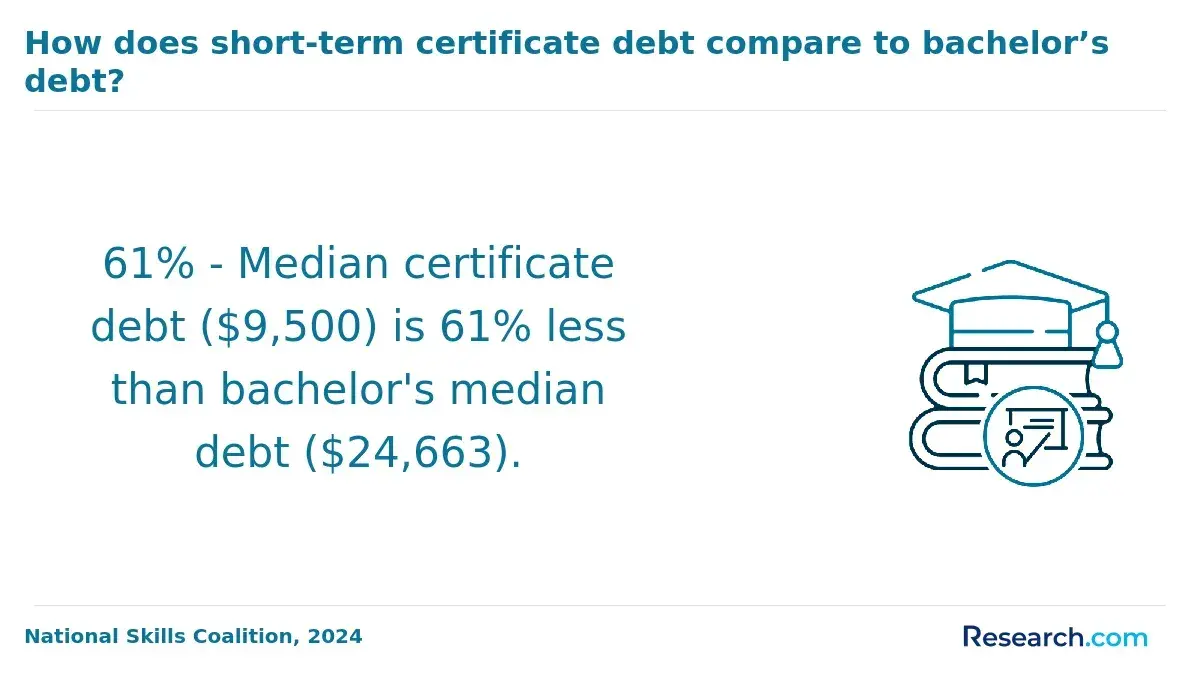
Online degree costs at Southern New Hampshire University vary considerably by degree level, shaping affordability and financial planning distinctly for different learners. Undergraduate online programs offer a baseline tuition around $320 per credit hour, aimed at those completing a standard 120-credit bachelor's degree. Graduate tuition nearly doubles this rate to $627 per credit hour, reflecting more specialized curriculum demands and faculty expertise. Doctoral tuition escalates further, sometimes exceeding $1,200 per credit hour, due to added requirements like residencies and dissertation work. These cost differences create practical tradeoffs. For example, a working professional choosing a master's program must weigh this upfront expense against expected outcomes. Below are key cost components that influence total affordability and the profile of students who most benefit from or bear these costs.
- Undergraduate Tuition Rate: At about $320 per credit hour, bachelor's degree students at Southern New Hampshire University online generally encounter predictable, moderate tuition costs. This is advantageous for learners seeking a full 120-credit degree without heavy fees, benefiting those with access to broader grant and scholarship options.
- Graduate Tuition Premium: Master's programs command roughly double the undergraduate rate at $627 per credit hour. This reflects smaller class sizes and intensive resource needs, consistent with 2024 IPEDS data on online education pricing. Graduate learners should consider this higher per-credit cost within the context of potentially enhanced career credentialing.
- Doctoral Program Expenses: Tuition can exceed $1,200 per credit, but residencies and professional fees add substantially to overall expenses. Doctoral candidates, often relying more heavily on loans, face higher total debt burdens and should factor in these hidden costs when assessing value.
- Mandatory Fees and Additional Costs: While bachelor's programs incur minimal fees, doctoral studies frequently require on-site residencies that add non-tuition costs. These expenses can alter net affordability, particularly for students balancing work and study obligations.
- Flexible Program Length and Financial Aid: Bachelor's students benefit from shorter completion timelines and broader financial aid options, reducing time-to-degree costs and debt. Graduate and doctoral students face longer commitments and fewer grants. Prospective doctoral learners may explore options like 1 year PhD programs online no dissertation to mitigate total expense and time invested.
What Is the Cost Per Credit Hour for Online Programs at Southern New Hampshire University?
Assessing online tuition at Southern New Hampshire University reveals a structure prioritizing transparency and predictability, crucial for students balancing finances with extended study timelines. The university charges a consistent per-credit-hour rate for both part-time and full-time students, without distinction between in-state and out-of-state residents. This model removes geographic pricing complexity but means students should budget based solely on credit volume and program type rather than residency. Comparing this to a national average per-credit online undergraduate tuition of around $350 to $400, SNHU's rate offers a modest cost advantage, which affects the average net price students pay Southern New Hampshire University when planning their educational investment.
Below are five key tuition details that clarify how costs vary across degree levels and program types:
- Undergraduate General Studies: Tuition runs about $320 per credit hour, with minimal mandatory fees included in this price. This lower rate suits students focusing on flexible, less specialized study paths or those pursuing a 1 year bachelor degree online as a cost-saving strategy.
- Undergraduate Business Programs: Also at around $320 per credit, this category attracts learners targeting marketable business skills. The flat rate supports steady budgeting during part-time enrollment, allowing working adults to pace credits within financial limits.
- Graduate Programs in Healthcare and Technology: These specialized master's degrees cost between $627 and $846 per credit hour. Higher rates reflect resource-intensive instruction and equipment. Students pursuing these paths should weigh the upfront cost against anticipated professional earning potential.
- Tuition Caps: SNHU enforces institutional tuition caps that protect continuous enrollees from tuition hikes over multiple years. This creates cost certainty for students with extended time to degree completion due to part-time study or course retakes.
- Fee Structure: Fees are either minimal per credit or bundled within tuition, limiting unexpected expenses. This approach contrasts with many schools that charge separate activity or technology fees, impacting the Southern New Hampshire University net cost to attend.
What Additional Fees and Expenses Should Online Students Expect at Southern New Hampshire University?
The real affordability of an online degree at Southern New Hampshire University depends on more than just tuition. Additional fees and expenses significantly increase the overall cost burden and vary widely by program, making it essential for students to anticipate these charges upfront. For example, an online nursing student may face higher program-specific fees for licensure exam preparation compared to a business major, who may encounter fewer such add-ons. These extra costs influence both budgeting and postgraduation debt management in ways that tuition numbers alone obscure.
Online students at Southern New Hampshire University should carefully assess the following common categories of additional fees and expenses that impact the total investment required for degree completion.
- Technology Fee: This mandatory charge covers access to SNHU's online learning platform and IT support. Although relatively modest compared to other private institutions, it applies every term and cannot be waived. Students should factor this into semester-by-semester costs.
- Graduation Fee: Charged once near program completion, this fee covers the administrative costs of processing diplomas and commencement participation. It typically surprises students who expect all costs to be upfront. Planning ahead prevents unexpected last-semester expenses.
- Program-Specific Fees: Certain majors require additional payments for specialized software, lab materials, or licensure exam prep. These fees vary widely and may add several hundred dollars, impacting real affordability for some fields more than others.
- Digital Textbook Inflation: Switching to digital textbooks can reduce immediate costs, but inflation on these materials has grown by around 8% annually in recent years according to a National Education Association study. This trend affects long-term budget planning for required course materials.
- Proctored Exam Fees: Remote exams carry hidden costs ranging from $25 to $50 per exam. For programs with multiple proctored tests, these fees accumulate and can be difficult to foresee, heightening the total out-of-pocket expense.
Does Southern New Hampshire University Offer Financial Aid, Scholarships, and Tuition Discounts for Online Students?
Southern New Hampshire University provides multiple financial aid avenues for online students, including FAFSA-based federal aid, institutional scholarships, employer tuition assistance, military discounts, and specific online tuition reductions. These options help mitigate upfront costs but vary widely in availability depending on student status and program type.
Real out-of-pocket expenses differ substantially. Full-time students submitting FAFSA on time may secure federal Pell Grants, though only about 40% of distance learners fully utilize this aid, underscoring challenges with remote study schedules (National Student Aid Report, 2024). Employer reimbursements for online degrees are growing but often require confirming program eligibility beforehand, impacting working professionals' net costs.
Institutional scholarships and online-specific tuition discounts at Southern New Hampshire University add another dimension of savings. However, delays in enrollment or part-time study can reduce eligibility. Military benefits further lower tuition for eligible veterans, yet tracking renewal requirements and deadlines remains critical to sustaining aid throughout the academic journey.
Prospective students must verify all eligibility criteria and align financial aid application deadlines tightly with enrollment plans. Scrutinizing total net price, including fees and variable program costs, ensures realistic budgeting and prevents unexpected expenses that undermine affordability despite stated discounts.
One graduate recalled navigating scholarship applications while balancing a full-time job and family. "I almost dropped out because the software licensing fee wasn't in the brochure," she said. Employer tuition help eased pressure, but constant monitoring of renewal rules and FAFSA deadlines was essential. The institutional discounts and military benefits combined kept my bills manageable enough to finish on schedule without piling up debt."
Do In-State and Out-of-State Students Pay Different Online Tuition Rates at Southern New Hampshire University?
Southern New Hampshire University charges the same flat tuition rate for all online learners, regardless of residency. This means in-state and out-of-state students pay identical rates, without extra fees typically charged by many institutions for non-residents. This policy simplifies financial planning for remote students while keeping total online degree costs around $51,392.
This uniform tuition benefits various student profiles, including non-residents, military personnel, transfer students, and working adults with employer tuition partnerships. Unlike many public universities that impose higher out-of-state tuition, Southern New Hampshire University aligns with a growing trend toward equalized pricing across residency statuses. Nationally, the State Authorization Reciprocity Agreement (SARA) has helped reduce non-resident premiums by 12%, supporting this flat-rate model and enhancing affordability.
However, total program costs still depend on variables like transfer credits, program requirements, and eligibility for financial aid, which 81% of Southern New Hampshire University online students receive. These nuances affect the true price and time to degree completion, making it crucial to assess individual circumstances. Comparing this with alternative institutions, some private or nonprofit schools may offer competitive pricing but often include varying fees or residency conditions.
Prospective students should verify residency policies, hidden fees, and aid options before enrolling. Careful cost evaluation includes considering tuition discounts, military benefits, and employer partnerships. For those exploring options, reviewing a list of affordable online degree programs can clarify financial feasibility within broader educational choices.
How Does Southern New Hampshire University Compare to Other Universities for Online Degree Affordability?
Comparing Southern New Hampshire University's overall online degree value against peer institutions reveals a nuanced balance between affordability, flexibility, and practical support. The choice is not solely about sticker tuition but how financial aid access, credit transfer policies, and out-of-state enrollments affect the true cost and time to degree. For students juggling work or military commitments, Southern New Hampshire University's model often delivers a stronger return than many public competitors who limit residency benefits or restrict transfer credits. A recent national study on online tuition competitiveness highlights how private nonprofits like Southern New Hampshire University weigh affordability alongside broader curricular options and learner supports, which can influence total investment and career readiness. Below are key factors shaping this comparative financial and value assessment.
- Flat-Rate Tuition Model: Many programs at Southern New Hampshire University feature flat tuition regardless of residency, unlike regional publics where in-state students pay less but out-of-state fees rise steeply. This can result in lower aggregate costs for transfer or out-of-state students who seek straightforward budgeting with no hidden premium fees.
- Financial Aid Accessibility: About 81% of online students at Southern New Hampshire University receive financial aid, substantially narrowing the net cost beyond list prices. This high aid penetration rate distinguishes it from some competitors and makes the university more accessible to working adults.
- Credit Transfer Flexibility: Dedicated articulation and military credit transfer policies accelerate degree completion and reduce costs by minimizing repeated coursework. This flexibility is often superior to public alternatives where residency and transfer restrictions increase time and tuition burdens.
- Program Specialization and Graduate Tuition: More specialized or graduate-level online degrees carry higher tuition, a common trend across universities. Southern New Hampshire University's diverse offerings need to be weighed for price versus anticipated career return, especially where professional certification impacts employability.
- Support for Military and Nontraditional Students: Targeted discounts and services for military-affiliated students improve affordability and completion rates, addressing unique scheduling and financial challenges. This benefit is less consistently available at public institutions that prioritize state residents.
- Out-of-State Price Parity: Unlike many publics, Southern New Hampshire University typically charges the same tuition for in- and out-of-state students online, which removes a typical financial penalty for relocating or choosing a nonresidential program.
- Employer Valuations and Completion Speed: Employers increasingly consider transfer credit maximization and degree completion timelines when assessing credentials. Southern New Hampshire University's focus on these metrics can enhance graduate marketability despite tuition variances.
One Southern New Hampshire University graduate recalled the crunch of choosing between in-state public options and SNHU's online program. "I almost dropped out because the software licensing fee wasn't in the brochure, and I didn't expect that cost. But after talking to advisors, I realized my out-of-state public schools would charge even more and delay my graduation by forcing me to retake credits. SNHU's financial aid covered much of my tuition, and the credit transfer rules meant I finished two semesters earlier than planned. I still worry about student debt, but at least I'm working full-time in my field sooner than I feared when I started." This experience highlights the importance of scrutinizing hidden fees, aid accessibility, and credit policies when measuring affordability beyond sticker prices.
Which Online Degrees at Southern New Hampshire University Offer the Best Value for Money?
Online degrees at Southern New Hampshire University that deliver the best value balance affordability, flexibility, and career outcomes with program length and credit requirements tailored to reduce total costs. The strongest returns come from fields that pair manageable tuition expenses with above-average alumni salaries and market demand. For example, degrees in Nursing and Business-related areas often lead to higher earnings than similar-cost programs in Education or the Humanities. An aspiring nurse balancing studies with employment, for instance, benefits from SNHU's flexible transfer-credit policies and relatively low per-credit tuition, which lowers the overall financial burden. Recognizing these practical tradeoffs helps students prioritize programs with favorable earnings-to-debt ratios-a recent 2024 study shows that graduates with ratios above 2x are more likely to achieve sustainable salary growth. Below are key considerations regarding value among the most affordable online degrees at Southern New Hampshire University:
- Registered Nursing Salary Impact: Alumni earn up to $72,753, making the upfront cost manageable relative to strong healthcare demand and stable job prospects, ideal for students targeting rapid ROI.
- Business Administration Earnings: At $52,197 on average, this degree offers solid returns for those seeking versatile management roles without the premium cost of some specialized degrees.
- Management Sciences Market Relevance: Graduates earning $67,048 benefit from skills aligned with quantitative methods, appealing to data-driven students aiming for career mobility in competitive fields.
- Education and English Program Payoff Period: Lower salaries around $28,348 and $33,843 suggest longer times to recoup tuition, advising careful evaluation for students prioritizing short-term affordability over passion-driven fields.
- Finance Program Affordability and Outcome: With salaries near $55,580, Finance offers a balanced path for cost-conscious students who desire steady earnings in business sectors.
- Health Services Graduate Earnings: Averaging $57,436, this program suits learners targeting expanding healthcare administration roles with manageable tuition and solid salary trajectories.
- Alumni Earnings-to-Debt Ratio: SNHU graduates average 2.39x, reflecting a favorable balance between program costs and post-graduation income, a crucial metric for evaluating long-term affordability.
Prospective students seeking to optimize cost and outcomes should also explore available self paced college courses to match personal schedules and financial constraints effectively.
What Is the Return on Investment of an Online Degree From Southern New Hampshire University?
Southern New Hampshire University online degree return on investment shows a clear edge in affordability and career payoff compared to many peer programs. With median graduate earnings at $50,318 and an earnings-to-debt ratio of 2.39x, SNHU's cost structure supports accelerated workforce entry and manageable debt levels. This upfront expense offers practical value when weighed against alternative online learning options with less favorable financial outcomes.
Fields such as STEM and business deliver higher wage premiums, making these degrees more cost-effective over a lifetime. In contrast, some liberal arts majors yield lower returns, underscoring the importance of selecting programs aligned with labor market demands. A 2024 Georgetown Center analysis found an average online degree net present value increase of $250,000 compared to non-degree holders, highlighting the substantial financial benefit of credential quality and relevance.
Such comparative wage premiums and debt-to-income ratios influence whether investing in Southern New Hampshire University's online programs is wise. Prospective students should combine these factors with the affordability of Southern New Hampshire University online programs and individual career goals, especially those seeking one year degree programs for seniors, which can often reduce costs and accelerate returns.
Ultimately, SNHU's ROI reflects both the flexible, accelerated online formats and realistic debt burdens, enabling informed decisions that balance total costs against career mobility and lifetime earnings potential.
What Do Graduates Say About the Cost and Value of Southern New Hampshire University Online Degrees?
- Emma: "When I first explored the online programs at Southern New Hampshire University, I focused heavily on the advertised tuition rates, but I quickly realized that fees and textbook costs also added up significantly. Comparing the cost per credit hour across different majors helped me find a program with a manageable total cost, especially since I could transfer credits from my previous college. The flexibility and lack of residency requirements made it much easier to pace my studies around work, and now that I'm in the workforce, the degree feels like a smart investment that balanced cost with quality education."
- DeShawn: "Cost was a big factor in my decision to enroll online at Southern New Hampshire University, but I learned that the cheapest tuition didn't always mean the most affordable path overall. I had to consider mandatory fees and how the program's structure affected how quickly I could finish. I appreciated that they accepted a high number of transfer credits, which shortened my time-and expenses-in the program. The financial aid office helped clarify actual out-of-pocket costs, and I found that the career services support gave me a boost entering the job market after graduation."
- Natalie: "As a part-time student at Southern New Hampshire University studying online, I was cautious about programs that seemed inexpensive upfront but stretched longer due to limited course availability. I compared program lengths, transfer policies, and fees carefully, which made me realize that faster completion could offset slightly higher tuition rates. The accredited curriculum and strong reputation made a difference when I applied for jobs, so I viewed affordability not just in dollars but in the overall return on my education investment. I'm grateful for the academic advising that helped me find the right balance."
Other Things You Should Know About Southern New Hampshire University Degrees
While tuition covers most instruction-related expenses, some online courses, particularly in specialized fields, require additional software or hardware investments. These extra costs can add up and reduce the apparent affordability of specific programs. Evaluating these potential expenses upfront helps avoid unexpected financial burdens that might make a program less cost-effective despite reasonable tuition rates.
Many employers offer partial or full tuition reimbursement for employees pursuing degrees relevant to their job functions. Working professionals should assess the likelihood of securing such support, since this can greatly reduce out-of-pocket costs and improve affordability. When employer assistance is uncertain, prioritizing programs with shorter durations or fewer credits may minimize financial risk and opportunity costs.
Choosing a program with lower upfront costs might not always result in easier debt repayment if it limits career advancement due to employer regard or credential recognition. Conversely, selecting a higher-cost program with strong industry alignment can support better income potential post-graduation. Students should balance tuition affordability with expected salary outcomes to reduce long-term financial strain and enable effective debt management.
References
- Southern New Hampshire University (SNHU) Alternatives - Top 5 Competitors in 2026 https://www.nexford.edu/insights/southern-new-hampshire-university-alternatives
- Purdue Global vs SNHU: A Complete Comparison | UoPeople https://www.uopeople.edu/blog/purdue-global-vs-southern-new-hampshire-university-snhu/
- Does an Online Degree Provide a Better Return on Investment Than One From a Brick and Mortar School? https://www.collegevaluesonline.com/faq/does-an-online-degree-provide-a-better-return-on-investment-than-one-from-a-brick-and-mortar-school/
- Top 10 Cheapest Online Colleges | National Student Services, Inc (NSSI) https://www.nssi.com/blog/top-10-cheapest-online-colleges
- Does College Pay Off? A Comprehensive Return On Investment Analysis - FREOPP https://freopp.org/whitepapers/does-college-pay-off-a-comprehensive-return-on-investment-analysis/
- Southern New Hampshire University Tuition and Financial Aid https://www.prepscholar.com/sat/s/colleges/Southern-New-Hampshire-University-tuition-financial-aid
- 326 Southern New Hampshire University (SNHU) scholarships 2026-27 [Updated] https://www.wemakescholars.com/university/southern-new-hampshire-university-snhu-/scholarships
- Southern New Hampshire University Tuition and Fees | SoFi https://www.sofi.com/southern-new-hampshire-university-tuition-and-fees/