2027 Walden University Online MS Dual Degree in Clinical Mental Health Counseling & School Counseling - Marriage Couple & Family Counseling: Cost, Curriculum, Admissions, and Career Outcomes

Co-Founder and Chief Data Scientist
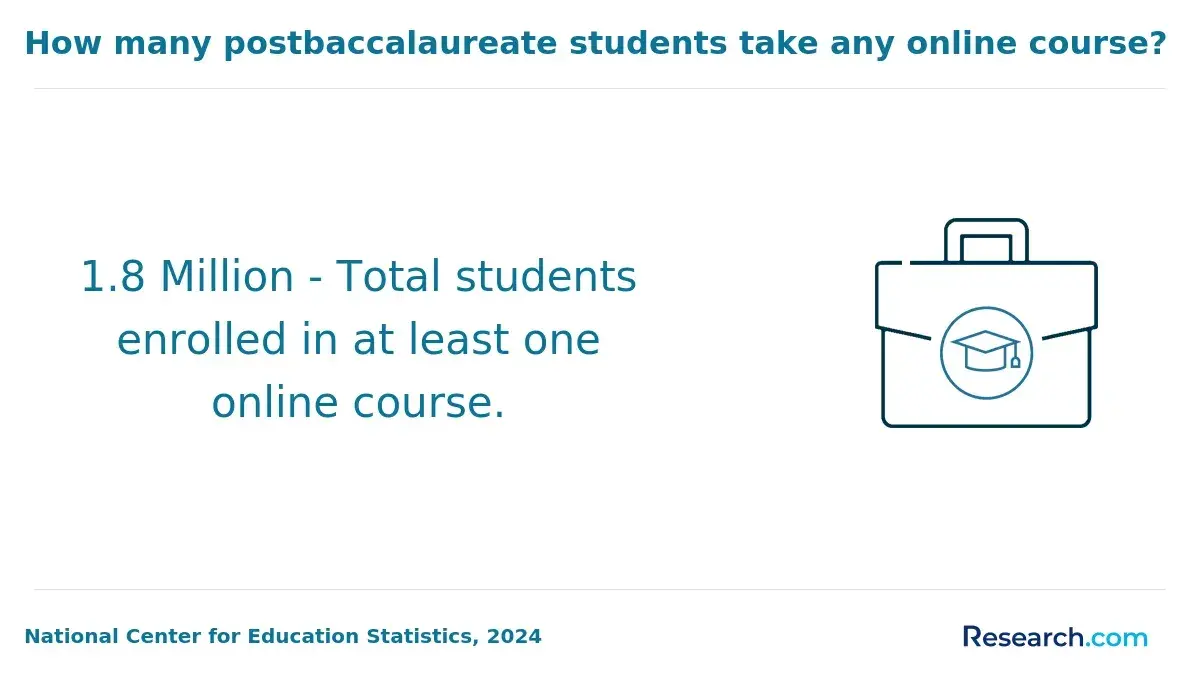
Choosing an advanced counseling program that balances clinical mental health, school counseling, and marriage, couple, and family therapy presents a complex challenge. Prospective students must evaluate if Walden University's online MS Dual Degree integrates these specializations effectively while fitting their career aspirations and personal schedules. With online graduate enrollment rising by 6.1% in 2024 according to the National Center for Education Statistics, flexibility plays a crucial role in accessibility for working adults.
Understanding the program's structure, cost implications, admission criteria, and career outcomes is essential to making an informed decision. This article explores these factors to clarify whether this dual degree aligns with your academic and professional goals.
Key Points About Walden University's MS Dual Degree in Clinical Mental Health Counseling & School Counseling - Marriage Couple & Family Counseling Program
- The program's open admission policy and $34,458 tuition lower barriers but require careful budgeting since financial aid and return on investment depend heavily on individual career trajectories in mental health and counseling fields.
- Regional accreditation and faculty research engagement signal academic rigor, yet students should verify alignment with state licensure requirements since clinical and school counseling standards vary significantly across jurisdictions.
- Alumni success in diverse counseling roles suggests employer recognition; however, career growth depends on additional certifications, networking, and practical experience beyond the degree's core curriculum.
What can students expect from Walden University's online MS Dual Degree in Clinical Mental Health Counseling & School Counseling - Marriage Couple & Family Counseling curriculum?
Students pursuing Walden University's online MS Dual Degree in Clinical Mental Health Counseling & School Counseling - Marriage Couple & Family Counseling should anticipate a rigorous integration of multiple counseling disciplines aligned with US educational and licensure expectations. The curriculum's structure effectively mirrors standard dual degree frameworks nationwide by blending essential counseling theory with targeted applications in clinical, school, and family settings.
For instance, a student managing caseloads in a community mental health clinic while also preparing for school counseling licensure will encounter coursework designed to develop practical skills and ensure adaptability across varied client needs.
The following list highlights core components of the Walden University online curriculum for dual degree mental health and school counseling that shape readiness for professional environments:
- Human Development and Counseling Theories:This foundational coursework demands that students critically engage with diverse developmental stages and a variety of counseling models, preparing them to tailor interventions to distinct populations and settings, which is crucial for comprehensive client care.
- Multicultural and Ethical Counseling Practices:Students explore the complexities of working within diverse cultural contexts and ethical frameworks, requiring reflective practice and application of legal standards to real-world scenarios, an essential competence given increasing societal diversity in counseling caseloads.
- Clinical Practicum and Family Therapy Methods:This component emphasizes supervised, hands-on experience with assessment, diagnosis, and intervention, particularly focusing on marriage, couple, and family counseling strategies necessary for effective therapeutic alliances and outcomes.
These aspects closely reflect the broader course structure and learning outcomes of walden MS Dual Degree Marriage Couple Family Counseling programs across the US, designed to expand both theoretical knowledge and applied skills.
This balance aims to enhance employability in various counseling roles, though prospective students should consider the demands of managing dual licensure prerequisites and practicum placements. For those weighing options in related fields, data on the best majors in college may offer additional insight into comparable educational paths with varying workforce implications.
What are Walden University's admission requirements for online MS Dual Degree in Clinical Mental Health Counseling & School Counseling - Marriage Couple & Family Counseling program?
Walden University's admission requirements for the online MS Dual Degree in Clinical Mental Health Counseling & School Counseling - Marriage Couple & Family Counseling prioritize accessibility while maintaining a focus on applicants' academic and professional readiness. This approach suits individuals who may lack standardized test scores but can demonstrate relevant experience and academic preparation.
For instance, a working professional with some graduate coursework but no recent GRE might still gain admission by showcasing strong recommendations and a clear career direction. The following are typical items applicants must prepare for consideration.
- Standardized Tests: Walden University does not require SAT, ACT, or GMAT scores for this program. This removal of traditional exam barriers streamlines access but places greater emphasis on other aspects of the application to evaluate aptitude.
- Transcripts: Official academic transcripts from all post-secondary institutions attended are essential. These documents verify previous coursework and help the admissions team assess academic background relevant to counseling.
- Letters of Recommendation: Applicants usually submit letters that attest to their qualifications, work ethic, and potential for success in graduate counseling studies. This qualitative insight supplements academic records.
- Personal Statement or Portfolio: Candidates present a statement or portfolio outlining their motivation, experience, and commitment to counseling. This narrative aids admissions in judging readiness beyond numerical metrics.
- Transfer Credits: While Walden's policies are generally accommodating toward transfer credits, the specifics for this dual degree are not publicly detailed, requiring prospective transfer students to consult admissions for credit applicability.
Is it difficult to get admitted to Walden University's online MS Dual Degree in Clinical Mental Health Counseling & School Counseling - Marriage Couple & Family Counseling program?
Most master's dual degree programs in clinical mental health counseling and school counseling, especially with a marriage, couple, and family counseling focus, maintain moderate selectivity due to demand for limited cohort sizes and career-oriented rigor. These programs often require standardized test scores, letters of recommendation, and competitive GPA thresholds to manage applicant numbers and maintain quality.
Walden University's online MS Dual Degree in this field significantly diverges by employing an open admission policy that removes traditional barriers such as SAT/ACT scores and competitive cutoffs. This approach broadens access, allowing most qualified applicants to enroll without the pressure of a selective screening process. However, this accessibility shifts the challenge to succeeding academically amid graduate-level expectations rather than to admission itself.
This less restrictive admission model reflects in stable enrollment figures, indicating steady appeal but also a need for self-motivation and preparedness once admitted. For those prioritizing a straightforward acceptance route, Walden offers a clear advantage. Yet candidates must remain mindful that open admissions don't equate to reduced coursework demands or less rigorous professional training.
One recent graduate shared, "I hesitated at first because I wasn't sure if the lack of standardized tests meant the program might be easier or less respected. After getting in, I realized the coursework and practicum requirements were intense, and the real challenge was keeping up. The simple admission was a relief, but it didn't lower the hard work I needed to put in to become a competent counselor."
What is the cost of attending an online MS Dual Degree in Clinical Mental Health Counseling & School Counseling - Marriage Couple & Family Counseling program at Walden University?
Walden University charges base tuition and fees of $12,498 annually for the online MS Dual Degree in Clinical Mental Health Counseling & School Counseling - Marriage Couple & Family Counseling program, with additional costs for books and supplies typically around $900 each year. While this tuition is a flat rate unaffected by student location and does not include separate technology fees, the total annual cost cited at $34,458 incorporates traditional expenses like room and board, which may not apply to fully remote learners. For those balancing work and study, understanding these distinctions is critical for budget planning and avoiding unexpected financial burdens.
Comparatively, tuition fees for Walden University MS Dual Degree program in Clinical Mental Health Counseling and School Counseling - Marriage Couple & Family Counseling fall within a competitive range nationally. Similar dual degree programs often vary considerably in cost based on residency status and institutional policies, sometimes leading to less predictable expenses. Walden's transparent pricing structure can be beneficial, but students should weigh this against local options where in-state tuition or scholarships could offer lower out-of-pocket charges.
Financial tradeoffs extend beyond tuition when considering the practical realities of program requirements, such as practicum placements or licensing exam preparation, which may add costs not covered in the base figures. Since many employers in clinical mental health and school counseling value credible, comprehensive credentials over cost-cutting measures, the investment must be balanced against potential employability and long-term salary outcomes. This is especially important given shifting demand across healthcare systems and educational institutions.
Prospective students exploring affordable advancement can also explore alternatives, such as easy degrees to get, that may align with their financial and career goals. Assessing the full financial picture-including tuition, additional fees, and post-graduation employment prospects-is essential before committing to an online MS Dual Degree in Clinical Mental Health Counseling & School Counseling - Marriage Couple & Family Counseling program at Walden University.
Are there financial aid options for online MS Dual Degree in Clinical Mental Health Counseling & School Counseling - Marriage Couple & Family Counseling students at Walden University?
Financial aid options for students in the online MS Dual Degree in Clinical Mental Health Counseling & School Counseling - Marriage Couple & Family Counseling at Walden University can significantly influence affordability but require strategic navigation to optimize benefits. For instance, an employed student might leverage employer tuition reimbursement but must verify ongoing employment and program eligibility, whereas veteran students often find military benefits vital yet limited by active-duty status or documented service. Understanding these dynamics is crucial, as funding availability affects decisions about program duration, workload balance, and post-graduation debt load.
Key financial aid opportunities include:
- Institutional Scholarships: Designed for counseling students demonstrating academic merit or professional experience, these awards provide partial tuition relief and usually require maintaining a certain GPA and enrollment level.
- Employer Tuition Assistance: Employees seeking tuition reimbursement must confirm that their jobs support ongoing education expenses. This can cover a substantial tuition portion but often hinges on continued employment and program relevance to job duties.
- Veteran Benefits: Military-affiliated learners may qualify for GI Bill® or Vocational Rehabilitation programs, which cover tuition but depend on service eligibility and compliance with federal benefit requirements.
- Federal Financial Aid: Graduate student loans and grants are available but require meeting enrollment and academic progress criteria. Loans offer competitive interest rates and repayment flexibility but increase long-term financial obligations.
- Program-Specific Grants: Occasionally, unique grants focus on mental health and school counseling fields, requiring applicants to demonstrate career commitment or financial need with detailed documentation.
What learning resources are available to online MS Dual Degree in Clinical Mental Health Counseling & School Counseling - Marriage Couple & Family Counseling students at Walden University?
Access to robust learning resources critically shapes the ability of students in the MS Dual Degree in Clinical Mental Health Counseling & School Counseling - Marriage Couple & Family Counseling program to manage the dual demands of academic rigor and professional skill development. For many enrolled remotely, seamless access to course content and faculty interaction mitigates the disconnect often observed in online counseling education, which can otherwise delay practical readiness or licensure pursuit.
The availability of technical support and targeted academic services directly reduces interruptions, helping students maintain consistent progress. Below are key learning resources that underscore this program's infrastructure and support framework.
- Digital Learning Platform: A comprehensive online system provides 24/7 access to course materials, virtual classrooms, and communication tools. This centralized platform helps students engage with instructors and peers, essential for collaborative learning and timely feedback in counseling skill-building.
- Academic Advising: Personalized guidance helps students tailor their coursework to licensing requirements and career goals, a crucial step given the complexity of meeting criteria for dual clinical and school counseling licensure across states.
- Writing and Tutoring Support: Specialized assistance is available to refine academic writing and comprehension, which are often underestimated but critical skills for preparing counseling reports, case studies, and research projects relevant to both counseling fields.
- Professional Placement Resources: Connections with internship coordinators and field supervisors facilitate access to practicum sites, essential for accumulating supervised hours needed for licensure while balancing online coursework.
- Networking Opportunities: Engagement with alumni and industry partners through the university's network aids in job market navigation and professional development, providing leverage in a competitive counseling employment landscape.
Does Walden University's online MS Dual Degree in Clinical Mental Health Counseling & School Counseling - Marriage Couple & Family Counseling program have in-person clinicals or practicums?
Most licensure pathways for clinical mental health and school counseling require substantial in-person practical experience to ensure graduates can demonstrate applied competencies under supervision. Walden University's online MS Dual Degree in Clinical Mental Health Counseling & School Counseling - Marriage Couple & Family Counseling aligns with these industry standards by mandating a mix of remote coursework and mandatory face-to-face clinical practicum and internship hours. This dual approach balances accessibility with the professional imperative for direct client interaction.
Specifically, Walden University's MS Dual Degree includes several hundred hours of in-person clinical practicum and internship experiences that cannot be completed exclusively online. These in-person clinicals meet accreditation criteria and state licensure mandates, which prioritize supervised, real-world training involving direct client counseling.
While the program delivers its theoretical and didactic content online, students must engage locally in approved clinical or school settings to fulfill these experiential requirements, reflecting a common reality for mental health counseling programs nationwide.
This structure presents a tradeoff for students seeking flexibility: it allows progress through online modules yet requires commitment to in-person hours critical for licensure eligibility and employer expectations when entering counseling roles. For candidates evaluating Walden University online dual degree clinical practicum requirements, this hybrid model demands proactive coordination of local practicum sites but offers the integration of hands-on skill development that employers consistently prioritize.
Prospective students are advised to weigh these dynamics carefully when considering how the program fits their logistical and professional goals, keeping in mind the evolving landscape of online colleges.
What careers can graduates of online MS Dual Degree in Clinical Mental Health Counseling & School Counseling - Marriage Couple & Family Counseling at Walden University secure?
The practical value of an online MS Dual Degree in Clinical Mental Health Counseling & School Counseling - Marriage Couple & Family Counseling from Walden University depends largely on its alignment with clear workforce outcomes. Graduates must weigh the program's ability to facilitate licensure and position them within established counseling roles against the realities of state-specific credentialing and employer expectations.
For example, while some professionals leverage this dual preparation to serve in both educational and clinical settings, others must choose a focused path due to varying job market demands or certification constraints.
This complex balance shapes the long-term career viability and flexibility graduates experience, which is a critical factor when considering career opportunities for Walden University online MS Dual Degree in Clinical Mental Health Counseling and School Counseling graduates. Here are some common career paths:
- Licensed Professional Counselor: These counselors provide mental health services addressing emotional and behavioral issues, often working in outpatient clinics or private practice. Salary generally reflects regional demand, with licensed status opening broader employment options.
- School Counselor: Focused on student academic and social-emotional development, school counselors collaborate with educators and families to foster supportive learning environments. Salaries vary widely by district and state funding.
- Marriage and Family Therapist: Practitioners work specifically on relational dynamics and family systems, applying therapeutic interventions to improve communication and resolve conflicts, often with reimbursement tied to clinical licensure.
- Clinical Therapist: These professionals treat mental health conditions in varied clinical settings, balancing evidence-based approaches with individualized care plans-demand in this role remains steady across healthcare systems.
Choosing this dual degree also requires consideration of job prospects for Walden University dual degree in clinical mental health and school counseling in marriage couple and family counseling professionals, as some employers prefer specialized credentials. Given these tradeoffs, students might explore additional certifications or licensure pathways to maximize employability. It's also prudent to examine related fields such as easy certifications to get that can complement counseling skill sets and enhance market competitiveness.
What is the salary outlook for online MS Dual Degree in Clinical Mental Health Counseling & School Counseling - Marriage Couple & Family Counseling graduates?
Salary prospects for graduates of the online MS Dual Degree in Clinical Mental Health Counseling & School Counseling - Marriage Couple & Family Counseling often reflect the modest earning realities common to counseling professions. For example, a recent graduate employed in community mental health settings might expect median earnings near $42,810, aligning with overall alumni outcomes but below many allied health sectors. This tradeoff signals that while the degree opens diverse employment avenues, it generally does not yield premium starting salaries compared to related health disciplines.
Looking at career earnings for Walden University clinical mental health and school counseling graduates illustrates this point. Graduates in fields like Clinical, Counseling, and Applied Psychology report median salaries around $32,422, with Human Development and Family Studies professions close behind at $30,980. These figures emphasize a steady but restrained income trajectory requiring candidates to weigh practical workforce placement against salary expectations.
The online MS Dual Degree in Clinical Mental Health Counseling & School Counseling - Marriage Couple & Family Counseling offers interdisciplinary skills but remains rooted in counseling-family services salary patterns. Individuals seeking accelerated credentials might explore one year degree programs for seniors or comparable alternatives to better balance time investment with earnings potential.
How do you know if Walden University's online MS Dual Degree in Clinical Mental Health Counseling & School Counseling - Marriage Couple & Family Counseling program is the right choice for you?
Choosing whether Walden University's online MS Dual Degree in Clinical Mental Health Counseling & School Counseling - Marriage Couple & Family Counseling fits your professional needs requires more than surface-level evaluation. Alignment with your specific career objectives, learning style, and licensure aspirations determines the program's practical return. Consider the following critical factors to clarify that fit.
- Flexibility and Learning Format: Assess if you need asynchronous coursework to juggle work and personal commitments. This program supports remote access and interaction, but students less comfortable with online learning or seeking in-class experiences may face challenges adapting.
- Accreditation and Licensure Alignment: Verify that the program's CACREP accreditation covers state licensure requirements you target. Since counseling regulations vary, confirm the dual degree's curriculum satisfies clinical mental health, school counseling, and marriage and family counseling certification paths relevant to your expected practice area.
- Professional Network and Peer Environment: Gauge how much value you place on diverse peer collaboration versus independent study. While the online cohort includes many working professionals in healthcare and education, building relationships remotely requires intentional engagement, which might differ significantly from on-campus networking.
- Career Role Specificity: Decide whether you want a broad counseling skill set or specialization. This dual program offers wide-ranging licensure options, suitable for flexible career pivots, but if your employment focus is narrow or research-centric, a more tailored or in-person program might be preferable.
Reflecting on this, a recent graduate shared how balancing a full-time community mental health job with desire to expand into school-based counseling influenced their choice. "I hesitated at first since online learning felt isolating, but the ability to study after work hours and still interact with classmates through forums made it manageable. Knowing the CACREP accreditation aligned with licensure in my state gave me peace of mind. Ultimately, selecting a program that honored my mixed professional interests without forcing me to pause my career was crucial."
What Graduates Say About Walden University's MS Dual Degree in Clinical Mental Health Counseling & School Counseling - Marriage Couple & Family Counseling Program
- Layla: "Studying the MS Dual Degree in Clinical Mental Health Counseling & School Counseling - Marriage Couple & Family Counseling at Walden University gave me a realistic view of the mental health field's hiring landscape. I appreciated how the program's integration of practical internships helped me build a portfolio that employers actually valued, especially since many positions prioritized hands-on experience over just licensure credentials. Balancing coursework with remote internship opportunities made it easier to transition into a flexible counseling role sooner than I expected."
- June: "My experience at Walden University was both challenging and eye-opening, especially navigating the dual degree curriculum and balancing its demands. What stood out most were the in-depth counseling theories paired with rigorous case studies, which prepared me to make career decisions grounded in strong clinical judgment. After graduating, I faced the reality that advancing in some agencies required additional certifications beyond the MS Dual Degree, but the program's comprehensive foundation gave me confidence to pursue those steps strategically."
- Adeline: "Walden University's MS Dual Degree program was a pivotal step for my career, but I found that entering the workforce demanded more than just academic credentials. Employers were often focused on real-world experience and the ability to collaborate in interdisciplinary teams, something the program's group projects and community-focused practicum emphasized well. It also helped me pivot towards private practice, where the dual background in school and marriage counseling became a unique selling point, although I had to be mindful of the trade-offs between salary growth and niche expertise."
Other Things You Should Know About Degrees
The dual degree combines two counseling disciplines, which means students must cover a broader range of competencies and coursework than with a single program. This results in a heavier workload, including overlapping content but also distinct requirements for each focus area. Prospective students should be prepared for rigorous time management demands, especially if balancing work or family commitments. Prioritizing this program makes the most sense for those with strong organizational skills and the capacity to handle concurrent intensive learning.
Students should ensure they engage actively in interactive, synchronous sessions and gain practical experience through supervised practicums and internships, despite the online format. Utilizing technology effectively and seeking opportunities for real-world application are essential for developing counseling competencies.
The dual degree equips students for licensure in both clinical mental health counseling and school counseling, expanding career options but also adding complexity to the licensure journey. Different states have varying requirements for each license, sometimes necessitating separate exams or supervised hours. Graduates must carefully research state-specific regulations before enrolling to ensure the dual credential supports their licensure goals. For those focused on one counseling path, a single degree might simplify licensing and reduce barriers.
Graduates holding dual certifications are attractive to employers looking for versatile counselors capable of working in multiple settings, such as schools and community agencies. However, employers may also anticipate higher proficiency and flexibility, expecting candidates to balance varied responsibilities. This could lead to more demanding roles that require adaptability and continuous professional development. Prioritize this program if you want to broaden your career scope and are ready to meet elevated employer expectations in diverse counseling environments.
References
- Walden University Offers New M.S. in Marriage, Couple, and Family Counseling https://www.prnewswire.com/news-releases/walden-university-offers-new-ms-in-marriage-couple-and-family-counseling-90029982.html
- 5 High-Paying Jobs with a Master’s in Counseling| University of Bridgeport https://www.bridgeport.edu/news/high-paying-jobs-with-a-masters-in-counseling/
- MA in Marriage/Family Therapy (Marriage/Family Therapy/PCC) https://www.umassglobal.edu/academic-programs/marriage-family-therapy-and-professional-clinical-counseling
- Dual Master's Degree in Mental Health & School Counseling https://www.ccu.edu/ccu/counseling/dual-degree-counseling/
- MS & MA In Counseling: Comparing Curriculums, & Salaries https://www.psychology.org/degrees/ms-vs-ma-in-counseling/
- Walden University https://www.amhca.org/members/benefits/walden