2027 Can You Complete an Online Medical Assisting Degree Program While Working Full-Time?

Co-Founder and Chief Data Scientist
Working full-time while pursuing an online medical assisting degree can be a demanding journey. Many professionals struggle to meet work expectations, manage family duties, and keep up with rigorous coursework.
According to the National Center for Education Statistics, nearly 40% of online learners in the U.S. balance employment alongside their studies, demonstrating the growing appeal and challenges of remote education.
This article offers practical advice to help full-time workers assess whether an online medical assisting program fits their busy lives. By examining time management strategies and program flexibility, readers can make informed decisions about advancing their careers without overwhelming their schedules.
Key Benefits of Completing an Online Medical Assisting Degree Program While Working Full-Time
- Flexible scheduling allows full-time workers to study during evenings or weekends, balancing coursework with job duties, which is vital for medical assisting students managing clinical and administrative tasks.
- Online programs reduce commute time, enabling more efficient use of free hours for studying medical terminology and practical skills critical in patient care and office management.
- Access to digital resources and virtual labs supports hands-on learning remotely, helping those in medical assisting keep pace with evolving healthcare protocols without leaving their jobs.
How Long Does It Take to Complete an Online Medical Assisting Degree While Working Full-Time?
The time it takes to complete an online medical assisting degree while working full-time varies significantly depending on several key factors. Most students finish certificate or diploma programs within 4 to 16 months, while associate degrees may take up to 20 months.
Below are the main factors that affect online medical assistant program duration for working adults:
- Enrollment Status: Part-time enrollment, common among full-time workers, extends completion time compared to full-time study. For instance, a full-time student might finish a diploma in 10 months, whereas part-time students could take 16 months or more.
- Course Format: Asynchronous courses allow self-paced study, offering flexibility for those with demanding jobs. Accelerated programs can be completed in six to eight weeks but require intense weekly hours, which may not be feasible for full-time workers. Standard-paced programs usually range from 4 to 12 months.
- Prior Academic Credits: Acceptance of transfer credits can shorten the overall duration by several months, easing the path for students with previous coursework.
- Work Schedule and Weekly Study Hours: Most programs recommend 10-20 hours per week for studying. Irregular or overtime-heavy work schedules can make it difficult to maintain these hours, often extending the time to finish medical assisting degree online while working.
- Program-Specific Requirements: Externships, practicums, or capstone projects generally require 100-200 hours of in-person experience during business hours. Scheduling these around a full-time job may add weeks or months to your timeline.
For those interested in more intensive paths, accelerated online undergraduate degrees for working adults offer options but typically demand substantial weekly commitment that may not suit full-time employees.
Is an Asynchronous or Synchronous Online Medical Assisting Program Easier for Students Working Full-Time?
For students working full-time, asynchronous online medical assisting programs for working adults are generally easier to manage because they offer significant flexibility.
This format allows learners to access lectures and assignments on their own schedule, which is crucial for balancing coursework with demanding work hours and personal commitments. Course format plays a key role in determining how well full-time professionals can integrate studying into their busy lives without added stress.
Synchronous medical assisting classes for full-time professionals provide benefits like real-time interaction with instructors and peers, fostering engagement and immediate feedback.
However, these classes require attendance at fixed times, which can be challenging for those with unpredictable shifts. In contrast, asynchronous courses enable students to complete work after shifts or during breaks, such as a medical assistant working rotating hours who can study late at night or on weekends.
While synchronous programs enhance communication skills through live discussions, asynchronous formats excel in accommodating varied schedules. For those seeking flexible learning while working, exploring online certifications that pay well can be a valuable step in their career planning.
What Time Management Strategies Help Online Medical Assisting Students Working Full-Time?
Effective time management is essential for online learners balancing full-time jobs, as poor organization can lead to stress and missed deadlines. Practical strategies tailored to working medical assisting students can make a significant difference.
Consider these approaches:
- Task Prioritization and Lists: Creating daily and weekly to-do lists helps students focus on urgent tasks and maintain steady progress without overlooking key assignments.
- Dedicated Study Blocks: Using methods like the Pomodoro Technique-working in focused intervals with short breaks-can boost concentration during limited study time.
- Digital Calendar Use: Scheduling classes, shifts, and personal time with tools like Google Calendar provides automated reminders, preventing clashes and forgotten deadlines.
- Task Clustering: Grouping similar assignments or studying related topics together reduces time lost switching contexts and maximizes efficiency.
- Setting Boundaries and Minimizing Distractions: Establishing a quiet study space, silencing notifications, and communicating availability helps maintain focus and balance work and study demands.
When speaking with a student who completed an online medical assisting program while working full-time, she shared how initial overwhelm gave way to confidence through strict schedules and clear separation between work, study, and personal time.
"At first, juggling everything felt impossible," she said, recalling the evenings when she'd carve out quiet hours after work. She emphasized that being disciplined about deadlines and using digital planning tools "kept me from burning out."
This experience shows that managing time carefully is a skill developed with patience and the right techniques, paving the way for success even under demanding conditions.
Full-time workers often find it challenging to juggle demanding job hours with the rigorous coursework required in online medical assisting degree programs. Balancing professional duties alongside academic responsibilities requires careful coordination and resilience.
Below are the main challenges faced by full-time students in these programs:
- Time Management Difficulties: Coordinating work commitments, online classes, and clinical practice leaves limited time for study and skill-building. Medical assisting programs frequently have strict deadlines and require attendance in both virtual and in-person sessions, making effective scheduling critical to success.
- Limited Hands-On Training Access: Completing required in-person labs or externships can be difficult when working full-time, reducing opportunities to gain practical experience. This setback can affect students' preparedness for clinical tasks and patient interactions.
- Risk of Burnout and Stress: Managing full-time employment alongside challenging coursework increases stress levels and fatigue. Ongoing pressure and multitasking may harm academic performance and raise the likelihood of withdrawal.
Completing an internship can be a significant hurdle for full-time workers pursuing an online medical assisting degree, due to the need for in-person clinical hours during typical work times. Still, hands-on training remains vital for accreditation and ensures graduates are prepared for patient care roles.
To accommodate these challenges, programs often implement supportive internship structures, including:
- Flexible Scheduling: Many programs offer options to complete internship hours during evenings or weekends, helping full-time workers balance clinical requirements alongside their jobs.
- Self-Arranged Placements: Students can often find their own clinical sites locally, which allows them to secure internships at convenient locations and times that fit their individual schedules.
- Internship Waivers for Experienced Workers: For those with prior healthcare experience, some programs allow reduced or waived internship hours upon providing documentation, easing the burden on working professionals.
- Extended Completion Windows: Schools may provide longer time frames-sometimes a year or more-to complete clinical hours, accommodating part-time or intermittent internship attendance.
- Program-Supported Site Matching: Certain programs actively assist students by connecting them with partner clinics that offer flexible scheduling, streamlining the internship placement process.
A student pursuing an online medical assisting degree while working full-time shared his experience: "Balancing a 9-to-5 job with required in-person hours felt overwhelming at first. The program's flexibility, especially letting me arrange my own clinical site and extending the timeline, really reduced the stress."
He explained how being able to schedule weekend shifts and having access to support staff who helped identify local clinics made a crucial difference. "It wasn't easy, but they made sure I didn't have to sacrifice my job or family time. That support kept me motivated throughout."
His journey highlights how well-structured programs can open opportunities for working professionals eager to advance their healthcare careers.
Having the right technology is essential for full-time professionals balancing job responsibilities with online coursework in medical assisting. Reliable digital tools help students efficiently access course materials, complete assignments, and meet clinical requirements without additional stress.
The following outlines key technology requirements for online medical assistant programs designed to support working adults.
- Up-to-Date Computer or Mobile Device: A PC, Mac, or Chromebook with a recent operating system (Windows 8+, macOS 12+, or equivalent) is crucial for compatibility with learning platforms, virtual labs, and smooth video playback. Many online medical assisting courses are mobile-friendly.
- High-Speed Internet Connection: Fast, stable internet is necessary for streaming lectures, engaging in real-time discussions, and submitting assignments promptly. Inadequate connections can disrupt participation in video conferencing and interactive simulations, which are common in medical assisting programs.
- Learning Management System (LMS) Access: Platforms like Canvas, Blackboard, or Moodle help students manage coursework, track grades, and communicate with instructors. Familiarity with LMS tools such as messaging and discussion boards is essential to stay organized and connected while juggling work and study.
- Electronic Health Records (EHR) Software: Hands-on experience with EHR systems is often incorporated into medical assisting curricula to prepare students for administrative and clinical responsibilities. Simulated EHR platforms teach patient record management and HIPAA compliance.
- Video Conferencing Tools: Applications like Zoom or Microsoft Teams enable participation in virtual labs, live lectures, and group projects. These tools provide the flexibility needed for full-time professionals to attend synchronous sessions and collaborate remotely.
Understanding the computer and software needs for medical assisting students ensures that busy professionals can meet program requirements effectively. These technology requirements for online medical assistant programs form a foundation that supports academic success while balancing work.
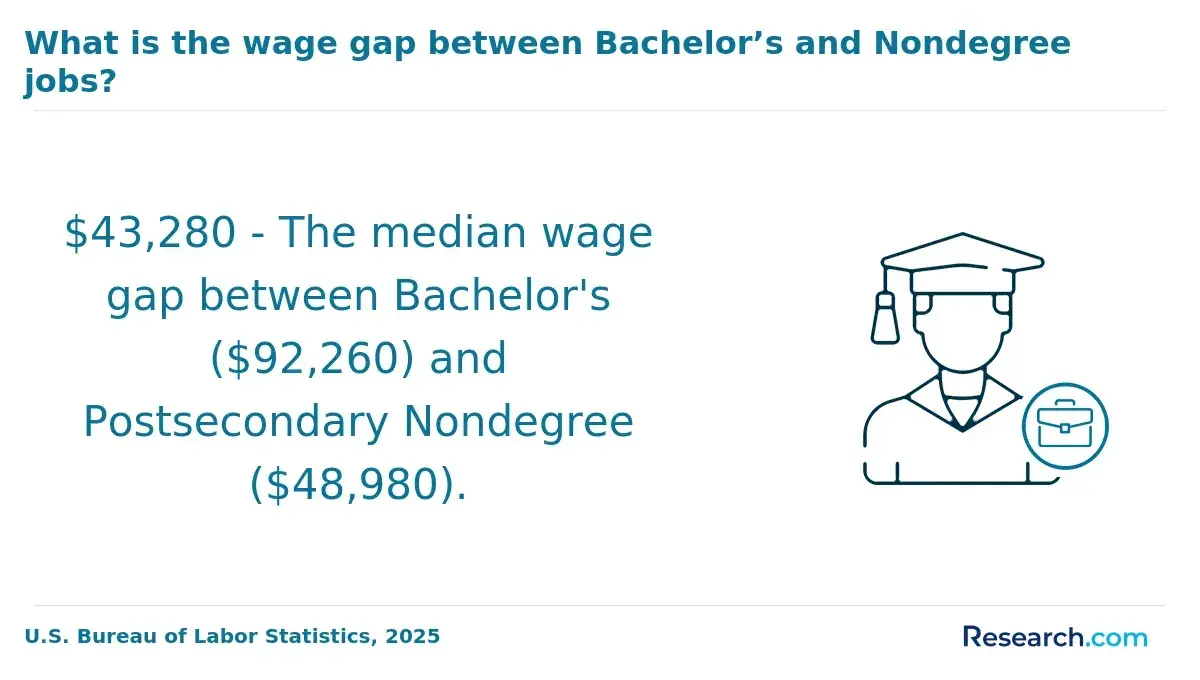
For those exploring career options and interested in how education correlates with income potential, data on the highest bachelor degree salary offers valuable insight.
Financial aid is often a crucial factor for full-time professionals balancing work and pursuing an online medical assisting degree. Access to financial support can determine whether students start their educational journey or delay their goals.
Here are key considerations for those wondering about financial aid for online medical assistant programs while working full-time.
- Accreditation Requirements: Federal financial aid, such as Pell Grants and federal student loans, is available only for programs at schools accredited by agencies recognized by the U.S. Department of Education or the Council for Higher Education Accreditation (CHEA).
- FAFSA and Federal Aid: Most regionally accredited online medical assisting programs accept federal aid when you complete the Free Application for Federal Student Aid (FAFSA). Working full-time does not automatically disqualify applicants, but income levels can influence eligibility for need-based grants.
- Employer Tuition Assistance: Numerous employers offer tuition reimbursement or education benefits for employees pursuing healthcare-related degrees, which can be combined with other financial aid options.
- Scholarships and Grants: Various scholarships and grants are available to online students regardless of employment, including awards targeted toward adult learners or healthcare workers. Eligibility often depends on academic achievement, financial need, or community service involvement.
- Enrollment Status and Aid: Many financial aid programs require at least half-time enrollment, often defined as six credits per term. Flexible online medical assisting programs allow busy professionals to maintain eligibility for federal aid while managing full-time jobs.
For professionals seeking accelerated options alongside financial support, exploring the fastest degree to make money can provide valuable insight into efficient pathways.
Combining this knowledge with financial aid eligibility can make pursuing an online medical assisting degree while working full-time more achievable.
Employer support has become a key factor for full-time professionals pursuing online medical assisting degrees, as balancing work and study demands poses significant challenges.
Workplace policies such as tuition assistance and flexible scheduling directly affect a student's ability to manage academic deadlines alongside job responsibilities.
Below are key insights into how employers typically support or hesitate to support employees pursuing these degrees.
- Tuition Assistance: Many employers provide partial or full tuition reimbursement for accredited programs, reducing financial barriers. This type of employer tuition assistance for online medical assistant degree programs often requires maintaining good academic standing or a commitment to stay with the organization after graduation.
- Flexible Scheduling: Adjusted work shifts, compressed weeks, or shift-swapping accommodate online classes, clinical externships, and exams. Flexible scheduling is crucial to enable employer support for working full-time while studying medical assisting effectively without sacrificing job duties.
- Career Advancement Opportunities: Employers frequently offer incentives such as promotions, pay raises, or expanded responsibilities upon degree completion. These incentives motivate employees to complete online medical assisting programs and apply their new skills within healthcare settings.
- On-the-Job Training and Mentorship: Some workplaces provide hands-on experience, skills labs, or mentorship from experienced medical assistants or nurses. Such support helps working students bridge the gap between theory and practical skills while remaining employed.
- Concerns About Performance Impact: Smaller employers or those with limited staff may hesitate to offer accommodations, fearing school obligations could reduce employees' job performance or availability. Requests for time off or workload adjustments are sometimes denied.
Working adults looking for affordable options to pursue their degrees online can explore cheapest online universities for working adults, which might align with employer tuition assistance benefits and flexible scheduling needs.
Completing an online medical assisting degree while working full-time can positively influence salary, but several factors play a role. Strong industry demand, with a projected 14% job growth through 2032, supports higher earnings.
The level of education is important-those holding associate degrees or additional certifications generally earn more than certificate-only holders. Employers often value the dedication shown by balancing work and education, which can improve candidates' chances for raises and promotions.
Additionally, relevant healthcare experience significantly boosts earning potential, as seasoned and certified medical assistants tend to command higher wages than newcomers.
Continuing full-time employment during an online program can further impact salary growth by enhancing promotion opportunities, maintaining job stability, and enabling immediate use of newly acquired skills.
However, actual salary increases depend on the specific employment sector-outpatient care centers typically offer higher pay than physician offices-as well as the employer's raise policies and broader economic conditions.
Certified full-time medical assistants earned about $0.80 more per hour than uncertified peers in 2023, reflecting the value of combining ongoing work with education, though no program can guarantee specific salary outcomes.
For full-time workers, choosing the right online medical assisting program is vital because a flexible and well-organized curriculum helps balance job responsibilities with study demands.
Selecting a program with the appropriate structure can prevent conflicts and improve the likelihood of completing both coursework and clinical components successfully.
Key considerations for working adults include:
- Accreditation and Certification Preparation: Ensure the program is accredited by respected agencies such as CAAHEP or ABHES to meet national standards and prepare for the CMA (AAMA) exam. This validation supports credential recognition and opens doors for career advancement.
- Flexible Scheduling: Programs offering asynchronous learning, rolling admissions, and part-time options help accommodate unpredictable work hours, reducing stress and allowing students to learn at their own pace.
- Clinical Requirements and Support: Investigate how practical training is scheduled and if assistance securing clinical sites is provided, since externships typically require 160-180 hours of in-person participation, which must align with work schedules.
- Transfer Credit Policies: Accepting prior coursework or learning assessments can shorten completion time, making it easier for employed students to progress efficiently.
- Technical and Academic Support: Robust online resources like tutoring, tech help, and virtual libraries are essential to help full-time workers manage coursework challenges promptly.
What Graduates Say About Completing an Online Medical Assisting Degree While Working Full-Time
- Alfonso: "Balancing a full-time job with the demands of an online medical assisting degree was challenging but incredibly rewarding. The self-paced structure allowed me to learn efficiently without sacrificing work commitments, and the relatively affordable cost made it a smart investment in my future. This program truly transformed my career outlook and opened new doors in the healthcare field. "
- Katharine: "Enrolling in an online medical assisting degree while working full-time gave me the flexibility I desperately needed. Although juggling both was stressful at times, the experience taught me discipline and time management. Reflecting on the journey, the moderate tuition fees felt justified by the practical skills and confidence I gained to advance professionally. "
- Justin: "Completing my online medical assisting degree alongside a full-time position was a calculated move to boost my credentials without overwhelming my schedule. The program's cost-effectiveness and accessible course pace allowed me to build crucial skills gradually. Professionally, it was a turning point that improved my job performance and earning potential. "
Other Things You Should Know About Medical Assisting Degrees
Most online medical assisting programs require in-person lab work and a supervised externship to meet competency standards. Accrediting agencies such as CAAHEP and ABHES expect hands-on training in phlebotomy, injections, vital signs, and clinical procedures, with externships commonly totaling about 160 to 200 hours.
Financial aid options include federal student loans, grants, and scholarships. Specific programs cater to full-time working students, such as employer tuition reimbursement. Check eligibility and application deadlines to benefit from these financial resources in 2027.
Full-time workers should create a structured schedule that balances job commitments and coursework. Prioritizing tasks, setting specific study times, and utilizing digital tools for organization can help manage responsibilities effectively while pursuing an online Medical Assisting degree in 2027.
- Medical Assistant (RMA) https://americanmedtech.org/medical-assistant
- Asynchronous vs. Synchronous Learning | Eagle Gate College https://www.eaglegatecollege.edu/blog/whats-the-difference-between-asynchronous-vs-synchronous-learning-and-which-is-right-for-you/
- Online Medical Assistant Certificate Program | Self-Paced Course https://www.uscareerinstitute.edu/online-medical-assistant-school
- 10 Important Tips For Managing Your Time As A Medical Assistant https://www.northwestcareercollege.edu/blog/10-important-tips-for-managing-your-time-as-a-medical-assistant/
- Duration of Medical Assistant Programs Explained https://www.centuracollege.edu/blogs/student-development/how-long-medical-assistant-program/
- Online Medical Assisting Program | CHCP https://www.chcp.edu/degrees-certificates/online/medical-assisting-certificate/
- 8 Practical Time Management and Study Strategies for Medical Students https://www.studentdoctor.net/2017/11/13/study-strategies-for-medical-students/
- 6 Things to Look For in Medical Assistant Programs | CALRegional https://calregional.com/blog/6-things-to-look-for-in-medical-assistant-programs/