2027 Questions to Ask About Online Medical Assisting Degree Programs Before You Enroll

Co-Founder and Chief Data Scientist
Choosing an online medical assisting degree program can be overwhelming without clear criteria. More than 45% of students who enroll in medical assisting programs do not complete their coursework, often due to misaligned expectations about program rigor and career preparation.
This article outlines key questions prospective students should ask to evaluate online medical assisting programs thoroughly, helping them make informed decisions that align with their career goals and ensure strong workforce outcomes.
Key Benefits of Enrolling in Online Medical Assisting Degree Programs
- Online medical assisting programs offer significant flexibility, allowing students to balance coursework with personal and professional responsibilities through asynchronous classes accessible 24/7.
- Cost savings are notable due to reduced commuting, textbook expenses, and often lower tuition rates compared to traditional programs, making education more affordable for many.
- Students pursuing online medical assisting degrees frequently report improved work-life balance, as remote learning accommodates varying schedules and reduces stress associated with rigid class times.
Is the Online Medical Assisting Degree Program Accredited?
Accreditation plays a vital role in evaluating an online medical assisting program because it directly influences degree recognition, eligibility for licensure, and career prospects. Accredited online medical assistant degree programs meet established educational standards, ensuring the curriculum prepares students for the healthcare environment.
According to data from the U.S. Department of Education, students from accredited programs have a significantly higher pass rate on professional certification exams, which are critical for employment.
The primary accrediting bodies for medical assisting programs include the Commission on Accreditation of Allied Health Education Programs (CAAHEP) and the Accrediting Bureau of Health Education Schools (ABHES), both recognized for maintaining rigorous academic and clinical criteria.
Prospective students should verify the accreditation status of any program by visiting the accrediting agency's official website or the program's homepage.
Checking accreditation ensures eligibility for certification exams and enhances employment opportunities, which is why it must be a key consideration before enrolling. Those interested in related healthcare education options might also find the list of online DNP programs helpful.
When comparing programs, focusing on accreditation safeguards your investment and future career. Considering online medical assisting program accreditation early helps ensure a smoother path toward licensure and professional success.
What Are the Admission Requirements for Online Medical Assisting Programs?
Admission requirements serve as a critical benchmark for prospective students evaluating online medical assisting programs to ensure they meet essential qualifications. These criteria help gauge whether applicants are prepared for the academic challenges and practical demands involved in the curriculum.
Key admission criteria for online medical assisting programs commonly include the following:
- High school diploma or GED: This foundational credential confirms that students possess the necessary educational background to undertake rigorous coursework. It is typically a non-negotiable prerequisite for enrollment in most programs.
- Background check: Programs often require a criminal background screening to ensure students can safely participate in clinical environments, safeguarding both patients and institutions.
- CPR certification: Certification in cardiopulmonary resuscitation is usually mandatory prior to clinical rotations, reflecting industry standards for patient care and emergency preparedness.
- Age requirement: Most programs set a minimum age, typically 18 years or older, to comply with legal and clinical site regulations.
Meeting these essential requirements helps students smoothly navigate their course of study and clinical placements, boosting their chances of success in certification exams and future employment.
For those exploring the best options, it is wise to compare admission criteria alongside program quality and costs, especially when searching for financial assistance options available through medical billing and coding online schools financial aid.
Prospective students should familiarize themselves with detailed requirements and policies unique to their chosen programs to make informed decisions about their education and career path in healthcare administration or clinical support fields.
What Classes Do You Take in an Online Medical Assisting Program?
Familiarity with the structure of an online medical assisting program is crucial when comparing options to ensure you select one that effectively prepares you for the workforce. Nearly 70% of graduates secure employment within a year, highlighting the value of courses that build practical, job-ready skills.
Below are common categories of classes found in these programs.
- Core courses: Focused on essential medical knowledge, these classes cover anatomy, physiology, medical terminology, pharmacology, and clinical practices. They establish the foundational expertise necessary for both administrative and clinical roles in healthcare settings.
- Electives: These classes offer opportunities to deepen specific skills or explore specialized areas such as medical billing and coding, electronic health records management, or healthcare regulations. Electives help tailor your education to fit your career goals.
- Practical components: Even with a primarily online curriculum, many programs include simulations or virtual labs that mimic real clinical environments. These exercises are designed to enhance hands-on skills and boost confidence in patient and office interactions.
When discussing what classes he found most impactful, a student currently enrolled in an online medical assisting degree shared that balancing the theoretical material with virtual practical exercises was challenging but rewarding.
He mentioned, "At first, adapting to learning clinical skills without physical presence was tough, but the detailed video demonstrations and interactive simulations really helped bridge that gap."
He also emphasized how electives allowed him to focus on areas like billing, which he believes will improve his job prospects. "The variety keeps you engaged, and the program's structure gave me confidence that I'm ready for real-world tasks after graduation."
Breakdown of All Fully Online Title IV Institutions

Knowing how long it takes to complete an online medical assisting degree is vital for students organizing their academic and professional plans. This timeframe influences when they can start working and how to manage expenses and personal commitments.
Program duration varies widely based on format and individual circumstances. Common timeframes include:
- Full-time programs: These usually require 1 to 2 years to complete. They offer an intensive schedule for students aiming to enter the workforce promptly.
- Part-time programs: Typically lasting 2 to 3 years, part-time options balance education with work or family obligations, providing more flexibility.
- Accelerated programs: Designed for highly motivated students, these condensed courses can be finished in less than a year to expedite career entry.
- Programs with practical components: Including internships or clinical hours, these add essential hands-on experience. They may extend the program length by several months but enhance licensure preparation.
Additional factors such as transfer credits, course load, and availability of clinical placements also impact total completion time. Evaluating these elements assists students in selecting a program that fits their lifestyle and career goals.
Most online medical assisting programs include internships or practicums as a critical component of their curriculum to deliver hands-on experience beyond theoretical study.
These clinical placements are generally arranged at healthcare facilities near the student's home and provide supervised opportunities to perform essential tasks such as patient interactions and record management.
This practical experience not only enhances skill development but is often a prerequisite for sitting for certification exams like the CMA, which many employers expect.
Approximately 90% of accredited programs require this clinical externship, highlighting its significance in preparing students for the workforce. Students should carefully review how each program supports or expects them to find these placements, as it can impact scheduling and costs.
When asked about her experience, a graduate of an online medical assisting degree shared valuable insights about the practicum. She explained that although coordinating her clinical hours alongside work and family commitments was challenging, the support from program advisors was crucial in securing a suitable site.
She reflected that navigating new healthcare environments and applying classroom knowledge under real supervision boosted her confidence significantly.
According to her, this immersive exposure made the transition to a full-time medical assisting role smoother, saying, "Having that in-person experience was key-I felt prepared and ready because I had already worked through real scenarios."
Her story underlines how essential and beneficial practical training is within online medical assisting education.
Graduates of online medical assisting degree programs can pursue professional certification and, in some states, licensure, although the specific requirements vary widely.
Medical assisting itself is not universally licensed like nursing, but many employers and states expect assistants to hold nationally recognized certifications such as the Certified Medical Assistant (CMA) or Registered Medical Assistant (RMA).
To be eligible for these certification exams, students must complete an accredited program that includes both didactic coursework and supervised clinical experiences arranged locally.
This ensures that despite studying online, students satisfy hands-on training prerequisites necessary for licensure and certification preparation, addressing common concerns about how to get licensed as a medical assistant online.
Licensure remains a crucial factor for prospective students evaluating online programs because holding nationally recognized credentials significantly enhances employment prospects and earning potential.
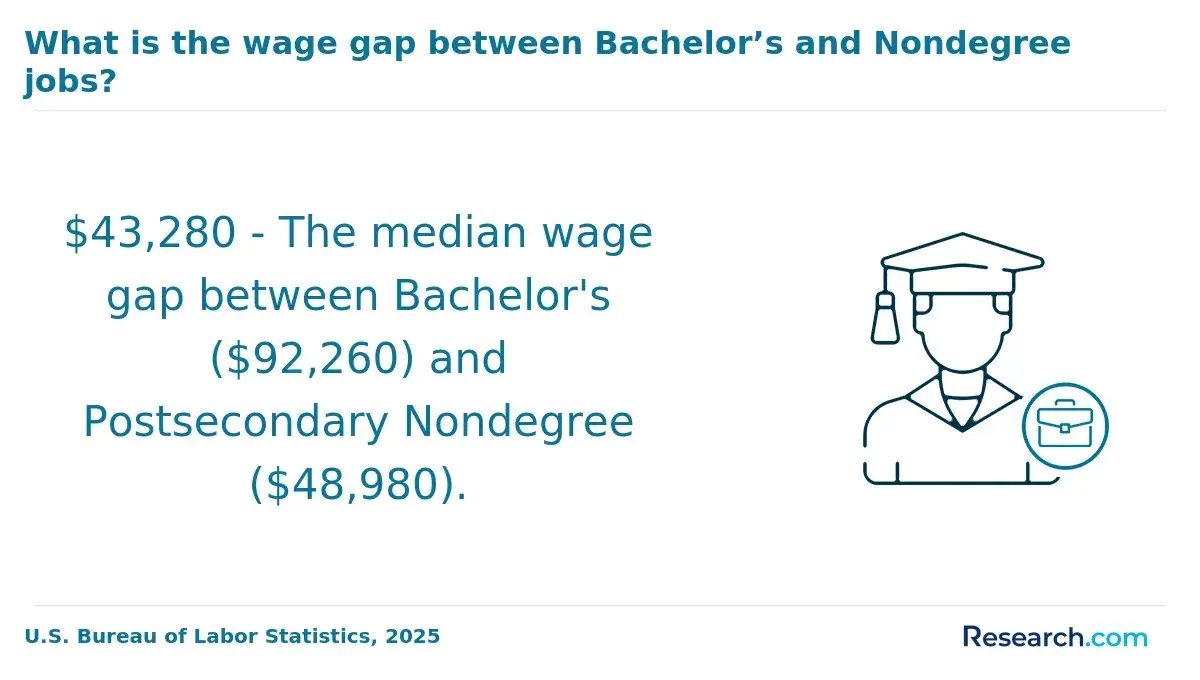
According to the U.S. Bureau of Labor Statistics, medical assistants with certification earn a median annual wage approximately 15% higher than those without.
Applicants should confirm that their chosen program is accredited by recognized bodies like the Commission on Accreditation of Allied Health Education Programs (CAAHEP) or the Accrediting Bureau of Health Education Schools (ABHES).
Additionally, consulting resources about online medical assisting licensure requirements can help ensure alignment with state-specific rules. For students interested in related fields, exploring online healthcare degrees may provide useful guidance.
A significant trend in the field reveals that total expenses for these programs generally range between $5,000 and $15,000, depending on the institution and credential level.
Below is a breakdown of typical costs associated with affordable online medical assisting degree tuition:
- Tuition per credit hour: Most online medical assisting programs charge between $200 and $500 per credit hour. This rate varies by school type, such as public versus private institutions, and program length, as shorter certificate courses generally cost less than associate degrees.
- Technology fees: To maintain robust digital learning platforms, many programs add technology fees that may cover access to software, virtual labs, and technical support. These fees have increased recently to enhance online learning experiences and can range from a modest flat rate to several hundred dollars per term.
- Enrollment and registration fees: Some schools require one-time or recurring fees for processing applications or managing student records. These smaller charges help sustain administrative services but vary widely between programs.
- Materials and supplies: Beyond tuition and fees, students should budget for textbooks, uniforms, specialized software, and any additional tools necessary for course completion. Costs here depend heavily on the program's requirements and can add significantly to overall expenses.
When comparing programs, it is also useful to explore financial aid options and flexible payment plans offered by some institutions to manage costs more effectively.
Additionally, prospective students can benefit from reviewing related options such as nursing programs online to understand broader trends in healthcare education affordability.
Understanding financial aid options is crucial for prospective online medical assisting students as it significantly influences their ability to fund the program and avoid excessive debt. Nearly 85% of students in career-focused programs receive some form of financial aid, reflecting its vital role in education affordability.
Several financial aid opportunities can help students manage costs effectively. Here are key types of financial aid available for online medical assisting students:
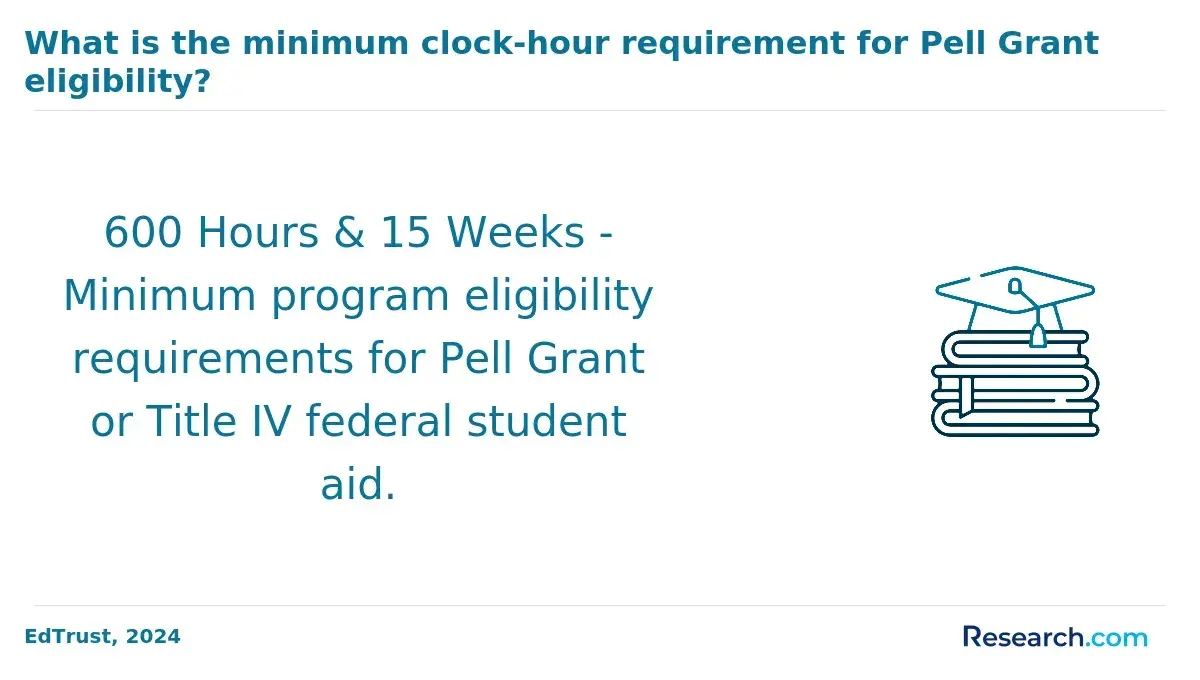
- Federal Grants: These need-based funds, such as the Pell Grant, do not require repayment and are awarded based on financial need. Eligibility requires completing the FAFSA (Free Application for Federal Student Aid), which helps determine the amount awarded to lower program expenses.
- Federal Student Loans: Options like Direct Subsidized and Unsubsidized Loans provide relatively low-interest rates and offer flexible repayment plans. Students must remain enrolled at least half-time and maintain satisfactory academic progress to qualify.
- Scholarships: Merit- and need-based scholarships from various organizations support students enrolled in medical assisting programs. Actively researching scholarships and grants for medical assisting programs can uncover awards that reduce the overall financial burden without repayment obligations.
- Work-Study Programs: These programs allow students to earn money through part-time work, often in healthcare-related roles, helping to offset education costs while gaining relevant experience.
Financial aid strategies are a key consideration when comparing online medical assisting programs, alongside factors like career outcomes and program quality.
For students interested in optimizing program costs, exploring cheapest online RN to BSN programs can provide insight into affordable educational pathways within healthcare fields.
Knowing career options helps prospective students match their online medical assisting education with job goals. The U.S. Bureau of Labor Statistics forecasts a 16% growth in medical assistant jobs from 2022 to 2032, indicating strong demand in this field.
Below are common roles graduates can pursue.
- Clinical medical assistant: Performs patient exams, records vital signs, and administers injections. This role often serves as a foundation for obtaining certifications and advancing clinical skills.
- Administrative medical assistant: Handles patient scheduling, billing, and record management. Experience here can lead to supervisory positions within medical offices.
- Medical office coordinator: Oversees daily office functions and staff coordination. The degree provides knowledge in healthcare regulations useful for this managerial role.
- Laboratory assistant: Prepares specimens and supports diagnostic testing. Medical assisting programs equip students with practical lab procedures needed for these tasks.
Recent data from the U.S. Bureau of Labor Statistics shows the median annual wage for medical assistants is around $39,000, with employment expected to grow 16% from 2021 to 2031-a rate much faster than most occupations.
Several key elements can impact earnings for online medical assisting graduates:
- Level of education: Those with certificates or associate degrees often receive higher pay compared to graduates with only a high school diploma due to enhanced clinical competencies and eligibility for certification exams.
- Specialization: Developing expertise in areas such as administrative tasks, clinical skills, or medical coding can lead to better compensation, as employers may pay premiums for specialized knowledge that meets specific job requirements.
- Experience: Entry-level salaries tend to be lower, but individuals typically see income growth as they accumulate work experience, proving their proficiency and dependability over time.
- Geographic location: Salary levels differ significantly depending on the region; urban centers and states with higher healthcare costs often provide increased wages, reflecting local market demands and living expenses.
- Work setting: Positions in hospitals or specialized clinics usually offer greater pay than roles in smaller physician offices or outpatient facilities, attributed to the complexity and volume of patients handled.
What Graduates Say About Enrolling in an Online Medical Assisting Degree
- Lana: "Choosing to enroll in the online medical assisting degree program was a turning point for me. The reasonable cost, which was far more affordable than traditional programs, made it accessible on my budget. The flexibility of online classes allowed me to balance work and study, and now I have advanced confidently in my healthcare career. I'm truly grateful for the practical skills and convenience this program offered."
- Ellie: "Reflecting on my decision to pursue an online medical assisting degree, the cost was a major factor that made me consider it seriously. It was significantly less expensive compared to on-campus options, which took the financial pressure off. The online format initially felt challenging, but the engaging course content and supportive instructors helped me succeed. This degree opened doors to new job opportunities and enhanced my professional growth in healthcare."
- Justin: "As a working professional, I needed an affordable way to earn my medical assisting degree without sacrificing income. The program's cost was competitive and justified by the quality of education I received entirely online. The experience was efficient and tailored to adult learners like me, which allowed me to acquire new credentials swiftly. This degree has elevated my role and increased my confidence in the medical field."
Other Things You Should Know About Medical Assisting Degrees
Yes, but the program must place you with an approved site that meets state and employer requirements. Many programs require 160 to 240 hours of supervised externship, and some clinical partners will not accept students unless they can pass a background check, drug screen, and immunization review.
Online medical assisting students typically need reliable high-speed internet, a computer that meets program specifications, and access to specific software or platforms for course content.
Programs may also require a webcam and microphone for virtual exams, meetings, or proctored assessments. Checking these requirements before enrolling can help avoid technical difficulties.
Not all online medical assisting programs are accredited. In 2027, it's crucial to check if a program is accredited by recognized bodies such as the Commission on Accreditation of Allied Health Education Programs (CAAHEP) or the Accrediting Bureau of Health Education Schools (ABHES). Accreditation ensures the program meets quality standards, essential for certification and employment.
- How Long Does It Take to Become a Certified Medical Assistant Online? https://www.clinicalskillsinstitute.com/post/how-long-does-it-take-to-become-a-certified-medical-assistant-online
- Medical Assistant Training Program https://www.metrohealth.org/en/education/medical-assistant-training-program/
- Medical Assistant Salary 2025: How Much Do They Make? https://nurse.org/healthcare/medical-assistant-salary/
- What are the Benefits of Enrolling in an Online-Only Program? https://www.bluecliffcollege.edu/blog/benefits-online-only-program/
- How Much Does a Medical Assistant Make? (MA) https://www.herzing.edu/salary/ma
- How Much Do Medical Assistants Make? | UMA https://www.ultimatemedical.edu/blog/medical-assistant-pay-information/
- 7 Benefits of a Hybrid Program in Medical Assisting - Ohio Business College https://obc.edu/7-benefits-of-a-hybrid-program-in-medical-assisting/
- Online Medical Assistant Programs | American National University https://succeed.an.edu/online-medical-assistant-programs/
- Online Medical Assistant Certificate Program | Self-Paced Course https://www.uscareerinstitute.edu/online-medical-assistant-school
- Cadence Open Roles â Remote Medical Assistant https://www.cadence.care/jobs/remote-medical-assistant