2027 Cheapest and Shortest Online Medical Assisting Degree Programs That Pay Well: Cost, Duration, and Salary Outlook

Co-Founder and Chief Data Scientist
Choosing an online medical assisting program usually comes down to three questions: How much will it cost, how quickly can you finish, and will the credential help you get hired? For students who want to enter healthcare without spending years in school, medical assisting can be a practical route into clinics, physician offices, outpatient centers, and specialty practices.
The Bureau of Labor Statistics reports a median annual wage of over $37, 000 for medical assistants, with job growth projected at 18%, much faster than average. That does not mean every low-cost or accelerated program is a good choice. The best options combine affordability, legitimate accreditation or recognized approval, hands-on training requirements, certification preparation, and career support.
This guide explains what cheap and short online medical assisting programs typically cost, how financial aid works, what accelerated formats look like, which skills students develop, how to judge legitimacy, and what career outcomes graduates can expect.
Key Benefits of the Cheapest and Shortest Online Medical Assisting Degree Programs That Pay Well
- Online medical assisting programs often reduce tuition by 30% compared to on-campus alternatives, promoting affordability for students balancing work and study.
- Accelerated courses can be completed in as little as 8 months, enabling faster entry into the workforce amid growing healthcare demand.
- Graduates typically earn median salaries around $37,000 annually, reflecting strong return on investment due to high employment rates in medical assisting roles.
How Much Does an Affordable Online Medical Assisting Degree Typically Cost?
An affordable online medical assisting program commonly costs less than many longer healthcare degrees, but students should compare the full price rather than tuition alone. Recent data from the National Center for Education Statistics shows that tuition rates for fully online courses have stabilized or slightly decreased, which can make online programs more accessible for cost-conscious learners.
When reviewing affordable online medical assisting degree cost, focus on the following expense categories:
- Total tuition range: Many programs fall between $5,000 and $15,000 in total tuition, depending on the school, credential level, and program length.
- Cost per credit: Community colleges and vocational schools often charge around $200 to $400 per credit hour for online medical assisting coursework, which is generally lower than many campus-based options.
- Online vs. on-campus costs: Online courses may reduce commuting, housing, parking, and some facility-related costs. However, online students may still pay technology, platform, or proctoring fees.
- Additional fees: Budget for technology fees, lab materials, background checks, uniforms, immunizations, certification exam expenses, and clinical placement requirements. These costs can add several hundred dollars beyond tuition.
- Accelerated program tuition: Accelerated medical assisting programs often last 9 to 18 months. A shorter timeline can reduce total living and opportunity costs, but students should confirm that the program still includes the clinical and administrative training employers expect.
The cheapest advertised program is not always the best value. A slightly higher-cost program may be worth considering if it offers stronger certification preparation, verified clinical experience, better student support, or employer connections.
Students who plan to move beyond medical assisting later may also compare future healthcare pathways, such as online RN to BSN programs without clinical requirements, before choosing their first credential.
Can You Get Financial Aid in the Cheapest Online Medical Assisting Programs?
Yes, students can often get financial aid for low-cost online medical assisting programs, but eligibility depends on the school, credential type, accreditation status, and enrollment level. Nearly 85% of online students obtain some form of financial assistance, making affordable financial aid for online medical assisting degrees an important part of the decision.
Common aid options include:
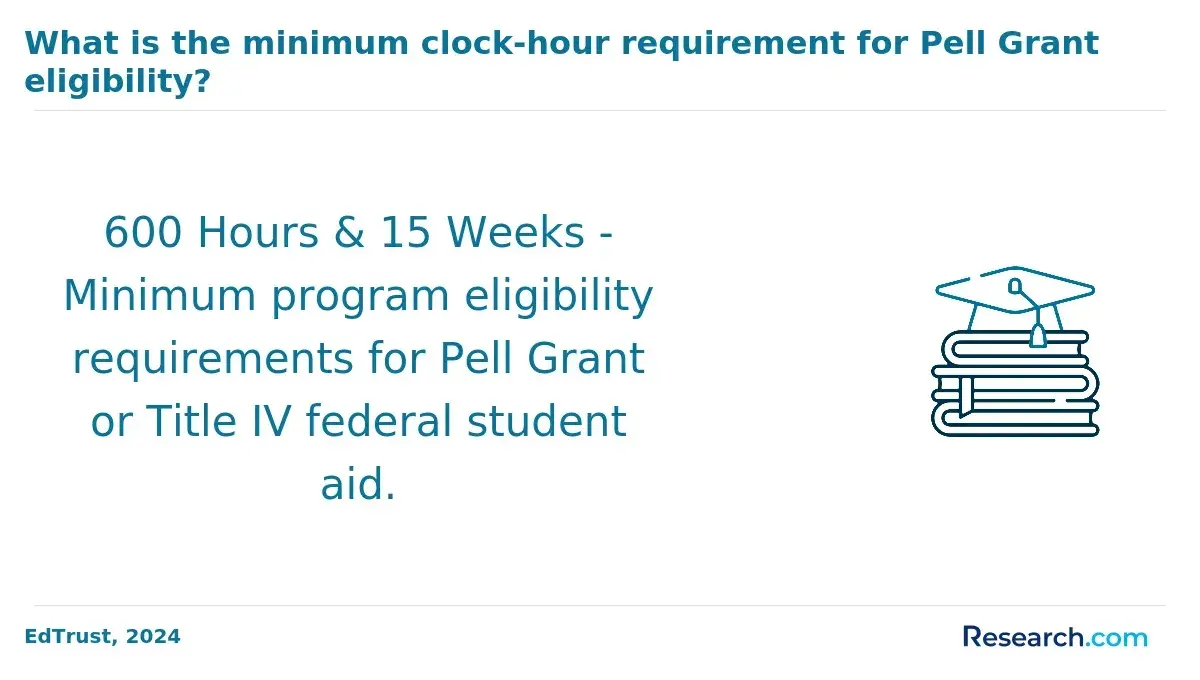
- Federal grants: Need-based aid, including the Pell Grant, does not require repayment. These grants can be especially helpful for students in accelerated medical assisting programs who want to lower upfront costs.
- Scholarships: Professional associations, community organizations, healthcare employers, and schools may offer scholarships for students pursuing medical assisting or allied health training.
- Federal student loans: Federal loans may offer relatively low-interest rates and flexible repayment plans. Borrow only what is needed after comparing grant, scholarship, and employer assistance options.
- Employer tuition assistance: Students already working in healthcare, customer service, administration, or related fields should ask whether their employer offers tuition reimbursement or education benefits.
Because many affordable programs charge $150 to $300 per credit hour and can be finished in 12 to 18 months, even modest grants or scholarships can significantly reduce out-of-pocket costs. Before enrolling, confirm whether the program participates in federal financial aid and whether certificate, diploma, or associate degree students qualify.
Also ask the school for a full cost sheet that includes tuition, fees, books, supplies, certification exam costs, and any clinical placement expenses. This helps prevent choosing a “cheap” program that becomes expensive after add-ons.
Students comparing broader healthcare education options can also review online DNP programs without dissertation as a separate advanced pathway.
What Are the Shortest Online Medical Assisting Degree Programs?
The shortest online medical assisting options are usually certificate or diploma programs rather than full associate degrees. They are designed for students who want job-focused training and faster entry into healthcare support roles.
Accelerated online medical assisting degree programs are especially popular among working adults, career changers, and students who need flexible scheduling. The key is to choose a fast program that still prepares students for real clinical and administrative responsibilities.
- Types of Accelerated Programs: The fastest online medical assisting degree programs typically include diploma or certificate tracks and associate degrees. Certificate options can be completed in 6 to 9 months, while accelerated associate degrees usually take about 12 to 15 months.
- Program Lengths and Pacing: Modular course designs let students focus on fewer subjects at a time, which can support faster completion. Some programs are self-paced, while others use cohort-based schedules with year-round enrollment.
- Course Features and Outcomes: Short programs usually emphasize essential clinical skills, front-office procedures, medical terminology, patient communication, and certification exam preparation. Tuition generally ranges from $200 to $400 per credit, with total credits between 40 and 60. Graduates report median salaries of $35,000 to $45,000, with strong job growth projected over the next decade.
Students should be careful with programs that promise completion very quickly but do not explain clinical training, externship requirements, certification preparation, or employer acceptance. Fast completion is valuable only if the credential is recognized and the training is practical.
Those considering related healthcare routes may also compare the easiest BSN program for an alternative fast-track nursing education option.
What Is the Typical Format of the Shortest Online Medical Assisting Degree Programs?
The shortest online medical assisting programs usually use compressed terms, structured weekly deadlines, and a mix of online coursework with hands-on skill practice. Recent data reveals that accelerated online courses have increased over 60% in the last ten years, reflecting strong demand for condensed learning formats in healthcare education.
- Term Length: These programs typically run condensed terms lasting 5 to 8 weeks, compared to standard 15-week semesters. This shorter schedule helps students focus intensively and finish an associate degree or diploma in roughly 9 to 12 months.
- Course Delivery: Coursework is commonly delivered through asynchronous lectures, recorded demonstrations, readings, quizzes, and interactive assignments. Some programs also include live virtual labs, scheduled office hours, or instructor-led review sessions.
- Weekly Workload: Students usually allocate 15 to 20 hours per week. Accelerated terms require steady work because missing one week can create a large backlog.
- Student Interaction: Discussion boards, video meetings, group assignments, and virtual office hours help students ask questions and practice professional communication, even when most coursework is completed remotely.
A graduate of one accelerated program described the format as demanding but manageable: “Balancing work, family, and coursework was intense, but the short terms helped me stay focused. The weekly deadlines kept me on track, and the live sessions felt like real classrooms despite being virtual.”
Her experience highlights an important trade-off. Short programs can help students enter the workforce sooner, but they leave less room for procrastination. Students who need a slower pace may be better served by a traditional schedule.
How Do Online Classes Work for Accelerated Medical Assisting Degrees?
Online classes in accelerated medical assisting programs are built for speed and flexibility, but they are not passive or easy. Students typically complete lectures, readings, assignments, quizzes, simulations, and instructor interactions through a learning management system. Many graduates complete their studies within 12 to 18 months.
- Asynchronous and synchronous learning: Most programs offer asynchronous content so students can access lectures and materials at convenient times. Some also require synchronous sessions for live discussions, skills demonstrations, review sessions, or virtual labs.
- Compressed weekly schedules: Accelerated classes often run in 5 to 8 weeks rather than conventional 15-week semesters. This makes the calendar shorter but the weekly workload heavier.
- Assignment pacing: Coursework is delivered in concentrated blocks. Students may need to complete readings, discussion posts, quizzes, skill activities, and written assignments within the same week.
- Instructor and peer communication: Communication usually happens through email, discussion boards, messaging tools, virtual office hours, and group projects. Strong programs make instructor access clear and timely.
- Efficient time management: Successful students often set fixed study blocks, track deadlines closely, and avoid stacking too many outside obligations during intensive terms.
Before enrolling, ask whether any in-person requirements apply. Even “online” medical assisting programs may require clinical practice, externships, skills checks, or local site participation. Understanding those requirements early prevents schedule conflicts later.
What Skills Do Students Gain from a Shortest-Track Online Medical Assisting Degree?
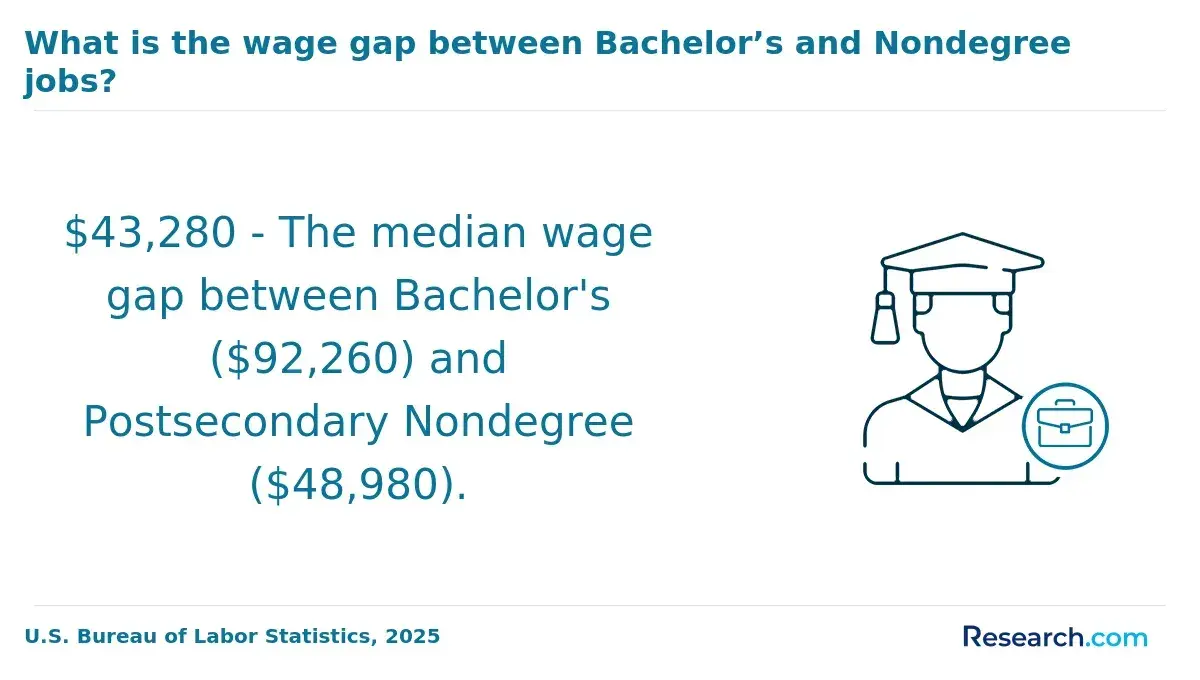
Shortest-track online medical assisting programs focus on job-ready skills rather than broad academic exploration. Data shows that graduates of these expedited courses frequently secure jobs within six months, which reflects the practical nature of the training.
Students typically build skills in five major areas:
- Clinical skills: Students learn to measure vital signs, assist with examinations, administer injections where appropriate, prepare patients, follow infection-control procedures, and perform routine laboratory tasks accurately and safely.
- Administrative capabilities: Training usually includes scheduling, patient records, billing basics, insurance documentation, front-desk workflow, and office software used in healthcare settings.
- Effective communication: Medical assistants must explain instructions clearly, listen carefully, protect patient privacy, and communicate concerns to nurses, physicians, and office staff.
- Critical thinking and problem-solving: Students learn how to recognize unusual situations, follow protocols, prioritize tasks, and respond professionally in busy clinical environments.
- Professionalism and organizational skills: Programs reinforce punctuality, confidentiality, documentation accuracy, multitasking, ethical behavior, and compliance with workplace expectations.
One graduate of a fast online medical assisting program described the experience this way: “The workload was nonstop, and juggling studies with my job took serious discipline.” He added that virtual simulations and instructor support helped him build confidence with technical skills before entering the workplace.
His experience shows why students should not choose an accelerated program only because it is short. The pace can be intense, and success depends on consistent study habits, reliable technology, and willingness to practice clinical concepts outside scheduled class time.
Are Cheap and Fast Online Medical Assisting Degree Programs Considered Legitimate?
Cheap and fast online medical assisting programs can be legitimate, but not all of them are. A low price or short timeline is not automatically a warning sign. The real question is whether the program meets recognized education standards, prepares students for certification, and provides the training employers expect.
Use these checks before enrolling:
- Accreditation: Programs accredited by recognized bodies like CAAHEP or ABHES meet essential education standards. Accreditation can also affect certification eligibility, employer confidence, and financial aid access.
- Faculty Expertise: Instructors should have relevant clinical, administrative, or allied health experience. Faculty background matters because medical assisting is a hands-on profession.
- Curriculum Quality: A credible program covers both clinical and administrative duties, including patient care, medical terminology, office procedures, documentation, safety, and professionalism.
- Licensing and Certification Eligibility: Legitimate programs should clearly explain which certification exams graduates may pursue and whether the curriculum meets applicable state licensing requirements, where relevant.
- Reputation and Outcomes: Review graduation rates, job placement information, employer partnerships, student support, complaint history, and graduate feedback. Strong outcomes can signal that the program delivers practical value.
Be cautious if a school avoids accreditation questions, guarantees employment, hides fees, lacks clinical training information, or pressures students to enroll immediately. A legitimate program should be transparent about costs, requirements, timelines, and outcomes.
What Are the Highest-Paying Roles for Online Medical Assisting Degree Graduates?
Online medical assisting graduates often begin in entry-level clinical or administrative support roles, then increase earning potential through experience, certification, specialization, or supervisory responsibilities. The highest-paying paths usually involve leadership, specialized clinical support, or office operations.
Common higher-paying roles include:
- Medical Office Manager: Medical office managers oversee daily operations in clinics or physician practices. Responsibilities may include staff coordination, scheduling, billing processes, patient flow, compliance tasks, and office procedures. Leadership duties often make this role higher paying than standard medical assisting positions.
- Clinical Supervisor: Clinical supervisors coordinate medical assistant teams, monitor workflow, support quality patient care, and help maintain consistent procedures in larger healthcare facilities. The added accountability can improve earning potential.
- Specialized Medical Assistant: Medical assistants who work in podiatry, optometry, ophthalmology, or similar specialties may earn more because they support more technical procedures and specialized patient care. Certifications such as the Certified Medical Assistant (CMA) or Registered Medical Assistant (RMA) can also influence salary potential.
Students should understand that the degree or certificate alone does not guarantee a top-paying role immediately. Location, employer type, experience, certification, specialty training, and willingness to take on leadership responsibilities all affect earnings.
Students interested in additional affordable healthcare education pathways can also explore cheap NP programs, which may lead to different nursing career options.
What Is the Job Placement Rate for Online Medical Assisting Graduates?
Job placement rates vary by school, local labor market, student experience, and program quality. Data from the Commission on Accreditation of Allied Health Education Programs (CAAHEP) shows employment rates above 80% within six months post-graduation, reflecting strong career advancement potential in this field.
Several factors can affect whether graduates find work quickly:
- Industry demand: A growing elderly population and expanded healthcare services continue to support demand for medical assistants in clinics, outpatient centers, and physician offices.
- Program reputation and accreditation: Graduates from CAAHEP-accredited online medical assisting programs may be preferred by employers because accreditation signals that the curriculum meets recognized training standards.
- Internships and practicum experience: Quality online programs often include hands-on clinical placements. This experience helps students apply classroom skills and can strengthen job applications.
- Alumni networks: Career support, employer relationships, resume help, interview preparation, and local networking can all improve job placement outcomes.
When comparing programs, ask how the school calculates job placement. Strong questions include whether the rate includes only graduates who responded to surveys, whether jobs are related to medical assisting, and how soon after graduation employment is measured.
For students comparing nursing advancement options, resources on the cheapest RN to BSN online programs may also be useful.
How Do You Choose the Best Cheap Online Medical Assisting Degree Program?
The best cheap online medical assisting degree program is not simply the one with the lowest tuition. It is the program that offers a credible credential, prepares students for certification and employment, fits their schedule, and keeps total costs manageable.
Use this checklist before applying:
- Accreditation: Verify whether the program is accredited by recognized organizations such as the Commission on Accreditation of Allied Health Education Programs (CAAHEP). Accreditation helps confirm that the curriculum meets industry standards and may support certification exam eligibility.
- Curriculum Quality: Look for coursework that covers clinical duties, administrative skills, medical terminology, patient communication, documentation, safety, and hands-on practicum experiences.
- Program Length: Many affordable programs can be completed within 12 to 18 months, which can help students enter the workforce sooner. Make sure the shorter timeline does not eliminate essential clinical preparation.
- Student Support Services: Career counseling, tutoring, technical support, externship coordination, and job placement assistance can make a major difference. Programs with graduation rates above 70% and strong job placement typically offer better long-term value.
- Career Outcomes: Compare affordability with employment support and expected earnings. The median annual wage for medical assistants is about $37,000, with higher earnings possible in specialized or experienced roles.
Before committing, request a written breakdown of tuition, fees, supplies, exam costs, refund policies, transfer credit rules, externship requirements, and certification preparation. Also confirm whether online students receive the same advising and career services as campus students.
What Graduates Say About Their Cheapest and Shortest Online Medical Assisting Degree
- : "I was drawn to affordable and fast online medical assisting programs because I needed a career change without breaking the bank. The average cost was surprisingly low, around $4,000, which made it accessible for me. Completing it quickly helped me step into a healthcare role within months, and now I feel confident and excited about my future in medical assisting. — Brianna"
- : "Choosing an online medical assisting degree that was both economical and brief was a practical decision for me. At roughly $3,500 total, I was able to manage expenses without financial strain. This program accelerated my entry into the medical field, and I'm grateful for how it refined my skills and opened doors professionally. — Lillian"
- : "Reflecting back, enrolling in a fast, affordable online medical assisting program was one of my smartest moves. With costs averaging just under $5,000, it was within reach and ideal for my budget. The fast pace meant I could advance my career sooner, gaining essential knowledge and practical experience that employers value highly. — Melissa"
Other Things You Should Know About Medical Assisting Degrees
Yes, online medical assisting degree programs in 2027 are designed to accommodate working students. Many allow flexible schedules where you can study part-time and manage courses around your work commitments. Typically, programs offer asynchronous classes that can be accessed anytime.
To enroll in an online medical assisting degree program, you must typically have a high school diploma or GED. Some programs may require CPR certification or background checks. Requirements vary by institution, so check specific program details for 2027 enrollment criteria.
References
- 5 Medical Assistant Career Paths That Could Pay $80K+ https://preppy.org/5-medical-assistant-career-paths-that-could-pay-80k/
- Medical Assistant Statistics (Employment, Salary, & More) https://www.stepful.com/post/medical-assistant-statistics
- Top Medical Assistant Classes Online with Financial Aid https://www.edumed.org/online-schools/medical-assistant-programs/financial-aid/
- 6 Things to Look For in Medical Assistant Programs | CALRegional https://calregional.com/blog/6-things-to-look-for-in-medical-assistant-programs/
- Online Medical Assistant Certificate Program | Self-Paced Course https://www.uscareerinstitute.edu/online-medical-assistant-school
- Medical Assisting (AC) - Programmatic Outcomes Data - City Colleges of Chicago https://www.ccc.edu/malcolm-x/departments/medical-assisting-publishing-data/
- Become a Certified Medical Assistant Online in 3 Months – NHA-Accredited Program https://www.clinicalskillsinstitute.com/
- Which Healthcare Certifications Pay the Most? A Guide to Higher-Earning Medical Jobs Through Certification https://www.pennfoster.edu/blog/10-medical-certifications-that-pay-well
- Online Medical Assistant Program - MedCerts https://medcerts.com/programs/healthcare/medical-assistant
- The Benefits of Pursuing a Certified Clinical Medical Assistant Online Program - AlliedRx Institute of Healthcare https://www.alliedrxtraining.com/blog/certified-clinical-medical-assistant-online-program