2027 Credit Requirements for a Medical Assisting Degree Explained

Co-Founder and Chief Data Scientist
Many students struggle to navigate the credit requirements when pursuing a medical assisting degree, risking delayed graduation or extra costs. Nearly 40% of medical assisting program candidates take longer than anticipated due to unawareness of transfer credit policies and prerequisite demands.
This issue is critical as the Bureau of Labor Statistics projects a 16% growth in medical assisting jobs through 2032, increasing demand for qualified graduates. This article clarifies typical credit requirements, transfer options, and planning strategies to help students complete their medical assisting degree efficiently and on time.
Key Things to Know About Credit Requirements for Medical Assisting Degrees
- Medical assisting degrees typically require completing a defined total of credits, which influences the program length and readiness for certification exams.
- Transfer credits or recognition of prior learning can reduce required coursework, accelerating completion and lowering overall educational expenses.
- Credit structures affect academic progression, directly impacting time to graduation, tuition costs, and timely entry into the medical assisting workforce.
How Many Credits Are Required for a Medical Assisting Degree?
Effective academic planning requires a clear understanding of credit expectations since it directly impacts time-to-degree considerations and overall educational commitment. Accurately estimating the credit hour requirements helps students organize their coursework efficiently and meet all necessary benchmarks for certification and career readiness.
Below is an overview of typical credit ranges by degree level for medical assisting programs to aid in such planning:
- Associate degree: Typically requires approximately 60 to 70 credits, combining general education courses like English and biology with core medical assisting classes that cover essential clinical and administrative skills. This level focuses on foundational knowledge for entry-level positions.
- Bachelor's degree: Usually involves between 120 and 130 credits, including more advanced coursework in healthcare management, clinical techniques, leadership, and sometimes research subjects. Bachelor's programs offer a broader and deeper academic experience compared to associate degrees.
- Graduate and professional pathways: While less common in medical assisting, master's or related doctoral programs, such as online DNP programs, exist in healthcare fields and generally have higher credit requirements with a strong emphasis on leadership, research, and specialized practice.
How Many Core and Elective Credits Are Required for a Medical Assisting Degree?
Balancing core courses and electives is vital for effective academic planning and successful career preparation in medical assisting programs. Data indicates that students who carefully allocate credits between these categories tend to graduate on time and enter the workforce with stronger, more versatile skill sets.
Here is a typical distribution of credit requirements for medical assisting degrees and what each category entails:
- Core courses: These generally constitute about 60% to 75% of the total credits, which means approximately 36 to 45 credits in a 60-credit program. Core courses include essential subjects such as anatomy, physiology, medical terminology, clinical procedures, and administrative skills. This focused curriculum builds the practical and theoretical foundation necessary for daily responsibilities as a medical assistant.
- Electives: Usually making up 15% to 40% of the credits, electives range from 9 to 24 credits in a 60-credit program. These courses offer opportunities to explore healthcare ethics, medical coding, nutrition, or other specialized topics tailored to student interests and career goals. Electives provide valuable flexibility that enhances adaptability and broadens professional skills.
Understanding credit requirements for medical assisting degrees and the balance of core courses versus electives can improve students' ability to customize their education, with the easiest online DNP programs coming as a viable option for nurses who aim to advance their education and career.
Do Online Medical Assisting Programs Require the Same Number of Credits?
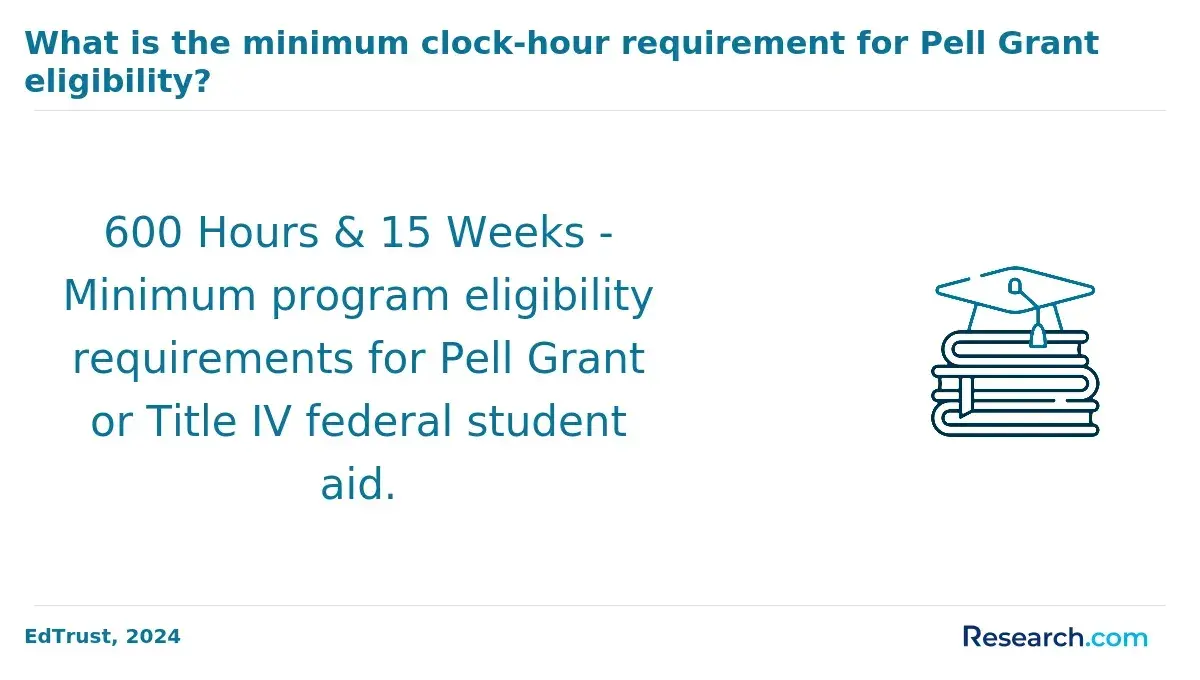
Knowing how credit requirements compare between online and on-campus medical assisting programs helps students plan their education efficiently and select programs that best fit their schedules and goals. With enrollment in online medical assisting courses rising by more than 20% over the last five years, this is increasingly relevant for prospective students.
Here are some essential points to consider:
- Credit load similarity: Most online programs require between 40 and 60 credit hours, closely matching on-campus curricula to ensure comprehensive training for both clinical and administrative skills.
- Course format and pacing: Online courses often provide flexible pacing, allowing students to progress at their own speed or accelerate when possible, unlike the fixed semester schedules common in traditional programs.
- Impact on completion time: Credit requirements shape the overall duration of study and prepare students adequately for certification exams, though flexible pacing may shorten or extend timeframes depending on the learner.
- Transfer credits and policies: Acceptance of previously earned credits can vary, which affects how quickly students finish their degree and transition to their careers.
When I spoke with a graduate of an online medical assisting degree, he emphasized that the credit structure felt comparable to on-campus options but appreciated the online format for its adaptability. He shared that balancing work and study was challenging at times, but the ability to complete required credits around his schedule made a significant difference.
"The flexibility to tackle coursework when it suited me was invaluable," he said, noting it helped him stay motivated while ensuring he met all the necessary credit standards to qualify for certification. His experience highlights how online programs can meet rigorous credit demands without sacrificing convenience.
Knowing the credit requirements in accelerated medical assisting programs is crucial for students who want to complete their studies in less time. Proper awareness helps manage workload and avoid delays while maintaining academic standards.
The following points outline key aspects of credit structures in these fast-paced programs:
- Typical Credit Requirements: These programs usually demand between 30 and 50 total credits, covering essential topics like clinical skills, anatomy, and medical terminology. The condensed timeframe means the curriculum is more intensive compared to traditional programs.
- Balance of Core and Elective Courses: Most credits are allocated to required core classes that prepare students for certification and professional practice. Elective credits tend to be limited but offer chances to gain specialized knowledge or supplementary skills.
- Increased Course Load Due to Acceleration: Students often carry heavier credit loads each term, frequently ranging from 12 to 15 credits. This accelerated pace intensifies study demands and limits downtime between academic sessions.
- Transfer Credit Considerations: Many programs accept previously earned credits from comparable coursework, enabling students to reduce the number of credits needed to graduate and shorten their overall program duration.
Knowing how transfer credits are accepted can help students shorten their time to complete a medical assisting degree and avoid repeating courses. Nearly 70% of transfer students in health-related programs manage to apply some credits toward their medical assisting education.
Below is a breakdown of common credit acceptance depending on degree types:
- Associate Degree Programs: Typically accept 50% to 75% of transfer credits, mostly for general education and elective courses rather than core medical assisting classes. This helps students focus on hands-on courses within the program.
- Bachelor's Degree Programs: Often allow 60% to 80% of credits to transfer, including some core courses if they align closely with medical assisting competencies. This credit flexibility supports degree completion while maintaining essential training.
- Master's, Professional, and Doctoral Programs: Rarely accept many undergraduate medical assisting credits and instead prioritize advanced coursework specific to higher-level certifications.
- Accelerated Programs: Usually impose tighter limits on transfer credits due to condensed curricula that require completing most coursework within the program.
- Application of Transferred Credits: Credits usually count toward electives and general education requirements. Core medical assisting classes often must be completed in-program to satisfy clinical standards and certification mandates.
When I spoke with a medical assisting degree graduate about her experience with transferring credits, she described the process as initially overwhelming due to varying institutional policies. She recalled feeling uncertain about which courses would transfer and spent hours communicating with admissions staff to clarify transfer equivalencies.
"It was frustrating at times, but staying organized and persistent paid off," she said. The credits she brought in lessened her overall course load, allowing her to focus more on clinical training. Her story highlights the importance of early planning and thorough research in navigating transfer credit acceptance smoothly.
Prior Learning Assessment (PLA) is a process that allows students to earn academic credit by demonstrating skills and knowledge gained through relevant professional work experience. Typically, work experience eligible for PLA includes roles closely aligned with medical assisting duties, such as clinical or administrative healthcare tasks.
Below is an overview of common qualifying experiences and how they relate to earning credit for medical assisting degrees:
- Work Experience Documentation: Universities require thorough documentation to evaluate work experience credit, including resumes, job descriptions, and supervisor evaluations. Some programs may also require passing a challenge exam or submitting reflective essays describing how prior work aligns with academic outcomes.
- Credit Limitations: Most institutions cap credits earned through PLA to around 25-30% of total degree requirements. This ensures students complete sufficient formal coursework while receiving recognition for relevant prior work.
- Impact on Time and Cost: Using work experience credit can reduce time to completion and lower tuition expenses, as fewer classes are needed. Both on-campus and online programs may offer these options, but policies vary widely, so early inquiries are recommended.
Common work experiences that may qualify for medical assisting credit include medical receptionist, phlebotomist, certified nursing assistant (CNA), and allied health technician roles. These positions often involve patient care, clinical procedures, or administrative duties that closely match course objectives for those counting prior work experience toward medical assistant credits.
Students interested in accelerating their studies can also explore healthcare pathways, such as pursuing a healthcare management degree online, which may integrate clinical experience credit policies alongside administrative training opportunities.
Licensure requirements often directly influence the number of credit hours required to complete a medical assisting degree. Many states and licensing boards impose specific educational standards that programs must fulfill for graduates to qualify for certification or licensure, impacting curriculum and credit allocation.
Accreditation from recognized agencies ensures that programs meet these licensure standards by including essential coursework such as anatomy, medical law, and pharmacology, along with hands-on clinical training. These required components, including supervised clinical hours, often increase credit hours beyond general education requirements and can extend the program length.
Students should consider how these licensure credit hour requirements for medical assisting degrees affect their academic planning and transfer policies, especially since these mandates can vary by state or licensing board.
Meeting state licensure demands can also raise tuition costs due to the need for specialized instructors and dedicated facilities. Both campus-based and online programs must meet these requirements, although online formats sometimes provide more flexible scheduling options for practical experiences.
The impact of state licensure on medical assisting program credits means students must verify local requirements early to avoid unexpected time-to-degree extensions. Aligning degree credits with licensure ensures graduates are ready and eligible for employment, but it may present challenges in balancing affordability and coursework intensity.
Meanwhile, prospective students looking to balance costs might also consider resources like the cheapest online nursing programs for additional guidance on affordable healthcare education paths, particularly if they plan to pursue nursing.
A credit hour typically represents one hour of classroom or direct faculty instruction plus two hours of out-of-class student work per week throughout a standard academic term. Understanding credit calculations matters for students planning a medical assisting degree because it helps them manage their academic workload and meet graduation requirements efficiently.
Here are several points to consider:
- Lecture courses: These generally earn one credit hour per hour of weekly instruction. They form the foundation of the program's theoretical knowledge and are a major component of the calculation of required credits for medical assisting programs.
- Lab sessions: Labs involve hands-on practice, often requiring more time than lecture hours. Credit is assigned to reflect this intensity, ensuring students gain essential practical skills aligned with classroom theory.
- Clinical practicums and externships: These count credit based on supervised work hours, with a defined number of clinical hours equating to a credit. They provide real-world experience critical for medical assisting competencies.
- Project-based or capstone courses: These courses award credits based on the overall workload, including research, presentations, and comprehensive application of learned skills, rounding out the academic experience.
Undergraduate and graduate medical assisting programs differ in credit calculations, as graduate courses often require increased outside study or research per credit hour. Delivery formats also influence credit structures; many online programs incorporate asynchronous learning and virtual labs but maintain equivalency to on-campus credit hours according to accreditation standards.
Accrediting agencies ensure consistency by standardizing credit hours to represent balanced coursework and clinical experience, such as the typical 60-credit associate or 120-credit bachelor's requirements.
Students who aim to pivot to nursing can explore further advancement options through the most affordable BSN to DNP programs online.
Total credit requirements define how many course credits students must complete to earn a medical assisting degree, directly influencing the duration of their studies. These requirements typically range from 40 to 70 credits, covering both mandatory subjects and electives, which makes careful planning essential for timely graduation.
Several important factors can shape these timelines:
- Core credits: These are mandatory courses that cover essential medical assisting skills and knowledge. Because they form the program's foundation, students must complete all core credits, which often constitute the majority of their workload and set a fixed baseline for program length.
- Elective credits: Electives offer flexibility and allow students to explore interests beyond core courses. However, taking additional electives can increase overall credit counts, potentially prolonging the time needed to graduate.
- Transfer credits: Students with prior college coursework or related certifications may transfer credits to reduce their total credit load. Transferring credits effectively shortens the program length by exempting students from certain requirements.
- Accelerated formats: Some programs compress coursework into shorter time frames, enabling students to earn the required credits faster. Accelerated options are available online and on-campus but require a more intense pace, which may suit self-motivated learners.
- Prior learning assessment: Recognition of existing skills and experience through assessments can lower credit requirements. This approach allows students to bypass some courses, which speeds up completion and helps accommodate diverse educational backgrounds.
Online medical assisting programs often provide more flexibility in course pacing, which can help students complete credits more rapidly if they manage heavier class loads. On-campus programs generally follow fixed semester schedules, which might extend time-to-degree depending on course availability and credit limits each term.
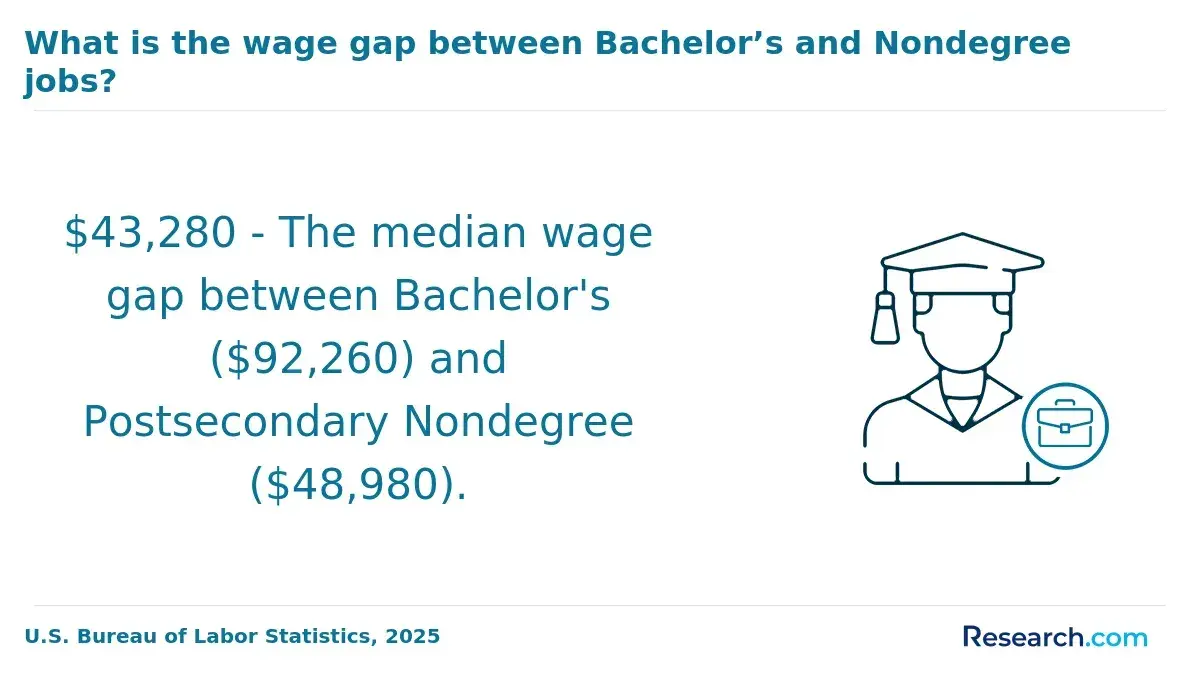
Completing additional academic credits in a medical assisting program can enhance career advancement, leadership prospects, and eligibility for specialized or higher-paying positions in select healthcare sectors. However, the value of extra credits depends on how they align with employer expectations and industry demands.
Here are some key points to consider:
- Advanced concentrations: Taking credits in areas like pharmacology or electronic health records equips graduates with specialized expertise that may attract better job opportunities and increased pay.
- Licensure and certification preparation: Credits focused on CMA exam readiness or similar certifications improve eligibility for roles with added responsibility and compensation.
- Technical skill development: Additional coursework enhancing practical and managerial abilities can help secure supervisory positions and demonstrate commitment to ongoing professional growth.
- Entry-level credential adequacy: Many medical assisting jobs require only a basic diploma or certificate; earning extra credits beyond these may not noticeably improve salary.
- Extended program timelines: Pursuing excess credits without clear career benefit can delay workforce entry and increase educational expenses without proportional earnings boost.
- Experience over academics: Employers often prioritize relevant certifications and hands-on experience more than the total number of credits completed.
Current labor market trends highlight a distinction between academic credit accumulation and professional qualification. Those who strategically choose credits that support credentialing and practical skills tend to experience better career returns, while unfocused credit hours may offer limited economic advantage.
What Graduates Say About The Credit Requirements for Their Medical Assisting Degree
- David: "The online medical assisting degree program was a lifesaver for me because I could complete program credits on my own schedule. The average cost per credit was much more affordable than I expected, which made it easier to manage financially. Earning extra credits really broadened my knowledge and opened up new job opportunities in healthcare administration."
- Elianne: "Reflecting on my time in the medical assisting degree program, the flexibility to fulfill credits remotely allowed me to balance work and study seamlessly. Although some programs can be costly, I found the price per credit reasonable compared to traditional routes. Gaining those additional credits enhanced my confidence and professionalism in clinical settings."
- Sophie: "Completing my medical assisting degree online gave me the freedom to accelerate my education by earning extra credits efficiently. Considering the cost per credit, it was a smart investment that paid off by advancing my career quickly. This extra training has positioned me well for leadership roles in medical offices."
Other Things You Should Know About Medical Assisting Degrees
In 2027, completing a medical assisting degree typically requires earning between 60 and 65 credit hours. These credit hours often include courses in medical terminology, anatomy and physiology, and administrative practices, and they must be earned through an accredited program.
Many medical assisting programs require students to have completed certain prerequisite courses before full enrollment. These prerequisites typically include basic biology and introductory health sciences. Some programs may also require placement tests or prior completion of high school-level math and English. Meeting these prerequisites ensures that students are prepared for the technical coursework ahead.
Clinical hours are typically part of a medical assisting degree's credit requirements in 2027, requiring students to complete hands-on training. Programs generally mandate around 160–220 clinical hours, forming an essential component of the curriculum to ensure practical experience.
Yes, credits earned from certificate programs can often be applied towards a medical assisting degree. However, it depends on the institution and the specific program. It's crucial to check with the admissions office to understand their credit transfer policies and if any courses align with their degree requirements.
- Accelerated Clinical Medical Assistant Program | CALRegional https://calregional.com/program-category/medical-assistant-program/
- Recertification https://www.aama-ntl.org/certification/recertification
- Medical Assisting, A.A.S. https://catalog.ecc.edu/preview_program.php
- How To Become a Medical Assistant: Step-by-Step Guide to Starting Your Career - Texas Health School https://ths.edu/how-to-become-a-medical-assistant-step-by-step-guide-to-starting-your-career/
- Medical Assistant (RMA) https://americanmedtech.org/medical-assistant
- Earn College Credit for Medical Assistant Certification | Advanced eClinical Training https://advclinical.org/ccma-ace-credit-approval/
- Medical Assistant Program | College of DuPage https://www.cod.edu/academics/programs/medical-assistant/
- Medical Assisting Gaston College Charlotte, NC https://www.gaston.edu/health-human-services/medical-assisting-2/