2027 Medical Assisting Degree Levels Explained: Bachelor's vs Master's vs Doctorate

Co-Founder and Chief Data Scientist
Choosing the right medical assisting degree can be overwhelming when career goals and educational investments are at stake. For instance, a medical assistant aiming to move into administrative leadership may wonder if a bachelor's degree justifies the cost and time compared to a master's or doctorate.
Employment for medical assistants is projected to grow 16% through 2031, reflecting increasing demand for advanced skills in clinical and administrative roles. This article clarifies the practical differences between bachelor's, master's, and doctoral medical assisting degrees, helping prospective students align their education with career advancement and industry expectations.
Key Things to Know About Medical Assisting Degree Levels
- Bachelor's degrees offer broader education and specialization options, master's focus on advanced clinical skills and leadership, while doctorates emphasize research and executive healthcare roles.
- Bachelor's graduates often enter clinical and administrative roles; master's holders pursue management or specialized clinical careers; doctorates qualify for high-level leadership and academic positions.
- Bachelor's programs typically require 4 years and moderate costs; master's add 1-2 years and higher expenses; doctorates demand several more years and significant financial investment.
How are medical assisting degree levels structured academically?
Evaluating how medical assisting degree programs differ by academic level is crucial for prospective students seeking the right fit for their career aspirations. Comparing bachelor's, master's, and doctorate degree structures in medical assisting reveals distinct differences in curriculum scope, complexity, and learning outcomes. The following points highlight key academic distinctions across these degree levels:
- Coursework Intensity: Bachelor's programs cover foundational skills in clinical and administrative areas with moderate coursework intensity, while master's degrees increase specialization and academic rigor, and doctoral studies demand the deepest level of scholarly engagement.
- Research and Capstones: Research elements emerge at the master's level, often requiring a thesis or capstone project, whereas doctoral programs focus heavily on original research and dissertation work to drive innovation in the field.
- Academic Rigor: Each successive degree level demands more critical thinking and specialized knowledge, advancing from broad practical skills to in-depth expertise suitable for leadership or academic roles.
- Independent Study: Expectations grow from guided learning in bachelor's programs to independent research culminating in original contributions to medical assisting knowledge at the doctoral level.
Prospective students can better compare degree options and plan long-term advancement by understanding these variations. Those interested in programs blending healthcare with advanced study might also explore related options like a pharmacy degree online.
What do you learn in a bachelor's degree in medical assisting?
A bachelor's degree in medical assisting offers a robust education designed to prepare students for entry-level healthcare careers or further academic pursuits. This degree builds foundational skills while advancing knowledge across clinical, administrative, and ethical aspects. Below are the key components that students typically encounter in medical assisting bachelor's degree curriculum.
- Core Coursework: Students study anatomy and physiology, medical terminology, clinical procedures, pharmacology, and healthcare law and ethics. These topics provide a comprehensive understanding of body systems and the legal framework governing patient care.
- General Education: Alongside healthcare-specific classes, programs include courses that develop critical thinking, effective communication, and problem-solving abilities essential for professional success.
- Practical Training: Hands-on learning is integrated through labs and externships, allowing students to gain experience in patient care, administrative duties, and use of medical technology in real-world settings.
- Skill Development: Emphasis is placed on both technical expertise and soft skills such as teamwork, patient communication, and adaptability, which are vital for working efficiently in healthcare environments.
- Career and Graduate Preparation: The degree equips graduates for medical assisting roles and serves as a strong foundation for advanced study. It enhances research capabilities and deepens understanding of healthcare systems and management.
Those interested in accelerating their path to a healthcare career may explore a fast track medical assistant program designed to build these competencies efficiently. Understanding what students learn in bachelor's degree medical assisting programs is important for making informed decisions about aligning education with career goals.

What specializations are available in a medical assisting master's degree?
Specialization choices are a key factor when evaluating master's programs in medical assisting, as they enable students to tailor their studies to match career ambitions and industry needs. These focused areas help develop advanced skills that prepare graduates for specific roles in healthcare settings.
- Healthcare Management: This path emphasizes administrative expertise, financial oversight, and strategic planning. Students often study healthcare policy and organizational leadership, equipping them for management roles in clinics, hospitals, or healthcare organizations.
- Clinical Leadership: Focused on advanced patient care and team supervision, this specialization includes coursework in quality assurance and clinical operations. Graduates are prepared to lead healthcare teams and oversee clinical workflows.
- Health Informatics: Concentrating on electronic health record systems and data management, this area integrates technology with healthcare delivery. It prepares students for roles managing patient data and supporting technology-driven improvements in clinical settings.
- Education: Designed for those interested in teaching or training medical assisting professionals, this specialization includes curriculum development and instructional methods. Graduates can pursue careers as educators or trainers within medical assisting programs or healthcare organizations.
Each specialization typically incorporates studies in healthcare ethics, policy, and technology use, ensuring that graduates possess specialized knowledge alongside core medical assisting competencies for roles such as practice managers, clinical supervisors, health information specialists, or educators.
Recognizing the different doctoral degree options in medical assisting is crucial for choosing a path that aligns with your career goals. Enrollment in health professions doctoral programs, including medical assisting, has grown by about 12% in the last five years, indicating rising interest in advanced expertise. The main types of doctoral degrees available can be outlined as follows:
- Professional Doctorates: These degrees emphasize advanced clinical practice, healthcare leadership, and operational skills aimed at enhancing patient care and management efficiency. The curriculum often includes courses on policy development and practical applications to prepare graduates for executive or administrative roles.
- Research-Focused Doctorates: Including PhDs, these programs concentrate on generating original knowledge through scientific methods such as data analysis and research design. They suit those interested in academic careers, teaching, or conducting studies that advance the field.
- Specialized or Interdisciplinary Tracks: These degrees integrate medical assisting with related areas such as healthcare administration, education, or informatics. Designed to meet evolving industry demands, they foster cross-disciplinary skills and innovative approaches.
When I asked a graduate of a doctorate in medical assisting about his experience, he reflected on the journey's intensity: "Balancing clinical work with demanding research deadlines was tough, but it pushed me to develop exceptional time management and critical thinking skills."
He noted feeling challenged but motivated, especially when navigating complex topics outside traditional coursework. "This program changed how I view medical assisting-from just a profession to a field ripe with opportunities to influence healthcare policy and education."
Knowing admission requirements is crucial for students deciding between bachelor's, master's, and doctoral medical assisting programs. These criteria help applicants prepare effectively and select the best fit for their career ambitions.
Bachelor's
- Educational Background: A high school diploma or equivalent is usually required to apply.
- GPA Expectations: Institutions often expect a minimum GPA around 2.5 to 3.0 to demonstrate academic readiness.
- Standardized Tests: Some programs request SAT or ACT scores as part of the application.
- Prerequisite Courses: Completion of foundational biology or health science classes is commonly necessary.
- Supporting Documents: Applicants typically submit letters of recommendation and personal statements to highlight motivation and suitability for the program.
Master's
- Prior Degree: A completed bachelor's degree, ideally in a related discipline, is required.
- Academic Performance: A competitive GPA, generally 3.0 or higher, is expected.
- Test Scores: GRE results often supplement the application to assess graduate-level preparedness.
- Professional Experience: Relevant healthcare experience enhances candidacy and demonstrates practical knowledge.
- Application Materials: Letters of recommendation and a statement of purpose emphasize academic capabilities and professional goals.
Doctorate
- Previous Education: Applicants must hold a master's degree with strong academic achievements.
- Experience Requirements: Significant professional involvement in the healthcare field is essential.
- Examinations: GRE scores are typically required to evaluate scholarly aptitude.
- Recommendations and Proposals: Multiple letters of recommendation and research proposals are submitted to assess research potential and expertise.
- Interviews: Some programs include interviews to gauge leadership qualities and alignment with research objectives.
Bachelor's programs in medical assisting generally require around four years of full-time study, while master's degrees often take between one and a half to three years. Doctorate programs tend to be the longest, commonly spanning three to six years.
Recognizing these typical durations helps prospective students align educational choices with their career timelines. Notably, research shows that approximately 60% of bachelor's degree students complete their program within six years. Several key factors influence how long each degree might take, including:
- Enrollment Status: Full-time students usually finish faster, but many balance part-time study with work or family, which can extend completion times.
- Credit Transfer: Previous coursework or related certifications might reduce required credits, shortening the overall program length.
- Prior Experience: Relevant professional background can lead to accelerated pathways or exemptions in some cases.
- Program Format: Online and hybrid formats offer flexibility, enabling some students to progress at their own pace, impacting duration accordingly.
- Individual Circumstances: Personal responsibilities, financial considerations, and academic performance often influence the timeframe for degree completion.
I spoke with a graduate of an online master's medical assisting program to gain insight into her experience with program length. She reflected that the flexibility to study remotely was invaluable, especially as she balanced a full-time job and family commitments. "I wasn't always able to keep the pace I wanted," she admitted, "but having the option to adjust deadlines and course loads helped me stay on track without burning out."
She also shared that interacting with instructors and peers virtually created a strong support system, which made the longer stretches manageable and rewarding. Her journey illustrated how personal resilience and adaptable program structures play vital roles when considering how long medical assisting degrees take to complete.
Evaluating the total cost of a medical assisting degree at each educational level helps prospective students compare programs effectively and plan their finances. Key cost factors vary notably across degree levels, affecting affordability and financial aid options. Here are some important considerations:
- Bachelor's Degree Costs: Tuition for bachelor's programs is commonly charged per credit hour, often resulting in lower total program costs compared to graduate degrees due to fewer required credits. Mandatory fees such as registration, lab, and technology fees can add several hundred to thousands of dollars. Part-time enrollment may spread costs over more semesters but could increase total fees over time.
- Master's Degree Expenses: Master's programs generally have higher tuition per credit than bachelor's degrees, reflecting advanced coursework and specialized training. Additional fees often include materials and software required for clinical practice. These programs tend to incur higher mandatory fees, increasing the overall investment. Financial aid options for bachelor's, master's, and doctorate medical assisting degrees can help mitigate these costs.
- Doctorate Program Investment: Doctorate degrees involve the highest tuition rates and longer program durations. Students may also face dissertation fees and research-related expenses. Extended program length can lead to increased cumulative mandatory fees and other educational costs beyond tuition.
- Additional Costs and Variations: Beyond tuition, students should budget for textbooks, supplies, certifications, and clinical practicum resources. Enrollment status affects cost structures, with part-time students possibly facing lower per-semester costs but higher total expenses due to extended duration and inflation.
Those seeking more affordable options might explore a low cost medical coding and billing online program as an alternative pathway within the medical support field.
Securing financial aid is vital for students pursuing bachelor's, master's, or doctoral medical assisting degrees, as these programs can have substantial costs. Nearly 86% of full-time undergraduates receive some form of financial aid, with a median award of about $14,000 annually. The following outlines key financial aid options available to help manage education expenses effectively.
- Grants and Scholarships: Often the most desirable aid since they do not require repayment, scholarships and grants for medical assisting students are awarded based on merit, financial need, or specific criteria related to the field.
- Federal Student Loans: These offer accessible funding with generally lower interest rates and flexible repayment options compared to private loans, making them a common resource for many students.
- Private Loans: Typically come with higher interest rates and stricter terms, so they are usually considered only after federal options are exhausted.
- Work-Study Programs: Allow students to earn income while gaining relevant healthcare experience; this can be especially valuable for those enrolled in advanced degree programs.
- Employer Tuition Assistance: For working professionals pursuing higher degrees in medical assisting, this option helps decrease out-of-pocket costs while supporting career advancement.
- Military Education Benefits: Available to eligible service members and veterans, these benefits can support enrollment in any level of medical assisting degree programs.
Exploring scholarships and grants for medical assisting students can often provide a financial foundation without added debt. Additionally, working professionals might also explore career growth opportunities while minimizing costs through employer assistance.
For those researching affordable options, the cheapest online nurse practitioner programs provide insights into accessible healthcare education pathways that may align with medical assisting career goals.
Career opportunities in medical assisting expand considerably with higher degree levels, offering a wider range of roles and responsibilities. Understanding these options helps students align their education with long-term professional goals and prepares them for advanced positions in the healthcare field.
Bachelor's Degree
- Certified Medical Assistants: Graduates are prepared to perform clinical and administrative tasks such as patient care, managing medical records, and assisting physicians and nurses in healthcare settings.
- Clinical Coordinators: These professionals oversee daily clinical operations, ensuring efficient workflow and quality patient care within medical facilities.
- Administrative Supervisors: Roles include managing office staff, coordinating schedules, and maintaining compliance with healthcare regulations, supporting the overall effectiveness of healthcare practices.
Master's Degree
- Healthcare Administrators: Graduates often take on leadership positions managing medical teams and complex healthcare operations to improve patient services and organizational efficiency.
- Clinical Educators: These roles involve developing training programs and educating healthcare staff, leveraging advanced knowledge to enhance clinical skills and staff performance.
- Healthcare Compliance Officers: Professionals in this career ensure medical facilities comply with regulatory standards and policies, minimizing risk and promoting ethical practice.
Doctorate Degree
- Healthcare Researchers: Doctorate holders conduct studies to advance knowledge in medical assisting, improving clinical practices and patient outcomes across healthcare systems.
- University Faculty Members: These academic roles involve teaching, mentoring, and contributing to scholarly research in medical assisting and related fields.
- Healthcare Consultants: Consultants advise medical organizations on policy, efficiency, and strategic planning to optimize care delivery and compliance.
Those seeking advanced academic or leadership careers might consider programs like the cheapest DNP online program, which supports growth in specialized healthcare roles. Exploring medical assisting degree career opportunities in the United States enables students to choose paths aligned with their aspirations, whether advancing clinical expertise or pursuing management and research.
Salary outcomes are a crucial factor when comparing different degree levels in medical assisting, as they influence career trajectory and return on educational investment. Here is a breakdown of typical earnings by degree level to help guide decision-making.
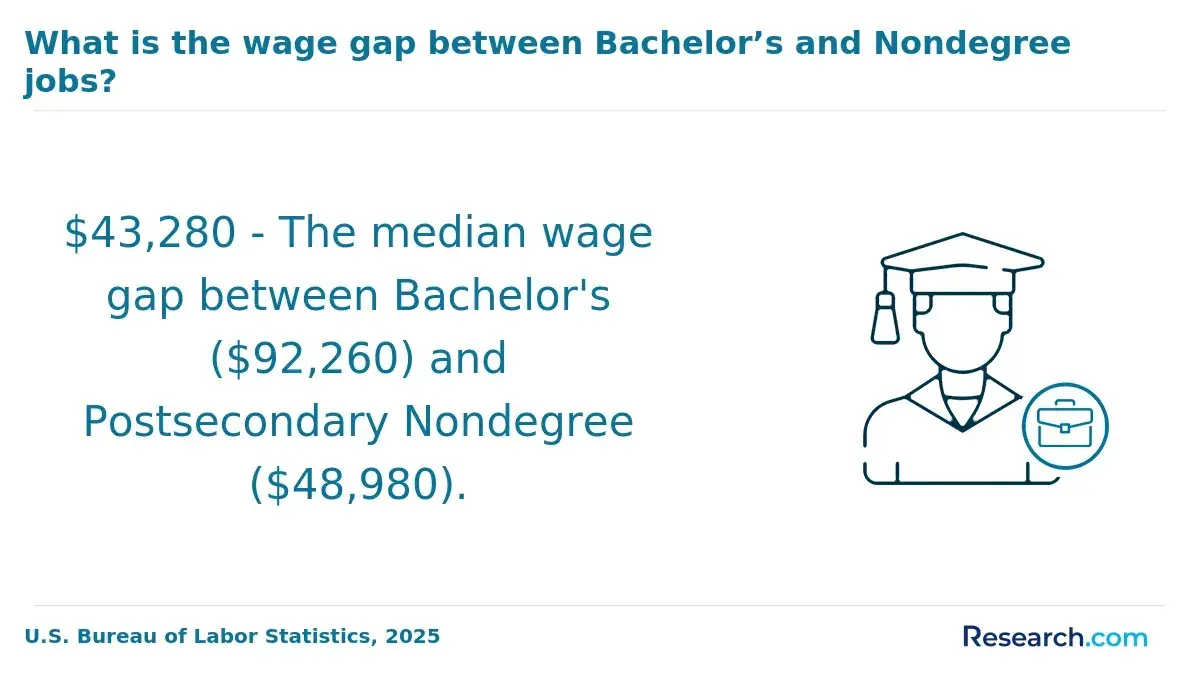
- Bachelor's Degree: Graduates with a bachelor's generally earn between $35,000 and $45,000 annually. These roles often involve foundational clinical and administrative duties, suitable for technician or coordinator positions.
- Master's Degree: Medical assisting professionals holding a master's usually see higher pay, ranging from $50,000 to $65,000 per year. This level equips them for supervisory or specialized clinical roles that command greater responsibility and compensation.
- Doctorate Degree: Although less common, doctorate holders typically achieve salaries above $75,000. Their expertise often qualifies them for leadership, academic, or research-focused careers within healthcare settings.
Differences in earnings reflect variations in specialization, leadership duties, and clinical scope. Aligning career goals with these salary benchmarks can help individuals maximize both professional growth and financial rewards over time.
What Graduates Say About Their Medical Assisting Degree Level
- Leslie: "Pursuing a bachelor's degree in medical assisting was a strategic choice for me, especially considering the average cost of attendance made it an accessible option compared to other healthcare fields. This degree opened many doors early in my career, allowing me to work confidently alongside physicians and improve patient care directly. I'm proud of how this decision shaped my professional path. "
- Francine: "Deciding to get a master's degree in medical assisting was a reflective step driven by my desire to deepen my expertise and take on leadership roles. While the cost was higher than my initial associate program, the investment paid off as it enhanced my skills and expanded my career opportunities significantly. This advanced education truly transformed my perspective on patient care. "
- Ali: "Completing a doctorate in medical assisting was a rigorous yet rewarding journey that required a substantial financial commitment, but it was absolutely worth it for the specialized knowledge and research opportunities it provided. Holding this advanced degree has positioned me as a respected professional in the field, influencing policy and training programs at a national level. My career development has been profoundly impacted by this achievement."
Other Things You Should Know About Medical Assisting Degrees
Yes, if a doctoral program in a related health field is offered, its accreditation is usually held by the institution or by a broader accreditor, not by a specific “medical assisting” body. Look for regional accreditation and programmatic accreditation from agencies such as CAAHEP or ABHES where applicable.
In 2027, there are no doctoral programs specifically for medical assisting in the U.S. Typically, medical assistants pursue certifications and associate's or bachelor's degrees. Advanced studies at the doctoral level are more common in related fields such as healthcare administration or public health.
- Medical Assisting Certification vs. Accredited Degree: Which Is Better for Your CMA Career | Bryan University Online© https://bryanuniversity.edu/faq/medical-assisting-certification-vs-accredited-degree-which-is-better-for-your-cma-career/
- FAFSA / PELL Grants https://aahctn.edu/financial-aid/fafsa-pell-grant
- Master’s vs. Doctorate Degree| University of Bridgeport https://www.bridgeport.edu/news/difference-between-a-masters-and-doctorate-degree/
- Different Types of Medical Assistant Specialties https://www.chcp.edu/blog/guide-to-medical-assistant-specialties/
- How Much Do Medical Assistants Make? A Salary Guide https://www.edumed.org/medical-careers/medical-assistant/salary-and-pay/
- Entry to Medicine - Bachelor or Masters degree ? - Education https://forums.whirlpool.net.au/archive/34k6xkx0
- Guide to the Top Paying Jobs for Healthcare Degrees | Teach.com https://teach.com/online-ed/healthcare-degrees/top-paying-healthcare-degrees/
- Is it more expensive to get a master’s or a PhD? https://www.scribbr.com/frequently-asked-questions/cost-of-masters-vs-phd/