2027 Online MBA Tuition Payment Plans & Financing Options

Co-Founder and Chief Data Scientist
An online MBA can be a strong career investment, but the way you pay for it matters almost as much as the program you choose. Tuition, fees, interest, reimbursement rules, and repayment timelines can affect your finances for years after graduation.
This guide explains the main ways online MBA students finance their degree: school payment plans, federal student aid, private loans, employer tuition benefits, scholarships, and return-on-investment planning. It is designed for working professionals comparing programs, admitted students building a payment plan, and applicants who want to understand the real cost before they enroll.
The goal is not simply to find money for tuition. It is to reduce unnecessary borrowing, protect your cash flow while studying, and choose financing options that match your career goals and risk tolerance.
Key Benefits of Learning About Online MBA Tuition Payment Plans & Financing Options
- An MBA can open doors to leadership roles in business, finance, marketing, and management, often leading to positions such as business analyst, operations manager, or financial controller.
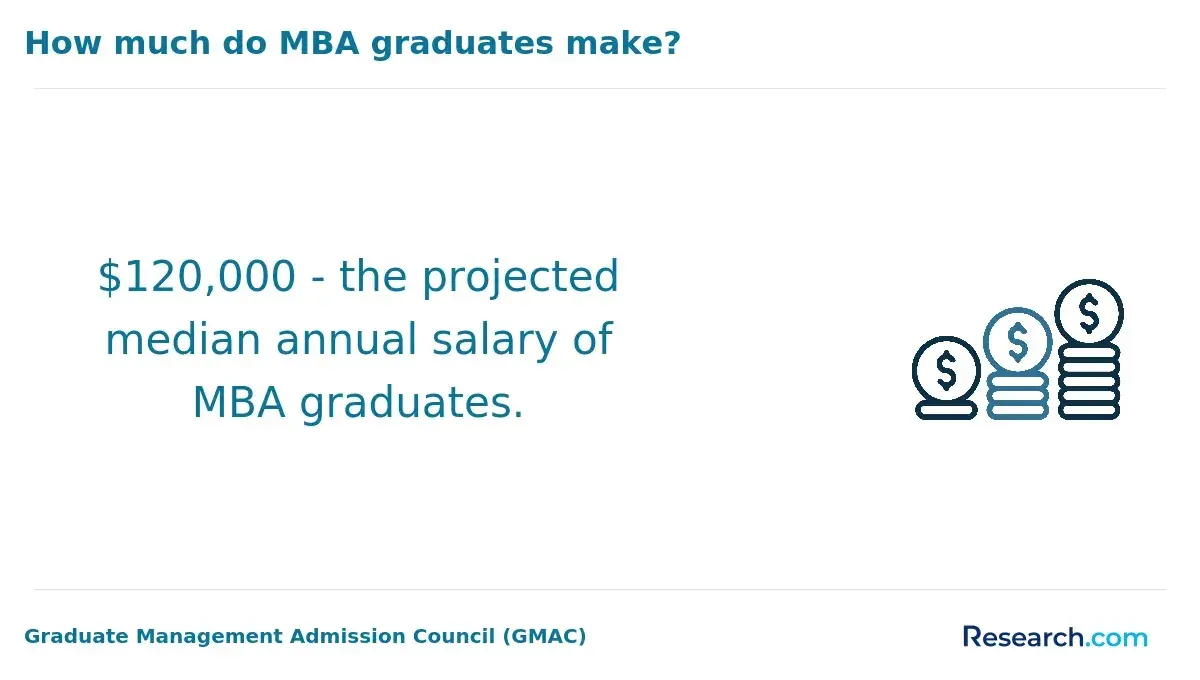
- According to the Graduate Management Admission Council (GMAC), the median salary for MBA graduates in the U.S. is around $120,000 per year, nearly double that of bachelor’s degree holders.
- Understanding tuition payment plans and financing options helps students manage costs, avoid excessive debt, and make informed borrowing decisions.
- Earning an MBA online allows professionals to balance work and study, often at a lower overall cost than traditional on-campus programs.
What are tuition payment plans for online MBA students?
Tuition payment plans for online MBA students are school-administered arrangements that let you pay your term balance in scheduled installments instead of paying the full amount at once. They are not the same as student loans: most do not charge interest, though many schools charge an enrollment, service, or administrative fee.
These plans are most useful if you can cover tuition from income, savings, employer reimbursement, or expected cash flow but need more time to pay. They can also help you borrow less by spreading costs across the term.
Payment plans vary by university, but they commonly include:
- An initial payment or down payment when you enroll in the plan.
- Three to six installments per term, depending on the school calendar.
- Automatic withdrawals from a bank account or card.
- Coverage for tuition and mandatory fees, but not always books, technology costs, or living expenses.
- Late fees, registration holds, or cancellation if payments are missed.
Before choosing a plan, ask the bursar or student accounts office what charges are eligible, when payments are due, whether employer reimbursement can be coordinated with the schedule, and what happens if you drop a course. A payment plan can be a smart low-cost option, but only if the monthly amount fits your budget reliably.
How do monthly or installment-based tuition plans work?
Monthly or installment-based tuition plans divide an online MBA bill into smaller payments due throughout the term. Many affordable MBA programs offer these plans to help working adults manage tuition without relying entirely on loans.
Although each school sets its own process, most plans follow the same basic steps:
- Enrollment: You sign up through the school’s bursar, student accounts office, or online student portal, usually before the term begins. A setup or enrollment fee may apply.
- Down payment: Many schools require an initial payment, often 10% to 25% of total tuition, before the remaining balance is divided into installments.
- Payment schedule: The school splits the remaining balance into monthly or term-based payments, such as four to six payments per semester. Payments may be made by automatic bank transfer or credit card.
- Interest and fees: Most installment plans are interest-free, but some charge administrative fees. Compare those fees with the cost of borrowing before deciding.
- Missed-payment consequences: A missed payment can trigger late fees, cancellation of the plan, or a financial hold that prevents registration for future courses.
These plans work best when your income is steady and the monthly payment will not interfere with essential expenses. If the payment amount is too high, combining a smaller payment plan with scholarships, employer support, or limited borrowing may be safer than stretching your budget too thin.
Are online MBA programs eligible for federal student aid?
Yes. Most accredited U.S. online MBA programs are eligible for federal student aid if the institution participates in the Title IV federal financial aid program. Online delivery does not automatically disqualify a program; the important questions are whether the school is properly accredited and whether it is approved for federal aid participation.
Students in eligible affordable online MBA programs can usually apply for federal aid in the same way as on-campus MBA students. Common federal aid options include:
- Direct Unsubsidized Loans: Federal loans available to graduate students regardless of financial need.
- Graduate PLUS Loans: Credit-based federal loans that can help cover remaining tuition and fees after other aid.
- Work-Study Programs: Available at some institutions, though less common for online graduate students.
To be considered, students must complete the Free Application for Federal Student Aid (FAFSA®) each academic year. The school uses FAFSA® information to determine aid eligibility and loan limits.
Do not assume every online MBA qualifies. Before enrolling, confirm the school’s accreditation, Title IV eligibility, and financial aid participation directly with the financial aid office. This is especially important for private, for-profit, international, or nontraditional providers.
Graduate students in online MBA programs, including those comparing affordable EMBA programs, generally use two main federal loan options through the U.S. Department of Education’s Direct Loan Program: Direct Unsubsidized Loans and Direct PLUS Loans, also called Graduate PLUS Loans.
Direct Unsubsidized Loans
- Available to graduate and professional students regardless of financial need.
- The current annual borrowing limit is up to $20,500.
- Interest begins accruing as soon as the loan is disbursed.
- Repayment typically starts six months after graduation or after dropping below half-time enrollment.
Direct PLUS Loans (Graduate PLUS Loans)
- Designed to cover remaining educational expenses not met by other aid.
- Requires a basic credit check, though borrowers with adverse credit may still qualify with an endorser or explanation.
- No annual limit; students can borrow up to the cost of attendance minus other financial aid.
- Interest accrues immediately, and repayment can also be deferred while enrolled.
How to choose between them
In most cases, students use Direct Unsubsidized Loans first because they have a defined annual borrowing limit and are broadly available. Graduate PLUS Loans are typically used only after scholarships, employer assistance, savings, payment plans, and Direct Unsubsidized Loans are not enough to cover the approved cost of attendance.
Both loan types may qualify for federal income-driven repayment (IDR) plans, Public Service Loan Forgiveness (PSLF), and deferment or forbearance options. Those protections are a major reason many MBA students compare federal loans carefully before turning to private lenders.
Private student loan interest rates can be lower or higher than federal loan rates, depending on your credit profile, income, debt-to-income ratio, cosigner, and market conditions. Federal loan rates are fixed and set by law each academic year, while private lenders set rates based on underwriting and may offer either fixed or variable APRs.
This comparison matters for online MBA students, including those considering the best online MBA without GMAT programs, because a lower advertised rate does not always mean a better loan.
Federal loans
- Graduate federal loan rates are fixed for the life of the loan.
- For the 2024–2025 academic year, Direct Unsubsidized Loans have a rate of 8.08%, and Graduate PLUS Loans are about 9.08%.
- Rates do not depend on your credit score.
- Federal loans may include access to income-driven repayment, Public Service Loan Forgiveness, deferment, and forbearance options.
Private loans
- Rates depend on lender criteria, your credit score, income, debt-to-income ratio, and cosigner profile.
- As of late 2024, fixed APRs typically range from 5% to 14%, while variable APRs can start as low as 4% but fluctuate with market benchmarks like SOFR or Prime.
- Borrowers with excellent credit may qualify for rates below federal loan rates.
- Borrowers with weaker credit may face higher rates or need a cosigner.
Which is safer?
Federal loans are usually more predictable because the rate is fixed and the repayment protections are broader. Private loans may be useful for borrowers with excellent credit who can secure a lower fixed rate and do not expect to need federal repayment flexibility. Be cautious with variable-rate loans if your budget cannot absorb higher payments later.
A practical approach is to compare the full cost of repayment, not just the starting APR. Review fees, deferment rules, cosigner release policies, repayment terms, and whether you would lose access to federal benefits by choosing a private loan.
Employer tuition reimbursement is a workplace benefit that repays part or all of your MBA tuition after you complete approved coursework. For online MBA students who plan to keep working, it can be one of the most valuable ways to reduce borrowing.
Most employer reimbursement programs include several conditions:
- Eligibility: You may need to be a full-time or part-time employee, meet tenure requirements, and pursue a degree related to your current role or future leadership path.
- Preapproval: Many employers require approval before you enroll. You may need to explain how the MBA supports your job, department, or company goals.
- Upfront payment: In many cases, you pay tuition first, then submit receipts, grades, and proof of completion for reimbursement.
- Reimbursement amount: Employers may cover a fixed annual amount, commonly $5,000–$10,000 per year, or a percentage of tuition costs.
- Grade requirements: Some companies reimburse only if you earn a minimum grade, such as a “B” or higher.
- Tax treatment: Reimbursements are typically tax-free up to $5,250 per year under IRS rules.
- Service commitment: Many employers require you to stay with the company for a set period, often one to two years, after receiving tuition assistance. If you leave early, you may have to repay some or all of the benefit.
Before counting on this benefit, get the policy in writing. Confirm annual caps, eligible schools, eligible expenses, timing of payment, repayment obligations, and whether online MBA programs qualify. If reimbursement is paid after course completion, you may still need a short-term plan to cover tuition while waiting for your employer to repay you.
Yes. MBA students can generally combine scholarships with federal student aid, and doing so is one of the most effective ways to reduce borrowing. Scholarships lower the amount you need to finance, while federal loans can cover remaining eligible costs up to the school’s cost of attendance.
Start with the FAFSA®
Complete the FAFSA® each academic year to determine eligibility for federal loans, work-study, and any institutional aid that uses FAFSA® information. Graduate-level grants are rare, but the FAFSA® is still the gateway to federal loan eligibility.
Use scholarships as gift aid
Scholarships from universities, foundations, employers, professional associations, and private organizations are generally considered gift aid, meaning they do not have to be repaid. MBA students may find awards based on merit, leadership, industry background, military service, employer affiliation, or membership in professional groups.
Understand how scholarships affect your aid package
Your total aid package, including loans, scholarships, employer support, and other assistance, cannot exceed your school’s cost of attendance. If you receive a scholarship after your aid package is created, the financial aid office may adjust your loan amount. That is usually a good outcome because it reduces debt.
Report all outside scholarships
You must report scholarships to your school’s financial aid office. Failing to report outside aid can create billing problems, overawards, or later adjustments to your account.
Borrow strategically
Use scholarships to reduce the most expensive or least flexible borrowing first. A practical sequence is to apply gift aid and employer assistance, then use savings or payment plans if manageable, then borrow only what you need. If loans are necessary, compare Direct Unsubsidized Loans before relying on PLUS loans with higher interest rates.
How long does it take to break even after paying for an MBA?
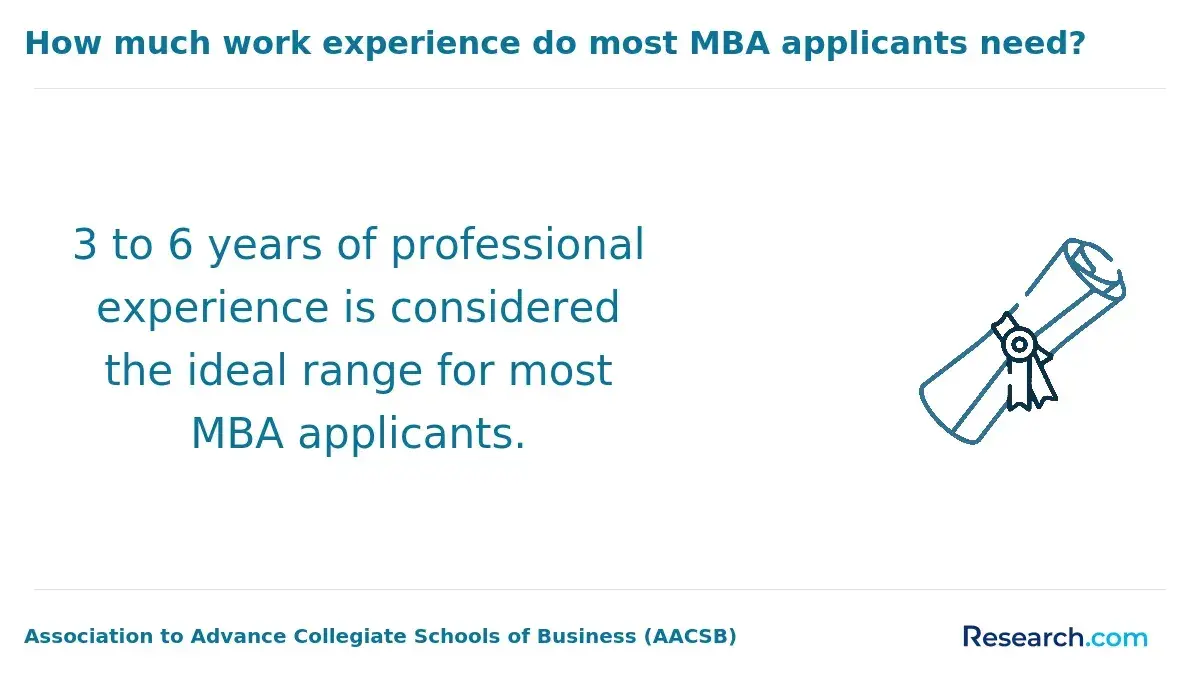
On average, it takes about 3 to 6 years to break even after paying for an MBA. Your personal timeline depends on the total cost of the degree, how much you borrow, your interest costs, your post-MBA salary increase, and how quickly the degree helps you move into a higher-paying role.
A simple way to estimate your break-even point is to compare your total MBA cost against the annual increase in earnings you reasonably expect after graduation. The faster your earnings rise and the less you borrow, the sooner the degree pays for itself.
- Program cost: Online MBAs typically cost between $25,000 and $60,000, which is often lower than traditional programs. Lower tuition and less borrowing can shorten the break-even period.
- Salary growth: MBA graduates see an average salary increase of 30%–50% within a few years after graduation. The Graduate Management Admission Council (GMAC) reports that median post-MBA salaries in the U.S. exceed $120,000, compared to pre-MBA salaries around $75,000.
- Career advancement speed: Students in high-demand fields, such as consulting, finance, or tech, often break even in as little as 2–3 years. Career changers may take longer while they build experience in a new field.
- Financing choices: Federal or private loans can extend the timeline because interest increases the total cost. Employer tuition assistance, scholarships, and payment plans can shorten the payback period significantly.
For most online MBA students, the strongest return comes from choosing a program that aligns with a clear career move: promotion, management track, industry pivot, entrepreneurship, or higher-level business specialization. If the degree does not connect to a realistic salary increase or advancement path, even a lower-cost MBA can take longer to pay off.
Before enrolling, compare total tuition, expected borrowing, repayment obligations, and likely salary outcomes in your target role. A disciplined financing plan can help you recover your costs and begin seeing net financial gains within five years or less.
Other Things You Should Know About Online MBA Tuition Payment Plans & Financing Options
Yes, employer tuition reimbursement above $5,250 per year is usually taxable income in 2027 under U.S. federal rules. Payments at or below that limit can be excluded if the employer’s plan qualifies under IRS Section 127 and the course is work-related.
Income share agreements (ISAs) for financing an online MBA in 2027 allow students to pay a percentage of their income post-graduation instead of upfront tuition. Terms usually specify a set income threshold before payments start and limit the total repayment amount or duration.
- Chase Bank. (n.d.). Grad PLUS loans versus private student loans. Chase. https://www.chase.com/personal/banking/education/student/grad-plus-loans-versus-private-student-loans
- Federal Student Aid. (2024, May). Interest rates and fees for federal student loans: Academic year 2024-2025. U.S. Department of Education. https://studentaid.gov/understand-aid/types/loans/interest-rates
- Federal Student Aid. (n.d.). Grad PLUS Loans | Federal Student Aid. U.S. Department of Education. https://studentaid.gov/understand-aid/types/loans/plus/grad
- Financial Relief. (2025, April). Grad PLUS loans in 2025: What they are and how they’re changing. Kaplan Law Firm. https://www.financialrelief.com/grad-plus-loans-in-2025-what-they-are-how-theyre-changing/