2027 Online MBA Careers in E-Commerce

Co-Founder and Chief Data Scientist
Many professionals face challenges shifting to e-commerce roles without formal business training. The growing digital market demands expertise in strategy, analytics, and online consumer behavior, which typical undergraduate degrees may not provide. Securing leadership positions or advancing in this field often requires a specialized credential that balances flexibility with rigorous business education.
An online MBA offers a practical solution, enabling individuals to gain relevant skills while continuing their current jobs. This article explores how online MBA programs tailored for e-commerce can bridge knowledge gaps and accelerate career transitions for those aiming to thrive in the evolving digital economy.
Key Things You Should Know
- Online MBA programs focusing on e-commerce equip students with skills in digital marketing, supply chain management, and data analytics, addressing a 20% job growth in e-commerce careers through 2030.
- Businesses increasingly prefer MBA graduates with expertise in online retail platforms and customer experience optimization, leading to average salaries above $90,000 in the U.S. e-commerce sector.
- Flexible online MBA formats enable professionals to gain cutting-edge knowledge in emerging trends like AI-driven personalization and blockchain logistics while maintaining employment.
What is an online MBA in e-commerce and what career paths does it enable?
An online MBA in e-commerce merges core business principles with specialized knowledge in digital marketing, supply chain management, data analytics, and consumer behavior on e-platforms. This graduate degree equips students for a variety of roles that support and expand online retail and digital marketplaces. Career paths with an online MBA in e-commerce often include positions that utilize analytical, strategic, and operational expertise tailored to digital commerce.
According to Coursera, the global B2B e-commerce market is expected to grow at a compound annual growth rate of 14.5% through 2026, highlighting strong demand for professionals who understand this evolving landscape. Career opportunities include:
- E-commerce product manager: Managing digital product lines to improve customer engagement and sales.
- Digital marketing strategist: Designing campaigns to boost online presence and conversions.
- Supply chain analyst for online retail: Streamlining logistics within digital frameworks.
- Data analyst specializing in consumer insights: Using big data to anticipate market trends.
- Entrepreneur or startup founder: Creating innovative platforms or services in digital commerce.
Graduates may advance to leadership roles such as chief digital officer or e-commerce director, where they integrate business strategies with technological solutions. For those exploring career paths with an online MBA in e-commerce, the degree serves as a vital resource for transitioning into high-growth sectors with both strategy and practical expertise. Prospective students can explore more about affordable online MBA programs through this online MBA programs resource.
What are the admission requirements for accredited online MBA programs?
Admission to accredited online MBA programs in the United States typically requires a bachelor's degree from an accredited institution and a competitive GPA, often around 3.0 on a 4.0 scale. Applicants must submit official transcripts and proof of degree completion. While standardized test scores like the GMAT or GRE may still be requested, many programs waive these requirements for candidates with significant professional experience.
Work experience of two to five years, especially in business or e-commerce fields, is highly valued to complement the practical focus of online MBA curricula. Additional application components often include a statement of purpose that details career goals and motivation for pursuing an MBA. Some programs conduct interviews to evaluate communication skills and fit. International students usually need to provide English proficiency test results, such as TOEFL or IELTS.
Those exploring requirements for accredited online MBA degrees should note that the criteria can vary widely. Some programs, particularly those emphasizing e-commerce, prioritize candidates with relevant experience in digital marketing or supply chain management. Prospective students can explore comprehensive program options and cost considerations through resources like the AACSB accredited online MBA programs rankings.
How long does an online MBA in e-commerce take to complete and what is the typical cost?
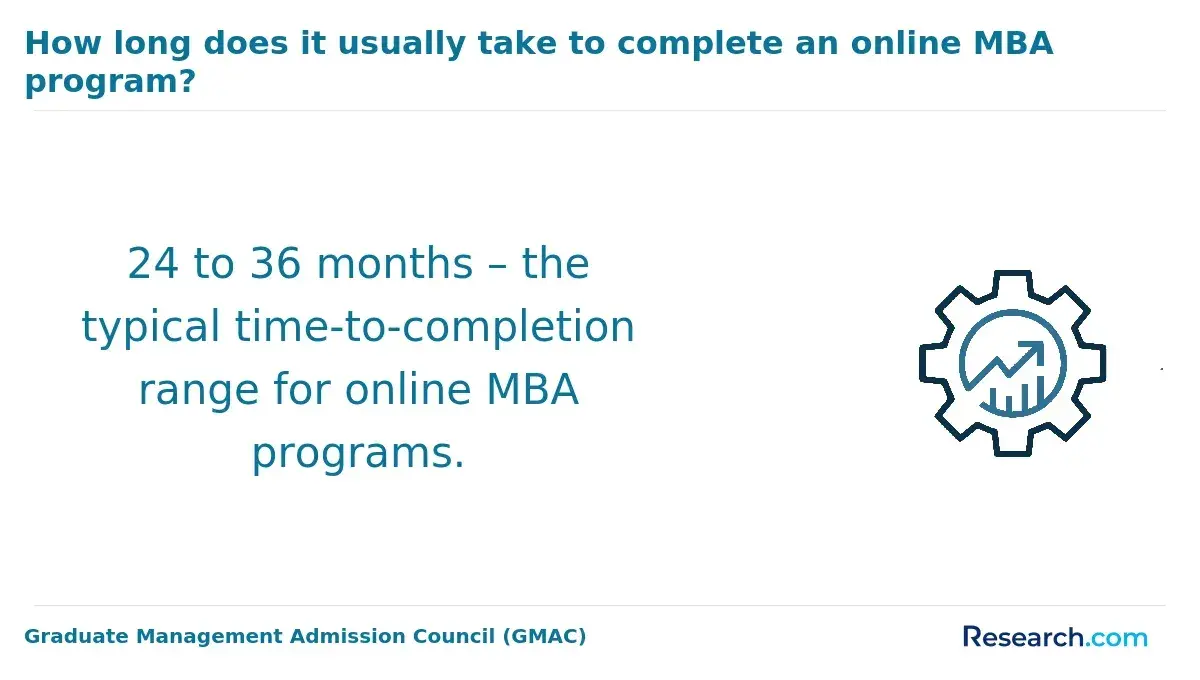
An online MBA program duration for e-commerce careers typically ranges from 18 to 36 months. Full-time students usually complete the program within 18 to 24 months, while part-time students may take up to three years to accommodate work schedules. Accelerated options can reduce the timeline to about 12 months but require a significant time commitment. These variations allow flexibility for working professionals balancing career and study demands.
The average cost of completing an online MBA in e-commerce varies widely. Public universities usually charge between $15,000 and $40,000 for the entire program, whereas private institutions may charge more than $70,000. Additional expenses often include textbooks, technology fees, and occasional on-campus residencies. Financial aid, scholarships, and employer tuition support help mitigate these costs to make quality education more accessible.
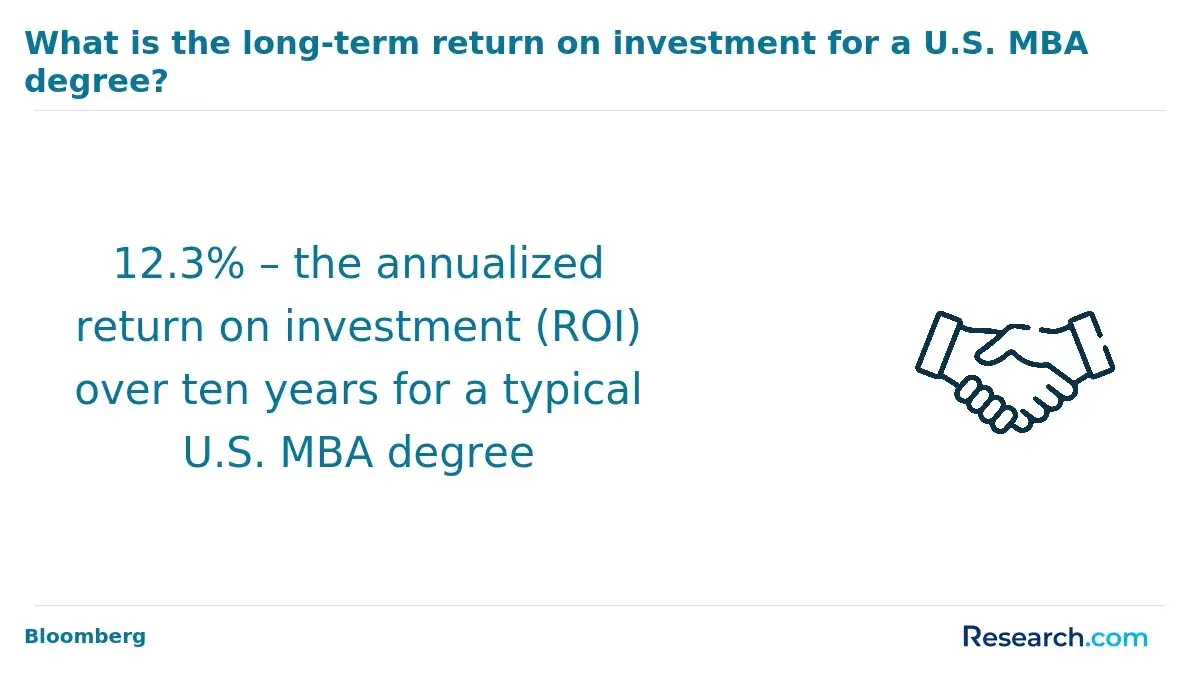
Program cost and duration significantly impact return on investment, particularly when considering career outcomes. High-paying roles in AI-driven sectors related to e-commerce, such as AI Product Manager, offer some of the highest salaries among MBA graduates in AI-focused fields. According to salary estimates from Glassdoor, AI Product Managers in the United States can earn total annual compensation exceeding $200,000.
Prospective students should compare curricula, faculty expertise, and delivery flexibility. Programs often incorporate digital marketing and supply chain management skills essential for e-commerce success. Those seeking affordable options may consider researching online executive MBA programs affordable to find programs that suit both career goals and budgets.
An online MBA e-commerce program coursework and skills equip students with expertise in business strategy, technology, and digital marketing needed to excel in digital marketplaces. Core subjects include supply chain management, consumer behavior analytics, digital payment systems, and platform management, preparing graduates to create seamless and optimized online retail experiences.
Students gain proficiency in critical e-commerce career skills from an online MBA, such as data analysis, conversion rate interpretation, and customer lifetime value measurement. Financial modeling and risk management courses support evaluating venture profitability and sustainability. Specialized modules often cover search engine optimization (SEO), social media marketing, and performance advertising, essential for driving targeted online traffic and sales.
Practical training typically includes managing advertising campaigns on platforms like Google Ads and Facebook Ads, maximizing return on investment. Leadership and project management courses prepare students to lead cross-functional teams in dynamic e-commerce settings, where challenges include boosting online visibility and optimizing user experience.
According to Glassdoor via BDU Edu, digital marketing managers in e-commerce earn around $85,000 to $130,000, underscoring the growing demand for the skill set developed through these programs. Prospective students can explore online MBA programs no GMAT low-cost to find options that combine affordability with comprehensive e-commerce education.
Top-paying e-commerce careers for MBA graduates include positions in supply chain management, digital marketing leadership, product management, and financial strategy. Logistics and supply chain managers earn approximately $95,000 to $140,000 per annum, reflecting high demand for professionals who optimize operations and enhance delivery efficiency.
Digital marketing directors use data analytics and customer insights to boost online revenue, often earning six-figure salaries in the US because of their impact on customer acquisition and retention. Product managers lead the development and launch of e-commerce platforms, influencing user experience and revenue, which results in competitive pay.
Financial analysts specializing in e-commerce focus on budgeting, predictive modeling, and investment strategies, with salaries frequently exceeding $100,000 annually. Career paths also include business intelligence, data analytics, and customer experience management fields that drive profitability and sustainability.
Developing cross-functional skills combining technology and business acumen can maximize earning potential. Candidates benefit from knowledge of supply chain software and digital marketing tools, as well as familiarity with global e-commerce trends and regulations, making them attractive for leadership roles in multinational companies.
The demand for e-commerce MBA graduates remains strong due to the rapid growth of online retail and digital business models. Companies increasingly seek professionals with advanced skills in business analytics, digital commerce platforms, and supply chain logistics to lead operations and marketing efforts.
Operations managers with an MBA are highly valued for their ability to oversee complex logistics and remote teams. According to Edgewood College, remote operations managers with an MBA in e-commerce earn between USD 51,000 and 119,000 annually, reflecting the lucrative and flexible nature of these roles.
Key positions expected to grow faster than average include supply chain directors, e-commerce marketing managers, and business development leads. Recruiters prefer MBA graduates capable of converting data insights into strategic action and optimizing vendor and fulfillment operations.
Opportunities expand beyond traditional e-commerce into health tech, subscription services, and direct-to-consumer brands, benefiting from specialized training in digital marketing, analytics, and customer experience management. Remote work options continue to increase, allowing graduates to collaborate with companies nationwide or globally, providing better work-life balance and access to diverse markets.
The main distinctions between online and campus-based MBA programs with an e-commerce focus include delivery style, flexibility, and networking potential. Online MBA programs typically offer asynchronous learning, allowing students to balance work and study-an ideal option for full-time professionals. Campus programs feature structured, in-person classes that facilitate immediate access to faculty and peer collaboration, supporting greater interpersonal skills development.
Both formats generally cover essential topics like digital marketing, supply chain management, and data analytics. Campus programs often provide hands-on projects, live case studies, and access to on-site resources such as innovation labs that foster practical skills applicable to e-commerce. Online programs frequently use virtual simulations and real-time discussions, but might lack spontaneous networking opportunities found on physical campuses.
Prospective students should consider their career ambitions and learning preferences carefully. For roles like customer experience manager, which demand strong leadership and team management skills, campus-based programs offer immersive environments to build these critical competencies.
Salary data emphasizes the value of such positions; for instance, customer experience managers in e-commerce earn around $90,000 to $140,000, highlighting the demand for advanced skills often developed through MBA programs. Online learners must proactively seek mentorship and networking to bridge potential gaps.
Accreditation from recognized agencies is essential when selecting an online MBA program to ensure both academic quality and employer recognition. In the U.S., top accrediting bodies include AACSB (Association to Advance Collegiate Schools of Business), ACBSP (Accreditation Council for Business Schools and Programs), and IACBE (International Accreditation Council for Business Education).
Among these, AACSB is the most prestigious, reflecting rigorous standards in faculty expertise, curriculum, and research. ACBSP and IACBE emphasize teaching excellence and student outcomes, appealing to working professionals seeking practical skills.
Certifications that support career advancement in e-commerce can significantly boost the value of an MBA. Seek programs linked to credentials in Data Analytics, Supply Chain Management, or Digital Marketing. Mastery of business intelligence tools is important, as roles like Business Intelligence Analysts command salaries around ₹8.0 LPA (Glassdoor via BDU Edu), highlighting the increasing demand for data-driven decision-making in e-commerce.
Key questions to ask before enrolling include:
- Is the program accredited by AACSB, ACBSP, or IACBE?
- Does it offer hands-on training with tools such as Tableau, SQL, or Google Analytics?
- Are there partnerships with certification authorities like PMI, Six Sigma, or Google?
- What are the job placement rates and employer connections in e-commerce sectors?
Confirming accreditation safeguards your investment, ensuring industry recognition and career mobility. Programs embedding certifications prepare graduates for specialized roles in data analytics and digital commerce, aligning with current market needs. This careful evaluation helps access competitive, well-paying roles in today's evolving e-commerce landscape.
An online MBA with an emphasis on e-commerce prepares graduates for diverse roles that blend business strategy with digital commerce expertise. Key positions include e-commerce manager, overseeing online sales strategies, platform operations, and optimizing customer experiences. Product managers in this field direct the development lifecycle of digital products, coordinating teams to meet market demands effectively.
Specialized roles, such as e-commerce data analysts, play a critical part by analyzing consumer behaviors and sales patterns to enhance marketing and inventory choices. Digital marketing managers focus on paid search, SEO, and social media efforts to drive traffic and improve conversion rates. Supply chain managers ensure smooth logistics and inventory flow, integrating supplier networks with e-commerce platforms.
Business development managers help online retailers grow by identifying new market opportunities and establishing strategic partnerships. At the executive level, vice presidents of e-commerce and chief digital officers lead teams and craft comprehensive digital strategies, often commanding salaries above $180,000 annually in major U.S. markets.
Starting salaries for most e-commerce MBA graduates range from $85,000 to $130,000, particularly in competitive tech hubs and metropolitan areas where strategic, financial, and technical skills are in high demand.
Common roles include:
- e-commerce manager
- product manager
- data analyst
- digital marketing manager
- supply chain manager
- business development manager
- vice president of e-commerce
How should you evaluate and compare online MBA programs in e-commerce?
When comparing online MBA programs focused on e-commerce, attention should be given to curriculum relevance, faculty expertise, flexibility, and career support. Key courses often include digital marketing, supply chain management, data analytics, and e-commerce strategy, all essential for understanding online retail operations and improving employability.
Faculty credentials are also crucial. Opt for programs where instructors have real-world experience in e-commerce or have conducted substantial academic research related to online business models. Their practical insights can give students a competitive edge in the job market. Flexibility matters for working professionals. Look for asynchronous classes, paced learning options, and career coaching tailored to remote or digital businesses to better fit your schedule.
Data from Edgewood College reveal that about 22% of the U.S. workforce, or 32.6 million Americans, worked remotely in 2025, showing the rising demand for virtual leadership and digital collaboration skills, areas online MBA programs should emphasize.
Evaluate outcomes such as graduation rates, time to degree completion, and placement rates in e-commerce roles. Connections with major online retailers or tech companies often translate into stronger career pathways. Finally, check accreditation status and the strength of alumni networks, which offer mentorship and job leads. Some programs also partner with e-commerce platforms or tech firms to provide valuable internships.
Other Things You Should Know About MBA
Yes, many online MBA programs in e-commerce accept students without a business background. These programs usually include foundational courses in business principles to prepare students for advanced topics. However, some schools may require a basic understanding of math or prior college-level coursework.
Networking in online MBA e-commerce programs occurs primarily through virtual platforms such as discussion forums, group projects, and live webinars. Some programs also offer optional in-person events or regional meetups to enhance connections. Building a professional network requires proactive engagement with peers, faculty, and alumni.
Online MBA degrees in e-commerce from accredited institutions are generally recognized by employers, especially when the school has a reputable business program. Graduates gain skills that are directly applicable to e-commerce roles, which adds to their credibility. Employer acceptance often depends on the program's accreditation and the candidate's experience.
- Here is where you find a new job. Check salaries and apply. https://nofluffjobs.com/e-commerce
- Most trusted Online Higher Education Company | YugEdu https://www.yugedu.com/blogs/top-skills-you-gain-from-an-online-mba-program
- Online MBA vs Campus MBA Program - Which one to choose https://rcu.education/online-mba-vs-campus-mba-programs/
- Online MBA Admissions Requirements by Program [Chart] https://www.bschools.org/blog/online-mba-admissions-requirements
- Nexford | MBA with specialization in Enabling E-Commerce https://www.nexford.edu/degrees/mba-with-specialization-in-e-commerce
- Best Online MBA Specializations for Career Growth 2026 https://www.onlinecu.in/blog/cu/best-online-mba-specialization-for-career-growth
- MBA E-Commerce 2026: Top Programs & Career in India https://articles.findmycollege.com/mba-e-commerce/
- Best MBA Programs for the Digital Age: E-Commerce Innovation https://tbseducation.in/best-mba-programs/
- Unleashing E-Business Excellence: Why an MBA in E-Business is a Game-Changer - Prestige University https://prestigeuniversity.edu.in/unleashing-e-business-excellence-why-an-mba-in-e-business-is-a-game-changer/
- Online MBA vs. Regular MBA vs. Distance MBA – Which One Is Best for You? https://www.edept.co/blogs/differences-between-online-mba-distance-mba-and-regular-mba-which-one-is-best-for-you