2027 Online MBA Admissions Timeline: When to Apply

Co-Founder and Chief Data Scientist
Many prospective students struggle to determine the optimal time to apply for an online MBA program, risking missed deadlines or rushed preparations. This uncertainty often leads to unnecessary stress and compromises the quality of applications.
Understanding key dates and stages in the admissions process is crucial to securing a spot in a competitive program while balancing work and personal commitments. This article outlines a clear timeline of important application milestones and offers practical guidance to help applicants plan their submissions strategically and efficiently.
Key Things You Should Know
- The 2026 online MBA admissions cycle typically opens in early summer, with most deadlines falling between September and December for fall enrollment.
- Applicants should prepare standardized tests, recommendations, and essays at least 3-6 months in advance to meet competitive program requirements.
- Recent data show that 45% of top U.S. online MBA programs now offer rolling admissions, providing flexible application submission throughout the year.
What is an online MBA and how does it differ from traditional campus-based programs?
An online MBA program differs from traditional campus-based degrees mainly in delivery and flexibility. Students can complete coursework remotely, which accommodates working professionals and those with geographic constraints. This format often features asynchronous classes, allowing learners to access materials and assignments at convenient times, though some courses include scheduled live sessions for interaction.
Exploring the benefits of online MBA versus traditional MBA, these programs reduce commuting and relocation costs while enabling continued full-time employment. The core curriculum and faculty quality of reputable online MBA programs mirror those of on-site programs, covering finance, marketing, leadership, and strategy.
However, online MBAs often emphasize self-directed learning and digital collaboration tools more heavily. For instance, Indiana University's Kelley School of Business online MBA had a 28% acceptance rate, highlighting the competitive nature and quality of top-tier online offerings. Employer recognition of online MBAs is growing, but it can vary by industry and company.
Potential applicants should consider the following:
- Many online MBAs enable full-time work while studying.
- Costs associated with commuting and relocation are lower.
- Virtual networking events and groups may provide valuable connections.
- Some programs require in-person residencies or exams, differing by school.
- Employer recognition continues to improve but is not uniform across all sectors.
Those interested can review options and costs through helpful resources like MBA online guides, which highlight accessible programs tailored to varying needs and budgets.
When should prospective students begin the online MBA application process?
Prospective students planning their online mba application timeline should begin the process 9 to 12 months before their target start date. Early preparation is crucial as acceptance rates are becoming more competitive; the average acceptance rate across 51 ranked online mba programs declined to 76.56% from 77.01% in the previous year. Starting early provides ample time to thoroughly complete application materials.
Key steps include researching programs, preparing for standardized tests like the GMAT or GRE if required, collecting recommendation letters, and drafting personal statements. For example, those looking to enroll in fall 2026 should start researching and testing by mid to late 2025. Meeting multiple application round deadlines, usually six to nine months before matriculation, can improve acceptance odds and access to financial aid.
Applicants balancing work or family obligations may need extra time to prepare transcripts, update resumes, and schedule interviews. Creating a detailed timeline covering test prep through submission and follow-ups helps manage these tasks. Early communication with admissions offices also clarifies specific requirements and deadlines.
Students interested in affordable, accredited programs might explore an MBA AACSB online option to align with their goals efficiently. This proactive approach supports stronger applications amid increasingly competitive admissions.
What are the core admission requirements for accredited online MBA programs?
Accredited online mba programs require core admission requirements that thoroughly assess academic readiness, professional experience, and leadership potential. Applicants must submit official bachelor's degree transcripts from accredited institutions, typically showing a GPA of 3.0 or higher. Many programs request these transcripts to verify coursework and academic standing.
Standardized test policies vary widely. While some schools still require the GMAT or GRE, many waive these exams for candidates with significant professional experience or advanced degrees. Nonetheless, a strong GMAT score above 600 remains a notable asset.
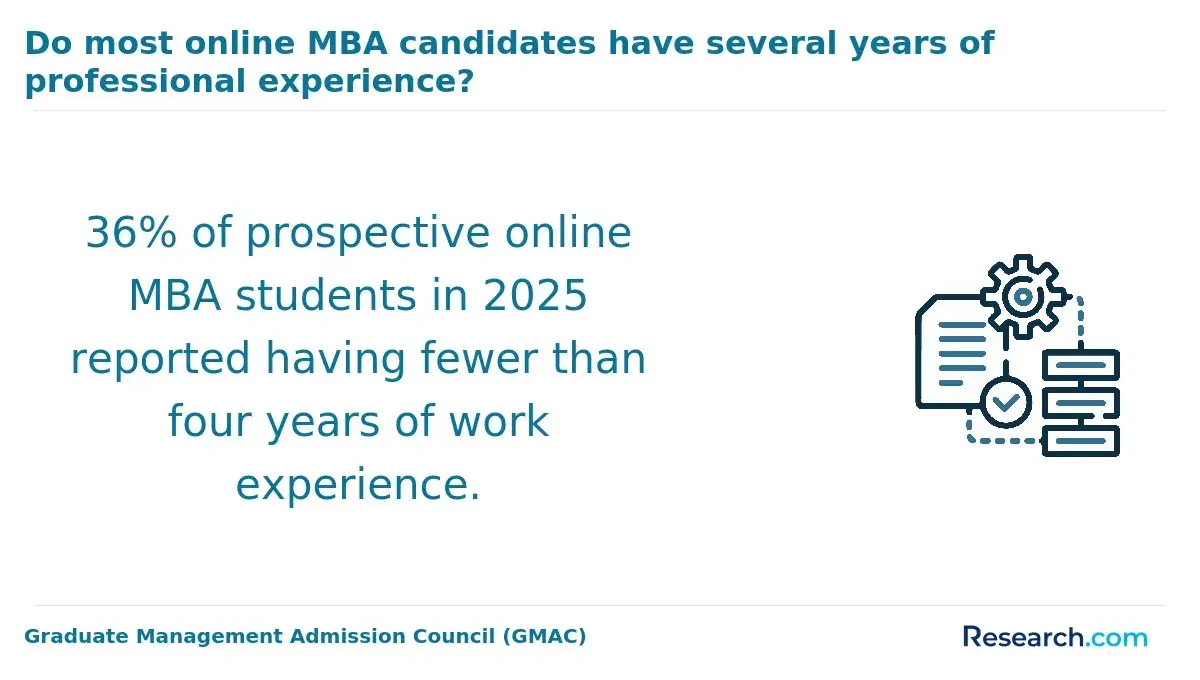
Work experience is critical; most programs expect two to three years of full-time employment, highlighting leadership roles and career progression. Applicants usually need to provide a current resume or CV summarizing their qualifications. Essays or personal statements focusing on career goals, reasons for pursuing an MBA online, and leadership reflections further support admissions decisions.
Timing affects both admission chances and scholarships. Round 1 submissions (September-October) offer better odds due to more available seats, as detailed in application timelines and prerequisites for online MBA admissions. Early applications increase opportunities even with similar credentials.
For those exploring options, reviewing cheapest executive MBA online programs can provide cost-effective pathways to advance your career.
A typical online MBA program in the US takes between 18 and 36 months to complete, depending on the structure, course load, and student pace. Most full-time programs target about two years for completion, while part-time options designed for working professionals may extend closer to three years or more. This average duration of online MBA programs in the US reflects the balance many students seek between study and professional commitments.
Programs with fixed start dates, such as fall or spring, often follow traditional academic calendars that limit flexibility but foster cohort-based learning. Some schools offer rolling admissions or multiple start dates throughout the year. For instance, Santa Clara University's Online MBA has four annual start dates-fall, winter, spring, and summer-providing flexible entry points and potentially faster progression.
Accelerated online MBAs can be completed in as little as 12 to 15 months by taking heavier course loads or attending year-round, though this demands significant time. Extended timelines allow students to spread coursework over several years, ideal for maintaining work-life balance. When choosing, consider credit requirements, elective availability, and whether the program is asynchronous, all of which affect the timeframe to finish an online MBA degree.
Understanding these factors also helps prospective students plan for standardized tests, secure financial aid, and time career moves. For those interested in cost-effective options, researching the cheapest online MBA no GMAT further expands opportunities to match education goals.
The cost of an online MBA program varies widely, typically ranging from $30,000 to $120,000, influenced by the institution's prestige, program length, and format. Public universities often charge between $30,000 and $60,000, whereas private business schools can exceed $90,000. Accelerated programs might lower costs by reducing credit requirements, but part-time options can spread expenses over more semesters.
Managing these expenses involves exploring various financial aid options. Federal loans like Direct Unsubsidized Loans and Grad PLUS Loans offer low interest rates and deferment choices. Merit-based scholarships for online MBA students reward academic or professional achievements, and employer tuition reimbursement programs can significantly offset costs depending on company policies.
Additional funding pathways include private loans, which generally carry higher interest and fewer protections, as well as grants from business school foundations. Admissions competitiveness remains high, especially at top schools with acceptance rates from 6% to 20%. Many provide test waivers, but candidates must present strong profiles to improve chances of acceptance and justify the investment.
Students should also consider the impact of residency status on tuition and verify test score requirements. Strategic financial planning combined with thorough research helps prospective applicants navigate the complex landscape of online mba programs effectively.
Online MBA programs typically offer a comprehensive curriculum focused on advancing business knowledge and leadership capabilities. Core courses usually cover finance, marketing, operations management, organizational behavior, and strategy, equipping students with essential skills for managerial roles. Finance classes often include topics like financial accounting, corporate finance, and investment analysis to sharpen quantitative decision-making.
Many programs allow students to choose electives or specializations tailored to career goals, such as entrepreneurship, data analytics, supply chain management, or healthcare management. This customization fosters deeper expertise in specific sectors.
Practical learning is emphasized through case studies, group projects, and simulations, helping students apply theoretical concepts to real-world business challenges. Most online MBA curricula conclude with a capstone project or thesis, where students synthesize their knowledge in a strategic business plan or comprehensive analysis, demonstrating readiness for senior leadership roles.
Program lengths generally range from 18 to 24 months, designed for working professionals with asynchronous or blended course formats that include interactive forums and occasional live sessions for engagement. Applicants should focus on crafting a strong personal statement highlighting relevant experience and clear goals. According to Top Tier Admissions, a reduction in international applicants improved domestic admission chances, making strategic applications more important than ever.
Accreditation and program quality are critical when selecting an online mba program. Accreditation from bodies like AACSB, AMBA, or EQUIS ensures that a school meets high academic standards. Programs without these accreditations may offer less value and limited recognition from employers. Always verify accreditation on the official accrediting websites to avoid misinformation.
Program quality is reflected in faculty credentials, curriculum relevance, and alumni outcomes. Faculty with doctoral degrees and industry experience foster a strong academic environment. Curricula should address modern business topics such as data analytics, leadership, and global strategy.
Alumni success and career support services indicate a program's effectiveness. Schools publishing employment rates and salary improvements demonstrate transparency. For example, the Kelley School of Business's acceptance rate fell from 65.9% to 28.0%, highlighting intensified selectivity and elevated standards (Poets&Quants, 2024 OMBA Ranking).
Additional considerations include program length, flexibility, and technology. Real-time interactions and partnerships with businesses for internships add practical benefits. When inquiring, ask about faculty terminal degree percentages, curriculum update recency, and graduate employment rates within six months.
Online MBA graduates often move into leadership and strategic roles across various industries. Typical positions include product manager, business development manager, financial analyst, operations director, and marketing strategist. These professionals frequently join consulting firms, technology companies, healthcare management, and finance sectors.
Many roles highlight data-driven decision-making and cross-functional teamwork. For example, graduates might take on supply chain management to optimize vendor relations or finance management, focusing on risk assessment. Technology sectors commonly offer product management and project leadership opportunities that blend business insight with technical skills.
Salary growth and faster career advancement drive many professionals to pursue an MBA. The Graduate Management Admission Council reports a median starting salary increase of 50% for MBA holders compared to pre-MBA earnings, especially in investment banking, consulting, and strategic planning.
Online MBA programs also foster entrepreneurial skills and senior management readiness by emphasizing leadership, innovation, and financial forecasting. Career paths may include corporate executive titles such as chief operating officer or director of strategy. Networking within MBA cohorts further supports placement in highly competitive roles.
Applicants should consider the interview preparation timeline carefully. Round 1 offers more seats at top programs, while Round 2 (December-January) remains competitive but limited. Early planning improves access to premier business school pipelines and stronger recruitment outcomes post-graduation.
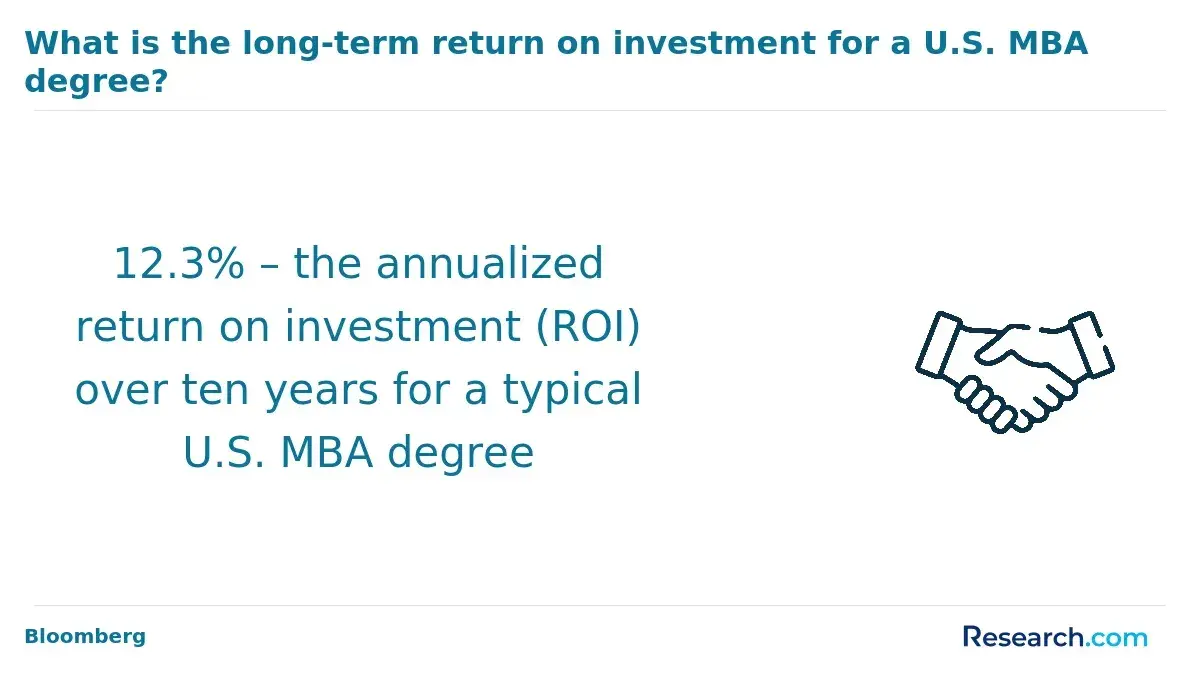
MBA graduates in 2026 can anticipate strong earning potential and favorable job prospects across various industries. According to the Graduate Management Admission Council's Jobs Report 2024, the median base salary for MBA graduates in the United States is about $115,000, with additional bonuses and stock options common in consulting, finance, and technology sectors.
Job growth for MBA holders remains robust. The U.S. Bureau of Labor Statistics projects a 7% increase in management occupations through 2030, outpacing the average for all fields. High-demand roles include product management, financial analysis, and operations management, driven by digital transformation and market expansion.
Salary levels vary by industry, location, and experience. For instance, entry-level positions in consulting firms often start around $120,000, while tech companies may offer higher total compensation through equity. Non-profit and education sectors generally provide lower starting salaries but offer meaningful leadership roles and career growth.
With 21 of 51 ranked online MBA programs reporting decreased acceptance rates in 2024, early applications are essential to access financial aid and scholarships. Effective financing of education reduces debt and enhances return on investment by leveraging premium career services and employer networks.
What key differences exist between part-time, full-time, and accelerated online MBA formats?
Part-time, full-time, and accelerated online MBA programs vary mainly in duration, intensity, and flexibility, influencing application timing and student commitment. Part-time formats typically span three to five years, allowing students to take fewer courses per term while maintaining full-time work. Admissions usually occur through rolling or multiple annual cycles, accommodating working professionals.
Full-time online MBAs last about 18 to 24 months and resemble traditional campus programs in pace. These programs require significant time investment and often necessitate reducing work hours or leaving a job. Their admissions are more competitive with fixed deadlines and cohort-based enrollment, suited for those seeking rapid career advancement.
Accelerated online MBAs shorten the curriculum to 12 to 18 months by increasing course loads each term. This format demands excellent time management and prior academic or professional experience. Deadlines tend to be stricter, and acceptance rates can be lower due to program rigor.
Drexel University's LeBow College reported a 146% increase in acceptance rates over four years, from 31.3% in 2020 to 77% in 2024, reflecting greater accessibility in certain formats. Prospective students should evaluate their availability, finances, and desired pace. Those balancing work might prioritize part-time options with flexible deadlines, while career changers may prefer full-time or accelerated paths. Early application is advisable across all formats due to limited spots and competitive admissions.
Other Things You Should Know About MBA
Most online MBA programs require two recommendation letters, usually from a current or former supervisor, professor, or professional mentor. Some schools accept one letter, while a few ask for three. Recommenders are often submitted through the application portal before the final deadline.
For a 2027 start, begin research in late 2025, prepare applications by early 2027, and aim to submit by spring or early summer for fall enrollment. Early applicants can benefit from rolling admissions and may have more scholarship opportunities.
In 2027, applicants must typically submit their resume, undergraduate transcripts, letters of recommendation, and a personal statement. Specific requirements vary by institution, so it's important to check each program's admission guidelines for additional document needs or specifications.
- Online MBA Programs Admission Requirements You Need to Know - consulting https://consulting.mampirbandung.com/online-mba-programs-admission-requirements-you-need-to-know/
- MBA Salary Projections 2025: How Much Will You Earn - MBA & Beyond https://www.mbaandbeyond.com/blog/mba-salary-projections-how-much-will-you-earn
- What Are the Main Differences Between Part-Time and Full-Time Online MBAs? https://www.kukonline.in/online-mba/differences-between-part-time-and-full-time-online-mba
- Turning Good Intentions into Measurable Progress: A Guide to Program Assessment in Higher Education - ABET https://www.abet.org/turning-good-intentions-into-measurable-progress-a-guide-to-program-assessment-in-higher-education/
- How Much Does an Online MBA Cost? | University of Bridgeport https://www.bridgeport.edu/news/cost-of-online-mba/
- Understanding Academic Accreditation: A Guide for Students and Parents https://www.qahe.org/article/understanding-academic-accreditation-a-guide-for-students-and-parents/
- Online MBA Curriculum: Subjects, Skills & Specializations- Chandigarh University https://www.onlinecu.in/blog/cu/what-do-you-study-in-an-online-mba.php
- Part-Time vs. Full-Time MBA | Which Format Fits your Career? https://www.hhl.de/blog/part-time-vs-full-time-mba/
- Online MBA vs. Part-Time: Find the Best Format for You https://blog.targettestprep.com/online-mba-vs-part-time/
- Online MBA vs Campus MBA Program - Which one to choose https://rcu.education/online-mba-vs-campus-mba-programs/