
2027 Hardest and Easiest Courses in a Surgical Tech Degree Program

Co-Founder and Chief Data Scientist
Many students pursuing a surgical tech degree struggle to manage the varying difficulty levels of their coursework, often leading to stress and academic setbacks. A recent survey indicates that over 40% of surgical tech students find anatomy and pharmacology courses particularly challenging, contributing to higher dropout rates in some programs.
With the demand for surgical tech professionals projected to grow 12% over the next decade, understanding which courses require more focus is critical. This article identifies the hardest and easiest courses in surgical tech degree programs, helping students allocate their study time effectively and enhance their chances of academic and career success.
Key Things to Know About the Hardest and Easiest Courses in a Surgical Tech Degree Program
- The hardest courses often involve anatomy and physiology due to complex content and detailed memorization requirements, with retention rates around 65% for first-time students.
- Workload and rigorous assessments make surgical procedures classes challenging, especially where hands-on skills and timed exams dominate grading criteria.
- Easiest courses typically include medical terminology, favored for its straightforward memorization and frequent online formats, accommodating varied student backgrounds efficiently.
What Are the Hardest Core Courses in a Surgical Tech Degree Program?
Certain core courses in surgical tech degree programs are notably more challenging due to their technical complexity, intense workload, and strict accreditation standards. Mastery of both detailed theoretical knowledge and practical skills is essential to succeed.
Below are five core courses often recognized for their difficulty level.
- Human Anatomy and Physiology: This course requires an in-depth understanding of the human body's structure and functions. Students must memorize extensive information and apply it clinically, making it a demanding subject.
- Surgical Procedures and Techniques: Covering a broad range of surgical methods and instrument use, this course demands precision and hands-on practice, which heighten its difficulty.
- Sterile Techniques and Infection Control: Ensuring sterility is vital. This course combines strict protocol adherence with practical application, challenging students to perform accurately under pressure.
- Pharmacology: Understanding surgical medications, their biochemical mechanisms, and correct dosages involves complex concepts and precise calculations, making it a rigorous subject.
- Clinical Practicum: Providing real-world operating room experience, this demanding course involves long hours and high responsibility, with comprehensive assessments measuring practical competence.
These courses exemplify some of the most challenging surgical technology classes because they integrate advanced theory with applied practice. Students aiming for success in surgical tech should prepare for this rigorous academic demand.
For those exploring related healthcare pathways, several RN to BSN programs offer clinical variations worth considering.
What Are the Easiest Required Courses in a Surgical Tech Degree Program?
"Easiest" required courses in surgical tech programs are typically those students find more manageable due to their applied content, project-based assessments, or alignment with prior healthcare experience. This perception does not reduce their academic value but reflects the nature of the coursework.
In fact, about 65% of students report higher course completion rates and satisfaction with these foundational classes. These insights help students identify the lowest difficulty core classes in surgical technology degrees and plan their studies more effectively.
Commonly perceived easier courses include:
- Introduction to Surgical Technology: This course provides an overview with straightforward concepts and less technical detail, making it less demanding for students new to the field.
- Medical Terminology: Relying heavily on memorization and practical application, this class benefits from repetitive quizzes and flashcards that reinforce learning.
- Basic Anatomy and Physiology: Focused on essential body systems, it uses visual aids and applied learning methods, often making it easier than more advanced anatomy courses.
- Patient Care and Safety: Emphasizing real-world practices, this course uses scenario-based assessments instead of complex theoretical exams.
For students considering accelerated paths, understanding which are the easiest required courses in surgical tech programs can be useful when exploring options such as an accelerated MA program. This knowledge allows prospective students to align their strengths with coursework, promoting better academic success and smoother progression through degree requirements.
What Are the Hardest Elective Courses in a Surgical Tech Degree?
The hardest electives in surgical tech programs are those frequently recognized as more demanding because of advanced technical material, substantial workloads, or comprehensive evaluations. These courses test students' ability to combine theory, practice, and critical thinking under pressure.
Below are some electives that are commonly viewed as the most challenging.
- Advanced Surgical Procedures: This course requires mastering intricate operations that demand precision and extensive anatomical understanding, often pushing students to develop fine technical skills.
- Pharmacology for Surgical Techs: Students must grasp an extensive range of surgical medications, including dosage calculations and pharmacodynamics, which involves intense memorization and application.
- Microbiology and Infection Control: Focusing on pathogens and sterilization standards, this course combines detailed theoretical study with strict practical protocols essential for patient safety.
- Surgical Technology Research Methods: Emphasizing independent investigation and critical analysis, this elective challenges students with rigorous academic standards and complex project requirements.
- Specialty Surgery Electives (e.g., Cardiothoracic or Neurosurgery): These electives demand the integration of diverse skills-both technical and cognitive-within highly specialized and often high-pressure surgical environments.
Successfully completing these electives requires strong commitment, meticulous attention, and substantial outside study, making them some of the toughest components of surgical tech education.
In surgical tech programs, electives deemed "easiest" usually involve lighter workloads, hands-on or relatable content, and assessment methods that aren't strictly exam-focused. These courses often incorporate practical learning or project-based evaluations, appealing to students managing intensive core classes.
Commonly viewed easier electives include:
- Medical Terminology: This course emphasizes memorizing healthcare vocabulary, which feels straightforward due to its clear relevance and repetitive nature.
- Human Nutrition: With a focus on health principles rather than technical detail, students benefit from discussions and reflective assignments rather than rigorous testing.
- Introduction to Pharmacology: Offering a foundation in drug categories and uses, it balances theory with relatable case studies, making it accessible to many learners.
- Ethics in Healthcare: Centered on exploring moral dilemmas through essays and group debates, this course avoids complex calculations or technical procedures.
- Healthcare Communications: Concentrating on teamwork and interpersonal skills, its project and presentation format generally feels less stressful compared to traditional exams.
A graduate of a surgical tech degree shared insights on choosing electives. He recalled feeling anxious about balancing core and elective classes but found that electives allowing more flexibility, like those based on discussions or projects, provided a much-needed mental break.
"One elective required a presentation, and while nerve-wracking at first, the interactive format helped me engage better than with some lecture-heavy courses," he said. He also noted the importance of selecting electives that complemented his strengths and interests rather than simply being "easy," as this approach contributed to both his confidence and overall program success.
Some surgical tech courses demand higher technical proficiency due to the need for hands-on experience and advanced cognitive skills. Studies show that nearly 65% of students in surgical tech programs report needing advanced laboratory, simulation, and software competencies to excel.
These technical challenges are a key part of the most technically demanding surgical tech courses.
Core classes that require top-level technical skills include:
- Operating Room Procedures: This course involves mastering sterile techniques, equipment setup, and intraoperative protocols. Students engage deeply in hands-on simulations that mirror real surgical environments.
- Anatomy and Physiology: Beyond memorization, this class requires applied understanding through lab dissections and the use of 3D visual software to simulate human anatomy, enhancing spatial and technical learning.
- Surgical Pharmacology: This class demands proficiency in analyzing complex drug interactions and calculating precise dosages, critical for patient safety during surgeries and reliant on data analysis skills.
These surgical tech classes with highest technical skills combine theory and applied practice, preparing students for rigorous healthcare settings. For those balancing course difficulty alongside financial considerations, exploring options such as the cheapest medical billing and coding program may help manage academic and budget goals effectively.
Writing-intensive courses in surgical tech degree programs are often seen as more difficult due to the balance required between mastering technical skills and producing detailed written work. In fact, survey data shows that about 68% of surgical tech students report increased workloads and time demands when handling writing assignments, which heightens the overall challenge.
Several key factors explain why students might find writing-intensive surgical tech courses harder or easier. Consider the following points:
- Time management: Balancing hands-on skill development with research, drafting, and revising written papers demands effective scheduling. Many students struggle to allocate enough time for both practical and written components, increasing perceived difficulty.
- Research requirements: These courses often require gathering and synthesizing technical information from multiple sources. Students unfamiliar with scientific research methods may find the process overwhelming, especially in writing-intensive surgical tech courses difficulty contexts.
- Assessment style: Writing-focused classes typically emphasize critical thinking and analysis over rote memorization. This shift challenges students to demonstrate understanding through explanation and synthesis, which can be demanding if they are used to practical tasks.
- Prior writing experience: Students with limited background in technical or scientific writing may feel daunted by assignment expectations. Developing these skills takes time, but can improve how manageable the workload feels in subsequent courses.
- Integration of skills: Effectively communicating technical procedures and concepts in writing requires blending both hands-on knowledge and verbal clarity. This integration is often a hurdle for students whose strengths lie mainly in practical skills rather than written communication.
Those planning to pursue surgical tech degrees should expect these challenges and develop strategies accordingly. Many also explore options like nursing degree online programs for alternative pathways within healthcare education; more information is available at nursing degree online.
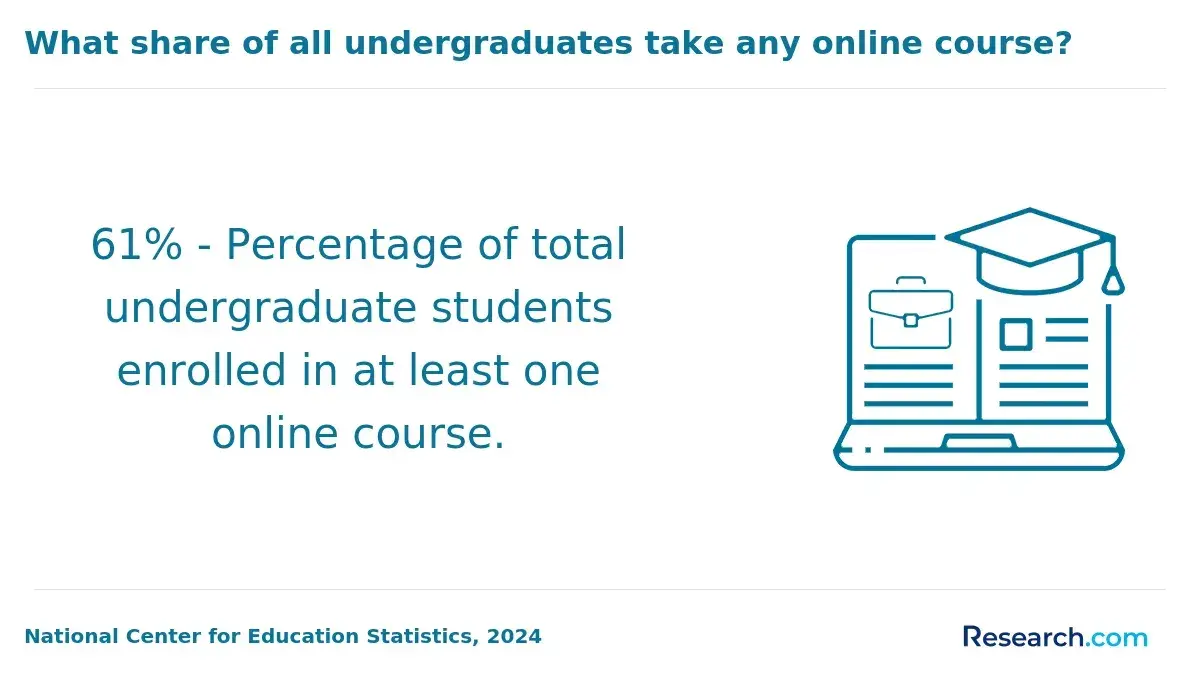
The format of surgical tech courses greatly affects how challenging students find them, with nearly two-thirds of students reporting more difficulty staying motivated in online settings compared to traditional classrooms. This difference often stems from variations in course delivery, interaction, and available resources.
Below are key factors influencing whether online surgical tech courses feel harder or easier than on-campus alternatives.
- Self-discipline and time management: Online students must independently organize study time without the immediate structure and supervision found on campus. This autonomy can be demanding, leading some to struggle with procrastination or maintaining consistent progress.
- Instructor interaction: Face-to-face classes allow for instant feedback and clarification, whereas online learners depend on scheduled virtual meetings or email, which can delay responses and affect understanding.
- Access to clinical and lab resources: Hands-on experience is critical in surgical tech training. On-campus programs typically provide direct access to labs and clinical environments, while online students might need to arrange clinical placements separately, which can complicate skill development.
- Schedule flexibility: Online courses offer the advantage of balancing employment or personal commitments with coursework, which may reduce stress for those needing adaptable hours.
- Assessment differences: Online tests may incorporate open-book components but also require familiarity with digital platforms and technical troubleshooting, adding complexity beyond the academic content itself.
When asked about her experience, a graduate of an online surgical tech degree reflected on both challenges and benefits. She described the initial adjustment to managing coursework without daily structure as "daunting," especially when juggling family responsibilities.
She valued the flexibility but recalled moments of frustration waiting for instructor feedback and the pressure of mastering hands-on skills with limited in-person guidance. Despite obstacles, she emphasized that perseverance and proactive communication were key.
"It wasn't easier, just different," she noted, highlighting that online learning demanded a unique discipline but ultimately prepared her well for the profession's demands.
Allocating sufficient weekly hours for surgical tech courses is essential for managing academic progress, with many students averaging around 18 hours per week, consistent with standard credit-hour expectations in health technology fields. Time commitment can vary noticeably depending on several aspects of the program and the student's individual circumstances.
Key factors affecting the amount of time students dedicate to surgical tech studies include:
- Course level: Higher-level classes typically demand more study time as they cover advanced topics and complex surgical procedures, requiring deeper understanding and practice.
- Technical intensity: Courses involving extensive lab sessions or clinical experiences require additional hands-on involvement, increasing weekly hours beyond traditional lectures.
- Writing and testing requirements: Subjects with significant theoretical content often include reports, assignments, and exams that add to the overall study effort and time.
- Learning format: Online and hybrid classes generally need greater self-motivation and time management skills, sometimes leading to increased study hours compared to in-person formats.
- Student background: Previous knowledge in medical terminology, anatomy, or related healthcare fields can reduce the required study time by facilitating quicker comprehension and application.
Course difficulty is closely linked to GPA concerns among surgical tech students, with research showing an average 0.3 to 0.5 point GPA decline in harder courses compared to foundational ones. This pattern underscores the importance of understanding how challenging surgical tech classes affect academic performance to better prepare for these demands.
Several factors help explain the impact of difficult surgical tech courses on GPA outcomes:
- Grading rigor: Advanced courses enforce stricter grading standards, requiring greater precision and knowledge in both theory and practical tasks, which can lower grades if expectations aren't met.
- Assessment structure: These classes often include complex exams, timed practicals, and hands-on evaluations that are more rigorous than earlier coursework, increasing pressure on students.
- Course sequencing: Harder courses depend on mastery of prior material; gaps in prerequisite knowledge can significantly affect academic performance and overall GPA.
- Student preparation: Juggling demanding clinical rotations alongside heavy coursework reduces study time and may hinder performance in challenging classes, influencing GPA directly.
- GPA weighting policies: Some programs assign greater weight to grades earned in advanced courses, meaning weaker results in tougher classes disproportionately impact the cumulative GPA.
Recognizing these challenges can help students develop strategies to maintain strong academic records despite the impact of difficult surgical tech courses on GPA. For those considering affordability alongside academic demands, exploring the cheapest DNP programs may offer useful insights into balancing cost with program rigor.
Many students link taking more demanding surgical tech courses with improved chances of getting hired, partly because a survey revealed that 68% of employers prefer candidates who have completed advanced or specialized training. This connection suggests that tougher coursework might help students stand out in the job market.
Below are key reasons why challenging surgical tech classes could impact employment prospects.
- Skill development: Difficult courses usually involve mastering intricate techniques and applying critical thinking, which strengthens practical skills that employers seek.
- Employer perception: Finishing advanced classes can reflect determination and resilience, qualities that often enhance a candidate's appeal to hiring managers.
- Internship opportunities: Rigorous courses frequently incorporate clinical rotations or hands-on projects, offering real-world experience and networking chances that boost a resume.
- Specialization signaling: More challenging classes may cover niche areas like orthopedic or cardiovascular technology, conveying specialized knowledge that can differentiate applicants.
- Career advancement: In-depth study in challenging courses creates a solid base for pursuing certifications or higher roles later, increasing potential for promotions and higher income.
Balancing the intensity of coursework with personal capacity is vital, as overextension can negatively affect academic success. Students should evaluate their own learning preferences and objectives when deciding how much challenge to take on in their surgical tech programs.
What Graduates Say About the Hardest and Easiest Courses in a Surgical Tech Degree Program
- Jesse: "Balancing the challenging anatomy courses with the more straightforward clinical skills modules in my online surgical tech degree was tough but rewarding. Considering the average cost of attendance, which was quite reasonable compared to traditional programs, I felt I got excellent value for my investment. These courses directly improved my confidence and efficiency in the operating room, helping me secure a great position soon after graduation. "
- Meg: "Reflecting on my time studying surgical tech online, I appreciated how the program mixed difficult subjects like pharmacology with easier, more hands-on labs that kept me engaged. The cost of courses was manageable, especially since the program allowed me to continue working while studying. This balance truly prepared me for the diverse challenges I face daily as a surgical technologist. "
- Gretchen: "From a professional standpoint, the hardest courses in my surgical tech program demanded discipline, but the easier ones provided necessary practical skills that built my foundation. The tuition fees were affordable against the career prospects that opened up, making it a smart financial and educational decision. Now, I apply what I learned every day, which has significantly advanced my career. "
Other Things You Should Know About Surgical Tech Degrees
In 2027, students often find advanced anatomy and physiology challenging, as these require deep understanding of complex systems. Courses involving practical surgical skills and operating room techniques are also tough due to their hands-on, precision-based nature. Time management and adapting to new medical technologies add to the difficulty.
The easiest courses in a Surgical Tech Degree in 2027 typically focus on foundational skills with a practical emphasis. Topics may include basic aseptic techniques and medical terminology, structured to ensure comprehension with assessments like quizzes and short assignments, each carrying specific credit hours.
In 2027, courses like Surgical Procedures, Anatomy & Physiology, and Medical Terminology are considered the hardest in a Surgical Tech Degree program. They demand a deep understanding of complex concepts and hands-on skills, essential for successfully assisting in surgical environments.
- Surgical Tech Career Outlook: Promising Future & Job Security https://www.hctravelnursing.com/blog/surgical-tech-career-outlook
- Is Surgical Tech School Hard? - Preppy https://preppy.org/is-surgical-tech-school-hard/
- 11 Skills You'll Need for a Career in Surgical Technology https://www.healthtechacademy.org/surgical-technologist/surgical-technologist-skills
- Certified Surgical Technologist Programs: In-Person vs. Online CST Programs | Vivian Community Hub https://www.vivian.com/community/allied-health/certified-surgical-technologist-programs-in-person-vs-online-cst-programs/
- How To Choose a Surgical Technology Program That Prepares You for the Operating Room https://www.berks.edu/how-to-choose-a-surgical-technology-program/
- Surgical Technology Clinical Rotation (Arizona) - Health Sciences Education - Mayo Clinic College of Medicine & Science https://college.mayo.edu/academics/health-sciences-education/surgical-technology-clinical-rotation-arizona/
- Career Progression Guide for Surgical Technologists: What to Expect https://www.incrediblehealth.com/tech/career-progression-guide-for-surgical-technologists-what-to-expect/
- Surgical Technologist Training Program https://medcerts.com/programs/healthcare/surgical-technologist
- Hardest Surgical Specialty: The Ultimate Career Challenge - Liv Hospital https://int.livhospital.com/hardest-surgical-specialty-the-ultimate-career-challenge/


