2027 Fastest Accredited Online Environmental Management Programs: Accelerated Degrees and Completion Times

Co-Founder and Chief Data Scientist
Choosing a fast online Environmental Management degree is really a timeline decision: How quickly can you graduate without choosing the wrong accreditation, workload, or career fit? The field matters because the U.S. Bureau of Labor Statistics reported a May 2024 median annual wage of $80,060 for environmental scientists and specialists, making credentials valuable for compliance, sustainability, and risk roles.
This guide explains accelerated online options, who they fit, and why transfer credits, course load, prerequisites, capstones, labs, and fieldwork can make advertised completion times very different from your actual graduation date.
Key Things You Should Know
- The fastest realistic route is usually a bachelor's-completion program that accepts up to about 90 transfer credits; students entering with the maximum accepted credits may finish in roughly 12 to 18 months, while first-time bachelor's students usually need closer to 3 to 4 years.
- Accelerated online Environmental Management programs commonly use 5-, 7.5-, 8-, or 10-week terms, which can shorten the calendar but usually increase weekly reading, writing, lab, data, and project time.
- Accreditation matters more than speed: look first for institutional accreditation recognized by the U.S. Department of Education, then review program fit, transfer limits, residency credits, capstones, internships, and whether credits will support graduate school or employer requirements.
Which Colleges Offer the Fastest Accredited Online Environmental Management Programs?
The fastest accredited online Environmental Management programs are usually not traditional four-year programs completed from scratch. They are transfer-friendly bachelor's-completion degrees, self-paced or short-term online programs, and graduate programs designed for students who already meet prerequisite or professional-experience expectations.
The table below compares accredited U.S. colleges that commonly appear in searches for fast online Environmental Management, environmental policy, sustainability, or environmental science management pathways. Timelines are best read as planning ranges, not promises, because each school evaluates transfer credits, course availability, and degree requirements differently.
| College | Relevant online program type | Speed factors | Fastest realistic profile | Accreditation note |
| University of Maryland Global Campus | Online bachelor's in Environmental Management | Transfer-friendly adult learner model; multiple online sessions; prior college credit may apply | Best for students bringing substantial lower-division credit and general education coursework | Institutionally accredited; verify current status before enrolling |
| Columbia Southern University | Online bachelor's in Environmental Management | Flexible online format and environmental management-specific curriculum | Best for working adults who need flexible pacing and already have applicable credits | Institutionally accredited by a recognized accreditor; confirm employer or graduate-school acceptance if regional accreditation is preferred |
| American Public University | Online environmental science or environmental policy-related degrees | Monthly starts, online terms, military- and adult-learner transfer pathways | Best for transfer students, military learners, and students who need frequent start dates | Institutionally accredited; confirm specific program name and catalog year |
| Southern New Hampshire University | Online environmental science-related bachelor's pathway | 8-week undergraduate terms and high transfer-credit ceiling | Best for students seeking a broad environmental degree with management-adjacent electives or career goals | Institutionally accredited; confirm whether the curriculum matches Environmental Management roles |
| Unity Environmental University | Online environmental, sustainability, and climate-related degrees | Short online terms and environmentally focused institutional mission | Best for students who want concentrated environmental coursework and can handle frequent deadlines | Institutionally accredited; review lab, project, and field expectations |
| University of Denver University College | Online master's in Environmental Policy and Management | Graduate program structure designed for working adults; can be completed faster than many traditional master's formats | Best for bachelor's graduates seeking management, policy, or sustainability advancement | Institutionally accredited; review graduate prerequisites and concentration options |
No single school is automatically the fastest for every student. A program advertising short terms may still take longer if you lack prerequisites, if only some courses transfer, or if required courses are offered in a fixed sequence.
For readers comparing accelerated graduate options across fields, it can also help to understand how compressed formats are structured in a 1 year masters degree online, even though Environmental Management programs may have different capstone, research, or policy-project requirements.
How Long Does It Take to Complete an Accredited Online Environmental Management Degree?
"Fastest" means the shortest credible time to graduation from an accredited institution after accounting for transfer credits, required credits, course sequencing, and enrollment intensity. "Completion time" means the full period from your first enrolled term to degree conferral, not just the length of individual online courses.
The most important timeline variable is whether you are starting from zero credits, entering with an associate degree, or pursuing a graduate degree after already earning a bachelor's degree. The table below summarizes typical planning ranges for U.S. online Environmental Management and closely related environmental programs.
| Student starting point | Common degree path | Typical credit requirement | Fastest realistic completion range | Who this timeline fits |
| No prior college credit | Full online bachelor's degree | About 120 semester credits, or equivalent quarter credits | About 3 to 4 years with year-round full-time study | Students who can take heavy course loads and complete general education online |
| Associate degree or 60 transferable credits | Bachelor's-completion pathway | About 60 remaining credits | About 18 to 24 months | Students with completed general education and aligned lower-division credits |
| Maximum transfer credit, often near 90 credits | Upper-division bachelor's-completion pathway | About 30 remaining credits, depending on residency rules | About 12 to 18 months | Students with many accepted credits and few missing prerequisites |
| Bachelor's degree completed | Online master's in Environmental Management, environmental policy, or sustainability management | Often about 30 to 48 graduate credits, depending on semester or quarter system | About 12 to 24 months | Working professionals seeking management, compliance, or policy advancement |
Shorter terms do not reduce academic expectations; they compress them. An 8-week course generally covers the same learning outcomes as a 15- or 16-week course, so students often need more weekly study time per course.
Program length also depends on whether the degree includes science labs, GIS work, statistics, environmental law, environmental impact analysis, sustainability reporting, or a capstone. These courses may be offered less frequently than general education courses, which can extend the final year if you miss a required sequence.
How Do Accelerated and Competency-Based Online Environmental Management Programs Work?
Accelerated online Environmental Management programs shorten the calendar by changing the format, not by removing core learning. The most common models are short academic terms, year-round enrollment, transfer-heavy degree completion, and self-paced or competency-based structures.
These formats can help different types of learners. Before choosing one, match the format to your work schedule, prior credits, and ability to complete writing-, science-, and project-heavy coursework quickly.
- Short-term courses: Programs using 5-, 7.5-, 8-, or 10-week sessions let students complete more courses per year, but each course moves quickly and may require weekly assignments, discussions, exams, labs, or projects.
- Year-round enrollment: Schools with summer, fall, spring, and multiple subterms can reduce waiting time between courses, especially for students who want to avoid a long summer break.
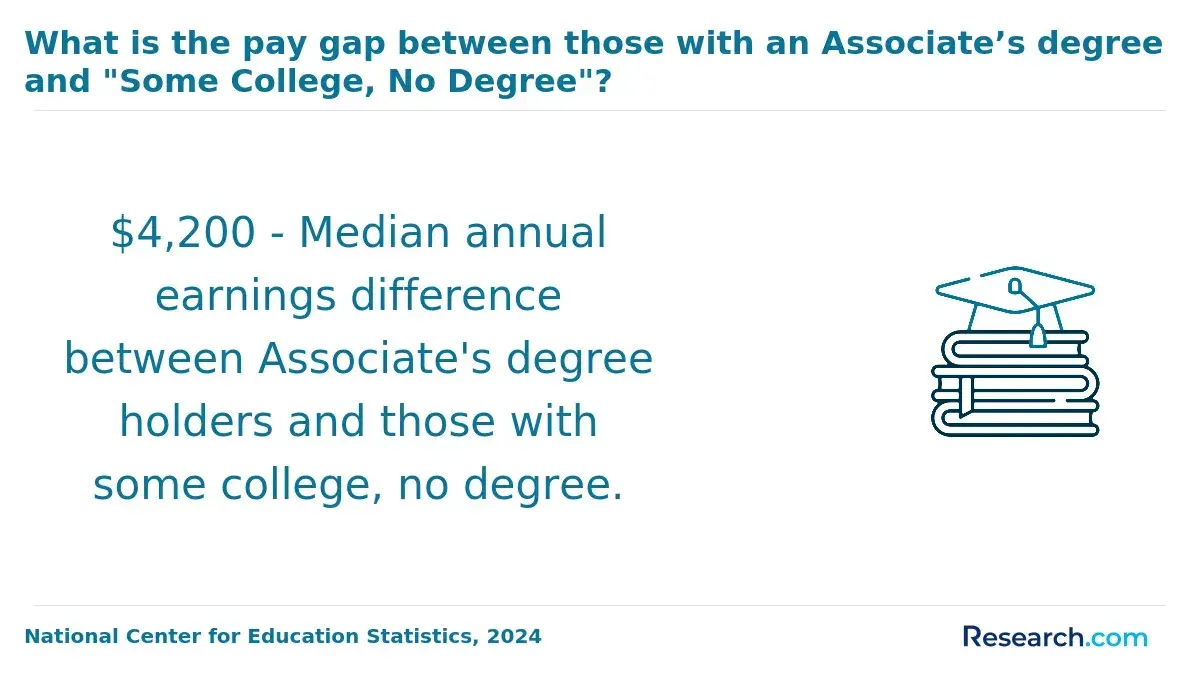
- Transfer-based acceleration: Students with prior college credit, military credit, or an associate degree can skip repeated general education requirements when credits are accepted into the degree plan.
- Competency-based pacing: Students may move faster by proving mastery of defined competencies, but this format works best for disciplined learners with relevant experience and strong independent-study habits.
- Prior learning assessment: Some schools award credit for documented professional training, certifications, portfolios, or exams, which may reduce the number of courses needed.
Competency-based education can be attractive for experienced environmental technicians, compliance specialists, safety professionals, or military learners. However, it is not automatically easier; students must still demonstrate college-level outcomes and may need to complete assessments, projects, or faculty-evaluated work.
One current trend is the growing use of data tools in environmental work. Online programs increasingly include GIS, remote sensing, environmental data analysis, sustainability reporting, and risk communication because employers need graduates who can interpret environmental information, not just memorize regulations.
What Accreditation Should an Online Environmental Management Program Have?
Accreditation is the main quality filter when comparing fast online Environmental Management programs. At minimum, choose a college with institutional accreditation recognized by the U.S. Department of Education or the Council for Higher Education Accreditation.
Programmatic accreditation is less standardized for Environmental Management than it is in nursing, teaching, engineering, or social work. That makes institutional accreditation, curriculum relevance, faculty qualifications, employer alignment, and graduate-school transferability especially important.
Use this accreditation checklist before you apply. It can prevent a fast program from becoming a poor investment if credits, financial aid eligibility, or graduate-school recognition do not work the way you expect.
- Confirm that the institution is currently accredited by a recognized accrediting agency, not merely "licensed," "approved," or "registered."
- Check whether the exact online program appears in the current academic catalog and whether the degree title matches your career goal.
- Ask whether credits from the program are commonly accepted by regionally accredited graduate schools if you plan to pursue a master's degree later.
- Review whether employers in your target area prefer environmental science, environmental management, occupational safety, sustainability, engineering, or public administration credentials.
- Verify whether the program includes required science labs, field experiences, capstones, internships, or proctored assessments that could affect scheduling.
Be especially careful with programs that advertise extreme speed but provide vague accreditation language. "Accredited" should be easy to verify through an official accreditor or federal database, and admissions staff should be able to explain how accreditation affects financial aid and credit transfer.
How Can Transfer Credits and Prior Learning Shorten an Online Environmental Management Degree?
Transfer credit is often the biggest difference between a fast advertised timeline and a realistic one. Many online bachelor's programs allow large numbers of transfer credits, but they also require a minimum number of credits to be completed at the degree-granting institution, often called a residency requirement.
The table below shows how prior learning can reduce time to graduation. The exact number of credits accepted depends on course equivalency, grades, accreditation of the sending school, age of science courses, and whether credits fit the Environmental Management degree map.
| Credit source | How it may help | Common limitation | Timeline impact |
| Associate degree | May complete many general education and lower-division requirements | Environmental science prerequisites may still be missing | Can reduce a bachelor's timeline to about 18 to 24 months |
| Prior university coursework | Can satisfy electives, writing, math, science, or social science requirements | Credits may transfer as electives rather than major requirements | Can shorten the degree if credits apply directly to the plan |
| Military training | May be evaluated for ACE-recommended credit | Not all recommendations apply to major requirements | Can reduce elective or general education burden |
| Professional certifications | May support prior learning assessment or portfolio credit | School must have an approved evaluation process | Can save one or more courses when accepted |
| Credit by exam | May satisfy lower-division subjects | Usually does not replace upper-division major coursework | Most useful before enrollment or early in the degree plan |
To maximize credit before enrolling, request an unofficial transfer evaluation and then a final written degree plan. Do not rely only on a verbal estimate, because a school may accept credits generally but not apply them to the specific Environmental Management major.
Students comparing transfer-heavy environmental pathways with other people-centered graduate routes can see how admission and prior preparation differ in fields such as social work masters programs, where accreditation and supervised practice can affect timelines in a different way.
What Are the Admission Requirements and Start Dates for Accelerated Online Environmental Management Programs?
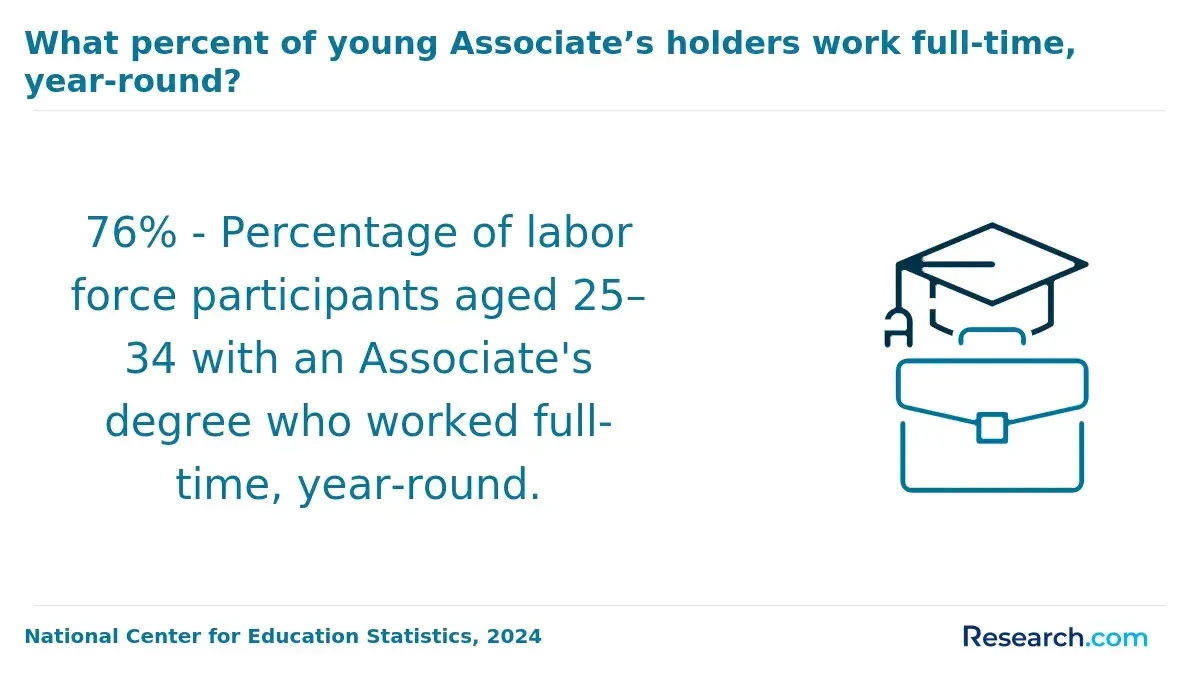
Accelerated online Environmental Management programs often have flexible admissions, but "flexible" does not mean requirement-free. Bachelor's programs typically ask for a high school diploma or equivalent, transcripts from all prior colleges, and transfer-credit documentation; master's programs usually require a completed bachelor's degree and may request a resume, statement of purpose, or minimum GPA.
Start dates matter because waiting for the next available cohort can add months to your timeline. Programs with monthly starts, rolling admission, or multiple 8-week terms may help motivated students begin faster than semester-based programs.
Before applying, ask admissions and advising teams these timeline-specific questions. The answers will help you separate a genuinely accelerated program from one that simply markets itself as fast.
- How many start dates are available each year for new online Environmental Management students?
- Are major courses offered every term, or only once or twice per year?
- What is the maximum course load per term, and does it require advisor approval?
- How many transfer credits can apply to the major, not just to electives?
- Are science prerequisites, statistics, environmental law, GIS, or capstone courses required before upper-division classes?
- Can working students complete labs, field observations, internships, or capstones locally or asynchronously?
- When will I receive a written degree plan showing the exact courses and estimated graduation date?
Students pursuing graduate study should also ask whether work experience can substitute for certain prerequisites or whether bridge courses are required. A master's program advertised as 12 to 18 months may take longer if you need foundational coursework before entering the main sequence.
How Much Does a Fast Online Environmental Management Degree Cost, and Is Financial Aid Available?
A fast program is not always cheaper. Total cost depends on tuition per credit, accepted transfer credits, technology fees, books, lab materials, proctoring, portfolio-assessment fees, and whether you need to retake nontransferable courses.
Use the cost categories below when comparing programs. They matter because the lowest tuition rate may not produce the lowest total cost if the school accepts fewer transfer credits or requires more institutional credits.
- Tuition per credit: Multiply the rate by the number of credits you must complete after transfer evaluation, not by the full catalog credit total.
- Transfer-credit savings: A higher-tuition school that accepts more credits may cost less overall than a lower-tuition school that requires more repeated coursework.
- Fees: Online programs may charge technology, graduation, transcript, proctoring, portfolio, or lab-related fees.
- Course materials: Some programs use open educational resources, while others require textbooks, software, field kits, or GIS tools.
- Financial aid eligibility: Institutional accreditation recognized by the U.S. Department of Education is generally necessary for federal student aid participation, but each school's eligibility and your own aid package must be verified.
Federal aid can include grants, loans, and work-study for eligible students at participating institutions. Loan limits, dependency status, enrollment intensity, satisfactory academic progress, and lifetime eligibility rules can affect how much aid is available.
When calculating value, compare the environmental degree against your career goal rather than against unrelated programs. If you are also weighing broader online graduate business credentials, cost comparisons such as the best MBA programs online can provide a useful benchmark for how online tuition structures vary by field.
Can You Work Full Time While Completing an Accelerated Online Environmental Management Degree?
Yes, many students work full time while earning an online Environmental Management degree, but the fastest timeline may not be realistic for every working adult. Environmental coursework can include scientific reading, regulatory analysis, quantitative assignments, writing-intensive policy work, team projects, and applied research.
The table below compares common enrollment patterns. It can help you choose a pace that is fast enough to matter but manageable enough to finish without withdrawing or repeating courses.
| Enrollment pace | Typical course load | Best fit | Timeline trade-off |
| Part time | Usually 1 course per short term | Full-time workers, caregivers, and students returning after a long break | Slower graduation but lower weekly pressure |
| Moderate accelerated | Often 2 courses per short term, if allowed | Organized students with stable schedules and strong writing skills | Faster progress with a demanding weekly workload |
| Full-time year-round | Multiple courses across fall, spring, and summer | Students prioritizing speed and able to reduce outside obligations | Shortest timeline but higher burnout risk |
| Self-paced or competency-based | Variable based on mastery and assessment completion | Experienced learners with strong independent study habits | Can be fast, but progress depends heavily on consistency |
A practical rule is to start with a sustainable pace for the first term, especially if you have been out of school. After you understand the writing load, software requirements, and instructor expectations, you can ask whether adding a second course per term is allowed.
Students with field jobs in environmental compliance, water quality, waste management, energy, agriculture, or occupational safety may find the coursework more immediately applicable. That experience can help with projects, but it does not eliminate the time needed for readings, citations, data analysis, and exams.
Are Accelerated Online Environmental Management Degrees Respected by Employers and Graduate Schools?
Employers and graduate schools generally care less about whether a degree was online and more about accreditation, curriculum rigor, skills, experience, and whether the degree matches the role. An accelerated format can be respected when it comes from a properly accredited institution and includes credible environmental, regulatory, analytical, and management coursework.
Environmental Management graduates may pursue roles connected to compliance, sustainability, environmental health and safety, conservation planning, waste management, corporate reporting, or public-sector environmental programs. Job titles vary widely because some roles require scientific training, some emphasize regulation and policy, and others combine operations with risk management.
The BLS May 2024 median annual wage of $80,060 for environmental scientists and specialists is useful context, but it should not be treated as a guarantee for Environmental Management graduates. Pay varies by location, employer, experience, degree level, technical skills, and whether the role is scientific, managerial, regulatory, or consulting-focused.
For broader ROI comparisons, students sometimes review the most lucrative college majors, but Environmental Management should be evaluated through a sustainability, compliance, public policy, and applied science lens rather than salary alone.
Graduate schools may accept online degrees when they are institutionally accredited and include the prerequisites required for the target program. If you plan to pursue environmental law, public administration, sustainability analytics, engineering management, or a science-heavy master's degree, ask the future graduate school which undergraduate courses it expects.
How Should You Compare the Fastest Accredited Online Environmental Management Programs?
The best fast program is the one that gets you to a credible credential quickly without creating avoidable problems in cost, transferability, workload, or career alignment. Start by comparing your personal timeline, not the school's marketing timeline.
Use the following steps to compare programs in a decision-focused way. They are designed to help you confirm how fast you can realistically graduate before you commit.
- Choose the exact credential level you need: certificate, bachelor's completion, full bachelor's degree, or master's degree.
- Verify institutional accreditation through an official accreditor or federal database before considering speed.
- Request a written transfer evaluation showing which credits apply to general education, major, electives, and residency requirements.
- Map every remaining course by term and confirm that required major courses are offered often enough to support your target graduation date.
- Ask whether labs, GIS work, field observations, internships, or capstones have fixed schedules or local-placement requirements.
- Calculate total cost using remaining credits, not advertised full-program cost alone.
- Compare faculty expertise, environmental software exposure, regulatory coursework, sustainability reporting, and career services.
- Choose a first-term course load that you can sustain, then accelerate only if your grades and schedule support it.
Common mistakes include assuming that "accelerated" means easy, believing all prior credits will transfer, ignoring residency requirements, choosing a program without verifying accreditation, and focusing only on the shortest advertised time. A better approach is to ask for a personalized degree plan before enrolling.
Also compare whether the program's applied requirements fit your life. Degrees in fields such as environmental management, counseling, education, and the masters in art therapy can all be affected by projects, fieldwork, supervised practice, or portfolio expectations, even when coursework is online.
Other Things You Should Know About Environmental Management Programs
In 2027, institutions like the University of Phoenix and Southern New Hampshire University offer accelerated online Environmental Management programs that can be completed in as little as 12 to 18 months, significantly reducing the standard study duration for such degrees.
Some do, especially programs with environmental science courses, GIS, ecology, chemistry, or applied assessment components. Many online programs use virtual labs, local field observations, projects, or capstones, but requirements vary by school.
To enroll in an accelerated online Environmental Management program in 2027, students typically need a high school diploma and relevant coursework in science or environmental studies. Some programs may require standardized test scores, such as the SAT or ACT, and a personal statement highlighting interest in environmental management.
References
- Environmental Management Certificate | Distance Learning Courses https://www.bolc.co.uk/environmental-courses-online/environmental-management-certificate
- Master's Honors in Environment and Sustainability Management - Ken Institute https://keninstitute.com/courses/masters-honors-in-environment-and-sustainability-management/
- Data show today's environmental science grads have more diverse job prospects https://www.onlineu.com/magazine/environmental-science-majors-career-outcomes
- Online Master's Degree: Environmental Management https://www.umgc.edu/online-degrees/masters/environmental-management
- The Best Online Masterâs in Environmental Management Degrees https://www.gograd.org/online-masters-programs/best-environmental-management-degrees/