2027 Self-Paced Online Game Programming & Development Bachelor's Degree Programs

Co-Founder and Chief Data Scientist
Many professionals with unrelated undergraduate degrees want to enter the rapidly evolving game programming & development industry but struggle to find time for traditional, rigid programs. This challenge often results in prolonged career delays or missed opportunities. Recent data shows that 48% of students enrolled in self-paced online game programming & development bachelor's degree programs balance full-time jobs alongside their studies, highlighting the demand for flexible learning options. This article explores self-paced online programs designed to accommodate diverse schedules and offers guidance on selecting accredited courses to facilitate a seamless career transition into game programming & development.
Key Benefits of Self-Paced Online Game Programming & Development Bachelor's Degree Programs
- Self-paced online game programming & development bachelor's degrees offer flexibility, allowing working professionals to balance study with employment and personal commitments.
- These programs enable accelerated skill acquisition by letting students progress upon mastery, often shortening time to degree completion compared to traditional formats.
- Cost-effective pathways come through reduced tuition and fees, transfer credit options, and prior learning assessments that minimize repetition of previously acquired knowledge.
What Are Self-Paced Online Game Programming & Development Bachelor's Degree Programs, and How Do They Differ From Traditional Online Formats?
Self-paced online game programming & development bachelor's degree programs enable students to complete coursework independently, differing from cohort-based or asynchronous-but-scheduled models by offering open enrollment and no fixed academic calendar. This allows learners to progress at their own speed, ideal for those balancing work or family commitments.
- Open Enrollment: These programs allow enrollment year-round, removing the need to wait for semester start dates. Students can begin when ready, ensuring a more flexible pathway to their degree.
- Flexible Timelines: Assignments and assessments are completed on individual schedules rather than weekly deadlines. This accommodates varied learning speeds and personal availability, providing a personalized educational experience.
- Milestone-Based Progression: Advancement is based on mastering specific competencies or finishing modules-not time spent in class-supporting skill acquisition vital to game programming & development.
- Time Management Differences: Success in self-paced programs requires strong discipline since there are no fixed meeting times, unlike traditional online formats which offer structured schedules and regular check-ins.
- Faculty Interaction: Student-instructor contact is generally less frequent in self-paced programs, relying on email or scheduled meetings, while cohort-based courses often include live discussions fostering community.
- Accountability and Motivation: Without peer cohorts moving together, self-paced students depend more on internal motivation, whereas traditional courses benefit from peer support and collective accountability.
Self-paced online game programming degree programs provide unmatched flexibility, especially suitable for non-traditional students or working professionals seeking autonomy. Evaluating important features like competency-based education, transfer credit acceptance, prior learning assessments, and financial aid eligibility is essential to making informed enrollment choices. For more on affordability in online degrees, see the cheapest msw programs.
Which Accredited Institutions Offer Self-Paced Online Game Programming & Development Bachelor's Degree Programs?
Several regionally accredited colleges and universities offer self-paced online game programming and development bachelor's degrees designed for busy learners who need flexibility. These programs often apply competency-based education models that let students advance by mastering skills instead of adhering to fixed semester schedules-ideal for working professionals and non-traditional students. Transfer credit policies and prior learning assessments frequently help accelerate degree completion.
- Western Governors University: This institution uses a competency-based learning platform offering a bachelor's in Software Development with game programming-related specializations. Tuition is charged at a flat rate per six-month term, encouraging accelerated progress. WGU is accredited by the Northwest Commission on Colleges and Universities (NWCCU), with many students finishing in under three years.
- Southern New Hampshire University: SNHU provides a self-paced Bachelor of Science in Information Technologies that includes coursework relevant to game development. The per-credit tuition costs about $320. The New England Commission of Higher Education (NECHE) accredits the university and flexible start dates accommodate various schedules.
- Capella University: Capella's software development bachelor's offers a "FlexPath" format, enabling students to complete courses at their own pace via a flat-rate subscription per term. Accredited by the Higher Learning Commission (HLC), most learners finish in three to four years depending on pace.
- Granite State College: This NECHE-accredited college features a competency-based Bachelor of Arts in Information Technology with programming courses applicable to gaming. Tuition is per six-month term, allowing unlimited course access for steady progress.
- University of Maryland Global Campus: UMGC's Bachelor of Science in Computer Science includes software development and game programming options. Tuition varies for in-state and out-of-state students and is charged per credit. The Middle States Commission on Higher Education (MSCHE) accredits UMGC, which supports prior learning assessments.
These top institutions offering flexible online game programming and development degrees emphasize recognizing prior learning, transfer credits, and generally provide access to financial aid and veteran benefits. For a deeper look at affordable, flexible options in higher education, consider exploring masters in library science, which similarly prioritize accessibility and self-paced learning.
2026 Update: Portfolio Readiness in Self-Paced Game Development Programs
This 2026 update adds a practical check on whether a self-paced online game programming degree helps students build a usable portfolio, not just complete courses at their own speed.
- Whether major assignments produce playable prototypes, demos, or code samples you can show employers.
- How often instructors provide feedback on programming quality, debugging, performance, and documentation.
- Which game engines, version control tools, and collaboration platforms are used in required projects.
- Whether students complete an individual or team-based capstone that reflects real development workflows.
- What hardware and software requirements are needed before enrolling in technical game programming courses.
- Whether students retain rights to showcase class projects in portfolios, reels, or professional profiles.
Checking these details helps students choose a flexible program that also supports career-ready work samples for game development roles.
How Long Does It Take to Complete a Self-Paced Online Game Programming & Development Bachelor's Degree?
Completion times for self-paced online game programming & development bachelor's degrees vary widely, from under two years for accelerated students to four or more years resembling traditional classroom programs. Key factors shaping this timeline include prior academic credits, transfer policies, and the hours students dedicate weekly to their studies.
- Prior Credits: Learners who have earned college credits before can often transfer them to their new program, cutting down the required coursework and potentially shortening degree completion by a year or more, depending on policies.
- Transfer Coursework: Many programs accept a range of prior learning experiences-such as associate degrees, certifications, or military training-allowing learners to bypass foundational classes and progress faster.
- Weekly Hours Invested: The number of study hours each week strongly influences duration; students engaged 20 or more hours weekly often complete faster than those studying part-time with fewer hours.
- Prior Learning Assessments: Competency-based exams enable some students to demonstrate mastery of particular topics, enabling them to skip courses and speed up degree completion.
- Realistic Scheduling: Establishing a steady, achievable weekly routine helps avoid burnout and maintains progress, especially when balancing work or family obligations.
- Support Services: Access to advising, tutoring, and technical support is essential for overcoming challenges and sustaining momentum throughout the program.
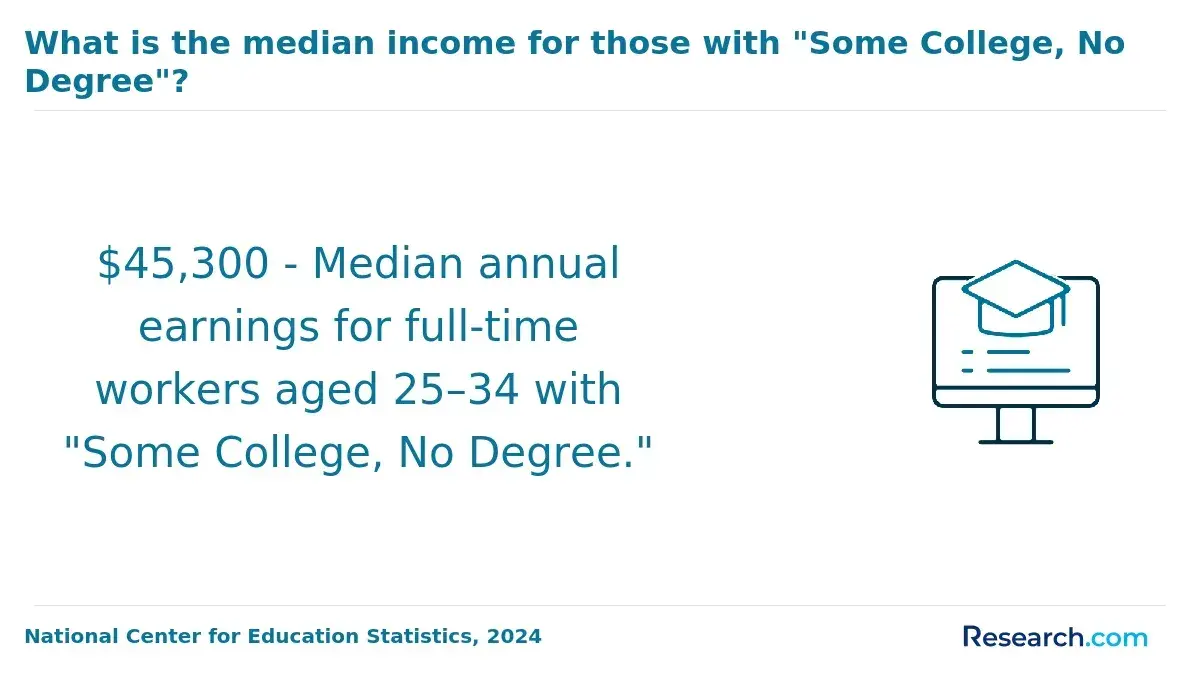
According to data from the National Center for Education Statistics, non-traditional students in related computing fields typically take between 4.5 and 6 years to finish their bachelor's degree, offering a benchmark for those on a self-paced path. One professional who pursued such a self-paced online degree shared his experience: "Managing unpredictable work shifts was tough, and some weeks I could devote only minimal hours, which slowed progress unexpectedly." He found value in tailoring his schedule around deadlines and leveraging prior software certifications to waive introductory courses. However, he noted the emotional challenge of staying motivated without a set cohort, saying, "There were moments of self-doubt without in-person peers, so the online tutoring and advising made a big difference in keeping me on track." His story highlights how balancing time, prior credits, and support can shape the journey differently for each individual.
What Are the Admission Requirements for Self-Paced Online Game Programming & Development Bachelor's Degree Programs?
Applicants aspiring to enroll in self-paced online game programming & development bachelor's degree programs generally must hold a high school diploma or GED. Some institutions set a minimum GPA requirement, commonly between 2.0 and 3.0, to reflect academic preparedness. Foundational courses in mathematics, programming, or computer science are often recommended or required, ensuring students possess the necessary skills to succeed in advanced coursework. These prerequisites are especially prevalent in programs that emphasize technical competence.
Many programs offer rolling admissions or open-enrollment policies, which eliminate strict deadlines and make it easier for non-traditional and returning students to access education. Such flexible approaches prioritize accessibility and self-directed learning. In contrast, selective programs may require additional documentation such as official transcripts, recommendation letters, or proof of prerequisite completion. These selective options typically provide enhanced academic advising, tutoring, and tailored support to boost student success, distinguishing them from open-access programs that depend largely on student motivation.
- High School Diploma or GED: This baseline credential is necessary to demonstrate foundational education, though some programs accept equivalent qualifications or prior learning assessments.
- Minimum GPA: Varying between 2.0 and 3.0, this criterion gauges academic readiness; many open-access programs waive this to encourage flexible enrollment.
- Prerequisite Coursework: Required or recommended classes include algebra and introductory programming, which improve success rates in rigorous curricula.
- Open-Enrollment Policies: Rolling admissions accommodate diverse schedules and backgrounds-particularly advantageous for adult learners seeking flexible pacing.
- Selective Program Expectations: These often entail submitting transcripts, recommendation letters, and entrance essays, alongside greater academic support services.
- Application Improvement Tips: Consider completing prerequisite courses at community colleges, earning relevant certifications, or submitting a portfolio to strengthen applications that fall short of stated minimums.
For those comparing options or seeking programs with accelerated pacing, the fastest online construction management degree offers insights into how rigorous yet flexible degree pathways function in the evolving online education landscape.
How Much Does a Self-Paced Online Game Programming & Development Bachelor's Degree Cost, and What Affects Tuition?
Costs for self-paced online game programming & development bachelor's degree programs vary significantly depending on the tuition structure and extra fees. Many institutions price tuition by credit hour, typically between $200 and $500, meaning a 120-credit degree might cost $24,000 to $60,000 in tuition alone. Alternatively, some schools offer subscription plans charging a fixed monthly rate from $1,000 to $2,500, granting unlimited course access during that period and potentially lowering costs for students who progress quickly.
Additional expenses can add up, affecting the overall cost. Technology fees often range from $50 to $200 per term, supporting access to platforms and software licenses. Proctoring fees for exams, usually $30 to $100 each, plus required course materials or subscriptions for specialized software, can add several hundred dollars annually.
- Tuition Models: Per-credit pricing offers clear costing but may increase if progress is slow. Flat-rate subscriptions give flexibility but can become costlier over extended periods.
- Additional Fees: Technology, testing, and materials fees differ by school and often aren't included in advertised tuition rates.
- Completion Speed: Faster program completion can reduce total costs in subscription models, while slower pacing often raises expenses.
- Transfer Credits & Assessments: Using prior learning or transferred credits can cut down the number of required courses, lowering overall costs.
A professional who completed a self-paced online game programming & development bachelor's degree shared that budgeting was more complex than expected. She recalled, "I initially focused on tuition rates but quickly realized fees for software and proctored exams added up." Her experience underscored how pacing impacted costs, as advancing faster under a subscription plan saved money. Despite the challenges of balancing work and study, she found the flexibility empowering, stating, "Being able to progress at my own pace made the investment worthwhile and helped me build skills directly applicable to my career."
What Financial Aid Options Are Available for Self-Paced Online Game Programming & Development Bachelor's Programs?
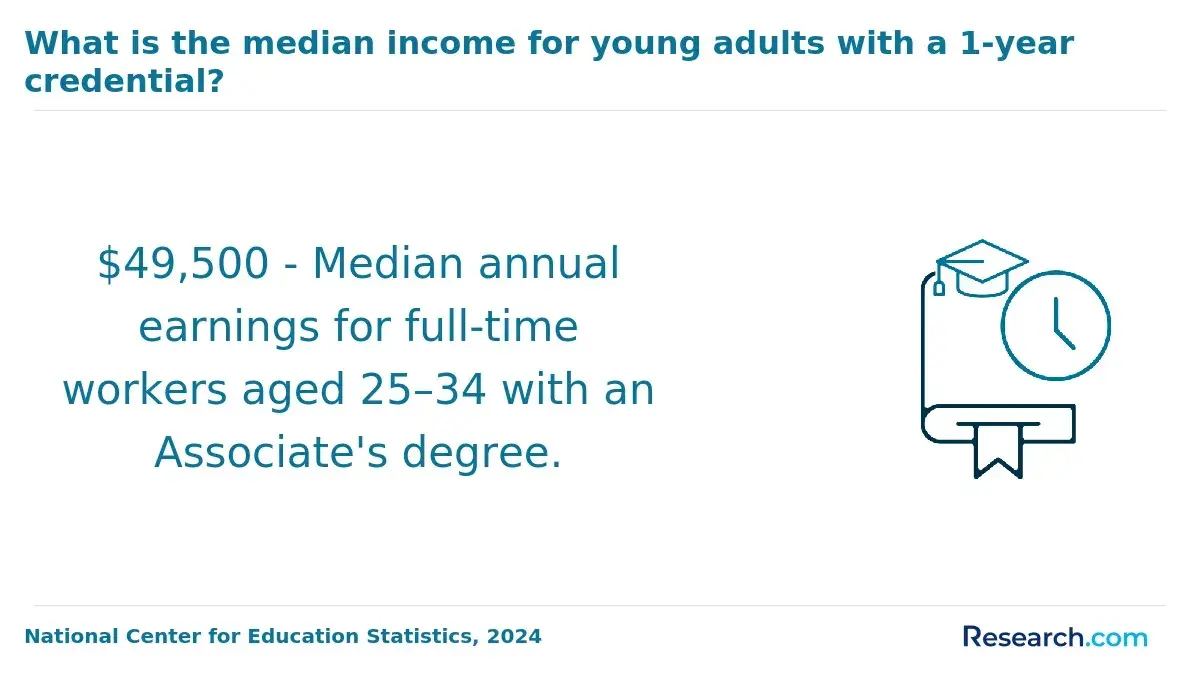
Federal financial aid for self-paced game programming & development bachelor's programs often depends on FAFSA rules tied to credit-hour measurements, especially in competency-based education (CBE) models. Students should verify whether their program meets federal guidelines to qualify for grants and loans. According to the College Board's Trends in Student Aid report, aid amounts remain largely steady, though flexible program formats can influence the timing of aid disbursements.
State aid programs may assist online learners but typically require residency and specific enrollment statuses, which can be challenging for self-paced students to maintain consistently. Therefore, prospective students should review individual state policies to determine eligibility. Additionally, many institutions offer targeted scholarships or tuition benefits for those enrolled in online or CBE game programming & development degrees, but availability varies widely and is not automatic.
Several professional organizations provide scholarships tailored to game programming & development students, including groups like the International Game Developers Association (IGDA) and Women in Games, which emphasize academic merit and diversity. These awards usually involve separate applications and portfolio evaluations.
In 2023, nearly 30% of undergraduate federal aid recipients took at least one online course, highlighting the growing reliance on financial assistance among distance learners. Since self-paced programs can alter disbursement schedules for loans and grants, maintaining consistent communication with financial aid offices is critical to ensure funding aligns with enrollment periods.
- Federal Aid Eligibility: FAFSA rules for CBE programs hinge on credit-hour equivalencies, impacting students' access to federal grants and loans. Confirm program accreditation and federal aid qualification before enrolling.
- State Aid Variability: State-sponsored financial aid may require residency and specific enrollment status, so check local regulations for self-paced student eligibility.
- Institutional Support: Colleges may provide unique scholarships or tuition discounts for online game programming & development students, but these differ by institution and are not guaranteed.
- Professional Scholarships: Associations such as IGDA offer scholarships focused on merit and diversity to support game programming & development students.
- Disbursement Considerations: Flexible pacing can affect the timing of financial aid distribution; regular contact with financial aid offices is essential.
How Do Competency-Based Education (CBE) Models Work in Self-Paced Online Game Programming & Development Programs?
Competency-based education (CBE) in self-paced online game programming & development bachelor's degree programs allows students to progress by demonstrating mastery of specific skills rather than completing fixed classroom hours. Learners prove their knowledge through assessments like projects, coding challenges, and portfolio reviews. These demonstrated competencies convert into academic credit, speeding progress through familiar topics while focusing on weaker areas.
For financial aid, many CBE programs translate mastery into credit-hour equivalents, preserving eligibility for federal support. Direct assessment programs, on the other hand, measure learning solely by performance without relying on credit hours, which may affect traditional funding options. Both models emphasize flexibility and cater to working professionals and self-directed students.
Western Governors University offers an online bachelor's in software development with game programming electives, using project-based assessments and mentor support. Southern New Hampshire University's competency-driven tech degree incorporates video portfolio submissions assessed by instructors. Graduates from these programs are increasingly valued by employers for validated practical skills and targeted learning experiences.
CBE demands strong self-discipline and motivation, as students manage their own pacing without set deadlines. Prospective learners should evaluate their time management and learning preferences carefully before enrolling.
Enrollment in competency-based degree programs has increased by over 25% in recent years, reflecting growing demand for flexible, skills-focused education.
- Mastery Over Time: Students advance by demonstrating specific game programming competencies through assessments rather than traditional class hours, enabling personalized pacing.
- Assessment Methods: Project-based tasks, coding challenges, and portfolio reviews ensure skills mastery aligned with industry standards and employer expectations.
- Financial Aid Compatibility: Many programs translate competencies into credit-hour equivalents, preserving eligibility for federal aid, while direct assessment formats may have different funding structures.
- Faculty Support: Competency-based programs often include mentor or instructor guidance to assist learners through the self-paced curriculum, vital for maintaining progress.
- Student Suitability: Success in CBE demands motivation and strong time management, making self-awareness crucial before enrollment in self-paced game programming studies.
What Accreditation Should a Self-Paced Online Game Programming & Development Bachelor's Program Hold?
Accreditation standards for self-paced online game programming & development bachelor's degree programs in the United States are critical indicators of program quality and degree value. Regional accreditation carries the greatest weight among employers and graduate schools, typically awarded to nonprofit, academically focused institutions. The U.S. Department of Education recognizes six regional accrediting bodies: Middle States Commission on Higher Education (MSCHE), New England Commission of Higher Education (NECHE), Higher Learning Commission (HLC), Northwest Commission on Colleges and Universities (NWCCU), Southern Association of Colleges and Schools Commission on Colleges (SACSCOC), and Western Association of Schools and Colleges Senior College and University Commission (WSCUC).
Some self-paced game programming & development programs also hold programmatic accreditation from specialized agencies-such as ABET for computing programs-adding a layer of curriculum quality and industry relevance. National accreditation, by contrast, is more common among vocational or technical schools and may limit credit transferability and employer recognition. Enrolling in a nationally accredited or non-accredited program can hinder both academic progress and career advancement.
Before applying, use trusted resources like the U.S. Department of Education's Accreditation Database and the Council for Higher Education Accreditation's (CHEA) directory to verify a program's credentials. This due diligence ensures you select a credible program aligned with your professional goals. For further insights on educational pathways, explore what can you do with a masters in forensic psychology.
Regional accreditation agencies recognized for online game programming & development bachelor's degrees provide the most respected foundation for a reputable degree in this field.
- Regional Accreditation: Recognized for academic rigor and accepted by most employers and graduate schools, regional accreditation applies to reputable nonprofit institutions and carries the most weight in game programming & development careers.
- National Accreditation: Commonly granted to vocational or career-focused schools, national accreditation may limit credit transfer and employer recognition, so students should approach with caution.
- Accrediting Bodies: The six regional agencies-MSCHE, NECHE, HLC, NWCCU, SACSCOC, and WSCUC-are the primary authority groups recognized by the Department of Education for higher education quality.
- Programmatic Accreditation: Some programs hold specialized accreditation such as ABET, signaling strong industry alignment that benefits graduates seeking technical roles.
- Risks of Non-Accreditation: Enrolling in non-accredited programs can result in wasted time, money, and difficulty transferring credits or progressing academically or professionally.
- Verification Tools: Use the U.S. Department of Education's Accreditation Database and CHEA's directory to confirm that a program's credentials are valid and meet your educational needs.
How Many Transfer Credits Can Be Applied Toward a Self-Paced Online Game Programming & Development Bachelor's Degree?
Transfer credit policies for self-paced online game programming & development bachelor's degree programs vary significantly, with many institutions emphasizing flexibility to maximize prior learning. Some of the most generous programs accept up to 90 transfer credits, enabling students to apply up to three years of previous coursework toward their degree. This considerably accelerates degree completion and cuts tuition costs. Such flexibility is vital for non-traditional students seeking to maximize transfer credits toward an online game programming & development bachelor's degree.
Many universities rely on the American Council on Education (ACE) recommendations to award credit for military training and professional certifications, recognizing these as equivalent to certain academic requirements. Community college articulation agreements further streamline credit transfer for foundational courses in math, computing, and general education, ensuring a smoother pathway for returning students and working professionals.
Prospective students should always request a formal transfer credit evaluation before enrollment to understand precisely how many credits will be accepted and which degree requirements remain. This step helps avoid unexpected delays or costs and aids in academic planning. Institutional transfer credit databases and admissions counselors provide essential support during this process.
Students exploring their options may also consider related affordable online interdisciplinary studies degrees for further flexibility and cost savings; more information is available on affordable online interdisciplinary studies degrees.
- Credit Limits: Programs that accept up to 90 transfer credits enable students to apply nearly three years of prior coursework, significantly reducing time to degree completion.
- Military and Professional Credits: ACE credit recommendations allow transfer of military training and industry certifications into academic credit for relevant courses.
- Community College Partnerships: Articulation agreements facilitate smooth credit transfers from community colleges, especially for general education and introductory programming classes.
- Evaluation Process: Early, formal credit evaluations provide clarity on transferable credits and remaining degree requirements, preventing enrollment surprises.
- Accreditation Requirements: Most programs require credits to be earned at regionally accredited institutions, safeguarding academic rigor and transfer integrity.
Can Students Earn Credit Through Prior Learning Assessment in Self-Paced Online Game Programming & Development Programs?
Prior Learning Assessment (PLA) offers students in self-paced game programming & development bachelor's programs the chance to gain academic credit by validating knowledge acquired outside traditional classrooms. This includes professional experience, military training, industry certifications, and self-directed study. Common evaluation methods include portfolio reviews, challenge exams, and standardized tests like CLEP and DSST. These options enable students to reduce both the time and tuition required to complete their degrees.
Affordable programs at institutions like Western Governors University and Southern New Hampshire University feature some of the most adaptable PLA policies. Typically, these schools allow students to apply between 30 and 45 semester hours of PLA credit. Applicants must submit comprehensive documentation-such as detailed portfolios, official certificates, and verification letters. Both universities align their PLA credit recommendations with the American Council on Education (ACE), which ensures seamless credit transferability for military veterans and working professionals.
Success in earning PLA credits relies heavily on thorough documentation that clearly links prior learning to academic standards. Recent data shows over 70% of adult online learners use PLA to expedite their program completion, highlighting its critical role in flexible education paths.
- Recognition of Professional Experience: Work skills, including software development and project management, can be documented through portfolios or exams for academic credit.
- Military Training Credits: ACE evaluates military coursework, making it easier for veterans to convert training into college credits in game programming & development.
- Standardized Testing Options: CLEP and DSST exams offer students a practical way to demonstrate competency in foundational subjects.
- Credit Limits and Policies: Schools cap PLA credits between 30 and 45 semester hours to maintain academic integrity alongside experiential credit.
- Submission Best Practices: Detailed evidence and certified transcripts improve credit evaluation success in self-paced programs.
What Concentrations or Specializations Are Available in Self-Paced Online Game Programming & Development Bachelor's Programs?
Online bachelor's degrees in game programming & development often feature several specialization options that tailor education to specific career goals. Selecting an appropriate concentration aligns skills with labor market trends and influences time to degree completion, as some tracks demand more coursework or hands-on experience.
- Game Design And Narrative Development: Focused on storytelling and gameplay mechanics, graduates pursue roles like game designers or narrative developers with median salaries near $75,000. No additional licensing is usually needed, though internships are strongly advised to enhance portfolios.
- Software Engineering For Games: Emphasizes coding, algorithms, and software architecture, preparing students for programming careers with median pay around $110,000. Some programs require coding exams or practical projects, which may extend study duration.
- 3D Modeling And Animation: Concentrates on artistic skills including animation and graphic tools, leading to jobs as 3D artists or animators with salaries ranging from $65,000 to $85,000. Portfolio submissions and extra coursework can prolong degree timelines.
- Virtual Reality (VR) And Augmented Reality (AR) Development: Directed at immersive tech roles that command median salaries close to $95,000. Hands-on labs or internships with specialized hardware are often required, potentially affecting completion speed.
- Game Testing And Quality Assurance: Centers on bug detection and functionality, offering quicker completion due to lighter requirements. Salaries are generally around $55,000 but entry barriers are lower.
What Graduates Say About Self-Paced Online Game Programming & Development Bachelor's Degree Programs
- Jayce: "Choosing a self-paced online game programming & development bachelor's degree was essential for me because I needed the flexibility to balance work and study. The affordability of the program made it accessible without incurring heavy debt, which was a huge relief. Since graduating, I've landed a role at a thriving indie game studio, and I'm confident the skills I gained online directly accelerated my career growth."
- Kaizen: "Reflecting on my decision to pursue a self-paced online game programming & development degree, I appreciate how it allowed me to learn at my own speed-no rushed deadlines or pressure. The cost was reasonable compared to traditional programs, making it a practical investment in my future. Professionally, the comprehensive curriculum helped me build a solid portfolio that opened doors to freelance opportunities I hadn't imagined before."
- Dominic: "As a working professional, the self-paced online game programming & development bachelor's degree was the perfect career move-it fit my schedule and enabled me to update my skills without pausing my job. The program's cost was competitive, which made continuing education feasible. Today, I'm applying what I learned to lead development projects confidently, thanks to the hands-on experience emphasized throughout the course."
Other Things You Should Know About Game Programming & Development Degrees
Entry prerequisites often include a high school diploma or equivalent and basic computer skills. Some programs may require prior coursework in mathematics or introductory programming. Prospective students should verify specific requirements with each institution offering the degree program.
Students typically need a computer with a minimum of 8GB RAM, a modern graphics card, and the ability to run development software like Unity or Unreal Engine by 2027. Internet access and sometimes specific operating systems are also required for coursework and collaboration.
Most 2027 self-paced online game programming bachelor’s programs accept up to 90 transfer credits toward a 120-credit degree. Credits usually must come from regionally accredited colleges, and upper-division major courses often require direct completion within the program.
References
- Bachelor of Science in Game Programming LaSalle College Vancouver https://www.hotcoursesabroad.com/india/course/canada/bachelor-of-science-game-programming/58042372/program.html
- Game Development https://online.champlain.edu/degrees-certificates/bachelors-game-development
- How to Implement Competency-Based Education in Online Classes https://honorlock.com/blog/how-to-implement-and-use-cbe-in-online-classes/
- A CBE Overview: A Taste of CBE Today - The EvoLLLution https://evolllution.com/programming/applied-and-experiential-learning/a-cbe-overview-a-taste-of-cbe-today
- Online Prior Learning Assessment (PLA) Programs | Colorado State University Global https://csuglobal.edu/admissions/transfer-students/alternative-credit-options/online-prior-learning-assessment-pla-programs
- Game Development Degree Online https://www.snhu.edu/online-degrees/bachelors/bs-in-game-programming-and-development
- Bachelor of Science inGame Design and Development Online or On Campus https://www.albany.edu/cehc/programs/bs-game-design-and-development
- Online Video Game Design and Development from Minnesota State College Southeast https://careertraining.southeastmn.edu/training-programs/video-game-design/
- Bachelor of Software Engineering - Game Programming https://ezyapply.net/program/detail/11264
- Online Video Game Design and Development from Concordia University Wisconsin https://careertraining.cuw.edu/training-programs/video-game-design/