2027 Return on Investment of an Online Game Programming & Development Bachelor's Degree: Salary vs Cost

Co-Founder and Chief Data Scientist
Professionals seeking to pivot careers face a crucial question: does pursuing an online game programming & development bachelor's degree justify its cost through enhanced salary prospects? With tuition varying widely-from $10,000 to over $40,000 annually-understanding return on investment (ROI) becomes essential.
Industry data shows that graduates with a bachelor's in game programming & development often see a median salary increase of 20% compared to those without specialized credentials.
This article analyzes the balance between tuition costs and post-graduate earnings, offering insight to help prospective students evaluate whether an online degree in this field aligns with their financial and career goals.
Key Things to Know About the Return on Investment of an Online Game Programming & Development Bachelor's Degree
- The average tuition for an online game programming & development bachelor's degree ranges from $15,000 to $40,000, varying widely by institution and financial aid availability.
- Graduates report median starting salaries near $65,000 annually, reflecting competitive pay aligned with growing demand in the video game industry.
- Beyond salary, the degree supports career growth, offering greater job security and access to advanced roles in development, design, and project management.
What Is the True Cost of Earning an Online Game Programming & Development Bachelor's Degree From Enrollment to Graduation?
Completing an online Game Programming & Development bachelor's degree involves various direct and indirect costs that extend beyond tuition. Tuition fees at public institutions range from $10,000 to $20,000 annually for in-state students, while private colleges often charge over $30,000.
These sticker prices frequently overstate actual expenses since many students benefit from financial aid, lowering their net price considerably. Prospective learners should carefully evaluate net price calculators and data from IPEDS to understand the realistic total tuition and fees for game programming & development degree programs.
Mandatory technology fees-typically between $300 and $1,000 per year-support the infrastructure for online learning. Textbook and course material costs, including ebooks and software licenses, add approximately $1,200 to $1,500 throughout the program.
Some programs also impose proctoring fees for remote exams, generally $25 to $50 each, which can accumulate for multiple assessments.
Indirect expenses include acquiring a reliable computer capable of running game development software, often costing $800 or more, and stable internet service if not already accessible.
Additionally, many students face potential lost income if work hours are reduced to accommodate coursework. It is important to incorporate these factors when calculating the cost of earning an online game programming & development bachelor's degree.
Many students reduce their financial burden through scholarships, grants, and aid that cut costs by 30% to 50%. This makes the distinction between sticker price and net price critical for accurate budgeting.
Overall, the total cost range for online degrees in this field generally falls between $25,000 and $60,000, helping students estimate the return on investment.
- Tuition Fees: Public in-state tuition averages $10,000 to $20,000 annually, while private tuition often exceeds $30,000. Financial aid can significantly lower these costs.
- Technology and Fees: Online programs bill technology fees from $300 to $1,000 yearly, along with other mandatory charges supporting course delivery.
- Course Materials: Textbooks, software licenses, and equipment add about $1,200 to $1,500 over the program.
- Indirect Costs: Computers ($800+), internet service, and potential income loss should be factored into total expenses.
- Net Price vs Sticker Price: Scholarship aid and grants frequently reduce costs by 30% to 50%, making net price a more realistic financial figure.
Students looking for affordable options may explore specialized degrees and credentials like BCBA masters programs to compare cost structures and outcomes across different online offerings.
How Does the Starting Salary for Game Programming & Development Bachelor's Degree Graduates Compare to the Total Cost of the Degree?
Graduates with a bachelor's degree in Game Programming & Development typically enter careers such as software developers and computer programmers. According to the Bureau of Labor Statistics (BLS), the median annual starting salary for these roles is about $70,000.
When evaluating the total cost versus salary outcomes for game programming and development degrees, the overall expense for earning an online bachelor's degree generally ranges from $20,000 to $60,000. This variation depends on factors like tuition rates, fees, and financial aid.
In the best-case scenario-with lower tuition and maximum financial aid-a graduate could recover the cost of their degree in roughly four months based on their starting salary.
Conversely, the payback period in a worst-case scenario with higher tuition and less aid may extend to about ten months of income. These timelines highlight how an online Game Programming & Development degree can offer a quick return on investment when carefully planned.
It's also useful to explore options such as 2 year accelerated bachelor degrees online to reduce costs and expedite entry into the workforce.
Starting salary is just the beginning of the financial benefits. BLS projections show strong salary growth potential as graduates gain experience, enhance skills, and advance their careers. This long-term growth enhances the overall return on investment beyond initial payback periods.
- Entry-Level Median Salary: Graduates can expect around $70,000 annually in typical starting roles, providing a reliable income foundation post-graduation.
- Degree Cost Range: Online degree costs vary widely from $20,000 to $60,000 depending on the institution and aid received.
- Payback Timeline: Depending on costs and salaries, graduates may recoup their investment within four to ten months of starting work.
- Salary Growth Potential: Earnings generally increase significantly with experience and skill development, improving long-term ROI.
- Non-Financial Benefits: Beyond salary, the degree supports career advancement, job security, and professional development opportunities.
What Is the Average Return on Investment (ROI) for an Online Game Programming & Development Bachelor's Degree Over a 10-Year Career?
Return on investment (ROI) in higher education measures the financial advantage gained by earning a degree compared to only holding a high school diploma or an associate degree in the same area.
Researchers from the Georgetown University Center on Education and the Workforce define ROI as the difference between the total cost of obtaining a degree and the additional cumulative income earned over 10 years. This calculation accounts for tuition, fees, and opportunity costs, offering a clear monetary perspective on degree value.
Considering an online game programming & development bachelor's degree, the Bureau of Labor Statistics reports a median starting salary near $70,000. Incorporating a typical yearly raise of 3% results in about $780,000 in cumulative earnings over a decade.
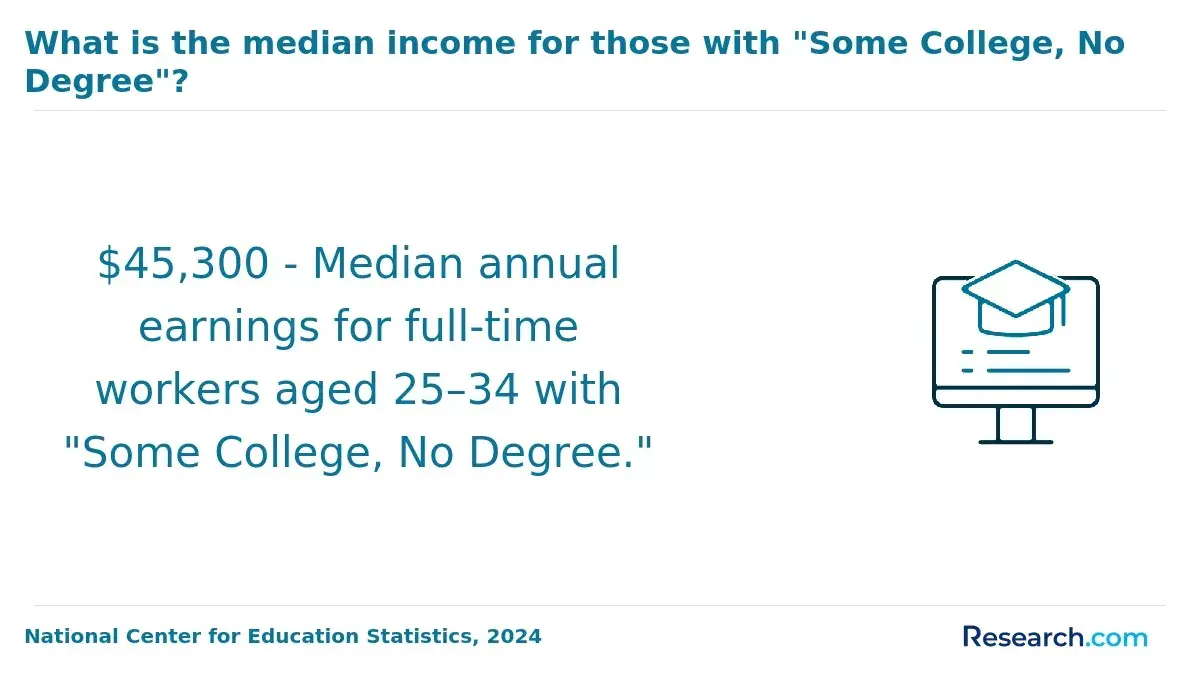
Those with only a high school diploma or an associate degree in similar tech fields usually begin around $40,000 annually, accumulating roughly $480,000 in the same timeframe. With average program costs around $40,000, graduates can expect a substantial financial benefit.
Compared with the national average ROI for all bachelor's degrees, online game programming & development degrees tend to rank higher, reflecting competitive salaries and consistent demand within the technology sector.
- Clear ROI Definition: ROI subtracts total degree expenses from the 10-year additional income earned versus non-degree holders, providing a straightforward financial assessment.
- Earnings Growth: Starting wages near $70,000 and steady 3% raises compound to a significant income over 10 years, underscoring the value of the degree.
- Cost Analysis: Typical total program costs of about $40,000 are more than offset by the increased earnings, resulting in positive long-term returns.
- Comparison to National Average: Game programming & development programs consistently exceed the typical ROI of bachelor's degrees across all fields due to salary and job market strength.
A professional who pursued an online game programming & development bachelor's degree shared his experience after carefully weighing its financial implications. He described balancing full-time work with online studies as a significant challenge but found the flexibility vital.
"I tracked every expense closely and projected future earnings to ensure it was a smart move," he explained. Despite occasional doubts about workload and costs, staying focused on the long-term career benefits helped maintain motivation.
Upon graduation, he noticed faster job advancement and increased salary compared to his earlier roles, confirming that his initial ROI calculations aligned well with his actual outcomes.
How Do Online Game Programming & Development Program Tuition Rates Compare Across Public, Private, and For-Profit Institutions?
Students comparing cost differences for public, private, and for-profit game development programs should recognize that lower tuition doesn't always equal better return on investment. Career outcomes, job security, and professional development can substantially impact long-term earnings.
- Public Institutions: Online game programming and development tuition at public universities for the 2023-2024 academic year typically ranges from $7,000 to $10,000 annually. Many public schools offer flat-rate pricing regardless of residency, making them an appealing option for out-of-state students on a tight budget.
- Private Nonprofit Colleges: These schools generally charge between $20,000 and $35,000 per year for online game programming and development. Though pricier, private nonprofit colleges often deliver more comprehensive academic support, leading to better student outcomes.
- For-Profit Colleges: For-profit providers usually promote lower tuition rates, often below $15,000 annually, aiming to attract budget-conscious students. However, these programs report lower graduation rates and face skepticism from employers regarding credential validity.
For those seeking evidence-based guidance, resources like the PsyD online rankings demonstrate how investing in quality programs pays dividends beyond the initial expense.
What Long-Term Salary Growth Can Game Programming & Development Bachelor's Degree Holders Expect Over a 20- to 30-Year Career?
A game programming and development bachelor’s degree can offer substantial long-term salary growth, with earnings increasing as professionals gain experience, master advanced technologies, and move into senior or lead development roles within the gaming industry.
- Early Career Growth: Initial salary increases for graduates typically occur during the first five years, as they move from entry-level roles to junior developer positions. Incremental raises and occasional bonuses contribute to steady gains, with median wages growing about 3% to 5% annually.
- Mid-Career Acceleration: Between five and ten years of experience, salary growth speeds up notably. Many professionals advance into lead developer, technical director, or specialized roles such as AI programming. Data from PayScale and the American Community Survey indicate mid-career salaries rise by 30% to 50% compared to entry-level pay, reflecting expanded responsibilities and expertise.
- Experienced Professional Milestones: Salaries often increase more rapidly between ten and fifteen years as individuals assume senior leadership or project management roles. Compensation at this stage benefits from bonuses, profit sharing, and sometimes equity in larger studios or startups.
- Long-Term Earnings Premium: Over a 20- to 30-year career, graduates with a game programming & development bachelor's degree tend to out-earn peers without degrees by 25% to 40%. This premium stems from higher starting salaries, faster promotion rates, and access to specialized positions that command superior pay.
She shared how navigating the early years was daunting, especially balancing coursework with part-time jobs and mastering complex programming concepts remotely.
"I often questioned if the sacrifices were worth it," she reflected. Moving through the program, gaining practical skills propelled her confidence and opened doors to internships that accelerated her career path.
Today, she views the long-term salary growth as a tangible reward for persistence-highlighting that those critical milestones marked more than pay increases; they represented significant personal and professional breakthroughs that justified the investment in her education.
How Does the ROI of an Online Game Programming & Development Bachelor's Degree Compare to an Associate Degree or a Professional Certificate?
Choosing between an online bachelor's degree, associate degree, or an industry certificate in game programming & development involves weighing both cost and career outcomes.
- Cost Comparison: Online bachelor's programs typically range from $20,000 to $60,000 in tuition, depending on the school. Associate degrees come with lower expenses around $5,000 to $15,000. Certificates are the most affordable, often costing between $1,000 and $5,000.
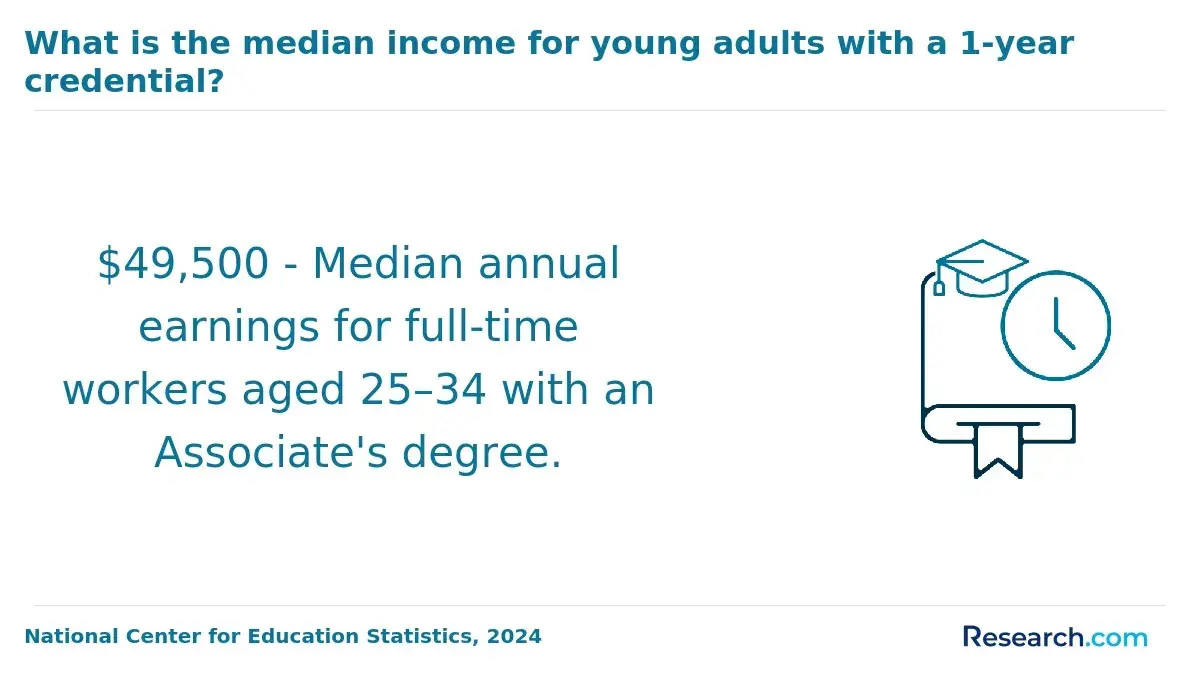
- Median Salary: Data from the Bureau of Labor Statistics shows bachelor's degree holders in related fields earn median wages near $75,000 annually. Those with associate degrees average about $50,000, while certificate holders usually earn between $35,000 and $45,000, reflecting entry-level roles.
- Short-Term ROI: Certificates and associate degrees offer low upfront costs and faster completion, allowing quicker entry into the workforce. This makes them a practical choice for career changers or individuals needing prompt income and skill acquisition.
- Long-Term ROI: The bachelor's degree delivers higher lifetime earnings thanks to elevated starting salaries, faster wage growth, and access to advanced roles. Graduates enjoy greater job security and opportunities for leadership positions.
- Career Advancement: Bachelor's degrees qualify holders for technical and managerial roles that require in-depth expertise. Certificates often complement existing credentials but rarely lead independently to higher-tier jobs.
- Decision Framework: Certificate or associate programs suit those prioritizing rapid workforce entry and manageable debt. Bachelor's degrees align better with long-term career growth, leadership ambitions, and broader industry recognition despite increased upfront investment.
Ultimately, assessing one's financial limits, career timeline, and goals enables making a strategic choice between these credentials in game programming & development.
Which Online Game Programming & Development Specializations or Concentrations Yield the Highest Earning Potential After Graduation?
Specializing within an online game programming & development bachelor's degree significantly affects earning potential, according to Bureau of Labor Statistics (BLS) data and higher education research. Graduates who focus on certain areas often see a notable salary premium compared to general game developers entering the industry.
- Artificial Intelligence (AI) Programming: This specialization commands some of the highest salaries-median annual earnings often exceed $110,000. The advanced skills in machine learning and behavior modeling drive a 15-25% salary boost over generalists.
- Graphics and Visualization: Careers in graphics programming, including rendering and shader development, offer salaries between $95,000 and $105,000, reflecting robust demand in gaming and simulation markets.
- Mobile and Cross-Platform Development: Salaries range from $85,000 to $95,000, closely matching those of generalists but with enhanced job stability due to the expanding mobile game sector.
- Virtual Reality (VR) and Augmented Reality (AR): This cutting-edge specialization often sees median salaries around $100,000 or higher. However, it generally requires ongoing certifications or advanced training, raising total education investment.
- Game Design and User Experience: More design-focused roles earn around $75,000, lower than programming tracks but offer broader career flexibility and quicker time-to-ROI since they often avoid costly certifications.
Specializations in AI and VR usually yield the highest salaries but come with increased upfront and continuing educational investment. For first-generation students, career changers, or working professionals on a budget, weighing the balance between salary potential and total cost-especially when factoring in prior programming experience-is key.
Programs that align salary outcomes with professional development goals provide a strategic path for optimizing ROI in online game programming & development.
How Do Employer Tuition Reimbursement and Financial Aid Reduce the Net Cost of an Online Game Programming & Development Bachelor's Degree?
Employer tuition reimbursement programs provide a powerful way to reduce the net cost of an online game programming & development bachelor's degree. Under IRS Section 127, employees can receive up to $5,250 annually in tax-free education benefits toward tuition, fees, and related costs.
According to the Society for Human Resource Management (SHRM), approximately 50% of U.S. employers offer some form of tuition assistance, making this benefit a significant resource for working students aiming to advance their skills without incurring substantial debt.
This aligns closely with employer tuition reimbursement benefits for online game programming & development degrees, increasing accessibility by cutting direct expenses.
Federal and institutional financial aid further improve affordability. Grants like the Pell Grant offer non-repayable funds, while subsidized federal loans delay interest accrual, easing repayment after graduation. Many colleges also provide scholarships or need-based aid, cumulatively lowering the overall out-of-pocket costs.
Together, these resources shrink the net tuition to a fraction of the published rates, demonstrating the financial aid impact on net cost of online game programming & development bachelor's programs.
For instance, a student in an online game programming & development program with $20,000 annual tuition might receive $5,000 in employer reimbursement, a $3,000 Pell Grant, and a $2,000 institutional scholarship. This combination cuts the net cost to $10,000 per year, effectively halving expenses before student loans.
Over four years, this reduces total tuition from $80,000 to about $40,000, dramatically improving the return on investment. Evaluating such savings helps working professionals and first-generation students make informed financial decisions about their education.
Those interested in related fields may also explore options like a masters in urban planning online to compare affordability and career outcomes.
- Employer Benefits: Employers frequently provide tuition reimbursement programs up to $5,250 per year under IRS rules, enabling students to reduce education expenses tax-free and avoid increasing taxable income.
- Financial Aid Availability: Federal grants, subsidized loans, and institutional scholarships combine to lower out-of-pocket tuition costs, making degrees more attainable for low- and moderate-income students.
- Combined Savings Impact: Using employer tuition assistance together with federal and institutional aid can cut the net cost of a degree by half or more, enhancing return on investment.
- Prevalence Among Employers: Nearly half of U.S. employers offer tuition reimbursement programs, supporting working students who want to improve their skills while minimizing debt accumulation.
- Example Scenario: A student receiving employer reimbursement and federal aid can reduce a $20,000 yearly tuition to about $10,000, greatly increasing the degree's affordability and long-term financial benefits.
What Hidden Costs Should Students Factor Into the Total Investment of an Online Game Programming & Development Bachelor's Degree?
When assessing the total investment for an online game programming & development bachelor's degree, students frequently overlook additional expenses beyond tuition. These hidden costs can amount to several hundred or even thousands of dollars annually, significantly influencing the overall affordability and the time it takes to achieve a positive return on investment (ROI).
For working professionals and career changers especially, understanding these expenses is critical to planning finances effectively.
Technology fees are common supplemental charges that support access to online platforms and technical assistance, typically ranging from $100 to $500 annually.
Proctoring services, essential for exam authentication, usually cost between $50 and $150 per course. Graduation fees, another often underestimated expense, average about $100 to $300, usually billed near the end of the program.
The need for course-specific software licenses adds significant financial burden; industry-standard tools like Unity Pro or Adobe Creative Cloud may require subscriptions that can exceed $500 annually if not provided by the school.
Finally, professional memberships-though optional-are strongly recommended to enhance networking, certifications, and career growth, with costs typically from $50 to $150 yearly.
Failing to account for these additional expenses prolongs the break-even timeline for the degree investment, delaying financial independence. Prospective students should always request a full cost-of-attendance breakdown that includes these non-tuition fees.
Comparing these factors alongside verified salary data ensures a comprehensive evaluation of the online game programming & development degree's ROI.
For those weighing options in related fields, examining programs like the online environmental engineering degree science and engineering can also provide useful financial benchmarks.
The reality of additional expenses in online game programming and development degrees requires careful budgeting. Ignoring unseen financial factors for game programming bachelor's investment can lead to longer debt repayment and delayed career progress.
- Technology Fees: Most online programs charge supplemental fees for platform access and support, typically between $100 and $500 per year, not included in tuition.
- Proctoring Costs: Online exams require identity verification services costing roughly $50 to $150 per course, adding up significantly over a degree program.
- Software Licensing: Essential game development tools often come with costly licenses or subscriptions, sometimes exceeding $500 annually if not covered by the institution.
- Graduation Fees: Additional charges for diplomas and ceremonies average $100 to $300, often only billed near program completion.
- Professional Memberships: Joining industry groups can cost $50 to $150 yearly but offers valuable career resources and networking opportunities.
How Does the Accreditation Status of an Online Game Programming & Development Program Affect Graduate Salary and Employability?
Regional accreditation evaluates entire colleges or universities, affirming overall academic quality and institutional stability. Programmatic accreditation, however, concentrates on specific fields like game programming & development, certifying that a program meets industry-relevant standards.
Both types significantly enhance a graduate's marketability and salary potential by signaling credible, rigorous education.
Data from the National Association of Colleges and Employers (NACE) and SHRM reveals that employers strongly prefer candidates with degrees from regionally or programmatically accredited institutions.
Degrees lacking these accreditations-or those only nationally accredited-often trigger doubts about curriculum depth and practical skills, reducing interview chances and limiting initial salary offers.
Attending a school without recognized accreditation can also impede career progress beyond entry-level jobs. Graduates may be barred from licensure exams required in some technical or government roles, face hurdles enrolling in graduate programs, and be excluded from jobs in sectors demanding accredited credentials.
Prospective students should consult the U.S. Department of Education's accreditation database and the Council for Higher Education Accreditation (CHEA) to confirm any program's official status before committing tuition funds. This verification protects both financial investment and future employment opportunities.
- Accreditation Types: Regional accreditation validates overall institutional quality; programmatic accreditation assures specialized program excellence in game programming & development.
- Employer Preferences: Hiring managers prioritize accredited degrees, associating them with stronger skillsets and reliability, which fosters higher starting salaries and better job offers.
- Licensure and Career Barriers: Lack of appropriate accreditation can disqualify graduates from licensing exams, advanced study, and specific government or healthcare positions.
- Salary Impact: Surveys show accredited program graduates negotiate more favorable starting salaries due to employer confidence in credential integrity.
- Verification Tools: Using the Department of Education and CHEA databases helps students confirm program legitimacy before enrollment to ensure optimal return on investment.
What Entry-Level Job Titles and Salary Ranges Are Available to Graduates of Online Game Programming & Development Bachelor's Programs?
Entry-level salaries for graduates holding a bachelor's degree in online game programming & development vary widely by role and industry, influencing how quickly students recoup their educational investment. Experience such as internships and certifications can boost starting pay across all positions.
- Junior Game Developer: Median starting pay ranges between $50,000 and $65,000, mostly in technology and entertainment fields.
- Gameplay Programmer: Typically earns from $55,000 to $70,000 in video game studios and software firms, with specialized coding skills raising income potential.
- Technical Artist: Usually starts between $48,000 and $62,000, with the best offers often coming from tech and media companies.
- Quality Assurance (QA) Tester: Entry salaries fall around $38,000 to $50,000, mainly in gaming and software industries, with debugging experience increasing earnings.
- Software Engineer (Entry-Level): Starting wages are often $60,000 to $75,000, especially in technology, finance, or government sectors.
- Level Designer: Typically earns $45,000 to $60,000 within game development companies, with portfolio strength impacting pay level.
- Assistant Game Designer: Salary ranges from $42,000 to $58,000 in creative media, with design thinking certifications improving prospects.
- Augmented Reality (AR) Developer: An emerging role usually beginning at $55,000 to $70,000, often found in tech and educational organizations focusing on immersive experiences.
Industries such as technology, finance, and government consistently offer higher entry-level compensation. Graduates who complete internships, earn industry certifications like Unity Certified Developer, or focus on high-demand specializations often experience faster salary growth.
These variables significantly affect the speed at which students recover tuition costs and advance professionally in the competitive field of game programming & development.
What Graduates Say About the Return on Investment of Their Online Game Programming & Development Bachelor's Degree
- Jayce: "Choosing the online game programming & development bachelor's degree program was a calculated decision based on its ROI compared to traditional degrees. The cost was manageable and the flexibility allowed me to work while studying, which greatly offset expenses. Beyond finances, the program opened doors to career advancement and gave me confidence in job security within a dynamic industry."
- Kaizen: "Pursuing the online game programming & development bachelor's degree gave me far more than just a diploma-it enhanced my professional skills and expanded my network. The non-financial returns, like access to industry projects and mentorship, were invaluable for my career growth. Reflecting on my journey, the investment has paid off through continuous opportunities and a strengthened resume."
- Dominic: "The impact of earning an online game programming & development bachelor's degree on my career was transformative and tangible. It allowed me to transition into higher-level roles and negotiate better compensation with ease. I appreciate that the program's ROI isn't only about money but also the long-term professional development and stability it provides."
Other Things You Should Know About Game Programming & Development Degrees
In 2027, it takes approximately 3 to 5 years to repay the cost of an online game programming & development bachelor's degree through increased earnings. This timeframe varies based on factors such as tuition fees, scholarships, starting salary, and personal financial circumstances.
Salary outcomes vary notably by location and industry sector. Graduates working in tech hubs like California or New York often earn higher salaries due to greater demand and cost of living.
Additionally, employment within the video game development sector typically offers better pay compared to peripheral industries such as software testing or educational game design.
Employer surveys consistently highlight the importance of a bachelor's degree in game programming & development for entry-level roles in the gaming industry.
Labor market data shows that degree holders have higher employment rates and access to more advanced positions than those without formal education. The degree is viewed as essential for acquiring both technical skills and industry-relevant knowledge.
Non-financial returns include enhanced career advancement opportunities, stronger job security, and continuous professional development.
Graduates often benefit from networks within the gaming community and access to internships or collaborative projects that increase their industry visibility. These factors contribute significantly to the degree's overall value beyond direct salary gains.
References
- Employer Tuition Assistance Program / Employee Tuition Reimbursement - Finance | Learn & Work Ecosystem Library https://learnworkecosystemlibrary.com/topics/employer-tuition-assistance-program-employee-tuition-reimbursement-finance/
- Game Development Degree Online https://www.snhu.edu/online-degrees/bachelors/bs-in-game-programming-and-development
- Are For-Profit Game Dev Schools Still Worth It? https://uppercutcrit.com/are-for-profit-game-dev-schools-still-worth-it/
- Is Game Development a Good Career? https://www.albany.edu/cehc/communications/is-game-development-a-good-career
- Most Affordable Game Development Programs 2025 https://hakia.com/degrees/game-development/most-affordable-programs/
- Coding Bootcamp Grads Earn More Than College Grads: Developer Salary Report https://arc.dev/talent-blog/developer-starting-salaries/
- ROI in Higher Education - FREOPP https://freopp.org/roi-in-higher-education/
- The 4 hidden costs impacting software ROI | HTEC https://htec.com/insights/blogs/software-roi-hidden-costs/
- Game & Simulation Programming Careers: Salary Info & Job Descriptions https://learningpath.org/articles/Game_Simulation_Programming_Careers_Salary_Info_Job_Descriptions.html
- Admissions : Campus Tuition | Full Sail University https://www.fullsail.edu/admissions/tuition