2027 Is Vanderbilt University's Online Ed.D. in Leadership and Learning in Organizations (Non-Licensure) Worth It? Salary, Outcomes, and ROI

Co-Founder and Chief Data Scientist
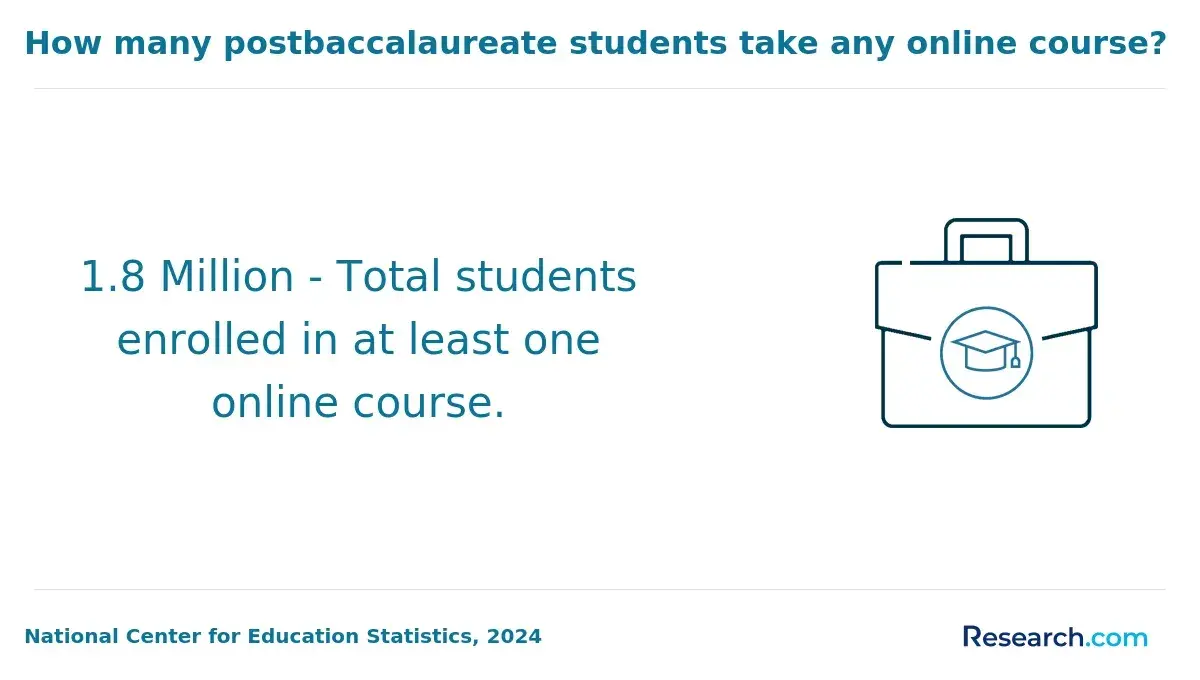
Choosing an online Ed.D. in Leadership and Learning in Organizations (Non-Licensure) program demands clarity about career aspirations and learning flexibility. With over 60% growth in online doctoral enrollments, according to the National Center for Education Statistics, accessibility and program design heavily influence student persistence and completion.
Prospective students face the challenge of aligning curriculum relevance and faculty expertise with evolving leadership roles in education and organizations. The question revolves around whether Vanderbilt University's program offers the right balance of rigorous theory and applied leadership practice to fit professional ambitions and busy schedules. This article explores the program's fit, outcomes, and value to guide informed decisions.
Key Points About Vanderbilt University's Online Ed.D. in Leadership and Learning in Organizations (Non-Licensure) Program
- Vanderbilt University's Ed.D. in leadership and learning in organizations has a 6% acceptance rate, signaling a highly selective process that may limit access despite academic prestige.
- The total tuition of $67,342 leads to a median graduate salary of $91,565, yielding a 6.54x earnings-to-debt ratio, which suggests a strong financial return relative to program cost.
- Employers recognize Vanderbilt's distinguished faculty and alumni network, enhancing graduates' prospects for leadership roles in diverse industries and organizational contexts.
What makes Vanderbilt University's online Ed.D. in Leadership and Learning in Organizations (Non-Licensure) program stand out?
A key practical consideration for prospective students is how Vanderbilt University's online Ed.D. in Leadership and Learning in Organizations (Non-Licensure) aligns with diverse career goals outside traditional licensure paths.
Unlike education doctoral programs tied to K-12 or higher education licensing, this degree targets professionals aiming to lead organizational change in corporate, nonprofit, or governmental settings.
This flexibility makes it especially relevant for those whose career advancement depends on leadership acumen and systemic learning improvements rather than classroom instruction credentials.
Vanderbilt's program stands out because of its high graduation rate of 93%, which reflects effective academic support and a structured online experience designed for working professionals managing complex schedules. Its sizable institution-with 6,654 staff and a faculty of 1,266 including full- and part-time experts-means students access a broad range of expertise and resources remotely.
The curriculum's focus on learning organizations as dynamic systems prepares graduates for leadership roles that demand strategic, research-informed decision-making beyond standard educational environments.
Is it difficult to get admitted to Vanderbilt University's online Ed.D. in Leadership and Learning in Organizations (Non-Licensure) program?
Admission to Ed.D. programs in leadership and learning often involves balancing academic credentials, professional experience, and demonstrated leadership potential, making them moderately competitive. However, Vanderbilt University's online Ed.D. in Leadership and Learning in Organizations (Non-Licensure) program notably raises this bar.
The university's overall admission rate of 6% signals a highly selective environment, meaning applicants not only compete against a large pool but must also meet stringent academic and professional standards.
Compared to typical Ed.D. programs where acceptance rates may be more lenient, Vanderbilt's emphasis on a low acceptance rate-only 2,844 admitted from over 45,000 applicants annually-reflects a much narrower entry point.
While the undergraduate requirements highlight high standardized test scores, this sets a clear expectation for a similarly rigorous selection for graduate applicants who must show readiness for advanced leadership challenges and research-driven practice.
This intensity functions as a tradeoff: securing a spot means joining a cohort with demonstrated high potential but increases pressure on candidates to prepare thoroughly and differentiate themselves.
One graduate recalled the protracted admissions timeline as a key stress factor. "I submitted my application early but didn't hear back for months, which made planning difficult," they explained. "During that wait, I was weighing whether to pursue other opportunities or hold out for Vanderbilt.
In retrospect, the delay pushed me to refine my professional goals and strengthen my application narrative. It wasn't just about credentials but proving how I'd leverage the program's rigor to lead change.
The uncertainty was tough, but ultimately the selective process felt like a filter for serious candidates." This experience underscores how admission difficulty influences not just entry but also the strategic preparation required to navigate competitive online doctoral programs effectively.
How does the curriculum of Vanderbilt University's online Ed.D. in Leadership and Learning in Organizations (Non-Licensure) program stay aligned with current industry trends?
Vanderbilt University's online Ed.D. in Leadership and Learning in Organizations (Non-Licensure) program demonstrates a deliberate alignment with evolving industry expectations by prioritizing adaptable leadership skills and data-driven strategies. Given the rising employer emphasis on change management and equity-centered leadership, graduates from this program are positioned to meet real-world organizational demands where systemic thinking and applied research influence decision-making.
For example, professionals managing learning initiatives in diversified nonprofits or corporate sectors will find the curriculum's focus on inclusive leadership particularly relevant. Below are three critical factors showing how Vanderbilt's approach corresponds to current leadership trends in online Ed.D. education.
- Curricular Relevance: Core courses such as "Organizational Leadership and Change" and "Diversity and Equity in Organizations" directly incorporate contemporary leadership models and systemic change theories, cultivating skills employers seek to guide complex, multicultural work environments.
- Applied Research Emphasis: The program's practical leadership projects and dissertation components engage students in evidence-based problem solving, fostering capabilities necessary to translate theoretical knowledge into actionable organizational strategies.
- Technology Integration: Emphasizing "Learning Technologies and Innovation" ensures that graduates can navigate and lead within emergent educational technologies, a capability increasingly demanded across sectors adapting to digital transformation in workforce development.
While Vanderbilt's online Ed.D. curriculum aligns with many current industry practices in online Ed.D. leadership programs, prospective students should weigh the program's non-licensure status against specific career goals, especially if licensure is mandatory for some leadership roles. The program's strategic focus strengthens leadership acumen relevant across education, non-profits, and corporate environments, but those seeking licensure-oriented pathways may need supplemental credentials.
For students considering a pathway that balances strong leadership theory with applied research for diverse organizational settings, Vanderbilt's design appears consistent with market needs. Individuals exploring different educational commitments may also find value in comparing this path alongside other accessible options, such as an easiest master degree, to assess fit against their workforce ambitions and timelines.
How much does Vanderbilt University's online Ed.D. in Leadership and Learning in Organizations (Non-Licensure) program cost?
Vanderbilt University Ed.D. tuition and fees for the online Leadership and Learning in Organizations (Non-Licensure) program total approximately $63,946, with books and supplies adding another $1,194. The total annual cost, including room, board, and other expenses, is $67,342, which reflects a comprehensive estimate rather than just tuition.
Unlike some programs offering flat-rate in-state tuition or technology fee waivers for online students, Vanderbilt's structure largely mirrors its traditional enrollment cost model, which may influence budgeting for out-of-state candidates or those expecting lower digital fees.
Financial aid at Vanderbilt typically favors undergraduate students, with around 70% receiving aid averaging about $53,335, but specific funding targeted at this Ed.D. in Leadership and Learning in Organizations (Non-Licensure) program is not widely publicized. Institutional grants might be available, as well as possible corporate tuition reimbursement, but prospective doctoral candidates should prepare for a more individualized aid search. These factors are important given the overall program costs, especially for professionals balancing work and study while assessing return on investment.
When evaluating Vanderbilt University's online Ed.D., it's helpful to compare program costs nationally. Competitively priced given its institutional resources and faculty expertise, this program's total expenses generally align with what students might encounter at other reputable universities offering similar degrees.
However, differences in program length, residency requirements, or additional fees elsewhere can impact total cost significantly. There's a tradeoff between Vanderbilt's brand recognition and the raw financial outlay, a consideration for those prioritizing immediate affordability over long-term network access.
Cost-conscious students may also explore "easy certifications to get online" that supplement leadership credentials or provide quicker workforce entry, but these will not replace the comprehensive scope or institutional connections of an Ed.D. in Leadership and Learning in Organizations (Non-Licensure). Such alternatives offer a stark contrast in investment and time, revealing the practical decision-making involved in choosing between doctoral degrees and more streamlined certification pathways.
What are the admission requirements for Vanderbilt University's online Ed.D. in Leadership and Learning in Organizations (Non-Licensure) program?
Admission to Vanderbilt University's online Ed.D. in Leadership and Learning in Organizations (Non-Licensure) program is selective and demands a balance of academic achievement and demonstrated leadership potential rather than an open-entry approach.
Prospective students should carefully prepare their applications to reflect both educational background and relevant professional experience, as this shapes their competitiveness and suitability for the program's rigorous expectations. Below are key admission criteria applicants should review before applying.
- Academic Preparation: Applicants must hold a high school diploma or equivalent, such as a GED, supported by a strong college-preparatory transcript to meet foundational academic standards necessary for doctoral-level work.
- English Proficiency: International students are required to submit TOEFL scores to verify their ability to engage with advanced coursework delivered in English, ensuring they can navigate the program's communication demands effectively.
- Recommendations: Letters of recommendation are integral, providing insight into an applicant's leadership capabilities and academic readiness, which weigh heavily in admissions decisions.
- Transfer and Credit Policies: Transfer students may enter in the fall term with limitations on credits accepted; AP credits are considered, but life experience and dual credits are excluded, underscoring an emphasis on formal academic achievement.
- Standardized Testing: While Wonderlic or WISC-III tests are recommended, they are not mandatory, and undergraduate test scores like SAT or ACT are typically referenced for past academic indications rather than as direct Ed.D. requirements.
What is the ROI of attending Vanderbilt University's online Ed.D. in Leadership and Learning in Organizations (Non-Licensure) program?
Calculating the ROI of Vanderbilt University's online Ed.D. in Leadership and Learning in Organizations (Non-Licensure) program requires weighing a substantial upfront investment against mid-to-long-term financial returns. With total annual costs around $67,342 and a federal estimate at $84,412 for in-state students living on campus, the tuition remains on the higher end relative to many comparable doctoral programs.
However, graduates report a median starting salary near $91,565-well above typical doctoral entry-level salaries in nonprofit education sectors-which sustains over a decade. This steady earning profile suggests that the degree confers a durable advantage in salary stability.
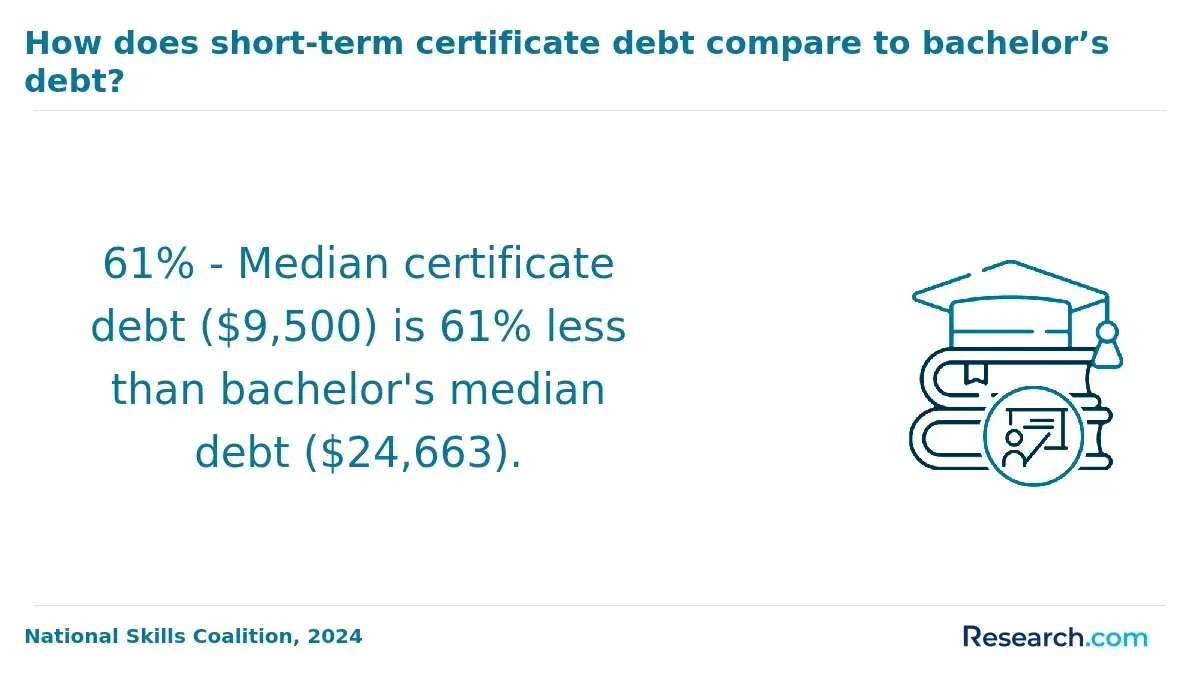
For prospective students, ROI heavily depends on variables such as access to scholarships or institutional grants, which can reduce debt burdens considerably. The median student debt at graduation is about $14,000, resulting in a graduate earnings-to-debt ratio of approximately 6.54x, indicating earnings far outweigh debt.
Nevertheless, candidates must consider the competitive landscape of leadership roles outside licensure pathways, where institutional prestige and networking opportunities-like those available through Vanderbilt University alumni-often influence job prospects and salary growth trajectories.
Professionals targeting leadership roles in education or organizational development should assess whether their current and projected salaries justify the expense alongside time commitment. Those successfully leveraging the program's connections within prominent educational institutions, government agencies, or corporate training divisions may realize more favorable financial outcomes over time, but this presumes proactive career management aligned with evolving employer expectations.
Is there a high student satisfaction for Vanderbilt University's online Ed.D. in Leadership and Learning in Organizations (Non-Licensure) program?
Student satisfaction in Vanderbilt University's online Ed.D. in Leadership and Learning in Organizations (Non-Licensure) program appears closely linked to its structured support system and strong completion rates, which speak to effective academic and administrative frameworks. For many working professionals balancing family and careers, this balance between rigor and flexibility is a critical factor-too much intensity can risk burnout, while insufficient engagement might undercut perceived value.
The program's reported near-completion success suggests it manages this tension better than many comparable doctoral programs, though the demanding curriculum naturally presents challenges that require consistent time management and motivation.
The culture surrounding the program benefits from active student organizations and mentoring options tailored to remote learners, which partially replicates the networking and community aspects often missing from online education.
Students often emphasize the availability of faculty and support staff, which can lessen the isolation typical of online study and promote a more connected experience. However, satisfaction can vary depending on how well individuals leverage these resources and balance coursework alongside competing personal and professional obligations.
One graduate shared that despite initial doubts about pursuing a fully remote doctorate, the accessible faculty and peer connections through online forums significantly enhanced their engagement. "I remember juggling my job and family responsibilities and initially worried the online format would feel isolating," they explained.
"But the mentoring system and responsive instructors made me feel guided rather than left alone. Still, it demanded strict discipline-switching between work, school, and home wasn't easy, but I never felt unsupported." This nuanced experience highlights how the program's strengths in community and flexibility translate into real-world satisfaction for those prepared to meet its demands.
How does Vanderbilt University help online Ed.D. in Leadership and Learning in Organizations (Non-Licensure) graduates secure employment?
The ability of online Ed.D. in Leadership and Learning in Organizations (Non-Licensure) graduates from Vanderbilt University to secure employment often hinges on the institution's integration of career-focused services and alumni engagement, which many employers regard as a practical advantage during hiring.
Research shows graduates involved in programs with active career support and structured alumni networks experience approximately a 23% higher employment rate within six months of completion. This underscores that Vanderbilt University online Ed.D. career support services materially affect job-market outcomes rather than merely serving as optional add-ons.
To appreciate how this translates into real-world opportunity, consider that many candidates secure positions through targeted employer connections facilitated before graduation. The following points highlight key resources enabling employment outcomes for Vanderbilt online Ed.D. graduates:
- Virtual Career Fairs: These online events connect students directly with organizations seeking educational leadership talent nationwide, allowing real-time interaction that helps build recognizable professional relationships early in the job search.
- Alumni Mentorship Programs: The extensive, active alumni network of over 130,000 members pairs current students with seasoned leaders who provide tailored guidance, industry insights, and referrals often not accessible through standard application channels.
- Job Placement Portal: A specialized platform concentrates openings in educational leadership roles, streamlining the application process by matching graduates with positions aligned with their advanced leadership training and non-licensure status.
- Remote Resume Workshops: These workshops are designed to address nuances in remote applicant presentation, enhancing candidates' chances by optimizing how their qualifications are communicated digitally to prospective employers.
The role of strong institutional support is especially relevant for online learners balancing education with professional responsibilities, since Vanderbilt's framework addresses common barriers to immediate employment.
For prospective students weighing educational investments, exploring alternatives such as the most affordable online colleges for working adults may reveal options with different career support models. Nevertheless, Vanderbilt's approach indicates a deliberate attempt to transform the remote Ed.D. experience into actionable employment pathways.
What are the career outcomes for recent graduates of Vanderbilt University's online Ed.D. in Leadership and Learning in Organizations (Non-Licensure)?
Completing the online Ed.D. in Leadership and Learning in Organizations (Non-Licensure) at Vanderbilt University positions graduates primarily for specialized leadership roles that emphasize educational practice and organizational development rather than high-paying technical fields.
Choosing this pathway means accepting tradeoffs, particularly in salary expectations, as these roles typically offer compensation lower than STEM careers but provide influence in shaping educational systems and workplace culture.
Evaluating career outcomes is crucial when weighing whether the program aligns with professional goals focused on leadership impact rather than financial rewards. Below are some common career paths illustrating potential roles and earnings.
- Instructional Coordinator: Professionals in this role design training programs and curricula, work closely with teachers to improve instructional methods, and analyze educational standards. Salaries average around $39,000, reflecting the specialized, non-technical nature of the work.
- Organizational Development Specialist: These specialists focus on enhancing workplace culture and managing change initiatives in various organizations, applying leadership theories to real operational challenges. Compensation tends to align with mid-level education sector salaries.
- Leadership Consultant: Graduates often advise schools or nonprofits on leadership practices and organizational improvement strategies. This role requires strong interpersonal skills and experience in educational leadership with earnings comparable to related educational administration positions.
For individuals exploring online colleges with no application fee, the investment in Vanderbilt's program must be measured against these realistic employment outcomes, especially considering the program's focus on non-licensure leadership roles. Career advancement opportunities for Vanderbilt University online Ed.D. graduates typically involve pathways into education-focused leadership rather than lucrative technical industries.
How do I know if Vanderbilt University's online Ed.D. in Leadership and Learning in Organizations (Non-Licensure) program is the right fit for my goals?
Determining if the Vanderbilt University online Ed.D. leadership program suits your career objectives requires analyzing how well it aligns with your unique academic and professional ambitions. The program's value depends on factors such as your targeted roles, learning preferences, and the professional credentials necessary in your field.
Choosing this program involves weighing benefits like leadership expertise against limitations like the absence of licensure. Here are key considerations to guide your evaluation:
- Program Focus:The curriculum centers on leadership within learning organizations, emphasizing applied research and organizational change. Prospective students should assess if these themes match their intention to pursue educational leadership or organizational roles outside traditional licensure tracks.
- Delivery Format:The fully online structure offers flexibility but demands strong self-discipline and remote engagement skills. Evaluating your capacity to thrive in virtual learning environments is essential for success in this format.
- Professional Outcomes:Since the Ed.D. is non-licensure, it suits those prioritizing leadership credentials over teaching certification. Verify whether your career goals require licensure or if leadership expertise alone is sufficiently valued by employers.
- Institutional Reputation:Vanderbilt's academic standing and network can bolster opportunities through alumni connections and partnerships, which may affect long-term employability and influence in your sector.
- Financial Considerations:Balance the tuition investment against expected returns, considering whether the non-licensure degree advances your career objectives effectively and if it justifies the cost.
For students exploring alternatives, researching competency-based online colleges may offer insights into flexible program designs that match diverse learner needs and workforce demands, helping to contextualize where Vanderbilt's program fits within broader educational options.
What Graduates Say About Vanderbilt University's Online Ed.D. in Leadership and Learning in Organizations (Non-Licensure) Program
- David: "Studying at Vanderbilt University's Ed.D. in Leadership and Learning in Organizations (Non-Licensure) program was a critical step for me as I transitioned from teaching to a leadership role in a nonprofit. While the program's emphasis on organizational theory and applied research was rigorous, what stood out was how it prepared me to handle real-world challenges like stakeholder communication and program evaluation. In the hiring process, I noticed employers valued my practical portfolio and leadership experiences more than the lack of licensure, which helped me secure a position focused on strategic development rather than traditional teaching roles."
- Anika: "Choosing Vanderbilt University's Ed.D. in Leadership and Learning in Organizations (Non-Licensure) was driven by my need for flexibility as a working professional. The program's online format allowed me to keep my remote job while studying, speeding up my workforce entry and exposing me to leadership concepts that directly impacted my daily tasks. However, I did find that salary growth has its limits without licensure, and some districts definitely prioritize candidates with certifications, so I've been navigating a careful balance between advancing my skills and accepting slower promotion trajectories."
- Adam: "From the start, the Vanderbilt University Ed.D. in Leadership and Learning in Organizations (Non-Licensure) program was a reflective journey that reshaped my approach to career development. After earning my degree, I realized that practical internships and demonstrated leadership projects mattered more in hiring decisions than the non-licensure status itself. I've faced some challenges competing for district leadership roles that require licensure, but the program prepared me well to pivot into corporate training roles where my Ed.D. background and experience-based insights are highly valued."
Other Things You Should Know About Degrees
The online Ed.D. in Leadership and Learning in Organizations (Non-Licensure) program at Vanderbilt University requires significant time commitment, especially during dissertation phases. While coursework is designed for working professionals, students should anticipate periods of intense deadlines that may compete with job responsibilities. Prospective students who cannot adjust their work schedules or lack strong time management skills may find the workload overwhelming. It's advisable to plan for reduced outside commitments during key academic periods to maintain progress without burnout.
Since this Ed.D. does not lead to licensure, it may exclude graduates from certain K-12 administrative roles requiring state licensure, such as school principal positions. However, it is well-suited for leadership roles in higher education, corporate training, nonprofit management, and policymaking where licensure is not a prerequisite. Candidates prioritizing school district superintendent or licensed administrative roles should consider this limitation carefully. For those focused on organizational leadership outside licensure-dependent roles, this program remains a strong choice.
Though Vanderbilt's program offers online delivery, faculty interaction remains a core component but can feel less immediate than in-person options. Faculty availability for one-on-one mentoring varies by advisor, and students should actively engage to build these relationships. The decentralized nature of online study may require students to be proactive in seeking feedback and guidance. Prioritizing programs that emphasize personalized mentorship is wise if close faculty support is a critical factor in your learning experience.
References
- The Best EdD Programs of 2025 | EdDPrograms.org https://www.eddprograms.org/schools/best-doctor-of-education-programs/
- Vanderbilt EdD School Profile https://teach.com/online-ed/education-degrees/online-edd-programs/school-profile-vanderbilt/
- Ed.D. in Leadership | ACE https://ace.edu/degree-programs/doctoral-degrees/doctoral-education/doctor-of-education-in-leadership/
- Doctor of Education (EdD) in Kansas City | EdD in Innovative Leadership https://stmary.edu/edd.html
- Best Online Doctor of Education Programs for 2025 https://www.princetonreview.com/education-school-rankings
- Educational & Organizational Leadership, Ed.D. https://www.holyfamily.edu/academics/programs/educational-organizational-leadership-edd
- Doctorate in Educational Leadership – PhD and EdD https://www.educationalleadershipdegree.com/degrees/doctorate-educational-leadership/
- Online EdD Programs No Master’s Required (Bachelor's to EdD) https://www.onlineeddprograms.com/faqs/edd-programs-no-masters-required
- Online EDD Programs - Online EDD Programs https://onlineeddprograms.net/
- Leadership Ed.D. (Online) | Fairleigh Dickinson University https://www.fdu.edu/program/leadership-edd-online-grad/