2027 Is Unity Environmental University's Online BS in Equine Animal Science Worth It? Salary, Outcomes, and ROI

Co-Founder and Chief Data Scientist
Choosing an online BS in Equine Animal Science program demands careful evaluation of curriculum relevance, faculty expertise, and practical training opportunities. With a 15% projected job growth in animal science careers according to the U. S. Bureau of Labor Statistics, timing and program structure significantly influence career readiness and employability.
Students must weigh whether the flexibility of Unity Environmental University's online format aligns with hands-on skill development employers expect. Understanding how this program balances theoretical knowledge with experiential learning is crucial.
This article examines key factors affecting the program's value and clarifies how it meets diverse academic and professional aspirations for prospective students.
Key Points About Unity Environmental University's Online BS in Equine Animal Science Program
- Unity Environmental University's online BS in Equine Animal Science has an acceptance rate of 82%, offering relatively accessible enrollment but indicating moderate competition among candidates.
- The program's $23,960 tuition and an earnings to debt ratio of 1.51x reflect a careful balance between education cost and potential financial return post-graduation.
- Experienced faculty and practical skill emphasis help graduates enter equine-related fields, with many alumni recognized and valued by employers in specialized industry roles.
What makes Unity Environmental University's online BS in Equine Animal Science program stand out?
The online BS in Equine Animal Science at Unity Environmental University appeals primarily to students needing flexible scheduling due to work or family commitments, as its asynchronous and interactive formats allow learning without geographic constraints.
However, prospective students should weigh the challenges inherent to online STEM-related degrees, such as the need for strong self-motivation and time management, against the benefits of personalized faculty access, faculty includes 169 full-time and 381 part-time members supporting 6,359 students, which can mitigate common distance-learning drawbacks and increase completion chances in a field with a 57% graduation rate.
What sets this program apart is the integration of environmental stewardship within equine science, giving graduates a dual focus aligned with evolving industry standards that increasingly value sustainability. This combination expands career relevance beyond traditional equine care into roles involving environmental impact assessments and management practices, which can enhance employability in specialized niches.
For those focused solely on conventional equine health and management, the program's curriculum still covers fundamentals thoroughly but includes an additional layer of practical complexity that may appeal particularly to students seeking a multidisciplinary approach in a growing sector.
Is it difficult to get admitted to Unity Environmental University's online BS in Equine Animal Science program?
Admittance to a typical BS in Equine Animal Science program tends to be moderately selective, reflecting the niche focus and practical nature of the field, where hands-on experience and demonstrated commitment often weigh heavily in admission decisions. Many programs balance applicant volume with industry-aligned standards, making entry competitive but not as intense as broader agriculture or veterinary tracks.
This context matters as employers in equine management often favor candidates with verified training over general science graduates, influencing how students prioritize program accessibility versus prestige.
Unity Environmental University's online BS in Equine Animal Science stands out for its notably high acceptance rate of 82%, admitting 7,252 students from 8,865 applicants annually. This relatively low admission difficulty contrasts with many specialized science programs where acceptance might hover well below 50%.
The absence of SAT or ACT score requirements further lowers barriers, allowing applicants without standardized test credentials or those who prefer holistic academic assessments to apply without disadvantage. For prospective students weighing geographic constraints or test-optional policies, this approach broadens access but may also reflect a tradeoff in competitive signaling.
One graduate recalled, "I started applying late after debating whether an online route without test scores would be respected in the field. The high acceptance rate made me less anxious about the unknowns, but I still worried about how quickly my application was processed because I switched from a traditional campus plan last minute."
"Waiting on decisions was stressful; I had to balance work shifts while juggling enrollment deadlines. Ultimately, the flexible admission made it possible to start when I was ready rather than when I felt pressured to perform on standardized metrics." This experience highlights the practical benefits and emotional nuances that come with navigating Unity Environmental University's open admission landscape in equine sciences.
How does the curriculum of Unity Environmental University's online BS in Equine Animal Science program stay aligned with current industry trends?
Aligning an equine science curriculum with industry standards requires more than theoretical knowledge. It demands direct application to evolving employer expectations around sustainability, technology integration, and animal welfare.
Unity Environmental University's online BS in Equine Animal Science reflects this reality, providing graduates with relevant competencies that address practical workforce demands evident in current industry standards for equine animal science education.
Below are key factors illustrating how the curriculum stays attuned to these professional trends:
- Scientific Foundations: The curriculum embeds in-depth courses on equine anatomy, physiology, nutrition, and disease prevention. This grounding equips students with essential biological insights that employers expect for roles requiring applied veterinary knowledge and health management precision.
- Hands-on Practicality: Incorporating virtual simulations and fieldwork opportunities mirrors modern stable and equine facility operations. This practical emphasis bridges the gap between classroom theory and real-world tasks, a critical factor when considering employability in the hands-on equine industry environment.
- Sustainability and Technology: With growing environmental concerns impacting farm operations, courses addressing ecological impacts and data-driven health monitoring align the program with an industry-wide shift toward sustainable and precision management techniques.
This blend of scientific rigor, operational experience, and attention to emergent trends matches what employers increasingly require from graduates. For students assessing whether to pursue this program, understanding this alignment is crucial for evaluating how well it prepares them for diverse roles in the equine sector.
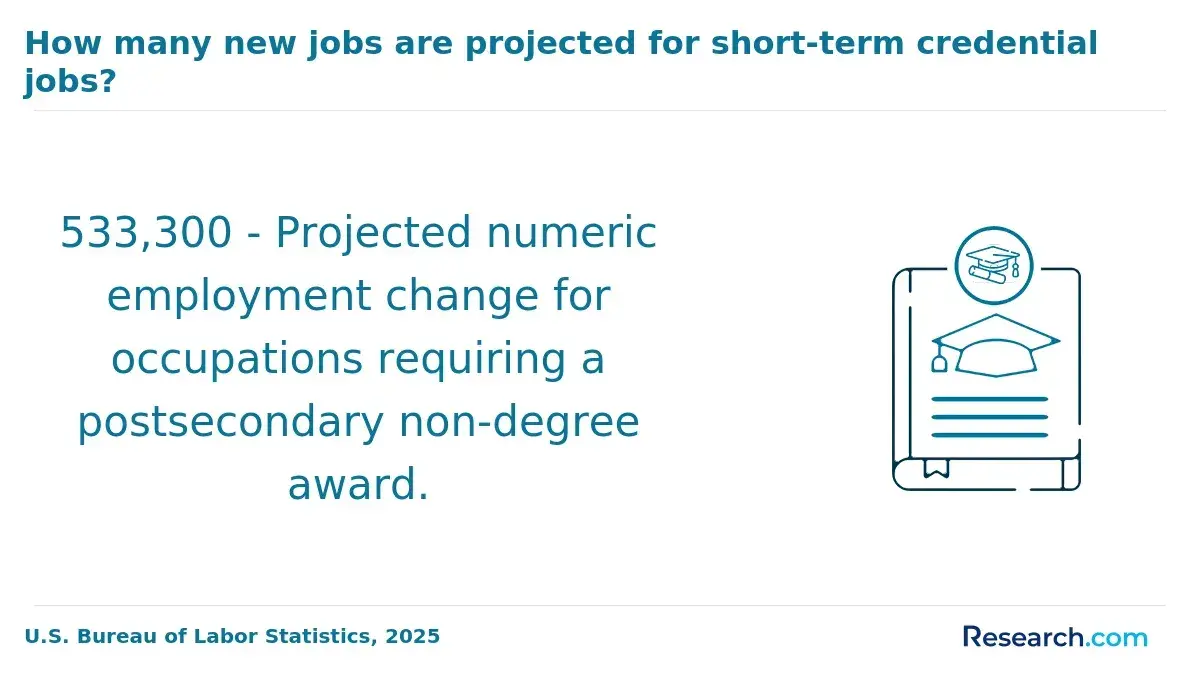
Prospective learners may also consider this program's structure against other options, especially if they prioritize accelerated credentialing, which is increasingly valued in labor markets focused on short degrees that pay well. Ultimately, the program's responsiveness to industry trends reflects a deliberate effort to maintain relevance in a specialized and evolving field.
How much does Unity Environmental University's online BS in Equine Animal Science program cost?
The annual cost for the online BS in Equine Animal Science program at Unity Environmental University stands at $23,960, which combines tuition, fees, books, room, board, and other associated expenses. The base tuition and fees alone are $12,640, with an additional $800 annually for books and supplies.
Since the program is online, prospective students need to verify whether technology fees or flat-rate in-state tuition apply, as these can significantly alter the total cost and affect budgeting decisions. Understanding these components is crucial for students weighing the overall financial commitment involved in this program.
Financial aid plays a decisive role in affordability, with about 86% of undergraduates at Unity Environmental University receiving some form of assistance. The average award of $3,528 can partly offset these expenses but may still leave a substantial out-of-pocket balance, especially when considering living costs if students relocate for internships or hands-on learning components.
Limited clarity on grants or corporate tuition reimbursement means applicants must actively engage with the university's financial aid office to identify tailored benefits that might reduce net costs for students pursuing an online BS in Equine Animal Science.
Comparatively, the cost structure at Unity Environmental University aligns toward the lower end of the national spectrum, where similar programs typically range from $20,000 to $35,000 per year.
This positioning makes it competitively priced for students prioritizing comprehensive programs inclusive of room and board when relevant. However, the tradeoff involves assessing whether expenses like on-campus living, which impact the federal estimate of $20,915 for in-state students, are applicable or necessary for online learners.
For those evaluating whether this program is the right educational investment, understanding how Unity Environmental University online equine animal science tuition compares to broader trends in agricultural and animal science education is essential. The degree's cost-effectiveness should be viewed alongside actual labor market outcomes and alignment with employer expectations in equine science careers.
The data supports scrutinizing costs in the context of specialized knowledge and skill demand detailed in the analysis of the best bachelor's degrees, ensuring prospective students make choices that fulfill both financial realities and career objectives.
What are the admission requirements for Unity Environmental University's online BS in Equine Animal Science program?
Applicants to Unity Environmental University's online BS in Equine Animal Science program face a selective admission process that prioritizes academic records over standardized test scores, reflecting a balance between maintaining standards and recognizing varied educational backgrounds.
For prospective students, understanding these requirements is crucial as it impacts eligibility and the ability to leverage prior learning or credentials.
The following points clarify key admission criteria.
- Academic Credentials: A high school diploma or GED is mandatory, supported by submission of secondary school records and a required GPA that reflects foundational academic readiness.
- Test Scores: While formal tests like the Wonderlic or WISC-III are suggested, they are not required. However, non-native English speakers must provide TOEFL scores to demonstrate proficiency, ensuring language capability for coursework.
- Transfer Credits: The university accepts transfer credits from accredited institutions, including CLEP, DSST/Dantes, AP exams, and life experience credits, offering flexibility for students with previous relevant academic or practical exposure.
- Standardized Tests: SAT and ACT scores are not necessary, which can ease admissions for students who did not prioritize those tests during high school or who seek alternative admissions pathways.
- Additional Materials: Unlike many competitive programs, Unity Environmental University does not require letters of recommendation, personal statements, or portfolios, streamlining the application but placing greater weight on documented academic achievement.
What is the ROI of attending Unity Environmental University's online BS in Equine Animal Science program?
The return on investment (ROI) for completing the online BS in Equine Animal Science program at Unity Environmental University demonstrates a cautious balance between cost and earning potential.
With an annual cost around $23,960, students face a substantial upfront financial commitment that exceeds the Federal Scorecard's estimate for in-state, on-campus expenses. Graduates earn a median starting salary near $37,852, which remains relatively flat even a decade into their careers, a trend reflective of limited salary growth in this specialized sector.
This payout-to-debt ratio indicates that many graduates carry repayment burdens that outpace their income gains, especially when median student debt hovers around $25,000. For those without significant scholarship aid or alternative funding, this debt can moderate the financial attractiveness of the degree. Conversely, candidates who secure grants or build practical experience during their studies may mitigate these costs and improve long-term outcomes.
Employment prospects generally concentrate in equine health, veterinary care, and agricultural organizations rather than high-paying corporate or governmental roles. This narrower market scope means ROI heavily depends on individual career strategies and local industry demands.
Prospective students need to weigh whether steady but modest salary prospects justify the upfront costs, especially given the stable rather than accelerating income trajectory typical for the field.
Is there a high student satisfaction for Unity Environmental University's online BS in Equine Animal Science program?
Student satisfaction with Unity Environmental University's online BS in Equine Animal Science program reflects a balance between flexible learning modalities and some limitations in structured support. The program's flexibility accommodates those juggling work and family obligations, a critical advantage for many online students who need adaptable schedules.
However, the lack of formal mentoring or targeted community-building initiatives for equine science students can reduce the sense of connection that often sustains motivation and professional networking, important factors in niche fields where relationships matter.
Graduation rates suggest moderate persistence, signaling that while many students manage to complete the degree, some may struggle with engagement or academic challenges without more proactive advising.
The program's workload design appears manageable within a part-time or working-student context, yet it may demand a high degree of self-discipline and independent time management, which not all learners find easy to maintain. Employers in equine sciences often value hands-on experience and professional relationships beyond the degree itself, so students who thrive here tend to supplement their education with internships or local networking efforts.
One graduate shared that starting the program while working full-time and caring for family created initial doubts about sustaining the pacing. "I appreciated how the course deadlines allowed me to plan around my job," they recalled, "but sometimes I missed having a mentor to guide me through tricky parts."
Despite occasional isolation, the adaptable format enabled them to complete the degree without stepping away from professional responsibilities, ultimately boosting their credentials with practical knowledge they could apply immediately in a farm management role.
How does Unity Environmental University help online BS in Equine Animal Science graduates secure employment?
Employment in specialized fields like equine science significantly depends on the professional networks and targeted career facilitation a university provides, which can outweigh the intrinsic value of the degree alone.
Given that 68% of animal science graduates secure initial positions through connections made during or soon after their studies, the career support structures at Unity Environmental University online equine science career support become a critical factor in employment outcomes for BS in Equine Animal Science graduates at Unity Environmental University. This reflects the broader industry reality where many roles in niche sectors are not openly advertised but accessed through networks linked to educational programs.
Below are key mechanisms by which this program advances student employment prospects:
- Virtual Job Fairs: These events connect students directly with employers within the equine and animal science industries, overcoming geographical limits and allowing early engagement with recruiters seeking graduates.
- Resume Workshops: Regularly offered sessions help students customize their applications to the specialized requirements of equine careers, improving the likelihood of interview invitations.
- Alumni Mentorship: With over 1,200 active members, the alumni association fosters mentorship pairings that provide industry insights, professional advice, and referrals crucial for job acquisition.
Such integrative support addresses the challenge remote learners face in accessing industry-relevant opportunities while enhancing practical readiness. These elements collectively strengthen the degree's utility beyond academic credentials, aligning graduate skills with employer expectations and market realities in equine science.
Prospective students should also consider linking credential strategies to proven career outcomes such as those detailed in the best certifications for jobs, which can complement the degree and further enhance employability.
What are the career outcomes for recent graduates of Unity Environmental University's online BS in Equine Animal Science?
Career outcomes significantly influence whether a BS in Equine Animal Science online at Unity Environmental University offers practical returns relative to time and financial investment.
Graduates often encounter entry-level roles that demand both scientific understanding and hands-on experience managing equine health, which can limit immediate earning potential. The decision to pursue this program should weigh job market realities and advancement barriers typical of specialized animal science fields.
Below is an outline of relevant career paths tied to these outcomes and the kinds of responsibilities and compensation graduates might expect.
- Equine Facility Manager: Oversees daily operations of horse barns or training centers, focusing on animal health and facility maintenance. This role requires leadership and practical equine knowledge, with salaries reflecting management entry-level scales.
- Riding Instructor: Instructs individuals in riding skills and horse care fundamentals. While often part-time or seasonal, it offers a skill-application environment closely aligned with program training, though pay can vary widely by region and clientele.
- Veterinary Technician Assistant: Supports licensed vets in equine healthcare, including assisting with treatments and maintaining medical records. Earnings typically begin modestly but improve with certification and experience.
- Natural Resources Policy Specialist: Utilizes knowledge of equine environments and resource management to support planning and conservation efforts, with median salaries around $32,677, showing a crossover between animal science and environmental regulation.
- Wildlife and Habitat Technician: Engages in fieldwork managing animal habitats, including those hosting equine species; these roles start with lower wages near $24,558 and emphasize ecological support functions.
Graduates considering career opportunities for graduates of Unity Environmental University equine animal science must understand the program's focus on foundational skills suited to entry-level roles rather than immediate high earnings.
Job prospects after completing BS in Equine Animal Science online at Unity Environmental University may expand with additional certifications or experience in allied natural resource fields.
For students comparing educational options, evidence-based analysis of job outcomes helps clarify realistic expectations. More detailed institutional comparisons can be found through resources on non profit universities in USA.
How do I know if Unity Environmental University's online BS in Equine Animal Science program is the right fit for my goals?
Deciding if Unity Environmental University online equine science program benefits align with your goals requires weighing multiple practical factors, as the program's value depends heavily on your specific academic and career ambitions. For someone eyeing roles in equine health or research, the choice may differ from another targeting managerial positions.
Below are key criteria to evaluate before committing to the program.
- Curriculum Relevance: Explore whether the courses cover critical subjects such as equine physiology, nutrition, and management that match your intended career path. A curriculum updated with industry standards better equips you for employment or graduate study in the equine field.
- Accreditation and Industry Reputation: Confirm the program's accreditation status and its standing within the equine science community. Accreditation impacts not only academic rigor but also your competitiveness with employers and graduate programs.
- Experiential Learning Opportunities: Investigate the availability of practical components like internships, virtual labs, or hands-on projects. These enhance skill development and can distinguish you in the job market compared to purely theoretical programs.
- Instructional Format and Support: Consider if the online delivery matches your learning style-whether you prefer self-paced study or need regular interaction with instructors and peers. Robust academic advising and career counseling services are also vital for navigation through the program and transition into the workforce.
- Career Alignment: Reflect on how the degree outcomes connect with your long-term ambitions. Programs that align closely with specific equine industry roles will likely yield better returns on your investment of effort and tuition.
For students exploring an easy bachelor's degree option, understanding these factors helps avoid mismatched expectations and guides a more strategic decision about whether the online BS in Equine Animal Science at Unity Environmental University will contribute meaningfully to their intended career trajectory.
What Graduates Say About Unity Environmental University's Online BS in Equine Animal Science Program
- Naomi: "Studying at Unity Environmental University gave me the flexibility to balance work and school, which was crucial since I was already involved in stable management. Their BS in Equine Animal Science program offered a strong blend of theoretical and practical knowledge that helped me move into a remote equine nutrition consulting role. I found that while employers valued my degree, they really emphasized my internship experience and ability to showcase real-world problem-solving over just the coursework."
- Claudia: "I approached the BS in Equine Animal Science program at Unity Environmental University cautiously, knowing this field often values certifications and hands-on experience more than degrees alone. The program's curriculum was rigorous and exposed me to the science and business sides of the industry, but after graduating, I had to strategically build my portfolio and network to compete for competitive roles. It's clear that without licensure, advancement can be slower, but the degree helped me pivot from a general equine assistant to a more focused breeding program coordinator."
- Esmeralda: "Reflecting on my time at Unity Environmental University, the BS in Equine Animal Science program was tough but insightful, especially for someone aiming to enter the workforce quickly. The program's flexibility allowed me to complete my degree while working part-time at a veterinary clinic, which many employers appreciated. However, I noticed salary growth has limits in some areas without additional certifications, so I'm considering further licensure down the line to open up higher-level opportunities."
Other Things You Should Know About Degrees
The online BS in Equine Animal Science program at Unity Environmental University often requires managing both asynchronous coursework and occasional synchronous sessions, which can challenge students balancing full-time jobs. The workload tends to be rigorous, demanding consistent weekly engagement rather than sporadic bursts of study. Prospective students should prioritize strong time-management skills and prepare for a steady cadence of assignments and projects rather than a light, self-paced experience.
Unity Environmental University's online BS in Equine Animal Science incorporates both virtual learning and practical experiences. Students engage in online courses alongside local fieldwork, internships, and lab exercises to ensure comprehensive training needed for equine science careers in 2027.
Networking through the online BS in Equine Animal Science program is more challenging compared to on-campus options since informal, face-to-face interactions are rare. However, the university facilitates virtual forums and alumni connections that can be valuable if students actively participate. Those seeking strong, direct mentorship or local professional connections should consider supplementing the program with involvement in regional equine organizations and events.
The BS in Equine Animal Science at Unity Environmental University provides foundational knowledge but offers limited advanced research opportunities due to its primarily coursework-driven online format. Students focused on research-heavy careers should weigh this against programs with stronger lab components and faculty-led investigations. Nevertheless, it remains a reasonable starting point, especially when followed by graduate studies or targeted research internships.
References
- Animal Sciences Career Pathways & Earnings https://collegeroi.org/roi/major/animal-sciences/
- Career Services https://unity.edu/career-services/
- What Can You Do With An Equine Science Degree? https://www.fieldsoflearninged.com/post/what-can-you-do-with-an-equine-science-degree
- Unity Environmental University https://www.princetonreview.com/college/unity-environmental-university-1023814
- Equine Animal Science Bachelor of Science https://unity.edu/distance-education/degrees/equine-animal-science/