2027 Accredited Online Computer Science Degree Programs for Working Adults: Flexible, Part-Time, and Self-Paced Options

Co-Founder and Chief Data Scientist
Choosing an accredited online computer science degree is often a scheduling, cost, and career decision at the same time. The U.S. Bureau of Labor Statistics reports a median annual wage of $105,990 for computer and information technology occupations in May 2024, which explains why many working adults are comparing flexible, part-time, and self-paced programs.
This guide explains accreditation, formats, admissions, costs, timelines, transfer credits, support services, and career outcomes so you can identify a program that fits your work schedule and long-term goals.
Key Things You Should Know
- Accreditation should be your first filter: choose a school with recognized institutional accreditation, then check whether the computer science program has ABET Computing Accreditation if that matters for your employer, graduate school, or technical career path.
- Most bachelor's degrees require about 120 credits; full-time students often finish in about 4 years, while part-time working adults may need 5 to 6 years unless they bring transfer credits, prior learning, or an associate degree.
- For budgeting, compare tuition, fees, software, hardware, and aid together; College Board reported average published tuition and fees of $11,610 for in-state public four-year colleges and $43,350 for private nonprofit four-year colleges for 2024-25, before grants or employer assistance.
What Is an Accredited Online Computer Science Degree Program and Why Does Accreditation Matter?
An accredited online computer science degree is a college program delivered mostly or fully online by an institution reviewed by a recognized accrediting agency. In practical terms, accreditation helps you confirm that the school meets baseline standards for curriculum, faculty qualifications, academic policies, student services, and financial integrity.
For working adults, accreditation matters because it affects whether credits transfer, whether you can use federal financial aid, whether graduate schools will recognize the degree, and whether employers will treat the credential as legitimate. Online delivery by itself is not a problem; the key is whether the school and program meet recognized quality standards.
There are two accreditation layers to understand. Institutional accreditation applies to the whole college or university. Programmatic accreditation applies to a specific academic program. In computer science, ABET accreditation can be useful, especially for students who want a traditional computing curriculum with an external quality review, but many legitimate online computer science programs do not have ABET accreditation. If your goal is software development, data engineering, cybersecurity, graduate school, or AI-related work, review the curriculum and employer expectations in addition to accreditation.
Use this table to separate the different quality checks you may see when researching online programs. It can help you avoid confusing marketing claims with formal accreditation.
| Quality marker | What it means | Why it matters for working adults |
| Institutional accreditation | The college or university has been reviewed by a recognized accreditor | Usually required for federal financial aid, credit transfer, and employer tuition reimbursement |
| ABET Computing Accreditation | The computer science program has been reviewed against discipline-specific computing standards | Helpful for some technical employers, graduate programs, and students seeking an externally validated CS curriculum |
| State authorization | The school is allowed to enroll online students in your state | Important if you live outside the institution's home state |
| Employer recognition | The degree is accepted by employers in your target field | Especially important for career changers who need a credential that supports hiring and promotion conversations |
Accreditation is also a safeguard against low-value programs. A red flag is any school that avoids naming its accreditor, claims "international accreditation" without a recognized U.S. accreditor, or pressures you to enroll before you can review tuition, transfer policies, and graduation requirements.
Computer science is also changing quickly because of AI, cloud systems, and automation. If you are interested in specializing beyond a general CS degree, comparing an AI degree online can help you understand how AI-focused curricula differ from broader computer science programs.
Which Flexible Computer Science Degree Formats Are Best for Working Adults: Part-Time, Full-Time, or Self-Paced?
The best online computer science format depends on your weekly availability, deadline tolerance, budget, and urgency. A working adult with a predictable schedule may do well in part-time asynchronous courses, while someone with rotating shifts may need a self-paced or competency-based model with wider assignment windows.
"Flexible" does not always mean "work whenever you want." Many online programs are asynchronous, meaning you do not attend live lectures at fixed times, but you still have weekly deadlines. Others use synchronous sessions, fixed cohorts, 7- or 8-week terms, or self-paced subscriptions with completion limits.
The table below compares common online CS formats from the perspective of a working adult. Use it to identify the model that fits your real schedule, not just your ideal schedule.
| Format | Typical structure | Best fit | Main trade-off |
| Part-time asynchronous | One to two courses at a time with weekly deadlines | Full-time workers, parents, and students who need predictable pacing | Slower completion unless transfer credits reduce the total load |
| Full-time online | Three to five courses per term, often with weekly deadlines | Students who can reduce work hours or study intensively | Can be difficult to sustain with a demanding job |
| Self-paced | Students move through modules at their own speed within school limits | Motivated learners with irregular schedules or prior coding experience | Requires strong self-management and may still have term or subscription deadlines |
| Synchronous online | Live virtual classes at scheduled times | Students who want real-time interaction and structured accountability | Less flexible for shift workers or caregivers |
| Cohort-based accelerated | Students move through a fixed course sequence together | Learners who want structure and a clear completion path | Less room to pause, slow down, or customize course timing |
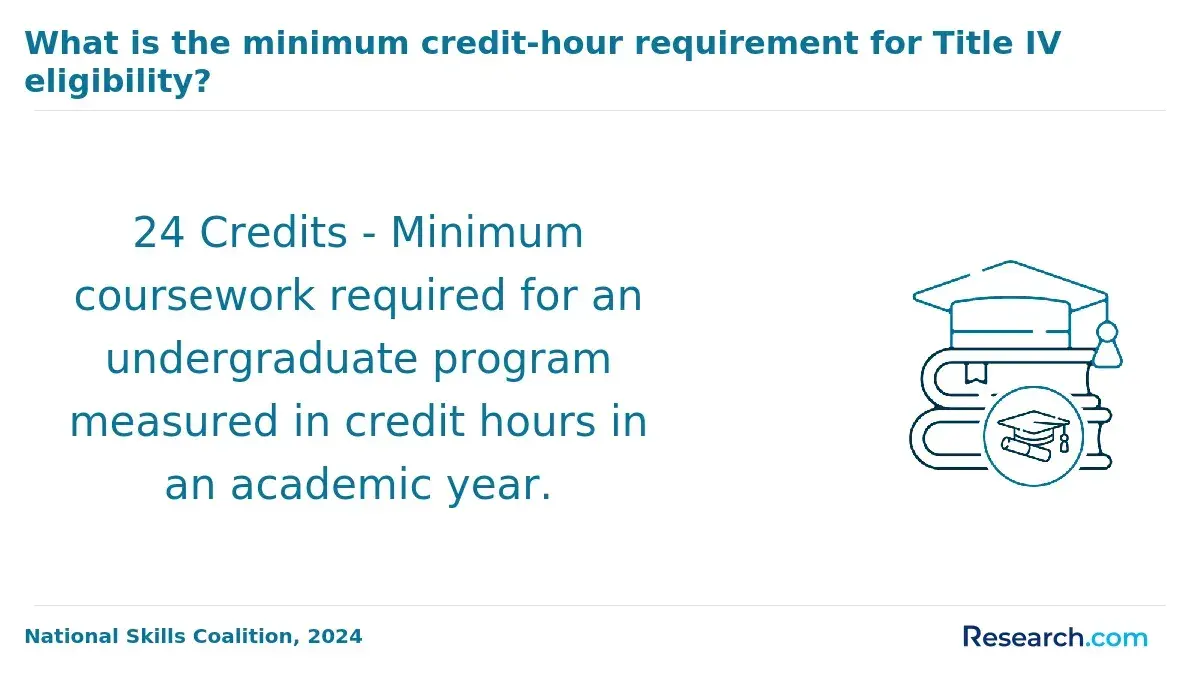
A realistic workload estimate matters more than the program's marketing language. Under the common federal credit-hour framework, one credit generally represents at least one hour of instruction and two hours of out-of-class work each week in a traditional term. That means a 3-credit online programming or algorithms course can require roughly 9 hours weekly, and difficult technical courses may take more if you are new to coding or discrete math.
Before choosing a format, compare your weekly capacity against the academic rhythm of the program. These questions help reveal whether the advertised flexibility is practical for your life.
- Are lectures recorded, live, or both?
- Are assignments due weekly, biweekly, or only by the end of the term?
- Can you pause enrollment without losing your catalog year, tuition rate, or financial aid status?
- Are exams proctored at fixed times, or can you schedule them within a testing window?
- How many courses do successful working adults usually take per term?
- Does the program allow temporary part-time enrollment during busy work seasons?
Choose full-time study only if you can protect enough weekly hours for coding labs, debugging, math, group projects, and exams. Choose part-time study if you need steadier progress without risking burnout. Choose self-paced study if you are disciplined, comfortable learning independently, and willing to monitor completion deadlines closely.
What Are the Admission Requirements for Accredited Online Computer Science Degree Programs?
Admission requirements vary by school, degree level, and applicant background. Many online bachelor's programs are designed for first-time college students, transfer students, military learners, and adults returning to school, while online master's programs may expect previous coursework in programming, calculus, statistics, or data structures.
For undergraduate programs, schools commonly review your high school transcript, GED, prior college credits, GPA, placement scores, and sometimes a personal statement. Test-optional admissions remain common at many institutions, but selective programs may still use math readiness, previous college performance, or prerequisite completion to decide whether you can begin major coursework right away.
Working adults should pay special attention to readiness requirements, because being admitted to the university does not always mean being admitted directly into the computer science major. Some schools require students to complete gateway courses before entering upper-division CS classes.
Here are the common materials and academic checks you may encounter when applying. Review them early so you can identify missing prerequisites before application deadlines arrive.
- Official high school, GED, or prior college transcripts
- Minimum GPA requirement or conditional admission pathway
- College algebra, precalculus, calculus, or statistics readiness
- Introductory programming experience or placement exam for advanced standing
- Transfer-credit evaluation for previous college coursework
- Application essay, resume, or statement of goals for adult learners
- Proof of English proficiency for applicants whose previous education was not in English
Master's applicants may face a different set of expectations. If your bachelor's degree is in another field, you may need bridge courses in programming, discrete math, computer organization, or algorithms before beginning graduate-level work. This is not necessarily a negative; a structured bridge can be better than entering advanced coursework underprepared.
If you are comparing computer science with another flexible online pathway, such as an online degree psychology program, remember that CS admissions often place greater emphasis on math sequence, technical prerequisites, and lab-based coursework.
How Much Does an Online Computer Science Degree Cost, and What Financial Aid Options Are Available?
The cost of an online computer science degree depends on tuition type, residency status, transfer credits, fees, course load, and how long you remain enrolled. Public universities may be more affordable for in-state students, while some online programs charge the same distance-learning tuition to all students regardless of residency.
College Board's 2024-25 national pricing data provides a useful baseline for comparing four-year options before aid. Average published tuition and fees were $11,610 for in-state students at public four-year institutions and $43,350 at private nonprofit four-year institutions. Those figures are not specific to online computer science, but they show why net price, transfer credit, and aid packages matter more than sticker price alone.
When comparing schools, request a full cost estimate rather than looking only at per-credit tuition. Computer science students may also need a capable laptop, cloud computing credits, exam proctoring services, textbooks, lab platforms, and software subscriptions, although many schools provide educational access to common developer tools.
Use the following cost categories when building your program budget. They can help you compare affordable and accelerated programs more accurately.
- Tuition per credit or per term
- Mandatory online, technology, library, graduation, or student-service fees
- Course materials, e-books, lab platforms, and coding tools
- Hardware requirements, including processor, memory, webcam, and storage specifications
- Proctoring, assessment, or identity-verification fees
- Travel costs if the program has optional or required campus residencies
- Opportunity cost if you reduce work hours to study full time
Financial aid can change the affordability picture. Students at accredited institutions may qualify for federal grants, federal student loans, work-study, state grants, institutional scholarships, military education benefits, and employer tuition assistance. Employer funding is especially important for working adults, but you should ask whether reimbursement depends on grades, job tenure, program approval, or staying with the employer after graduation.
Online students should also compare borrowing carefully. Federal Student Aid reported that outstanding federal student loan debt was about $1.6 trillion in 2024, which is a reminder to borrow based on a realistic repayment plan rather than assuming future salary growth will solve the problem. A lower-cost accredited program with strong transfer acceptance may produce a better return than a faster but more expensive option.
These price examples show the kinds of figures you may need to compare, not guaranteed costs at any specific school.
- $11,610 average published in-state tuition and fees at public four-year institutions for 2024-25
- $43,350 average published tuition and fees at private nonprofit four-year institutions for 2024-25
- $0 to several hundred dollars per term in possible technology, proctoring, or online learning fees depending on the school
How Long Does It Take to Complete an Online Computer Science Degree, and Can Transfer Credits Help You Graduate Faster?
A bachelor's degree in computer science usually requires about 120 credits. A first-time full-time student often plans around a 4-year timeline, while a part-time working adult may need 5 to 6 years depending on course load, prerequisites, and whether difficult classes are offered every term.
Transfer credits can shorten the timeline significantly, but policies differ widely. Some schools accept up to 60 credits from an associate degree, while others may allow more total transfer credit if it matches general education, electives, and lower-division major requirements. Upper-division CS courses are often harder to transfer because schools want to verify that students completed comparable work in data structures, algorithms, systems, and software engineering.
The following table summarizes common timeline scenarios. It is useful for estimating completion time before you speak with admissions or academic advising.
| Student profile | Likely course load | Typical planning horizon | Key issue to verify |
| First-time full-time student | 12 to 15 credits per term | About 4 years | Whether math and programming sequences start immediately |
| Working adult part-time student | 3 to 6 credits per term | Often 5 to 6 years | Whether required CS courses are offered often enough |
| Associate degree transfer student | 6 to 12 credits per term | Often 2 to 3 years after transfer | How many credits apply to the major, not just electives |
| Self-paced experienced learner | Variable | Can be faster or slower depending on pace | Completion limits, subscription terms, and assessment rules |
Do not assume that all transfer credits save time. A school may accept credits toward total graduation requirements but still require you to retake key major courses if the previous coursework does not match its CS sequence.
Before enrolling, follow this transfer-credit review sequence. It can prevent costly surprises after you have already committed to a program.
- Request an unofficial transfer review before applying if the school offers one.
- Send transcripts from every prior institution, including community college, military training, and dual-enrollment coursework.
- Ask which credits apply to general education, electives, prerequisites, and the computer science major.
- Confirm whether old math, science, or programming credits expire under the school's policy.
- Ask for a degree plan showing remaining courses, expected terms, and any course sequencing limits.
- Compare the remaining total cost after transfer, not just the number of accepted credits.
Transfer-friendly programs can be excellent for adults who already have college experience. Cohort-based programs can be better for students who want structure, but they may be less flexible if your credits do not match the cohort sequence.
What Should You Look for When Comparing Accredited Online Computer Science Degree Programs?
The right online computer science program is not simply the cheapest, fastest, or most flexible option. It is the program that combines recognized accreditation, a credible curriculum, manageable scheduling, transparent pricing, adequate support, and outcomes aligned with your target role.
Start with accreditation and curriculum, then compare format and student services. A strong CS curriculum usually includes programming, data structures, algorithms, computer architecture, operating systems, databases, software engineering, discrete mathematics, cybersecurity fundamentals, and electives such as AI, cloud computing, mobile development, or data science.
Use this comparison table to evaluate programs in a structured way. It highlights the criteria that most often affect quality, completion, and career usefulness for working adults.
| Comparison factor | What to review | Why it matters |
| Accreditation | Institutional accreditation and any programmatic accreditation | Supports aid eligibility, transferability, and employer recognition |
| Schedule design | Asynchronous, synchronous, part-time, self-paced, or cohort-based delivery | Determines whether the program fits full-time work and family responsibilities |
| Curriculum depth | Core CS theory, software projects, math, systems, and electives | Prepares students for technical interviews, graduate study, and applied roles |
| Faculty access | Office hours, response times, mentoring, and technical help | Important when debugging code or learning difficult concepts online |
| Career support | Portfolio guidance, internship help, resume review, and employer connections | Helps career changers translate coursework into job-search evidence |
| Cost transparency | Total tuition, fees, books, tools, and transfer-credit impact | Prevents underestimating the real cost of completion |
Common mistakes can be expensive in online CS programs because technical prerequisites and course sequences are less forgiving than many students expect. Watch for these red flags before you enroll.
- Enrolling without verifying recognized institutional accreditation
- Assuming asynchronous courses have no deadlines
- Choosing self-paced study without checking maximum completion windows
- Focusing only on tuition while ignoring fees, required hardware, or lost work hours
- Overlooking whether transfer credits apply to major requirements
- Taking too many technical courses at once while working full time
- Choosing a program without reviewing career support, graduate outcomes, or employer relevance
- Ignoring course rotation and later discovering a required class is offered only once per year
Accreditation comparison is not unique to computer science. For example, students evaluating business programs often look for AACSB accredited online MBA programs because programmatic accreditation can signal discipline-specific quality. In CS, ABET may play a similar role for some students, but institutional accreditation remains the non-negotiable starting point.
What Career Opportunities and Salary Potential Can You Expect With a Computer Science Degree?
An online computer science degree can support careers in software development, web development, data engineering, cybersecurity, systems analysis, database administration, cloud computing, quality assurance, and technical product roles. The degree is most useful when paired with a portfolio, internships or projects, interview preparation, and evidence that you can build and troubleshoot real systems.
Salary varies by role, location, experience, industry, and skill depth. The BLS reported a May 2024 median annual wage of $133,080 for software developers, quality assurance analysts, and testers. That figure should not be read as a starting salary promise; it is a national median across experience levels and employer types, but it does show why CS remains attractive for adults seeking a technical career pathway.
The table below connects common career paths with typical responsibilities. Use it to decide which electives, projects, and internships matter most for your goals.
| Career path | Typical responsibilities | Helpful program features |
| Software developer | Build, test, maintain, and improve applications | Programming sequence, software engineering, algorithms, team projects |
| Data engineer | Design data pipelines, manage databases, and support analytics systems | Databases, cloud computing, Python, SQL, distributed systems |
| Cybersecurity analyst | Monitor systems, investigate threats, and improve security controls | Networks, operating systems, secure coding, cybersecurity electives |
| Systems analyst | Translate business needs into technical system requirements | Software design, databases, project management, communication-heavy assignments |
| Web or mobile developer | Create user-facing applications for browsers or mobile platforms | Frontend development, APIs, UX basics, portfolio projects |
Current hiring trends make skill evidence especially important. Employers increasingly expect applicants to show code samples, project repositories, cloud experience, AI awareness, and the ability to learn new tools. A degree can open doors, but your portfolio and technical interview performance often determine how competitive you are.
If salary potential is a major factor in your decision, compare CS outcomes with other highest paying jobs linked to bachelor's degrees, then weigh pay against your interest in programming, math, debugging, and continuous learning.
How Can Working Adults Balance a Computer Science Degree With Full-Time Work and Family Responsibilities?
Balancing an online CS degree with work and family is possible, but it requires a realistic course load and a schedule that protects deep-focus time. Computer science coursework is different from many reading-heavy majors because debugging, labs, math problems, and projects can take longer than expected.
The safest strategy is to start with one technical course in your first term, especially if you have been away from school or are new to programming. After you understand the workload, you can decide whether adding a second course is manageable.
Use the following planning steps before each term. They help you match school demands to work obligations instead of relying on willpower alone.
- Map your fixed commitments first, including work shifts, commute time, caregiving, sleep, and recurring appointments.
- Reserve at least three study blocks per week for coding, reading, and assignments.
- Place difficult technical work earlier in the week so you have time to get help before deadlines.
- Avoid pairing two high-intensity courses, such as algorithms and operating systems, during a heavy work period.
- Tell family or roommates when your protected study hours are and what interruptions are truly urgent.
- Use office hours early rather than waiting until a project is already late.
- Reassess your course load after each term and adjust before burnout affects grades or health.
Working adults should also ask admissions advisors how many hours per week successful students usually spend in each course. A general education class, an introductory programming class, and a systems course may all carry 3 credits, but they can feel very different in practice.
If your schedule is unpredictable, prioritize programs with asynchronous lectures, broad exam windows, multiple start dates, and part-time enrollment policies. If you need accountability, a cohort or synchronous program may be better, even if it is less flexible.
What Student Support Services and Online Learning Resources Should You Expect From a Computer Science Degree Program?
Strong support services can make the difference between persisting and stopping out, especially in technical programs. Online CS students should expect more than recorded lectures; they need timely help with coding errors, math concepts, degree planning, career preparation, and technology access.
Good online programs make support visible before enrollment. If you cannot find tutoring hours, advising contacts, disability services, library access, technical support, or career resources on the program website, ask for details in writing.
Look for these services when comparing programs. They are especially important if you are studying at night, on weekends, or across time zones.
- Online tutoring for programming, math, statistics, and writing
- Faculty office hours with clear response-time expectations
- Technical support during evenings or weekends
- Academic advising that understands transfer credits and course sequencing
- Career coaching for resumes, portfolios, interviews, and job-search strategy
- Virtual library access, research databases, and citation tools
- Disability accommodations for online testing, lectures, and assignments
- Peer discussion boards, coding groups, or online student communities
Career changers should pay particular attention to portfolio and interview support. A strong program should help you convert class projects into resume bullets, GitHub examples, capstone work, and talking points for technical interviews.
Support expectations vary by field, but the need for advising and field-specific guidance is common across online professional degrees. Students comparing people-focused programs, for example, often review MSW best programs for practicum coordination and student support; CS students should apply the same level of scrutiny to technical tutoring, project support, and career services.
Do Online Computer Science Degree Programs Include Internships, Practicums, or Other Hands-On Learning Requirements?
Many online computer science programs include hands-on learning, but it may not look like a traditional practicum. Instead, you may complete programming labs, software design projects, team-based development assignments, cloud deployments, cybersecurity simulations, research projects, or a senior capstone.
Internships may be required, optional, or encouraged depending on the school. Some programs help online students find local or remote internships, while others focus on project-based learning because many adult learners are already employed and cannot leave work for a traditional daytime internship.
The table below shows common hands-on learning formats in online CS programs. Use it to compare how each program helps you produce evidence of skill.
| Hands-on component | What students usually do | Why it matters |
| Programming labs | Write and test code in structured assignments | Builds core fluency and debugging habits |
| Team software project | Collaborate on a larger application using development tools | Mirrors workplace software practices |
| Capstone project | Design, build, document, and present a final technical project | Creates portfolio evidence for employers or graduate schools |
| Internship | Work with an employer in a supervised technical role | Provides experience, references, and professional context |
| Research or independent study | Explore a specialized topic with faculty guidance | Useful for graduate school preparation or niche technical interests |
Adults who already work in technology should ask whether current job duties can satisfy an internship or experiential learning requirement. Adults outside tech should ask whether the school offers remote internship support, employer partnerships, or project alternatives that can be completed outside business hours.
Hands-on learning is also where program quality becomes visible. A weak program may rely heavily on quizzes and textbook exercises, while a stronger one usually requires students to build, revise, document, and explain working systems.
Other Things You Should Know About Computer Science
Accredited online computer science degree programs in 2027 often offer support like tutoring and tailored course offerings to accommodate adult learners hesitant about math. Self-paced options allow students to spend more time mastering concepts, ensuring learners can gain confidence in math-intensive areas at their own speed.
Online computer science programs often provide support services such as career counseling, academic advising, and tech support tailored for working adults. Many programs also offer flexible office hours and access to online libraries to help balance work and study commitments.
Not always, but you should meet the program's hardware requirements before enrolling. Most students need a reliable laptop with enough memory and processing power for development tools, video meetings, virtual labs, and cloud-based platforms.
Most 2027 accredited online computer science programs require a high school diploma or GED, proficiency in mathematics, and basic computer skills. Some programs might also ask for standardized test scores, while others may offer preparatory courses to meet entry-level requirements.
References
- How long does it take to complete an IT program? | WCC - Western Community College https://wcc.ca/blog/how-long-does-it-take-to-complete-an-it-program/
- Computer science - WSEI University https://www.wsei.pl/en/admission/engineer-degree/computer-science-bachelor-degree/
- Paying for a Computer Science Degree | Scholarships, Grants, Loans https://www.computerscience.org/resources/how-to-pay-for-a-degree/
- Types of Financial Aid for Online Colleges https://www.umassglobal.edu/blog-news/types-financial-aid-online-colleges
- Part-time Study Calculator https://www.ukstudyonline.com/part-time-study-calculator/
- Best Accredited Online Universities in 2025 https://www.study.eu/article/best-accredited-online-universities
- Computer Science - SWPS University https://english.swps.pl/academics/warsaw/ba-programs/computer-science
- Why your computer science degree won't get you an IT job https://targetjobs.co.uk/careers-advice/information-technology/why-your-computer-science-degree-wont-get-you-it-job
- Polish Graduate tracking system - articles https://ela.nauka.gov.pl/en/labor-market/are_all_computer_scientists_equally_successful
- Best Online Colleges for Working Adults [2026] https://www.straighterline.com/blog/degree-completion-best-online-colleges-for-working-adults