2027 Health Informatics Concentrations With the Strongest Employer Demand

Co-Founder and Chief Data Scientist
Professionals aiming to enter health informatics often face uncertainty when choosing a concentration that aligns with robust employer demand. With the industry evolving rapidly, selecting a specialization without clear labor market insights risks misaligned skills and limited job prospects. This challenge is compounded for individuals transitioning from unrelated undergraduate fields who seek accredited, flexible graduate programs that maximize return on investment.
Understanding which concentrations attract the strongest hiring activity is crucial to making informed decisions that enhance career outcomes. This article explores the health informatics concentrations with the greatest employer demand, offering readers practical guidance for strategic career planning and growth.
Key Things You Should Know
- Health informatics concentrations such as clinical informatics, data analytics, and population health management show the highest employer demand in 2026, driven by growing digital health adoption.
- By 2025, jobs in health informatics are projected to grow 17%, much faster than average, emphasizing strong market needs for specialized skills in electronic health records and data privacy.
- Employers increasingly seek professionals with expertise in interoperability and AI applications in health informatics to improve care coordination and predictive analytics outcomes.
What are the most in-demand health informatics concentrations for today's job market?
The health informatics concentrations with highest employer demand highlight critical skills in data management, clinical informatics, and health IT systems integration. Job postings requiring these skills increased by 40% last year, reflecting strong market pressure for qualified professionals. Among the top health informatics specialties sought by employers is clinical informatics, which focuses on optimizing electronic health record (EHR) systems to enhance patient outcomes through data-driven decisions.
Data analytics is a vital concentration, emphasizing the mining of complex health data sets for evidence-based insights. Roles such as clinical data analysts and population health informaticians support improved healthcare delivery and disease management programs. These experts contribute to cost reductions and better public health monitoring.
Health IT project management professionals remain essential for leading system implementation, interoperability, and ensuring compliance with regulations like HIPAA. Meanwhile, telehealth informatics is rapidly growing, integrating remote patient monitoring and digital care platforms. This emerging field requires specialists who understand both technical and clinical facets of virtual care.
Prospective students preparing for careers in these areas may also explore credentials like medical billing and coding certification to complement their skill set.
- Clinical informatics focusing on EHR optimization
- Data analytics and population health informatics for analysis and reporting
- Health IT project management supporting technology deployment and compliance
- Telehealth informatics integrating remote care technologies
Aligning education with these specialties can better position graduates to meet employer needs and benefit from the increasing demand noted by AHIMA / Lightcast.
How does employer demand differ between clinical, public health, and data-focused informatics tracks?
Employer demand in clinical health informatics tracks varies greatly depending on the setting and specific expertise. Clinical informatics roles are highly sought after by healthcare providers and hospital systems aiming to enhance patient care through electronic health records and decision support tools, often requiring combined clinical experience and informatics skills. Public health informatics, on the other hand, draws interest from government agencies, non-profits, and community health organizations. Demand in this area often spikes during health crises and ongoing initiatives addressing chronic diseases and health disparities, reflecting job market trends for public health and data-focused informatics.
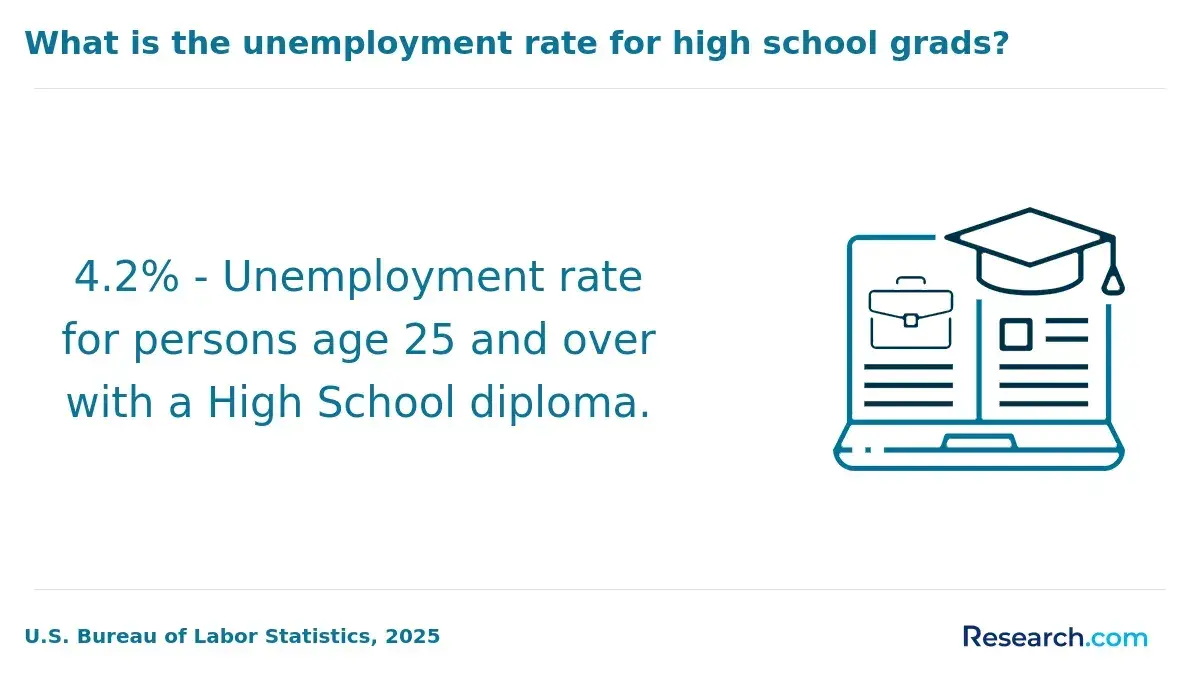
Data-focused informatics specialists, skilled in data science and advanced analytics, experience broadening demand from employers such as health insurers, pharmaceutical companies, and tech firms developing healthcare solutions. Their work focuses on managing and analyzing large datasets to improve healthcare outcomes while reducing costs. The U.S. Bureau of Labor Statistics projects a 15% growth in health informatics employment from 2024 to 2034, with about 3,200 annual job openings and a median wage of $67,310 as of May 2024.
Prospective students should align their career goals with evolving employer demand, considering roles like clinical informatics specialists, epidemiologists, or health data analysts. For those interested in advanced healthcare roles, exploring online psych NP programs can provide pathways that complement informatics expertise.
Which health informatics concentrations offer the strongest salary potential and career growth?
Clinical informatics concentrations lead in salary potential and career growth within health informatics. An empirical analysis of job ads shows 76.2% of health informatics postings seek clinical informaticians, while only 7.3% require formal health informatics education. This indicates strong demand and flexibility for professionals with skills in clinical workflows, data analysis, and patient care technology integration. Specializations such as clinical decision support systems, electronic health record (EHR) optimization, and population health management often command higher salaries due to their impact on patient outcomes and healthcare efficiency.
Beyond clinical informatics, top health informatics concentrations with highest employer demand also include data analytics and health IT project management, which show robust growth as organizations adopt value-based care models. Professionals who analyze health data trends or lead multi-disciplinary teams may command six-figure salaries and career advancement opportunities.
For those interested in health informatics career growth and salary potential, pursuing clinical certifications like the Certified Professional in Healthcare Information and Management Systems (CPHIMS) alongside degrees is advisable. These credentials complement practical experience, which many employers prioritize.
Emerging fields such as telehealth informatics and cybersecurity are growing, but clinical informatics remains the dominant concentration for stable advancement and competitive pay. Prospective students may also explore related fields like clinical mental health counseling to broaden their healthcare expertise.
What education levels best match each high-demand health informatics concentration?
Education levels for health informatics concentrations differ based on career focus, yet employer demands in 2026 highlight key standards. Clinical informatics roles typically require a bachelor's degree in health informatics, nursing, or related fields, with many employers favoring master's degrees for positions involving data analytics or electronic health record (EHR) system management. Advanced degrees enhance skills in informatics strategy, increasing competitiveness.
Healthcare data analytics specializations usually call for at least a bachelor's degree in health informatics, computer science, or statistics. Candidates with master's degrees emphasizing biostatistics or data science are highly valued for managing complex datasets and predictive models. Certifications like Certified Health Data Analyst (CHDA) further augment job prospects, illustrating the best degree levels for high-demand health informatics specializations.
Health information management and compliance roles may offer entry-level paths through associate degrees, but employers mainly prefer bachelor's degrees paired with credentials such as Registered Health Information Administrator (RHIA). These positions require thorough knowledge of regulatory compliance and coding standards.
Leadership positions, including medical and health services managers, demand at least a master's in health administration, public health, or health informatics. The U.S. Bureau of Labor Statistics projects a 23% employment growth through 2034, noting about 62,100 openings yearly, reflecting strong demand for advanced education and leadership expertise. Professionals pursuing specialized master's or doctoral degrees, like a PhD in health informatics, open doors to research and policy roles essential for health systems modernization.
For individuals working in related fields, options such as a CMA to LPN bridge program online may provide flexible pathways toward advancing education and healthcare careers.
How do online and campus-based health informatics programs compare for these concentrations?
Online and campus-based health informatics programs each offer unique benefits for students pursuing in-demand specialties. Online options provide necessary flexibility for working professionals and those with multiple commitments, supporting asynchronous coursework and allowing local completion of clinical or practicum requirements. This is particularly valuable as 40.8% of job postings analyzed by PMC specify RN licensure as a requirement.
Campus-based programs, in contrast, offer enhanced opportunities for hands-on experience with health IT systems, in-person networking, and face-to-face mentoring. These features are especially advantageous for clinical data management and nursing informatics concentrations, where working directly with healthcare teams enriches learning. For example, students specializing in electronic health records benefit from campus labs that simulate real clinical environments.
Students seeking combined clinical and informatics skills should review curricula for RN licensure integration. Campus programs may provide more structured clinical components, while online students often arrange local clinical placements independently. Regardless of format, employment outcomes correlate strongly with program accreditation, curriculum rigor, and licensure preparation.
Both delivery methods increasingly incorporate virtual simulations and telehealth training, reducing traditional gaps in practical experience. Prospective students should prioritize programs with solid connections to healthcare employers to maximize career prospects in health informatics.
What core courses and skills define leading health informatics concentration options?
Leading health informatics concentrations emphasize core skills in data management, clinical systems, and analytics. Foundational courses cover health data standards, database design, and electronic health records (EHR) management, equipping students to organize and interpret healthcare data efficiently. Advanced topics include biostatistics, health information privacy and security, and systems analysis, which prepare graduates to navigate complex regulatory environments and optimize health IT systems.
Technical proficiency in SQL, Python, or R is essential for data analysis roles, while knowledge of interoperability standards such as HL7 and FHIR allows support for seamless healthcare communication. Project management and leadership coursework develop the skills needed to lead digital health initiatives effectively. Clinical understanding remains vital, helping informatics professionals align technology solutions with patient care and workflows. Concentrations focused on clinical decision support systems (CDSS) enhance providers' diagnostic and treatment capabilities.
Employer data indicate average experience requirements of 1.6 years overall, increasing to 3.5 years for bachelor's-level and 5.8 years for master's-level roles, underlining the value of applied learning and internships. Emerging areas in health informatics include health analytics, machine learning, and telehealth technologies, reflecting industry evolution.
- Data standards and EHR management
- Biostatistics and health IT privacy
- Technical skills: SQL, Python, R
- Interoperability: HL7, FHIR
- Clinical decision support systems (CDSS)
- Experience requirements rising with education level
Programs blending technical training with healthcare domain knowledge help prospective students meet market demands effectively, as noted by PMC / empirical analysis of job ads.
What admission requirements and prerequisites are common for specialized health informatics programs?
Applicants to specialized health informatics programs typically need a bachelor's degree in health sciences, computer science, information technology, or a related area. Institutions often require a minimum GPA around 3.0 on a 4.0 scale, though this differs by school. Prior coursework in biology, statistics, and introductory programming is commonly expected to ensure foundational skills.
Graduate programs may additionally emphasize relevant professional experience, such as clinical work, IT roles in healthcare settings, or earlier informatics exposure. Admissions often require letters of recommendation demonstrating academic or industry performance and a personal statement outlining career goals and motivation for specializing in health informatics.
Prerequisites frequently include competencies in data analysis, database management, and healthcare systems. Some programs mandate specific courses like health information management or clinical informatics, with applicants lacking these needing remedial or bridge classes. Standardized tests such as the GRE are sometimes part of the process but are decreasing in importance. International candidates might need to prove English proficiency through TOEFL or IELTS exams.
According to AHIMA and Lightcast, health informatics job postings citing relevant skills surged by 40% in one year. Meeting these admission requirements aligns education with labor market demand, preparing students for evolving healthcare technology and data management roles.
How do accreditation and program quality impact careers in health informatics concentrations?
Accreditation significantly influences career outcomes for students in health informatics concentrations. Employers seek candidates from programs accredited by recognized organizations like the Commission on Accreditation for Health Informatics and Information Management Education (CAHIIM). This accreditation confirms a program meets high academic and industry standards, impacting graduates' employability and eligibility for certifications such as the Registered Health Information Administrator (RHIA), which often requires completion of an accredited program.
Quality programs provide practical skills in electronic health records (EHR) systems, data analytics, and healthcare regulations such as HIPAA. Curricula updated with current technology and legal standards prepare graduates for changing industry demands. Key benefits of attending accredited, well-regarded programs include:
- Higher job placement rates
- Access to internships and professional networks
- Stronger preparation for certification exams
Given the median wage of $67,310 reported by the U.S. Bureau of Labor Statistics for health information technologists and medical registrars, these advantages translate to competitive salary potential. Prospective students should verify program accreditation and review outcomes like graduate employment rates before enrolling. Employers frequently verify program legitimacy, so attending non-accredited institutions may limit career growth.
Which certifications strengthen employability in specific health informatics concentration areas?
Certifications significantly boost employability in specialized health informatics fields by verifying expertise and enhancing competitive advantage. For clinical informatics roles, the Board Certified Professional in Health Informatics (CPHI™) and the Certified Professional in Healthcare Information and Management Systems (CPHIMS) are highly valued. These credentials confirm proficiency in clinical data management and healthcare IT systems, meeting employer demands for improving patient outcomes through technology.
In health data analytics, the Certified Health Data Analyst (CHDA) certification validates skills in interpreting complex healthcare datasets, essential for decision-making positions. Organizations involved in public health and hospital quality improvement often prioritize this credential.
Those pursuing health IT project management benefit from the Project Management Professional (PMP) certification paired with healthcare expertise, signaling competent leadership in large-scale information system projects. The Certified ScrumMaster (CSM) certification is also advantageous for agile health informatics initiatives.
Security-oriented informatics roles rely heavily on the Certified Information Systems Security Professional (CISSP), which assures employers of capabilities in safeguarding patient data and regulatory compliance such as HIPAA.
According to Forbes, as cited by the University of South Florida Health Online, health informatics ranks among the highest-paying master's degrees for 2025. This highlights the value of these certifications in advancing career prospects and salary potential in this dynamic field.
How can students choose the right health informatics concentration based on career goals?
Choosing a concentration within health informatics should align with your career goals and the demands of employers. For roles centered on electronic health record (EHR) management or clinical systems integration, focus on areas emphasizing EHR support, training, and optimizing clinical workflows. These skills are among the most in-demand according to PMC's analysis of job postings.
If you aim for positions in data analysis or health data analytics, consider concentrations involving biostatistics, data mining, and health information management. These prepare you to handle complex datasets that enhance clinical outcomes and administrative processes. Those interested in healthcare policy and compliance might specialize in regulatory standards, patient privacy, and healthcare law.
Reflect on these questions when selecting a concentration:
- Do I want to work directly with clinical staff and systems, or focus on data-driven decision-making?
- Am I interested in training and supporting healthcare providers with new technologies?
- What is the right balance between technical skills and knowledge of healthcare regulations?
Before committing, review job descriptions for your target roles to identify necessary qualifications. Familiarity with systems like Epic or Cerner often influences technical concentration choices. Practical experience through internships or practicums in healthcare settings can help confirm if a concentration fits real-world workflows and career ambitions.
Other Things You Should Know About Health Informatics
The most recognized credentials are the AHIMA Certified Health Data Analyst (CHDA), the CAHIMS or CPHIMS from HIMSS, and vendor certifications tied to Epic or Cerner systems. Employers often prefer candidates with at least one certification plus 2,000 to 3,000 hours of relevant informatics experience.
To enter high-demand health informatics concentrations in 2027, you'll typically need a bachelor's degree in health science, IT, or a related field. Some programs may require foundational courses in data analytics or health administration to ensure adequate preparation.
Essential technical skills for health informatics jobs in 2027 include proficiency in data analytics, familiarity with Electronic Health Records (EHR) systems, and understanding of health IT security protocols. Demand for knowledge in programming languages like Python and SQL is also rising in the industry.
References
- NHS England » Health informatics academic courses and professional qualifications https://www.england.nhs.uk/long-read/health-informatics-academic-courses-and-professional-qualifications/
- Health Informatics Program (Postgraduate) T419 | George Brown Polytechnic https://www.georgebrown.ca/programs/health-informatics-program-postgraduate-t419
- Top 30 Best Online Master’s in Healthcare Informatics Degree Programs 2020 - Healthcare Administration Degree Programs https://www.healthcare-administration-degree.net/best/online-masters-healthcare-informatics-programs/
- 11 Health Informatics Careers for Master’s Graduates to Consider https://www.nec.edu/news/health-informatics-careers
- Health Informatics (MSc) - Grad admissions - University of Victoria https://www.uvic.ca/graduate/programs/graduate-programs/credential-pages/health-information-science-cred/health-informatics-msc.php
- How to Become a Health Informatics Specialist | Requirements https://www.brooklinecollege.edu/blog/how-to-become-a-health-informatics-specialist/
- Health Informatics - CAHIIM https://www.cahiim.org/accreditation/health-informatics/
- Masters in Health Informatics - Opportunities and Scope — The BridgeWay Firm https://www.bridgewayfirm.com/masters-in-health-informatics
- Clinical Data Management vs Health Data Analytics https://www.usfhealthonline.com/resources/healthcare-analytics/clinical-data-management-vs-health-data-analytics/
- Leading Health Indicators https://odphp.health.gov/healthypeople/objectives-and-data/leading-health-indicators