2027 Best Online Health Informatics Degrees for Informatics Career Growth in Healthcare

Co-Founder and Chief Data Scientist
Many professionals with degrees in unrelated fields face challenges breaking into the healthcare sector, where the demand for health informatics expertise continues to grow. Navigating the diverse options for online degrees can be overwhelming, especially when seeking accredited programs that offer flexibility for working adults.
Without clear guidance, candidates risk investing time and money in programs that do not align with industry standards or career goals. This article explores top online health informatics degrees designed to support successful career transitions, helping readers identify programs that balance academic rigor with practical skills for advancing in healthcare informatics roles.
Key Things You Should Know
- Employment in health informatics is projected to grow 17% from 2024 to 2034, outperforming many healthcare fields, driven by increased adoption of electronic health records and data analytics.
- Top online health informatics degree programs in 2026 emphasize interdisciplinary learning, combining IT, healthcare policy, and data management to prepare graduates for diverse roles.
- Graduates from accredited online programs often report median starting salaries around $70,000, reflecting strong industry demand and the critical role of informatics in healthcare innovation.
What is an online health informatics degree and how does it support healthcare careers?
An online health informatics degree equips students with essential skills to manage and analyze healthcare data effectively, enhancing roles across the healthcare industry. This degree bridges information technology with healthcare systems and data management, preparing graduates to improve patient care through optimized data handling and informed decision-making. Programs commonly cover electronic health records, data privacy, healthcare analytics, and system implementation.
The benefits of an online health informatics degree for healthcare professionals include gaining expertise in managing digital health information-a critical asset as providers increasingly use technology. Graduates often pursue careers as clinical informatics specialists, health information managers, data analysts, or IT consultants in settings such as hospitals, insurance companies, and government agencies.
Online formats provide flexibility, allowing working professionals and recent graduates to develop specialized skills without disrupting their careers. Courses frequently include case studies, practical software training, and regulatory compliance, enabling students to address challenges like patient confidentiality and optimizing electronic health record systems in real-world environments.
Employment in healthcare informatics is projected to grow 16% through 2032, reflecting the rising integration of digital tools in health services. Job seekers should focus on degrees combining technical proficiency with healthcare knowledge and regulatory understanding to maximize career prospects, including considering healthcare information management salary expectations, which can be explored at healthcare information management salary.
How do online health informatics programs compare to on-campus options for flexibility and quality?
Online health informatics program flexibility compared to on-campus options is notable, especially for working professionals or those with family obligations. These online programs offer asynchronous coursework, allowing students to study at their own pace without fixed class times. This flexibility enables learners to balance employment, caregiving, and education, unlike traditional on-campus programs that require regular attendance and may limit access for those outside local regions.
Regarding quality differences between online and traditional health informatics degrees, many accredited online programs maintain rigorous curricula comparable to on-campus counterparts. Top universities use the same faculty and deliver equivalent content through virtual labs, interactive case studies, and teleconferencing, ensuring strong educational outcomes.
However, some may miss hands-on clinical experiences or in-person networking opportunities offered by on-campus formats, which can be vital depending on career objectives.
Financial and career advantages are apparent across both formats. Lightcast data cited by Adelphi University highlights a median salary of $107,400 for health informatics professionals, with pay increases exceeding 24% since 2021. This growth reflects strong demand in the field regardless of delivery mode.
Prospective students should consider personal priorities. For those seeking speedier credentialing, programs like the accelerated medical billing and coding certificate online may offer focused, efficient pathways within health informatics education.
Which accreditations should online health informatics degrees have to be respected by employers?
Accreditation plays a crucial role in online health informatics degree programs, ensuring they are recognized by employers and meet high academic standards. Regional accreditation agencies like the Higher Learning Commission (HLC) and the Middle States Commission on Higher Education (MSCHE) are endorsed by the U.S. Department of Education and the Council for Higher Education Accreditation (CHEA), validating institutional legitimacy.
Program-specific accreditation from the Commission on Accreditation for Health Informatics and Information Management Education (CAHIIM) is highly valuable. CAHIIM-accredited programs align their curricula with industry standards and certification requirements, making graduates eligible for professional certifications such as the Registered Health Information Administrator (RHIA) or Certified Health Informatics Systems Professional (CHISP).
Employers increasingly favor candidates from accredited health informatics programs for career advancement in the US, especially those with CAHIIM accreditation, as it improves job prospects in competitive roles. According to Lightcast, clinical informatics analysts earn median salaries near $119,489, cited by Adelphi University.
Choosing accredited programs enhances not only certification eligibility but also employment opportunities in the healthcare sector. For individuals seeking quick entry into healthcare fields, exploring medical assistant programs can be a complementary path.
What levels of health informatics degrees are offered online and who is each best for?
Online health informatics degree programs explained show that bachelor's, master's, and doctoral levels each serve specific career goals. A bachelor's degree suits newcomers, especially those with health sciences, computer science, or IT backgrounds, offering foundational knowledge in healthcare systems and data management. Graduates often become clinical data analysts or health information technicians.
The best online health informatics degrees for career advancement include master's programs aimed at working professionals seeking leadership roles. These typically offer concentrations such as electronic health record management or health IT project management. For example, electronic health record specialists can earn average salaries around $118,700. Master's graduates can work as health informatics specialists, clinical informatics coordinators, or health data managers.
Doctoral programs focus on research, policy, and academia, emphasizing data science and advanced healthcare analytics. Graduates often pursue roles as faculty, principal investigators, or senior informatics strategists shaping healthcare innovation. Additionally, certificates and post-baccalaureate diplomas provide rapid upskilling for current healthcare and IT professionals, helping them specialize in areas like data security or informatics system implementation.
Individuals exploring a career shift might find valuable guidance in resources such as how to become a speech pathologist, which offers insights on transitioning careers effectively.
What courses and technical skills are typically included in an online health informatics curriculum?
Online health informatics programs blend technical skills with healthcare knowledge to prepare students for managing and analyzing complex healthcare data. Key coursework typically includes health data analytics, focusing on interpreting large datasets to enhance patient care, and health information systems, which cover electronic health records (EHRs), database management, and interoperability standards like HL7 and FHIR.
Privacy and security are fundamental, with training on HIPAA compliance and methods to protect sensitive patient information. Many curricula also incorporate clinical workflows, medical terminology, and healthcare policy to ensure students understand the operational context behind technical tools.
Technical skills developed often include data mining, SQL, Python or R for healthcare analytics, and the use of health IT platforms. Students gain expertise in project management and informatics system design, bridging the divide between clinical teams and IT staff. Health information privacy managers benefit from this focus, given their median salaries of approximately $124,671, as reported by Lightcast. Adelphi University cites this information.
Emerging topics include artificial intelligence in healthcare, telemedicine, and patient engagement technologies. Capstones or internships frequently offer hands-on experience managing clinical information systems or analyzing real-world healthcare data, essential for meeting regulatory and operational demands in modern health informatics careers.
What are the typical admission requirements for online health informatics bachelor's and master's programs?
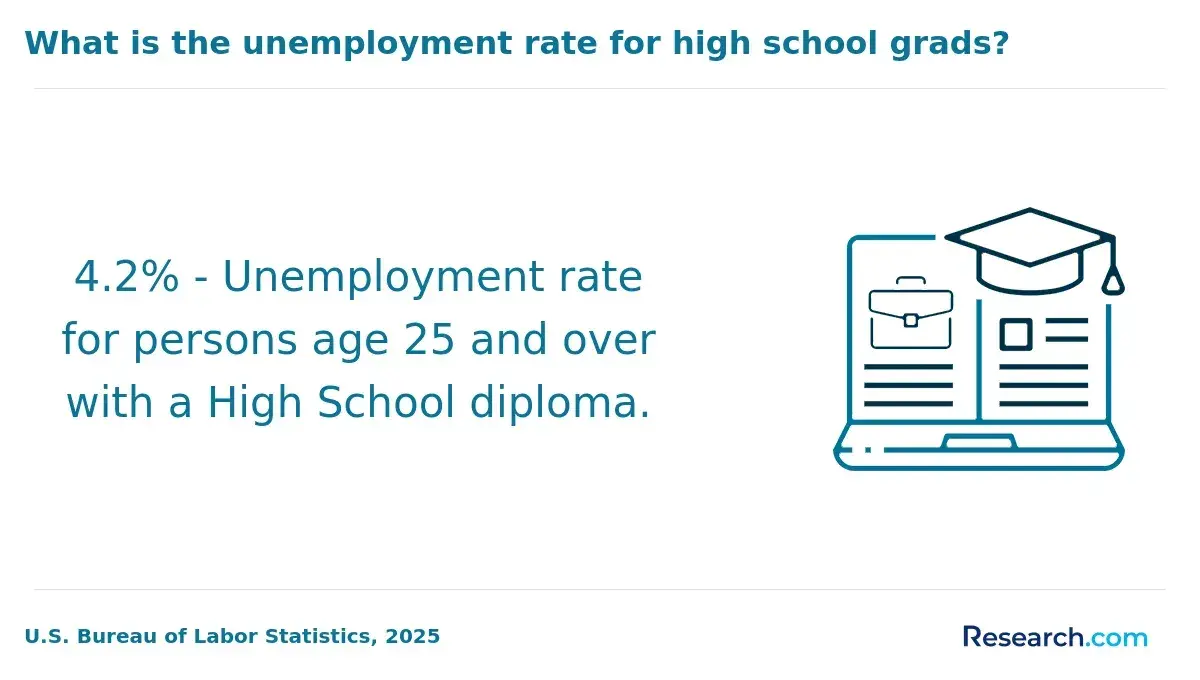
Admission to online health informatics bachelor's programs typically requires a high school diploma or equivalent along with official transcripts demonstrating completion of core courses in mathematics, English, and science.
Standardized test scores such as the SAT or ACT may be requested, although many programs are now test-optional. Personal statements are commonly required to evaluate motivation and communication skills, while letters of recommendation, though less frequent, can strengthen an application. Transfer credit evaluations apply for students with prior college coursework.
Master's level health informatics programs usually demand a bachelor's degree from an accredited institution, preferably in healthcare, IT, or related fields. A solid academic record demonstrated by official transcripts and a minimum GPA of around 3.0 is often needed.
GRE scores remain a requirement in many cases but are increasingly waived based on experience or undergraduate performance. Relevant work experience in healthcare or IT is highly valued, and applicants may need to submit a resume or CV. Personal statements outlining career goals along with letters of recommendation from academic or professional sources are standard admission components.
Financial decisions should consider career outcomes; healthcare administrator roles report median annual salaries of approximately $122,083. Prospective students should review program-specific prerequisites carefully and prepare documentation thoroughly to improve acceptance chances. This information is cited by Adelphi University.
How long do online health informatics degrees take and what do they usually cost?
Health informatics degrees vary in duration based on the level and enrollment status. A bachelor's degree usually takes about four years full-time, with some programs offering accelerated or part-time options that adjust this timeframe. Master's degrees often require 18 to 24 months full-time, and many are tailored for working professionals with flexible pacing. Doctoral programs can demand 3 to 4 years, emphasizing research and practical experience.
Costs differ widely depending on the institution and format:
- Bachelor's tuition at public in-state universities ranges from $10,000 to $40,000 per year, while private or out-of-state tuition may be twice as high.
- Master's programs generally cost between $20,000 and $60,000 total.
- Online or hybrid degrees sometimes offer reduced tuition, occasionally below $15,000 for the entire program.
Financial aid, scholarships, and employer tuition assistance help make these programs more affordable. It's important to verify program accreditation and curriculum relevance to maximize value.
The career outlook supports this investment. For example, healthcare data analyst jobs have a median salary around $107,339, based on data from Lightcast. Carefully planning degree timelines and costs helps students and professionals advance in this expanding field.
What jobs can you get with an online health informatics degree in the U.S. healthcare system?
An online health informatics degree prepares graduates for diverse roles that blend healthcare knowledge with data management and technology. Clinical informatics specialists are key players who improve patient care by managing electronic health records and integrating data systems.
Other career paths include health data analyst, evaluating healthcare trends to support decision-making, and health information manager, responsible for data security and maintenance in healthcare settings. Health IT project managers also play a critical role by implementing and upgrading hospital and clinic technologies.
Public health informatics specialists focus on using data to enhance disease tracking, outbreak response, and preventive care programs. According to Lightcast, the average salary for this role is $93,590, reflecting strong financial prospects.
Specialized fields such as biomedical informatics, nursing informatics, and pharmaceutical informatics offer roles supporting clinical research, patient safety, and drug development. This degree's versatility allows professionals to adapt to changing healthcare technologies and regulations.
Certification in health informatics or related credentials enhances employment opportunities, as employers seek candidates with both technical skills and a solid understanding of healthcare workflows, compliance, and data privacy standards.
What is the salary potential and job outlook for health informatics professionals in healthcare?
Health informatics professionals enjoy strong salary prospects and a robust job market. The U.S. Bureau of Labor Statistics reports that medical and health services managers, a group that includes many health informatics roles, have a median annual wage near $101,340.
Salaries vary by job title, education, experience, and location. Entry-level positions, such as health informatics specialists, typically start around $60,000, while senior roles like clinical informatics managers or healthcare CIOs can surpass $150,000 annually.
Demand for health informatics experts is expanding rapidly, driven by healthcare digitization, regulatory requirements, and the need for better patient data management. Employment for health information managers is projected to grow 28% from 2022 to 2032, much faster than average for all occupations.
Educational outcomes reinforce these trends. For instance, the University of Central Florida reports that 94% of its health informatics graduates secured employment in healthcare fields within their first year.
Key career paths include health data analyst, clinical informatics coordinator, and healthcare IT project manager. Earning certifications like Certified Professional in Health Informatics (CPHI) can boost job opportunities and salary potential. Geographic hubs such as Boston, Houston, and San Francisco offer higher wages and increased opportunities.
How can you choose the best online health informatics program for your career goals?
Evaluating online health informatics programs involves careful consideration of accreditation, curriculum, career support, finances, and faculty expertise. Choosing a regionally accredited institution with specialized health informatics accreditation ensures recognized educational quality valued by employers.
Look for programs that offer relevant courses such as data analytics, electronic health records, and health IT management. Electives in areas like clinical informatics or cybersecurity allow customization. Flexible options, including part-time and asynchronous classes, accommodate working professionals.
Career services play a vital role. For instance, University of Central Florida reports that 95% of its alumni agree the program was a worthwhile investment, highlighting the importance of job placement support, internships, and alumni networks in graduate success.
Financial considerations include tuition costs, financial aid opportunities, and certifications that enhance employability. Faculty with active industry involvement and healthcare partnerships can provide practical insights and valuable networking.
Your choice should align with your career goals, whether as a data analyst, clinical informaticist, or health IT manager, to optimize your educational investment.
Other Things You Should Know About Health Informatics
Yes, many accredited online health informatics programs incorporate practicum or internship components to provide hands-on experience. These placements often occur at healthcare facilities, technology firms, or research institutions and are designed to enhance real-world skills. Some programs offer virtual simulations if in-person experience is not feasible.
Professionals in health informatics must have a thorough understanding of privacy regulations such as HIPAA in the United States. Compliance with these laws is essential when managing patient data and implementing electronic health record systems. A strong grasp of legal and ethical standards is critical for safeguarding sensitive information and maintaining trust.
Graduates often start in roles like health data analyst or clinical informatics specialist and can advance to positions such as health information manager or chief medical information officer. Leadership and management roles typically require experience combined with advanced degrees or certifications. Continuous education and staying current with technology trends are important for professional growth.
References
- Master's in Health Informatics (MSHI) Online | USF Health https://www.usfhealthonline.com/programs/masters-degree/ms-health-informatics/
- Online master's in health informatics | edX https://www.edx.org/masters/healthcare-informatics
- Top 30 Best Online Master’s in Healthcare Informatics Degree Programs 2020 - Healthcare Administration Degree Programs https://www.healthcare-administration-degree.net/best/online-masters-healthcare-informatics-programs/
- The Best Online Master's in Health Informatics Programs - OnlineMasters.com https://www.onlinemasters.com/best-degree-programs/health-informatics/
- Health Informatics: New Focus Areas! https://online.une.edu/blog/health-informatics-new-focus-areas/
- What is Healthcare Informatics? https://nursinglicensemap.com/resources/healthcare-careers/what-is-healthcare-informatics/
- 2025 Most Affordable Online Healthcare Informatics Degrees https://www.onlineu.com/most-affordable-colleges/healthcare-informatics-degrees
- Online Health Informatics Degree | Programs And Career Options https://www.learnhowtobecome.org/best-online-bachelors-in-health-informatics-degree-programs/
- 11 Health Informatics Careers for Master’s Graduates to Consider https://www.nec.edu/news/health-informatics-careers
- Online vs Hybrid vs Campus Learning in Healthcare: Which Is Right for You? https://www.edumed.org/articles/online-vs-hybrid-vs-campus/