2027 How Payers Use Informatics Talent and What That Means for Degree Choice

Co-Founder and Chief Data Scientist
Organizations in the payer sector struggle to find talent who can effectively translate complex data into actionable insights for improving patient outcomes and controlling costs. Traditional degree paths may not adequately prepare candidates for the interdisciplinary demands of this evolving field.
Prospective professionals often face uncertainty about which educational credentials align best with industry needs. This article examines how payers currently deploy informatics talent and explores the skills and degree options that optimize career trajectories. It aims to guide readers toward informed decisions about degree choices that align with payer priorities and market trends.
Key Things You Should Know
- Payers increasingly rely on health informatics talent to leverage data analytics, improving risk assessment and cost management, with 62% of organizations expanding informatics hiring since 2024.
- Degree programs emphasizing data science and healthcare systems integration are most valued, as 78% of payer employers prefer candidates with interdisciplinary health informatics education.
- Emerging payer roles focus on predictive modeling and patient outcomes, driving demand for graduates skilled in machine learning, data governance, and healthcare regulations compliance.
What is health informatics in payer organizations?
Health informatics applications in payer organizations focus on collecting, analyzing, and applying health data to enhance insurance operations, member services, and clinical decision-making. Informatics specialists in payer companies work with claims data to detect fraud, assess risk, and identify patterns like overutilization, which helps tailor preventive care programs for specific populations.
The role of informatics talent in health insurance companies is crucial for integrating clinical and administrative data. This supports accurate underwriting, improves member engagement, and ensures regulatory compliance. Informatics enables predictive analytics for population health management, allowing payers to design better coverage plans grounded in real-world evidence. For example, risk stratification predicts patient outcomes, enabling more efficient resource allocation.
The growing importance of technology and big data in healthcare has increased demand for skills in database management, data governance, and health information exchange within payer settings. The Bureau of Labor Statistics projects strong job growth related to health informatics, estimating about 317,700 annual openings across IT and computer occupations through 2034. These trends emphasize the value of informatics expertise in payer organizations.
Students interested in advancing in this field should seek programs that emphasize healthcare data standards, analytics, and regulatory knowledge. Practical experience with electronic health records, claims adjudication, and machine learning tools prepares graduates for roles in payer operations such as data analysis and quality assurance. A health information technology degree is an excellent pathway to acquire these in-demand skills.
What informatics jobs do payers hire for most often?
Payers most frequently hire data analysts, health informatics specialists, and clinical informaticists to support their complex operations. Data analysts process claims data, cost trends, and population health metrics to identify cost-saving opportunities and improve care management. Health informatics specialists design and maintain systems that collect, store, and analyze member health data, ensuring interoperability and regulatory compliance.
Clinical informaticists combine clinical knowledge with IT expertise to develop decision-support tools that help payers assess provider performance and utilization patterns, highlighting some of the top informatics roles in payer organizations.
Other key positions include project managers who oversee informatics implementations and data scientists who apply machine learning to risk prediction and fraud detection. Most payer roles value a blend of technical, analytical, and healthcare domain knowledge. Digital literacy is vital; the Atlanta Fed reports 92% of all jobs posted in 2021 demand digital skills, and workers with at least one "definitely digital skill" earn 23% more on average.
This data underscores why payers prioritize candidates experienced in programming languages like SQL and Python, data visualization, and industry-specific software.
Students seeking relevant education should focus on coursework covering statistics, database management, clinical workflows, and health data standards like HL7 and FHIR to meet payers' needs. Familiarity with regulatory environments such as HIPAA and claims processing systems further boosts job readiness. For insight into related careers like medical coding pay, consider resources such as medical coding pay.
Knowing payer informatics job requirements aligns education with real employment demands in 2026 and beyond, helping students target key skills and roles that payers hire most often.
What degree do you need for payer informatics roles?
Payer informatics degree requirements generally include a bachelor's degree in health informatics, computer science, information technology, or related fields. Many entry-level roles accept this as the minimum, but advanced positions often require a master's degree in health informatics, public health informatics, or healthcare administration with an informatics emphasis.
Degrees that combine healthcare knowledge with IT skills are particularly valuable, helping professionals bridge clinical data and payer systems effectively.
Employers typically prefer candidates with expertise in data analytics, electronic health records, and healthcare regulatory environments. For example, a master's degree that includes coursework in data mining, clinical workflows, and reimbursement models better prepares graduates for managing and analyzing claims data.
Certifications such as Certified Health Informatics Systems Professional (CHISP) or Registered Health Information Administrator (RHIA) enhance employability along with hands-on experience using payer software platforms and data governance practices.
Salary data reflects the demand for skills in this area. The median annual wage for computer and information technology occupations was $105,990-more than double the $49,500 median across all occupations. This highlights the value of degrees that merge IT and healthcare knowledge.
Those interested in advancing their education might explore online EHS degree programs which offer related expertise, supporting career growth in health and safety fields tied to payer informatics careers.
Which health informatics programs are best for payer careers?
Careers in payer organizations demand strong skills in data analytics, healthcare finance, and management information systems. The best health informatics schools for insurance industry jobs often offer specialized tracks or certificates in healthcare analytics and management, preparing graduates for roles involving claims analysis, risk adjustment, and utilization management.
Degrees that blend coursework in predictive modeling, population health, and regulatory compliance are highly valued in this sector.
A Master of Science in health informatics with electives in data science and healthcare law aligns well with payer needs. Degrees in health information management combined with informatics training also serve as practical pathways for entry into payer roles.
AI's growing influence in payer operations requires programs to include AI literacy, covering machine learning applications, automation processes, and workflow redesign. According to National University's AI labor research, 30% of U.S. jobs could be automated by 2030, with 60% experiencing significant task changes. Programs that incorporate these technologies equip students for the evolving payer job market.
Prospective students seeking a health informatics degree program for payer careers should choose ones that emphasize:
- Hands-on experience with data analytics platforms such as SQL, Python, or SAS
- Understanding of healthcare reimbursement models and payer workflows
- Training in compliance standards like HIPAA and payer-specific regulations
- Exposure to AI and automation technologies within payer operations
For those considering related career changes, insights into how to become a speech pathologist highlight the value of specialized education and certification pathways to navigate different health-related professions.
Is an online or campus health informatics degree better?
Choosing between an online or campus health informatics degree depends largely on your lifestyle, schedule, and career objectives. Online programs offer flexibility, ideal for working professionals or those with family commitments, allowing study without relocating or pausing employment. Many online degrees come from accredited institutions and provide the same curriculum and faculty expertise as campus-based options.
Campus programs deliver immersive, structured learning environments with direct peer and instructor interaction, benefiting those who thrive on collaboration and hands-on experiences. Access to on-site resources and networking opportunities can be significant advantages of campus study.
Employers value accredited degrees regardless of format but also emphasize practical experience and skills. Whether online or on-campus, programs featuring internships or capstone projects help students develop real-world competencies essential for today's workforce.
Entry-level health informatics specialists earn competitive salaries, with Northeastern University reporting an average annual wage of $83,388, highlighting solid career prospects. Prospective students should confirm program accreditation, industry connections, and support services to maximize outcomes.
- Flexible scheduling suits online learners balancing work or family
- Campus programs enhance experiential learning and networking
- Accreditation and hands-on components are key for employers
- Competitive salaries are accessible with both formats
Balancing flexibility, experiential opportunities, and personal commitments ensures graduating with skills in data management, clinical workflows, and technology integration-core to success in health informatics careers.
What accreditation should a health informatics program have?
Programs in health informatics should be accredited by recognized bodies to ensure a high-quality curriculum and industry relevance. The Commission on Accreditation for Health Informatics and Information Management Education (CAHIIM) is the leading accrediting agency for health informatics and health information management programs in the U.S. Choosing a CAHIIM-accredited program ensures education meets strict standards that align with employer needs and certifications like the Registered Health Information Administrator (RHIA).
Accreditation confirms the program covers essential digital and analytical skills vital for today's workforce. According to the Atlanta Fed, about one-third of U.S. workers lack these core digital abilities, creating a talent gap in informatics roles. CAHIIM emphasizes skills in data management, health IT systems, and interoperability to address this shortfall.
Some universities offer health informatics degrees without CAHIIM accreditation, but these may not adequately prepare graduates for certification exams or employer expectations. For professionals targeting healthcare payers, providers, or government agencies, accreditation often enhances eligibility for advanced roles and higher salaries.
Students should verify program accreditation through the CAHIIM website or university disclosures. Additionally, programs with regional accreditation recognized by the U.S. Department of Education qualify for federal financial aid and enjoy broader job market acceptance.
- CAHIIM accreditation aligns with industry certification and employment standards
- Core digital skills training is critical due to workforce gaps highlighted by the Atlanta Fed
- Unaccredited programs may limit career advancement and certification eligibility
- Verification of accreditation status is essential for prospective students
What coursework prepares students for payer informatics work?
Coursework designed for payer informatics roles combines healthcare knowledge with technical and analytical skills. Key subjects include healthcare data management, database design, and clinical information systems. Mastery of programming languages like SQL and Python is crucial for querying and analyzing the large datasets typical of payer settings.
Familiarity with Electronic Health Records (EHR) standards, HIPAA, and data privacy ensures compliance and security expertise.
Statistical methods and biostatistics teach students to interpret claims data, utilization reports, and risk adjustment models. Courses in population health analytics and outcomes research support the management of patient populations under value-based care frameworks. Knowledge of machine learning and predictive modeling enhances abilities in fraud detection and cost control.
Business and healthcare management coursework deepens understanding of payer operations, reimbursement systems, and healthcare economics. Practical experience through internships or project-based learning offers exposure to health information systems used by insurers. Training on decision support tools and workflow optimization prepares students to improve processes like claims handling and authorizations.
The health informatics workforce is projected to grow by 14.1% through 2027, according to Northeastern University, highlighting strong industry demand. A curriculum integrating data science, healthcare policy, and informatics technology addresses payer-specific challenges such as risk management and regulatory compliance. Candidates balancing technical skills with payer business insight stand to benefit most in this expanding field.
What are the admission requirements for health informatics programs?
Admission requirements for health informatics programs differ by institution but generally require a bachelor's degree from an accredited university. Preferred backgrounds often include healthcare, information technology, computer science, or business. Applicants with unrelated degrees may need to complete prerequisite courses or show relevant professional experience to demonstrate foundational healthcare and technology knowledge.
Graduate programs typically expect a minimum GPA around 3.0 on a 4.0 scale, along with letters of recommendation and a statement of purpose detailing career objectives. Standardized test scores like the GRE are sometimes requested but increasingly waived based on experience or undergraduate performance. Work experience in healthcare, IT, or research is highly valued, especially for executive or specialized tracks.
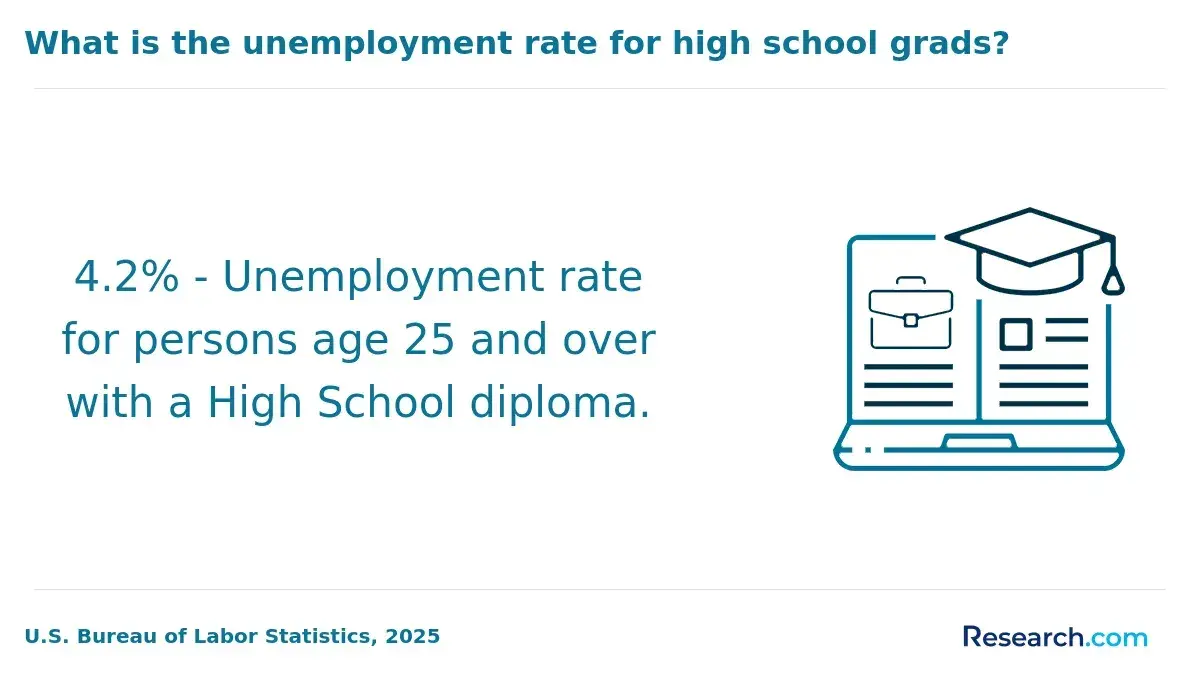
Certificate and associate degree options offer more accessible entry requirements, often accepting applicants with a high school diploma or equivalent. These programs focus on building foundational skills and can serve as pathways to advanced degrees.
The Bureau of Labor Statistics reports the median annual wage for computer and information technology occupations is $105,990, with growth projected to outpace average rates from 2024 to 2034. Prospective students should carefully consider program accreditation and alignment with career goals, as curriculum quality and practical training opportunities vary widely.
How much do payer informatics jobs pay?
Payer informatics roles offer competitive salaries that vary based on experience, education, and employer size, typically ranging from $80,000 to $130,000 annually. Entry-level analysts usually earn around $80,000, while senior positions such as informatics project managers or directors can exceed $120,000. Salaries tend to be higher in urban centers and regions with large payers due to increased demand.
Specialized skills in data analytics and coding languages like SQL or Python, along with experience using payer-specific systems, help candidates reach the upper end of the pay scale. Certifications such as the Certified Professional in Healthcare Information and Management Systems (CPHIMS) can further boost earning potential. Strong analytical thinking, project management, and communication skills are highly sought after, reflecting the interdisciplinary nature of the roles.
Employers face stiff competition for talent, exacerbated by slow hiring processes and growing use of technology in recruitment. This environment drives payers to offer better salaries and benefits to attract skilled professionals promptly. Prospective students should prioritize degrees that provide hands-on experience with clinical and claims data, programming, and payer workflows.
Focusing on agile project management and data governance will also increase marketability. Students and graduates can benefit from understanding how these competencies align with employer expectations and salary trends in payer informatics careers.
What certifications help in payer informatics careers?
Certifications play a vital role in advancing careers in payer informatics by verifying key skills required in the field. The Certified Professional in Healthcare Information and Management Systems (CPHIMS) credential indicates proficiency in healthcare IT, project management, and systems analysis. The Registered Health Information Administrator (RHIA) certification emphasizes data governance, healthcare compliance, and information management, essential for payer roles.
Specialized technical certifications further enhance expertise in areas like data analytics and clinical data integration. For example:
- Certified Health Data Analyst (CHDA) focuses on data-driven decision-making.
- Certified Professional in Health Informatics (CPHI) highlights clinical data integration and informatics systems important for managing claims and population health.
Those in IT infrastructure may pursue certifications such as Certified Information Systems Security Professional (CISSP) or Health IT-specific versions of Project Management Professional (PMP) to strengthen security and project delivery capabilities. These certifications address critical payer needs around data privacy and system efficiency.
The economic value is notable: jobs requiring digital skills offer a 23% wage premium, according to the Atlanta Fed. Prospective students should align certifications with career goals, choosing CHDA or CPHI for analytics, RHIA for management or compliance, and CISSP for IT security roles. Combining certifications with relevant degrees enhances employability and earning potential in payer informatics.
Other Things You Should Know About Health Informatics
Health informatics professionals often stay current by attending industry conferences, participating in webinars, and subscribing to relevant journals and newsletters. Continuous education, including certifications and workshops, is also common to keep pace with evolving technologies and regulations in the healthcare and payer sectors.
Payers often encounter challenges such as data integration from multiple sources, maintaining patient privacy, and ensuring compliance with healthcare regulations like HIPAA. Additionally, aligning informatics tools with existing workflows and managing the cost of implementation are frequent hurdles in payer organizations.
In 2027, a health informatics degree opens doors to diverse roles beyond payer organizations, including positions in hospitals, IT firms, research institutions, and public health agencies. Professionals can specialize in data analysis, clinical support systems, digital health innovation, and cybersecurity, significantly influencing healthcare delivery and management.
Soft skills such as communication, teamwork, and problem-solving are vital in payer roles, where professionals often coordinate between clinical staff, IT teams, and business units. Strong interpersonal skills help ensure successful project implementation and facilitate stakeholder collaboration.
References
- What is Health Informatics? https://blogs.opentext.com/health-informatics-4-ways-health-informatics-transforming-healthcare/
- BS Health Informatics | College of Professional Advancement https://professionaladvancement.mercer.edu/academic-programs/undergraduate/health-informatics/
- Course Descriptions https://osph.utsouthwestern.edu/degree-programs/health-informatics/course-descriptions.html
- Health Informatics - CAHIIM https://www.cahiim.org/accreditation/health-informatics/
- Master’s in Health Informatics https://nursinglicensemap.com/resources/healthcare-degree-programs/masters-in-health-informatics/
- Health Informatics Specialist Certifications: Best Credentials to Advance Your Career | Teal https://www.tealhq.com/career-paths/health-informatics-specialist-certifications
- What Health Informatics Jobs Are Available With The Government? - Healthcare Administration Degree Programs https://www.healthcare-administration-degree.net/faq/health-informatics-jobs-government/
- NHS England » Health informatics academic courses and professional qualifications https://www.england.nhs.uk/long-read/health-informatics-academic-courses-and-professional-qualifications/
- What Is Clinical Health Informatics - Proxify https://proxify.io/knowledge-base/enterprise/what-is-clinical-health-informatics
- Online Health Informatics Degree | Programs And Career Options https://www.learnhowtobecome.org/best-online-bachelors-in-health-informatics-degree-programs/