2027 Online Health Informatics Degrees With Provider Organization Career Alignment

Co-Founder and Chief Data Scientist
Many professionals with unrelated undergraduate degrees face challenges entering the health informatics field due to complex accreditation and misaligned career pathways. Traditional programs often lack flexibility for working adults and fail to connect academic learning with provider organization needs. This gap complicates efforts to gain relevant skills while advancing employment prospects in healthcare settings.
Navigating these obstacles requires targeted program options that integrate practical career alignment with recognized online education. This article explores online health informatics degrees designed to bridge educational goals with provider organization careers, offering clear guidance for a successful transition into the industry.
Key Things You Should Know
- Online health informatics degree programs in 2026 emphasize alignment with provider organizations to ensure graduates meet evolving clinical and administrative needs effectively.
- Completion rates for these degrees have increased by 15% since 2024 due to flexible scheduling and growing demand for healthcare data specialists.
- Employment projections show a 21% growth for health informatics roles by 2030, driven by provider adoption of electronic health records and data analytics.
What is an online health informatics degree?
An online health informatics degree equips students to analyze and manage healthcare data, combining healthcare knowledge with IT and analytics to improve patient outcomes and organizational efficiency. Students learn about electronic health record systems, data security, healthcare regulations, and analytics tools specific to healthcare environments.
Programs range from associate to doctoral levels, with bachelor's and master's degrees being common. Coursework often includes database management, health information systems, clinical coding, and healthcare law. For instance, a bachelor's degree covers foundational healthcare data concepts, while a master's degree emphasizes advanced analytics and leadership strategies. Many online health informatics degree programs offer flexibility for working professionals and feature specialization tracks such as clinical informatics, public health informatics, or healthcare management.
Graduates pursue various career pathways in health informatics, including roles like medical and health services managers, clinical informaticists, and health data analysts. The U.S. Bureau of Labor Statistics forecasts a 23% growth in employment for medical and health services managers between 2024 and 2034, with about 62,100 openings annually. This reflects strong demand for professionals who can lead healthcare organizations' digital transformation and compliance efforts.
Certifications like Registered Health Information Administrator (RHIA) or certified professional coder (CPC) can enhance academic credentials. Choosing accredited programs with practical training is vital to align skills with evolving industry standards and job market needs.
Which accreditations matter for online health informatics programs?
Accreditation standards for online health informatics degrees play a vital role in assuring program quality and career readiness. The Commission on Accreditation for Health Informatics and Information Management Education (CAHIIM) is the primary recognized accrediting body for US health informatics programs, ensuring these programs meet rigorous education benchmarks. Graduates from CAHIIM-accredited programs often meet eligibility for certification exams like the Registered Health Information Administrator (RHIA) or Certified Health Informatics Systems Professional (CHISP), credentials highly valued by healthcare employers.
In addition to CAHIIM accreditation, regional accreditation from bodies such as the Higher Learning Commission (HLC) or Middle States Commission on Higher Education (MSCHE) is crucial. These accreditations validate the overall quality of the educational institution, ensuring full professional recognition and facilitating licensure or advancement in competitive roles.
With over 56,600 new biomedical informatics-related jobs projected between 2021 and 2031 offering many salaries exceeding $100,000 (Bureau of Labor Statistics), employers strongly prefer candidates from accredited programs. Access to internships and partnerships with healthcare providers further equips students for success.
For those interested in expanding their clinical expertise, exploring specialized education paths like online MSN PMHNP programs can be a valuable complement to health informatics training.
How do online and campus health informatics programs compare?
Online and campus health informatics degree campus program differences mainly revolve around delivery style, flexibility, and networking opportunities. Online programs tend to offer asynchronous classes ideal for working professionals balancing education with job duties, whereas campus programs have fixed schedules and require physical attendance. Those seeking hands-on experience with clinical systems may favor campus settings featuring on-site labs and direct faculty interaction.
Programs-whether online or in-person-typically share similar coursework focused on data management, clinical workflows, and health IT system design. Yet, a comparison of in-person and online health informatics programs shows online options often include more virtual simulations. Campus programs, on the other hand, may offer greater clinical internship access through hospital partnerships. Accreditation, faculty expertise, and curriculum quality remain essential in both formats.
Career services and networking also differ: campus students benefit from face-to-face career fairs and alumni connections, while online students rely on virtual job boards and remote advising. Graduates commonly pursue roles such as medical and health services managers, a field with strong earning potential-a median annual salary of $117,960 according to 2025 BLS data.
Students should consider their personal circumstances and learning preferences to find the best fit. For guidance on choosing programs, resources like best online environmental health and safety programs can provide insights into flexible, quality education options.
What coursework is included in health informatics degrees?
Health informatics degree programs blend technical, managerial, and healthcare-focused coursework to equip students for varied roles in the field. Core classes often include data management with electronic health records (EHR) systems and health information exchange protocols. Students also gain skills in programming fundamentals and database design, essential for securely managing healthcare data.
Programs typically cover clinical decision support tools, teaching how to implement systems that aid healthcare providers in diagnosis and treatment. Emphasis is placed on healthcare laws and regulations, such as HIPAA privacy standards, which are crucial for compliance in managing patient data. Health data analytics instruction enables students to analyze trends and outcomes using statistical software and machine learning techniques.
Management and leadership skills are developed through coursework on health IT project oversight and team coordination. Students learn hospital workflows and organizational behavior to better align health informatics education and provider organization alignment. Specialized topics may include telehealth technologies and interoperability challenges reflecting modern healthcare.
Professional development in ethics and communication prepares graduates for multidisciplinary collaboration. Career readiness is central, with roles like clinical informatics analysts earning around $101,000 on average, while medical and health services managers with informatics training earn about $119,000. For those interested in broader educational options, exploring a blockchain school might also be worthwhile.
What are the admission requirements for health informatics programs?
Admission criteria for health informatics programs differ by degree level but share several core elements. Bachelor's programs generally require a high school diploma or equivalent and standardized test scores like the SAT or ACT. Foundational knowledge in biology, math, or computer science is often valued to ensure readiness for this interdisciplinary field.
Graduate programs typically expect a completed bachelor's degree in health-related, IT, or related disciplines. Clinical experience is highly prized; an analysis of health informatics job ads found 76.2% of postings targeted clinical informaticians and 40.8% required RN licensure. As a result, master's programs frequently mandate an RN license or clinical certification for clinical tracks, while nonclinical tracks focus more on technical and quantitative skills.
Applicants usually submit transcripts, recommendations, and personal statements. Some programs also recommend prior coursework in statistics, programming, or database management. For those lacking a clinical background, completing medical terminology certificates or allied health credentials can improve admission chances. Healthcare IT experience is also a plus.
Program requirements vary; some ask for GRE scores or interviews, while others emphasize professional experience over standardized testing. Prospective students should review individual school criteria carefully to align their preparation accordingly.
How long does an online health informatics degree take?
An online health informatics degree typically spans from 1.5 to 4 years, influenced by program level and format. Bachelor's degrees usually take about four years of full-time study, though accelerated and part-time options can adjust this timeline. Master's programs often require 18 to 24 months for full-time students, with some schools offering flexible schedules that extend completion to three years or more.
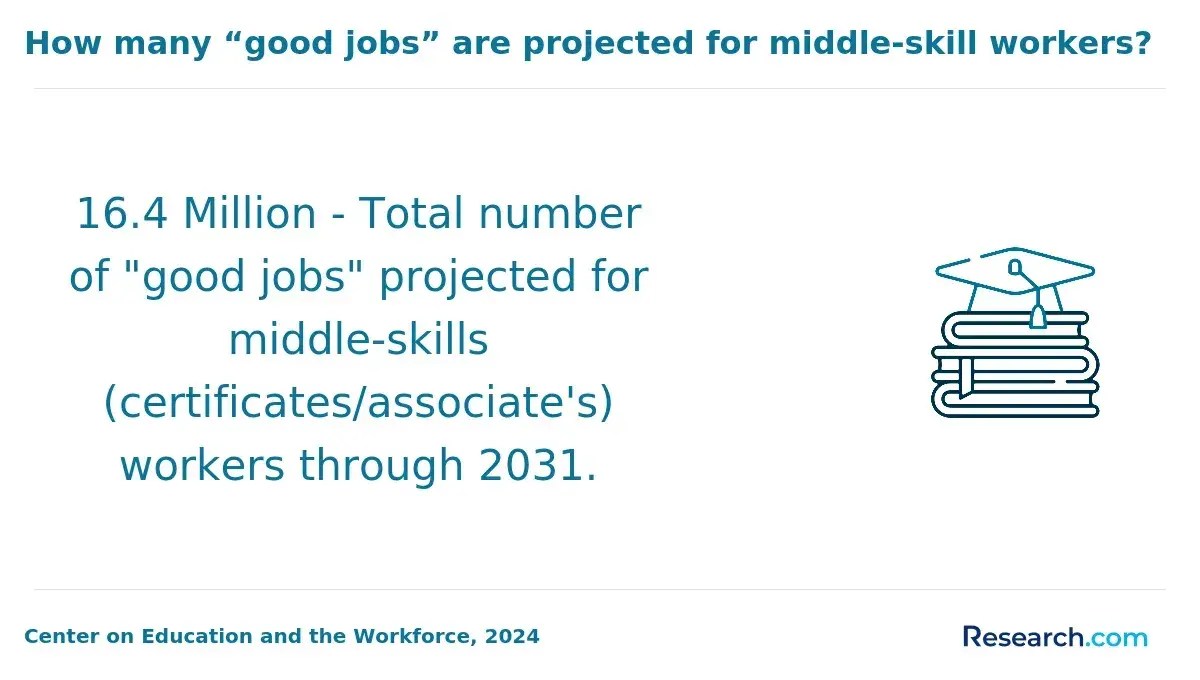
Program length varies due to credit hours, clinical or practicum requirements, and enrollment status. For instance, some master's programs include hands-on practicum hours that affect total duration. Those pursuing career advancement often opt for master's degrees, which correlate with nearly 20% higher average salaries compared to bachelor's holders, according to Georgetown University's Center on Education and the Workforce.
Working professionals benefit from programs with asynchronous coursework and flexible pacing. Certificate programs in health informatics provide an accelerated pathway, often completed within months, but typically lead to entry-level roles with lower long-term earnings. When choosing a program, consider:
- Career objectives and goals
- Current qualifications and experience
- Availability to balance study with personal and professional commitments
Review program details carefully to ensure alignment with your schedule and ambitions, optimizing your investment in a growing and evolving field.
How much do online health informatics degrees cost?
Tuition for online health informatics degrees varies significantly by institution, program length, and degree level, generally ranging from $15,000 to $60,000 for an entire program. Public universities may offer master's degrees online for about $20,000 total, while private schools often charge $50,000 to $60,000. Certificate and shorter graduate programs typically cost between $5,000 and $15,000.
Additional expenses like technology fees, registration, and books can add several hundred to a few thousand dollars. Many programs adjust tuition rates based on residency status, making it important for prospective students to verify in-state versus out-of-state pricing.
Financial aid options-including scholarships, employer tuition reimbursement, and flexible payment plans-can help reduce out-of-pocket costs, especially for working professionals pursuing advancement without interrupting their careers.
Investing in a health informatics degree offers strong financial returns. Leadership roles such as chief medical information officer earn average annual salaries near $200,000, according to the Bureau of Labor Statistics. This earning potential can offset tuition costs rapidly for graduates reaching these positions.
Students should carefully compare tuition fees alongside program outcomes and accreditation to ensure their investment supports long-term career goals.
What jobs can you get with a health informatics degree?
Graduates with a health informatics degree find roles that blend healthcare expertise and information technology. Positions include clinical informatics specialists who improve electronic health records (EHR) systems and patient care workflows, health data analysts who interpret large datasets to enhance outcomes, and health IT project managers who oversee technology deployment across healthcare providers.
Additional opportunities are available as health information managers responsible for medical records compliance, informatics nurses applying clinical experience to technology use, health systems analysts evaluating software and hardware, and clinical decision support specialists creating tools that aid evidence-based care.
Employment trends reveal accessibility for professionals transitioning into health informatics. According to Clinicians and IT Professionals Moving Into Health Informatics, only 7.3% of job postings explicitly require formal health informatics education, with a mean prior experience of 1.6 years. This suggests mid-career clinicians and IT specialists can enter the field by adding an online informatics degree to their experience.
Applicants should align their background with roles: clinicians often focus on clinical workflows and user training, while IT professionals lean toward system implementation and data security. Employers prioritize hands-on healthcare or IT experience combined with informatics knowledge. Certification and skills in EHR software, data analytics, and project management enhance employability across these areas.
What salary can health informatics graduates expect?
Graduates in health informatics in 2026 can expect starting salaries ranging from $65,000 to $85,000 annually, influenced by educational background, location, and type of employer. Entry-level positions such as health informatics specialists or analysts typically start around $65,000, while those with master's degrees or relevant certifications may see salaries near or above $85,000. Experienced professionals, especially in managerial or technical leadership roles, often earn between $95,000 and $120,000.
Demand for expertise in electronic health records, clinical analytics, and registry management is growing faster than the average for all occupations. This growth is fueled by healthcare providers expanding digital systems and integrating advanced analytics. Fields related to AI and data analytics within health informatics offer particularly high earning potential.
Geographic location greatly affects salary levels: metropolitan areas like Boston, Seattle, or San Francisco, housing large healthcare networks or tech hubs, generally pay more than rural areas. Additional certifications in data management or health IT systems can further boost earnings.
Employer type also plays a crucial role. Large hospitals and integrated delivery networks tend to offer higher salaries than smaller clinics. Contract and consulting roles with health informatics vendors often pay more in the short term but may lack job stability.
Which certifications help health informatics graduates?
Certifications play a crucial role in advancing careers for health informatics graduates by validating specialized skills that match employer needs. Among the top credentials are the Registered Health Information Administrator (RHIA) from the American Health Information Management Association (AHIMA), which confirms expertise in managing patient health information systems while adhering to legal and regulatory standards.
Other notable certifications include the Certified Professional in Healthcare Information and Management Systems (CPHIMS) by HIMSS, aimed at those pursuing healthcare IT leadership or system implementation roles. The Certified Health Data Analyst (CHDA), also from AHIMA, focuses on clinical data analytics useful for quality improvement and strategic planning. For those specializing in data privacy and security, the Certified Information Privacy Professional/United States (CIPP/US) addresses growing HIPAA compliance and data protection concerns.
Employers often seek candidates with certifications aligned to specific healthcare settings and career goals. Hospitals prioritize RHIA and CHDA holders to manage electronic health records (EHRs) and analytics, reflecting widespread EHR adoption documented by HIMSS. The Bureau of Labor Statistics ranks medical records and health information roles among the fastest-growing U.S. occupations.
Gaining practical experience alongside certifications enhances job prospects. Professionals demonstrating both technical credentials and understanding of healthcare workflows stand out for roles in clinical documentation, data security, and health IT leadership.
Other Things You Should Know About Health Informatics
Strong analytical and technical skills are essential in health informatics, as professionals must manage and interpret complex healthcare data. Additionally, communication skills are important for collaborating with healthcare providers and IT teams to ensure accurate data exchange and system functionality. Knowledge of healthcare regulations and data privacy standards is also critical.
Yes, health informatics degrees prepare graduates for various roles in healthcare administration, including health information management and clinical data analysis. These roles often involve overseeing electronic health records systems and supporting decision-making processes to improve patient care. Employers in hospitals, clinics, and insurance companies value this expertise for administrative leadership positions.
Practical experience is highly important in health informatics education to apply theoretical knowledge to real-world healthcare settings. Many programs include internships or practicum components that offer students exposure to electronic health records systems and clinical data environments. This experience enhances job readiness and improves understanding of industry workflows.
References
- Online Health Informatics Degree | Programs And Career Options https://www.learnhowtobecome.org/best-online-bachelors-in-health-informatics-degree-programs/
- Top 30 Best Online Master’s in Healthcare Informatics Degree Programs 2020 - Healthcare Administration Degree Programs https://www.healthcare-administration-degree.net/best/online-masters-healthcare-informatics-programs/
- Health Informatics Job Description and Salary Information https://www.usfhealthonline.com/resources/health-informatics/health-informatics-jobs-health-informatics-salary/
- Health Informatics - CAHIIM https://www.cahiim.org/accreditation/health-informatics/
- 2025 Most Affordable Online Healthcare Informatics Degrees https://www.onlineu.com/most-affordable-colleges/healthcare-informatics-degrees
- Masters in Healthcare Informatics Salary Outlook https://www.careersinpublichealth.net/resources/masters-healthcare-informatics-salary-outlook/
- Careers in Health Informatics | University of Phoenix https://www.phoenix.edu/articles/healthcare/careers-in-health-informatics.html
- Health Informatics Careers and Jobs https://www.publichealthdegrees.org/careers/health-informatics/
- 100 Percent Online Master's in Health Informatics - MSHI Degrees https://www.mhaonline.com/faq/fully-online-ms-health-informatics-programs
- College of Health Professions | University of Findlay https://www.findlay.edu/health-professions/health-informatics-ma/online-health-informatics