2027 Best Online Bachelor's in Health Informatics for Clinical Systems Roles

Co-Founder and Chief Data Scientist
Many professionals with unrelated undergraduate degrees face challenges entering the growing clinical systems field due to a lack of specialized knowledge in health informatics. This gap hinders their ability to support healthcare technology, analyze data, and improve patient outcomes effectively. Acquiring targeted skills through a flexible online bachelor's program offers a practical solution for those balancing work and education.
This article explores the best online bachelor's degrees in health informatics designed for clinical systems roles, providing an informed overview to help career changers select accredited, adaptable programs that align with their professional goals.
Key Things You Should Know
- The demand for professionals with a bachelor's in health informatics for clinical systems roles is projected to grow by 15% through 2030, driven by healthcare digitalization and EHR adoption.
- Top online programs prioritize clinical data management, cybersecurity, and regulatory compliance, ensuring graduates meet evolving healthcare technology requirements.
- Graduates earn median salaries between $70,000 and $90,000 annually, with opportunities to advance into specialized informatics or leadership positions within clinical environments.
What is an online bachelor's in health informatics for clinical systems roles?
An online bachelor's degree in health informatics for clinical systems prepares students to manage, analyze, and enhance health data in clinical settings. The program integrates IT with healthcare operations to improve patient care, data accuracy, and compliance with regulations like HIPAA.
Students gain proficiency in electronic health records (EHRs), clinical decision support tools, and health information management systems, supporting healthcare organizations in meeting both clinical and administrative demands efficiently.
Core coursework typically includes subjects such as medical coding, healthcare databases, data analytics, and information security, creating a foundation to streamline clinical workflows and enhance decision-making. Graduates often implement systems that notify clinicians about medication risks or aid in risk reporting.
The best online health informatics programs for clinical roles focus on skills for positions such as clinical informatics specialist, health IT analyst, and compliance coordinator, which require translating clinical needs to technical solutions while ensuring data privacy. The online format also offers working professionals career advancement without interrupting their jobs.
According to a 2023 American Health Information Management Association survey, 83% of health information professionals reported unfilled job vacancies in areas like data analytics and risk management. This trend underscores the growing need for graduates who bridge clinical expertise with informatics technology. Prospective students can explore affordability and options by reviewing a health information management online degree that fits their goals.
How does an online health informatics bachelor's prepare you for clinical systems jobs?
An online bachelor's in health informatics for clinical systems roles prepares students with both healthcare knowledge and IT skills essential for managing clinical software and data. Graduates develop expertise in electronic health records (EHRs), medical coding, clinical data analysis, and healthcare software integration, equipping them for careers such as clinical systems analyst, health information manager, and medical data coordinator.
Health informatics degree programs for clinical systems careers emphasize hands-on training using industry-standard health IT systems and compliance with regulations like HIPAA. Students learn to troubleshoot software issues, assist clinical staff with data retrieval, and ensure data accuracy, directly addressing real-world challenges healthcare organizations face when implementing or upgrading clinical systems.
Core courses cover database management, system design, healthcare data analytics, and interoperability standards, enabling graduates to bridge clinical workflows and IT requirements effectively. This dual expertise is critical for customizing and maintaining clinical systems that support improved patient care.
The U.S. Bureau of Labor Statistics projects 28% growth in medical and health services manager roles from 2022 to 2032, highlighting rising demand for professionals skilled in digital health tools management. Online programs allow working professionals to advance their careers without disrupting existing jobs.
For those interested in earning potential, the medical coder salary offers valuable insight into one related clinical informatics role's compensation trends.
What admission requirements do online health informatics bachelor's programs typically have?
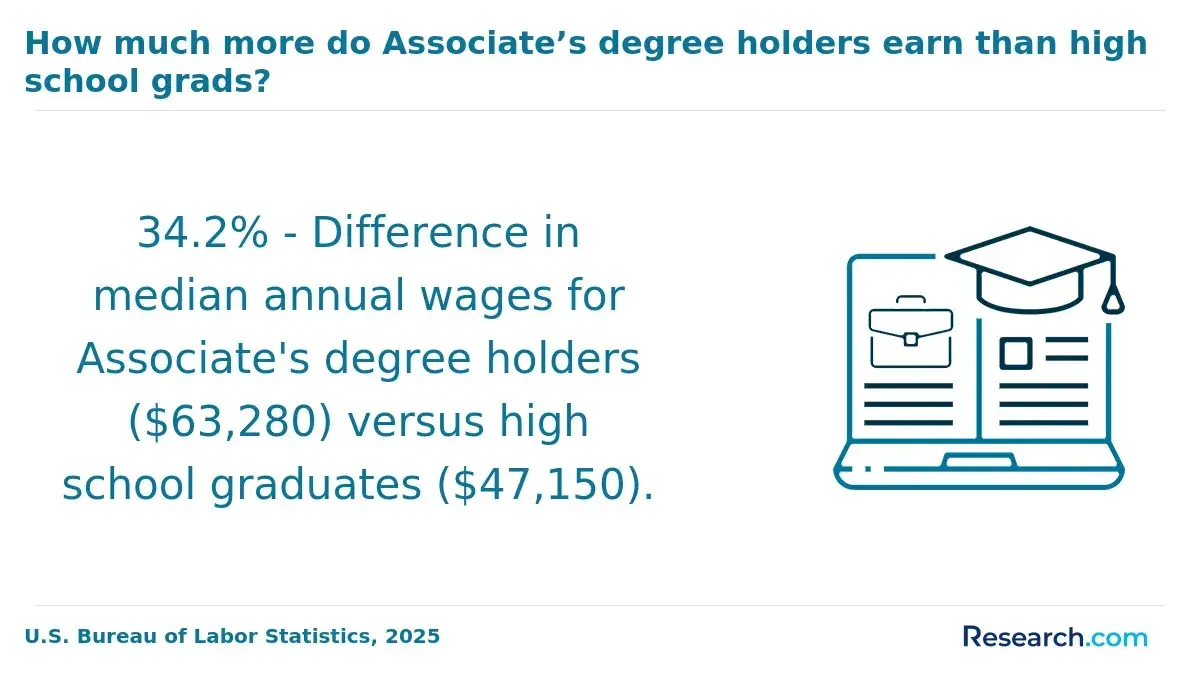
Online health informatics bachelor degree admission criteria often include a high school diploma or equivalent, with many programs requiring a minimum GPA between 2.5 and 3.0. Standardized test scores like the SAT or ACT may be optional or waived due to test-optional policies becoming more common. Applicants typically must submit official transcripts and may need prerequisite courses in biology, mathematics, or computer science to qualify.
Typical entry requirements for health informatics bachelor programs also consider transfer credits from previous college coursework, usually with a minimum grade of C. For working professionals or those with healthcare backgrounds, letters of recommendation, personal statements, or resumes detailing relevant experience are commonly required to assess motivation for the clinical systems focus.
International students generally need to submit TOEFL or IELTS scores to prove English proficiency. Interviews may be conducted to evaluate communication skills and fit, especially for programs emphasizing collaboration within clinical informatics roles.
Graduates often seek positions such as medical and health services managers, with a median annual salary of $117,960 according to the U.S. Bureau of Labor Statistics. Thus, admission standards stress strong analytical and technical skills in both healthcare and information technology early in the process to prepare candidates for these demanding roles.
For those interested in related accelerated healthcare careers, see how to become a certified medical assistant in a short timeframe.
How do online health informatics programs compare with on-campus options for clinical systems?
Online health informatics degrees offer flexible and accessible options that differ distinctly from traditional on-campus programs for clinical systems. While both formats maintain the same core curriculum and accreditation standards, the primary differences appear in delivery methods and networking opportunities.
On-campus programs promote face-to-face collaboration and immediate feedback with faculty and peers, whereas online education depends on virtual communication, which demands strong self-discipline but suits varied schedules.
The differences between online and traditional health informatics education for clinical roles also extend to practicum requirements, as both often include internships to provide essential hands-on experience in clinical environments. Cost is another significant factor; online programs typically incur lower tuition and eliminate expenses related to commuting and housing.
Financial outcomes reinforce this choice, with graduates in tech-focused fields like management information systems earning substantial median salaries and return on investment as highlighted by U.S. News. For example, a bachelor's graduate from the University of Wisconsin-La Crosse can expect increasing earnings over time.
Accordingly, prospective students must weigh priorities such as flexibility, networking, and cost-efficiency when selecting a program. Those interested in career shifts or salary potential may also explore options such as a speech pathologist salary for comparison within allied health fields.
Assessing how online health informatics degrees compare to on-campus programs for clinical systems ultimately depends on individual circumstances and career goals.
Which accreditation and institutional quality standards matter for health informatics bachelor's programs?
Accreditation plays a vital role in assessing bachelor's programs focused on health informatics, especially those geared toward clinical systems roles. The primary accrediting body is the Commission on Accreditation for Health Informatics and Information Management Education (CAHIIM). This ensures programs meet rigorous standards, including relevant curriculum, faculty expertise, and clinical practice opportunities essential for workforce readiness.
Employers in healthcare strongly prefer graduates from CAHIIM-accredited programs because this credential signals alignment with industry demands.
Regional accreditation of the institution, such as from the Higher Learning Commission (HLC) or Middle States Commission on Higher Education (MSCHE), is also crucial. It guarantees overall academic quality, institutional stability, and eligibility for federal financial aid. Lack of regional accreditation can limit recognition of degrees by employers and graduate schools.
High-quality programs often include real-world clinical system tools, health data standards, and interoperability frameworks. Internships or partnerships with healthcare providers add valuable practical experience. With job growth in health information and informatics projected at 28% between 2022 and 2032 by the Bureau of Labor Statistics, enrolling in accredited programs supports career success.
Prospective students should verify both CAHIIM accreditation status and regional accreditation to avoid risks of substandard education, certification difficulties, and reduced job prospects.
What core courses and concentrations are common in clinical systems-focused health informatics degrees?
Clinical systems-focused health informatics programs center on the integration of healthcare technology with patient care processes. Core courses often include Health Data Management, Clinical Decision Support Systems, and Electronic Health Records (EHR) Systems. These classes cover how to collect, store, and analyze clinical data to enhance healthcare delivery and maintain regulatory compliance.
Additionally, students learn programming and systems analysis specific to healthcare, including database design and interoperability standards such as HL7 and FHIR.
Specialized concentrations help tailor expertise to areas like:
- Clinical Analytics, emphasizing statistical and predictive methods to improve patient outcomes.
- Healthcare Cybersecurity, focusing on data protection and HIPAA compliance.
- Population Health Informatics, merging clinical and public health data to guide community interventions.
- Clinical Workflow Optimization, aimed at redesigning processes to improve care delivery efficiency.
Practical experience often includes simulations or internships with healthcare providers, equipping graduates to configure clinical information systems and address challenges in real-world settings. Coursework typically covers healthcare policy and ethics, essential for navigating legal and moral aspects of clinical data use.
Cost plays a significant role in accessibility. Many online healthcare informatics programs offer annual tuition starting as low as about $4,000, making education in this field more affordable. Students should carefully weigh course content and cost to enhance their expertise while ensuring a good return on investment in their health informatics career.
How long do online health informatics bachelor's programs take and what do they cost?
Online bachelor's programs in health informatics typically require three to four years for full-time students, with accelerated options and generous transfer credits reducing completion to about two and a half years. Part-time paths offer flexibility for working professionals but extend the timeline. Duration depends on course load, transfer credits, and experiential learning like internships.
Costs vary by institution and residency. Public in-state universities generally charge $10,000 to $20,000 annually, while private schools may exceed $30,000 per year, resulting in total degree costs from $30,000 to over $100,000. Some programs offer flat-rate tuition per term, which benefits heavier course loads. Additional fees for technology, books, and clinical placements can increase expenses.
Labor market demand favors graduates with skills in clinical data, EHR, and analytics, highlighted by the American Health Information Management Association's October 2023 workforce report identifying gaps in health data analytics and risk/compliance. Choosing programs with strong clinical integration and certification preparation, such as RHIA or CAHIIM-accredited curricula, can improve employability despite higher costs.
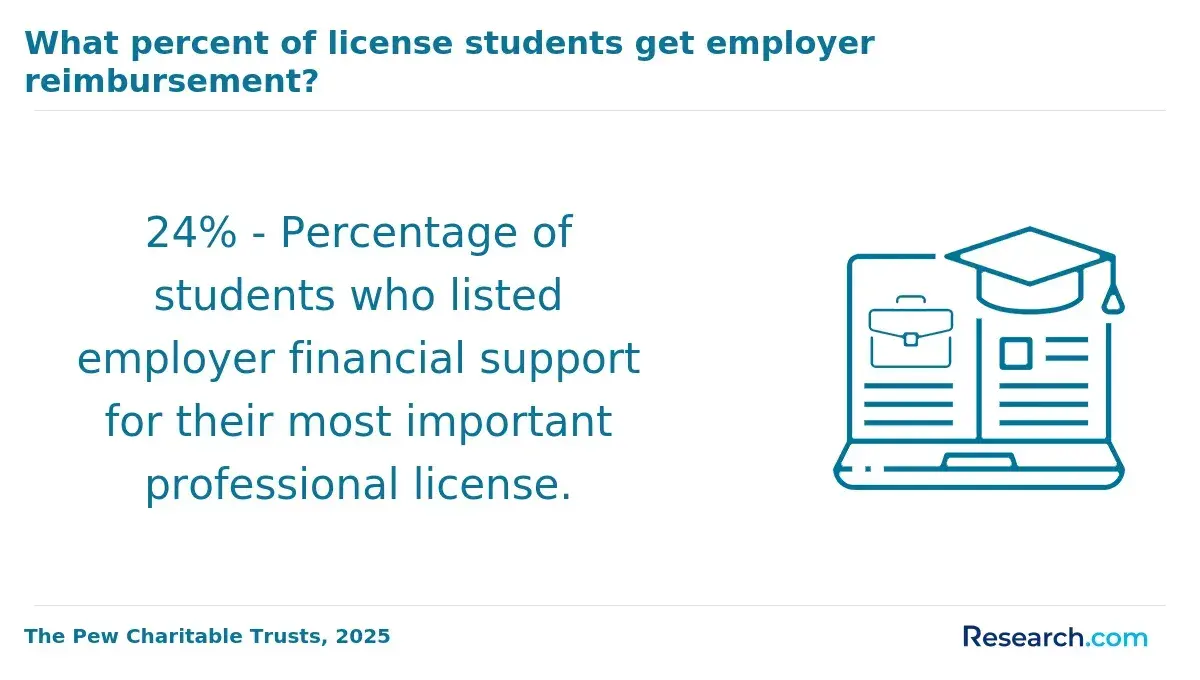
Financial aid, scholarships, and employer tuition assistance reduce net costs. Prospective students should compare program length, tuition, and career outcomes to select the best fit for their goals. They can research top health informatics programs in detail.
What clinical systems roles can you pursue with a bachelor's in health informatics?
A bachelor's degree in health informatics equips graduates for diverse roles managing healthcare data and technology to enhance patient care and operational efficiency. Key positions include clinical informatics specialists who create and optimize electronic health records (EHR) systems to support clinical workflows and regulatory compliance.
Health informatics analysts evaluate healthcare data to identify trends, improve clinical decision-making, and promote evidence-based practices. Clinical systems managers handle the deployment and upkeep of health information systems, ensuring alignment with clinical and legal standards, often leading interdisciplinary teams bridging IT and healthcare.
Data analysts and data scientists play increasingly vital roles by analyzing large clinical datasets to generate actionable insights, predict health trends, and advance population health management. According to the U.S. Bureau of Labor Statistics, employment for data scientists is projected to grow 35% between 2022 and 2032, demonstrating the strong demand for these skills in healthcare.
Other career paths include health IT consultants advising on system integration and workflow efficiency, and compliance officers ensuring privacy and security standards. Experience with programming, database management, and healthcare regulations significantly enhances job prospects.
Graduates find opportunities in hospitals, government agencies, healthcare technology firms, and insurance companies. Important skills span user needs assessment, system interoperability, and data governance, providing pathways in technical development, project management, and strategic planning within healthcare.
What salary ranges and job outlook can graduates expect in clinical health informatics?
Graduates in clinical health informatics can expect salaries that vary by experience, location, and role. Entry-level positions typically range from $60,000 to $75,000 annually, focusing on managing electronic health records and supporting clinical workflows.
Mid-level roles often offer between $80,000 and $100,000, involving project leadership and data system optimization. Senior positions, including management or specialized analyst roles, can exceed $110,000, especially in large hospital systems or urban healthcare centers.
The job outlook for health information technologists and medical registrars is strong, with employment projected to grow 16% from 2022 to 2032 according to the Bureau of Labor Statistics. This growth surpasses the average for all occupations and reflects the expanding adoption of electronic health records and complex health information systems. Employers demand skilled professionals to manage clinical data accuracy, compliance, and technology integration.
Specializations such as clinical data analysis, system implementation, and informatics project management can enhance career opportunities and compensation. Certification in health informatics or related IT fields often provides a salary advantage. Geographic location also influences pay, with metropolitan areas typically offering higher wages due to increased demand and living costs.
Overall, clinical health informatics graduates benefit from strong job security and income potential as healthcare continues investing in digital systems to improve patient care and operations.
How can prospective students choose the best online health informatics program for clinical systems?
Accreditation plays a critical role when selecting an online health informatics program for clinical systems careers. Look for regional accreditation and recognition from organizations like the Commission on Accreditation for Health Informatics and Information Management Education (CAHIIM). These endorsements confirm the program's alignment with industry standards and employer expectations.
Curriculum relevance is essential. Courses should cover current clinical systems technology, electronic health records (EHR), data security, and healthcare regulations such as HIPAA. Flexible program formats, especially asynchronous options, help working professionals balance job duties and study commitments. Access to practical tools, like clinical informatics software, enhances real-world readiness.
Career services that include internships, mentorship, and networking opportunities greatly improve job placement odds. Employment outlooks support focusing on advancement: computer and information systems managers often earn around $173,670 annually, with 15% projected job growth by 2032, according to U.S. News. This underscores the benefit of programs preparing graduates for leadership and management roles.
Evaluate total costs, including tuition, fees, and technology needs, against available financial aid. Prospective students can find detailed program information and guidance on making an informed choice in this evolving field.
Other Things You Should Know About Health Informatics
Certifications such as Certified Health Informatics Systems Professional (CHISP), Registered Health Information Administrator (RHIA), and Certified Professional in Healthcare Information and Management Systems (CPHIMS) are valuable for graduates. They validate specialized knowledge and can improve job prospects in clinical systems roles.
Many online health informatics programs include or strongly recommend internships or practicum experiences to provide hands-on exposure to clinical information systems. These opportunities help students apply theoretical knowledge in real healthcare environments and enhance professional networking.
In 2027, top online bachelor's programs for health informatics, particularly for clinical systems roles, include institutions like the University of Cincinnati, Southern New Hampshire University, and Western Governors University, known for their comprehensive curricula focusing on technology, data management, and healthcare integration.
Technologies like artificial intelligence, big data analytics, and blockchain are increasingly integrated into health informatics. Staying current with these innovations is essential for professionals managing clinical systems to improve healthcare delivery and data management.
References
- Online Health Informatics Degree | Programs And Career Options https://www.learnhowtobecome.org/best-online-bachelors-in-health-informatics-degree-programs/
- Healthcare Informatics Research https://www.e-hir.org/journal/Table.php
- Online Health Informatics Degrees: In-Depth Program Info https://www.edumed.org/online-schools/health-informatics-degrees/
- Health Informatics Job Description and Salary Information https://www.usfhealthonline.com/resources/health-informatics/health-informatics-jobs-health-informatics-salary/
- How Long Does It Take to Obtain a Degree in Health Informatics? https://www.healthinformaticsdegrees.org/faq/how-long-does-it-take-to-obtain-a-degree-in-health-informatics/
- Top 30 Best Online Master’s in Healthcare Informatics Degree Programs 2020 - Healthcare Administration Degree Programs https://www.healthcare-administration-degree.net/best/online-masters-healthcare-informatics-programs/
- Health Informatics Careers and Jobs https://www.publichealthdegrees.org/careers/health-informatics/
- Today's Top Online Master’s Degrees in Health Informatics https://www.onlinemastersdegrees.org/best-programs/health-informatics/
- Health Informatics - CAHIIM https://www.cahiim.org/accreditation/health-informatics/
- 11 Health Informatics Careers for Master’s Graduates to Consider https://www.nec.edu/news/health-informatics-careers