2027 Online Health Informatics Degrees With Care Delivery Data Career Alignment

Co-Founder and Chief Data Scientist
Many professionals with degrees in unrelated fields face challenges when seeking to enter careers involving care delivery data. The complexity of health systems and the demand for specialized knowledge in managing patient information often create barriers to transition. Without targeted education, navigating data-driven healthcare roles becomes difficult, limiting career advancement opportunities.
Online health informatics degrees offer a flexible solution, enabling learners to develop relevant skills while balancing other commitments. This article examines current online programs aligned with care delivery data careers, providing insights to help prospective students make informed choices and successfully pivot into this growing industry.
Key Things You Should Know
- Online health informatics degrees in 2026 emphasize integrating care delivery data with analytics to improve patient outcomes and system efficiency, reflecting a 25% growth in healthcare data roles since 2024.
- Programs focus on skills in electronic health records, data governance, and predictive modeling, aligning with employer demand for professionals fluent in healthcare data standards and interoperability.
- Job projections show a 19% increase in health informatics specialists through 2030, highlighting strong career alignment for graduates skilled in both informatics and direct care data management.
What is an online health informatics degree and how does it support care delivery data careers?
An online health informatics degree programs for care delivery data equip students with the expertise to manage healthcare data, technology systems, and analytics vital to modern care. This education blends healthcare knowledge with information technology, enabling graduates to optimize electronic health records, clinical decision support, and population health databases. Such skills prepare students for careers centered on improving patient outcomes.
Career paths in health informatics with care delivery data specialization include roles like clinical informaticist, health IT specialist, and medical and health services manager. Graduates develop competencies in data analysis, health information management, database design, and interoperability standards. For example, applying secure data exchange protocols improves coordination among providers, boosting patient safety while lowering costs.
The curriculum typically covers healthcare laws such as HIPAA, data governance, and project management, supported by real-world internships or capstone projects addressing health data challenges. Specialized tracks like nursing informatics or public health informatics tailor education to particular healthcare environments. To explore recognized options, consider an accredited online health information management degree CAHIIM.
Employment growth for medical and health services managers is projected at 23% from 2024 to 2034, with about 62,100 openings yearly, reflecting healthcare's expanding reliance on data analytics within care delivery management. This strong demand emphasizes the importance of expertise in integrating technology with healthcare operations.
How do online health informatics degrees compare with campus programs for working adults?
Online health informatics degree flexibility for working adults offers a practical solution for balancing career demands and education. Asynchronous course formats allow access to materials anytime, which suits healthcare professionals with variable schedules. This flexibility stands in contrast to campus programs, which often have fixed class times but provide in-person networking and hands-on experience.
Many online programs now include virtual simulations and remote practicums, helping to bridge the gap with campus offerings. Such innovations are particularly beneficial for working adults seeking applied learning without relocating or taking extended leave.
Employers increasingly treat accredited online degrees as equivalent to traditional ones, a key factor in campus vs online health informatics programs for career advancement. For example, medical and health services management professionals with advanced data leadership skills earn a median annual wage of $117,960, according to a USF Health Online analysis of BLS data.
When selecting a program, consider:
- Accreditation and curriculum alignment with industry standards
- Support services tailored for adult learners, such as career counseling and technical assistance
- Internships and applied learning options that fit work commitments
- Cost differences, including savings on commuting or relocation
Prospective students might also explore medical billing and coding classes as complementary or alternative paths within healthcare education. Overall, online health informatics degree programs offer career-aligned education that meets the needs of working adults more effectively than many traditional campus options.
What types of online health informatics degrees are available and who are they best for?
Online health informatics degree programs for career advancement include bachelor's, master's, and doctoral levels designed for various professional stages. A bachelor's degree offers foundational knowledge in healthcare data systems and is ideal for recent graduates or those entering roles such as clinical data coordinators or health information technicians.
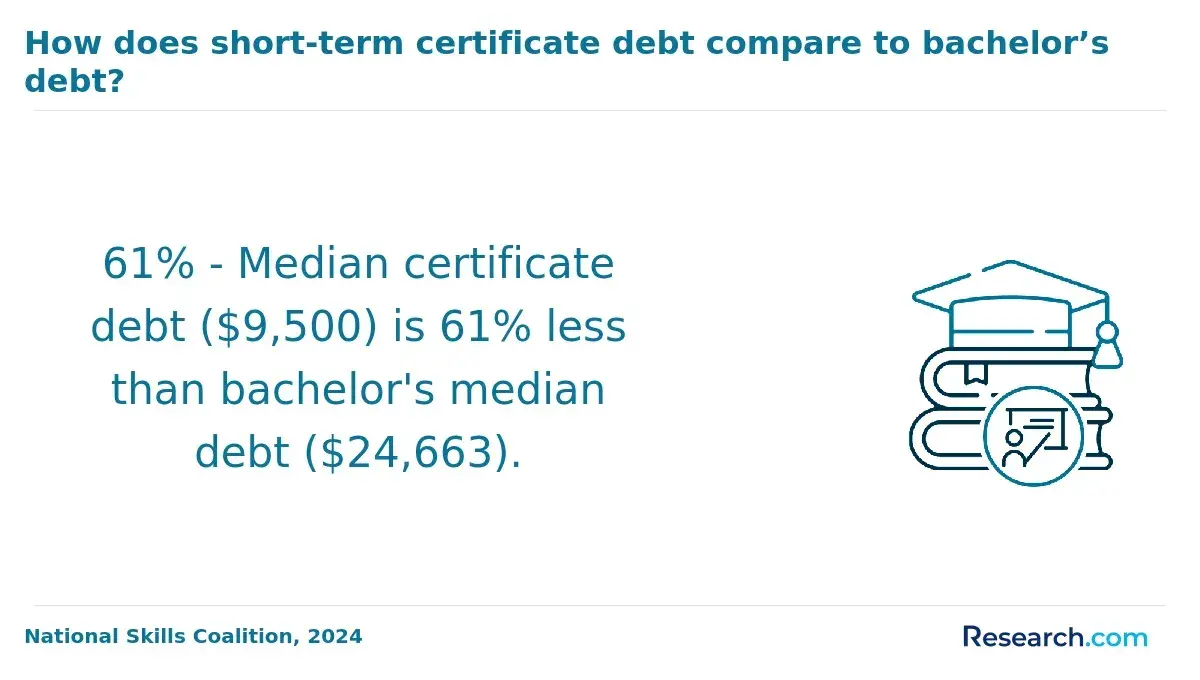
Master's degrees, sought by healthcare professionals and IT specialists, focus on advanced data analytics, health systems management, and clinical decision support. This level aligns with career goals like informatics nursing or health informatics analyst roles. According to Kent State University's career outlook, master's degree holders earn about 20% more than those with a bachelor's, underscoring the economic benefits of graduate education.
This makes master's among the best online health informatics degrees for healthcare professionals. Doctoral programs prepare candidates for research, academic, or high-level policy positions, emphasizing complex data modeling and health informatics innovation. They suit those aiming to influence health policy or develop new care models. Specialized online certificate programs also help working professionals upskill quickly.
Choosing the right program depends on your experience and specific career ambitions within care delivery systems. For accelerated options in related fields, explore medical assistant programs accelerated to complement your informatics expertise.
What accreditation and industry standards should online health informatics programs meet?
Online health informatics programs in the US must comply with strict accreditation standards for online health informatics programs in the US to ensure they deliver quality education and career-relevant skills. The key accreditation comes from the Commission on Accreditation for Health Informatics and Information Management Education (CAHIIM), which certifies that programs meet requirements necessary for professional certification, such as the Registered Health Information Administrator (RHIA) or Registered Health Informatics Professional (RHIP).
Regionally accredited institutions offering these degrees further enhance credibility and acceptance by employers and licensing boards. Industry certifications and compliance for health informatics degrees with guidelines from the American Medical Informatics Association (AMIA) and alignment with the ONC workforce initiatives also boost program strength and relevance.
Employers increasingly seek graduates proficient in real-world care delivery data standards like Health Level Seven (HL7), Fast Healthcare Interoperability Resources (FHIR), and electronic health record (EHR) integration. Programs that incorporate practical training on these standards provide graduates with a competitive edge.
Additionally, students are prepared for national certification exams from organizations such as the American Health Information Management Association (AHIMA), supporting career advancement. For those exploring educational pathways, an option like the MA to LPN bridge program online may complement health informatics education by expanding clinical competencies.
U.S. News & World Report's rankings highlight that online health informatics graduate degrees are now viewed as critical for career differentiation and progression in this expanding field.
What core courses and technical skills do online health informatics students typically learn?
Students pursuing online health informatics typically engage in core courses that develop expertise in healthcare data management, clinical workflows, and IT systems. Foundational subjects often include health data standards, interoperability, electronic health record (EHR) design, and clinical decision support systems. These areas emphasize collecting, analyzing, and applying patient care data to enhance healthcare outcomes.
Technical training focuses on database management, health information exchange protocols, and programming languages like SQL and Python for data analytics. Practical experience often covers health IT project management and system implementation, preparing students to handle both technical and organizational challenges in healthcare environments.
With 76.2% of health informatics roles concentrating on clinical informatics and 40.8% requiring RN licensure, programs blend clinical knowledge with informatics technology. Courses may include clinical terminology, pathophysiology, and patient care processes to ensure IT solutions align with real-world clinical needs.
Additional topics frequently covered are data privacy, HIPAA compliance, quality improvement methods, and healthcare analytics. Electives might explore emerging areas such as telehealth and population health management.
For professionals transitioning from clinical roles, skills in workflow analysis and change management are vital to integrating informatics innovations into care delivery. The curriculum's combination of data science, healthcare systems knowledge, and clinical context equips graduates for evolving industry demands, as reflected in JAMIA analyses.
What are the admission requirements and prerequisites for online health informatics programs?
Admission criteria for online health informatics programs typically require foundational qualifications to ensure student readiness. For bachelor's degrees, applicants must hold a high school diploma or GED, often accompanied by college prep courses in biology, math, and computer science. Some programs may request SAT or ACT scores, though many have adopted test-optional policies.
At the graduate level, candidates generally need a bachelor's degree in health sciences, computer science, IT, or related fields. Minimum GPAs near 3.0 are common, along with prerequisite coursework in statistics, healthcare systems, and programming. Relevant professional experience and materials such as recommendation letters, personal statements, or interviews also support admission decisions.
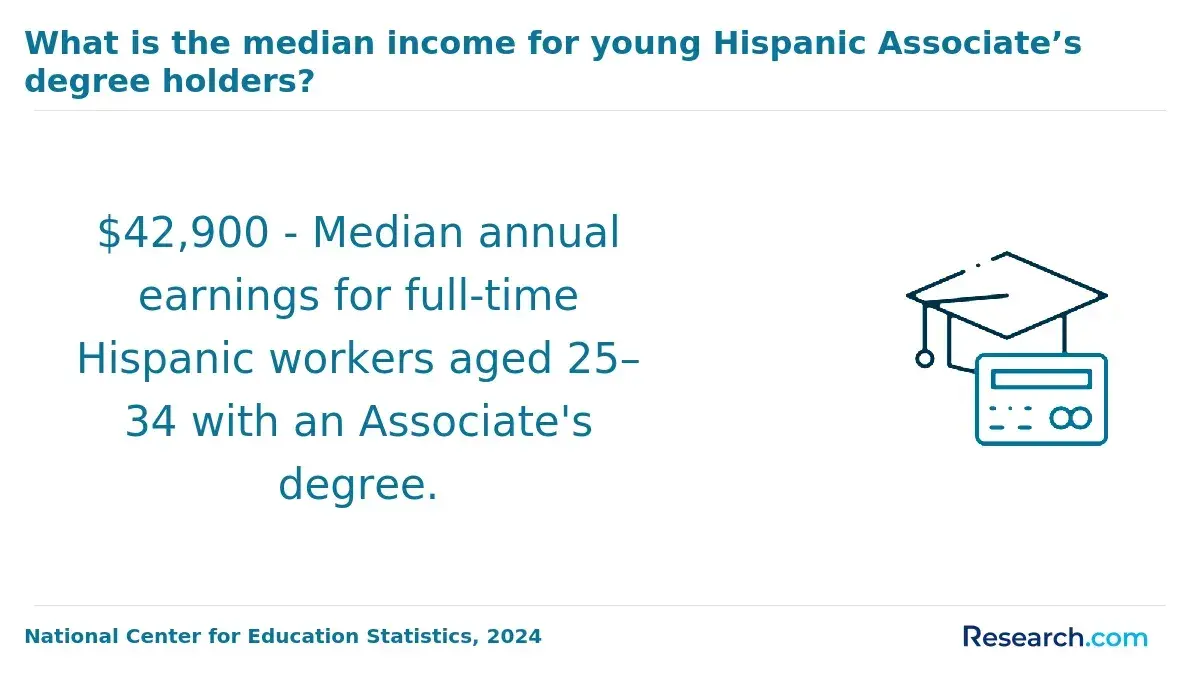
Certifications like the Registered Health Information Administrator (RHIA) can improve eligibility and demonstrate expertise. According to Texas State University's 2024 overview, those with advanced degrees or RHIA certification often achieve higher salaries, rising from a median of $67,310 annually to leadership roles in analytics and health informatics management.
Applicants should confirm whether programs offer foundational or bridge courses for individuals without a healthcare background. Basic technical skills, reliable computer hardware, and internet access are essential for successful participation in online environments.
How long do online health informatics degrees take and what do they cost to complete?
Online health informatics degrees generally take between 1.5 and 4 years to complete, depending on the program type and enrollment status. Master's degrees, which are common for leadership roles, typically require about 2 years of full-time study. Accelerated programs may finish in as little as 18 months, while part-time options can extend to 3 years. Bachelor's degrees usually take around 4 years but may vary with transfer credits and course load adjustments.
Tuition costs vary significantly by institution and student residency. Public universities often charge $300 to $700 per credit hour for in-state students, while out-of-state and private schools can range from $800 to $1,200 per credit. Since master's programs usually require 30 to 40 credits, total tuition can range from $9,000 to over $48,000, not including additional fees, technology expenses, or course materials.
Financial aid, employer tuition reimbursement, and scholarships are crucial resources that can reduce costs significantly. Some programs use flat-rate tuition per term, benefiting students who take heavier course loads. Accreditation and residency requirements should be carefully reviewed before enrolling.
According to USF Health Online's 2025 synthesis of BLS data, the median pay for medical and health services managers is $117,960 as of May 2024, reflecting typical compensation for leadership roles often pursued by master's-trained health informatics graduates.
What health informatics roles focus on care delivery data and what do they do daily?
Care delivery data roles in health informatics include clinical informaticists, data analysts, and health information managers. Clinical informaticists bridge data systems with patient care workflows to enhance clinical decision-making. They work alongside healthcare providers to optimize electronic health record (EHR) use and ensure accurate data capture during patient visits. Their daily tasks include analyzing patient data trends, training healthcare staff on new IT tools, and developing clinical protocols informed by data insights.
Data analysts focus on extracting, processing, and interpreting large volumes of care delivery data to uncover patterns linked to treatment outcomes and operational efficiency. These professionals create dashboards and reports supporting evidence-based decisions within hospitals and health systems. Typical duties involve querying databases, validating data quality, and presenting findings to multidisciplinary teams.
Health information managers oversee the compliance, security, and organization of care delivery data, ensuring patient information adheres to regulatory standards such as HIPAA. They also support billing and reimbursement processes by auditing records, coordinating with IT departments, and managing data access rights.
Health informatics professionals operate across diverse sectors, including federal agencies, medical associations, pharmaceutical firms, and public health organizations, reflecting a growing demand for data-driven expertise beyond hospitals. This expanding landscape offers opportunities in policy development, clinical research, and health program evaluation.
What is the salary potential and job outlook for health informatics and care data careers?
Care data and health informatics careers show strong salary potential alongside a positive job outlook, driven by increased reliance on data-driven healthcare. The U.S. Bureau of Labor Statistics forecasts a 13% growth in employment for medical records and health information technicians through 2026, partly due to complex insurance regulations and the need for precise health data management.
Salary varies widely by role, experience, and education. Entry-level health information technicians typically earn between $40,000 and $50,000 annually. More advanced positions such as health informatics specialists or data analysts can command salaries ranging from $70,000 to over $100,000. Leadership roles in health data management often exceed six figures.
High demand exists in hospitals, ambulatory care centers, insurance companies, and government health agencies. Employers favor candidates experienced with electronic health records (EHR), data analysis, and regulatory compliance. Holding degrees with care delivery data competencies is advantageous for roles where clinical data accuracy impacts patient care and billing.
Job security is strong due to strict compliance requirements and penalties for documentation errors. Certifications like RHIT or CHDA can boost employability and salary prospects. Proficiency in technology combined with care delivery knowledge improves career advancement opportunities in this evolving field.
How can prospective students choose a reputable online health informatics program aligned with their goals?
When selecting an online health informatics program, prioritize accreditation from recognized organizations like CAHIIM to ensure quality education that meets industry standards. A curriculum focused on electronic health records (EHR) management, interoperability, and advanced data analytics is essential to prepare students for technology-driven healthcare environments.
Specializing in AI and advanced analytics requires programs that integrate current tools for clinical decision support and predictive modeling. Hands-on projects and partnerships with healthcare providers offer invaluable practical experience, bridging theory and applied skills needed in health informatics careers.
- Flexible course delivery options, including asynchronous learning, benefit students balancing work and study.
- Robust academic advising and career placement services enhance student success and job readiness.
- Faculty with industry experience and active research engagement bring relevant, up-to-date insights.
- Evaluating alumni employment in care delivery analytics roles can reveal program effectiveness.
According to Kent State University's 2024 careers outlook, jobs related to health informatics are expected to grow by 32% by 2029. This growth emphasizes the importance of developing skills in managing EHRs, interoperability, and data analytics to gain a competitive edge and advance professionally in this expanding field.
Other Things You Should Know About Health Informatics
Certifications such as Certified Health Informatics Systems Professional (CHISP), Certified Professional in Healthcare Information and Management Systems (CPHIMS), and Registered Health Information Administrator (RHIA) are valuable additions for health informatics graduates. These credentials validate expertise in managing healthcare data and systems, often leading to enhanced job prospects and credibility within the field.
Beyond hospitals, health informatics professionals find opportunities in insurance companies, government health agencies, pharmaceutical firms, and healthcare technology vendors. These sectors utilize informatics to improve patient outcomes, streamline claims processing, and support research through advanced data analytics.
Yes, many professionals pursue continuing education through specialized certificates, workshops, and online courses to stay current with evolving technologies and standards. Continuous learning is crucial in health informatics due to rapid advancements in data tools and healthcare regulations.
References
- Health Informatics Careers and Jobs https://www.publichealthdegrees.org/careers/health-informatics/
- Practices in Health Informatics - Atlantic Technological University https://www.atu.ie/courses/certificate-practices-in-health-informatics
- Jamia https://jamia.org
- Online Healthcare Informatics Master's Degrees - Part-Time Programs https://www.mhaonline.com/faq/part-time-healthcare-informatics-programs
- Health Informatics: New Focus Areas! https://online.une.edu/blog/health-informatics-new-focus-areas/
- Health Informatics | Definition, Applications & Business Value in Modern Healthcare https://evinent.com/blog/what-is-health-informatics
- Master's in Health Informatics (MSHI) Online | USF Health https://www.usfhealthonline.com/programs/masters-degree/ms-health-informatics/
- Masters in Health Informatics - Opportunities and Scope — The BridgeWay Firm https://www.bridgewayfirm.com/masters-in-health-informatics
- Tips for Pursuing Your Master’s in Health Informatics Online https://openmedscience.com/tips-for-pursuing-your-masters-in-health-informatics-online/