2027 How Hospitals Use Health Informatics Teams and What That Means for Degree Choice

Co-Founder and Chief Data Scientist
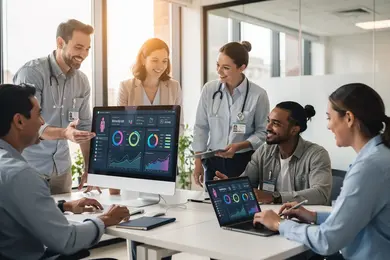
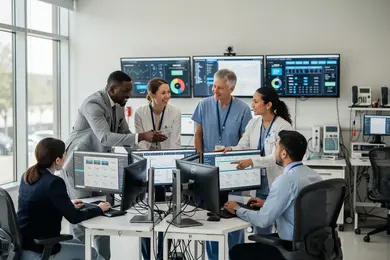
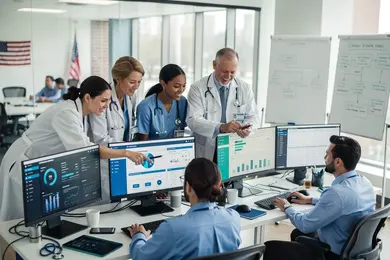
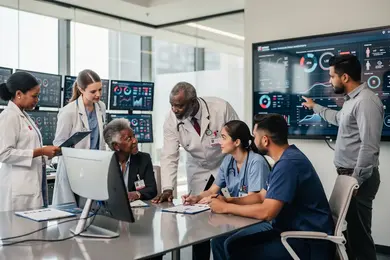
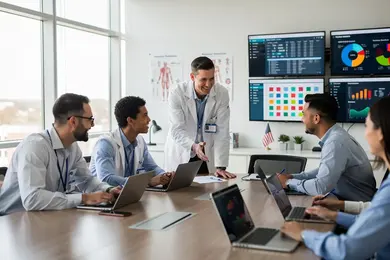
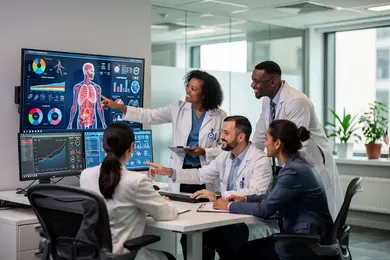
Hospitals increasingly rely on health informatics teams to manage patient data, improve outcomes, and streamline operations. Without experts who understand both technology and healthcare, medical errors and inefficiencies may rise, affecting patient care quality. Many prospective students face uncertainty about the right educational path to enter this evolving field, especially when coming from unrelated undergraduate backgrounds.
This article examines how hospitals utilize health informatics teams to address critical challenges and explores degree options tailored to those seeking flexible, accredited programs to shift careers into health informatics effectively and confidently.
Key Things You Should Know
- Hospitals increasingly rely on health informatics teams to analyze patient data, improving clinical outcomes by up to 25%, driving demand for professionals skilled in data analytics and healthcare systems.
- The integration of electronic health records (EHR) and AI tools in 2025 highlights the need for interdisciplinary degree programs combining health informatics with computer science or healthcare administration.
- By 2026, 70% of hospital informatics roles require practical experience with EHR software, emphasizing the importance of hands-on training in academic programs for career readiness.
How do hospitals use health informatics teams to improve patient care and operations?
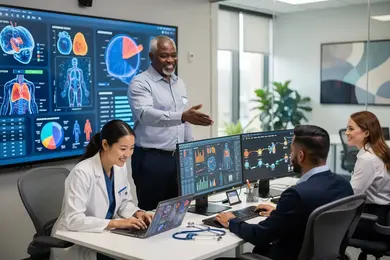
Hospitals employ health informatics teams in US hospitals to enhance patient outcomes through the use of clinical data analysis, electronic health records (EHR) systems, and real-time decision support tools. These teams help clinicians make evidence-based decisions, such as alerting care providers to potential drug interactions or suggesting best practice treatment protocols, significantly reducing medical errors.
The role of health informatics teams in hospital operational efficiency extends to optimizing workflows by integrating disparate data sources. This enables faster access to patient history and lab results, which reduces delays in diagnosis and treatment. Additionally, improved scheduling and resource allocation algorithms aid hospitals in better bed management and operating room utilization, decreasing patient wait times and operational costs.
Hospitals leveraging advanced clinical decision support and informatics tools have achieved up to a 15% reduction in inpatient mortality, 25% shorter lengths of stay, and 19% lower 30-day readmissions, based on a study from Northeastern University's Bouvé College of Health Sciences. Predictive analytics also identify at-risk patients early, while population health management systems tailor community-specific interventions.
Health informatics teams prioritize data security to ensure HIPAA compliance, safeguarding patient information while supporting telehealth and remote monitoring technologies. Students interested in these fields can explore skills in data analysis, system design, and clinical workflow management, complementing pathways such as the best medical billing and coding schools online for related career opportunities.
What health informatics roles exist in hospitals and what does each job do day to day?
Hospitals utilize various health informatics roles in hospital settings, each critical to enhancing data management, patient care, and operational workflows. Clinical informaticists integrate electronic health records (EHRs) into clinical processes, ensuring healthcare providers have seamless access to accurate patient information. They also train staff on new health IT systems and resolve implementation challenges.
Health data analysts have daily responsibilities of hospital health informatics professionals that include collecting and interpreting clinical data to spot trends like readmission rates or treatment effectiveness. Their work supports quality improvement efforts, such as reducing duplicate testing by 30%, through detailed reporting and statistical analysis.
Informatics nurses combine clinical expertise with technology by customizing health IT tools to improve patient care. Collaborating with care teams, they design alerts that have contributed to a 27% national reduction in medication errors. Health IT project managers coordinate the rollout of informatics systems, aligning technical teams and leadership while managing budgets and schedules. Their efforts have helped hospitals save $3.12 billion over three years.
Other essential roles include database administrators who safeguard data security and ensure regulatory compliance, and health informatics researchers who create innovative methods to use data for better outcomes. For those seeking education in this field, exploring the best fastest online medical billing and coding certificate programs can be a practical step toward gaining skills relevant to today's health informatics careers.
How does hospital demand for health informatics professionals affect which degree you should choose?
Hospital demand for health informatics professionals in degree selection increasingly emphasizes interdisciplinary skills that merge healthcare knowledge, data analysis, and management. The U.S. Bureau of Labor Statistics forecasts a 32% employment growth for medical and health services managers and 9% growth for medical records and health information specialists between 2020 and 2030, signaling expanding opportunities in informatics leadership and data-driven healthcare management.
Students navigating the impact of hospital health informatics job market on degree choice should seek programs that combine theory with practical skills. Bachelor's or Master's degrees focusing on data analytics, healthcare systems, and leadership prepare graduates for senior and managerial roles. In contrast, degrees centered solely on medical coding might align with slower-growing positions.
Those targeting leadership or project management roles benefit from curricula covering strategic planning, health IT systems, and regulatory compliance. Technical roles, such as informatics specialists, reward candidates trained in data science, database management, and interoperability standards. Hospitals increasingly demand professionals who can integrate electronic health records with broader population health data, thus programs offering interdisciplinary content are preferred.
Certifications coupled with degrees further bolster employability in competitive settings. Candidates interested in a wider range of healthcare careers may explore related fields through options like an online mental health counseling masters, expanding their skillsets for diverse roles.
Ultimately, comprehensive education blending healthcare, informatics, and managerial skills aligns with the fastest-growing sectors, ensuring graduates meet hospital employers' evolving expectations and enjoy stronger career prospects.
Which types of health informatics degrees best align with hospital-based careers?
Degrees aligned with hospital-based careers in health informatics emphasize skills bridging clinical practice and data management. Registered nurses benefit most from specialized degrees or certificates in nursing informatics, focusing on integrating clinical knowledge with hospital data systems to improve communication and reduce medical errors. The Academy of Medical-Surgical Nurses highlights improved patient outcomes and streamlined workflows linked to this specialty. These benefits are especially valued in clinical settings, making nursing informatics essential for bedside and leadership roles.
For non-nursing professionals, bachelor's or master's degrees in health informatics or health information management develop core competencies in data analytics, electronic health record (EHR) systems, and regulatory compliance. Such programs prepare graduates to manage hospital data infrastructure, support clinical decision-making, and maintain data privacy within complex healthcare environments.
Common degrees hospital employers seek include:
- Bachelor of Science in Nursing Informatics for nurses targeting informatics roles at the bedside and management levels
- Master of Science in Health Informatics for expertise in data analytics, project management, and system design
- Certificate programs in clinical informatics or health information technology for professionals aiming to upskill or specialize
Practical experience with hospital EHR platforms like Epic or Cerner is often expected alongside formal education. Degree programs offering interdisciplinary training that combines clinical, IT, and management knowledge provide direct pathways into hospital-based informatics teams. Focused credentials in nursing informatics remain crucial for RNs to leverage clinical data systems effectively. For those exploring flexible career pathways or parallel healthcare credentials, options like MA to LPN bridge programs online are available to enhance nursing careers.
How do online and campus health informatics programs compare for hospital-focused students?
Online and campus health informatics programs offer unique benefits tailored to different career paths and learning preferences in hospital settings. Online programs provide essential flexibility for working healthcare professionals, allowing them to balance clinical or administrative work with studies. These programs frequently include virtual simulations and real-world case studies to develop practical skills remotely. Research shows hospitals employing AI-driven informatics tools and advanced analytics experience significant improvements in clinical decision-making efficiency and patient safety.
Campus programs create immersive environments through face-to-face interactions, access to research labs, and opportunities for networking with faculty and peers. They enable hands-on experience with hospital-based informatics systems and direct collaboration with healthcare teams. On-campus students receive immediate mentorship and feedback on projects involving clinical decision support technologies, which are critical in today's hospital environments.
Choosing between these formats depends on factors like employment status, learning style, and career goals. For leadership roles in hospital informatics, campus programs may offer stronger research and networking advantages. Those focused on implementing AI and analytics tools might prefer online programs that allow continuing work while building relevant skills.
Both online and campus programs emphasize accreditation and a rigorous curriculum covering data governance, interoperability standards, and clinical informatics. These elements respond to increasing hospital demands for improved patient safety and compliance with care guidelines.
What courses and technical skills do hospital employers expect from health informatics graduates?
Hospital employers value health informatics graduates who combine relevant coursework with strong technical skills suited to healthcare settings. Core classes often cover health data management, clinical informatics, healthcare systems, electronic health records (EHR) management, and health information privacy and security, providing essential knowledge of healthcare workflows and HIPAA compliance.
Technical expertise is crucial, including proficiency in database management systems like SQL, experience with healthcare-specific software such as Epic or Cerner, and familiarity with programming languages like Python or R for data analytics. Employers also seek skills in data analytics, including statistical tools and visualization platforms like Tableau to analyze health data effectively.
Understanding interoperability standards such as HL7 and FHIR enables graduates to facilitate data exchange between healthcare IT systems, enhancing clinical decisions and operational efficiency. Basic cybersecurity knowledge is increasingly important to safeguard patient information amid rising cyber threats to healthcare institutions.
Soft skills like communication and project management boost collaboration among IT teams, clinicians, and administrators, aligning with the growing demand for roles that integrate technology with healthcare outcomes.
The U.S. Bureau of Labor Statistics forecasts an 11% growth for computer and information systems managers and 9% growth for medical records and health information specialists (2020-2030). Health informatics and health information management programs prepare students to enter these expanding fields, reflecting strong job market demand as noted by the University of South Florida Health.
How long do health informatics degrees take, and what do they typically cost in the U.S.?
Health informatics programs in the U.S. vary from 1 to 4 years, depending on the credential. Certificates and associate degrees typically take 1 to 2 years, providing foundational skills for entry-level roles. Bachelor's degrees, requiring 3 to 4 years of full-time study, are common for positions in hospital settings. Master's degrees, preferred for advanced technical or management roles, usually add 1.5 to 2 years beyond the bachelor's level.
Costs depend on the type of institution and program format. Public universities usually charge between $7,000 and $15,000 annually for in-state students. Private schools often range from $20,000 to over $40,000 per year. Online programs may cost $10,000 to $25,000 for a full degree. Many students use financial aid, scholarships, or employer tuition reimbursement to help manage expenses.
Career goals and schedule flexibility often guide program choice. For example, working professionals seeking advancement may opt for part-time or online master's programs. Those wanting quick entry often choose certificate programs focusing on electronic health record systems or data analytics.
The U.S. Bureau of Labor Statistics highlights strong demand growth for health informatics professionals fueled by the expansion of electronic health records and digital health technologies in hospitals, government agencies, and health tech companies. Investing in these degrees can align well with this upward job trend.
How can you evaluate accreditation and program quality for health informatics degrees?
Accreditation plays a crucial role in evaluating health informatics degrees, with emphasis on recognized bodies like the Commission on Accreditation for Health Informatics and Information Management Education (CAHIIM). This ensures programs align with industry standards and prepare students for certification and employment in hospital settings. Choosing a CAHIIM-accredited program offers assurance of rigorous educational quality.
Prospective students should also consider curriculum relevance, faculty expertise, and access to practical training such as internships or partnerships with healthcare providers. Hands-on experience with electronic health record (EHR) systems and data analytics tools enhances job readiness.
Graduate outcomes offer valuable insight into program quality. Data from USF Health indicates that roles related to health informatics in hospitals have a median annual wage of $110,680, well above the U.S. average. This highlights the benefit of selecting programs that prepare students for well-compensated managerial positions in health IT.
- Curriculum regularly updated to reflect evolving healthcare regulations and technology
- Faculty possessing real-world experience in hospital or health IT environments
- Strong career services and alumni networks focused on hospital informatics roles
Comparing these factors helps identify programs that deliver both theoretical knowledge and practical skills essential for a successful health informatics career within hospital systems.
What are the typical salaries and advancement paths for hospital health informatics careers?
Hospital health informatics careers offer competitive salaries and clear advancement paths tied to expertise in data management and system optimization. Entry-level health informatics analysts typically earn between $60,000 and $80,000 annually. Those with advanced skills in areas like analytics or cybersecurity in mid-level roles can expect salaries from $85,000 to $110,000. Senior professionals-such as health informatics managers or directors-often make $120,000 to $160,000 or more, reflecting their strategic impact on healthcare delivery and information systems.
Career advancement hinges on technical proficiency and leadership development. Specialists who excel in advanced data analysis, system design, and building interoperable electronic health records (EHRs) infrastructure are highly sought after. For instance, professionals skilled in cybersecurity protocols or interoperable data platforms are well positioned to move into executive roles like chief informatics officer or clinical informatics director.
Typical career trajectories progress from analyst or technician to project lead, then management and executive levels. Hospitals prefer candidates with certifications or degrees that highlight knowledge of informatics technology, healthcare regulations, and data governance. According to a 2024 overview from USF Health, mastering complex health data environments and enhancing information security are increasingly vital for advancement.
To stay competitive, candidates should pursue educational programs emphasizing analytics, interoperability, and cybersecurity to meet growing employer demands for secure, interoperable health data systems.
Which certifications and professional standards matter most in hospital health informatics hiring?
Hospital health informatics employers highly value certifications demonstrating expertise in clinical data management, electronic health record (EHR) systems, and healthcare analytics. Key credentials include the Certified Professional in Healthcare Information and Management Systems (CPHIMS) and Registered Health Information Administrator (RHIA), which respectively validate healthcare IT management skills and effective governance of patient records. The Certified Health Data Analyst (CHDA) is essential for data analysis roles within hospital settings.
Technical skills with major EHR platforms like Epic and Cerner are often required or recommended. Vendor-specific certifications for EHR implementation consultants confirm practical expertise. Emerging roles in clinical decision support and health analytics benefit from certifications in data science and standards such as HL7 and FHIR.
Hospitals increasingly seek candidates who combine certifications with relevant degrees. The University of Washington highlights that graduates with a Bachelor of Science in Health Informatics frequently secure positions as health informatics specialists, data analysts, clinical application support specialists, and EHR implementation consultants. This alignment between academic programs and in-demand hospital roles strengthens career prospects.
When choosing certifications, candidates should consider their target roles:
- Clinical roles emphasize HIM and RHIA certifications.
- Technical roles require vendor-specific EHR expertise.
- Career advancement often requires knowledge of regulatory standards such as HIPAA and the Meaningful Use program.
Other Things You Should Know About Health Informatics
Health informatics provides clinicians with timely access to accurate patient data through electronic health records and decision support tools. These systems offer evidence-based guidelines and alerts that assist healthcare providers in making informed treatment decisions. This integration helps reduce errors and enhances the quality of patient care.
Data analytics enables hospitals to analyze large volumes of health data to identify patterns and improve outcomes. Health informatics teams use analytics to track patient trends, optimize resource allocation, and predict potential health risks. This allows hospitals to implement more proactive and efficient care strategies.
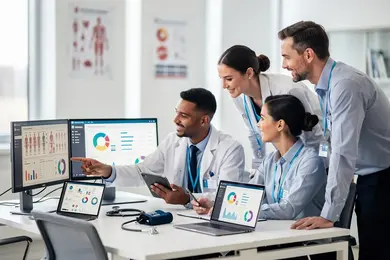
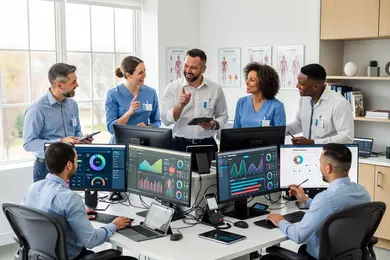
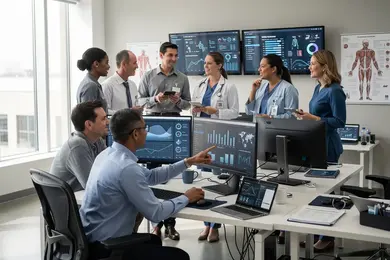
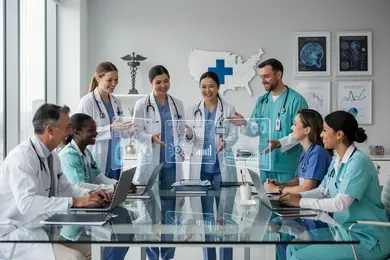
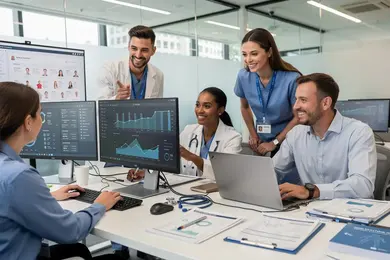
Health informatics teams work closely with clinical staff, IT departments, administration, and quality improvement teams. They ensure that technology solutions align with clinical needs and hospital goals. Effective collaboration promotes seamless workflow integration and better adoption of informatics tools across the organization.
References
- 11 Health Informatics Careers for Master’s Graduates to Consider https://www.nec.edu/news/health-informatics-careers
- Health Information Technology Jobs and Career Paths https://www.usfhealthonline.com/resources/health-informatics/health-information-technology-jobs-and-salary-usf-health/
- Top Skills and Certifications Needed to Land High-Impact Healthcare Roles | GHR Healthcare https://www.ghrhealthcare.com/blog/certifications-high-impact-healthcare-roles
- 100 Percent Online Master's in Health Informatics - MSHI Degrees https://www.mhaonline.com/faq/fully-online-ms-health-informatics-programs
- Commission on Accreditation for Health Informatics and Information Management Education - (CAHIIM) https://www.chea.org/commission-accreditation-health-informatics-and-information-management-education
- A Quarter-Century of Online Informatics Education: Learners Served and Lessons Learned https://www.jmir.org/2024/1/e59066/
- Fostering collaboration: Integrating informatics and IT for patient-centered care https://nordicglobal.com/resources/fostering-collaboration-integrating-informatics-and-it-for-patient-centered-care/
- Health Informatics - CAHIIM https://www.cahiim.org/accreditation/health-informatics/
- Health Informatics - Osplabs https://www.osplabs.com/health-informatics/
- Medical Informatics & Its Impact on Healthcare https://www.deltapath.com/newsroom/medical-informatics-healthcare/