2027 Online Health Informatics Degrees With Hospital Analytics Career Alignment

Co-Founder and Chief Data Scientist
Professionals with unrelated undergraduate degrees often face barriers when attempting to enter the healthcare sector, especially in roles focusing on hospital analytics. Many lack access to flexible, accredited programs that bridge the skills gap in health informatics and data analysis within clinical settings. This challenge limits career advancement and the ability to contribute meaningfully to healthcare outcomes.
Understanding which online health informatics degrees align best with hospital analytics careers can guide strategic educational choices. This article explores accredited programs designed for working adults seeking a practical, career-focused education to successfully transition into hospital analytics roles in health informatics.
Key Things You Should Know
- Online health informatics degrees in 2026 emphasize hospital analytics skills, reflecting a 28% projected growth in healthcare data analysis jobs through 2030 (BLS, 2024).
- Programs integrate practical training on EHR systems and predictive analytics, aligning curricula with hospital demand for data-driven clinical decision support.
- Graduates with combined health informatics and analytics expertise report average starting salaries of $85,000, outperforming general health informatics roles by 15% (HIMSS, 2025).
What is an online health informatics degree with a hospital analytics focus and who is it for?
An online health informatics degree with hospital analytics specialization merges foundational health informatics education with focused training on interpreting hospital data to enhance clinical outcomes and operational efficiency. This program suits healthcare professionals transitioning to data-driven roles, IT specialists aiming for positions in healthcare, and recent graduates interested in career opportunities in health informatics and hospital analytics programs.
Coursework typically covers electronic health records, data governance, predictive analytics, and healthcare regulations, while students gain proficiency in tools like SQL, Python, and data visualization tailored for hospital environments.
Practical elements emphasize optimizing patient flow, lowering readmission rates, improving resource allocation, and aiding clinical research. Hospital analysts leverage data to spot trends such as infection outbreaks or staffing shortages, enabling prompt, informed interventions. This specialization addresses the increasing need for actionable insights amid expanding healthcare data volumes.
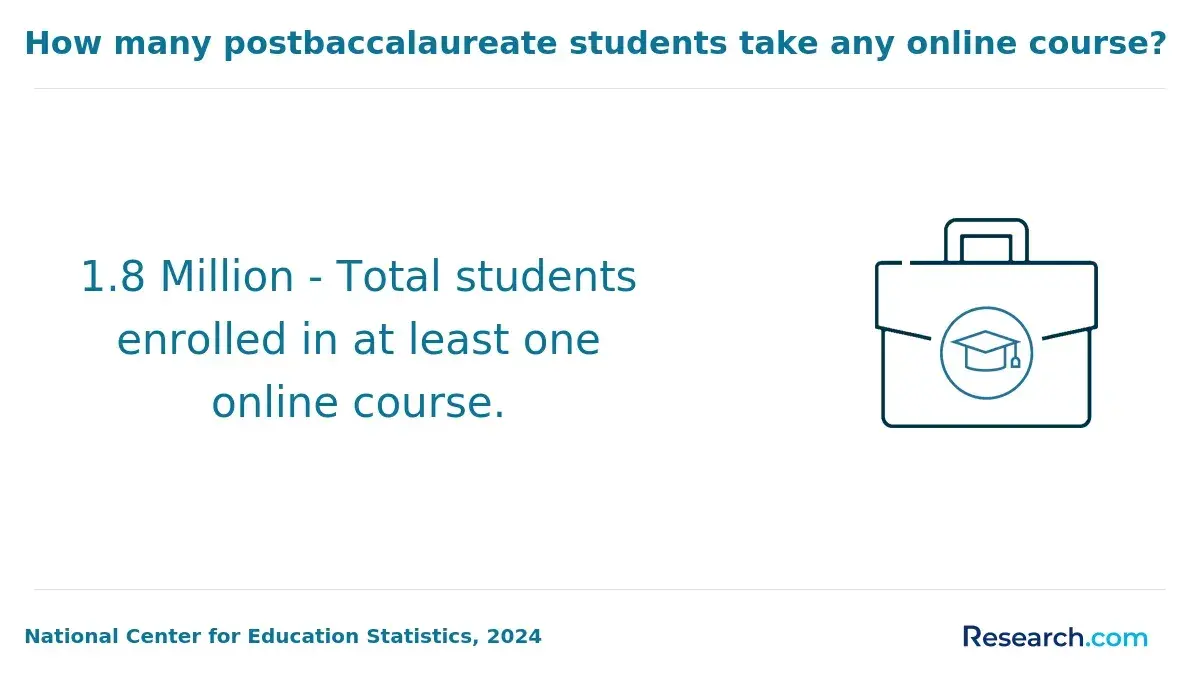
Online accessibility makes these programs widely available, allowing professionals nationwide to develop expertise without relocating. U.S. News & World Report highlighted 33 accredited online master's programs in health informatics, an 83% increase over five years. Prospective students should assess courses for hospital-specific analytics, opportunities for internships or practicums in clinical settings, and faculty experience to align with career goals.
For those exploring pathways in these fields, examining the best online health information management degree CAHIIM accredited can provide valuable insights into reputable programs.
How do online health informatics programs compare to campus-based options for hospital analytics careers?
Online health informatics degrees vs campus programs for hospital analytics offer distinct advantages, particularly for working professionals. Online programs provide flexibility and accessibility that traditional campus options may lack, enabling students to balance employment with study. These programs include project-based learning and virtual simulations reflecting real hospital data environments, ensuring curriculum and accreditation remain comparable to in-person programs.
Campus-based programs provide more direct access to face-to-face networking, mentorship, and clinical practicum opportunities within affiliated hospitals, which can benefit those preferring structured, immediate feedback environments. However, many reputable online programs now offer internships and partnerships with healthcare providers, allowing remote students to gain practical experience.
The U.S. Bureau of Labor Statistics projects 28% employment growth for medical and health services managers from 2022 to 2032, adding roughly 144,700 new jobs. This demand highlights the need for graduates skilled in analyzing healthcare data to optimize hospital operations. Comparing online and traditional health informatics education for hospital analytics careers, both pathways prepare students effectively, but online formats provide broader geographic reach and scheduling flexibility.
Prospective students should assess accreditation, faculty expertise, practicum access, and networking opportunities according to personal needs and career goals. Those curious about costs can learn how much does it cost to become a medical coder, which shares some educational cost insights relevant to health informatics.
What accreditation should online health informatics degrees have for hospital and health system jobs?
Accreditation plays a crucial role for online health informatics programs targeting hospital and health system careers. The Commission on Accreditation for Health Informatics and Information Management Education (CAHIIM) is the nationally recognized health informatics accreditation for healthcare systems, ensuring programs meet rigorous industry and educational standards.
Graduates from CAHIIM-accredited programs are often preferred by employers because such accreditation confirms curriculum quality and relevance.
Regional accreditation of the institution, such as from the Higher Learning Commission (HLC) or Middle States Commission on Higher Education (MSCHE), is also important. This combined accreditation approach assures that both the program and the institution satisfy comprehensive education quality benchmarks, a factor many employers consider during hiring.
Programs tailored for hospital careers typically emphasize practical skills, case studies, and healthcare data analytics. Prospective students should verify that their degree readies them for professional certifications like the Registered Health Information Administrator (RHIA) or Certified Health Data Analyst (CHDA), which are valued in hospital settings.
Employment growth for health information technologists and medical registrars is projected at 17% from 2021 to 2031, significantly faster than average. This demand reflects the growing need for qualified professionals holding accredited degrees and relevant certifications. For those exploring salary expectations, the medical billing and coding salary is a useful related reference.
What courses and technical skills are taught in online health informatics programs emphasizing hospital analytics?
Online health informatics programs hospital analytics curriculum often includes courses in clinical data management, health information systems, healthcare statistics, and epidemiology. These programs emphasize skills for extracting and interpreting large datasets from hospital information systems. Students gain expertise in database design, including SQL and data warehousing, relevant to electronic health records (EHR) systems.
Technical skills gained in health informatics with hospital analytics focus typically involve advanced training in data analytics tools such as Python, R, and SAS. Familiarity with healthcare-specific software like Epic, Cerner, or Meditech is common to better understand hospital operations. Coursework covers health data standards and interoperability protocols, including HL7 and FHIR, essential for seamless clinical data exchange.
Programs also stress proficiency in visualization software such as Tableau or Power BI, transforming raw data into actionable insights. Training often includes quality improvement methods and business intelligence for enhancing patient care and operational efficiency. Leadership and project management courses focus on guiding multidisciplinary teams and meeting regulatory requirements in healthcare settings.
Graduates with these specialized skills often pursue careers as medical and health services managers, a role with a median annual salary of $110,680 in 2023, according to US Bureau of Labor Statistics data cited by USF Health. Prospective students looking for top programs might explore options among top rated online nursing schools WGU.
What are the typical admission requirements for online health informatics bachelor's and master's programs?
Admission to online health informatics bachelor's programs generally requires a high school diploma or GED equivalency and official transcripts showing a competitive GPA, typically between 2.5 and 3.0 on a 4.0 scale. Many programs ask for standardized test scores such as the SAT or ACT, though some waive these for applicants with prior college credits or relevant work experience.
Personal statements explaining a candidate's interest in health informatics are often required, along with letters of recommendation and proof of basic computer skills.
Master's programs usually expect applicants to hold a bachelor's degree from an accredited institution, often in nursing, computer science, or public health. GPA requirements range from 3.0 to 3.5. GRE scores may be required but are increasingly optional, especially for candidates with substantial professional experience.
Applicants should submit a resume highlighting relevant healthcare or IT roles and a personal statement outlining career goals connected to informatics and analytics. Letters of recommendation are standard, and prerequisite courses in statistics, biology, or programming may be required for some.
Online health informatics degrees often offer flexibility for working professionals through part-time study options and recognition of prior experience. Given that health information management directors earn between $82,000 and $137,000 annually, meeting program requirements is a key step toward careers in hospital analytics and informatics leadership.
How long do online health informatics degrees take and what do they typically cost?
Online health informatics degrees vary in length from about 1.5 to 4 years, influenced by the program type and whether students attend full or part time. Certificate and associate programs typically take 1 to 2 years and prepare students for entry-level healthcare data positions.
Bachelor's degrees usually require 3 to 4 years full-time and focus on foundational healthcare systems and data management. Master's degrees, preferred for advanced hospital analytics roles, generally last 1.5 to 2 years full-time, with part-time options extending up to 4 years to accommodate working professionals.
Tuition costs differ widely across programs and institutions:
- Certificate and community college programs range from $5,000 to $15,000.
- Bachelor's degrees at public universities cost between $20,000 and $50,000 for in-state students, while private colleges may charge $40,000 to $90,000.
- Master's programs typically fall between $30,000 and $70,000, depending on the school and program length.
Additional technology and material fees may apply in online programs, but these often save money by eliminating commuting and housing expenses. Accreditation, curriculum relevance to hospital data analytics, and practical experience opportunities like internships are essential factors to consider when choosing a program.
Network architects specializing in healthcare data infrastructure earn an average salary ranging from $121,988 to $130,390 per year, reflecting growing hospital investment in analytics expertise (Texas State University).[4]
What hospital-based roles can graduates pursue with an online health informatics degree?
Graduates with an online health informatics degree can pursue a variety of hospital-based roles focused on data management, clinical decision support, and optimizing health IT systems. Key positions include clinical informaticist, who enhances electronic health record (EHR) implementations to improve patient care by connecting IT systems with clinical staff.
Health data analysts play an essential role by extracting and analyzing patient data trends to support quality improvement and improve operational efficiency in hospital departments. Health information managers ensure the accuracy, security, and accessibility of patient records while maintaining compliance with regulations such as HIPAA. Clinical systems analysts evaluate health IT tools to streamline workflows and reduce the burden on clinicians.
Growing roles such as population health analyst focus on identifying risk factors and developing targeted health interventions across hospital networks. Hospital project coordinators with informatics expertise help manage the rollout of new digital systems and train staff effectively.
Despite the increasing importance of health informatics, only 7.3% of health informatics job postings nationwide explicitly require formal health informatics education, according to the Journal of the American Medical Informatics Association. This underscores how an online health informatics degree sets candidates apart by demonstrating specialized skills in data-driven healthcare transformation and improving competitiveness in this evolving field.
What salary ranges and advancement opportunities exist in hospital analytics and health informatics?
Salary ranges in hospital analytics and health informatics vary widely, influenced by specialization, experience, and education. According to the U.S. Bureau of Labor Statistics data, health information technologists working in population health analytics and quality measurement earned between $29,680 for the bottom 10% and over $98,490 for the top 10% in 2021, reflecting the strong earning potential for those with advanced expertise in analytics-intensive roles.
Career progression often moves from entry-level analyst to senior data analyst, health informatics specialist, and management positions. Key skills that help professionals advance include data analytics, clinical workflow integration, and regulatory compliance. Leadership roles, such as health information manager or director of clinical analytics, often require these competencies.
Specializing in predictive analytics, electronic health record (EHR) optimization, or quality measurement typically enhances salary prospects. Certifications like Certified Health Data Analyst (CHDA) or Registered Health Information Administrator (RHIA) further improve access to senior roles.
- Large hospital systems and healthcare technology companies generally provide better compensation and clearer career advancement paths.
- Geographic location affects pay, with urban centers offering higher salaries but also higher living costs.
Those pursuing an online health informatics degree focused on hospital analytics should develop skills in data interpretation, healthcare regulations, and system interoperability to maximize salary growth and career opportunities.
Which certifications strengthen a hospital analytics career after a health informatics degree?
Certifications play a crucial role in advancing a hospital analytics career after earning a health informatics degree. These credentials validate skills in data management, analytics, compliance, and healthcare operations, essential for hospital environments. The Certified Health Data Analyst (CHDA) from AHIMA is particularly valuable, emphasizing clinical data analysis, data integrity, and quality improvement to enhance patient outcomes.
The Certified Professional in Healthcare Quality (CPHQ) is another important certification that focuses on healthcare performance improvement and risk management, strengthening quality assurance and regulatory compliance capabilities.
For professionals specializing in data governance and patient information security, the Certified in Healthcare Privacy and Security (CHPS) credential offers expertise in legal and ethical handling of sensitive data, a growing priority in hospitals.
Technical certifications such as Tableau Desktop Specialist and Microsoft Certified: Data Analyst Associate highlight proficiency in data visualization and dashboard creation, key tools for translating complex data into actionable insights for hospital leadership.
These certifications support a path toward leadership roles like Chief Medical Information Officer (CMIO), where clinical knowledge intersects with strategic IT oversight. CMIOs earn an average salary of $274,592 annually, illustrating the compensation benefits of advanced credentials and experience.
A focused certification strategy aligned with hospital analytics demands offers clear advantages for both entry-level and seasoned health informatics professionals seeking sustained career growth.
How can prospective students evaluate and choose a reputable online health informatics program?
Accreditation is essential when considering an online health informatics program. Regional accreditation from recognized agencies confirms that the curriculum adheres to high academic and industry standards. Without it, transferring credits can be difficult, and employers may question the degree's credibility. Prospective students should verify if the program aligns with their career goals, especially those aiming to become clinical informaticians.
Data from the Journal of the American Medical Informatics Association shows that 76.2% of U.S. health informatics job postings target clinical informaticians, and 40.8% require RN licensure. This highlights the advantage for nurses who supplement their credentials with formal informatics or analytics education. Programs with clinical informatics tracks or nursing-specific content offer significant value for registered nurses.
Students should ensure courses cover key topics such as hospital analytics, data standards, electronic health records (EHR), and clinical decision support systems. Hands-on experience through internships or working with healthcare datasets improves job readiness. Programs partnered with medical facilities or offering real-world projects better prepare learners for industry demands.
Faculty expertise and technical support matter greatly. Instructors with healthcare or informatics backgrounds enhance learning relevance, while robust online platforms provide critical interaction and timely assistance. Flexible scheduling options accommodate working professionals balancing employment or licensure requirements.
Career services including job placement help, resume workshops, and networking opportunities influence employment outcomes. Connecting with alumni or current students helps gauge program satisfaction. Comparing tuition costs and financial aid ensures quality education remains affordable.
Other Things You Should Know About Health Informatics
Health informatics professionals in hospitals must comply with data privacy laws such as the Health Insurance Portability and Accountability Act (HIPAA) in the United States. These regulations require strict handling of patient information to ensure confidentiality and security. Understanding these laws is essential for maintaining compliance and protecting sensitive health data in hospital analytics workflows.
Health informatics professionals support the integration of electronic health records (EHRs), clinical decision support systems, and other technologies by managing data accuracy and workflow alignment. They act as liaisons between IT departments and clinical staff to ensure technology adoption meets hospital needs. Their expertise helps improve system usability and data interoperability.
Yes, ongoing education is common due to evolving technology and regulatory changes in healthcare. Many hospitals encourage or require health informatics specialists to update their skills through certifications, workshops, and seminars. Continuous learning helps professionals stay current with best practices in data analytics, health IT systems, and compliance standards.
References
- Best Online Health Informatics Bachelor's Degree Programs, Jobs, and Salaries https://careerkarma.com/blog/best-online-health-informatics-bachelors-degrees/
- Healthcare Analytics Master's Online | USF Health https://www.usfhealthonline.com/programs/masters-degree/ms-healthcare-analytics/
- Master’s in Health Informatics https://nursinglicensemap.com/resources/healthcare-degree-programs/masters-in-health-informatics/
- Online Health Informatics Degree | Programs And Career Options https://www.learnhowtobecome.org/best-online-bachelors-in-health-informatics-degree-programs/
- Informatics Competencies of Students in a Doctor of Nursing Practice Program: A Descriptive Study https://e-hir.org/journal/view.php
- Online Healthcare Informatics Master's Degrees - Part-Time Programs https://www.mhaonline.com/faq/part-time-healthcare-informatics-programs
- Careers in Health Informatics | University of Phoenix https://www.phoenix.edu/articles/healthcare/careers-in-health-informatics.html
- Masters in Health Informatics - Opportunities and Scope — The BridgeWay Firm https://www.bridgewayfirm.com/masters-in-health-informatics
- Top 30 Best Online Master’s in Healthcare Informatics Degree Programs 2020 - Healthcare Administration Degree Programs https://www.healthcare-administration-degree.net/best/online-masters-healthcare-informatics-programs/