2027 University of Illinois Springfield Application Deadlines, Start Dates, and Admission Process

Co-Founder and Chief Data Scientist
Applying to the University of Illinois Springfield often challenges students balancing career changes or family demands with the pressure of strict application deadlines. Missing a key date can delay enrollment by months, limiting access to financial aid and desired courses.
Although many institutions offer rolling admissions to ease timing concerns, University of Illinois Springfield's recent 18% rise in application volume signals growing competition, making timely submissions more critical to secure a spot in preferred programs. Understanding these admission timelines influences not just acceptance chances but students' longer-term educational planning and employability.
This article breaks down University of Illinois Springfield's application deadlines, start dates, and admission steps to help you align your application strategy with real-world scheduling demands and improve your likelihood of a smooth enrollment process.
Key Points About University of Illinois Springfield Application Deadlines, Start Dates, and Admission Process
- The University of Illinois Springfield receives 2,495 applications with an 84% acceptance rate, requiring applicants to carefully manage deadlines to secure admission amid moderate competition and maintain eligibility.
- Major entry terms align with academic calendars, providing multiple start dates that allow applicants to strategically time their enrollment based on personal and professional schedules.
- Applicants must ensure consistent academic standards and complete required documentation timely, as delays or missing materials may result in lost opportunities due to the volume of applicants.
What start dates does University of Illinois Springfield offer?
The University of Illinois Springfield offers three primary academic start dates: Fall, Spring, and Summer. Fall enrollments attract the largest cohort, reflecting employer and internship recruitment cycles, which benefit students targeting traditional career pathways.
Spring and Summer entry points cater to non-traditional students or those who need flexible timing around personal or work commitments. Research into UIS enrollment patterns shows 4,661 students total, with a notable skew toward Fall admission in line with the broader national trend where 65% of undergraduates start in the fall term.
This alignment confers tangible advantages for internship placement and full-time job searches after graduation. Diverse start dates improve access but require careful planning to navigate financial aid deadlines and course availability.
Below are key start date features and their implications for prospective students.
- Fall Term Start: This is the largest enrollment period and aligns with most employer hiring and internship cycles. First-time freshmen benefit by syncing academic progress with campus resources and career events, enabling traditional four-year graduation plans.
- Spring Term Start: This mid-year option suits students who miss Fall deadlines or transfer students needing flexible admission timing. It allows for a staggered academic calendar but may complicate course selection and delay on-time graduation.
- Summer Term Start: Summer entry offers accelerated courses appealing to transfer and working students. It facilitates degree completion sooner but requires an intense course load that may not fit all learners' schedules.
- Flexible Start for Transfer Students: Spring and Summer starts provide transfer and returning adult students the flexibility to re-enter academia without waiting for Fall. This flexibility improves access but challenges alignment with traditional financial aid cycles.
- Internship and Employer Cycle Alignment: Fall starts better position students to participate in internships tied to academic-year recruiting seasons. Students beginning outside Fall might find fewer employer opportunities tied to their academic calendar, affecting work experience options.
- Financial Aid Timing Considerations: Multiple start dates increase access but require precise financial aid application timing. Students must plan to avoid gaps in aid coverage that can arise from non-Fall enrollments.
What are the application deadlines for University of Illinois Springfield?
Application timing at University of Illinois Springfield directly influences a student's ability to enroll smoothly and secure financial aid without delay. Consider a prospective student aiming for a fall start who misses the Early Decision deadline. The likelihood of delayed financial aid review or even course registration complications increases.
Such challenges underscore why knowledge of University of Illinois Springfield fall application deadlines and spring semester start dates is critical. Timely submissions allow full access to admission options and reduce last-minute stress.
Below are key deadlines and policies shaping the UIS admissions timeline.
- Early Action (EA) Deadline: This non-binding option offers applicants a chance to submit early typically in November. It suits those who want an early admission decision without committing immediately, providing more time to compare options.
- Early Decision I and II: These binding deadlines in November and January cater to applicants certain about UIS as their top choice. Missing them restricts access to these priority admissions rounds and potential earlier financial aid processing.
- Regular Decision (RD) Deadline: Falling after early rounds, this deadline usually occurs in late winter or early spring and applies to most applicants. It offers flexible timing but risks delays in accepting offers and securing housing or aid.
- Spring and Summer Term Deadlines: Separate from fall, these deadlines accommodate non-traditional and transfer students but often require earlier paperwork for international students to handle visa and document processing.
- Document Submission and Rolling Admissions: UIS permits extended document submission windows which improve enrollment predictability. Studies show such staggered deadlines correlate with higher completion rates of applications and financial aid, making them critical for strategic planning (Midwest Education Research Journal).
Applicants opting for alternative academic timelines should also consider easy master's programs when evaluating how application deadlines align with career and educational goals.
Who is eligible to apply to University of Illinois Springfield?
Eligibility requirements at University of Illinois Springfield focus on identifying applicants who demonstrate academic readiness and practical potential rather than merely restricting access. This approach acknowledges different educational backgrounds and life experiences, appealing to a diverse student body.
For example, a prospective applicant with some college credits earned years ago might wonder if their prior coursework or work experience qualifies them for admission. A clear understanding of how transfer credits and life experience factor into eligibility helps such students plan their application strategically.
The following points outline key eligibility categories and criteria relevant to applicants from Midwest students and other regions.
- High School Completion: Applicants must have graduated from high school or hold a General Educational Development (GED) certificate. This foundational requirement ensures basic academic preparation for college-level work and is mandatory for first-year students.
- Secondary School GPA and Curriculum: A minimum GPA and completion of a college-preparatory curriculum are required. This standard indicates academic rigor is valued, helping predict an applicant's likelihood of success in their chosen degree path.
- Standardized Testing Scores: Preferred SAT scores range from 510-610 verbal and 500-600 math, with ACT composite scores between 21 and 28. These score bands set a benchmark for assessing college readiness but allow some flexibility depending on the applicant's overall profile.
- International Student English Proficiency: TOEFL scores are mandatory for non-native English speakers, underscoring the university's commitment to ensuring adequate communication skills for academic performance and campus integration.
- Transfer Credit Acceptance: Transfer students benefit from acceptance of credits from recognized institutions along with ACE, CLEP, and DSST/DANTES exams. Credit for life experience is also considered, offering important flexibility for adult learners and those balancing work and education. However, dual credit from high school is not accepted, limiting some prospective students' prior college credit.
- Competency and Alternative Assessments: Though tests like Wonderlic or WISC-III are recommended for certain applicants, they are not mandatory. This policy allows varied demonstration of relevant skills without strict testing barriers.
- Non-Traditional Student Retention Impact: A 15% increase in retention among non-traditional students was observed at institutions recognizing life experience credits, highlighting UIS's strategic alignment with workforce needs and adult education trends.
Understanding these criteria can help potential applicants align their academic history and online certificate programs that pay well with University of Illinois Springfield admission requirements for Midwest students and others aiming to enroll successfully.
What documents are required for admission to University of Illinois Springfield?
Admission to University of Illinois Springfield demands precise documentation that goes beyond mere proof of enrollment eligibility. The process reflects a strategic evaluation aimed at gauging an applicant's readiness and potential for academic success.
For instance, a student transferring with dual credits may face unexpected hurdles since these credits do not apply, influencing how they plan their course timeline and financial investment. A recent institutional trend shows 15% more applicants submitting competency assessments to bolster academic readiness evidence, signaling a shift towards holistic evaluation beyond transcripts.
This emphasis shapes admission decisions that favor not only academic records but practical language and cognitive skills essential for rigorous programs.
- High School Completion Evidence: Applicants must submit a high school diploma or GED certificate. This formal credential assures the admissions team that foundational academic benchmarks are met, filtering candidates who possess the basic education necessary for collegiate study.
- Secondary School Record and GPA: A transcript showing course grades and GPA from secondary education is crucial. It helps assess consistent academic performance and the extent of curriculum rigor, which are predictive of college success.
- Standardized Test Scores: TOEFL scores are mandatory for non-native English speakers to validate language proficiency. SAT scores (verbal 510-610, math 500-600) or ACT scores (21-28) are expected to position applicants within a competitive academic band, balancing selectivity and accessibility.
- College-Preparatory Curriculum Completion: Documentation must reflect completion of a college-prep program. This indicates the applicant has engaged with coursework that develops critical thinking and subject knowledge required for higher education.
- Competency Assessments (Optional but Recommended): Submissions such as Wonderlic or WISC-III evaluations, while not compulsory, can strengthen applications by quantifying skills that transcripts and grades might not fully capture.
- Advanced Placement (AP) and Life Experience Credits: Accepting AP scores and credit for life experiences introduces flexibility in meeting requirements, though dual credit is expressly not accepted, affecting transfer credit strategies significantly.
- Supplementary Materials: Depending on the program, portfolios or letters of recommendation may be requested. These give insight into the applicant's motivation, skills, and professionalism, influencing decisions in competitive or specialized fields.
One student shared how gathering the admissions documents became a race against time after learning dual credits wouldn't reduce their course load. While assembling the necessary high school transcript and TOEFL score report, they felt hesitant because of unclear deadlines communicated by their previous institution.
Eventually, timely submission of a Wonderlic test result helped clarify their readiness, easing their uncertainty and strengthening their application. The experience underscored the importance of early document collection and thorough verification to avoid last-minute issues in a process that weighs multiple facets beyond grades alone.
What is the step-by-step admission process at University of Illinois Springfield?
Navigating the step-by-step admission process at University of Illinois Springfield demands strategic timing and attention to document details. The university's moderately difficult admission standards mean applicants must thoroughly prepare each phase to maintain competitiveness, especially when balancing work or prior learning credits.
In practical terms, early portal engagement and swift transcript submission can shorten the typical 4 to 6-week decision timeline, a benchmark consistent with national public university trends. Recognizing these phases as sequential gates helps applicants allocate effort where it most impacts outcomes.
The following list breaks down the enrollment funnel into distinct, actionable milestones.
- Online Application Portal Creation: Applicants initiate their process by setting up an online account. This step is critical because it grants access to submit all required materials and serves as the communication hub throughout admissions, effectively marking the start of formal consideration.
- Application Fee Payment and Submission: After account setup, paying the application fee signals commitment and triggers the official review workflow. Without this, the application remains inactive, highlighting the importance of timely fee settlement for avoiding processing delays.
- Official Transcript Submission: Prospective students must arrange for high school or GED transcripts to be sent directly to the University of Illinois Springfield. This verification phase ensures academic records are authentic and complete, a non-negotiable requirement shaping admission decisions and preventing later complications.
- Admissions Committee Evaluation: Once transcripts are verified, an internal committee reviews all credentials including secondary GPA, test scores, and any submitted competency evidence. This phase determines selectivity and aligns with the institution's moderately difficult admission profile, serving as the core academic gatekeeper.
- Application Review Timeline and Decision: Typically lasting 4 to 6 weeks, this review period culminates with an admission decision. Efficient document submission by applicants correlates strongly with shorter review durations. This benchmark is important for planning enrollment, especially for those working or with existing credits.
- Notification and Next Steps Communication: Once admitted, applicants receive formal notification and guidance about registration and orientation. Prompt response at this stage helps ensure enrollment confirmation without risking seat availability or program delays.
For prospective students focusing on University of Illinois Springfield undergraduate admission requirements and process, the coordination of these steps shapes both admission chances and the timing of academic or career plans. Those juggling employment or prior learning credits must weigh the window for documentation against processing timelines to optimize application success.
Understanding the sequence also empowers applicants to benchmark their progress relative to typical 2,105 admittees from 2,495 applicants, an admission rate reflecting moderate selectivity rather than broad openness. While navigating this process, exploring affordable online masters options may present alternative pathways for academic advancement.
How does University of Illinois Springfield evaluate transfer credits and prior learning?
The University of Illinois Springfield applies a cautious and structured approach when evaluating transfer credits and prior learning. The system balances openness to diverse learning experiences with strict academic standards that safeguard degree value and rigor.
Transfer applicants should be prepared for a selective process that prioritizes course relevance and grade quality rather than merely accepting all credits. This approach aims to ensure students build a strong foundation aligned with university expectations while also recognizing valid external learning.
Below are key factors guiding their evaluation method.
- Accepted Credit Types: The institution credits coursework from CLEP, DSST/Dantes, Advanced Placement exams, and military training verified by Joint Services Transcripts. These recognized pathways provide validated measures of prior learning, ensuring consistency and comparability with university-level standards.
- Minimum Grade Requirements: Typically, only courses with a grade of C or better count toward degrees. This threshold maintains academic quality by filtering out lower performance that might undermine student preparedness in subsequent UIS classes.
- Credit Cap Limits: UIS imposes maximum transfer credit limits to encourage timely program completion and preserve curriculum cohesion. Excess transfer credits risk diluting depth of campus-specific learning and academic integration.
- Formal Prior Learning Assessment (PLA): The evaluation of prior learning demands official documentation and formal credit by examination processes. This requirement avoids subjective credit awards and helps adult learners convert real-world experience into tangible academic credit.
- Evaluation Timing: Transfer credit reviews occur after admission offers but before enrollment. This timing provides clarity to students about applicable credits and helps facilitate realistic academic planning from the outset.
- Relevance to Degree Requirements: Credits accepted must align clearly with degree curricula. UIS rejects unrelated or outdated coursework that does not meet programmatic goals or learning outcomes.
- English Proficiency Compliance: For international transfer students, TOEFL or equivalent proof is mandatory. This ensures linguistic preparedness to succeed and protects academic standard quality in communication-intensive coursework.
National transfer trends from 2024 highlight that about 68% of transfer applicants receive prior learning credits averaging 24 credits each, signaling significant but varied efficiency gains. This variation means UIS applicants must strategically consider which prior credits will meaningfully advance their specific degree pathway rather than assuming broad acceptance.
One UIS graduate recalled navigating this process with some uncertainty. "I transferred with credits from a community college and military training," they said. "The university evaluated my transcripts carefully, and some credits counted immediately while others didn't because my grades were below the threshold or the courses didn't match my major requirements."
"It was frustrating at first because I hoped for more credits, but I understood their reasoning after talking to the advisor. Knowing the limits upfront helped me plan carefully to finish on time without surprises." This experience illustrates how anticipating UIS evaluation criteria can impact transfer students' academic strategy and pacing.
How competitive is admission to the University of Illinois Springfield?
The University of Illinois Springfield maintains an acceptance rate of 84%, placing it in a moderately competitive admissions category. For an average applicant, securing a spot is accessible but requires meeting certain academic standards. This rate signifies a balance between maintaining selectivity and offering broad access.
Out of 2,495 total applicants, 2,105 were admitted, illustrating a sizable admissions pool with a substantial proportion accepted. This volume reflects demand and somewhat lenient thresholds compared to more selective institutions yet signals a moderate level of competition that prospective students need to acknowledge within the University of Illinois Springfield admission acceptance rate framework.
Applicants typically present SAT scores in the middle 50% range of 510-610 verbal and 500-600 math, along with ACT scores between 21 and 28, aligning with moderate academic expectations. This set of standards mirrors a balanced selectivity compared to national averages, confirming the institution's aim to combine accessibility with a practical threshold for academic preparedness.
According to a 2024 study on public universities, schools with acceptance rates above 80% tend to prioritize student access and completion over stricter admissions hurdles, matching University of Illinois Springfield's approach.
For students aiming to enhance their admission chances, it is essential to build a balanced profile that includes academic rigor, extracurricular involvement, and standardized test scores within the indicated ranges. These factors provide a more holistic perspective beyond raw numbers.
Also, students interested in career outcomes should explore fields aligned with the most valuable masters degrees to maximize the practical benefits of their educational choices.
How long does it take to receive an admission decision from the University of Illinois Springfield?
Applicants to the University of Illinois Springfield can generally expect an admission decision within 2 to 4 weeks after submitting their complete application. Early Action applicants often receive decisions closer to 2 weeks, while Regular Decision candidates may experience up to 4 weeks due to higher volumes and complex document verification.
The rolling admissions process for some programs allows ongoing reviews, providing notification as applications are processed rather than in bulk. Understanding the University of Illinois Springfield admission decision timeline helps applicants plan their enrollment strategy more effectively.
The thoroughness of submitted materials and the specific application cycle influence processing speed significantly. Programs with rolling admissions reduce backlog by reviewing files continuously. Meanwhile, complete applications with prompt verification typically accelerate approval.
National trends show that institutions with rolling admissions have decreased their average notification time to 14 days, aligning with the University of Illinois Springfield's goal to provide timely decisions. This efficiency is crucial for applicants balancing multiple offers and financial aid packages.
Compared to the broader higher education landscape, the University of Illinois Springfield's review speed is competitive. Many universities still average longer turnaround times, which can delay career planning and internship opportunities.
In fields where timely graduation impacts employability, these decision timelines matter significantly. For example, students aiming for internships immediately after acceptance must factor in these timelines to avoid risking summer placement or delayed job entry.
Prospective students interested in accelerated learning pathways might explore options such as one-year degree programs for seniors. Such programs demand swift and clear admissions outcomes, underscoring the practical importance of knowing how long the University of Illinois Springfield takes to notify admission decisions in order to align educational goals with employer expectations and market timing.
How do financial aid and scholarship deadlines affect admission planning?
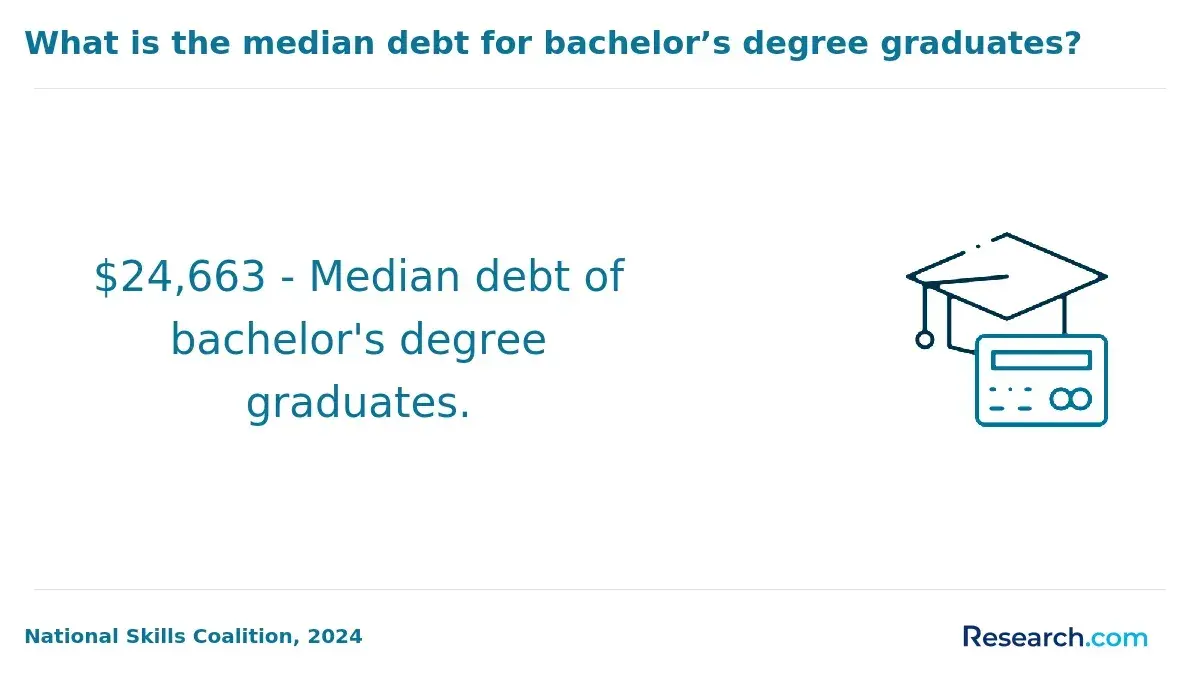
Timely financial aid and scholarship deadlines at the University of Illinois Springfield directly influence student debt outcomes by shaping when and how students apply for admission and funding.
Meeting these deadlines reduces the risk of delayed aid packages, which can force students to cover tuition costs out-of-pocket initially, increasing short-term debt and financial stress. For example, a student who misses the FAFSA priority deadline may be unable to access institutional scholarships that substantially lower net costs, leading to larger unsubsidized loans or credit reliance.
Early submission aligns financial aid availability with admission decisions, creating a more predictable financial picture. The impact of meeting these deadlines extends beyond enrollment, affecting long-term financial stability and career flexibility.
Key intersections between financial aid timing and admission actions include:
- Priority Scholarship Deadline Effects: Institutional scholarships at the University of Illinois Springfield require adherence to priority deadlines that often come before general admission deadlines. Missing these windows usually results in ineligibility for the most significant awards, increasing reliance on loan financing and overall debt burden.
- FAFSA Submission and Enrollment Rates: Students submitting FAFSA by priority deadlines experience a 22% higher enrollment rate compared to late applicants, reflecting the critical role early financial aid access plays in securing admission and reducing attrition related to funding uncertainty.
- Verification Process Impact on Admission Timing: Financial aid verification can take several weeks, delaying the finalization of aid packages. Students who apply late may face last-minute tuition payment demands or need to seek emergency alternative funding, complicating admission confirmations and increasing stress.
- Early Action Synchronization Benefits: The alignment of financial aid applications with Early Action deadlines at the University of Illinois Springfield allows students to receive financial aid offers alongside admission notifications. This dual timing enables better-informed enrollment decisions and minimizes unexpected debt.
- Delayed Aid and Increased Out-of-Pocket Costs: Missing scholarship or FAFSA deadlines can necessitate self-funding tuition temporarily. This scenario typically pushes students toward higher short-term borrowing or credit expenses, inflating total cost of attendance and jeopardizing longer-term financial plans.
- Workforce and Employer Expectations: Employers increasingly expect candidates to graduate with manageable debt levels to maintain career mobility. Students who fail to manage financial aid deadlines may face constrained employment options due to debt repayment obligations, impacting professional growth.
- Financial Aid Planning as Admission Strategy: Incorporating financial aid deadlines into the admission timeline encourages strategic application sequencing. Students who integrate these deadlines avoid costly delays and position themselves for optimal institutional funding, improving net affordability and reducing lifetime debt risk.
How should students plan their application and enrollment timeline?
Effective application and enrollment timing at the University of Illinois Springfield requires forward-looking coordination between academic readiness and bureaucratic milestones. Applicants must recognize that standardized testing, financial aid, and housing all share close deadlines that follow submission of the application itself.
Starting preparations at least six months in advance gives candidates a critical buffer to avoid late testing scores or missing required documentation. A 2024 study found students engaging early planning are 25% more likely to gain admission and enroll on time, reinforcing the need for disciplined scheduling.
Below is a sequential outline of key phases to structure application success.
- Initial Academic Preparation and Exam Scheduling: Begin at least six months before the intended semester by preparing for and registering standardized tests like the TOEFL. This phase ensures timely receipt of test scores and fulfillment of the college-preparatory program requirement, minimizing risks of disqualification due to missing academic credentials.
- Gathering and Verifying Secondary Records: Two to four months prior to application deadlines, collect high school transcripts, GED certificates, and any competency assessments. Early verification of these documents avoids last-minute issues with authenticity checks or processing delays that could jeopardize admission review.
- Submission of the Application Package: Aim to submit all materials at least one month before official deadlines. This timing allows for institutional processing and gives applicants time to address any follow-up requests without the pressure of immediate cutoff dates.
- Monitoring Financial Aid and Scholarship Eligibility: Concurrent with or shortly after application submission, track financial aid notices and scholarship application periods. Prompt response in this window is crucial, as missing these deadlines can lead to significant tuition funding gaps given the total cost of $15,092 and overall attendance expenses of $23,643.
- Housing Application and Enrollment Confirmation: Within weeks of admission decisions, initiate housing applications to secure on-campus or recommended accommodations. Housing availability typically aligns tightly with enrollment confirmations, so early action protects against losing affordable or convenient living options.
- Pre-Enrollment Advising and Course Planning: Immediately after enrollment confirmation, consult with academic advisors to finalize course schedules. This step ensures compliance with degree progress requirements and allows strategic selection aligned with long-term workforce relevance.
- Finalizing Financial and Administrative Obligations: In the final weeks before classes begin, complete payments, submit health records, and fulfill any orientation requirements. Leaving these until the last moment risks administrative hold-ups that delay class registration or access to campus resources.
What Graduates Say About University of Illinois Springfield Application Deadlines, Start Dates, and Admission Process
- Stella: "Applying to the University of Illinois Springfield was a calculated process for me, especially with their rolling application deadlines. I opted for a fall start date to give myself enough time to gather transcripts, secure recommendation letters, and coordinate financial aid, which required careful deadline tracking to avoid last-minute stress. This well-paced approach made the admissions process smoother and allowed me to focus fully on my studies, ultimately helping me transition confidently into a public policy role after graduation."
- Helena: "I appreciated how the University of Illinois Springfield's structured admission timeline gave me deadlines well in advance, but deciding between the spring or summer start dates was tricky. I chose summer to expedite my entry into the workforce but had to hustle to get all required documents submitted on time, including verifying my transcripts and work history. Navigating these challenges taught me a lot about time management, and the degree has since opened doors in my marketing career that wouldn't have been possible otherwise."
- Cecilia: "With my focus on career advancement, I approached the University of Illinois Springfield's admissions with a pragmatic mindset, weighing the pros and cons of applying early versus waiting for a later term. Gathering admission materials was a bit overwhelming initially, especially aligning the deadlines with my job schedule, but once I created a timeline, the rest followed smoothly. The ability to choose a start date that fit my life made all the difference, and completing my degree from UIS gave me a solid foundation to move into leadership positions in finance."
Other Things You Should Know About University of Illinois Springfield Degrees
Applying for a fall semester often means more course options and networking opportunities due to larger class sizes, but competition can be higher. Spring or summer admits might experience smaller cohort sizes, which can benefit personalized attention but may offer fewer courses and slower degree progression. Students should weigh program structure and their personal readiness against these variables to optimize learning and career timing.
Transfer students who apply earlier in the cycle have an advantage in receiving timely credit evaluations, which helps in academic planning and reduces the risk of taking redundant courses. Late applications often delay assessment, potentially extending time to graduation and increasing tuition costs. For transfers prioritizing efficiency and cost-effectiveness, early submission is critical.
Aligning your admission date with internship or employer hiring cycles is crucial for maximizing experiential learning and career prospects. Missing enrollment windows that coincide with internship availability can delay entry into the workforce or limit access to employer-sponsored programs. Prospective students should coordinate application and start dates to match industry hiring patterns to enhance employability immediately after or during their studies.
References
- UIS enrollment drops due to fewer international students https://www.nprillinois.org/2025-09-10/uis-enrollment-drops-with-fewer-international-students
- UIS Academic Calendar - Springfield | Academic Jobs https://www.academicjobs.com/employers/university-of-illinois-at-springfield/5442/academic-calendar
- University of Illinois Springfield | Graduate Program https://shorelight.com/universities/graduate/university-of-illinois-springfield
- Record enrollment in University of Illinois system, some increases at UIS - Capitol City Now https://capitolcitynow.com/news/248842-record-enrollment-in-university-of-illinois-system-some-increases-at-uis/
- Apply to University of Illinois Springfield https://www.commonapp.org/explore/university-illinois-springfield/
- University of Illinois at Springfield Requirements for Admission https://www.prepscholar.com/sat/s/colleges/University-of-Illinois-at-Springfield-admission-requirements
- UIS Admissions https://www.uillinois.edu/president/programs_initiatives/i-mmas/uis_admissions