2027 Is Arizona State University's Online MEd in Secondary Education Worth It? What Students Should Know

Co-Founder and Chief Data Scientist
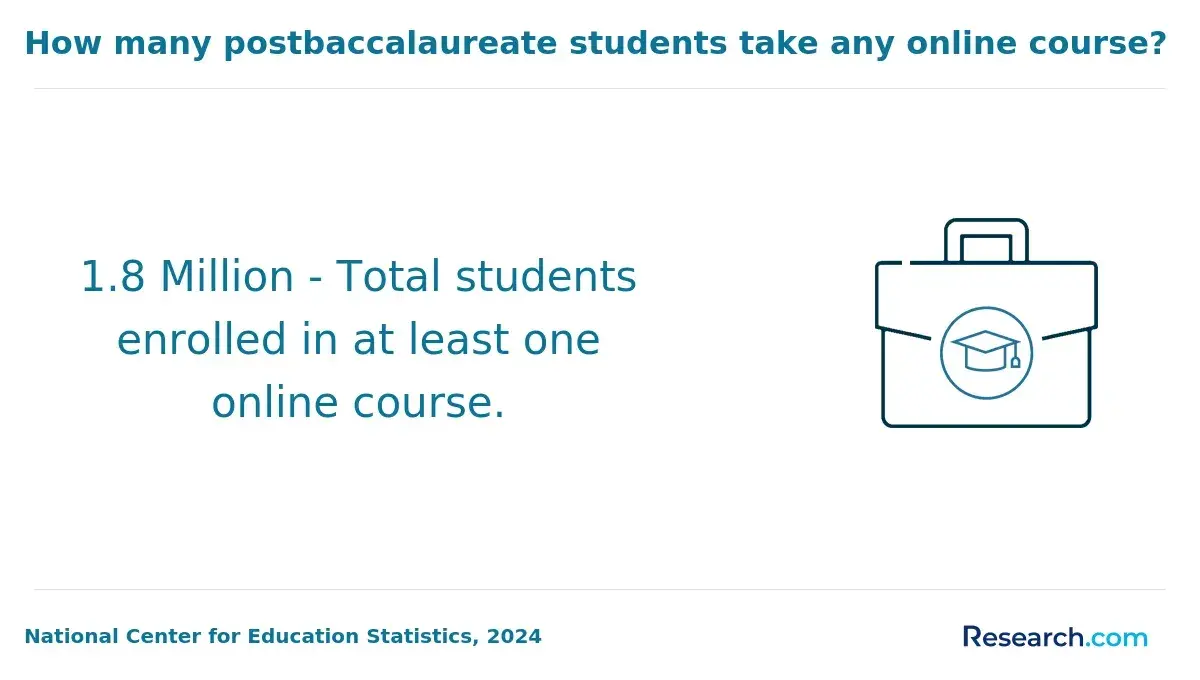
Choosing an online MEd in Secondary Education program involves balancing flexibility, accreditation, and career outcomes. With nearly 80% of educators seeking online credentials according to the National Center for Education Statistics, accessibility and program reputation matter more than ever.
Yet affordability, course rigor, and alignment with state certification requirements complicate the decision. Arizona State University's offering must be weighed against these factors, especially given regional licensure variations and evolving classroom demands.
This article evaluates whether Arizona State University's online MEd in Secondary Education meets professional standards and student needs, guiding prospective students through key considerations to make an informed choice.
Key Points About Arizona State University's Online MEd in Secondary Education Program
- Arizona State University's online MEd in Secondary Education has a 90% acceptance rate, offering relatively easy access but potentially higher competition among graduates in the job market.
- Graduates earn a median salary of $62,668, reflecting employer recognition of their skills and strengthening career prospects in education roles.
- The total tuition of $34,845 yields a 3.21x earnings to debt ratio, indicating a positive financial return despite the upfront investment required.
What makes Arizona State University's online MEd in Secondary Education program stand out?
Arizona State University's online MEd in Secondary Education provides flexible asynchronous coursework designed to accommodate working educators who must juggle classroom responsibilities with graduate study. For teachers looking to upgrade skills without compromising current employment, this flexibility minimizes disruption.
However, students who require more real-time interaction may find the self-directed format challenging, highlighting a key tradeoff between convenience and hands-on engagement.
The program integrates practical application with theory, combining technology use and classroom strategies to prepare graduates for diverse secondary education challenges. Its scale, supported by 14,448 staff and 79,593 enrolled students, offers access to extensive resources, research, and faculty expertise, advantages that smaller programs often lack.
This infrastructure supports a 68% graduation rate, reflecting solid institutional support and academic rigor that can boost employability for educators targeting advancement or transition within the field.
Is it difficult to get admitted to Arizona State University's online MEd in Secondary Education program?
Admission to an online MEd in Secondary Education program often involves balancing academic qualifications with practical experience, making many such programs moderately competitive. Programs with stringent test score requirements or limited enrollment can create significant barriers for working professionals seeking advancement.
This dynamic affects the applicant pool and employer perception, where graduates of more selective programs might carry a slightly stronger credential in large districts or specialized educational roles.
In contrast, Arizona State University's MEd in Secondary Education reflects a more accessible model, evidenced by its approximately 90% acceptance rate from a large applicant pool of about 68,840 annually.
Since around 62,084 applicants are admitted each year, the program does not present substantial admission hurdles relative to many peers, minimizing stress for candidates who may lack standardized test scores or have non-traditional backgrounds. The absence of SAT or ACT requirements further reduces barriers, aligning the admissions process with a holistic review rather than rigid academic filters.
This accessibility means candidates who might otherwise hesitate to apply due to academic record or testing constraints can create competitive applications. However, less selectivity may lead employers to weigh experience, licensure, and continuing education more heavily when differentiating candidates in hiring or promotion decisions.
One graduate recounted applying late in the cycle after initially debating whether their undergraduate GPA was competitive enough. "I hesitated because I didn't have standardized test scores and was juggling a job, but once I submitted my application, the quick acceptance was a relief," they explained.
The timeline allowed them to plan financially and professionally without extended uncertainty, which contrasted sharply with earlier experiences attempting admission to more restrictive programs that required months-long waiting periods and additional test preparation.
How does the curriculum of Arizona State University's online MEd in Secondary Education program stay aligned with current industry trends?
Effective secondary education training programs must not only cover foundational pedagogical theory but also adapt quickly to evolving workforce demands. The Arizona State University online MEd in Secondary Education curriculum maintains alignment with industry expectations by emphasizing technology integration, experiential learning, and culturally responsive teaching, each critical for secondary educators navigating today's complex classroom environments.
Below are key factors illustrating how the curriculum matches current professional standards:
- Technology Integration: The curriculum focuses on equipping candidates with skills to use digital tools purposefully, enabling differentiated instruction that meets diverse student needs. This technical fluency addresses employer expectations for educators who can leverage educational technology to enhance learning outcomes.
- Experiential Learning: Practical field components build leadership and decision-making skills within real-world secondary education contexts. This hands-on approach is crucial to prepare graduates for the operational realities teachers face, bridging the theory-practice gap often cited by school administrators as a hiring hurdle.
- Cultural Responsiveness: As classrooms grow more diverse, the program's incorporation of culturally responsive teaching methods aligns with the growing demand for educators who can foster inclusive spaces and address social-emotional learning challenges, a priority for many school districts.
Aligning with the Arizona State University Secondary Education program industry alignment means prospective students should weigh these curriculum strengths against personal career objectives and local workforce priorities. Candidates focused on dynamic, tech-savvy instruction and inclusive leadership roles will find these competencies increasingly required.
This program also mirrors broader shifts seen among top-tier online degrees that balance academic rigor with workforce readiness, a consideration for those evaluating the value and practical applicability of an online MEd. For more comparative context on program affordability, consult the list of the cheapest online colleges.
The online MEd in Secondary Education tuition fees at Arizona State University offer a fixed-rate tuition model, charging $12,051 annually for tuition and fees alone. This consistency benefits students juggling work or geographic constraints but should be weighed against additional costs like books and supplies, which average around $1,320.
The broader total cost, estimated at $34,845 annually, encompasses living expenses and other fees, relevant for those attending full-time or balancing housing costs. Students must assess how these layered expenses align with their financial situation and whether institutional aid or employer tuition reimbursement programs can offset the outlay.
Arizona State University's approach to fees specific to online learners, namely, no extra technology fees, removes a typical barrier that can increase total educational costs at other institutions. This makes budgeting more predictable compared to programs that charge variable regional tuition rates or mandatory online fees.
However, potential candidates should consider the impact of living arrangements and incidental costs, as discrepancies in calculations from sources like the Federal Scorecard reveal variation in total reported expenses for in-state students.
In the broader market, the cost breakdown for Arizona State University online MEd Secondary Education program compares favorably with many public universities, where full-degree tuition often ranges between $20,000 and $30,000. This relative affordability positions ASU as an option for those prioritizing cost efficiency without sacrificing institutional credibility.
However, prospective students should balance lower tuition against broader indicators like program reputation, alumni outcomes, and employer perceptions within their regional job markets.
Financial aid plays a decisive role in practical affordability. While 93% of undergraduates at Arizona State University receive some form of aid, graduate students including online MEd enrollees access institutional and merit-based scholarships and corporate tuition partnerships. This underscores the importance of exploring all funding avenues.
For those seeking alternatives or complementary certifications, considering a curated list of certificates I can get online alongside or after the degree might enhance employment prospects or offset tuition costs.
Applicants aiming for the online MEd in Secondary Education at Arizona State University should prepare for a moderately selective process that prioritizes foundational academic records and language proficiency over standardized test scores.
Unlike undergraduate admissions, the program does not require SAT or ACT results but expects evidence of high school completion or its equivalent, which reflects a baseline academic readiness valued by many educational employers. Understanding these criteria is crucial since transfer students must also navigate credit acceptance nuances that affect semester planning and financial investment.
Below are key admission requirements to consider before applying.
- Academic Credentials: Applicants must provide proof of high school completion via a traditional diploma or GED, establishing essential pre-college qualifications without mandating undergraduate GPA thresholds.
- Language Proficiency: Non-native English speakers need to submit TOEFL scores to demonstrate English competency, which is critical for effective classroom communication and compliance with licensure standards.
- Entrance Exams: Neither SAT/ACT nor graduate-specific entrance exams are mandatory, reducing barriers to entry but placing greater emphasis on other documentation.
- Transfer Credits: ASU generally accepts various transfer credits, including ACE recommendations and standardized testing credits, enabling flexible progression but requiring attention to credit caps and acceptance policies.
- Supporting Materials: While recommendations, personal statements, and resumes are optional, including them can strengthen applications by providing insight into applicants' competencies and professional goals.
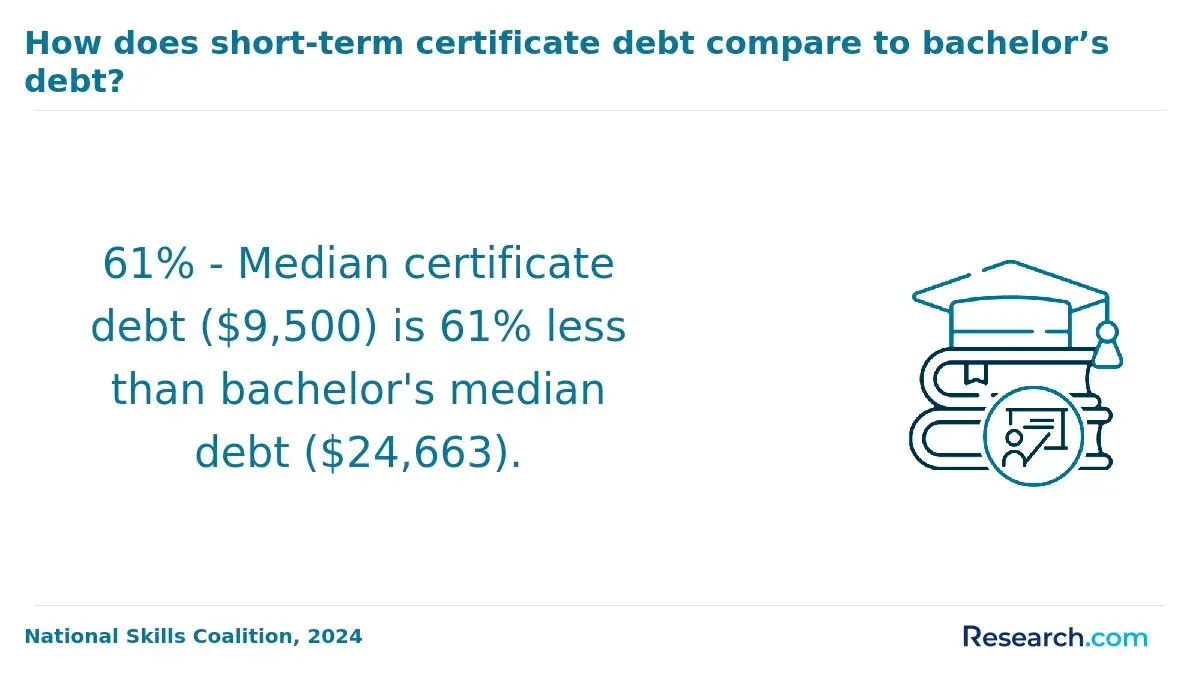
The return on investment for an online MEd in Secondary Education from Arizona State University depends heavily on how graduates leverage their starting salaries relative to the program's total cost. With an approximate total annual cost nearing $35,000, the tuition and ancillary expenses outpace some comparable programs where in-state on-campus attendance costs around $28,000.
However, starting median salaries around $62,668 position graduates above typical early-career teacher earnings, reflecting stable income potential over a decade. This salary consistency, paired with a graduate earnings-to-debt ratio above 3x, signals that students can reasonably expect earnings to outpace debt incurred, assuming steady employment in public education or related sectors.
Yet, the ROI becomes more nuanced when factoring in financial aid opportunities and job market realities. Students able to secure scholarships or grants reduce upfront financial burdens, improving net ROI. Conversely, those entering regions with lower pay scales or limited advancement opportunities may face prolonged debt repayment periods.
The program feeds graduates into school districts and education agencies where demand varies geographically, so regional labor market conditions critically affect outcomes. Additionally, career trajectory in education often hinges on accruing years of service and administrative roles, which means immediate salary impact may be modest but can grow substantially with experience and leadership roles.
Prospective students should weigh these tradeoffs carefully: the investment aligns fairly with earnings potential in many districts but may require strategic planning around location, financial assistance, and career path diversification to maximize long-term financial benefit from an online MEd at Arizona State University.
Employer Confidence in Online vs. In-Person Degree Skills, Global 2024

Satisfaction among students in Arizona State University's online MEd in Secondary Education hinges largely on how well the program balances academic demands with support structures tailored for remote learning. The availability of peer mentoring and student-led virtual groups is a clear advantage, offering more than just academic assistance but also a sense of community crucial for maintaining engagement outside a traditional campus.
However, the responsibility placed on students to manage time effectively can temper this positivity, reflecting a common tradeoff in distance education where flexibility comes with the need for strong self-regulation.
From the perspective of workforce preparation, this combination of support and autonomy mirrors challenges educators face professionally, juggling instructional planning, student interaction, and administrative tasks simultaneously. For candidates looking to strengthen such skills, the program's environment may be especially relevant.
Still, satisfaction fluctuates based on individual capacity for self-discipline, as well as the extent to which students tap into the available networks. Those able to engage deeply with these resources report a more rewarding experience, while others contend with isolation or motivational lapses common in online formats.
One graduate recalled initially hesitating over online study, concerned about losing peer interaction and structure. Yet, joining several e-mentoring groups helped preserve a collaborative feel and eased feelings of disconnect.
Despite occasional struggles with pacing and workload spikes during teaching practicum periods, this grad ultimately valued the flexibility to continue working and caring for family simultaneously, an arrangement that traditional programs rarely allow. This blend of challenge and support shaped a deeply personalized learning path that maintained motivation through practical relevance and community connection.
Institutions significantly influence graduates' employment outcomes by providing structured opportunities that extend beyond coursework. For online MEd in Secondary Education graduates from Arizona State University, access to targeted employment services notably impacts their job prospects.
Research indicates that approximately 70% of educators secure their first teaching position through university-affiliated channels, emphasizing the practical advantage of connecting coursework with employment pipelines.
This linkage proves especially critical in secondary education, where demand fluctuates regionally and state certification requirements add complexity. The employment services for MEd in Secondary Education graduates in Arizona illustrate how a program's network can reduce the time to hire or offer pathways into districts actively recruiting candidates.
Below are key ASU-supported resources that contribute to graduate employability:
- Virtual Career Fairs: These events allow students to meet education employers currently seeking secondary teachers, enabling direct dialogue that can accelerate hiring decisions before graduation.
- Online Workshops: Focused on resume building, cover letters, and interview preparation tailored to education sector hiring managers, these workshops refine applicants' presentation skills for competitive job markets.
- Specialized Job Portals: Curated job listings exclusive to ASU graduates highlight openings aligned with their credentials and regionally relevant certifications, increasing match efficiency.
- Alumni Mentorship: The extensive ASU alumni network offers mentorship opportunities that provide practical advice, networking contacts, and insights into local employment trends, factors critical for navigating the secondary education job market.
Given the financial considerations of advanced degrees, prospective students may also consider researching the most affordable online masters programs alongside evaluating employment support services when deciding on their educational investment.
Career outcomes play a crucial role in evaluating the value of Arizona State University online MEd Secondary Education career opportunities, especially when deciding whether the time and financial investment align with professional objectives. The typical paths graduates follow reflect a blend of teaching, curriculum development, and leadership roles, each carrying different demands and salary expectations.
These distinctions influence how graduates can leverage the degree to meet their long-term goals in education. Considering these specific career trajectories helps clarify practical employment possibilities and earning potential.
Below are examples of typical roles graduates may pursue.
- Secondary Classroom Teacher: Graduates often teach in public or private secondary schools, focusing on lesson planning, student assessments, and classroom management. Average salaries generally center around $40,700, reflecting the baseline earning standard for educators with this credential.
- Instructional Coordinator: These professionals oversee curriculum implementation and teacher training programs. Their role requires experience beyond teaching licenses, with higher pay to match their increased responsibility and influence over educational quality.
- Curriculum Specialist: Specialists analyze and improve educational content for secondary education environments, often working closely with schools to adapt programs to student needs. Earnings typically surpass those of classroom teachers due to their specialized expertise.
- Special Education Teacher: Graduates focusing on special education fields earn slightly higher salaries, approximately $41,150, reflecting the specialized skills needed to support diverse learner requirements in secondary settings.
These outcomes indicate that while the program provides opportunities for lateral movement within education, significant salary enhancements usually require additional roles or certifications.
For those weighing this option, exploring easy licenses and certifications to get online could enrich credentials and enhance employability beyond the initial degree scope. Informed decisions regarding career focus and supplemental qualifications are essential to maximize the investment in an online MEd in Secondary Education from Arizona State University.
Determining if Arizona State University's online MEd in Secondary Education aligns with your goals depends on nuanced factors tied directly to your academic focus and career ambitions.
For example, a teacher aiming to specialize in STEM subjects might find value in a program with relevant electives and faculty expertise, whereas a candidate focused on educational leadership might prioritize different offerings. Choosing a program without this alignment risks investing time and resources into credentials that may not yield practical professional advancement.
Several criteria deserve close attention when evaluating online MEd in Secondary Education programs at Arizona State University:
- Curriculum Relevance: Identify whether the program offers specialization areas or electives that match your intended teaching subject or educational approach. A curriculum tailored to your professional interests can better prepare you for particular school environments or district needs.
- Delivery Flexibility: Since this program is online, assess whether the asynchronous or synchronous course formats fit your personal schedule and learning preferences. Flexibility here is essential when balancing coursework with work and life obligations.
- Accreditation and Reputation: Examine the program's accreditation status and standing within educational circles to ensure your degree holds recognized value for employers and licensure bodies, which can directly impact employability.
- Support Services and Faculty Access: Evaluate the availability of experienced instructors and robust student resources such as career counseling and technical help, as these support structures influence your ability to successfully complete the program and apply learning in real settings.
- Practicum Requirements: Understand the logistics around required field experiences or placements, ensuring they can be arranged near you or completed remotely. Practical teaching experience is often mandated for credentialing and is crucial for skill development.
Addressing these points will clarify whether the online MEd suits your specific pathway toward secondary education roles. This is particularly relevant when comparing multiple programs or considering the unique challenges within the secondary education landscape.
For those evaluating their broader academic options in education, understanding what is the easiest bachelor's degree to get can also inform decisions about foundational preparation before pursuing a graduate degree.
What Graduates Say About Arizona State University's Online MEd in Secondary Education Program
- David: "Studying at Arizona State University for my MEd in Secondary Education gave me practical tools that helped me build a strong teaching portfolio, something local schools here really value beyond just licensure. The program's flexibility allowed me to continue working while completing my degree, which was crucial because I saw how employers increasingly prioritize classroom experience combined with certifications. However, I quickly learned that advancement in my district was still limited without additional state licensure, so I'm considering further steps to stay competitive."
- Anika: "The MEd in Secondary Education program at Arizona State University provided a critical stepping stone for me as I transitioned from a different career into education. The coursework and internships were demanding but offered a true glimpse into secondary classroom realities, which helped me confirm that passion alone wasn't enough. After graduating, I noticed that schools preferred candidates with demonstrated internship experience, so I focused on gaining meaningful classroom hours immediately. This program didn't promise instant job security, but it definitely prepared me for the hiring landscape."
- Adam: "Arizona State University's online MEd in Secondary Education made it possible to earn my degree while working remotely, which matched my lifestyle perfectly. I found that having a master's opened doors to higher salary ranges in private and charter schools, even if some public districts still required traditional licensure routes. The practical approach of the program allowed me to pivot from tutoring to a full teaching role fairly quickly, though I still had to work on networking and certifications to secure my ideal position. It gave me options I didn't have before, but navigating the job market was definitely an experience in itself."
Other Things You Should Know About Degrees
The workload is structured to accommodate working professionals, but the pace remains rigorous. Students should expect weekly assignments, discussion posts, and project deadlines that require consistent time commitment. Balancing this with a full-time teaching job can be challenging; prioritizing time management is essential to avoid burnout. Those with inflexible schedules might find the program demanding despite its online format.
The MEd in Secondary Education includes components meant to bridge theory and practice, but it is not a licensure program itself. Candidates seeking endorsements or initial licensure need to verify that clinical or practicum requirements can be met through their existing school or alternative arrangements. This makes the program more suitable for current teachers aiming to deepen content knowledge or pedagogical skills rather than those needing hands-on licensure training.
The program includes supervised field experience tied to secondary teaching standards, and students may need to complete practicum hours in approved school settings. Arizona educator preparation rules also require fingerprint clearance and any district-level background checks before placement, so candidates should verify local requirements early.
Graduates of ASU's Online MEd in Secondary Education in 2027 can access various career advancement opportunities such as becoming lead teachers, curriculum specialists, or school administrators. The program's emphasis on contemporary educational strategies and leadership skills enhances their readiness for higher roles in education.
- Entry Requirements For Medical Schools - Medic Mentor https://medicmentor.org/entry-requirements-for-medical-schools/
- Medical Schools In Arizona: Rankings & Information https://mededits.com/mededits-resources/medical-school-admissions/schools-by-state/arizona/
- What Can You Do with a Master of Education (MEd) Degree? https://www.georgefox.edu/education/articles/what-to-do-with-med.html
- Career Spotlight: Master's in Education Jobs and Outcomes https://masterofed-sopa.tulane.edu/articles/master-of-education-jobs-and-outcomes-med/
- Arizona State University (ASU) https://www.princetonreview.com/college/arizona-state-university-1023376