2027 Is Arizona State University's Online MS in Psychology - Sport Psychology Worth It? What Students Should Know

Co-Founder and Chief Data Scientist
Choosing the right online MS in psychology - sport psychology program involves weighing career objectives against program quality and flexibility. With U. S. Department of Education data showing a 15% increase in online graduate enrollment in psychology fields, accessibility has improved, but quality varies widely. Prospective students must assess if Arizona State University's curriculum integrates current sport psychology practices and if its structure supports professional growth without sacrificing practical exposure. Understanding employer expectations in this niche field is equally crucial. This article evaluates how well Arizona State University's program meets these demands and guides readers in making an informed decision about their educational investment.
Key Points About Arizona State University's Online MS in Psychology - Sport Psychology Program
- Arizona State University's online MS in Psychology - Sport Psychology program has a 90% acceptance rate, making it accessible but potentially reflecting varied applicant preparedness levels.
- The $34,845 tuition cost corresponds with a 3.21x earnings to debt ratio, indicating that graduates typically recover their educational investment through improved salary prospects.
- Alumni earn a median salary of $62,668, signaling strong employer recognition and suggesting career advancement opportunities in sport psychology roles.
What makes Arizona State University's online MS in Psychology - Sport Psychology program stand out?
Arizona State University's online MS in Psychology - Sport Psychology program offers a flexible structure that particularly benefits working professionals and adult learners needing to balance study with other commitments. Unlike fully synchronous programs, this program's mix of asynchronous and synchronous coursework allows students to control their pacing while maintaining key peer and faculty interactions, which is an essential tradeoff between flexibility and engagement. For students already in the workforce, this format can reduce disruption while still providing the direct access needed for deeper learning.
The program's extensive digital resources, including ASU's libraries and research databases, address a common pitfall in online graduate education: student isolation. These support systems uphold academic rigor and provide practical benefits for applied research skills valued by employers in sport psychology and related healthcare sectors. With a 68% average graduation rate, the program shows reasonable student success, illustrating that its design supports persistence, which is often a challenge in online learning environments. This combination of flexibility, resource access, and structured support makes it a distinct option for students aiming to advance in sport psychology without sacrificing professional or personal responsibilities.
Is it difficult to get admitted to Arizona State University's online MS in Psychology - Sport Psychology program?
Graduate programs in sport psychology typically attract a niche pool of candidates with focused interests, making admission moderately competitive depending on the institution's selectivity and specialization. This contrasts with broader psychology master's degrees, which may have larger applicant pools but more standardized prerequisites. The specialized nature of sport psychology means programs often seek applicants with specific skills or relevant experience, which can heighten admission difficulty.
Arizona State University's online MS in Psychology - Sport Psychology program stands out for its comparatively accessible admission process. With a 90% acceptance rate and no requirement for SAT or ACT scores, ASU lowers traditional entry barriers common in graduate studies. This openness offers practical advantages for professionals balancing work and study or those who may lack conventional academic credentials but demonstrate relevant commitment and potential in sport psychology.
This accessibility comes with tradeoffs: while the program eases entry hurdles, prospective students must evaluate whether its less selective process aligns with their career goals and employer expectations, especially in a field where clinical credentials and licensure stringent standards often dictate employability.
Reflecting on the admissions journey, a recent graduate shared that the straightforward application timeline helped reduce stress, though initially, hesitation lingered over whether rushing the process impacted preparedness. "I debated submitting my materials early without having all volunteer hours fully documented, but the program's flexible criteria meant I could provide supplementary information later without risking rejection," they recalled, highlighting how ASU's model favors adaptability and pragmatic decision-making during admission. This flexibility proved crucial during a period of job transition and family obligations, underscoring the value of a less rigid process for nontraditional applicants.
How does the curriculum of Arizona State University's online MS in Psychology - Sport Psychology program stay aligned with current industry trends?
Aligning an online MS in Psychology - Sport Psychology curriculum with evolving industry standards requires a focus on applied skills that meet employer demands for competency in athlete performance and mental health support. Arizona State University's program, reflecting key trends in sport psychology education, balances theoretical foundations with practical training crucial for workplace readiness. Graduates are expected to navigate dynamic environments where mental health intersects with athletic performance, making adaptability and hands-on experience vital. The following factors illustrate how the Arizona State University online sport psychology curriculum relevance supports its alignment with sector expectations:
- Applied Coursework: The program incorporates training in psychological assessment, motivation techniques, and behavior interventions, mirroring the core functions sport psychology professionals perform. This academic foundation is essential for graduates aiming to contribute meaningfully in settings ranging from competitive sports teams to community recreation.
- Experiential Learning: Emphasizing applied projects and intervention planning, the curriculum addresses employer preferences for candidates with direct experience. This hands-on focus prepares students to implement evidence-based strategies and respond effectively to real-world challenges faced by athletes and coaches.
- Interdisciplinary Adaptability: In response to increased demand across healthcare and sports sectors, the program fosters an integrated understanding of mental health and performance psychology. This enables graduates to serve diverse populations and meet the shifting expectations within sport and exercise environments.
While Arizona State University's MS in Psychology - Sport Psychology aligns well with dominant industry trends, prospective students should consider how these competencies match their career ambitions and the realities of specific job markets. Aligning practical learning with professional standards enhances employability but requires weighing the tradeoffs between theoretical depth and experiential breadth. Students interested in affordable options might also explore cheapest online colleges that accept FAFSA near me to compare curricula and costs in related programs.
- Arizona State University online sport psychology curriculum relevance
- industry trends in Arizona sport psychology education
How much does Arizona State University's online MS in Psychology - Sport Psychology program cost?
The tuition for Arizona State University's online MS in Psychology - Sport Psychology program is about $12,051 per year, with total annual costs including fees, books, and living expenses reaching close to $34,845. This figure is crucial for prospective students who must factor in not only tuition but also mandatory fees and supplies when assessing the program's financial viability. The absence of separate technology fees for online learners and a flat-rate tuition regardless of residency provide a consistent cost structure, which can be especially advantageous for out-of-state candidates balancing budget constraints.
Financial aid plays a pivotal role in offsetting these costs. While the 93% financial aid receipt rate at Arizona State University primarily applies to undergraduates, it underscores a broader institutional commitment that often extends to graduate students through grants, scholarships, or employer tuition reimbursement programs. For students attentive to affordability, understanding these options is essential, as they can significantly reduce net expenses and influence the decision to pursue this specialized MS in Psychology - Sport Psychology at ASU.
Compared to national averages, ASU's tuition and associated fees remain competitive, often falling below those charged by many other universities with similar graduate programs. This creates a meaningful cost-benefit tradeoff for students aiming to enter fields where salary increments may be moderate or highly dependent on geographic location and employer type. When evaluating the Arizona State University ms in psychology - sport psychology tuition fees, one must consider practical outcomes, including long-term career growth relative to upfront investment.
For students weighing different credentials in the psychology and sports performance sector, exploring options like online certificates may also provide more affordable pathways or complementary qualifications. This strategic layering of certifications and degrees can mitigate educational costs while enhancing employability across health systems and performance organizations, making the financial commitment to an MS in Psychology - Sport Psychology more manageable and aligned with workforce realities.
What are the admission requirements for Arizona State University's online MS in Psychology - Sport Psychology program?
Arizona State University's admissions process for the online MS in Psychology - Sport Psychology reflects selective criteria that balance accessibility with academic standards, influencing how applicants prepare and present themselves. For example, prospective students who lack formalized assessments like the SAT or ACT need to consider alternative ways to demonstrate competency. This selective approach signals to employers a moderated baseline of candidate readiness, which can affect workforce integration and standing. Understanding these requirements aids applicants in aligning their submission strategy with institutional expectations while navigating common transfer credit complexities. Below are key admissions elements to consider.
- Academic Credentials: Applicants must have a high school diploma or GED and submit their secondary school records. This foundational requirement ensures a documented educational baseline before advancing to graduate-level coursework.
- Standardized Tests: While SAT and ACT scores are not required, submitting alternative standardized tests like Wonderlic or WISC-III is advised if available, offering a nuanced measure of analytical and cognitive skills.
- English Proficiency: Non-native English speakers must provide TOEFL scores, reflecting the program's emphasis on language competency critical for academic success and professional communication.
- Transfer Credits: Transfer applicants face moderate difficulty and can apply credits through ACE recommendations and CLEP or DSST exams. This flexibility supports career changers or those seeking accelerated progression but demands careful attention to grade requirements and session availability.
- Supplementary Materials: Letters of recommendation and personal statements are recommended to enhance an applicant's profile. Although not mandatory, these materials offer qualitative insights into candidate readiness and motivation that grades alone may not capture.
What is the ROI of attending Arizona State University's online MS in Psychology - Sport Psychology program?
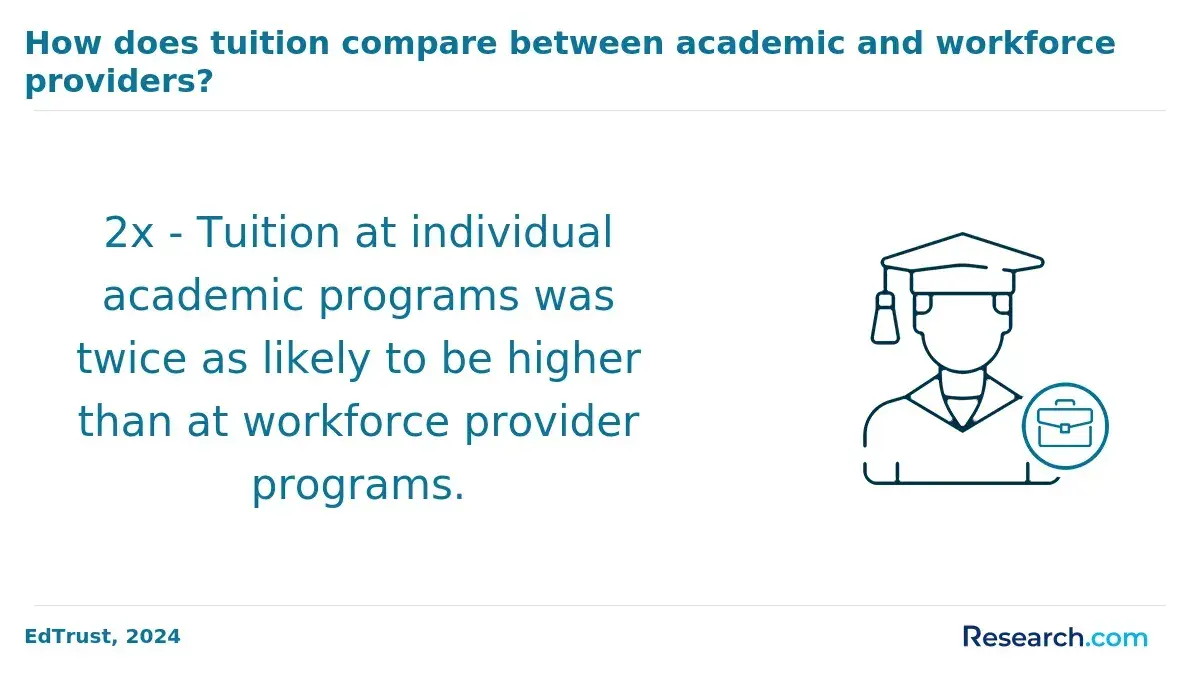
The return on investment for attending Arizona State University's online MS in Psychology - Sport Psychology program hinges on balancing tuition costs against realistic salary prospects and debt management. While total annual expenses hover around $34,845 including living costs, graduates report a median starting salary near $62,668, closely tracking typical earnings for MS-level sport psychology professionals. This salary-to-cost ratio yields an earnings-to-debt ratio of approximately 3.21x, indicating that most graduates earn over three times their educational debt, a critical factor for financial sustainability post-graduation.
Prospective students should consider how securing scholarships or grants can significantly enhance ROI by reducing upfront costs. Since the athletic and health sectors often require specialized certifications beyond the master's degree, salary progression tends to be gradual, reflecting the need for relevant experience and credentials rather than rapid wage increases solely based on the degree. Graduates entering collegiate athletic departments or public agencies may find steadier but moderate income growth compared to private clinics, where higher initial compensation might occur but competition and job security vary widely.
Therefore, the practical value of the program depends heavily on each student's ability to control education costs and navigate the sport psychology employment landscape, where consistent earnings must be weighed against the program's financial investment and professional credentialing requirements.
Is there a high student satisfaction for Arizona State University's online MS in Psychology - Sport Psychology program?
Student satisfaction in Arizona State University's online MS in Psychology - Sport Psychology program hinges on factors beyond coursework, notably the institution's ability to maintain engagement in a virtual format. The challenge for many online learners is finding meaningful interaction and support that compensate for the lack of physical presence. ASU addresses this through organized peer networks and mentoring schemes, which help create a collaborative environment that some employers view favorably as it indicates teamwork skills developed remotely.
The program's structure aims to accommodate working professionals, making flexibility a key feature that influences satisfaction. Balancing graduate-level expectations with personal and job responsibilities remains difficult, but the university's outreach efforts and transparent faculty communication mitigate some common online learning frustrations. Despite an inherently demanding curriculum, these support systems contribute to a learning experience that aligns well with students juggling multiple roles.
Graduate feedback suggests the program's resources and community-building initiatives foster a sense of belonging that sustains motivation and completion rates. Still, students must be proactive about time management and engagement to fully benefit from the offerings; otherwise, the remote format can feel isolating.
One graduate recalls enrolling while managing a full-time coaching career and family commitments. Initially hesitant about the online format's rigor, they found relief in the mentorship program and faculty responsiveness, which allowed for timely guidance amid their hectic schedule. This support was pivotal in maintaining focus during intense semesters, leading to a rewarding but demanding academic journey.
How does Arizona State University help online MS in Psychology - Sport Psychology graduates secure employment?
Employment outcomes for online ms in psychology - sport psychology graduates in arizona depend heavily on institutional support networks that go beyond standard career services. Research indicates that 72% of graduates secure their first positions through school-facilitated connections or resources, underscoring how integral such support is for effective job placement. Practical application of these connections influences hiring speed and role relevance, especially in specialized fields like sport psychology. To navigate an often competitive job market, access to tailored career resources is essential. Below are key employment support services at arizona state university ms in psychology - sport psychology program that directly enhance graduate prospects:
- Virtual Job Fairs: These connect students with a national pool of employers seeking candidates with sport psychology expertise, enabling early interviews and insights into current workforce demands.
- Resume Workshops: Focused on industry-relevant skills, these workshops help candidates tailor applications to meet expectations from sport psychology employers and differentiate themselves in a crowded applicant pool.
- Job Placement Portals: Dedicated online platforms listing open roles specifically for psychology and sport psychology positions streamline the search process and reduce time-to-hire.
- Alumni Mentorship: ASU's alumni network of over 450,000 members pairs current students with graduates actively working in the field, providing mentorship that bridges academic knowledge with workplace realities.
This comprehensive support combined with a strategic alumni network equips graduates to better align their qualifications with employer needs in sport psychology. For prospective students evaluating program value, considering these career services in context with other program factors is crucial. Additionally, exploring options such as 6 week courses with certificates may supplement core skills and enhance employability in dynamic healthcare and sports settings.
What are the career outcomes for recent graduates of Arizona State University's online MS in Psychology - Sport Psychology?
Career outcomes for recent graduates of Arizona State University's online MS in Psychology - Sport Psychology reveal a direct tradeoff between specialized training and initial salary potential. Graduates often find entry-level roles offering compensation close to general psychology averages, which may feel modest compared to other applied psychology fields. This reflects the program's niche focus, where immediate earnings around $33,000 to $35,000 are common before experience and reputation enhance salary prospects. For candidates weighing program investment, understanding these starting points is crucial for setting realistic expectations of job market entry. Given growing attention to athlete mental health, graduates benefit from expanding roles, particularly in sports organizations and wellness settings. Below are some typical career outcomes for MS in Psychology - Sport Psychology graduate career options in Arizona, illustrating practical pathways and salary norms.
- Sport Psychologist Roles: These professionals work with athletes at collegiate or professional levels, applying psychological techniques to improve performance and mental resilience. Salaries vary widely but often start around mid-30,000s and grow with experience and clientele.
- Mental Performance Consultant: Consultants collaborate with sports teams and rehabilitation centers to enhance focus and motivation. Early-career earnings mirror entry-level sport psychology, with potential increases tied to client impact and reputation.
- Athletic Coach with Psychological Training: Combining coaching and mental health expertise allows for a holistic approach to athlete development. This role may command salaries similar to or slightly above general coaching positions depending on credentials and institution.
- Wellness and Athletic Training Support: Graduates often transition into broader wellness roles that support athlete health and injury recovery. Salary expectations here vary widely due to differing organizational structures and certifications.
Job prospects for Arizona State university online sport psychology master's graduates reflect these realities. For those assessing affordability alongside outcomes, exploring cheapest online colleges can provide additional context when comparing program costs and accessibility.
How do I know if Arizona State University's online MS in Psychology - Sport Psychology program is the right fit for my goals?
Deciding if Arizona State University's online MS in Psychology - Sport Psychology program aligns with your goals requires more than checking the program's reputation or delivery format. The worth of this program is contingent on how well it matches your academic focus and how it positions you within the sport psychology job market. For instance, choosing this program without confirming whether its curriculum covers performance enhancement or mental health in athletes could limit relevance to your intended career path. Here are some critical factors to evaluate when determining if this degree is the right fit for your goals:
- Curriculum Relevance:The program's course content must align closely with your professional interests within sport psychology. Investigate course options and whether they include practical topics that apply to your targeted roles, such as psychological interventions or athlete wellness strategies.
- Market Recognition:Assess how employers and industry professionals perceive Arizona State University's online MS in Psychology - Sport Psychology credential. Accreditation, faculty qualification, and graduate employment rates provide signals of value when competing for specialized roles.
- Program Flexibility:Consider whether the online format can realistically accommodate your personal and professional responsibilities. The availability of interactive learning, faculty engagement, and hands-on experiences like internships should factor heavily into your decision.
- Support Services:Effective career counseling, networking platforms, and alumni connections are essential for translating academic learning into relevant job opportunities. The level of support offered can influence how successfully you navigate post-degree employment.
These considerations capture important dimensions when evaluating arizona state university online ms in psychology sport psychology program fit to ensure it serves your unique career trajectory. While the specialization can open doors, outcomes depend heavily on how well the chosen program matches your objectives and resources. For roles that tend to attract individuals who thrive in less social but focused professional environments, you may want to review current jobs for introverts to assess career compatibility given your personal style alongside your educational investment.
What Graduates Say About Arizona State University's Online MS in Psychology - Sport Psychology Program
- Aubrey: "During my time at Arizona State University pursuing the MS in Psychology - Sport Psychology, I found the program's flexibility essential as I balanced work and study. The practical assignments and case studies helped me build a portfolio that employers valued far more than licensure in my early job searches. While I did face some limits in salary growth without pursuing additional certification, the ability to enter the workforce quickly and remotely made the program a strategic choice for my career trajectory."
- Phoebe: "Studying at Arizona State University for my MS in Psychology - Sport Psychology gave me a realistic view of the industry's hiring landscape. I quickly learned that internships and hands-on experience were prioritized over degrees alone, so I focused on securing placements during the program. This helped me transition into a role focused on athlete mental wellness, though I still encounter stiff competition for advancement without further credentials. The program was rigorous but really prepared me for these nuances."
- Mariah: "The MS in Psychology - Sport Psychology program at Arizona State University was an eye-opener about the practical demands of our field. Post-graduation, I realized many employers want a blend of certifications and real-world experience rather than just licensure. This pushed me to pivot toward roles in sports performance consulting rather than clinical positions. In hindsight, the curriculum's emphasis on applied psychology and research helped me make that transition smoother than I expected."
Other Things You Should Know About Degrees
The ms in psychology - sport psychology program at Arizona State University is designed with flexibility but still demands substantial commitment. Online students face a workload comparable to on-campus peers, including extensive reading, research projects, and practicum components. Prospective students should realistically assess their time management skills, as balancing full-time work or family obligations with this intensive schedule can be challenging. Prioritizing structured study blocks and seeking support within the online community is crucial for success.
While the program offers strong foundational knowledge and practical skills, it does not directly lead to certification or licensure in sport psychology by itself. Students intending to become certified consultants or licensed practitioners will need additional supervised experience or coursework beyond the degree requirements. If obtaining certification is a priority, applicants should consider this program as a stepping stone rather than a terminal qualification, and plan for post-graduate credentials accordingly.
The online format reduces spontaneous networking moments that traditionally happen on campus but Arizona State University attempts to mitigate this through virtual mentorship and structured group work. However, students who thrive on in-person connections might find these opportunities somewhat limited or less immediate. Prioritizing active engagement in online forums and proactively reaching out to faculty and peers is essential to build meaningful professional relationships within this setting.
References
- How To Become A Sports Psychologist | Psychology.org https://www.psychology.org/careers/sports-psychologist/
- Best Sports Psychology Programs in Arizona (2026) https://www.sportspsychology.org/state/arizona/
- ASU graduate steps into leadership role in sports psychology field https://sundevils.com/about/news/asu-graduate-steps-leadership-role-sports-psychology-field
- Arizona State University (ASU) https://www.princetonreview.com/college/arizona-state-university-1023376
- Master's in Sport and Performance Psychology https://www.commonwealthu.edu/academics/programs/sports-performance-psychology-ms
- Average Masters In Sports Psychology Salary Outlook https://mastersinpsychologyguide.com/articles/masters-sports-psychology-salary-outlook/
- Top 10 Rankings of Arizona State University - Smart Edu Link https://www.smartedulink.com/blog-details/top-10-rankings-of-arizona-state-university/r/recS9FgQ3Hp1zDOWC
- Master of Science in Sport Psychology https://www.moravian.edu/behavioral-community-health/sport-psychology
- Arizona Sports Psych Degrees Online: Bachelors, Masters & PhD https://sportsdegreeonline.org/sports-psychology-degree/arizona/
- Online M.S. in Sport & Performance Psychology at UWS https://www.uws.edu/academics/programs/sport-performance-psychology/ms/