
2027 Best Online Master's in Library Science with No GRE Requirement

Co-Founder and Chief Data Scientist
Over 120,000 library professionals hold a graduate degree, making it the clear standard for leadership roles. But for experienced paraprofessionals, the path to that degree can feel blocked by an unnecessary hurdle: the GRE. This leaves you feeling undervalued and stuck in your career.
While many guides cover the traditional academic route, this one is different. Our career planning experts, with over 10 years of experience, created this resource for you. It lays out the most direct path for seasoned professionals, focusing exclusively on accredited online master's in library science no GRE programs that value your practical wisdom over test scores.
What are the benefits of getting an online master's in library Science with no GRE?
- It opens the door to professional leadership roles in a wide range of settings, from public and academic libraries to corporate archives and government agencies.
- The degree increases your earning potential significantly, with specialized roles in high-paying sectors like the federal government offering salaries that can exceed $102,000.
- It provides the flexibility to earn a fully accredited degree online, allowing you to advance your career without pausing your life or leaving your current job.
What can I expect from an online master's in library science with no GRE?
An ALA-accredited online master's in library science no GRE program is held to the exact same academic standards as an on-campus version. The curriculum is designed to combine timeless library principles with the modern technology skills employers demand. This level of training is precisely why a graduate degree is the dominant credential in this field, held by over 120,000 professionals.
Today's programs use virtual labs and simulated digital archives to provide practical experience. The coursework trains you to manage information for human users, focusing on ethics, access, and organization.
This is different from a pure database degree, which focuses on technical system performance. As AI becomes more common, the need for human experts who can ethically manage and provide context for data is growing. This degree prepares you to be one of those essential guardians.
Where can I work with an online Master's in library science with no GRE?
An online master's in library science no GRE opens doors to professional roles in a wide range of settings. Your specific career path will often be shaped by your chosen specialization, leading to jobs in both traditional and high-growth sectors. The largest employers of librarians and library media specialists include:
- Local Government: Employing 32% of the field, this sector includes roles like public librarian, digital archivist for city records, and community outreach coordinator.
- Elementary and Secondary Schools: This sector employs 31% of professionals, with roles focused on managing school libraries and media centers to support student learning.
- Colleges and Universities: Employing a combined 18% of the workforce, academic libraries offer roles such as research librarian, subject matter specialist, and digital collections manager.
- Information Services: This growing sector employs 5% of graduates in roles like corporate taxonomist for tech companies, digital asset manager for media firms, and research analyst.
How much can I make with an online master's in library science with no GRE?
Earning an online master's in library science is the primary way to increase your earning potential in the information field. Your salary will vary based on your specialization, the industry you choose, and your level of experience. This advanced credential is what qualifies you for leadership roles and opens up high-paying, non-traditional career paths.
As of 2024, the top-paying industries for information professionals include:
- Federal, State, and Local Government: $102,320
- Scientific Research and Development Services: $93,100
- Legal Services: $90,840
- Media Streaming and Social Networks: $84,400
- Management of Companies and Enterprises: $81,260
- List of the Best Online Master's in Library Science with No GRE Programs for 2027 List of Programs
- How long does it take to complete an online master's in library science with no GRE program? Completion Time
- How does an online master's in library science with no GRE program compare to an on-campus program? How does an online master's in library science with no GRE program compare to an on-campus program?
- What is the average cost of an online master's in library science with no GRE program? Program Cost
- What are the financial aid options for students enrolling in an online master's in library science with no GRE program? Financial Aid
- What are the prerequisites for enrolling in an online master's in library science with no GRE program? What are the prerequisites for enrolling in an online master's in library science with no GRE program?
- What courses are typically in an online master's in library science with no GRE program? What courses are typically in an online master's in library science with no GRE program?
- What types of specializations are available in an online master's in library science with no GRE program? Specialization
- How to Choose the Best Online Master's in Library Science with No GRE Program How to Choose the Best Online Master's in Library Science with No GRE Program
- What career paths are available for graduates of an online master's in library science with no GRE program? Career Paths
- Can Complementary Credentials Bolster Your Professional Profile? Can Complementary Credentials Bolster Your Professional Profile?
- What is the job market for graduates of an online master's in library science with no GRE program? Job Market
Best Online Master’s in Library Science With No GRE Programs for 2027
Choosing an online master’s in library science with no GRE requirement is not just an admissions shortcut. It can be the difference between delaying graduate school and starting a flexible path toward professional librarian, archivist, school media, digital curation, or information management roles. For many working adults, the GRE adds cost, preparation time, and stress without necessarily showing whether they can succeed in a graduate library and information science program.
This guide is designed for students who want a practical, decision-focused look at online library science master’s programs that do not require GRE scores. You will learn which programs stand out, how long they take, what they cost, why accreditation matters, what courses and specializations to expect, and how to judge whether the degree fits your career goals.
Quick Answer: Is an Online Master’s in Library Science With No GRE Worth Considering?
Yes, an online master’s in library science with no GRE can be worth considering if the program is properly accredited, fits your schedule, and prepares you for the type of library or information career you want. In this field, the GRE requirement is less important than accreditation, curriculum quality, specialization options, field experience, and employer recognition.
For many professional librarian roles, especially in public, academic, and some school library settings, an ALA-accredited master’s degree is the key credential. A no-GRE admissions policy can make the application process more accessible, but it should not be the only reason you choose a school.
How Research.com Ranks Schools
Because graduate school is a major financial and professional commitment, Research.com uses a transparent ranking process built around data that students can verify. Our analysis draws from established sources, including the IPEDS database, Peterson's database, the College Scorecard database, and The National Center for Education Statistics.
These sources help evaluate online master’s in library science programs with no GRE requirement using comparable information on institutions, costs, student outcomes, and program characteristics. You can review the broader process on Research.com’s methodology page.
Top Online Master’s in Library Science With No GRE Programs
| Rank | School and Program | Best Fit | Credits and Length | Cost and Accreditation |
| 1 | Syracuse University — Library and Information Science Master’s Degree, School Media Concentration | Students preparing for school library media roles with a focus on digital literacy, information equity, and New York certification as school library media specialists. | 36 credits; 18 months | $1,945 per credit; American Library Association (ALA) |
| 2 | University of Southern Mississippi — Library and Information Science (MLIS) | Learners who want live weekly online classes and a structured peer community while building skills in cataloging, management, and web evaluation. | 40 credits; 1-3 years | $578.12 per credit; American Library Association (ALA) |
| 3 | University of Alabama — Master of Library and Information Studies (MLIS) | Busy professionals who prefer a cohort model, synchronous sessions, and options in Archival Studies; and School Library Media. | 36 credits; Less than 2 years | $480 per credit; American Library Association (ALA) |
| 4 | Middle Tennessee State University — Library Science (M.L.S.) | Students who need a fully online and 100% asynchronous program with concentrations in Public Libraries; Academic Libraries; Special Libraries; and School Libraries. | 36 credits; 2 years (typical) | $850 per credit; Council for the Accreditation of Educator Preparation (CAEP) |
| 5 | University of Kentucky — Master's Degree in Library & Information Science (MSLS) | Students interested in knowledge-organization systems, digital services, and careers across public, academic, and health science libraries. | 36 credits; Varies | $790 per credit; American Library Association (ALA) |
| 6 | University of Maryland — Master of Library and Information Science (MLIS) | Learners seeking project opportunities near Washington D.C. and focus areas in Archives and Digital Curation; Diversity and Inclusion; Youth Experience; Intelligence and Analytics; Legal Informatics; and School Library Certification. | 36 credits; 2.22 years (average) | $878 (in-state); $1,878 (out-of-state) per credit; American Library Association (ALA) |
| 7 | Drexel University — Master of Science in Information: Library & Information Science | Students who want a technology-forward curriculum, a four-quarter structure, and certificate options in Archives and Curation; Metadata and Digital Technologies; and Users and Library Services. | 45 quarter credits; 1 year | $1,000 per credit; American Library Association (ALA) |
| 8 | University of Washington — Master of Library and Information Science | Part-time students who value coursework and fieldwork centered on diversity, inclusion, social justice, ethical information use, and community leadership. | 63 quarter credits; 3 years (part-time) | $961 per quarter credit; American Library Association (ALA) |
| 9 | Louisiana State University — Master of Library & Information Science | Students who need a 100% asynchronous online format with part-time or full-time options and Nine career-specific areas available. | 36 credits; Varies | $560 per credit; American Library Association (ALA) |
| 10 | Simmons University — Master of Library and Information Science (MS) | Learners who want to build a custom curriculum or choose concentrations in Archives Management; Cultural Heritage Informatics; Information Science and Technology; Libraries and Librarianship; and School Library Teacher. | 36 credits; Varies | $1,415 per credit; American Library Association (ALA) |
How to Use This Ranking
Do not choose a program only because it appears near the top of a list. Start with accreditation, then compare cost, schedule, specialization, fieldwork requirements, and whether the program supports the career path you want. A lower-cost public program may be the better choice if it offers the concentration and flexibility you need, while a higher-cost private program may make sense if it offers a faster timeline, stronger technical coursework, or a specific school media pathway.
How Long Does an Online Master’s in Library Science With No GRE Take?
Most full-time online master’s in library science programs can be completed in about 18 to 24 months. Part-time study is often more realistic for working adults and usually takes three to four years, depending on course load, practicum requirements, and how often courses are offered.
Choosing the Right Pace
Your completion time depends on the required number of credits, whether the program uses semesters or quarters, and how many courses you can manage each term. Some programs offer asynchronous courses, which let you complete weekly work on your own schedule. Others use synchronous sessions, which require you to attend live online classes at set times.
| Enrollment Pace | Typical Timeline | Best For | Trade-Off |
| Accelerated or full-time | About 18 to 24 months | Students who can prioritize school and want to enter the job market sooner. | Heavier weekly workload and less room for work or family obligations. |
| Standard part-time | Three to four years | Working professionals, caregivers, and students who need income while studying. | Longer time before graduation and possible tuition changes over time. |
| Flexible asynchronous | Varies by course load | Students with irregular work schedules or time-zone constraints. | Requires strong self-management and comfort with independent learning. |
| Cohort or synchronous | Program-specific | Students who want structure, live discussion, and peer connection. | Less scheduling freedom because class meetings occur at set times. |
If you are asking do you need a master's degree to be a librarian, timeline matters because many professional librarian positions, especially in public and academic libraries, prefer or require an ALA-accredited graduate credential.
Online vs. On-Campus Library Science Master’s Programs
An ALA-accredited online library science master’s degree carries the same academic credibility as an ALA-accredited campus program. Employers generally care more about accreditation, relevant experience, specialization, and job-ready skills than whether you completed your coursework online or in person.
Why ALA Accreditation Matters More Than Format
In library and information science, American Library Association (ALA) accreditation is the central quality marker for many professional roles. The accreditation standard applies to the program, not to whether courses are delivered online or on campus.
| Factor | Online Program | On-Campus Program |
| Credential value | Strong when the program is properly accredited. | Strong when the program is properly accredited. |
| Schedule | Often better for working adults, especially when asynchronous options are available. | Better for students who want a fixed schedule and face-to-face learning. |
| Networking | Depends on live sessions, group projects, alumni access, and practicums. | Often easier through campus events, assistantships, and local placements. |
| Cost factors | May reduce commuting, relocation, and housing expenses. | May offer campus-based assistantships or in-person work opportunities. |
| Best fit | Students who need flexibility and can stay organized independently. | Students who benefit from in-person structure and campus resources. |
Online study is not automatically easier. Strong programs still require research, writing, collaboration, technical assignments, and field-based learning. The advantage is flexibility, not reduced rigor.
What Does an Online Master’s in Library Science With No GRE Cost?
The average total tuition for an online master's in library science no GRE is typically between $34,000 and $38,000. The full price range can vary substantially, with some public university programs costing less than $20,000 and private institutions exceeding $60,000.
Programs may list tuition by credit, semester, or quarter credit. Before comparing schools, check whether the advertised tuition includes online learning fees, technology fees, student services fees, graduation fees, books, software, and practicum-related expenses.
How to Estimate the Real Price
| Cost Item | Why It Matters | Question to Ask |
| Tuition per credit | This is usually the largest cost and depends on total credits required. | Is tuition the same for online, in-state, and out-of-state students? |
| Program fees | Online, technology, and student service fees can raise the total price. | Which fees are mandatory each term? |
| Books and digital tools | Some courses may require specialized databases, software, or materials. | Can the school estimate yearly course material costs? |
| Practicum or fieldwork expenses | Placement requirements may affect transportation, scheduling, and unpaid work hours. | Can placements be completed near where I live? |
| Time away from work | A faster program may reduce time to completion but increase weekly workload. | Can I realistically keep my current job while enrolled? |
Thinking About Return on Investment
Cost should be weighed against the roles you are targeting. A program that qualifies you for a professional librarian, school media, archives, digital curation, or leadership position may have a stronger return than a cheaper program that does not align with your goals.
Salary outcomes are not guaranteed, and location matters. Still, salary data can help you think through the possible payoff. Librarian salaries in states like California, Washington, and New York can exceed $90,000, which may change how you evaluate tuition, relocation, and specialization choices.
If you are comparing education-related career paths, you may also want to review the highest paying jobs in early childhood education to see how library science fits into your broader long-term plans.
Financial Aid Options for Online Library Science Master’s Students
Graduate students in online library science programs may use several types of funding. The best strategy is to combine federal aid, institutional support, professional scholarships, and employer benefits rather than relying on one source.
Federal Student Aid
Most students should begin with the Free Application for Federal Student Aid (FAFSA). Completing the FAFSA helps determine eligibility for federal graduate student loans and may also be required for some university-based aid.
University Scholarships and Grants
Online and part-time students should not assume they are excluded from institutional aid. Many universities offer graduate scholarships, departmental awards, need-based grants, or tuition discounts that apply to online learners.
Professional Association Scholarships
Library and information science organizations, including the American Library Association and related divisions, offer awards for students entering areas such as youth services, archives, school librarianship, digital information, and public service.
Employer Tuition Assistance
If you already work in a library, school, university, government agency, museum, archive, or information-related role, ask your employer about tuition reimbursement. Some organizations help fund degrees that improve staff qualifications or support promotion into professional roles.
Why Funding Strategy Matters
Scholarships and tuition support can do more than lower your bill. In a field where over 81% of professionals are women and the industry faces a $10,500 gender pay gap, targeted awards and leadership funding can also support broader professional equity.
Some students use their research, communication, and information organization skills in adjacent flexible roles while studying. For example, guides on online teaching without experience can be useful for learners who want to build instructional or academic support experience alongside graduate school.
Admission Requirements for Online Master’s in Library Science Programs With No GRE
No-GRE programs still review applicants carefully. Instead of relying on standardized test scores, admissions committees usually focus on academic readiness, writing ability, recommendations, career goals, and relevant experience.
Common Prerequisites
- Accredited bachelor’s degree. Most programs accept a wide range of undergraduate majors as long as the degree comes from an accredited institution.
- Undergraduate GPA. Many schools prefer a 3.0 or higher, though some consider applicants with lower GPAs through provisional admission or holistic review.
- Letters of recommendation. Strong letters typically come from supervisors, faculty members, or professional mentors who can discuss your reliability, judgment, writing skills, and service orientation.
- Personal statement or essay. This is often one of the most important parts of a no-GRE application because it explains your goals and readiness for graduate work.
- Resume or professional history. Library assistant work, teaching, archives volunteering, customer service, research, technology support, and community engagement can all strengthen an application.
How to Make a No-GRE Application Stronger
Use your personal statement to connect your experience to the profession. If you have worked as a paraprofessional, volunteered with a historical society, supported students, managed records, built digital collections, helped patrons, or organized information systems, explain what those experiences taught you.
Your undergraduate major does not have to be library science. A background in literature, history, education, technology, communication, public service, or one of the top humanities degree online programs can be relevant if you show how it prepared you for graduate-level information work.
| Application Component | What Schools Look For | How to Strengthen It |
| Personal statement | Clear goals, self-awareness, and understanding of the field. | Name the populations, settings, or information problems you want to serve. |
| Recommendations | Evidence of maturity, communication, ethics, and follow-through. | Choose recommenders who can give concrete examples of your work. |
| Resume | Relevant experience, leadership, service, or technical exposure. | Highlight research, cataloging, instruction, customer service, digital tools, and project work. |
| GPA explanation | Readiness for graduate study. | If needed, briefly explain academic growth and point to recent strong performance. |
Courses in an Online Master’s in Library Science With No GRE Program
Most library science master’s programs combine required core courses with electives or concentrations. The core gives all students a shared foundation in library values, information access, organization, user services, ethics, and research. Electives let students prepare for specific roles such as archivist, school librarian, digital asset manager, youth services librarian, or metadata specialist.
Typical Core Courses
- Foundations of Library and Information Science: Introduces the profession’s history, responsibilities, values, institutions, and major service models.
- Information Organization and Cataloging: Covers how resources are described, classified, indexed, and retrieved across physical and digital collections.
- Reference and User Services: Teaches students how to assess information needs and guide users toward reliable, appropriate resources.
- Information Ethics and Policy: Examines privacy, intellectual freedom, access, copyright, equity, censorship, and responsible information use.
- Research Methods: Builds skills for evaluating evidence, assessing services, and using data to improve programs and collections.
Technical Skills That Matter Now
Modern library and information work increasingly requires comfort with digital systems. Depending on the program, electives may cover metadata standards such as MARC and Dublin Core, digital preservation, database searching, data management, user experience, digital archives, web accessibility, and Integrated Library Systems.
You do not need to become a network engineer to succeed in library science, but technical fluency can help. Students who want deeper infrastructure knowledge may compare library technology coursework with options such as the best online CompTIA Network+ training bootcamps, especially if they are interested in systems librarianship, digital services, or information technology support roles.
Specializations in Online Master’s in Library Science Programs
Your specialization is one of the most important decisions in the degree. It shapes your electives, practicum choices, portfolio, networking opportunities, and future job applications.
| Specialization | What You Study | Possible Career Direction | Best For |
| Archival Studies | Preservation, appraisal, arrangement, description, access, and long-term stewardship of records and unique collections. | Archivist, special collections librarian, records specialist, digital archives associate. | Students interested in historical materials, institutional memory, preservation, and primary sources. |
| Digital Librarianship | Digital collections, metadata, platforms, preservation workflows, digitization, and access systems. | Digital librarian, digital asset manager, repository manager, metadata librarian. | Students who want to work at the intersection of collections, technology, and user access. |
| Youth Services | Children’s and young adult literature, developmental needs, programming, literacy, outreach, and family engagement. | Youth services librarian, children’s librarian, teen services librarian, school library support roles. | Students who want to serve children, teens, families, and schools. |
| Information Organization | Cataloging, taxonomy, classification, metadata, controlled vocabularies, search behavior, and findability. | Metadata specialist, cataloging librarian, corporate taxonomist, knowledge organization specialist. | Students who enjoy structure, systems, classification, and making information easier to discover. |
| School Library Media | Instruction, curriculum support, student research skills, media literacy, collection development, and school library leadership. | School librarian, library media specialist, instructional partner. | Students who want to work in K-12 environments and understand state certification requirements. |
Match Your Specialization to a Real Job Market
Choose a concentration because it supports a specific type of work, not because it sounds interesting in isolation. If you want corporate information roles, information organization and digital asset management may be more useful than a general track. If you want archives, choose a program with archival coursework, preservation training, and field placement options.
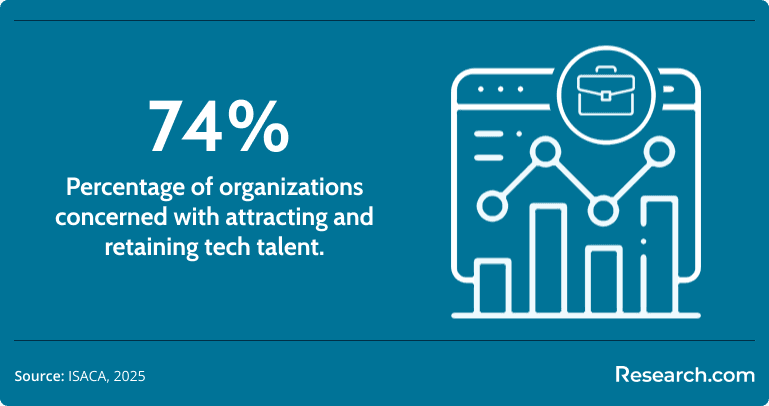
Library science is also becoming more interdisciplinary. Students interested in combining information work with education, technology, communication, public policy, or social science may find useful parallels in an online bachelor degree interdisciplinary studies. For technology-adjacent roles, it is also worth noting that 74% of companies are worried about keeping talent, which makes stable information careers attractive to some career changers.
How to Choose the Best Online Master’s in Library Science With No GRE Program
The best program is not always the cheapest, fastest, or most famous. It is the one that gives you the credential, skills, schedule, and professional network needed for your target role.
Step-by-Step Program Selection Checklist
- Confirm accreditation first. If you need the degree for professional librarian roles, verify whether the program is ALA-accredited or otherwise aligned with your intended career requirements.
- Check state requirements for school library roles. School librarian and school media positions may involve educator certification rules that vary by state.
- Compare total cost, not just tuition. Include fees, books, technology, travel, fieldwork expenses, and possible income reduction.
- Review specializations and electives. Make sure the program actually offers courses in your target area often enough for you to graduate on time.
- Ask about practicums and internships. Field experience can be especially valuable if you are changing careers or lack library experience.
- Evaluate online format. Decide whether asynchronous flexibility, live class meetings, or a cohort model fits your work and learning style.
- Look at faculty expertise. Faculty research and professional backgrounds often signal the program’s strengths.
- Assess career support. Ask about job boards, alumni networks, resume support, interview preparation, and employer relationships.
Common Mistakes to Avoid
| Mistake | Why It Can Hurt You | Better Approach |
| Choosing only because no GRE is required | No-GRE admission does not guarantee strong curriculum, accreditation, or job alignment. | Use no-GRE as one convenience factor, not the main selection criterion. |
| Ignoring accreditation | Some employers and professional roles may expect an ALA-accredited master’s degree. | Verify accreditation directly before applying. |
| Looking only at tuition per credit | Fees and total credit requirements can change the real cost. | Calculate total tuition and all mandatory fees. |
| Assuming online means self-paced | Some online programs require live attendance or cohort schedules. | Ask whether courses are asynchronous, synchronous, or mixed. |
| Overlooking licensure or certification | School library media roles may have state-specific requirements. | Confirm whether the program meets the requirements in the state where you plan to work. |
| Relying only on rankings | A highly ranked program may not offer your preferred specialization or schedule. | Compare program fit, career support, cost, and outcomes together. |
If you are considering K-12 or community education roles, some students explore whether they can earn teaching certificate online in addition to or after completing a library science master’s. This can be especially relevant for school library media pathways.
Careers With an Online Master’s in Library Science With No GRE
An MLIS or related library science master’s degree can prepare graduates for more than traditional library positions. The right specialization can lead to work in schools, universities, public libraries, archives, museums, government agencies, nonprofits, publishers, corporations, and digital information teams.
Common Career Paths
| Career Path | What the Work Involves | Helpful Specialization |
| Public Librarian | Serving community members, managing collections, planning programs, supporting information access, and providing reference help. | Public librarianship, youth services, community engagement. |
| Academic Librarian | Supporting college students and faculty through research instruction, databases, scholarly resources, and subject-area services. | Academic libraries, reference, data services, information literacy. |
| School Librarian or Library Media Specialist | Teaching information literacy, supporting curriculum, managing school library collections, and helping students use media responsibly. | School Library Media or School Library Certification. |
| Archivist | Preserving, organizing, describing, and providing access to records, manuscripts, photographs, digital files, and special collections. | Archival Studies or Digital Curation. |
| Digital Asset Manager | Organizing, tagging, storing, and governing digital media or content libraries for organizations. | Digital librarianship, metadata, information organization. |
| Corporate Taxonomist | Designing classification systems, controlled vocabularies, and information structures that make internal or customer-facing content searchable. | Information Organization, metadata, taxonomy. |
| Competitive Intelligence Analyst | Gathering and organizing market, industry, and competitor information to support decision-making. | Research methods, information management, intelligence and analytics. |
AI, Automation, and the Future of Library Science Careers
AI is changing how information is searched, summarized, classified, and retrieved. That does not eliminate the need for information professionals. It increases the need for people who understand metadata, context, information ethics, access, privacy, quality control, and bias.
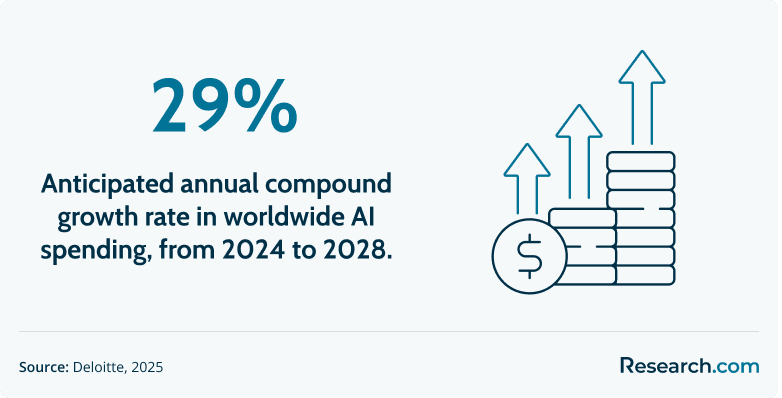
Library science graduates can be valuable in AI-enabled workplaces because they know how to organize knowledge, evaluate sources, design user-centered systems, and set responsible information policies. Students interested in the security side of information systems may also consider a CompTIA CYSA+ course online as a later specialization step. With AI spending projected to grow by 29% annually, the ability to structure and govern information is becoming increasingly important.
Can Additional Credentials Strengthen Your Library Science Career?
An online master’s in library science can be a strong professional foundation, but targeted add-on credentials may help if you want to move into leadership, technology management, school administration, digital transformation, or policy-focused work. Certificates in archives, metadata, cybersecurity, data management, instructional technology, or educational leadership can make your profile more specific and marketable.
For professionals who want senior roles in education systems, libraries, universities, or public agencies, programs such as the fastest online EdD programs may offer complementary preparation in organizational leadership, strategy, policy, and change management. The key is to choose credentials that support a clear career goal rather than collecting extra qualifications without a plan.
Job Market for Online Master’s in Library Science Graduates
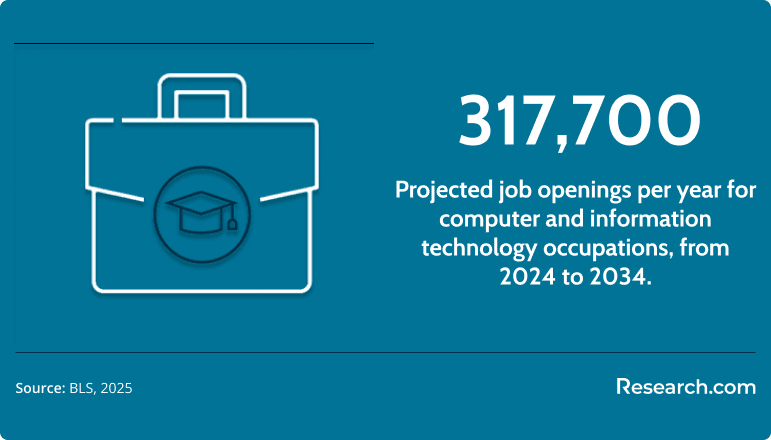
The overall growth projection for librarian jobs is around 2%, which suggests a modest-growth occupation rather than a rapidly expanding one. However, that figure does not tell the whole story. The field also has steady replacement demand, with about 13,500 job openings for librarians and library media specialists becoming available each year.
Stability vs. Rapid Growth
For some students, the appeal of library science is not explosive job growth but long-term stability, mission-driven work, and the transferability of information skills. Public institutions, schools, universities, archives, and research organizations continue to need people who can manage information responsibly and help users navigate complex sources.
Students with communication, media, education, or humanities backgrounds may also find that their skills transfer well into library and information settings. If you are comparing related options, the best communication and media studies degree online can provide useful context for adjacent careers involving information, audiences, research, and content.
Where Graduates May Find Opportunity
- Public libraries: Community programming, reference services, digital inclusion, literacy, and local information access.
- Academic libraries: Research support, instruction, scholarly communication, data services, and subject liaison roles.
- K-12 schools: Information literacy, media education, collection development, and curriculum support.
- Archives and museums: Preservation, digitization, description, access, and collection management.
- Government and nonprofits: Records management, public information, knowledge organization, and research services.
- Corporate environments: Taxonomy, digital asset management, content systems, knowledge management, and competitive intelligence.
Graduate Perspectives on Online Master’s in Library Science Programs With No GRE
- Theron: "I entered the program because I cared about access, intellectual freedom, and the role libraries play in democratic life. The online MLIS helped me turn those values into practical skills, especially through coursework on policy, advocacy, and institutional change."
- Chloe: "I had spent years volunteering with a local historical society, but I needed formal training to move into archives professionally. The archival concentration gave me experience with digitized primary sources, preservation tools, and the workflows used in real archival settings."
- Lucien: "I came from publishing and wanted work that felt more connected to community service. Studying online let me keep my income while preparing for a new career, and the courses in ethics and outreach helped me see how library work could match my values."
Key Insights
- No GRE does not mean lower quality. A no-GRE online library science master’s can be rigorous and respected when the program has strong accreditation, faculty, curriculum, and career support.
- Accreditation should come first. For many librarian roles, especially in public and academic libraries, ALA accreditation is more important than whether the program is online or campus-based.
- Program fit matters more than rank alone. Compare specialization options, total cost, schedule format, fieldwork support, and state certification alignment before choosing.
- Costs vary widely. The average total tuition is typically between $34,000 and $38,000, but some public programs cost less than $20,000 and some private institutions exceed $60,000.
- Specialization drives career direction. Archives, digital librarianship, youth services, school media, and information organization can lead to very different roles.
- Online learning can work well for adults. Asynchronous and part-time formats can help students keep working while earning the degree, but they require discipline and planning.
- AI increases the value of information expertise. Metadata, source evaluation, ethical access, taxonomy, and information governance are increasingly important as organizations adopt AI tools.
- Ask practical questions before enrolling. Confirm accreditation, total cost, practicum expectations, course availability, career services, and whether the program supports your target job market.
References:
- Cockcroft, M. (2023, February 21). Under pressure: Survey provides insight into librarians’ job satisfaction. School Library Journal. Retrieved September 16, 2025, from https://www.slj.com/story/Under-pressure-insight-into-librarians-Job-Satisfaction-from-LJ-SLJ-survey-school-and-youth-services-libraries
- Data USA. (n.d.). Librarians and media collections specialists. Retrieved September 16, 2025, from https://datausa.io/profile/soc/librarians-and-media-collections-specialists
- Deloitte. (2025, February 11). 2025 technology industry outlook. Deloitte Insights. Retrieved September 16, 2025, from https://www.deloitte.com/us/en/insights/industry/technology/technology-media-telecom-outlooks/technology-industry-outlook.html
- ISACA. (2025, March 17). ISACA research explores retention concerns, stress levels and job satisfaction for IT careers. Retrieved September 16, 2025, from https://www.isaca.org/resources/news-and-trends/newsletters/atisaca/2025/volume-6/isaca-research-explores-retention-concerns-stress-levels-and-job-satisfaction-for-it-careers
- Payscale. (2025, August 12). Librarian salary. Retrieved September 16, 2025, from https://www.payscale.com/research/US/Job=Librarian/Salary
- Richter, F. (2025, May 12). Which jobs are most often done remotely? Statista. Retrieved September 16, 2025, from https://www.statista.com/chart/34444/share-of-remote-workers-by-occupation-group
- U.S. Bureau of Labor Statistics. (2024, April 3). Librarians and media collections specialists. Occupational Employment and Wage Statistics. Retrieved September 16, 2025, from https://www.bls.gov/oes/2023/may/oes254022.htm
- U.S. Bureau of Labor Statistics. (2025, August 28). Computer and information technology occupations. Occupational Outlook Handbook. Retrieved September 16, 2025, from https://www.bls.gov/ooh/computer-and-information-technology/
- U.S. Bureau of Labor Statistics. (2025, August 28). Field of degree: Computer and information technology. Occupational Outlook Handbook. Retrieved September 16, 2025, from https://www.bls.gov/ooh/field-of-degree/computer-and-information/computer-and-information-technology-field-of-degree.htm
- U.S. Bureau of Labor Statistics. (2025, August 28). Librarians and library media specialists. Occupational Outlook Handbook. Retrieved September 16, 2025, from https://www.bls.gov/ooh/education-training-and-library/librarians.htm
- U.S. Bureau of Labor Statistics. (n.d.). Computer and mathematical workers [Fact sheet]. Occupational Requirements Survey. Retrieved September 16, 2025, from https://www.bls.gov/ors/factsheet/pdf/computer-and-mathematical-occupations.pdf
- ZipRecruiter. (n.d.). Information technology salary. Retrieved September 16, 2025, from https://www.ziprecruiter.com/Salaries/Information-Technology-Salary#TableView
- ZipRecruiter. (n.d.). Librarian salary. Retrieved September 16, 2025, from https://www.ziprecruiter.com/Salaries/Librarian-Salary#TableView
- Zippia. (2025, January 8). Information technology professional demographics and statistics in the US. Retrieved September 16, 2025, from https://www.zippia.com/information-technology-professional-jobs/demographics/
- Additional School Library Journal source link: https://www.slj.com/story/Under-pressure-insight-into-librarians-Job-Satisfaction-from-LJ-SLJ-survey-school-and-youth-services-libraries
Other Things You Should Know About Online Master's in Library Science with No GRE Programs
Yes, scholarships are available in 2027 for online Master's in Library Science programs that do not require the GRE. Many universities offer merit-based and need-based scholarships, which can significantly reduce tuition costs, supporting students pursuing advanced studies without standardized test requirements.
Yes, many accredited online MLIS programs require a practicum, internship, or fieldwork placement even when they waive the GRE. Common requirements include 120 to 150 supervised hours, a site-approved library placement, and faculty oversight. Some programs let working librarians substitute a capstone or portfolio project.


