2027 Best Online Degrees at Auguste Escoffier School of Culinary Arts - Online: Programs, Tuition, and Admissions

Co-Founder and Chief Data Scientist
Many believe culinary degrees require traditional, in-person attendance, but Auguste Escoffier School of Culinary Arts - Online counters this with professionally focused, fully online programs designed for working adults and career changers. Catering to students seeking specialized training in culinary arts without geographic limits, the school emphasizes practical skills delivered through flexible pacing. According to NCES data, the school's online enrollment steadily grows, reflecting increased demand for accessible culinary education that balances hands-on expertise with remote learning adaptability.
Prospective students evaluating Auguste Escoffier's offerings must weigh factors beyond program availability, including curriculum relevance, timelines aligned to personal schedules, and clear pathways for financial aid. Understanding admissions criteria and anticipated career outcomes are crucial to discerning value amid culinary programs nationwide. Student support and transfer credit policies further impact long-term success, making a comprehensive comparison essential before committing to an online culinary arts degree in 2026.
Quick Facts About Auguste Escoffier School of Culinary Arts - Online Online Degrees
- Auguste Escoffier School of Culinary Arts - Online has a notably flexible transfer credit policy that supports the application of prior culinary training and relevant experience, making it a practical choice for career changers or students who have completed foundational coursework elsewhere.
- The school's programs emphasize career readiness in culinary arts and related management fields, featuring workforce-relevant skills tailored for foodservice and hospitality sectors.
- Unlike many online institutions that dilute practical training, Escoffier integrates applied culinary skill development into its digital format, supporting students aiming for direct employment in kitchens, restaurants, or culinary entrepreneurship.
Is Auguste Escoffier School of Culinary Arts - Online a Good School for Online Degrees?
Auguste Escoffier School of Culinary Arts - Online demonstrates a focused commitment to practical culinary training with academic oversight, making it a viable option for those seeking specialized online degrees. Its dual accreditation from the Accrediting Commission of Career Schools and Colleges and the American Culinary Federation Education Foundation Accrediting Commission validates the rigor and industry relevance of its programs, which is crucial for students prioritizing credible credentialing.
The private status supports smaller class sizes and personalized engagement, though this also corresponds with higher tuition and fewer campus networking opportunities than larger public universities. This niche approach aligns well with working adults and career changers aiming for hands-on culinary skills combined with asynchronous learning flexibility.
Serving a diverse, mostly domestic student body, the school attracts mid-career learners and culinary hobbyists balancing personal and professional commitments. However, prospective students should weigh the limitation of remote-only hands-on experience and smaller peer networks against its flexibility and specialized curriculum. For those comparing options, our research indicates that Auguste Escoffier's standing in quick degree programs offers practical pathways without broad liberal arts coverage, favoring career skill enhancement over wide-ranging academic depth.
Though absent from broad national rankings, the school's reputation thrives within culinary education circles, upheld by industry connections and an experienced faculty. This reputation supports students focused on employability and technical mastery rather than traditional academic research prestige. The curriculum's classical techniques coupled with modern culinary business understanding create a balanced preparation for industry demands.
One recent graduate recalled enrolling after juggling family and restaurant work, valuing how the flexible schedule allowed practical training alongside asynchronous lectures. "It wasn't just theory-I could apply what I learned in my kitchen at home, which made the virtual labs feel real," she noted. Despite missing larger student communities, personalized instructor feedback and peer engagement gave her confidence to pursue a chef role with a clearer career direction.
What Online Degree Programs Does Auguste Escoffier School of Culinary Arts - Online Offer?
Auguste Escoffier School of Culinary Arts - Online concentrates its online degree offerings around specialized, career-focused programs in culinary arts and hospitality management. The school's associate degrees emphasize foundational culinary techniques and management skills that align closely with entry-level industry roles, limiting offerings outside these domains.
Bachelor's programs extend this focus by integrating advanced culinary knowledge with leadership and operational management skills pertinent to hospitality businesses, without branching into broader academic disciplines such as STEM or social sciences. This targeted academic structure reflects a strategic prioritization of workforce readiness in specific sectors rather than aiming for expansive academic diversity.
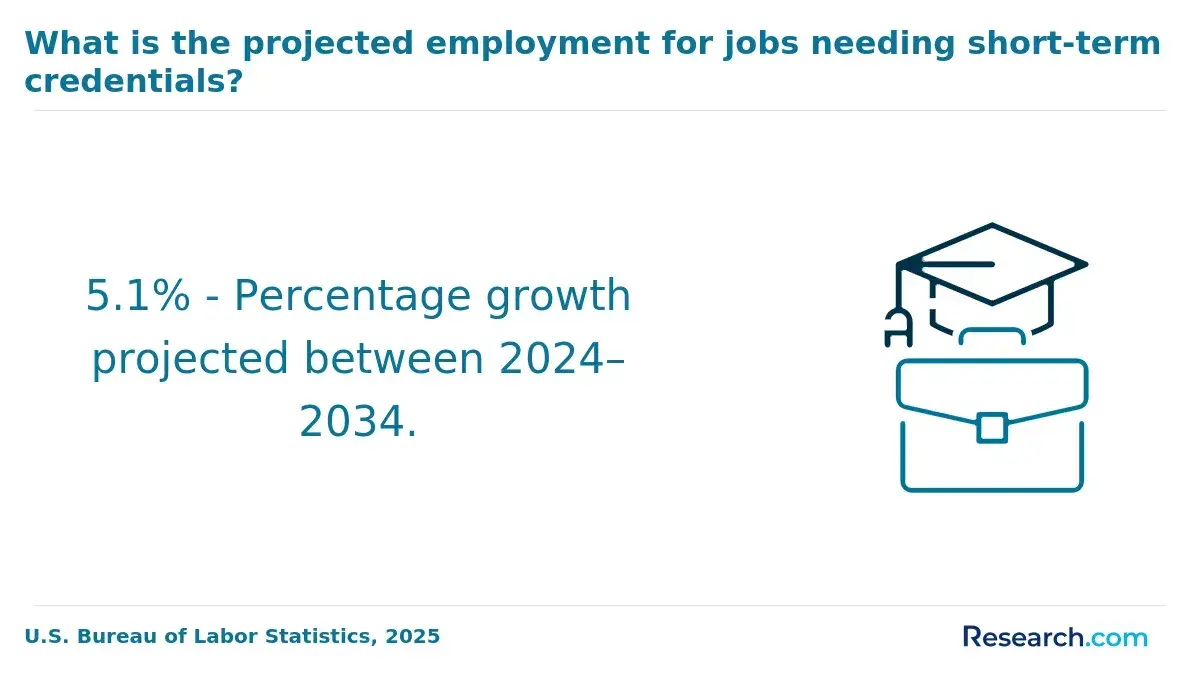
The absence of online master's or doctoral degrees highlights a limitation for students seeking graduate-level advancement or research-centered study options entirely online at this institution. However, the school supplements degree pathways with a suite of certificates, microcredentials, and continuing education programs designed for flexible skill development and rapid upskilling in areas like Culinary Arts, Pastry Arts, and Food Safety. These short-term credentials facilitate entry or progression within culinary careers without the commitment of full degrees.
This focused programmatic approach suggests a robust pipeline for students prioritizing practical, industry-aligned education but may narrow options for those seeking interdisciplinary or advanced graduate studies. Prospective students should weigh the benefits of deep specialization against the lack of broader academic or research opportunities when considering online options at Auguste Escoffier.
How Do Online Classes Work at Auguste Escoffier School of Culinary Arts - Online?
Culinary professionals shifting careers must weigh the hybrid learning model at Auguste Escoffier School of Culinary Arts - Online, which blends asynchronous study with periodic live sessions. This structure offers 24/7 access to lectures and assignments, supporting varied schedules, but requires strong self-discipline to manage deadlines within fixed grading periods. Our research shows live virtual sessions, including instructor demonstrations and group meetings, are essential to skill acquisition but demand evening or weekend availability, which can challenge those balancing work or multiple time zones.
The school's part-time and full-time enrollment options further tailor course loads to individual commitments, recognizing that culinary programs require practical hours beyond screen time. Accelerated pathways reduce completion time but decrease scheduling flexibility, posing risks for students juggling external obligations. The proprietary LMS supports continuous progress with messaging and multimedia content but presents a learning curve that underscores the need for thorough orientation.
Despite remote delivery, hands-on residencies remain mandatory, meaning applicants must accommodate in-person requirements alongside online learning commitments, an important operational factor for working adults deciding on enrollment.
How Long Does It Take to Complete an Online Degree at Auguste Escoffier School of Culinary Arts - Online, and Can Transfer Credits Speed It Up?
The typical duration to complete an online degree at Auguste Escoffier School of Culinary Arts - Online varies significantly by degree level, enrollment intensity, and transfer credit policies. Full-time students usually finish associate degrees in 18 to 24 months, bachelor's degrees in three to four years, and master's degrees in about one year. Part-time enrollment can extend these timelines by up to two or three times, depending on course load and scheduling gaps. The school allows transfer credits-up to 50% for associate degrees, 90 credits for bachelor's, and about 6 credits for graduate programs-which can notably reduce time-to-degree if properly leveraged.
Year-round 8-week academic terms and multiple start dates facilitate accelerated progress but are limited by prerequisite sequencing. Our research shows that transfer credits, combined with flexible scheduling, offer practical avenues for reducing degree completion time but require careful planning given institutional constraints on course order and credit acceptance.
Impact of Transfer Credits on Degree Duration
Transfer credits may shorten degree timelines by reducing required coursework; for example, accepting up to half of associate degree credits or large portions of bachelor's credit requirements. However, credit evaluation depends on course equivalencies, grade minimums, and accreditation. Prior learning assessments and military credit options also provide additional pathways to accelerate progression, though they rely on individualized review processes.
Full-Time Versus Part-Time Enrollment Considerations
Choosing full-time enrollment greatly influences overall time-to-degree, enabling back-to-back courses year-round and faster completion. In contrast, part-time students often face extended timelines due to fewer courses per term and potential enrollment breaks. Advanced planning and alignment with academic sequencing rules are critical for students aiming to optimize pacing.
One Auguste Escoffier online graduate shared how strategically using transfer credits from prior coursework and professional certifications allowed her to complete the associate program in just under 18 months despite working full-time. She noted that initially balancing prerequisite courses and enrollment start dates required detailed advising but ultimately enabled a personalized, accelerated schedule. Her experience underscores how institutional structures offer flexibility, yet deliberate planning and credit articulation knowledge are essential to genuinely shorten time-to-degree in this culinary-focused online environment.
How Much Does an Online Degree at Auguste Escoffier School of Culinary Arts - Online Cost?
Our research shows that earning an online degree at Auguste Escoffier School of Culinary Arts involves a flat per-term tuition structure rather than credit-hour billing, which standardizes costs but requires commitment to full-term payments regardless of course load. For bachelor's programs, total tuition typically ranges from $21,000 to $23,000, while associate degrees cost between $14,000 and $16,000, reflecting the school's bundled pricing approach.
Mandatory fees-including a $150 enrollment fee, $100 technology fee per term, and graduation fees up to $150-can add approximately $500 to $700 in cumulative costs. Additionally, significant expenses arise from required textbooks and culinary materials, which students should budget between $1,500 and $2,500 due to the hands-on, consumable nature of the program's practical components.
Compared to on-campus tuition, the online tuition is generally lower or competitive, offering financial advantages particularly for out-of-state or distance learners. These factors highlight the importance of a comprehensive budget that considers both fixed tuition terms and recurring fees tied to experiential culinary education.
Does Auguste Escoffier School of Culinary Arts - Online Offer Financial Aid for Online Students?
Financial aid options for online culinary students at Auguste Escoffier School of Culinary Arts include a blend of federal grants, institutional scholarships, military benefits, and employer tuition reimbursement programs that collectively reduce direct costs. Students can access Pell Grants and FSEOG by completing the FAFSA, crucial for minimizing loan dependency. Institutional scholarships target adult learners, military affiliates, and transfers but often require maintaining specific GPA and enrollment standards. State aid varies by residency, typically favoring local residents, while veterans benefit from multiple GI Bill options accepted by the school. Employer tuition reimbursement offers an additional cost-offset for working professionals but demands upfront payments and balancing work-study commitments.
Our research shows approximately 60% or more of students receive some form of aid, reflecting moderate accessibility within the online student population. Strategically combining grants, scholarships, employer assistance, and veteran benefits can significantly limit borrowing, though eligibility restrictions and upfront expenses require careful planning in 2026 financial assistance at Auguste Escoffier online programs.
Online students navigating aid often find themselves weighing tradeoffs between ease of access and compliance requirements. A recent graduate, Jamie, an adult learner and military spouse, described leveraging a military scholarship combined with employer reimbursement to cover most tuition costs.
She noted, "Filing the FAFSA early was essential, but the real advantage came from stacking benefits and managing payment plan installments." Jamie's experience underscores the importance of proactive application and balancing academic progress with external obligations to maximize aid benefits effectively.
What Are the Admissions Requirements for Auguste Escoffier School of Culinary Arts - Online Online Programs?
Work experience plays a central role in admissions decisions at Auguste Escoffier School of Culinary Arts - Online, reflecting the institution's career-focused approach. Our research shows the school prioritizes practical readiness over strict academic metrics, encouraging applicants with relevant culinary or hospitality backgrounds to apply even without strong traditional academic records. This emphasis is especially evident at the graduate level, where admissions officers weigh professional expertise and documented career progression through resumes and personal statements more heavily.
The flexible admissions framework values demonstrated commitment and hands-on experience, recognizing that skills-based fields like culinary arts benefit from applied knowledge. Such an approach reduces barriers for working adults and career changers, facilitating entry for those with diverse educational paths or professional certifications. Though exact thresholds for experience are not specified, a record of pertinent work history strengthens applications alongside foundational academic preparation.
Ultimately, this emphasis on professional background aligns with a broader admissions model designed to balance accessibility and program quality, allowing motivated students to leverage their real-world culinary expertise toward formal credentials and career advancement.
Is Auguste Escoffier School of Culinary Arts - Online Accredited and Respected by Employers?
For career changers and students assessing culinary credentials, the Auguste Escoffier School of Culinary Arts - Online offers a nationally accredited degree through ACICS, a U.S. Department of Education-recognized body. This accreditation affirms institutional legitimacy and baseline educational standards but differs from regional accreditation, which is often favored for credit transfers and graduate admissions.
Consequently, students may encounter challenges transferring credits or gaining acceptance at regionally accredited universities. Employers generally emphasize practical skills and industry reputation over formal accreditation in culinary fields, and Auguste Escoffier's brand aligns with respected culinary traditions, supporting graduate employability despite lacking specialized programmatic accreditation. However, its absence from major online school rankings on research.com suggests limited recognition beyond niche culinary circles.
Accreditation and Credit Transfer
National accreditation through ACICS confirms compliance with federal standards but may restrict seamless academic progression at regionally accredited institutions. Graduates seeking advanced degrees should plan for possible supplementary requirements or credential validation.
Employer Recognition and Program Focus
Employer perceptions lean heavily on demonstrated culinary skills, internships, and reputation rather than on online delivery or the accreditor's prestige. While this differs significantly from fields offering one-year doctoral programs, the school's vocational emphasis and industry partnerships enhance practical readiness, compensating for the lack of regional or programmatic accreditation commonly expected in other disciplines.
What Support Services Does Auguste Escoffier School of Culinary Arts - Online Offer Online Students?
A common misconception is that online culinary programs provide limited student support, but the Auguste Escoffier School of Culinary Arts - Online integrates a targeted support system tailored to the specific needs of culinary students. This structure centers on personalized academic advising, career services, and focused tutoring, emphasizing flexibility and career alignment essential for working adults and transfer students.
Academic advising prioritizes proactive planning, including transfer credit evaluations and early identification of graduation obstacles, which research links to improved online retention rates. Tutoring concentrates on culinary techniques and writing skills, available mainly during evenings and weekends to accommodate adult learners' schedules.
Career services at Escoffier Online reflect parity with on-campus offerings, including virtual job fairs and industry networking, which are crucial for overcoming geographic isolation common to online learners. Technical support is accessible beyond standard hours, though absence of 24/7 instant help means students must plan accordingly. The institution's community-building methods, such as virtual clubs and forums, further reduce isolation, complementing the academic resources tailored for culinary arts students.
Based on our research, these specialized services contribute significantly to engagement and persistence by addressing challenges unique to online culinary education. Prospective students seeking an environment with dedicated, career-focused support aligned with culinary industry demands should consider how this model fits their needs compared to more generalized programs. This assessment mirrors findings from best accredited self-paced online colleges.
An Escoffier Online graduate recalls balancing a full-time restaurant job and parenting while pursuing her culinary degree. She credits her academic advisor's personalized planning and evening tutoring sessions for helping her maintain momentum without sacrificing income. Despite initial doubts about online support, she found that career coaches helped her prepare for interviews tailored to the culinary field, connecting her with local hospitality employers.
"It wasn't just about assignments," she says, "it was about fitting learning in with real life, with someone guiding me through each step rather than leaving me to figure it out alone." This experience underscores the practical value of Escoffier's student-centered support tailored for those managing complex lives while pursuing culinary careers online.
Is an Online Degree From Auguste Escoffier School of Culinary Arts - Online Worth It?
An online degree from Auguste Escoffier School of Culinary Arts - Online offers practical benefits mainly for those targeting culinary management and entrepreneurial roles, but its value balances between brand strength and limits on hands-on skill mastery. Our research shows median starting salaries are $35,000 to $45,000 with mid-career earnings near $55,000, reflecting competitive but not exceptional returns compared to industry peers.
Graduates typically carry moderate debt around $22,000, creating a roughly 2.5:1 earnings-to-debt ratio over time, which means financial risk is manageable but requires steady employment post-graduation. Prospective students should weigh these outcomes carefully, especially since online culinary degrees face challenges in replicating experiential training integral to career readiness. For those evaluating the value of Auguste Escoffier School of Culinary Arts online programs, consulting a list of competency-based colleges can offer additional perspective.
What Graduates of Auguste Escoffier School of Culinary Arts - Online Online Programs Say
- Luna: "Balancing a full-time job and family responsibilities meant I needed a culinary program with flexible pacing, which is why I chose Auguste Escoffier's online courses. While I appreciated the ability to study on my own schedule, I quickly realized that without an in-person internship, showcasing my skills to employers required building a detailed digital portfolio. Ultimately, the program gave me solid foundational knowledge, though I found that some kitchens prioritized hands-on experience over certification, so I focused on local externships after graduation to boost my employability."
- Noelle: "Making a career pivot from event planning, I was budget-conscious and sought a program that could get me into the hospitality workforce quickly. Auguste Escoffier's online program fit my time and financial constraints, allowing me to earn credentials while continuing to work. However, I later faced challenges competing for chef roles that required formal apprenticeships or licensure, which the online degree alone did not fully satisfy. Still, it opened doors to food styling and recipe development positions, where the theoretical background proved highly valuable."
- Bianca: "Choosing the online program was a strategic decision driven by my commute and workload as a waitress, since traditional culinary school wasn't feasible. The curriculum strengthened my knife skills and culinary theory, but when applying for sous chef positions, I noticed many chefs prioritized candidates with extensive hands-on restaurant experience over degrees. I found that pairing the online education with unpaid kitchen shifts helped me build credibility, though I had to accept slower salary growth until I gained more direct experience."
Other Things You Should Know About Auguste Escoffier School of Culinary Arts - Online Degrees
The flexible admissions windows allow students to begin coursework at multiple points in the year, which can benefit those balancing professional or personal commitments. However, this flexibility often means cohorts are less cohesive, possibly reducing peer interaction and networking opportunities that benefit skill sharing and mentorship. Students who thrive on structured peer engagement should consider how self-discipline and proactive communication will be essential to maintaining motivation and connecting with instructors and classmates.
Auguste Escoffier's online degrees are tailored more toward culinary management, nutrition, and hospitality leadership, emphasizing business acumen and operational knowledge. Graduates can expect stronger alignment with employer expectations for managerial, administrative, or food service roles rather than entry-level chef positions requiring advanced knife skills or rapid-fire kitchen techniques. If your objective is to enter fast-paced kitchen environments directly, you may find this program underprepares you for those technical demands without additional on-the-job experience.
For professionals seeking swift upward mobility in culinary management or hospitality sectors, the program's focus on strategic, theoretical, and business-oriented skills aligns well with leadership pathways. Conversely, individuals aiming for rapid advancement as culinary artisans or executive chefs might encounter limitations due to the reduced hands-on practice and absence of intense kitchen immersion. Prioritizing this program makes sense if long-term management is the target, but not if the career emphasis is on honing craft and kitchen leadership through traditional chef training.
References
- How Long Does It Take To Get a Culinary Degree? | Institute of Culinary Education https://www.ice.edu/blog/how-long-does-it-take-to-get-culinary-degree
- The Rise of Online Culinary Training: Benefits for Employers & Employees https://escoffierglobal.com/blog/the-rise-of-online-culinary-training-benefits-for-employers-and-employees/
- Auguste Escoffier School of Culinary Arts Earns Great Place To Work-Certified Status for Sixth Consecutive Year https://www.prnewswire.com/news-releases/auguste-escoffier-school-of-culinary-arts-earns-great-place-to-work-certified-status-for-sixth-consecutive-year-302451259.html
- Can Culinary Schools Really Go Online? https://www.fsrmagazine.com/growth/non-commercial/can-culinary-schools-really-go-online/
- Online Cooking Classes https://www.escoffieronline.com/
- Auguste Escoffier School of Culinary Arts https://www.greatplacetowork.com/certified-company/7023904