2027 Johns Hopkins University Online MS in Biotechnology - Biodefense: Cost, Curriculum, Admissions, and Career Outcomes

Co-Founder and Chief Data Scientist
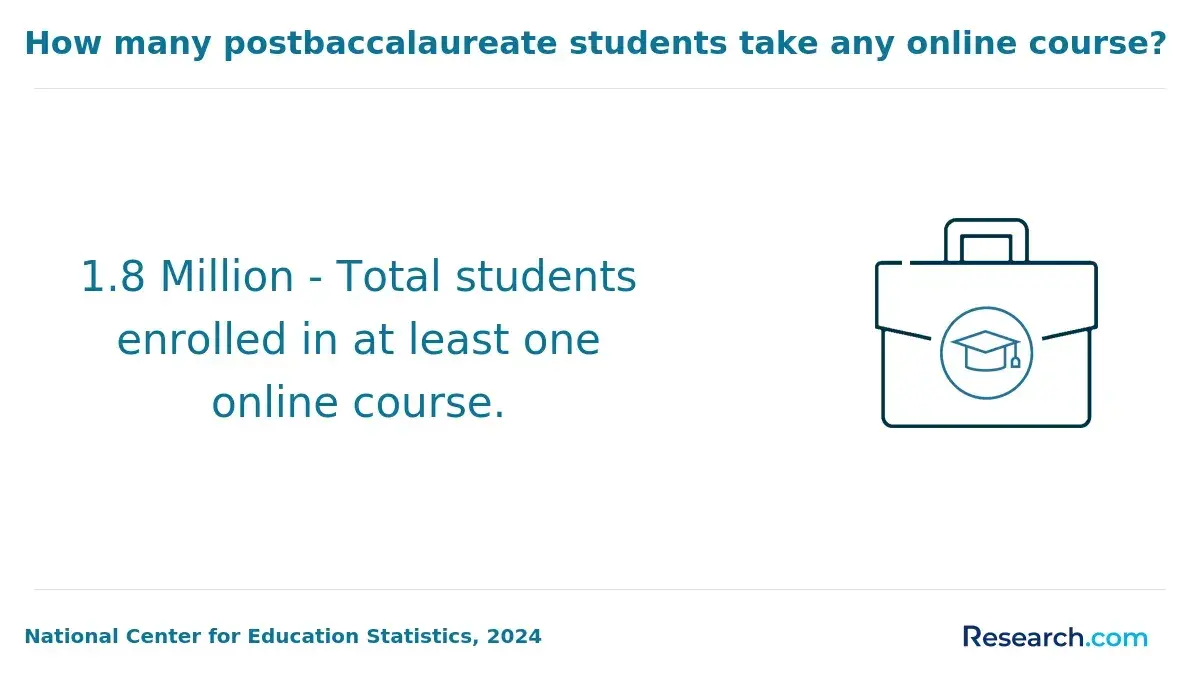
Students aiming to advance in the biodefense sector must weigh whether an online MS in Biotechnology - Biodefense from Johns Hopkins University aligns with their career goals and learning preferences. With online education enrollment for graduate degrees up 9% in 2024 according to the National Center for Education Statistics, flexible program structures increasingly influence adult learners balancing work and study.
Understanding key factors like curriculum rigor, admissions selectivity, and potential career outcomes helps clarify if this program offers a competitive edge in an evolving job market. This article examines the cost, curriculum, admissions process, and career trajectories to guide prospective students' decisions effectively.
Key Points About Johns Hopkins University's MS in Biotechnology - Biodefense Program
- The program's 8% acceptance rate reflects stringent admissions, indicating candidate quality but resulting in limited accessibility for many applicants despite strong applicant demand.
- At $80,778 total tuition, prospective students must weigh significant financial investment against niche biotechnology and biodefense career sectors with variable employer recognition and funding availability.
- Graduates tend to secure positions in specialized biodefense and biotech roles, suggesting the curriculum's relevance; however, broader job market impacts depend on evolving industry priorities and geographic factors.
What can students expect from Johns Hopkins University's online MS in Biotechnology - Biodefense curriculum?
The practical value of Johns Hopkins University's online MS in Biotechnology - Biodefense lies in its targeted focus on real-world biological threats, a specialty that differentiates it from broader biotechnology programs often concentrated on medical or agricultural applications. For example, a biodefense analyst working with a government agency may rely on expertise gained from this program to detect and respond to emerging biosecurity threats, applying both scientific rigor and policy understanding.
This curriculum aligns with typical US standards in biotechnology education but narrows the breadth toward national security concerns, blending scientific, technological, and regulatory dimensions. The core curriculum components provide a foundation while preparing students for interdisciplinary challenges in biodefense.
Below are key curriculum areas illustrating this specialized training:
- Molecular Biology & Bioinformatics: These courses demand proficiency in understanding genetic and protein structures coupled with data analysis skills crucial for identifying biological agents. Mastery here supports workforce readiness by enabling students to interpret complex biological data relevant to biodefense.
- Biodefense Technology Development: Students engage with the design and evaluation of technologies that detect and neutralize biological threats. Practical lab work and project-based learning simulate scenarios requiring rapid technological problem-solving.
- Ethical and Regulatory Issues: This component addresses the legal frameworks and ethical considerations intrinsic to biotechnology and biosafety, ensuring graduates can navigate compliance and policy challenges in government or industry roles.
These advanced biodefense training elements in Johns Hopkins University biotechnology program impart essential skills for navigating a complex ecosystem where science and public policy intersect. The program's online format also offers practical flexibility, enabling professionals to enhance expertise while maintaining career obligations. Prospective students should consider how this focused curriculum aligns with employer expectations in biodefense sectors versus broader biotechnology roles and weigh the implications for long-term career pathways, especially within public health and national security domains. For those balancing financial constraints, exploring options like the online schools that accept FAFSA could provide additional support.
What are Johns Hopkins University's admission requirements for online MS in Biotechnology - Biodefense program?
Admission to Johns Hopkins University's online MS in Biotechnology - Biodefense program requires more than just baseline academic credentials; it demands clear evidence of preparedness for a demanding interdisciplinary field where both scientific rigor and communication skills matter. For example, a professional advancing from a non-biotech background should consider how their academic records and supporting documents demonstrate readiness to engage with the material at a graduate level.
Below are key admission requirements applicants must meet or exceed to be considered competitive.
- Secondary Education: Applicants must have completed high school or hold an equivalent credential like a General Educational Development (GED) certificate. Though a college-preparatory curriculum is recommended to build foundational knowledge, it is not formally required for admission.
- Academic Records: A comprehensive secondary school record is necessary, including a secondary school GPA that reflects consistent academic performance. These records serve to gauge an applicant's preparation and ability to manage graduate-level studies.
- English Proficiency: Non-native English speakers must submit TOEFL scores, affirming their ability to comprehend and engage in English-language coursework. This is crucial since program materials and interactions are entirely in English.
- Letters of Recommendation: External validation via letters of recommendation is required. These letters help admissions assess applicants' intellectual potential, work ethic, and character beyond what transcripts alone convey.
- Competency Demonstration and Additional Documentation: While standardized test requirements like SAT, ACT, or GMAT are not specified, applicants are encouraged to provide portfolios or resumes that showcase relevant experience or skills. These materials can differentiate candidates and indicate their practical readiness for an advanced degree in biodefense biotechnology.
Is it difficult to get admitted to Johns Hopkins University's online MS in Biotechnology - Biodefense program?
Gaining admission to an MS in Biotechnology - Biodefense program generally requires a strong blend of academic achievement and relevant experience, making it highly competitive relative to other master's programs. Candidates often face evaluation based on test scores, research background, and professional readiness, reflecting the field's specialized nature and its importance to healthcare and national security sectors.
Johns Hopkins University intensifies this selectivity with an overall acceptance rate of 8%, admitting 2,943 students from 38,926 annual applicants. This low acceptance rate highlights an especially competitive admissions climate, consistent with the university's reputation for rigorous academic standards. Prospective students must meet demanding benchmarks, including standardized test scores in the upper percentiles, which underscores the caliber of applicants the program attracts.
One graduate recalled hesitating before applying due to the program's competitiveness but decided to proceed after carefully strengthening her research portfolio and securing strong recommendations. "I knew the acceptance rate was intimidating, so I focused on highlighting my lab experience and aligning my goals with biodefense challenges," she said. The relief of acceptance was coupled with a sense of validation, illustrating how demonstrated commitment and thorough preparation can offset the program's selectivity.
What is the cost of attending an online MS in Biotechnology - Biodefense program at Johns Hopkins University?
The tuition cost for the online MS in Biotechnology - Biodefense program at Johns Hopkins University is $63,340 annually, part of a broader $80,778 total expense that includes fees, books, and living costs. Notably, the university doesn't impose extra online technology fees and charges the same tuition regardless of residency, which means in-state and out-of-state students face identical tuition bills. This structure can benefit those living outside the campus region, as commuting and housing-related expenses are lower or absent for remote learners. However, the overall cost remains steep compared to many public institutions offering similar degrees.
When evaluating the tuition and fees for Johns Hopkins University online biotechnology biodefense master's degree against national averages, it ranks on the higher end, reflecting the institution's established reputation and specialized curriculum. Many biotechnology programs in the U.S. present a wider range of tuition costs, often notably lower, which can be significant for students balancing return on investment considerations in a field with growing but competitive demand.
The absence of a flat in-state tuition rate for all online learners means prospective students must weigh the program's advantages against more affordable alternatives. While the depth of biodefense expertise offered justifies the premium for some, others might consider programs with faster completion options or lower fees, such as those highlighted in the best associate degree in 6 months online pathways, depending on career goals and financial constraints.
Given the evolving workforce needs in biotechnology and biodefense, investing in Johns Hopkins University's online MS requires assessing not just upfront cost but anticipated career outcomes, employer preferences for pedigree versus practical skillsets, and potential scholarships or employer tuition support to offset the significant financial commitment implied by the overall cost of attending an online MS in Biotechnology - Biodefense program at Johns Hopkins University.
Are there financial aid options for online MS in Biotechnology - Biodefense students at Johns Hopkins University?
Financial aid availability for online MS in Biotechnology - Biodefense students at Johns Hopkins University can influence the feasibility and debt burden associated with enrolling in this specialized program. While direct scholarships specific to the Biotechnology - Biodefense curriculum are limited, candidates should consider the broader institutional and federal options that still affect funding accessibility. For employed learners, employer tuition reimbursement often offsets some costs but entails navigating workplace policies and potential tax implications.
Military-affiliated students might find stronger value in VA benefits, which are supported institutionally yet require proper documentation and eligibility verification. Federal loans fill gaps but come with long-term repayment responsibilities that must be weighed against expected career salary increments. These funding routes differ in coverage scope and application complexity, shaping financial planning decisions grounded in personal employment status and post-degree prospects.
The following provides a focused overview of key aid forms relevant to prospective students:
- Institutional Grants: Offered to graduate students based on merit and prior achievements, these generally cover a portion of tuition but are competitive and require early application and documentation of academic credentials.
- Employer Tuition Reimbursement: Available to working professionals whose employers support continuing education, coverage varies widely and often requires proof of course relevance or grade performance.
- VA Educational Benefits: Extended to veterans and eligible dependents, these benefits can significantly reduce out-of-pocket costs but necessitate verification through military service records and coordination with the university's veterans office.
- Federal Loans and Work-Study: Accessible via FAFSA, these options demand financial need assessment and entail careful borrowing aligned with anticipated earnings to avoid excessive debt.
- Merit-Based Scholarships: Though few target this specific degree, applicants with exceptional academic or professional backgrounds should explore university-wide scholarships administered through the graduate school.
What learning resources are available to online MS in Biotechnology - Biodefense students at Johns Hopkins University?
Effective access to specialized learning resources is a crucial factor affecting whether online students in MS in Biotechnology - Biodefense can fully meet employer expectations in biotechnology and biodefense sectors. Without robust academic and technical support, remote learners often face delays in mastering complex lab techniques, data analysis, and scientific communication-all vital for industry readiness.
For instance, a student attempting to apply biostatistics methods to biodefense data without timely access to interactive tutorials or instructor feedback may lag behind peers in traditional programs, potentially impacting job placement outcomes.
The suite of resources available at Johns Hopkins University aims to offset these challenges and reinforce skills aligned with real-world demands. Below are key support components enabling student success:
- Technical Support: Johns Hopkins provides 24/7 helpdesk assistance to address IT and platform issues promptly. This minimizes disruptions during critical virtual labs and coursework deadlines, ensuring consistent engagement with digital learning tools.
- Learning Management System: The platform hosts interactive course content and virtual labs that simulate practical biotechnology and biodefense scenarios. This environment encourages skill application closer to on-site lab experience, though it cannot fully replace physical access.
- Academic Advising: Dedicated advisors offer personalized guidance on coursework choices and professional development, helping students tailor their studies to niche career goals within the biodefense sector.
- Online Library Resources: Comprehensive digital access to research databases and scientific journals supports thesis development and evidence-based decision-making, which are highly valued in biotech R&D and government research roles.
- Career Services Network: Integrated offerings such as virtual career fairs, resume workshops, and interview prep focus on positioning students effectively within competitive biotech and biodefense job markets.
Does Johns Hopkins University's online MS in Biotechnology - Biodefense program have in-person clinicals or practicums?
In programs focused on biotechnology, in-person clinical practicums traditionally serve as critical components for hands-on skill development, particularly when aligned with healthcare or medical device sectors. However, the Johns Hopkins University online MS in Biotechnology - Biodefense program diverges from this model by not requiring traditional onsite clinical rotations.
This distinction reflects the biodefense field's operational realities, where much of the training centers on pathogen analysis, biosecurity, and policy rather than patient-centered clinical practice.
Specifically, the Johns Hopkins University MS in Biotechnology - Biodefense practicum and residency details show an emphasis on virtual laboratories, case studies, and project-based learning. This setup allows students, including working professionals and international learners, to gain applied skills through remote experiential components without the logistical challenges posed by in-person clinicals.
For those balancing employment or unable to relocate, this flexible modality maintains rigor while circumventing access barriers common in other biotechnology programs.
This approach has workforce implications: candidates emerge ready for roles in government agencies, biotech firms, and research institutions specializing in biodefense, often more focused on data analysis and simulation than conventional clinical expertise.
Prospective students navigating options with clinical components may consider how Johns Hopkins University's structure aligns with their career goals and practical constraints, especially when prioritizing program accessibility and asynchronous learning.
For those researching affordable options and approaches to practical skills acquisition, resources on cheap online colleges provide complementary insights beyond traditional clinical practicum models.
What careers can graduates of online MS in Biotechnology - Biodefense at Johns Hopkins University secure?
Graduates of the online MS in Biotechnology - Biodefense at Johns Hopkins University gain specialized skills that translate into impactful roles critical for national security and public health. A program's professional marketability hinges on how effectively it prepares students for long-term careers addressing biological threats, a key consideration given the increasing demand across healthcare systems and government sectors.
Those considering this path should weigh the program's rigorous focus on pathogen biology and defense tactics as essential to meeting employer expectations in biodefense biotechnology job opportunities in the United States. The following roles reflect realistic post-graduation outcomes:
- Biodefense Analyst: These professionals assess biological threats, advise agencies on response strategies, and inform policy decisions. Positions often involve work with federal entities and pay commensurate with specialized expertise in threat evaluation.
- Biosecurity Specialist: Responsible for securing laboratories and ensuring compliance with regulations, these specialists develop safeguards against biological accidents or misuse, with roles typically found in government and private laboratory settings.
- Infectious Disease Researcher: Focused on studying pathogen behaviors, researchers contribute to vaccine and therapeutic development, working primarily in biotech firms or public health institutions with competitive salaries reflecting technical knowledge and research impact.
For those exploring the broader landscape of online STEM programs, consulting resources like best online self paced colleges can provide valuable context when comparing educational options aligned with career goals.
What is the salary outlook for online MS in Biotechnology - Biodefense graduates?
Salary prospects for Johns Hopkins University online MS in Biotechnology - Biodefense graduates reflect a distinct balance between specialized expertise and industry demand. With a median annual salary of $87,555, alumni typically secure roles that leverage both biotechnology skills and biodefense knowledge, a niche positioned between traditional biology and applied engineering fields.
For candidates weighing this program, it is important to recognize that while salaries exceed those in many biological sciences, they remain below more tech-driven disciplines like computer science, where median earnings can surpass $100,000.
The career salary outcomes for online MS in Biotechnology - Biodefense alumni indicate a practical tradeoff: the program's interdisciplinary focus appeals to employers needing expertise in health security, but does not command the highest salaries found in purely engineering or computational sectors.
Graduates entering healthcare systems or federal agencies will often see financial benefits aligned with this demand, although the expected median income suggests a moderate, rather than top-tier, earning trajectory relative to broader STEM fields.
Prospective students should contextualize these salary figures within industry trends and personal goals, particularly when assessing flexible learning options. For those researching enrollment decisions with an emphasis on remote work opportunities, this program fits within the wider category of best degrees for remote work.
How do you know if Johns Hopkins University's online MS in Biotechnology - Biodefense program is the right choice for you?
Selecting an MS in Biotechnology - Biodefense program should be grounded in how well the curriculum, format, and support systems sync with your career objectives and lifestyle demands. This alignment influences not only your daily academic experience but also your long-term employability in a specialized sector where interdisciplinary knowledge and flexibility are crucial.
Below are key criteria to consider when evaluating whether Johns Hopkins University's online program fits your needs.
- Flexibility and Delivery Format: Assess whether a fully online schedule can accommodate your current professional and personal obligations without sacrificing engagement or networking opportunities. Johns Hopkins emphasizes asynchronous learning, which benefits working professionals but requires self-discipline and time management.
- Curriculum Depth and Breadth: Evaluate if the program's focus on pathogen biology, biosecurity policies, and biodefense technology matches the competencies sought by employers in government, industry, or healthcare. Interdisciplinary content that includes ethics and policy is important for roles beyond laboratory research.
- Community and Mentorship: Consider the availability of virtual networking, mentorship, and research collaborations, which are critical for compensation and career progression in niche fields where connections and guidance impact access to opportunities.
- Outcome Transparency: Look for clear data on graduate employment rates and career trajectories post-completion to judge the program's market credibility and ROI realistically.
One graduate shared that initially they hesitated over enrolling due to balancing a demanding full-time job and family. They found the asynchronous online format at Johns Hopkins provided essential flexibility, but only after actively leveraging virtual mentorships and peer discussions did they feel confident the program matched their ambition to transition into biodefense policy roles.
This experience underlines the need to not only consider curricular content and delivery but also how proactive engagement with the program's support structures aligns with your personal and professional objectives.
What Graduates Say About Johns Hopkins University's MS in Biotechnology - Biodefense Program
- Grace: "Studying at Johns Hopkins University provided a rigorously technical foundation that was essential for my transition into biodefense. The MS in Biotechnology - Biodefense program emphasized real-world applications, like designing pathogen detection systems, which my current employer highly values. However, I quickly learned that even with a robust degree, employers prioritize hands-on project experience and certifications, so I supplemented my studies with internships to stand out in this competitive market."
- Mckenna: "Johns Hopkins University's flexible online structure allowed me to earn my MS in Biotechnology - Biodefense while maintaining full-time work, which was crucial for me. The program's interdisciplinary approach helped me pivot from academic research to a role in biodefense policy analysis. While licensure isn't a factor in my current career path, the comprehensive curriculum equipped me with a language and perspective that employers in government agencies seek, though salary growth has been gradual given the specialized nature of the field."
- Ruby: "Reflecting on my time at Johns Hopkins University, the MS in Biotechnology - Biodefense challenged me to deeply understand both scientific and security aspects of the field, which was invaluable in my consulting work. The experience made me aware of practical hiring realities: many employers look beyond formal education to portfolios showcasing biodefense projects and problem-solving skills. While the degree opened doors, advancing further often requires additional certifications or cross-disciplinary expertise."
Other Things You Should Know About Degrees
The program is designed to accommodate working professionals through asynchronous coursework, allowing students to study on their own schedules. However, the tempo remains rigorous, typically requiring a consistent weekly commitment of 12-15 hours. Prospective students should prioritize strong time-management skills because falling behind can make catching up challenging, especially given the program's accelerated pace and complex subject matter.
The 2027 Johns Hopkins Online MS in Biotechnology program with a biodefense focus provides specialized knowledge critical for careers in biosecurity. However, the specialized focus may limit exposure to broader biotechnology topics, which some students may find advantageous for diversified biotechnology careers.
The online delivery reduces face-to-face interaction, which can limit casual networking opportunities common in on-campus programs. While virtual forums and group projects exist, students must proactively engage in online communities and seek out externships or conferences to build professional relationships. Prioritizing these efforts is critical, as biodefense is a highly collaborative field where professional networks often influence job prospects and career advancement.
The coursework combines technical scientific training with policy analysis, creating a demanding workload that merges quantitative and qualitative skills. Students typically juggle extensive reading, technical assignments, and project collaboration concurrently, which can intensify stress, particularly for those balancing full-time employment. Effective planning and early workload assessment are recommended to avoid burnout; students who underestimate these demands may struggle to maintain both academic performance and personal commitments.
References
- Online Biotechnology Master's Degree | Biosecurity | UMGC https://www.umgc.edu/online-degrees/masters/biotechnology-biosecurity-biodefense
- JHU Online MS in Biotechnology & MBEE Programs https://www.mhaonline.com/school-profiles/jhu-aap-online-biotechnology-masters-programs
- MS of Biotechnology (BTS) https://www.elms.edu/academics/nsmt/master-of-biotechnology/
- How to take advantage of Hopkins resources https://www.jhunewsletter.com/article/2020/08/how-to-take-advantage-of-hopkins-resources
- Johns Hopkins University Biotechnology | 7% Acceptance Rate, ROI 76/100 https://www.gradgpt.com/johns-hopkins-university/masters/biotechnology