2027 South University Online Associate of Science in Medical Assisting: Cost, Admissions, Curriculum, and Career Paths

Co-Founder and Chief Data Scientist
Determining if south university's online associate of science in medical assisting fits a student's academic goals and lifestyle can be complex. With nearly 40% of all postsecondary learners now enrolled exclusively in online programs according to the National Center for Education Statistics in 2024, flexibility is a critical factor.
However, balancing convenience with rigorous curriculum and tangible career outcomes remains a challenge. Prospective students must assess whether the program's structure supports their learning preferences and aligns with employer expectations in healthcare settings. This article analyzes the cost, curriculum, admissions criteria, and career prospects to aid informed decision-making about this program's practical value.
Key Points About South University's Associate of Science in Medical Assisting Program
- South University's open admission policy eliminates entry barriers, allowing students to enroll without competitive prerequisites, which increases accessibility but may affect classroom preparedness diversity.
- With total tuition at $35,077 for the online associate degree, students must weigh long-term ROI against regional accreditation and program alignment with healthcare employer expectations.
- Alumni outcomes suggest positive employer recognition in medical assisting roles, highlighting practical training relevance, yet individual job prospects still depend on local labor market conditions and soft skills.
What can students expect from South University's online Associate of Science in Medical Assisting curriculum?
South University's online Associate of Science in Medical Assisting curriculum aligns closely with standard U.S. associate programs, combining foundational science with applicable clinical and administrative skills essential for entry-level employment. Unlike some more theoretical tracks, the curriculum emphasizes practical scenarios such as managing electronic health records or performing routine clinical tests-tasks commonly expected in medical office workflows.
Here is a breakdown of key coursework reflective of the common competencies required in healthcare settings.
- Human Anatomy and Physiology: This coursework demands a thorough understanding of body systems and functions, which is critical for medical assistants tasked with patient examination preparations and interpreting instructions from healthcare providers.
- Clinical Procedures: Students must master hands-on skills including vital signs measurement, specimen collection, and assisting with minor procedures, which prepare them for the direct patient care duties that employers prioritize in hiring.
- Medical Terminology and Administrative Skills: This dual focus course ensures students can communicate effectively within healthcare teams and manage administrative functions such as appointment scheduling and billing, a necessary competency given the hybrid nature of medical assistant roles.
The South University online medical assisting curriculum details also encompass pharmacology, medical law, and healthcare communication, reflecting broad practice realities and legal frameworks. With this together, students are positioned to pursue certification options like CMA or RMA while confronting authentic clinical dilemmas through applied learning.
For those balancing other commitments, the flexible format offers access to essential skills without sacrificing the rigor expected by employers, a key consideration when evaluating the cost-benefit of an online program compared to on-campus alternatives.
Many students may compare it against other available pathways including easy master's degrees online to gauge which credentials best fit their timing and career ambitions.
South University's Associate of Science in Medical Assisting course structure in South University is thus a representative option that integrates accredited standards with practical focus, preparing students to meet the evolving demands and operational realities of healthcare employers.
What are South University's admission requirements for online Associate of Science in Medical Assisting program?
Admission to South University's online Associate of Science in Medical Assisting program exemplifies an accessible entry point into healthcare education. This flexibility can benefit applicants with varied educational backgrounds.
However, the open admission model means students must rely heavily on their own motivation and readiness to absorb a demanding curriculum without early academic screening. Below are the typical admission requirements prospective students will need to fulfill:
- Official Transcripts: Applicants must provide transcripts from previous educational institutions to verify their academic history. These records help the university ensure students meet baseline preparation for foundational science and healthcare courses.
- Test Scores: There are no mandated standardized test scores such as SAT, ACT, or GMAT for admission, underscoring the program's open access philosophy and reducing barriers for non-traditional applicants.
- GPA Requirements: No minimum GPA is required, which allows a wider array of candidates to apply, including those who may have faced academic challenges but still possess the capacity to succeed with proper support.
- Letters of Recommendation and Portfolios: These are not required, reflecting a streamlined process focused primarily on quantifiable academic records rather than subjective evaluations or professional experience.
- Transfer Credits: While the policy on accepting transfer credits is not publicly detailed, transfer applicants should be prepared to submit relevant transcripts and course descriptions, as thorough evaluation ensures alignment with program standards and prevents redundancy in coursework.
Is it difficult to get admitted to South University's online Associate of Science in Medical Assisting program?
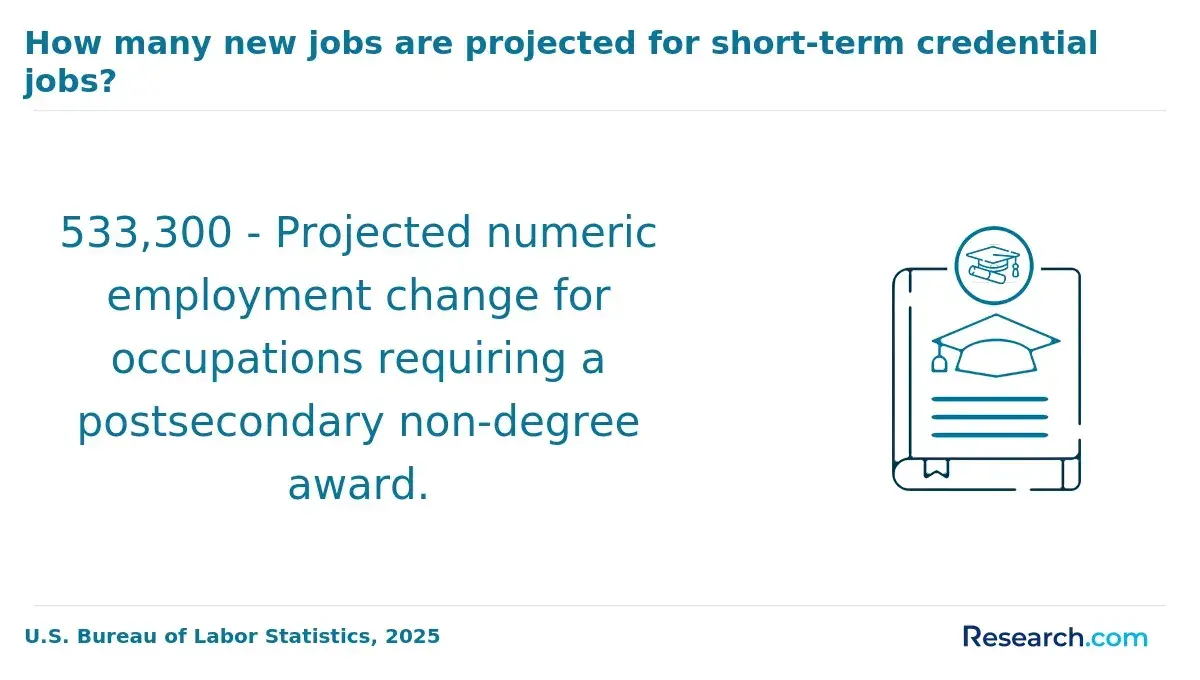
Most associate degree programs in medical assisting maintain some level of competitiveness due to steady applicant interest driven by the field's practical, entry-level healthcare roles. Applicants often face defined admissions criteria, including GPA minimums and occasionally standardized test requirements, which can filter candidates and create moderate entry barriers.
South University's online Associate of Science in Medical Assisting departs from this model with an open admission policy that eliminates traditional hurdles like minimum SAT/ACT scores or competitive thresholds. This approach significantly lowers admission difficulty, granting broader access but potentially attracting a more academically diverse student body.
For applicants balancing work or family obligations, this model reduces stress and delays associated with selective admissions yet requires self-motivation to succeed without extensive initial academic screening.
One graduate recalled hesitating before applying due to previous educational setbacks but found the open admission process straightforward and timely. They appreciated that admission did not hinge on test scores or intense competition, allowing for immediate enrollment and focus on skill development. However, this ease of entry also meant adapting quickly to course demands without extensive preparatory coursework, underscoring the need for personal discipline over admissions selectivity.
What is the cost of attending an online Associate of Science in Medical Assisting program at South University?
Tuition for the online Associate of Science in Medical Assisting program at South University totals $18,238 annually, with additional fees for books and supplies around $540. While the published total annual cost of attendance reaches $35,077, this figure includes on-campus living expenses that online students living off-campus can avoid, impacting the practical cost significantly.
There is no distinct online technology fee or uniform in-state tuition for online enrollees, meaning costs align closely with those listed for on-campus students.
Students considering the cost of attending South University online medical assisting associate program should weigh these expenses against living situations since eliminating room and board can reduce financial burden. This contrast becomes a critical factor for students evaluating real-world affordability and how it affects their return on investment. For many, controlling non-tuition expenses drives practical decision-making more than the headline tuition rates.
The online associate of science in medical assisting tuition cost at South University aligns roughly with national averages, although some competing programs listed among online associate degree programs offer shorter durations or different fee structures that could affect total investment. Understanding this context helps applicants anticipate workforce entry costs relative to program length, licensing requirements, and employer expectations in healthcare environments.
Comparing South University's figures with other institutions reveals tradeoffs between comprehensive fee inclusion and potentially lower sticker prices that omit essential costs. Prospective students should analyze total expenses inclusive of textbooks and supply requirements to avoid unexpected financial strain during the program. Judicious budgeting anchored in a transparent cost breakdown supports informed enrollment decisions.
Are there financial aid options for online Associate of Science in Medical Assisting students at South University?
Financial aid plays a critical role for students pursuing the online associate of science in medical assisting at South University, especially when weighing the investment against workforce entry timelines and starting salaries. While many students receive institutional support to lower upfront costs, reliance on scholarships or employer programs may shape the length and affordability of the educational pathway, influencing both debt burden and employment readiness.
Those without access to external aid may accept loan options with varied repayment terms, affecting post-graduation financial flexibility. Below are key financial aid sources relevant to prospective students.
- Institutional Scholarships: Awarded based on academic merit or financial need, these typically cover a significant portion of tuition. Eligibility varies by term, with application requirements including academic records and demonstration of intent in healthcare fields.
- Corporate Tuition Reimbursement: Allows working students to recover education costs through employer programs. This option depends on employer participation and may require maintaining job status or passing courses to qualify.
- Veteran Benefits: Available to military-affiliated students, these benefits can substantially offset tuition and fees. Verification of service and eligibility documentation are required for approval.
- Federal Aid: Includes grants and student loans contingent on FAFSA submission and demonstrated financial need. Maintaining satisfactory academic progress is essential to continue receiving funds.
- Institutional Aid: South University offers additional aid programs that supplement scholarships and grants, often awarded after initial financial aid packages to help cover remaining tuition balances.
What learning resources are available to online Associate of Science in Medical Assisting students at South University?
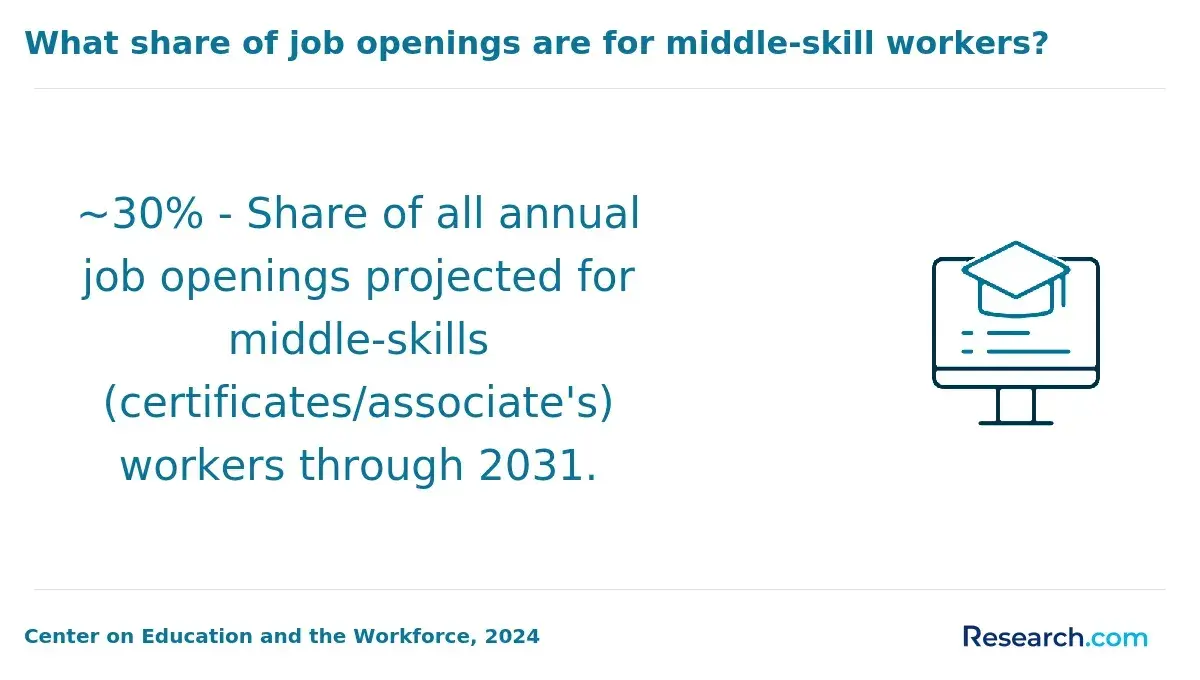
Effective learning resources are critical for online students pursuing an associate degree in medical assisting, especially when balancing study with work or other obligations. South University's online Associate of Science in Medical Assisting program provides infrastructure that helps mitigate common challenges like technical difficulties and limited face-to-face interaction.
These resources not only support knowledge acquisition but also cultivate practical skills essential for clinical environments. This blend of digital accessibility and targeted academic support shapes students' ability to meet employer expectations and adapt to evolving healthcare workflows. Below is an outline of key learning supports available to students:
- Digital Infrastructure: South University ensures reliable access to virtual classrooms and course materials, minimizing interruptions due to technical issues. This consistency allows students to engage with curriculum content flexibly without sacrificing progress.
- Technical Support: Dedicated technical assistance helps resolve connectivity or platform problems promptly. For students unfamiliar with certain online tools, timely troubleshooting prevents lost study time and frustration.
- Academic Advising: Personalized advising guides students through degree requirements and career pathways. Advisors help navigate course selections that align with local certification standards and employment opportunities.
- Tutoring and Writing Assistance: Targeted tutoring supports comprehension of healthcare concepts while writing help enhances documentation skills-both critical to passing certification exams and performing professionally.
- Clinical Placement Coordination: Partnerships with healthcare providers facilitate internships that bridge classroom theory and workforce preparedness. These placements are crucial for obtaining hands-on experience that employers highly value.
Does South University's online Associate of Science in Medical Assisting program have in-person clinicals or practicums?
Direct, supervised clinical experience remains an indispensable component in medical assisting education, reflecting employer expectations for workforce readiness. While many programs emphasize online coursework for flexibility, the absence of hands-on practicums can leave graduates underprepared for the technical and interpersonal demands of healthcare settings.
South University's online Associate of Science in Medical Assisting program aligns with industry norms by requiring in-person clinicals, recognizing that skills acquisition in patient interaction, lab procedures, and medical office workflows cannot be fully replicated through virtual learning alone.
The program mandates students to complete clinical practicums or supervised rotations at approved healthcare facilities near their residence. This requirement typically involves between 160 to 200 hours of practical training, consistent with accreditation standards and employer hiring prerequisites.
Such in-person practicums for South University Associate of Science in Medical Assisting students ensure that the curriculum's theoretical components are reinforced by real-world application, which is critical for competency verification and certification eligibility.
For candidates balancing personal responsibilities, including many who seek flexible online courses for stay-at-home moms, this hybrid model poses logistical considerations. While the academic portion offers remote learning convenience, securing and scheduling local clinical placements demands proactive coordination.
Prospective students should weigh how this practical experience requirement impacts their ability to complete the program timely and satisfy employer requirements in an increasingly competitive healthcare job market.
What careers can graduates of online Associate of Science in Medical Assisting at South University secure?
The professional marketability of graduates holding an online Associate of Science in Medical Assisting from South University depends largely on the program's practical alignment with employer expectations and the healthcare sector's evolving needs. Given the competitive nature of healthcare hiring, this degree can serve as an entry point for a range of roles, but the long-term career prospects often require strategic decisions regarding certification and further specialization.
Recognizing this context aids in understanding the realistic career outcomes for South University graduates. Below are typical career paths stemming from this credential that reflect both job functions and market demand.
- Clinical Medical Assistant: Combining clinical with administrative duties, these professionals support patient care by taking vital signs, assisting physicians during exams, and preparing treatment rooms. Median pay usually aligns with the national average for medical assistants, with variation depending on location and facility type.
- Administrative Medical Assistant: Focused on managing patient records, scheduling, and billing tasks, this role demands accuracy and familiarity with healthcare software, impacting health facility efficiency and patient flow.
- Phlebotomy Technician: Requiring additional training beyond the associate degree, phlebotomists specialize in blood sample collection, a skill that can increase employability in diverse clinical environments.
- Medical Office Manager: For those leveraging experience gained post-graduation, this leadership role involves overseeing daily operations of medical offices, blending administrative skill with knowledge of healthcare regulations and staffing.
Students interested in affordable pathways to healthcare careers may also explore what are the cheapest online colleges, which can complement the decision-making process on program costs versus outcomes.
Overall, graduates from South University's online Associate of Science in Medical Assisting program find multiple job opportunities for South University associate of science in medical assisting graduates, though success often hinges on certification and skill diversification within healthcare settings.
What is the salary outlook for online Associate of Science in Medical Assisting graduates?
The salary outlook for graduates of the online Associate of Science in Medical Assisting at South University typically reflects entry-level roles within healthcare support, where median earnings hover near $31,000 to $33,000 annually. This presents a realistic scenario for prospective students who must weigh immediate income potential against the investment of time and cost involved.
Unlike fields such as information science or business, which show median salaries closer to $38,000, medical assisting offers stability but limited upward mobility without additional credentials.
Analyzing career earnings potential for South University medical assisting graduates, the median salaries reported by alumni in allied health fields approximate $34,000. This suggests that the program's outcomes align closely with the broader healthcare support sector rather than advanced clinical roles.
For many graduates, this salary range sustains a modest lifestyle but also underscores the importance of career planning for those considering advancement into registered nursing or administrative healthcare areas, where median salaries can exceed $65,000.
Healthcare employers increasingly seek candidates with practical skills and credentials, yet the compensation for associate-level medical assisting reflects its position as an entry point. For students comparing options, resources such as programs focused on fast-tracking advanced qualifications, including 1-year PhD programs online no dissertation, may offer pathways to higher earnings and job security over time.
How do you know if South University's online Associate of Science in Medical Assisting program is the right choice for you?
Choosing whether South University's online Associate of Science in Medical Assisting suits your needs requires more than surface-level comparisons. The decision hinges on personal priorities around program flexibility, hands-on skill development, and credential recognition within healthcare employers.
For instance, a working adult balancing shifts and family must weigh the value of asynchronous coursework against the necessity of interactive clinical experiences, which can be limited in online formats. Understanding these tradeoffs early can prevent costly detours and help align educational investment with realistic job market expectations. Consider these factors when assessing suitability:
- Program Flexibility and Delivery: Evaluate if asynchronous online access matches your schedule demands and learning style. For those needing predictable pacing or face-to-face interaction, South University's all-online method may either enable balance or restrict engagement depending on individual work-life conditions.
- Curriculum Breadth and Practical Training: Scrutinize whether the program integrates both administrative and clinical components comprehensively. Real-world employability often depends on exposure to hands-on skills alongside theory, which online programs must creatively replicate to meet employer standards.
- Accreditation and Industry Recognition: Confirm the program's accreditation aligns with healthcare employer requirements to ensure your credential holds weight for job applications and certification eligibility.
- Student Support and Peer Interaction: Assess opportunities for meaningful faculty engagement and peer collaboration, which can impact learning retention and professional networking especially in virtual environments.
One graduate, juggling part-time work in a healthcare admin role and childcare, described her choice to enroll at south university based on the program's fully online format and flexible schedule. She noted initial hesitation about missing in-person lab work but found virtual study groups and accessible instructors valuable.
"It wasn't perfect for hands-on practice, but it fit my life and gave me enough through simulated clinical modules to feel prepared when I started my externship," she recalls. This adaptability to personal circumstances proved more critical to her success than chasing programs with more traditional settings she couldn't realistically attend.
What Graduates Say About South University's Associate of Science in Medical Assisting Program
- Victoria: "Studying the Associate of Science in Medical Assisting online at South University gave me a solid foundation in clinical and administrative skills, especially the hands-on virtual simulations that mirrored real-world scenarios. While employers often emphasized experience and certifications over just the degree, the program's structure allowed me to complete an internship that was critical to getting my foot in the door. I've found that this degree helped me enter the workforce faster, although advancement without additional licensure can be a bit slow, so I'm planning to pursue that next to move into supervisory roles."
- Reagan: "South University's program offered the flexibility I needed while balancing work and family, which was a big factor in my decision to study online. One aspect that stood out was the curriculum's focus on practical skills and medical software, which employers value highly today. After graduating, I noticed that building a strong portfolio and gaining certifications made a bigger difference than just the degree itself, but completing the Associate of Science in Medical Assisting definitely made it easier to access remote job opportunities and cost-effective training in this competitive field."
- Sadie: "I appreciated how the Associate of Science in Medical Assisting program at South University prepared me for the realities of the healthcare industry, including how challenging it can be to secure certain positions without additional certification. The coursework was comprehensive, but the biggest takeaway was understanding workplace workflows and how to adapt to evolving healthcare protocols. Since graduating, I've had to be strategic about roles, often leaning on the practical insights from the program and supplementing with on-the-job experience to build credibility, which has directly influenced my steady career growth."
Other Things You Should Know About Degrees
South University's cohort pacing creates a structured learning environment with defined start and end dates, which limits the ability to accelerate or pause progress. This model benefits those who thrive with routine but may be restrictive for students balancing work or family obligations that require greater flexibility. If schedule adaptability is a priority, prospective students should weigh this constraint heavily before enrolling, as there is limited room for adjustments in pacing.
The program provides curriculum aligned with medical assisting certification standards, but success on certification exams ultimately depends on individual effort and exam preparation outside the standard coursework. While South University includes some test-focused review, students aiming for certification should proactively seek additional study materials and practice tests. Prioritizing this preparation is critical since certification significantly impacts employability and earning potential.
While South University is nationally accredited, employer recognition of an online associate of science in medical assisting degree can vary regionally, especially in more competitive healthcare markets.
Graduates targeting employment in urban or high-demand areas may find stronger acceptance due to the school's reputation and accreditation, but in rural or highly specialized settings, prospective students should research local employer preferences. Prioritizing alignment with local job market expectations improves return on investment.
References
- Savannah Associate in Medical Assisting (AS) Degree | South University https://www.southuniversity.edu/savannah/medical-assisting-as
- How to Become a Medical Assistant in California - San Joaquin Valley College https://www.sjvc.edu/guides/guide-on-becoming-a-medical-assistant-in-california/
- Student Resources - South College https://www.south.edu/student-resources/
- South University Online Associate of Science in Medical Assisting Program - Medical Assistant Programs in Greensboro https://medicalassistantprogramsgreensboro.com/south-university-online-associate-of-science-in-medical-assisting-program/
- Medical Assisting (Online), Certificate https://catalog.south.edu/preview_program.php
- Medical Assisting (Online) https://catalog.southuniversity.edu/medical-assisting/associate-of-science-as/medical-assisting-online
- Southwest University At El Paso - Makes YOU Happen https://southwestuniversity.edu/
- Clinical Medical Assistant https://catalog.bryanuniversity.edu/clinical-medical-assistant
- Medical Assistant Programs: Complete Guide to Training, Certification, and Choosing the Right Program in 2026 https://zollege.com/blog/medical-assistant-programs/