2027 Johns Hopkins University Pros and Cons for Online Students

Co-Founder and Chief Data Scientist
Balancing work, family, and financial responsibilities while considering online education can feel overwhelming. A prospective student weighing Johns Hopkins University's online programs must assess how the format fits these competing demands. With 68% of online students nationally reporting the need to juggle employment and study, understanding how the university accommodates such challenges is critical for realistic expectations. This matters because program flexibility, cost, and workload directly affect student retention and success rates in demanding environments.
Every online program presents trade-offs between convenience, support, and academic rigor. The best choice depends on one's learning style, time availability, and professional goals. Evaluating Johns Hopkins University's strengths and limitations enables students to align their decision with career trajectories and personal circumstances. This article explores these pros and cons to guide prospective students toward an informed enrollment decision.
Key Points About Johns Hopkins University Pros and Cons for Online Students
- Online classes at Johns Hopkins University offer flexibility and strong faculty support, benefiting working professionals; however, technology challenges and limited peer networking may affect student engagement and collaboration.
- The high tuition cost of $80,778 and a median graduate debt of $10,250 contrast with median alumni earnings of $87,555, yielding an earnings-to-debt ratio of 8.54x that reflects solid financial return potential.
- Admission is highly selective at 8% acceptance with a 95% graduation rate, indicating academic rigor that may challenge transfer students or those seeking a less competitive, more socially diverse learning environment.
What are the biggest advantages of studying online at Johns Hopkins University?
Advantages of online learning at Johns Hopkins University vary greatly depending on individual priorities and circumstances. Students focused on long-term career outcomes may find the program's strong alumni earning potential compelling. Those balancing work and family will appreciate the flexibility offered by asynchronous courses.
Additionally, peer quality and faculty involvement impact the academic rigor and networking opportunities, which are not uniformly available in all online settings. Understanding these nuanced benefits can help prospective students align their goals with what Hopkins online programs offer.
Key advantages include:
- Selective Admission Ensures Peer Quality: With an 8% acceptance rate, students join a highly competitive cohort. This environment benefits motivated learners seeking a strong network and rigorous academic challenges that enhance the online experience.
- High Graduation Rate Reflects Program Effectiveness: A 95% graduation rate indicates strong student support and program design. Students who value reliable progression toward their degree will find this reassuring.
- Strong Alumni Earnings Indicate Market Value: Median alumni earnings of $87,555 highlight real-world gains from a Hopkins degree. Career-focused students aiming for higher salaries in their fields stand to benefit most.
- Asynchronous Courses Support Working Professionals: Flexible scheduling allows those with jobs or family obligations to study without sacrificing commitments. This structure suits adult learners who need adaptability.
- Experienced Faculty Maintains Academic Depth: Online courses are taught by the same faculty as on campus, ensuring consistent subject mastery. Students seeking reputable instruction will appreciate this continuity.
- Financial Aid Improves Accessibility: With 67% of undergraduates receiving aid averaging $54,088, financial obstacles are reduced. This is valuable for students balancing cost concerns with quality education.
- Student Satisfaction Linked to Flexibility and Faculty Interaction: A 2024 Online Learning Consortium study shows 78% student satisfaction with these factors, critical for engagement and learning success. Prospective students prioritizing institutional responsiveness should consider this evidence.
What are the biggest drawbacks of Johns Hopkins University's online programs?
Online learning environments require students to carefully balance value and challenges. Every platform involves trade-offs between cost, technical ease, and support services. Understanding these drawbacks before enrolling aids students weighing whether the program matches their needs, especially when affordability and networking matter most. For Johns Hopkins University, known for high academic standards, these trade-offs are particularly pronounced.
Below are key challenges to consider.
- High Cost and Hidden Fees: Johns Hopkins University online program affordability challenges include tuition totaling $80,778 with overall costs reaching $81,300, but many students face unexpected administrative fees and technology charges. Out-of-state students incur additional premiums, making this program less accessible for budget-conscious learners. This situation demands scrutinizing whether the financial investment justifies intended career goals.
- Technical Usability Issues: The program's learning management system (LMS) is often described as clunky, causing friction during course interactions. Periodic system downtimes disrupt continuity, especially for students balancing work or family commitments. Those needing seamless digital platforms may find this a notable limitation impacting study efficiency.
- Insufficient Access to Digital Resources: Access to key library materials and digital tools can be inadequate, undermining research depth and study quality. Independent learners who rely heavily on online libraries for dissertations or projects might encounter significant obstacles.
- Limited Peer Interaction: Isolation is common among Johns Hopkins University online students due to minimal peer-to-peer collaboration. This restriction particularly affects students who thrive in community-based learning and reduces informal networking opportunities critical for developing professional relationships.
- Restricted Networking Opportunities: Access to campus-centric events like career fairs is limited, which constrains long-term professional connections. According to a 2024 study in Education Trends Quarterly, 57% of online students felt their programs underprepared them for networking compared to in-person peers, a disadvantage that can affect hiring and advancement.
- Challenges for Non-Resident Students: Affordability for out-of-state enrollees becomes more strained due to premium tuition rates. This can deter qualified applicants who seek flexible, quality education but are sensitive to cost, limiting the diversity and breadth of the student community.
- Student Support Limitations: Limitations of Johns Hopkins University online student support services may leave learners without adequate advising or career counseling. Students requiring additional guidance might find the environment less tailored to their needs, affecting overall satisfaction and success.
Prospective students comparing online options might also explore the cheapest PhD programs for alternative pathways that better align with budget and support expectations.
How flexible is Johns Hopkins University for online students?
Flexibility ranks among the most critical attributes for prospective students when choosing an online program because it impacts more than just the location of study. It relates directly to how learners integrate education with work, family, military service, or other commitments. A program that offers flexible scheduling while maintaining academic rigor allows students to engage meaningfully without sacrificing performance.
Johns Hopkins University adopts this model by facilitating a hybrid online learning structure with asynchronous lectures balanced by scheduled live sessions, ensuring students develop real-time collaboration skills valued by employers. Johns Hopkins University's part-time and accelerated online programs allow students to tailor course loads semester by semester.
This flexibility benefits those with erratic work hours or caregiving responsibilities. For example, a military service member might complete assignments during deployments using rolling due dates while joining synchronous sessions when feasible. However, flexibility has limits; fixed academic calendars and participation expectations require disciplined time management to meet institutional standards and avoid falling behind.
Assessment policies at Johns Hopkins prioritize accommodating diverse schedules by offering proctoring windows that reduce clashes with personal obligations. The ability to take accelerated terms or term breaks supports non-traditional pacing while the extended maximum timeframe for degree completion addresses retention challenges.
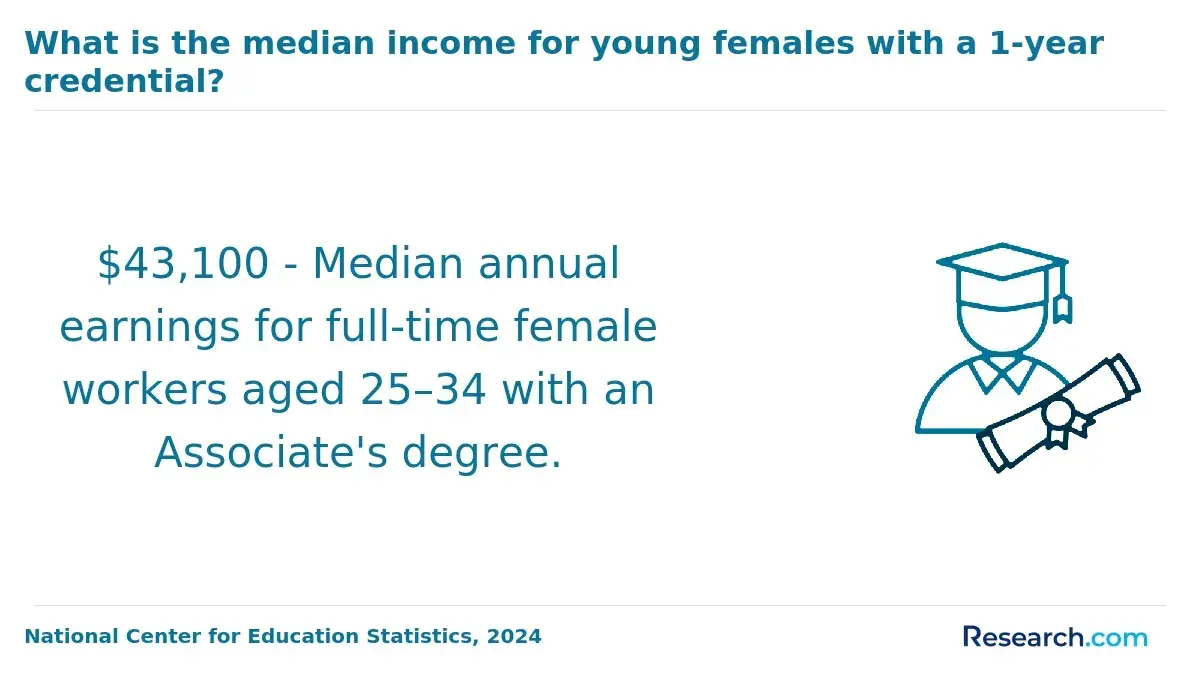
This approach reflects findings in a recent study from the Online Learning Consortium, which identified flexible pacing improves graduation likelihood by up to 18% in online cohorts. Such data underscores the practical value of Johns Hopkins University's approach for students seeking an accelerated associate degree online. Prospective students must evaluate their own schedules, learning preferences, professional demands, and academic goals in light of the program's structuring.
Flexibility varies depending on personal circumstances and specific degree requirements. Those who excel at autonomous study and managing live interactions may thrive, while others may find the balance challenging. Understanding these tradeoffs helps determine whether Johns Hopkins University's flexible online learning options meet individual educational and career ambitions.
How strong is the online learning experience at Johns Hopkins University?
The quality of the online learning experience at Johns Hopkins University extends beyond course delivery methods. Prospective students must consider factors like student engagement, instructor interaction, course design, academic support, and the availability of meaningful learning opportunities. National data from EduCause's 2024 survey indicates that interaction with instructors and peers ranks as the top driver of perceived online learning quality.
Johns Hopkins University's online platform offers reliability and generally user-friendly access to materials but presents mixed levels of interactivity. Learners who thrive in self-paced, independent formats may find it well suited to their needs. However, students desiring frequent mentorship or collaborative projects might encounter practical limitations due to average professor response times between 24 and 48 hours and reliance on scheduled virtual office hours.
To evaluate fit, prospective students should assess how well Johns Hopkins University's online environment aligns with their learning style, communication preferences, and educational goals. Those needing prompt faculty engagement or vibrant peer discourse may risk frustration. In contrast, students prioritizing flexibility and credible credentials might navigate these tradeoffs successfully. Weighing these elements carefully against one's career aspirations and support expectations is essential to selecting an optimal program.
One Johns Hopkins University graduate initially doubted the value of an online degree amid concerns over limited live interaction. Facing the urgency of career advancement while balancing family duties, they enrolled with skepticism. Over time, frequent use of discussion boards and scheduled office hours helped develop independent learning habits and problem-solving skills crucial for their job.
Is Johns Hopkins University affordable for online students?
Evaluating affordability requires considering the total cost of attendance and the long-term value of earning a degree, rather than focusing solely on tuition fees. Johns Hopkins University's online tuition and fees comparison reveals a significant price tag, with total costs nearing $81,300. However, graduates' median debt of $10,250 combined with an earnings-to-debt ratio of 8.54x suggests that many students recover their investment over time.
This perspective matters because the decision hinges on whether the financial burden aligns with the anticipated career benefits, not just initial costs. Affordability for Johns Hopkins University online students depends on several factors including the ability to maintain employment while enrolled, eliminating commuting or housing expenses typical of campus programs, and managing additional fees like technology and proctoring costs.
These elements, paired with 67% of students receiving financial aid averaging $54,088, illustrate varied economic impacts by individual. Prospective students should weigh these against their personal situation since reduced daily expenses may offset higher tuition, but online program costs remain among the highest nationally as noted in a 2024 EduTrack Research study.
Determining if Johns Hopkins University's online programs fit one's finances involves assessing employment status, time to graduation, financial aid access, and career goals. Those focused on fields with strong workforce demand and who can leverage resources may find justification for the investment, reflecting insights on master's degrees that make the most money.
For others, the substantial upfront cost and ongoing fees might limit affordability despite online flexibility. Affordability thus remains a personal judgment linked to long-term return rather than a fixed institutional rating.
How do online programs at Johns Hopkins University affect graduation time?
Graduation time for online programs depends on more than the delivery method itself. Factors like part-time versus full-time enrollment, course scheduling flexibility, availability of required classes, and individual circumstances influence how long it takes to finish a degree. At Johns Hopkins University, comparing online to traditional timelines requires looking beyond format to these variables. A student juggling work and family may need twice as long as a peer enrolled full-time without outside commitments.
Johns Hopkins University's online programs include accelerated 8-week courses and year-round enrollment options that can shorten degree completion for some students. Still, this flexibility does not guarantee faster graduation for everyone. Students with demanding jobs, military duties, or caregiving responsibilities may face delays due to limited course availability or the need to take fewer classes per term. Online study can accommodate varied pacing, making graduation time highly individual rather than uniformly shorter or longer.
Prospective students should estimate their likely graduation timeline by assessing their intended course load, weekly study hours, and external responsibilities. Careful planning helps set realistic expectations about progress speed and potential bottlenecks in required coursework. A national analysis found online bachelor's degree completion often takes 30-40% longer than traditional paths, underscoring the importance of factoring in these practical realities rather than assuming accelerated formats alone drive time to degree.
One Johns Hopkins University student initially planned to graduate in three years by taking full course loads year-round. After starting, unforeseen job demands and family needs forced shifting to part-time enrollment and spanning courses over additional terms. While hesitant about the extended timeline, the student acknowledges the adjustment allowed manageable work-study balance and reduced burnout risk.
Who is most likely to succeed in Johns Hopkins University's online programs?
Success in online programs at Johns Hopkins University hinges less on a student's age or background and more on their ability to manage the unique demands of self-directed learning. These programs expect students to navigate coursework independently and maintain consistent engagement without in-person supervision. Effective time management, motivation, and clear career focus matter more than previous credentials alone.
Research from the Journal of Online Learning shows that learners with moderate to strong tech skills have a 40% higher likelihood of completing complex online degrees, highlighting the practical importance of these abilities. The list below identifies student characteristics linked to stronger outcomes at Johns Hopkins University online.
- Academically Prepared Learners: Students with solid academic foundations and prior college-preparatory experience tend to adapt quickly to rigorous online coursework. Their familiarity with structured study habits and critical thinking helps reduce the likelihood of falling behind.
- Professionals with Clear Career Goals: Those who enter with defined objectives gain greater motivation to stay engaged through challenging material. Clear goals help prioritize coursework amidst competing work and life demands, boosting resilience in the program.
- Self-Disciplined Individuals: Managing Johns Hopkins University's online work requires strong self-regulation. Students who consistently set schedules and hold themselves accountable avoid procrastination, a common barrier in virtual environments.
- Effective Communicators: Active and proactive communication with faculty and peers is crucial. Students who seek clarification and participate in discussions can offset the isolation of remote study and deepen their understanding.
- Technologically Competent Learners: While owning a computer is not required, comfort with digital tools and platforms correlates with better course navigation and assignment submission. Moderate tech proficiency acts as a foundation for engaging fully in the virtual experience.
- Adaptable and Growth-Oriented Students: Those open to refining their learning strategies tend to overcome hurdles more efficiently. Adapting study techniques or seeking support resources when needed can turn initial challenges into manageable milestones.
- Experienced Individuals Balancing Commitments: Learners juggling work and family time benefit from excellent time management skills and realistic goal-setting. For example, a nurse advancing with a Johns Hopkins University online degree must allocate specific daily study blocks without sacrificing patient care.
How does Johns Hopkins University compare with other online colleges?
Comparing online colleges requires more than checking rankings or reputation. Prospective students must assess how well a program suits their educational needs, learning style, and career objectives. Success in an online setting depends on factors like support services, program focus, and return on investment. For instance, a working professional interested in healthcare technology may value industry connections more than low tuition.
Aligning these priorities helps avoid costly mismatches and improve long-term outcomes. The following points outline key factors for evaluating Johns Hopkins University against other online colleges.
- Total cost and value: Johns Hopkins University's tuition of $80,778 is higher than many online programs, which may deter some students despite its superior graduation rate of 95%. Prospective learners should weigh this upfront expense against potential earnings and loan burden when considering affordability and financial risk.
- Graduation and completion rates: The 95% graduation rate at Johns Hopkins University stands out compared to the national online average of 60-70%. High completion signals effective student support but students must assess if such rigorous outcomes align with their availability and commitments.
- Employment outcomes and ROI: Median alumnus earnings of $87,555 with a median debt of $10,250 create an 8.54x earnings-to-debt ratio. This competitive ROI shows strong market placement but may require accepting the higher initial investment compared to less costly pathways with slower salary growth.
- Specialized accreditations and industry ties: Hopkins' unique connections in health and technology sectors can open doors that others cannot. Students targeting these fields should consider how these networks enhance career entry compared to colleges lacking similar credentials.
- Quality of faculty interaction: According to a recent national survey by EDUCAUSE, career outcomes and faculty engagement rank highest among student decision factors. Students valuing personalized instruction should evaluate how Johns Hopkins University's faculty accessibility compares in online settings.
- Program focus and flexibility: Different online colleges vary in course pacing and specialization. Students should reflect if Hopkins' program structure matches their lifestyle and if alternative options offer better adaptability for part-time learners or those exploring fields like one-year degree programs for seniors.
What student support services are available for online learners at Johns Hopkins University?
Student support services directly influence online learning outcomes by addressing the unique challenges virtual learners face, such as isolation, technology barriers, and balancing responsibilities. Effective support enables better engagement and reduces dropout risk. For example, a working parent enrolled at Johns Hopkins University might rely heavily on around-the-clock technical support and flexible academic advising to navigate deadlines without on-campus access.
A recent survey by EduSupport Insights highlights that 67% of online students prioritize personalized academic advising and 24/7 technical support, reflecting how critical these services are for most learners. The following outlines key student support services available to online students at Johns Hopkins University based on practical value and diverse learner needs.
- Personalized Academic Advising: Johns Hopkins University employs a large faculty and staff to provide tailored academic guidance. This support helps students plan coursework effectively, especially beneficial for self-directed learners and those balancing studies with work or family obligations.
- Comprehensive Technical Support: Continuous help desk services offer troubleshooting and immediate assistance. Students facing technical difficulties can maintain steady progress, ensuring minimal disruption to their studies.
- Access to Digital Academic Resources: Online learners benefit from remote library databases, tutoring, and writing labs. These services maintain academic rigor without physical presence and support students who need flexible study schedules.
- Virtual Career Services: Resume workshops, virtual job fairs, and alumni mentoring networks support translating online credentials into employment. These resources require proactive student engagement to maximize career outcomes.
- Mental Health and Wellness Supports: Remote counseling and wellness programs address isolation and stress, improving retention among non-traditional and distance learners.
- Accessibility Accommodations: Services tailored to diverse learner needs ensure that disabilities or special requirements do not hinder academic success.
- Program Integration of Support Services: Coordinating career and academic resources with coursework helps students apply learning directly to future jobs, though the effectiveness depends on seamless integration and student initiative.
These support elements form the foundation of tangible benefits but require active use for full impact. Prospective students considering a Johns Hopkins University online program should evaluate their personal circumstances and preferences against the availability and responsiveness of these services. Students aiming for demanding fields or exploring an easiest bachelor degree pathway may weigh how these resources facilitate manageable progress and meaningful credentials.
Is Johns Hopkins University the right choice for your career goals?
Choosing an online college should be driven primarily by how well the program aligns with a student's career goals rather than by convenience, cost, or reputation alone. For example, a prospective student aiming for a tech or healthcare role would benefit differently than one pursuing a less lucrative or niche field.
A 2024 national survey shows that 62% of online learners prioritize career growth when enrolling, emphasizing the need to match educational outcomes with employer demands and labor market realities. This focus helps avoid investing in credentials that may yield limited professional returns.
Johns Hopkins University's online offerings reflect strengths in STEM and health-related disciplines, which correspond to sectors with high employer demand and competitive salaries. The institution's regional accreditation and specialized support services, such as industry mentoring and LinkedIn networking groups, enhance professional preparation but do not uniformly replicate on-campus experiences or informal hiring networks.
Flexibility in course delivery may benefit working adults, but students pursuing fields with lower median salaries or limited online recognition should weigh these tradeoffs carefully. Prospective students can assess whether Johns Hopkins University suits their ambitions by considering desired career outcomes, current employment, and preferred learning methods.
Those needing maximum schedule flexibility should balance this against the varying degrees of networking and hands-on experience the programs provide. Given the wide salary range across degrees, evaluating long-term plans and industry standards against program costs and offerings will clarify if this university is a practical choice. Career success depends on linking educational experience with individual goals, not on institutional prestige alone.
What Graduates Say About Johns Hopkins University Pros and Cons for Online Students
- Joshua: "During my online studies at Johns Hopkins University, the most valuable aspect was the flexibility to balance coursework with my full-time job and family commitments. Being able to access lectures and materials on my schedule meant I could maintain steady progress without sacrificing other responsibilities. However, I did find the limited real-time interaction with professors and peers challenging at times, which required me to be proactive in seeking out discussion forums and virtual office hours to stay connected and engaged."
- Thiago: "Enrolling in the online program at Johns Hopkins University offered me an excellent opportunity to deepen my expertise without relocating or interrupting my career. The well-structured curriculum and access to renowned faculty were definite highlights, but I noticed that the self-discipline required to adhere to rigorous deadlines without the physical classroom environment tested my time management skills consistently. Over time, I developed a systematic routine that helped me overcome these hurdles and reinforced my confidence in working independently."
- Evan: "My experience with Johns Hopkins University's online platform was a mixed bag: on one hand, the convenience of learning from home enabled me to balance continuing education with my parenting responsibilities, which was invaluable. On the other hand, the lack of face-to-face networking opportunities made it harder to build professional relationships organically. Despite this, the program's depth and structure empowered me to refine my skills effectively, and I adapted by leveraging virtual networking tools more intentionally as I progressed."
Other Things You Should Know About Johns Hopkins University Degrees
Employers generally hold degrees from Johns Hopkins University's online programs in high regard, similar to traditional degrees. The university's strong academic reputation ensures that online students receive the same quality education, which is well-respected in the job market.
While Johns Hopkins University offers some virtual networking opportunities, the most significant professional connections often come from in-person interaction, which online students miss out on. Students seeking to leverage the JHU brand for career advancement should proactively engage with alumni groups, industry webinars, or local meetups to compensate. Prioritizing these external efforts is critical because relying solely on the university's online platforms may not provide the same depth of access to influential networks or mentorship.
The workload in Johns Hopkins University's online programs is generally demanding and structured with fixed deadlines, which can pose challenges for full-time professionals. Online students should realistically assess their capacity to commit consistent time weekly rather than expecting flexibility to cram during free days. For those working full time, opting for programs with extended timelines or part-time formats is advisable to avoid burnout and compromised academic performance.
The relatively high tuition for Johns Hopkins University's online degrees requires students to weigh this investment against expected salary gains post-graduation. For careers in specialized medical or technical fields, the premium cost may justify itself through strong employability and earning potential. However, those targeting sectors with limited salary uplift from advanced degrees should carefully evaluate if the cost burden outweighs tangible career advantages, possibly considering less expensive alternatives aligned with their goals.
References
- Putting Evidence into Action to Support Student Success https://www.partnershipstudentsuccess.org/
- Support https://johnshopkins.freshdesk.com/support/home
- Johns Hopkins Online Masters In CS: Is It Worth It? https://www.centremulti.qc.ca/qc-news/johns-hopkins-online-masters-in-cs-is-it-worth-it-1767647738
- The GRAD Partnership https://www.gradpartnership.org/
- Johns Hopkins University Admissions Guide Ivy Scholars https://www.ivyscholars.com/johns-hopkins-university-guide/
- The Johns Hopkins News-Letter https://www.jhunewsletter.com/projects/cover-letter-24/hopkins-survival-guide/hidden-resources-at-hopkins
- Johns Hopkins University Reviews https://www.onlineu.com/online-reviews/johns-hopkins-university
- Johns Hopkins University - https://www.unigo.com/colleges/johns-hopkins-university/reviews