2027 Cheapest Online Degrees at Fairfield University

Co-Founder and Chief Data Scientist
Seeking affordable online degree programs in the US can overwhelm prospective students as costs vary widely and debt burdens grow. Tuition prices at many institutions have increased faster than wage growth, pushing student loan debt beyond 100% of initial post-graduation income for some graduates according to recent financial studies. In this context, finding schools that balance cost with credible academic offerings is crucial to avoid precarious financial outcomes. Fairfield University emerges as a potential option with competitively priced online programs, allowing students to consider a practical path without sacrificing educational quality.
Fairfield University's offerings merit examination by those prioritizing cost-efficiency in online education. Understanding the specific programs available and the real tuition costs helps applicants assess if the institution fits within their financial limits and academic goals. This article analyzes Fairfield University's online degrees, associated expenses, and key considerations to guide students deciding whether this option aligns with their long-term employment and financial interests.
Key Points About the Cheapest Online Degrees at Fairfield University
- The total tuition cost for an online degree at Fairfield University is $77,870, which requires students to evaluate financial commitments relative to potential earnings in targeted fields.
- Fairfield offers affordable online programs spanning business, education, and healthcare disciplines, allowing students to pursue sector-specific skills without exceeding typical market tuition ranges.
- Graduates demonstrate an earnings to debt ratio of 3.42x, reflecting moderate financial returns; students should assess this metric against individual career goals and program costs for informed investment decisions.
Why is Fairfield University emerging as a top choice for cost-effective online education?
Fairfield University captures attention for cost-effective online education by delivering measurable economic benefits that matter to budget-conscious learners. Nationwide, over 75% of remote students prioritize programs directly linked to improved career earnings, making Fairfield's outcomes crucial. For example, an employed parent balancing work and family might weigh Fairfield's strong earnings to debt ratio of 3.42x as a signal that their investment will likely translate into meaningful pay increases after graduation.
The ability to access financial aid averaging $25,080 per undergraduate, with 98% receiving support, reduces the upfront barriers that often deter adults needing flexibility and affordability. These factors combine to create a program environment where cost-efficiency meets practical workforce alignment.
Prospective students can expect structured online delivery that sustains retention without sacrificing rigor, reflecting national trends emphasizing degree programs that provide tangible returns rather than simply credentials. Key reasons explaining Fairfield University's growing reputation for accessible, practical online education include:
- Substantial financial aid availability: Nearly all online undergraduates receive significant aid, minimizing out-of-pocket expenses and lowering the debt burden on students already managing tight budgets.
- Strong graduate earnings to debt ratio: Alumni earn more than three times what they owe in student loans, highlighting the program's efficiency in supporting long-term economic mobility.
- Flexible program design for working adults: Course options accommodate scheduling needs, ensuring students can balance education with employment and family commitments without incurring additional costs.
- Large, diverse online enrollment: Serving over 6,200 remote students, Fairfield's scale supports varied perspectives and stable program funding, which contributes to consistent quality and resource availability.
What is the current base cost of online programs at Fairfield University?
The current base cost of online degree programs at Fairfield University typically ranges from $850 to $1,000 per credit hour, aligning with mid-tier private institutions. This tuition structure places Fairfield in a competitive position but often higher than some public universities offering online degrees at reduced rates.
Additional charges for online students may include technology and course-specific fees, though these costs generally remain lower than traditional on-campus expenses such as housing and meal plans. These fees can affect the overall affordability and should be factored into budgeting decisions for potential enrollees.
National trends indicate growing disparities in distance education pricing, with many institutions adopting tuition freezes or modest increases. This pattern reflects efforts to remain competitive amid fluctuating demand and the increasing availability of one year doctoral programs and accelerated formats, which impact long-term investment decisions in higher education.
A prospective online student should weigh Fairfield University online tuition and fees against expected career outcomes and consider how the variable pricing of online programs nationally may influence employer recognition and return on investment in varied employment sectors.
Does Fairfield University offer flat-rate tuition for out-of-state distance learners?
The average out-of-state tuition at Fairfield University is higher than in-state rates, leading to a total cost of attendance that can significantly strain non-resident distance learners. This pricing structure means an out-of-state student might pay thousands more per credit hour, increasing overall debt load compared to local students.
Fairfield University does not participate in regional flat-rate tuition agreements or offer digital waivers to reduce tuition based on residency. This contrasts with some schools that implement state reciprocity, which helps standardize costs for remote learners. Without these waivers, out-of-state students face more variability and less predictable expenses tied directly to their residency status.
Nationally, about 28% of institutions use pricing models addressing geographic disparities in distance education costs. This trend suggests Fairfield's model is less aligned with broader efforts to equalize access. While typical out-of-state premiums might range from 20% to 50% at other universities, Fairfield's strict residency pricing places greater financial demands on distant students prioritizing affordability.
Prospective out-of-state learners should weigh these higher costs against program quality and career outcomes. Without a flat-rate option, long-term return on investment may be limited for students from states lacking tuition reciprocity or digital waivers, influencing where they choose to pursue online degrees.
Which online bachelor's degrees at Fairfield University offer the lowest total tuition?
Fairfield University offers some of the most economical online bachelor's degrees by maintaining tuition roughly at $700 per credit. This leads to a baseline tuition near $21,000 for a typical 30-credit academic year. Students who prioritize saving on total tuition without sacrificing program quality should consider several affordable programs. Below are specific degree tracks with tuition-saving attributes worth examining.
- Liberal Studies: This program leverages open educational resources (OER) extensively, reducing textbook and course supply costs. Its broad interdisciplinary curriculum is delivered fully online with flexible pacing, making it ideal for students seeking affordability and versatility in their degree.
- Sociology: Sociology at Fairfield integrates OER to minimize material expenses. The curriculum focuses on social theory and research skills via online courses, helping limit ancillary fees and maintain a low overall cost while preparing students for diverse career paths.
- Psychology: Offering core psychology courses online with standard tuition rates, this program balances affordability and strong foundational knowledge. While not heavily reliant on OER, its competitive per-credit price keeps overall investment manageable.
- Political Science: This degree benefits from stable, low per-credit tuition and an online format designed for working adults. Though textbook costs vary, the program's content is structured to minimize additional expenses, supporting a lower total tuition.
- Business Administration: Business Administration presents a stronger balance between cost and career potential. Despite slightly higher material costs than humanities majors, steady market demand and median incomes make this program a cost-conscious option with better employability prospects.
National enrollment data shows that humanities and social sciences programs tend to have baseline tuition 15% to 20% lower than STEM fields, but debt-to-income ratios for graduates in these areas are often higher. This difference matters for students weighing long-term return on investment when choosing from Fairfield University online degree programs with lowest tuition. Comparing upfront costs with potential earnings is critical before committing to a path.
For those seeking accelerated credentialing, reviewing options through 1 year associate degree programs might supplement a strategic, affordable online bachelor's degree plan. Combining credentials this way can optimize both cost and time efficiency in education.
What are the most affordable online master's degree programs at Fairfield University?
Fairfield University offers some of the more affordable online master's degree programs in the region, balancing moderate tuition with flexible delivery models that minimize indirect costs like travel. For working adults or parents, the absence of required campus residencies in most programs reduces the typical burdens associated with graduate studies.
The following list highlights key Fairfield graduate programs that combine cost efficiency with practical professional benefits.
- Master of Science in Organizational Leadership: Priced at $960 per credit, this program emphasizes leadership skills using primarily asynchronous online coursework. It enables students to continue working full-time while advancing qualifications that can enhance managerial salary progression without heavy upfront debt.
- Master of Science in Applied Behavioral Analysis: At $920 per credit, this degree offers affordable tuition with a curriculum that largely avoids on-campus commitments. Its focus on behavioral intervention best positions graduates for specialized roles with competitive earning potential.
- Master of Science in Computer Science: With $980 per credit, this program delivers technical education online, leveraging digital resources to cut material costs. Graduates can leverage advanced skills that firms highly demand, supporting faster salary increases after graduation.
- Master of Business Administration (MBA): Costing $1050 per credit, Fairfield's online MBA blends broad business strategy with flexible study schedules. It suits professionals seeking significant income growth while managing family or work obligations.
- Master of Education in Literacy: This $935 per credit program offers an online platform designed for educators aiming to specialize in literacy. It lowers typical graduate expenses and supports ongoing career development in education sectors with steady demand.
These low cost graduate degrees online Fairfield University programs factor in materials often included or reasonably priced separately, avoiding expensive physical textbooks. According to a 2024 study, graduate degree holders see a median income increase of 20% to 30% compared to bachelor's degree holders.
This data affirms that controlled, affordable tuition combined with flexible formats can accelerate professionals' salary velocity if debt is managed prudently. Prospective students comparing these options to other schools should note the balance between per-credit rates and the total program length, as well as the potential for specialized fields to require occasional campus visits.
The less restrictive model contrasts with programs that demand frequent on-campus attendance, making Fairfield a viable choice for those prioritizing affordability alongside career relevance. Students who need earlier credential attainment may also consider pathways like an associate degree to build foundational skills before advancing to these master's options, optimizing both time and financial investment in their education.
Are digital course materials at Fairfield University expensive?
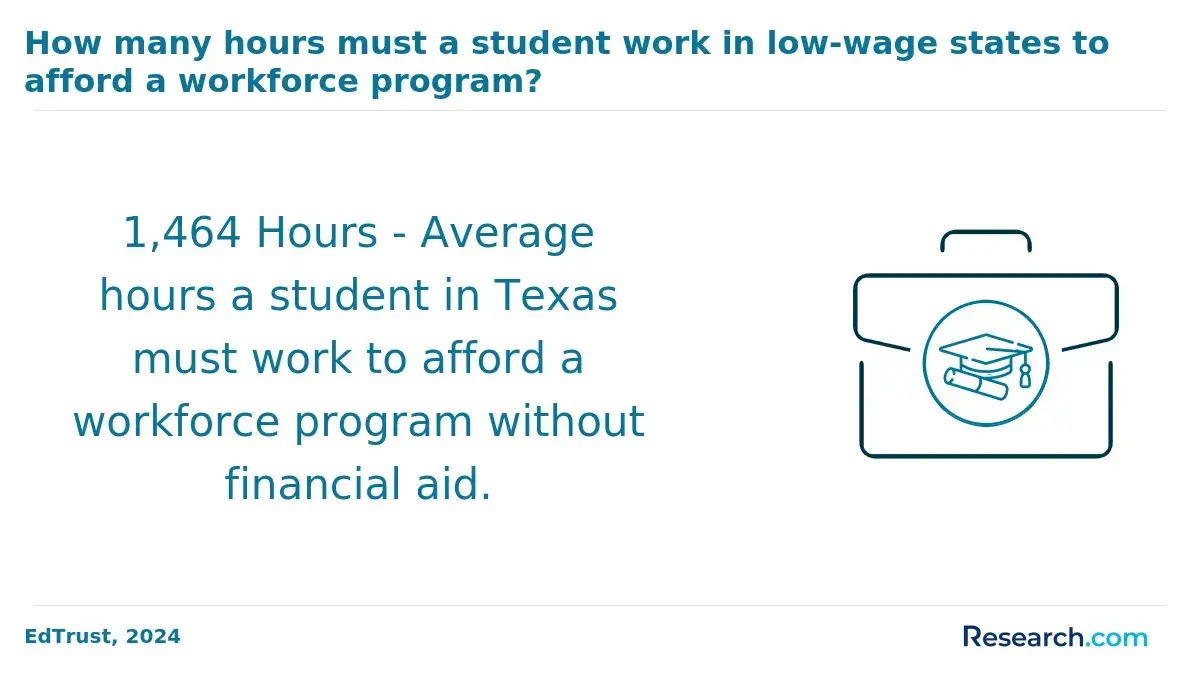
Online students at Fairfield University must anticipate costs for course materials and supplies beyond tuition fees. The average annual expenditure for digital resources at Fairfield University is approximately $1,175. This cost can significantly affect a student's budget, especially when compared to the national average of over $1,300 annually for online learners, a figure that continues to rise due to evolving licensing practices and publisher pricing.
Such expenses demand careful planning, particularly for students balancing work and study who must weigh upfront costs against the practical skills gained. The following list outlines typical materials and their implications for students.
- E-textbooks: These digital textbooks are core to most courses, offering immediate access to required reading. Fairfield students often pay between $100 and $300 per title, making this a recurring but necessary investment for staying current with course content.
- Access codes for learning platforms: Platforms like Pearson MyLab and McGraw-Hill Connect require unique access codes. These codes, usually costing $50 to $150 each, grant interactive assignments that reinforce practical skills favored by employers.
- Specialized software licenses: Programs such as SPSS for statistics and Adobe Creative Cloud for design classes are commonly required. Licensing fees can exceed $200 annually, adding a substantial premium but providing industry-standard tools critical for real-world competence.
- Subscription-based academic databases: Continuous access to research and data sources supports advanced coursework. These subscriptions may cost several hundred dollars yearly and are indispensable for in-depth projects and staying academically competitive.
Does Fairfield University offer accelerated term options for online students?
Fairfield University maintains a standard graduation timeline based on traditional semester billing without offering accelerated term options such as 5-week or 8-week sessions for online students. This limits opportunities for learners seeking to shorten their degree completion time through compressed academic calendars.
Without accelerated terms, tuition is likely charged per semester or per credit, which means students cannot reduce total costs by bypassing multiple semester fees. Fast-track scheduling at other institutions often allows learners to pay a flat subscription or fewer fees, potentially lowering overall tuition while completing credits faster.
Universities adopting accelerated and modular calendars have reported a 12% increase in student retention and an average reduction of six months in time-to-degree, reflecting both cost and time efficiencies important for working adults or career switchers. Fairfield's current model does not provide these benefits, potentially extending time and expense for students balancing education against workforce demands.
Prospective students must weigh Fairfield University's program quality with the absence of accelerated options, especially when quicker credential attainment affects employability timing and financial return on investment compared to alternative schools with flexible pacing.
Can online students Fairfield University transfer credits to reduce tuition costs?
Fairfield University typically accepts up to 75% of total required credits for fully remote bachelor's programs, instantly lowering tuition from the full $77,870 by a significant margin. This policy offers online students a concrete path to reduce costs by transferring credits earned elsewhere, though exact savings vary widely.
Tuition reductions depend heavily on articulation agreements and the recognition of prior learning assessments, CLEP testing, or military training credits. Since Fairfield's formal partnerships are relatively limited, students must carefully research their previous institution's alignment. Transfer credit value hinges on attending accredited institutions, as this affects Fairfield's willingness to award credit.
Nationally, uneven credit articulation remains a barrier. A 2024 study by the National Student Clearinghouse showed more than 35% of transfer credits go unrecognized, underscoring the importance of proactive verification before transfer. For online students, accurate credit evaluation directly influences time-to-degree and financial outlay.
Students balancing work and studies may find flexibility in Fairfield's Fall and Spring transfer windows helpful. Yet, the complexity of block-transfer policies and credit acceptance means tuition savings are not guaranteed-caution and planning are essential to avoid unexpected costs.
What financial aid options are available to online students at Fairfield University?
Financial aid at Fairfield University plays a decisive role in reducing upfront costs for online learners, allowing many to avoid excessive debt and remain competitive in the labor market. For example, a working adult returning to school can leverage these resources to balance income and education without sacrificing financial stability.
However, even with a 98% aid participation rate and an average undergraduate award of $25,080, students must evaluate the long-term return on investment in programs aligned with their career goals. Recent data from the National Center for Education Statistics emphasizes a shift toward grants and scholarships as family incomes stagnate, reinforcing the necessity to secure non-loan aid early.
Below are key financial aid options available to Fairfield University online students.
- Fairfield Online Merit Scholarship: Targets high-achieving students enrolled online, offering up to 50% tuition coverage. This award rewards academic excellence and helps reduce total education costs.
- Adult Learner Grant: Designed for non-traditional students with relevant work experience, providing up to $10,000. It acknowledges professional backgrounds to make education more affordable.
- Veterans Grant: Available for military-affiliated students, covering up to 40% of tuition. This aid accommodates those balancing service commitments with academic progress.
- STEM Innovators Award: Provides $7,500 for students in science, technology, engineering, or math fields. It supports disciplines with strong employer demand and workforce growth.
- Fairfield Need-Based Grant: Adjusts aid based on demonstrated financial need, ensuring assistance is aligned with personal circumstances and reduces reliance on loans.
Prospective learners seeking affordable scholarships and grants for Fairfield University online learners should complement these options with thorough budgeting. Regardless of aid, prudent financial plans are critical for managing cost pressures highlighted in discussions about employers' preference for credentials from programs such as Fairfield's. Research into the fastest online master's degree tracks can help students assess time-to-completion and potential economic outcomes tied to their educational investment.
How do you know if the affordable online programs at Fairfield University are worth it?
The true value of affordable online programs at Fairfield University hinges on their alignment with career goals and measurable outcomes rather than just low tuition. For example, a prospective student aiming for a mechanical engineering role must consider that the median salary for graduates in this field is $66,682, while business administration graduates start around $51,604, illustrating how program choice heavily influences return on investment (ROI).
Nationwide trends further emphasize the importance of managing debt relative to income, with many graduates now prioritizing faster employment post-graduation, known as workforce entry velocity, when assessing educational value. Below are key criteria that help evaluate whether Fairfield University's affordable online degrees deliver meaningful, long-term worth.
- Median Alumni Salary: This indicates how graduates of a program fare financially. Fairfield's median alumni salary is $88,794, but this varies by field, so prospective students should investigate salary data relevant to their intended degree.
- Graduation Rate: Fairfield's 84% graduation rate suggests strong support for completion, a critical factor since earning the credential significantly impacts earnings and career stability.
- Program Relevance: Alignment with labor market demand matters. Students should verify that Fairfield's online programs offer up-to-date curricula and specializations that meet employer expectations and job availability.
- Debt-to-Income Considerations: Affordable programs are not valuable if they leave students burdened by debt. Evaluating cost effectiveness of Fairfield University online programs involves analyzing tuition against expected early-career salaries and debt levels.
- Workforce Entry Velocity: The speed graduates secure jobs affects the practical value of the degree. Programs with clear employment pathways reduce the risk of prolonged unemployment after graduation.
- Field-Specific Outcomes: Salary variations across disciplines like Biology ($24,352 median) and Psychology ($31,305 median) highlight the necessity of choosing programs aligned with realistic employment prospects.
- Accreditation and Recognition: Ensuring Fairfield's online programs carry appropriate accreditation reassures that degrees maintain academic and professional integrity.
Prospective students should also explore options such as accelerated online bachelor degree programs accredited for working adults to gauge if Fairfield's formats meet their timing and career advancement needs.
What Graduates Say About the Cheapest Online Degrees at Fairfield University
- Aubrey: "Choosing the affordable online program at Fairfield University was a strategic decision shaped by my need to balance work and study without incurring typical campus costs like housing and commuting. While the sticker price was noticeably lower than some competitors, I quickly realized that additional technology fees added up and slightly shifted my budget. Still, the flexibility of the online format allowed me to maintain my full-time job, and the practical curriculum equipped me with skills directly applicable to my current role, accelerating my entry into the workforce."
- Phoebe: "As someone who weighed several options, what ultimately drew me to Fairfield University's online program was the upfront affordability paired with its reputation for academic rigor. The absence of on-campus expenses saved me thousands, which softened the impact of smaller hidden fees related to digital resources and proctoring. Although some rival schools offered courses that seemed cheaper at first glance, Fairfield's comprehensive support and schedule adaptability justified the investment by enabling me to secure a promotion within my first year post-graduation."
- Mariah: "My decision to study online at Fairfield University was heavily influenced by the promise of low tuition, but navigating the real costs revealed some unexpected challenges, especially with technology and distance education fees that weren't clearly outlined initially. Despite this, the financial relief from skipping on-campus costs like commuting was significant. From a pragmatic standpoint, while the degree did expedite workforce integration, I found that the competitive edge Fairfield promised required proactive networking and skill polishing beyond the curriculum to truly match outcomes offered by more expensive institutions."
Other Things You Should Know About Fairfield University Degrees
Fairfield University's reputation in certain fields may be stronger locally or regionally rather than nationally, especially for online credentials within lower-cost programs. While many employers recognize the value of a degree regardless of format, students pursuing the cheapest online options should prioritize programs with clear ties to industry standards or certifications, particularly if targeting competitive fields. Those seeking broader geographic mobility might weigh whether a more recognized or traditional program better serves their career goals.
Lower-cost online degrees at Fairfield University often come with fewer dedicated career support services and limited networking opportunities compared to higher-priced or on-campus programs. Students aiming to maximize return on investment should actively seek out external professional groups or use Fairfield's alumni networks independently, since the cheapest programs typically lack structured career placement assistance. This can affect job search success and long-term career advancement if not compensated for proactively during and after the program.
While the cheapest online degrees meet accreditation standards, program rigor can vary and may be less demanding than higher-priced counterparts. Students motivated by strong content mastery and employer-preferred credentials might find better long-term value investing slightly more for programs with more comprehensive coursework or experiential opportunities. For those prioritizing minimal cost and flexible entry, the cheaper programs remain viable, but they should be aware of potential tradeoffs in depth of learning and career readiness.
References
- Equitable, Affordable Access to Digital Course Materials for University Students: Issues and Solutions - Canadian Association of Research Libraries https://www.carl-abrc.ca/news/equitable-affordable-access-to-digital-course-materials-for-university-students-issues-and-solutions/
- Fairfield University - Accreditation, Applying, Tuition, Financial Aid, Business Analytics Degree https://www.datasciencedegreeprograms.net/colleges/fairfield-university/
- Student Textbook Adoptions and Digital Materials https://fairfield-university.atlassian.net/wiki/spaces/ITSKB/pages/30345724/Student+Textbook+Adoptions+and+Digital+Materials
- School Tracks https://ctnursingguide.com/school-tracks/second-degree-(accelerated)-baccalaureate-of-science-in-nursing/17
- Fairfield University - Wikipedia https://en.wikipedia.org/wiki/Fairfield_University
- Fairfield University Tuition and Financial Aid https://www.prepscholar.com/sat/s/colleges/Fairfield-University-tuition-financial-aid
- What the Credit/No-Credit Policy Means For Fairfield Students https://fairfieldmirror.com/72768/news/creditno-credit-policy-means-fairfield-students/
- First Day FAQS | Fairfield University https://fairfield.bncollege.com/first-day-faqs
- Search Results | Find a Course https://www.summerdiscovery.com/courses/results/elementary-school
- Fairfield University Part-Time Visiting High School Students | Fairfield University | Snowday https://www.snow.day/learning-opportunities/4538434f-304e-4ed7-84f7-f4c573d73b75/fairfield-university-part-time-visiting-high-school-students