2027 Grand Canyon University Online MPA in Health Care Management: Cost, Curriculum, Admissions, and Career Outcomes

Co-Founder and Chief Data Scientist
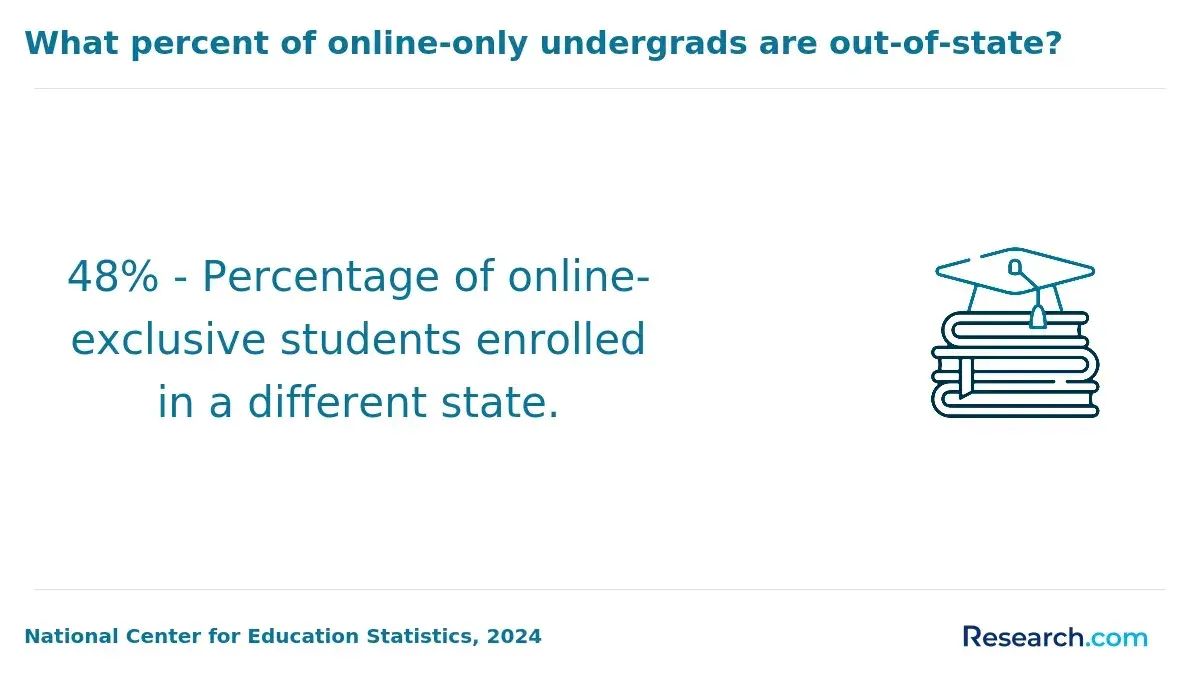
Determining the right online MPA in Health Care Management program requires assessing how well it fits both career ambitions and learning preferences. Grand Canyon University's offering faces the challenge of attracting students who must balance work and study commitments. According to the National Center for Education Statistics, over 40% of graduate students in 2024 are enrolled exclusively online, reflecting a strong preference for flexible, accessible programs. This shift highlights the importance of understanding program structure, admissions flexibility, and curriculum relevance to meet evolving workforce demands. This article explores cost, curriculum, admissions, and career outcomes to clarify whether this program aligns with your goals.
Key Points About Grand Canyon University's MPA in Health Care Management Program
- The 60% acceptance rate reflects a moderate admission selectivity, suggesting that prospective students must prepare to meet a baseline academic standard but face reasonable accessibility barriers.
- Tuition totaling $37,212 represents a significant financial commitment, which must be weighed against potential salary gains and career mobility within the competitive healthcare management labor market.
- The program's alumni success in health administration roles indicates that its curriculum aligns with employer expectations, enhancing practical skills that improve graduate employability and on-the-job performance.
What can students expect from Grand Canyon University's online MPA in Health Care Management curriculum?
Graduates aiming for leadership roles in healthcare settings face specific expectations that shape the curriculum of Grand Canyon University's online MPA in Health Care Management. The program's structure aligns with national standards for public administration but incorporates healthcare complexities, preparing students to navigate environments like a hospital where policy, finance, and organizational dynamics intersect daily. Below are key courses within the core courses in Grand Canyon University MPA Health Care Management program that reflect this integration:
- Public Administration Theory and Practice: This foundational course challenges students to apply theoretical frameworks to public sector management, emphasizing ethical leadership and effective governance essential for roles in healthcare institutions.
- Health Care Finance: Focused on budgeting, financial analysis, and funding mechanisms unique to health organizations, this course develops skills necessary to sustain operations while adapting to regulatory and market pressures.
- Strategic Planning for Health Organizations: Students learn to assess organizational needs, set objectives, and execute strategies within complex healthcare systems, facilitating improved patient outcomes and resource management.
Additionally, the curriculum integrates data-driven decision-making approaches and requires a capstone project or practicum to simulate real-world problem-solving. Such hands-on elements are critical given employers' emphasis on applicable management expertise rather than solely theoretical knowledge. Students should weigh how the program's health care management focus compares with broader public administration degrees, especially if their career intentions include specialized healthcare leadership.
Completing an MPA in Health Care Management at Grand Canyon University can position graduates to meet operational, financial, and policy challenges in various health settings, from government agencies to nonprofit organizations. For learners balancing time and seeking programs with practical outcomes, exploring 2 year online degrees that pay well may also provide complementary pathways to expedite workforce entry.
What are Grand Canyon University's admission requirements for online MPA in Health Care Management program?
Admission to Grand Canyon University's online MPA in Health Care Management program requires more than just a formal application; it demands demonstration of academic readiness and language proficiency, which align with employer expectations in healthcare administration. For example, a working professional aiming to shift into healthcare management may need to secure their academic credentials clearly to pass resume screening processes where specific educational standards are non-negotiable. These are the key admission criteria prospective students should prepare for:
- Academic Credentials: Applicants must submit completed high school credentials such as a GED certificate if a traditional diploma is unavailable, along with secondary school transcripts. The program emphasizes GPA as an indicator of academic preparation, which influences admissions committees' assessment of student potential.
- English Language Proficiency: Submission of a TOEFL score is mandatory for non-native English speakers. This requirement ensures candidates can effectively handle graduate-level coursework and communication demands critical in healthcare leadership roles.
- Standardized Testing: While the TOEFL is required, tests like the Wonderlic or WISC-III are recommended but not compulsory. Notably, SAT, ACT, and GMAT scores are neither specified nor prioritized, signaling that graduate admissions focus more on relevant academic and language indicators than on standardized business or undergraduate tests.
- Transfer Credits and Experience: Grand Canyon University welcomes transfer students with prior college credits and recognizes life experience and AP credits in some cases. However, specific policies require consultation to determine credit applicability, reflecting typical graduate program rigor ensuring foundational knowledge alignment.
- Supplemental Materials: Though not mandatory, submitting letters of recommendation and formal competency demonstrations can reinforce applications. This practice aligns with real-world employer expectations that value evidence of leadership potential and verified expertise beyond transcribed grades.
Is it difficult to get admitted to Grand Canyon University's online MPA in Health Care Management program?
Admission to most MPA in Health Care Management programs balances selectivity with accessibility, reflecting the field's growing demand alongside the need for specialized skills. Competition tends to focus on applicants' academic readiness rather than exclusivity, as programs seek candidates who can manage health sector complexities without overwhelming barriers to entry.
Specifically, Grand Canyon University's online MPA in Health Care Management demonstrates moderate difficulty in admission. The university's overall acceptance rate of 60% derives from nearly 48,000 applicants vying for about 29,000 spots, indicating a large but not unmanageable applicant pool. Standardized tests, such as SAT scores ranging from 540 to 620 in verbal and 518 to 555 in math or ACT scores starting at 19, mark the institution's baseline academic criteria.
This moderate competitiveness suggests potential students should prioritize meeting these academic thresholds without expecting restrictive cutoffs common in more selective programs. The accessibility helps maintain steady enrollment while addressing healthcare administration demands across sectors.
One graduate shared that applying felt initially daunting given the thousands of applicants, but the transparent score requirements allowed focused preparation. "I was hesitant at first," they recalled, "wondering if my ACT score was enough, but once I saw the acceptance rate and my numbers fit comfortably, I felt relief moving forward. The process was straightforward enough to give me confidence without unnecessary hurdles."
What is the cost of attending an online MPA in Health Care Management program at Grand Canyon University?
Tuition costs for Grand Canyon University online MPA in Health Care Management program amount to $17,450 annually for base tuition and mandatory fees, excluding books and living expenses. Additional costs like approximately $1,100 for books can influence the total financial commitment, which reaches around $37,212 when factoring in room, board, and incidental fees. This broad cost scope matters for candidates balancing tight budgets or employer tuition benefits, as it highlights that tuition alone does not capture the full investment required.
Compared to similar MPA programs, Grand Canyon University's tuition fees remain competitive, particularly because the university does not impose separate online technology fees. This stand-alone pricing model benefits students regardless of residency, simplifying cost expectations for out-of-state or remote learners. However, the Federal Scorecard's in-state on-campus cost estimate of $31,493 differs and is less applicable to online learners, complicating direct cost comparison for those accustomed to traditional campus pricing structures.
For many working professionals pursuing an online MPA in Health Care Management, this pricing structure can be a decisive factor in continuing education decisions. The absence of location-based pricing shifts emphasis from geographic constraints to program value and career relevance, which influences how candidates prioritize costs versus potential outcomes. Prospective students should also consider how the tuition aligns with program quality and the pragmatic value of credentials relative to industry demands.
Those looking at financial planning for graduate education may also explore what certifications can I get online that complement or supplement an MPA in Health Care Management, potentially enhancing employability without incurring the broader costs associated with full degree programs.
Are there financial aid options for online MPA in Health Care Management students at Grand Canyon University?
Financial aid at Grand Canyon University's online MPA in Health Care Management addresses a critical consideration for many working adults balancing cost with career transitions or advancement. While the near-universal availability of aid at the undergraduate level does not guarantee identical support for graduate students, the program offers multiple targeted options that respond to diverse financial circumstances. Recognizing that some students will rely on employer reimbursement or military benefits alters how one might budget for this degree path. The choice to pursue aid often depends on factors like current employment status, military affiliation, and prior academic performance, influencing the net investment and timeframe to degree completion. Below are key financial aid types that prospective MPA students typically explore:
- Merit-Based Scholarships: Awarded for strong academic records or relevant professional experience, these scholarships can reduce tuition costs substantially but usually require application submissions demonstrating eligibility and maintaining minimum GPA benchmarks.
- Employer Tuition Reimbursement: Available to working professionals whose employers support continued education, this option often reimburses a percentage of costs contingent on maintaining course completion and job retention, providing valuable financial relief without increasing debt.
- Veteran and Military Benefits: Candidates with military service can access specific funding programs, such as GI Bill benefits, which offset tuition and fees. Eligibility depends on service history and coordination with federal military education offices.
- Federal Financial Aid: Through the FAFSA process, students may qualify for Pell Grants, Direct Subsidized or Unsubsidized Loans, or Federal Work-Study. These funds hinge on demonstrated financial need and enrollment status, blending institutional and federal sources for comprehensive support.
- Graduate-Specific Grants: Targeted grants for graduate and professional students in health care and public administration fields help those with demonstrated potential to lessen borrowing but often require competitive application and maintaining specified academic progress.
What learning resources are available to online MPA in Health Care Management students at Grand Canyon University?
Access to targeted learning resources can significantly influence the ability of online MPA in Health Care Management students to navigate the complexities of public administration roles within healthcare settings. The practical demands of this field require not only a solid grasp of theoretical knowledge but also ready access to academic and professional support that aligns with dynamic industry expectations. For instance, a candidate preparing for a leadership position in a hospital system will benefit greatly from timely help with research methods and career-specific mentorship. Below is a breakdown of key resources available to students that support academic rigor and workforce readiness.
- Technical Support: A dedicated help desk offers real-time troubleshooting for technology issues, ensuring students remain connected to their coursework without interruptions. Reliable digital infrastructure is essential, especially when balancing professional and academic commitments remotely.
- Academic Tutoring: Customized tutoring services focus on health care management subjects, assisting students in mastering complex concepts and improving assignment outcomes. This personalized aid helps bridge gaps that self-study might not address effectively.
- Writing Assistance: Targeted writing support helps refine communication skills critical for public administration roles, from policy briefings to grant proposals, ensuring clarity and professionalism in academic and professional documents.
- Library Access: Specialized access to health care management databases and literature enables thorough research and informed decision-making, which are foundational to evidence-based administration.
- Career Services: Resume reviews, interview preparation, and job placement assistance are tailored to the unique requirements of health care administration, enhancing employability and facilitating smoother transitions into the workforce.
Does Grand Canyon University's online MPA in Health Care Management program have in-person clinicals or practicums?
Many health care management graduate programs require in-person clinicals or practicums to bridge theoretical knowledge with practical experience in patient care environments. However, this expectation can pose significant barriers for working professionals balancing career and personal responsibilities. For students evaluating whether Grand Canyon University online MPA in Health Care Management requires on-site clinical experience, it is notable that GCU's program diverges from such traditional models, focusing instead on administrative and leadership skills without hands-on patient care demands.
Unlike programs that mandate practicum hours in healthcare facilities to expose students to operational workflows, systems management, or clinical team interactions, Grand Canyon University online MPA program practicum requirements in Health Care Management emphasize applied virtual learning. Students engage with case studies, simulations, and project-based tasks designed to mimic real-world health services challenges rather than in-person clinicals. This structure supports professionals seeking advancement in healthcare administration roles where direct patient care skills are less pivotal.
For those researching options among top online universities, GCU's format reduces logistical constraints and scheduling conflicts often inherent in onsite practicums. This approach reflects broader shifts in how healthcare leadership education aligns with remote work trends and the operational realities of administrative roles within complex health systems.
What careers can graduates of online MPA in Health Care Management at Grand Canyon University secure?
The true value of an online MPA in health care management from Grand Canyon University lies in its alignment with specific leadership roles that demand both administrative insight and sector-specific expertise. Graduates entering Arizona's healthcare job market face a competitive environment where practical experience often weighs equally with academic credentials. Demonstrating skills in budgeting, compliance, and team coordination can distinguish graduates pursuing management roles in evolving healthcare settings. Considering these realities helps assess the degree's effectiveness in supporting viable career trajectories. The following outlines typical opportunities for graduates:
- Health Services Manager: Oversees medical and health service operations, aiming to boost care quality and operational efficiency. This role often involves budget management and staff coordination, with salaries reflecting the responsibility of ensuring effective service delivery.
- Healthcare Administrator: Focuses on strategic planning and policy execution to adapt healthcare organizations to regulatory and economic changes. Administrators balance organizational goals with resource limitations, with compensation tied to their ability to manage complex systems.
- Clinical Manager: Directly supervises departments such as nursing or radiology, ensuring clinical and administrative alignment. This position requires strong interpersonal skills and operational oversight, typically offering mid- to upper-level managerial pay.
- Health Information Manager: Responsible for the integrity and security of patient data, managing electronic health records and compliance with privacy laws. This growing field combines IT knowledge with administrative duties and commands competitive salaries due to its technical demands.
For those considering job prospects for online MPA health care management graduates at Grand Canyon University, these roles represent varied entry points to leadership within healthcare systems. Exploring career outcomes through a realistic lens also involves understanding the balance between education and workforce experience, especially in Arizona's healthcare sector. For prospective students weighing options, researching comparable programs or alternative pathways through resources like online colleges that accept 2.0 GPA may prove useful in determining fit and market alignment.
What is the salary outlook for online MPA in Health Care Management graduates?
The salary outlook for graduates of Grand Canyon University online MPA in Health Care Management often reflects a tradeoff between specialization and earning ceiling when compared to other health and administrative fields. While the median salary of $39,965 for alumni in Health and Medical Administrative Services is modest relative to the university's overall median alumni salary of $42,186, it indicates reasonable but not top-tier compensation in the administrative side of healthcare.
From a career salary growth perspective for MPA in health care management graduates in Arizona, many employers prioritize practical management experience alongside credentials. This degree places graduates in a stable sector but with earnings that generally trail behind clinical roles like Registered Nursing or Nursing Administration, which report median salaries exceeding $78,000. Such disparities underscore the need for graduates to weigh immediate salary outcomes against potential long-term advancement in health care leadership.
Given the competitive nature of health care management roles, prospective students should also consider broader workforce strategies, including gaining cross-functional skills or complementary certifications to enhance earning potential. For those researching education paths with practical value, reviewing resources like the best degrees for felons can provide insight into degree options that facilitate access to the health administration field without sacrificing future income opportunities.
How do you know if Grand Canyon University's online MPA in Health Care Management program is the right choice for you?
Choosing whether Grand Canyon University's online MPA in health care management fits your needs hinges on how well the program's structure and focus intersect with your professional trajectory and personal circumstances. Careful assessment of critical factors determines if this degree will effectively advance your goals without imposing unmanageable tradeoffs. Consider the following elements:
- Flexible Learning Formats: Evaluate if the program's asynchronous coursework and interactive components align with your schedule and learning style. Flexibility matters for working professionals balancing jobs or family obligations, but too little live interaction may affect your engagement and networking opportunities.
- Curriculum Relevance: Scrutinize the integration of public administration fundamentals with specialized health care management topics. Ensure course content addresses real-world challenges you expect to face in health systems, including ethics, financial oversight, and regulatory compliance.
- Student Support and Culture: Analyze the availability of faculty access, peer engagement, and advising tailored for remote learners. A sense of community aids persistence and motivation but can vary widely across online programs.
- Career Outcomes Alignment: Reflect on whether alumni career trajectories and employer recognition of this credential match your desired roles in hospitals, clinics, or policy environments. Consider if the program's reputation and resources will translate into tangible employment advantages.
One MPA graduate recalled weighing options after a demanding hospital job left little room for on-campus classes. "I needed a program that respected my time yet prepared me for leadership roles," she said. She hesitated at first, uncertain if an online degree could deliver the connections or training required. Over time, regular virtual group projects and accessible instructors during nights helped maintain her commitment. The program's targeted courses in health care finance and ethics directly informed her work, making the decision to enroll feel more like an investment aligned with her career realities rather than a leap of faith.
What Graduates Say About Grand Canyon University's MPA in Health Care Management Program
- Carter: "Studying the MPA in Health Care Management program at Grand Canyon University gave me a clear understanding of how health policies translate into real-world administrative decisions. The coursework was especially valuable when I navigated the hiring process, where employers focused heavily on practical experience and portfolio work rather than just licensure or certifications. Balancing remote learning with full-time work was challenging but ultimately helped me land a mid-level management role faster than I expected."
- Terrell: "Grand Canyon University's online MPA in Health Care Management program provided the flexibility I needed while raising a family. I found that the internships and case studies offered within the program were crucial in building my confidence and portfolio, which proved more important than additional certifications when applying to employers. However, I noticed that while the degree opened doors, there were still limits to salary growth and promotion opportunities without specialized licensure, which shaped my decision to pursue further credentials down the line."
- Maurice: "After completing my MPA in Health Care Management through Grand Canyon University, I approached the field with a more pragmatic lens. The program's focus on practical administration allowed me to pivot into health system operations, but I also quickly realized the competitive nature of management roles in healthcare. Employers often prioritized candidates with a combination of experience, portfolio work, and internships, a balance the program emphasized. While the degree helped enhance my resume, navigating the realities of the sector required a blend of ongoing learning and strategic career moves."
Other Things You Should Know About Degrees
The fully online design limits face-to-face networking typically available in on-campus programs, which could affect building local connections in health care leadership roles. However, students can still engage through virtual discussion boards, group projects, and possibly local meetups if initiated independently. For applicants prioritizing extensive professional networking, supplementing with external health care management associations or local industry events is advisable to offset these limitations.
The curriculum focuses on broad administrative and managerial competencies applicable across hospitals, clinics, and public health agencies, but it may not delve deeply into specialized operational challenges faced by niche health care providers. Students aiming for leadership in highly specialized or cutting-edge settings might need to seek additional professional experience or certifications outside the program. Consequently, this MPA suits those targeting versatile management positions over hyper-specialized roles.
During intensive courses or capstone projects, students often report dedicating 15-20 hours per week to meet assignment deadlines and participate in online activities. This level of commitment may strain those balancing full-time employment and personal responsibilities if they underestimate the cumulative workload. Prioritizing enrollment during less taxing periods in one's personal and professional calendar is crucial to maintain performance and prevent burnout.
References
- Grand Canyon University Online MHA Program (GCU) https://www.mhaonline.com/school-profiles/gcu-online-mha
- Future Students https://www.aupha.org/resourcecenter/futurestudents
- GCU K12 Resources | Canyon PD https://www.canyonpd.com/gcu-k12-education-resources/
- How to Become a Healthcare Administrator https://www.publichealthdegrees.org/careers/healthcare-administrator/
- Salary for Masters in Healthcare Administration – Jobs & Career Outlook https://mhadegree.org/health-administration-salary/
- Online Resources & Scholarships for Healthcare Administration Students https://www.edumed.org/financial-aid/scholarships/healthcare-administration-degrees/
- Healthcare Management Careers, Salaries, Best Masters / MBA - MBA Crystal Ball https://www.mbacrystalball.com/masters-degree/healthcare-management/
- Grand Canyon University ACNP Programs ACNP Programs - Nurse Practitioner https://www.acnpprograms.com/acnp-programs/grand-canyon-university-acnp-programs/
- Top 30 Healthcare Management Degree Options - Healthcare Management Degree Guide https://www.healthcare-management-degree.net/top-healthcare-management-degree-options/
- 30 Top Healthcare Administration Degree Programs: Comparing the Top Affordable and Cost-No-Object Schools - Healthcare Administration Degree Programs https://www.healthcare-administration-degree.net/best/affordable-vs-cost-no-object-schools/